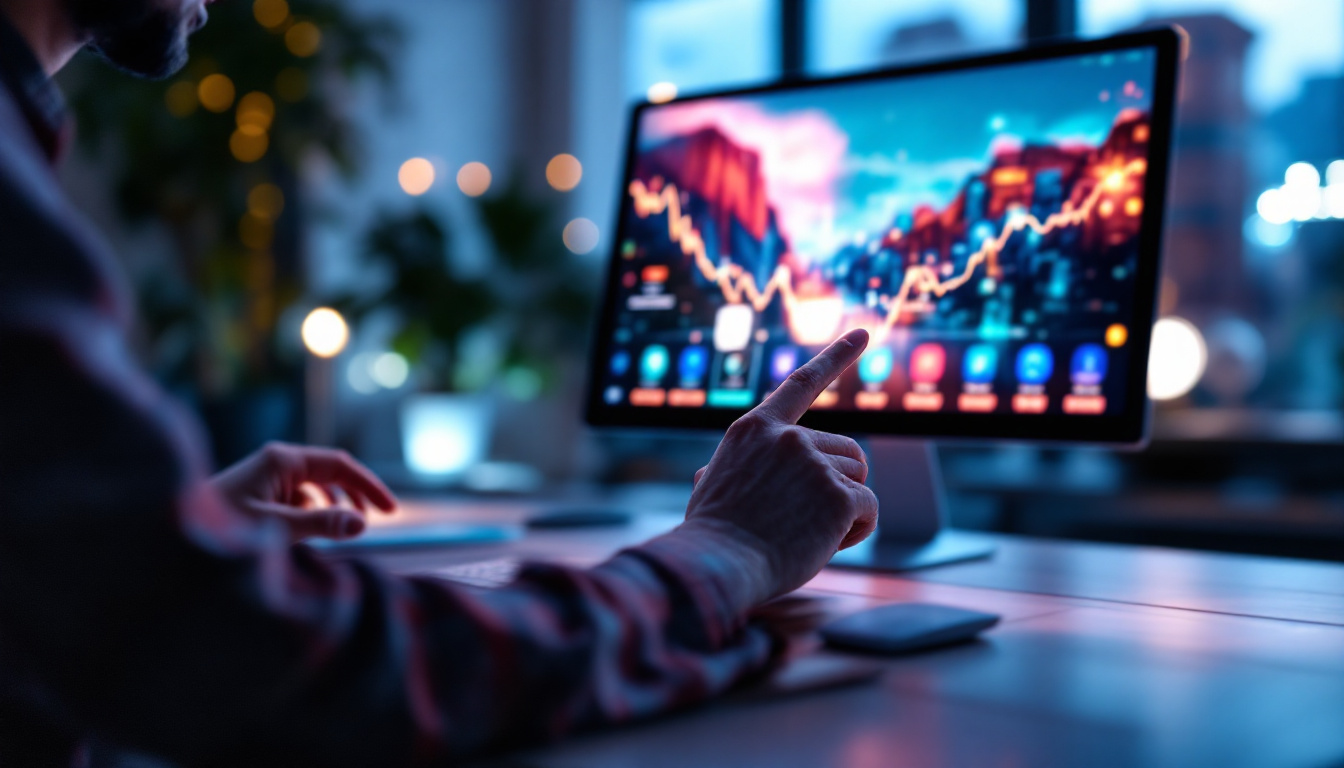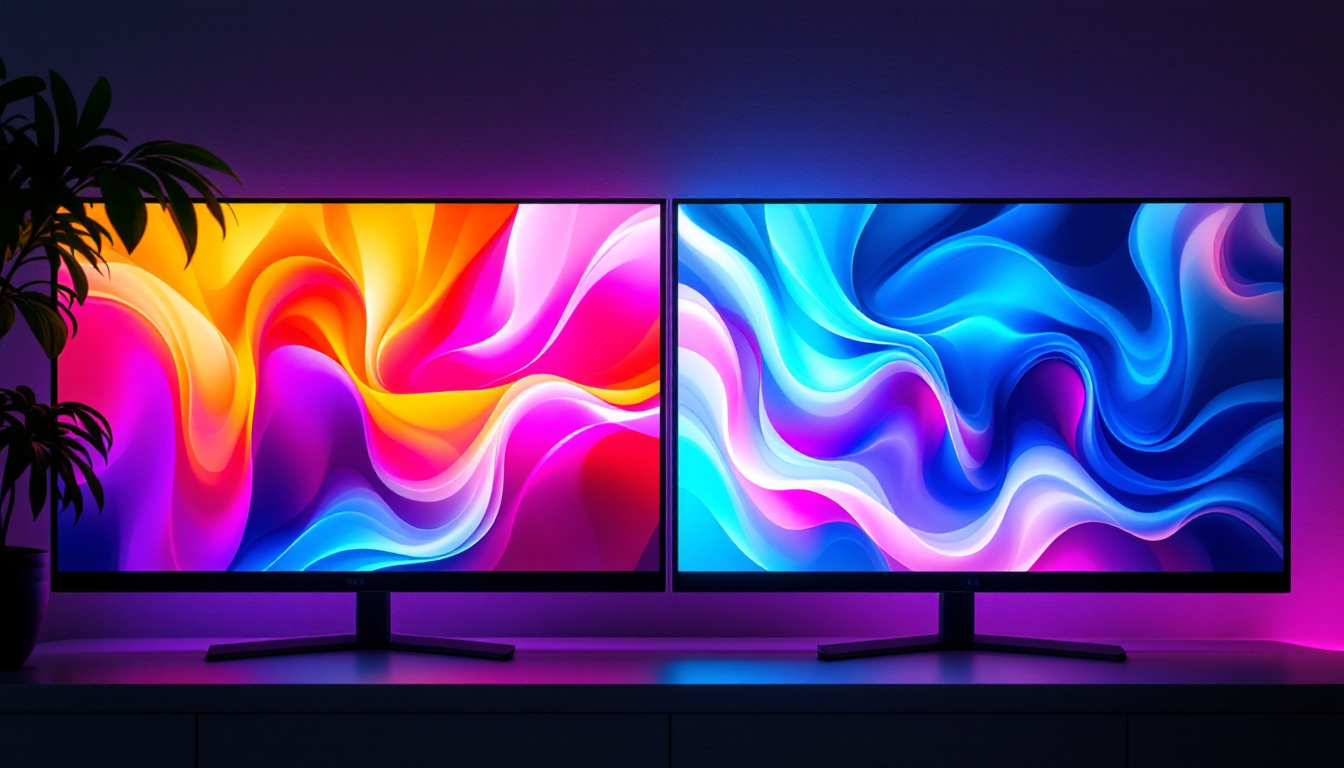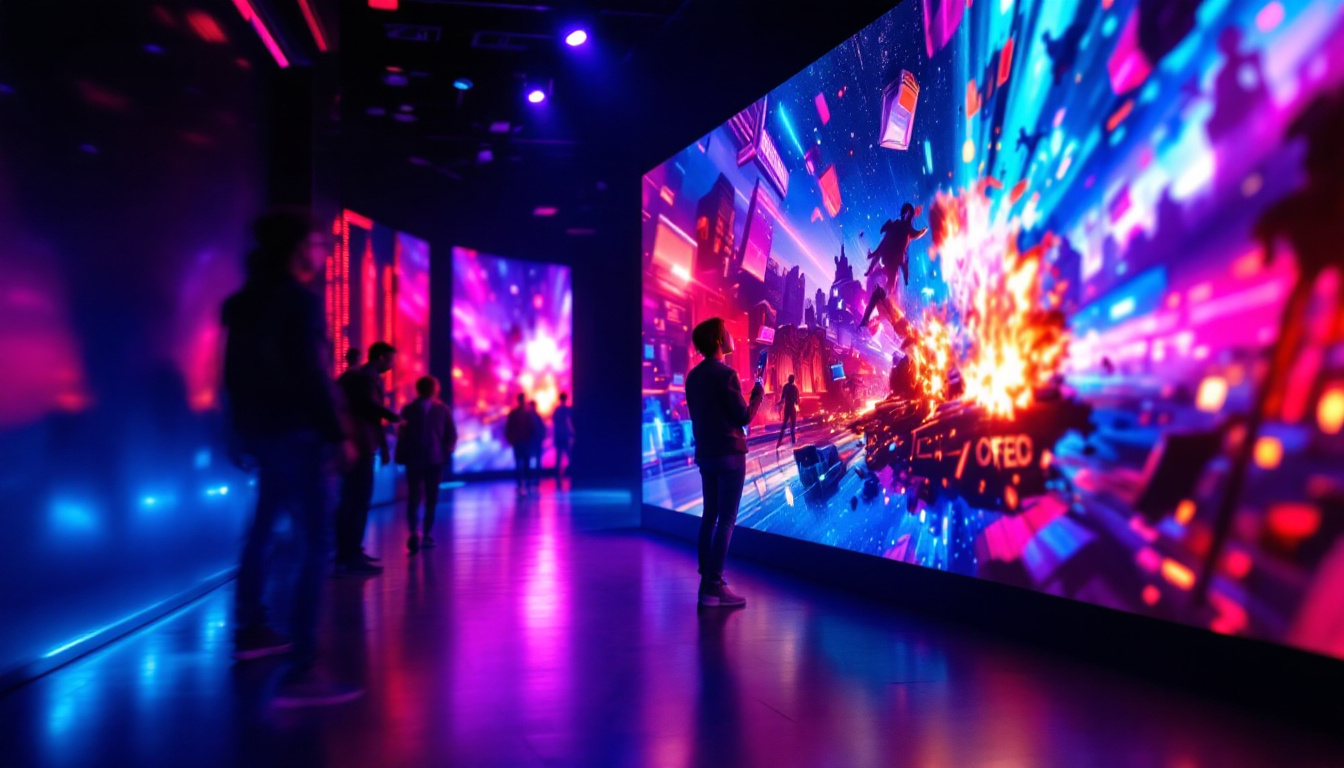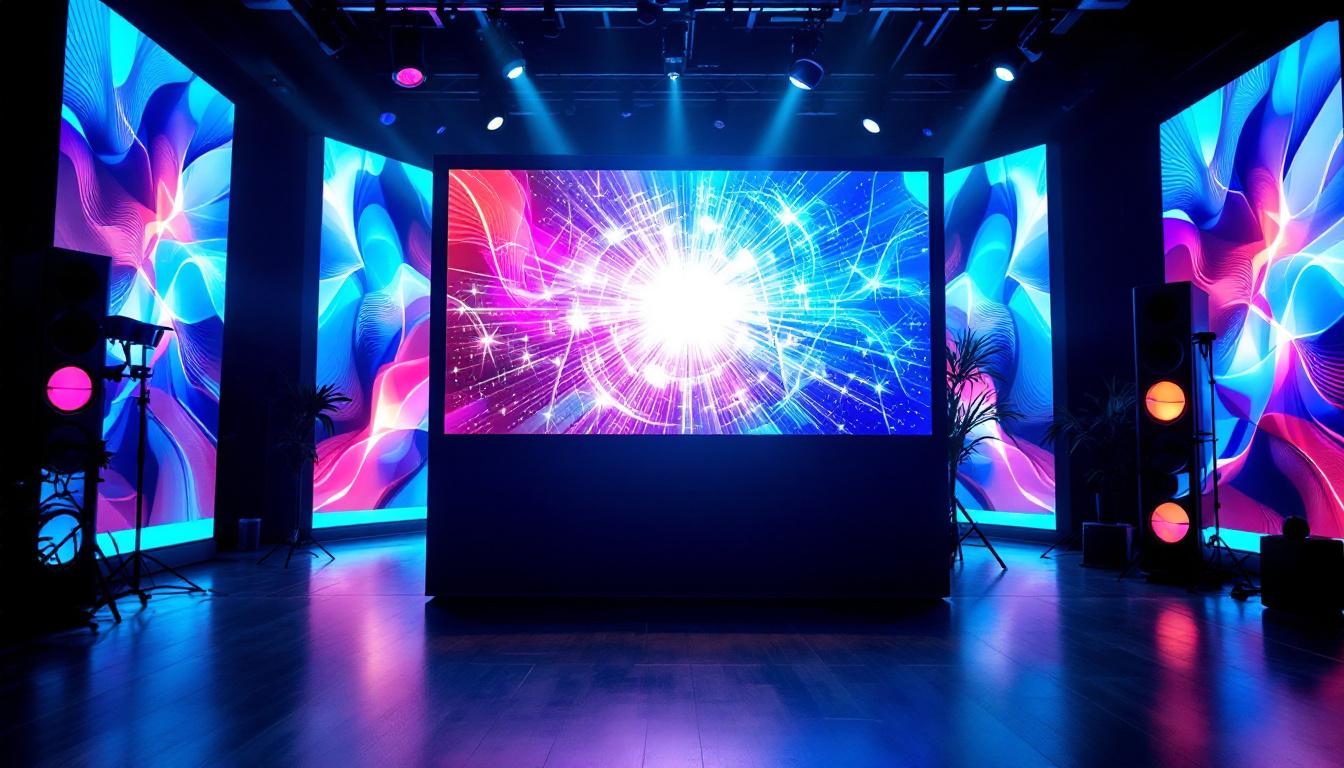
In recent years, the landscape of film, television, and live event production has undergone a remarkable transformation. At the heart of this revolution lies the integration of LED display technology within virtual studios. This innovation has redefined how content is created, enabling immersive environments that blend physical and digital worlds seamlessly. Understanding the role and mechanics of LED displays in virtual studios is essential for professionals in media production, event management, and technology sectors aiming to stay ahead in a rapidly evolving industry.
What Are Virtual Studios?
Virtual studios are advanced production environments where physical sets are combined with computer-generated imagery (CGI) to create realistic or fantastical backgrounds and scenes. Unlike traditional green screen setups, virtual studios utilize real-time rendering technologies to project digital environments onto LED screens surrounding the actors or presenters. This approach allows for more natural lighting, reflections, and interaction between performers and their surroundings. The immersive nature of virtual studios not only enhances the visual appeal of a production but also opens up new creative possibilities for filmmakers and content creators, enabling them to craft intricate worlds that would be difficult or impossible to achieve with physical sets alone.
The concept of virtual studios dates back to the early 2000s, but it is only with recent advancements in LED display technology and real-time graphics engines that the method has become widely accessible and practical for mainstream use. The integration of augmented reality (AR) and virtual reality (VR) elements into these studios has further revolutionized the industry, allowing for interactive storytelling where viewers can engage with the content in a more dynamic way. As technology continues to evolve, we can expect to see even more innovative applications of virtual studios across various media platforms, from film and television to live events and gaming.
How Virtual Studios Differ from Traditional Green Screen
Traditional green screen techniques involve filming actors in front of a green backdrop, which is later replaced with digital backgrounds during post-production. This method requires extensive post-processing and can introduce challenges such as unnatural lighting, color spill, and difficulties in matching camera movements. Furthermore, the reliance on post-production can lead to a disconnect between the actors and their environment, as they often have to imagine the final scene without the immediate visual context.
In contrast, virtual studios with LED displays project the background imagery live on high-resolution LED walls. Cameras capture the actors with the digital environment illuminated around them, creating realistic reflections and lighting effects in real time. This reduces post-production time and enhances the authenticity of the scene. Additionally, the ability to adjust the digital environment on-the-fly allows directors to experiment with different looks and feels during filming, fostering a more collaborative and spontaneous creative process. As a result, virtual studios not only streamline production workflows but also empower filmmakers to push the boundaries of visual storytelling, creating experiences that resonate deeply with audiences.
The Role of LED Displays in Virtual Studios
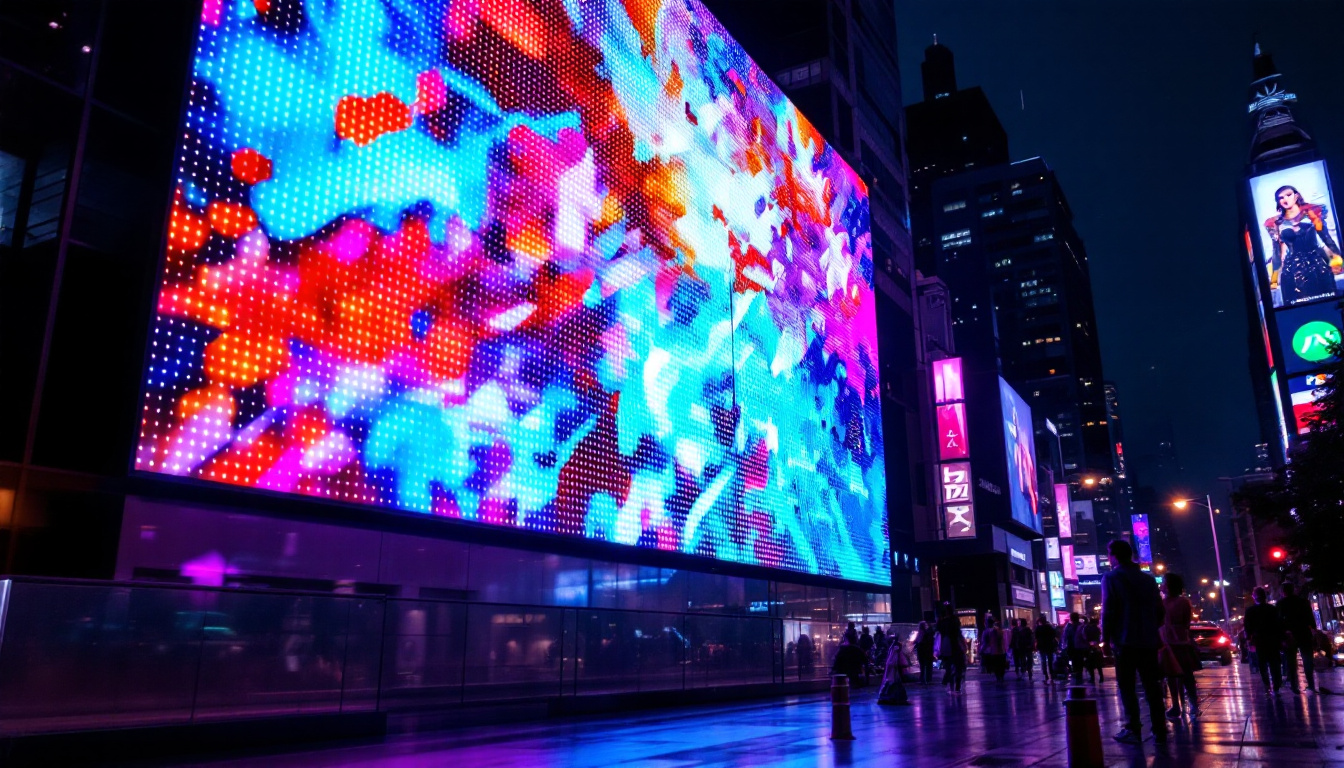
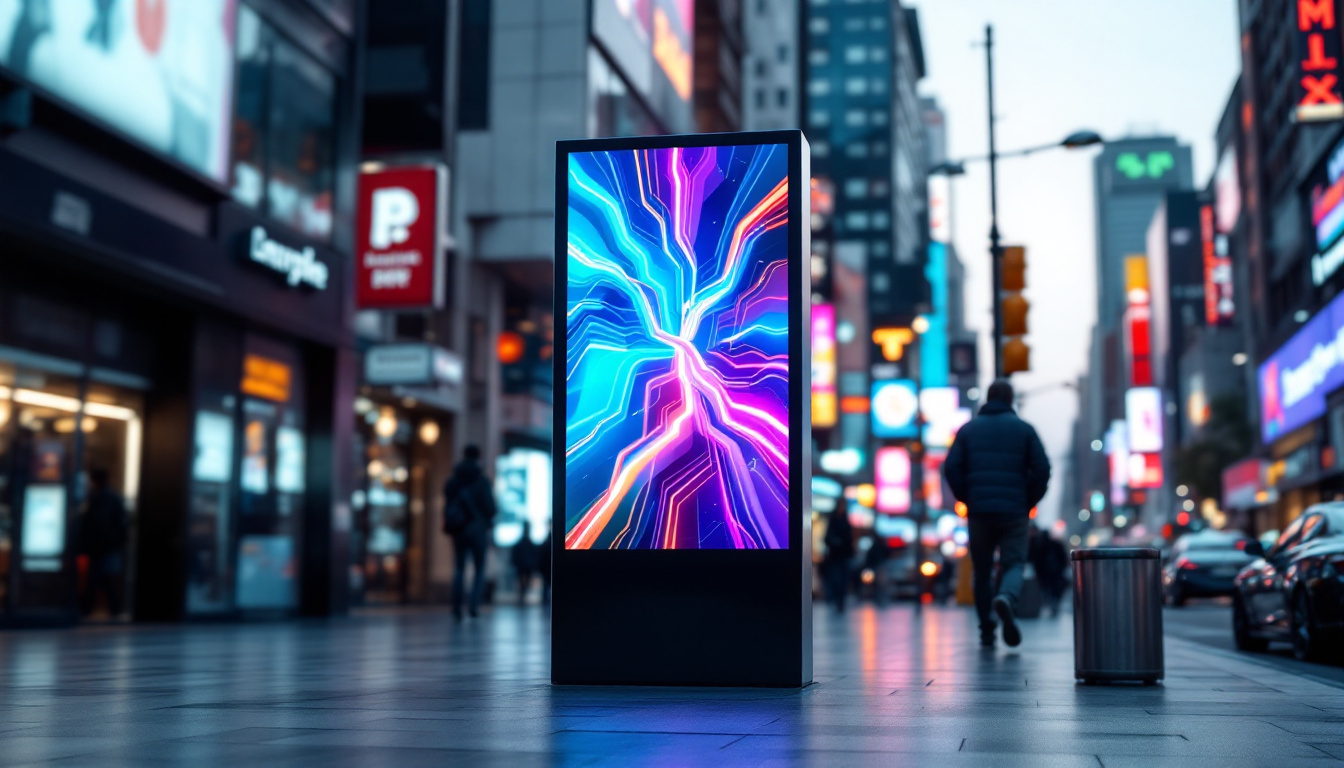
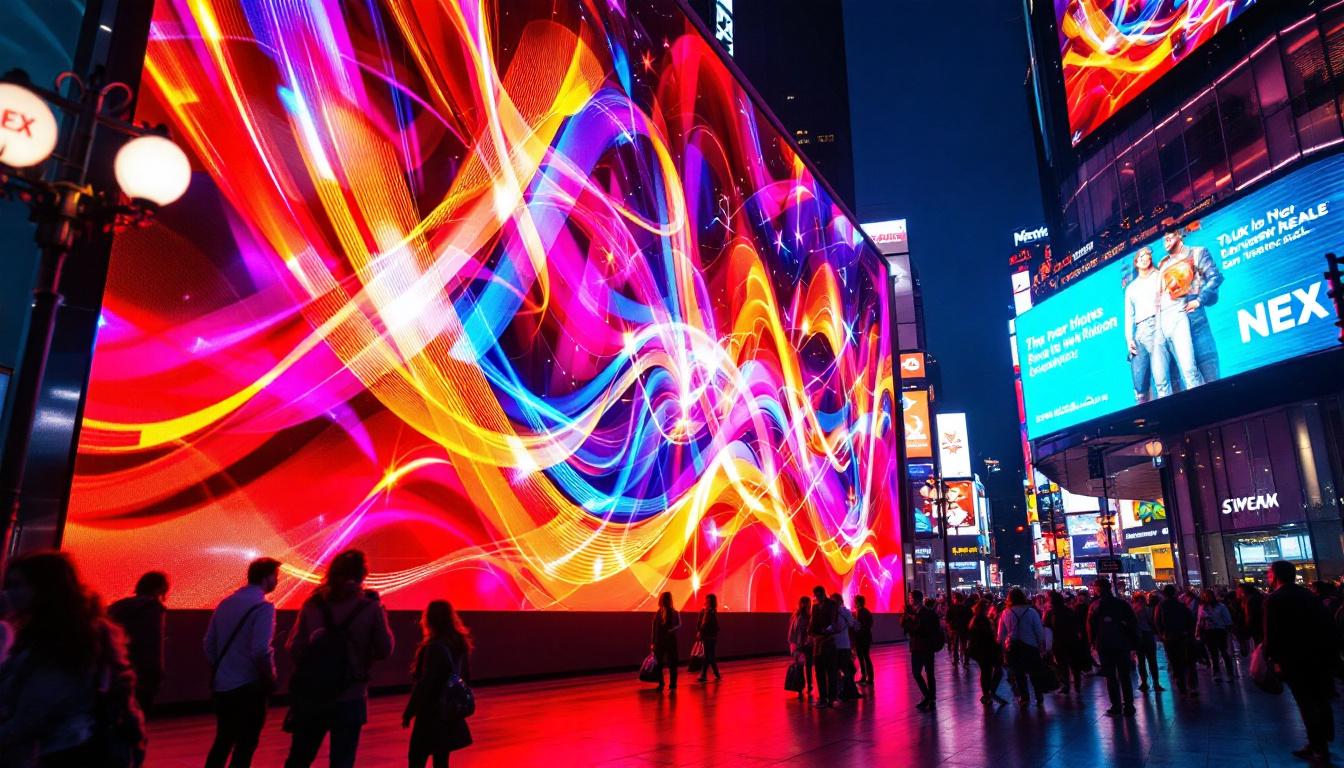
LED displays are the cornerstone of modern virtual studios. These high-definition panels serve as dynamic backdrops that can display any digital environment, from sprawling cityscapes to alien planets, all rendered in real time. The technology enables filmmakers and broadcasters to create immersive settings without the need for physical sets or location shoots. This flexibility not only saves time and resources but also opens up creative possibilities that were previously limited by the constraints of traditional filming methods.
As the industry evolves, the integration of LED displays into virtual studios is becoming increasingly sophisticated. For instance, some studios are now incorporating augmented reality (AR) elements that interact with the LED backgrounds, allowing for a seamless blend of live-action and digital content. This synergy enhances storytelling by providing viewers with an experience that feels both engaging and authentic, as characters can interact with their surroundings in a way that feels natural and fluid.
Technical Specifications and Features
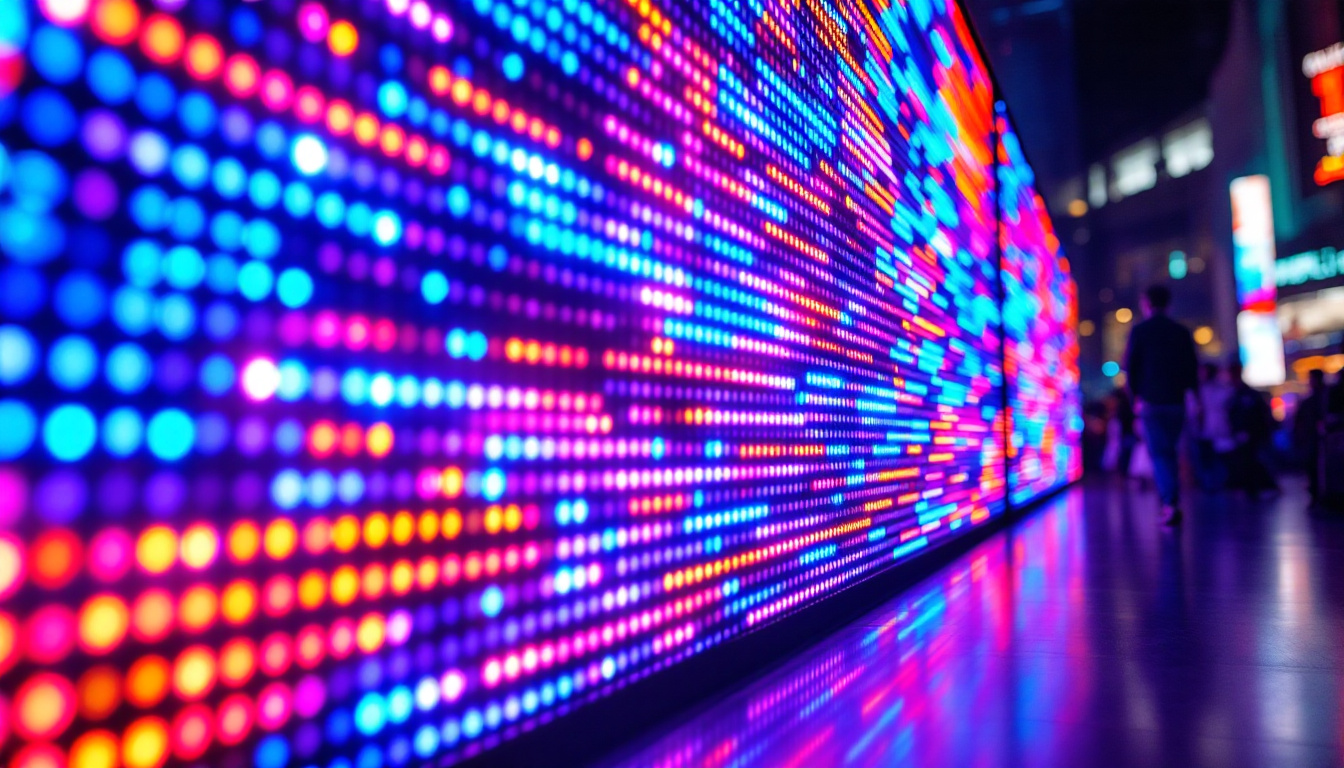
Modern LED displays used in virtual studios typically feature pixel pitches ranging from 1.2mm to 2.5mm, which determines the density of pixels and the clarity of the image. A smaller pixel pitch means higher resolution and sharper images, crucial for close-up shots in film and television. Additionally, advancements in technology have led to the development of flexible LED panels that can be shaped and configured to fit various studio designs, further enhancing the creative potential of virtual environments.
Brightness levels are also critical, with LED panels often capable of exceeding 1,000 nits to ensure vivid imagery even under strong studio lighting. This high brightness not only enhances visibility but also allows for more vibrant color reproduction, making scenes come alive with depth and detail. Furthermore, LED displays offer wide color gamuts and high contrast ratios, contributing to lifelike visuals that enhance the immersive experience. The ability to reproduce a broad spectrum of colors ensures that every scene can be tailored to evoke specific emotions, whether it’s the warmth of a sunset or the chill of a moonlit night.
Advantages of LED Displays Over Other Display Technologies
Compared to projection systems or LCD screens, LED displays provide superior brightness, color accuracy, and viewing angles. They are also more durable and energy-efficient, making them suitable for prolonged use in demanding production environments. This durability is particularly important in a fast-paced studio setting where equipment must withstand the rigors of constant setup and teardown. Moreover, LED displays have a longer lifespan, which translates to lower replacement costs over time.
Another key advantage is the ability to synchronize LED displays with camera tracking systems. This synchronization allows the background imagery to shift perspective dynamically as the camera moves, maintaining the illusion of depth and realism in the virtual environment. This level of integration not only enhances the visual experience but also simplifies the post-production process, as the need for extensive green screen work is significantly reduced. As a result, filmmakers can focus more on storytelling and less on technical challenges, paving the way for innovative narratives that fully utilize the capabilities of modern technology.
Applications of LED-Based Virtual Studios
The versatility of LED displays in virtual studios has opened up numerous applications across various industries. From entertainment to corporate communications, the technology is reshaping how content is produced and consumed.
Film and Television Production
One of the most prominent uses of LED virtual studios is in film and television production. Blockbuster movies such as “The Mandalorian” have famously utilized LED volumes—large, curved LED walls—to create immersive, interactive environments that actors can engage with directly. This approach reduces the need for location shoots, lowers production costs, and accelerates timelines.
Television studios also benefit from LED displays by enabling real-time scene changes and dynamic backgrounds during live broadcasts, enhancing viewer engagement and production flexibility.
Live Events and Broadcasts
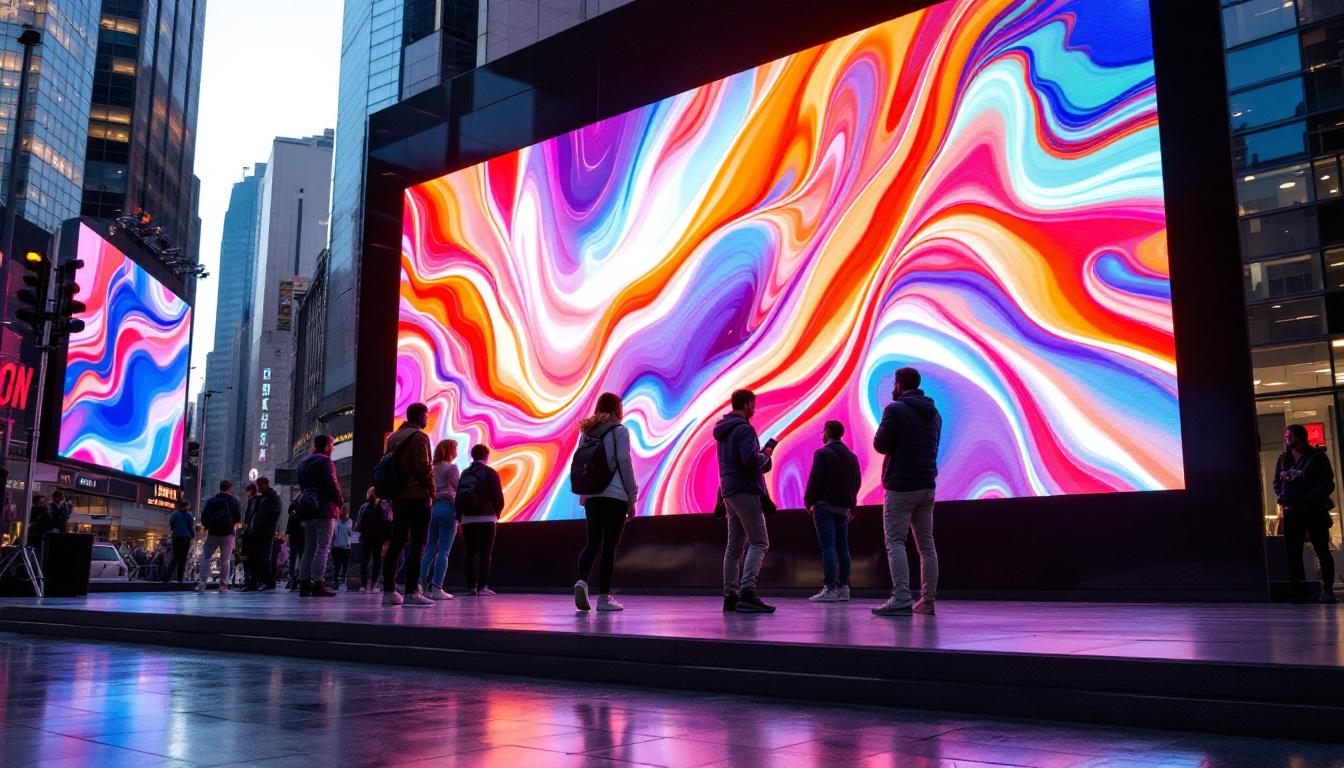
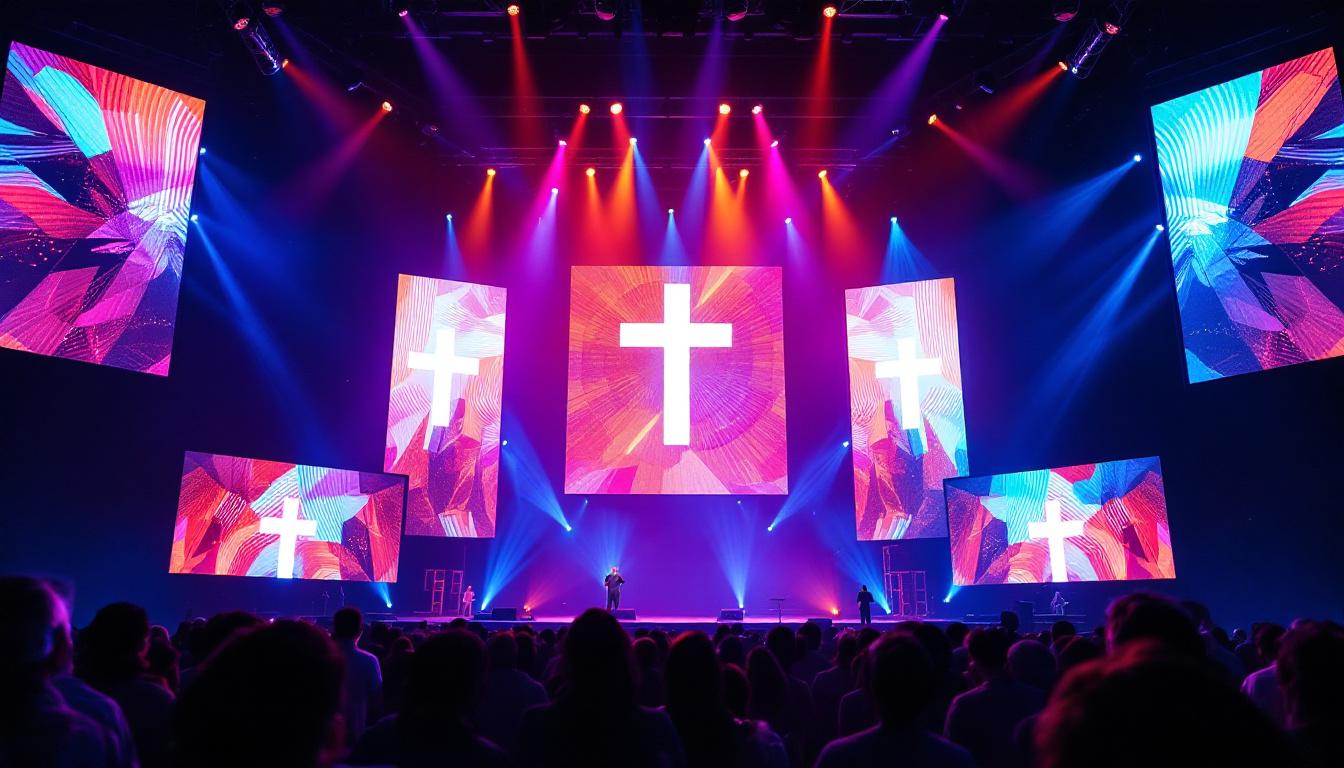
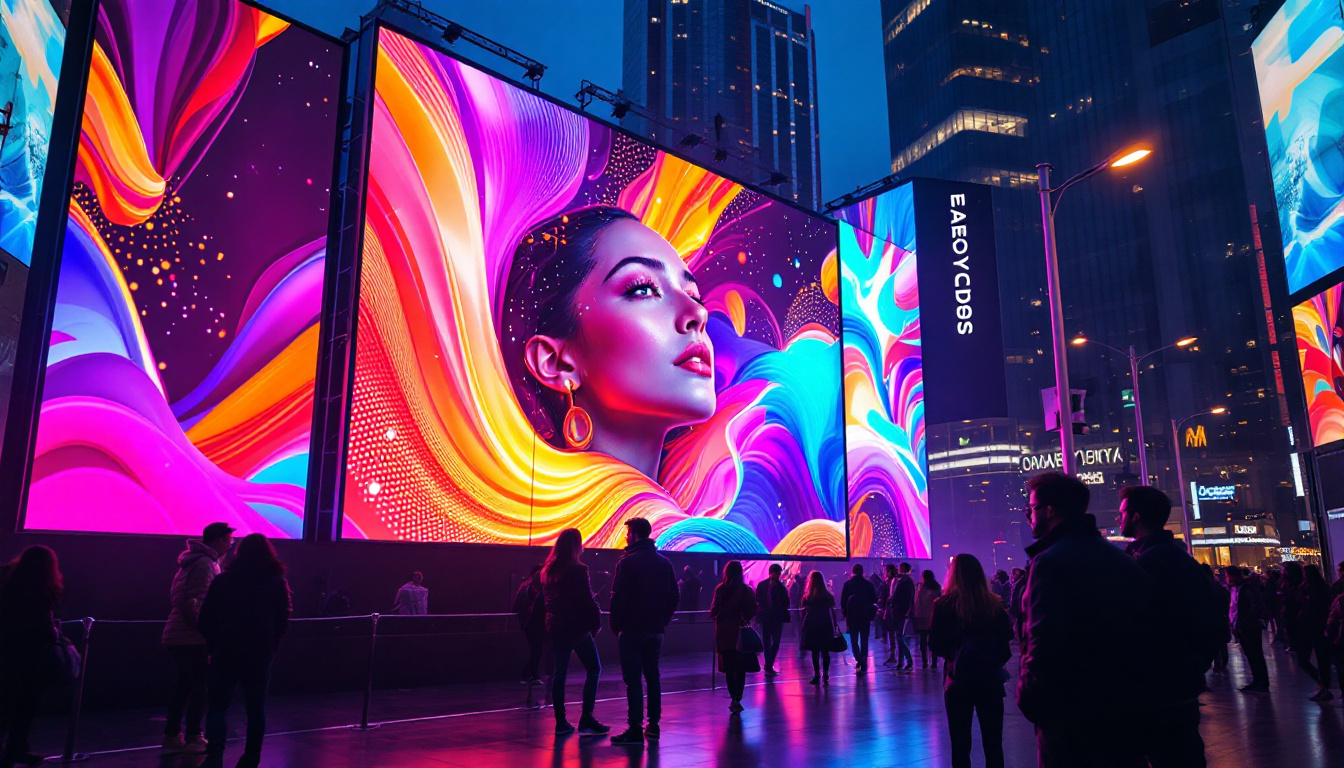
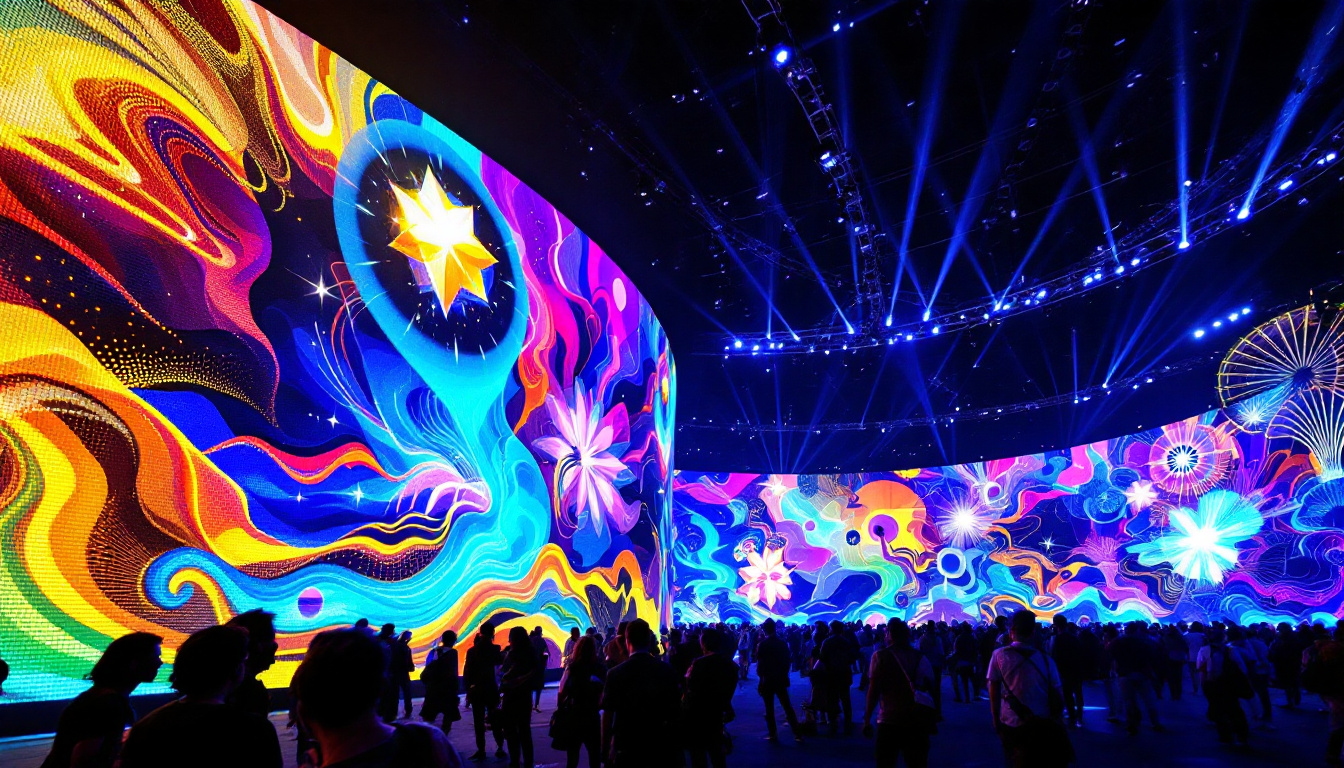
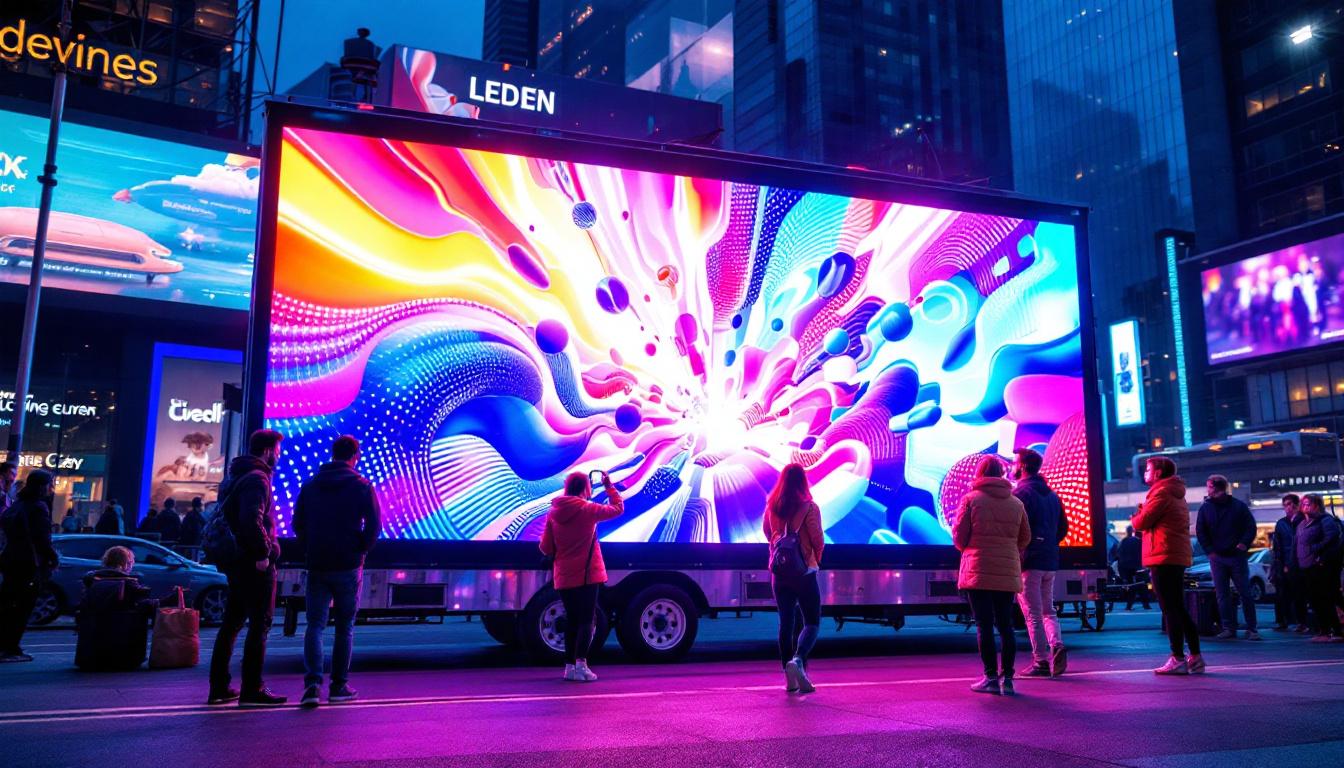
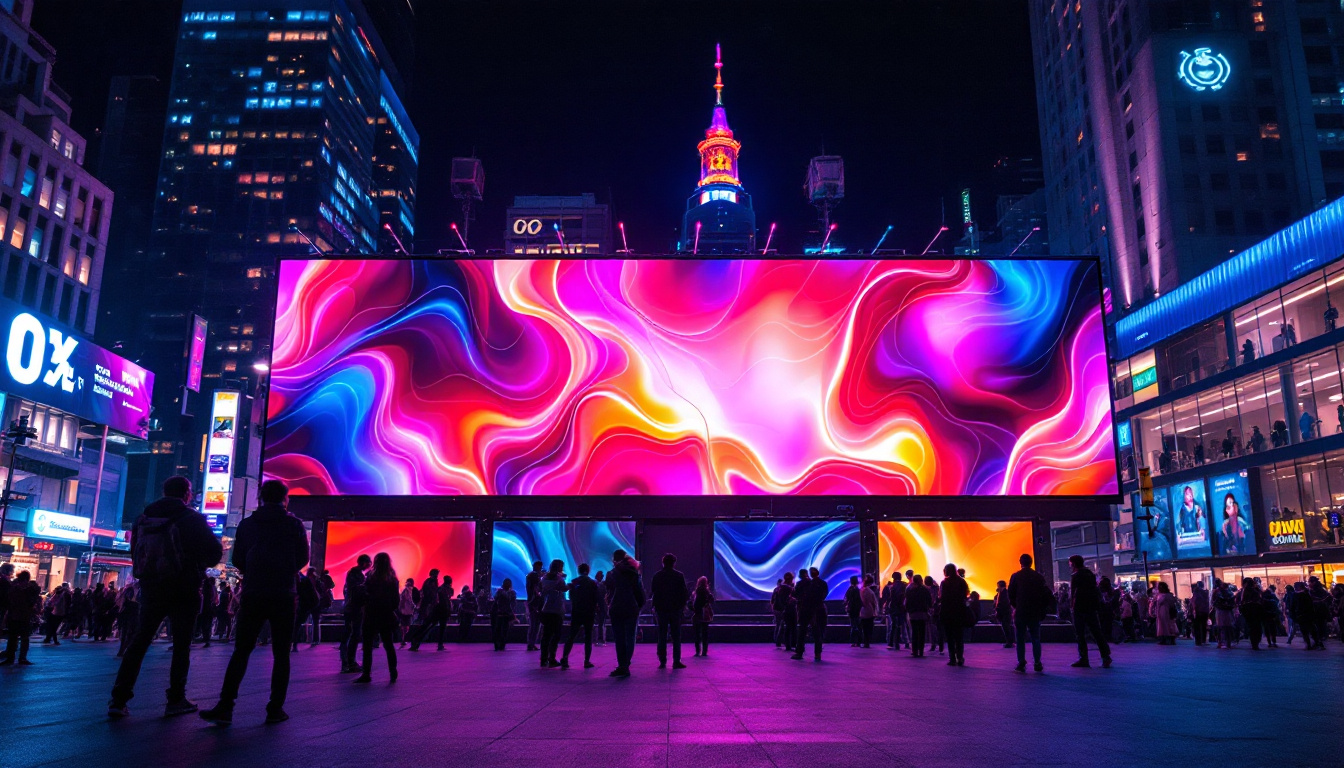
Live events, including concerts, conferences, and award shows, increasingly incorporate LED virtual studios to deliver captivating visual experiences. LED walls can display synchronized graphics, interactive content, and branding elements that adapt instantly to the event’s flow.
In broadcast journalism, LED displays provide versatile backdrops that can be updated in real time to reflect breaking news, weather updates, or thematic visuals, improving the storytelling impact.
Corporate and Educational Uses
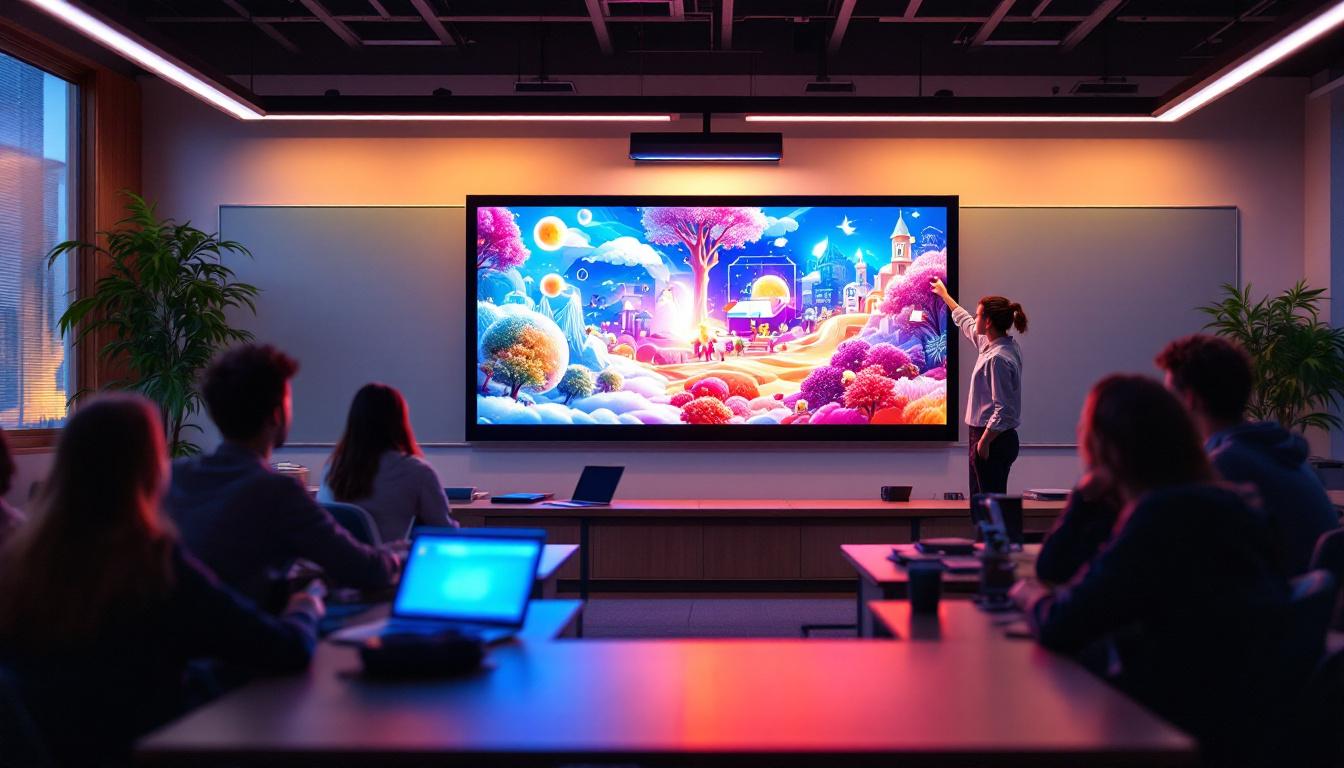
Corporations leverage LED virtual studios for product launches, training sessions, and internal communications, creating engaging environments that foster interaction and retention. Educational institutions use similar setups for remote learning and virtual labs, offering immersive experiences that enhance understanding and participation.
Challenges and Considerations in Implementing LED Virtual Studios
While LED virtual studios offer numerous benefits, there are several challenges and considerations that production teams must address to maximize their effectiveness.
Cost and Infrastructure Requirements
High-quality LED displays and associated hardware represent a significant investment. The initial setup costs, including LED panels, control systems, and camera tracking technology, can be substantial. Additionally, studios require robust infrastructure to support the power and cooling needs of large LED volumes.
However, the long-term savings from reduced location shoots and post-production work often justify the upfront expenses.
Technical Expertise and Workflow Integration
Operating a virtual studio with LED displays demands specialized skills in areas such as real-time rendering, camera tracking, and lighting design. Teams must integrate these technologies seamlessly into existing production workflows, which can involve a steep learning curve.
Collaboration between technical experts, creative directors, and production crews is essential to harness the full potential of the technology.
Visual Artifacts and Calibration
Maintaining visual fidelity requires meticulous calibration of LED panels to ensure uniform brightness, color consistency, and seamless panel alignment. Improper calibration can lead to visual artifacts such as flickering, color mismatches, or visible seams between panels.
Regular maintenance and quality control are critical to sustaining high production standards.
The Future of LED Displays in Virtual Studios
As technology continues to evolve, the capabilities and applications of LED displays in virtual studios are expected to expand dramatically.
Advancements in Resolution and Pixel Density
Emerging LED technologies are pushing pixel pitches below 1mm, enabling ultra-high-definition displays that rival traditional cinema screens. This advancement will allow for even more detailed and immersive virtual environments, suitable for close-up shots and large-scale productions.
Integration with Augmented Reality (AR) and Artificial Intelligence (AI)
Future virtual studios may incorporate AR elements that interact with LED backgrounds, creating hybrid experiences that blend physical and digital objects seamlessly. AI-driven content generation and camera tracking could automate scene adjustments, enhancing creative possibilities and operational efficiency.
Increased Accessibility and Portability
As manufacturing costs decrease and technology matures, LED virtual studio setups are becoming more accessible to smaller production companies and independent creators. Portable LED volumes and modular systems will enable on-location virtual studio setups, broadening the scope of creative production.
Conclusion
LED displays have become an integral component of modern virtual studios, transforming the way content is produced across film, television, live events, and corporate communications. Their ability to deliver vivid, dynamic, and interactive environments in real time offers unparalleled creative freedom and operational efficiency.
While challenges such as cost, technical complexity, and maintenance remain, ongoing advancements promise to make LED-based virtual studios more accessible and versatile. For media professionals and organizations seeking to innovate in content creation, understanding and leveraging LED display technology is essential to staying competitive in an increasingly digital and immersive world.
Discover LumenMatrix LED Display Solutions
Ready to elevate your production capabilities and captivate your audience with the most advanced LED display technology? Look no further than LumenMatrix. Our diverse range of solutions, from Indoor and Outdoor LED Wall Displays to innovative Transparent and Custom LED Displays, is designed to bring your virtual studio to life with unparalleled clarity and vibrancy. Whether for film, television, live events, or corporate communication, LumenMatrix is committed to revolutionizing visual storytelling. Check out LumenMatrix LED Display Solutions today and transform your creative vision into an immersive reality.