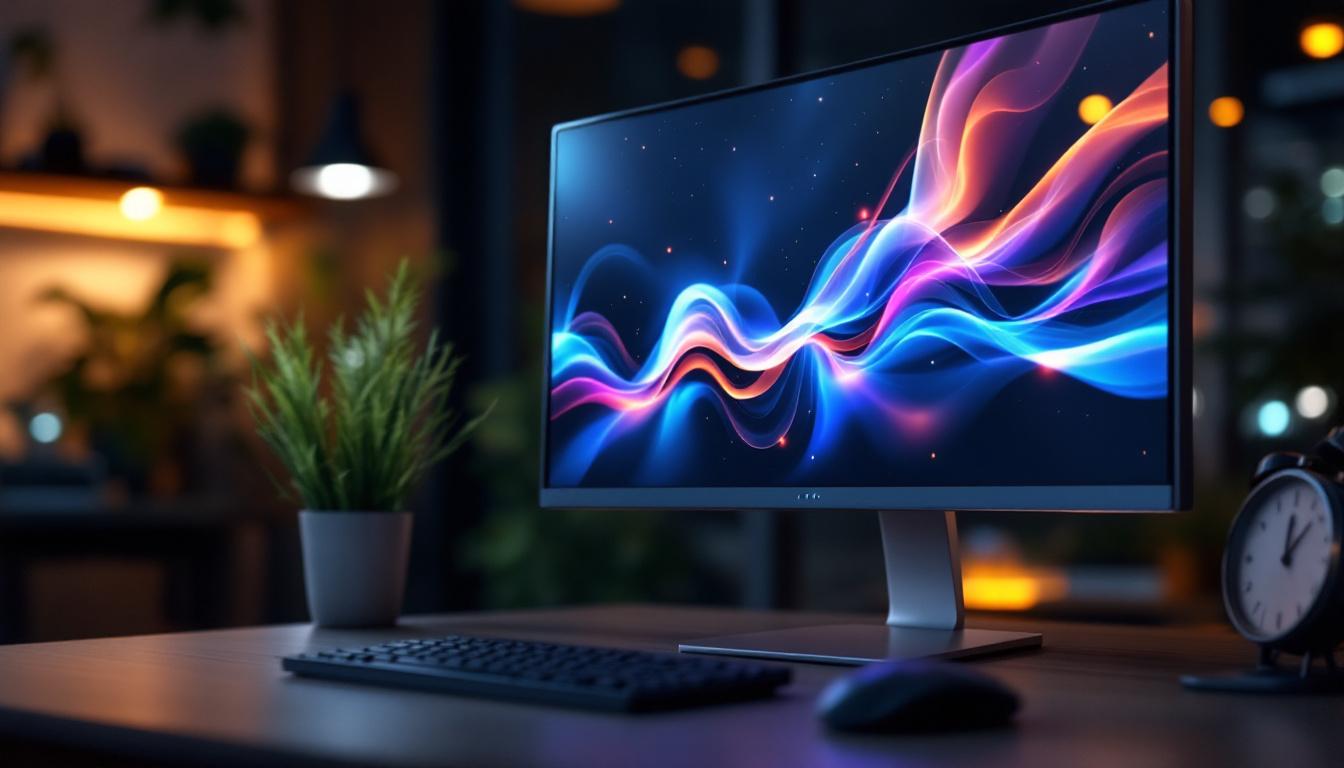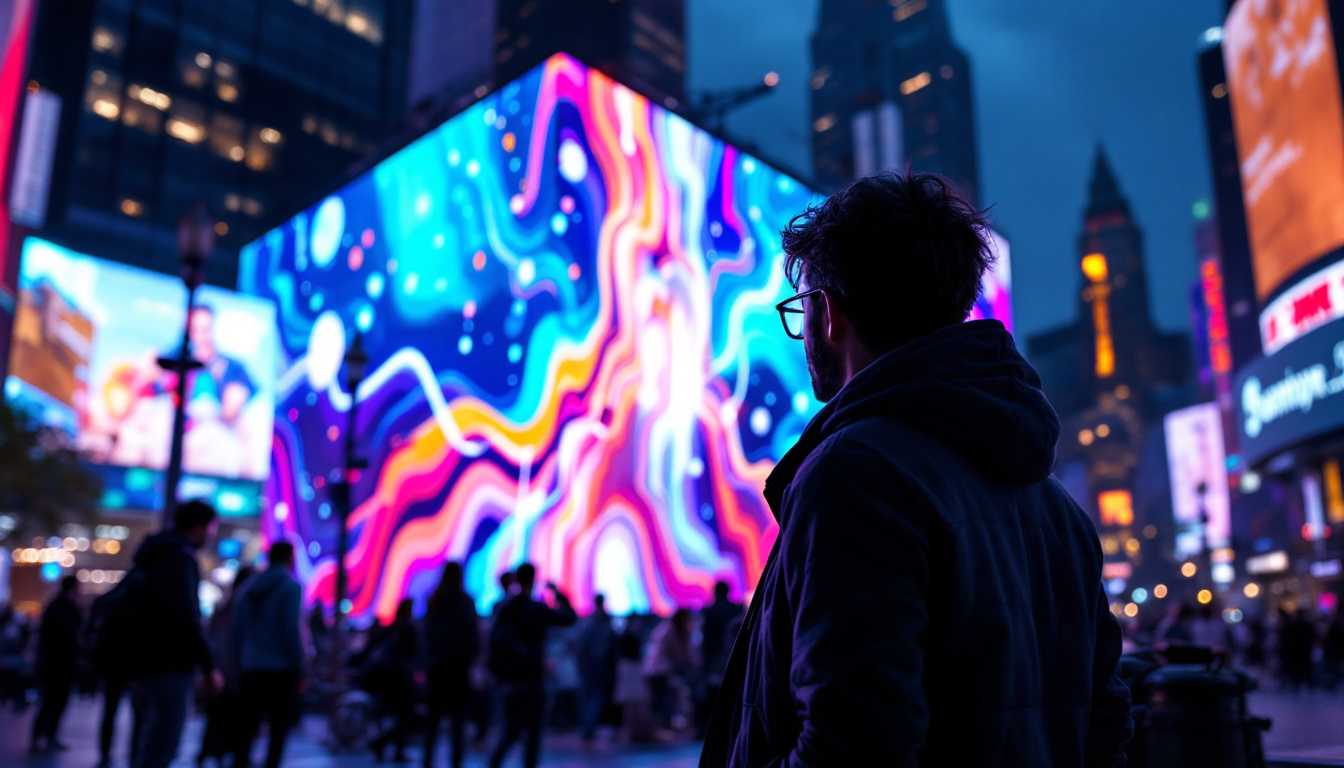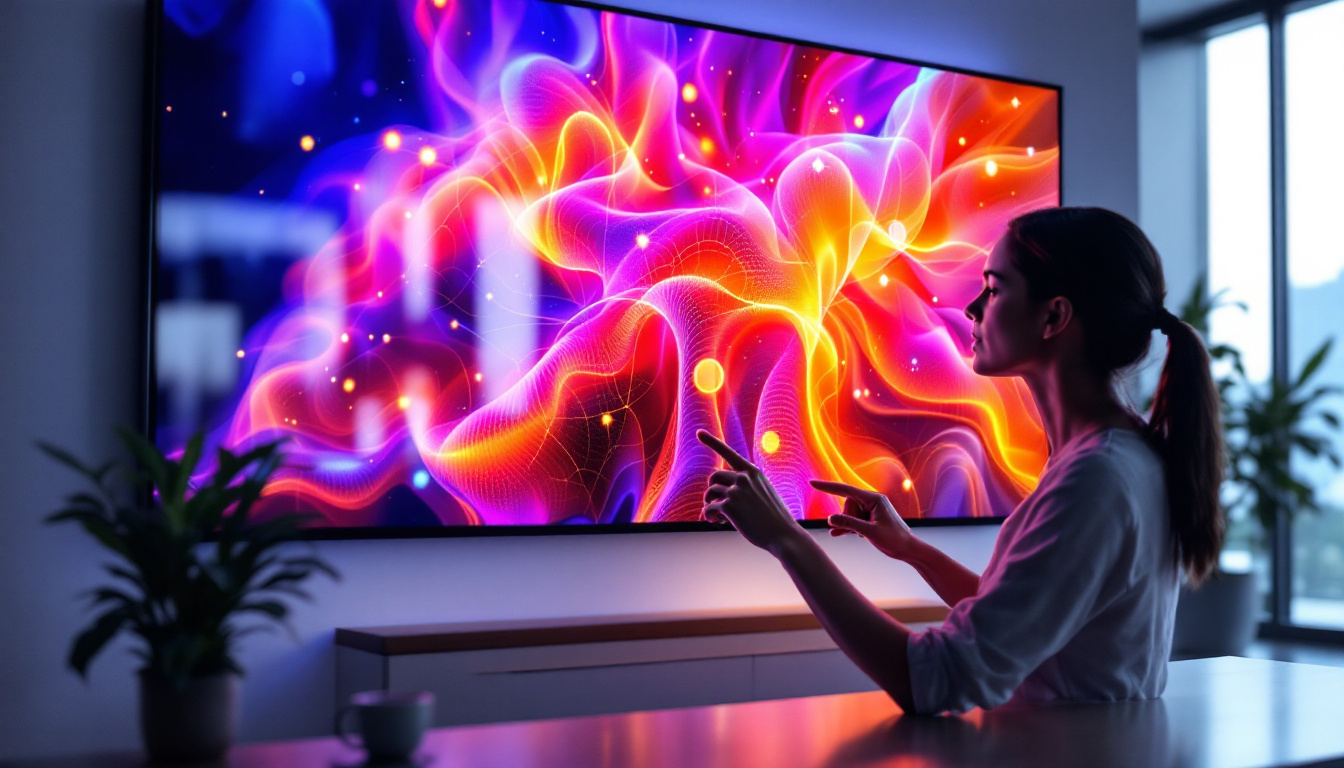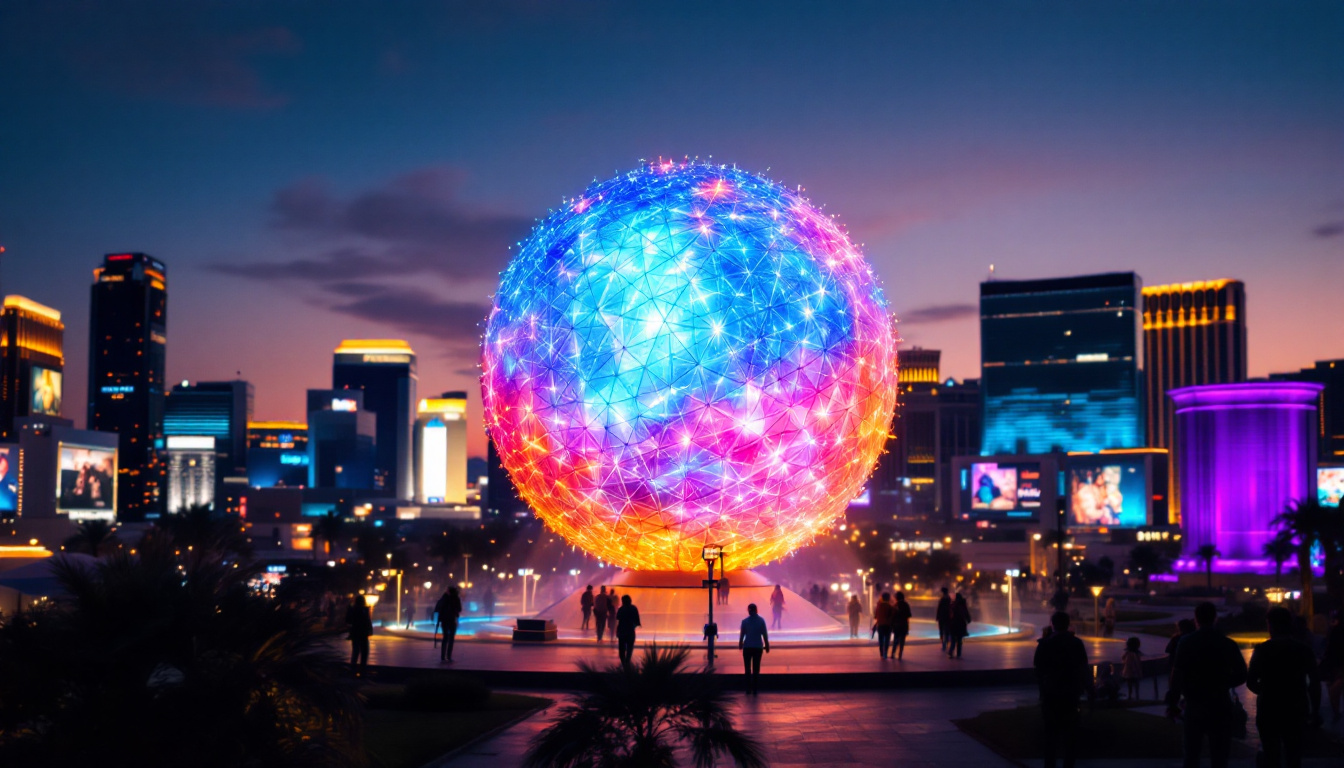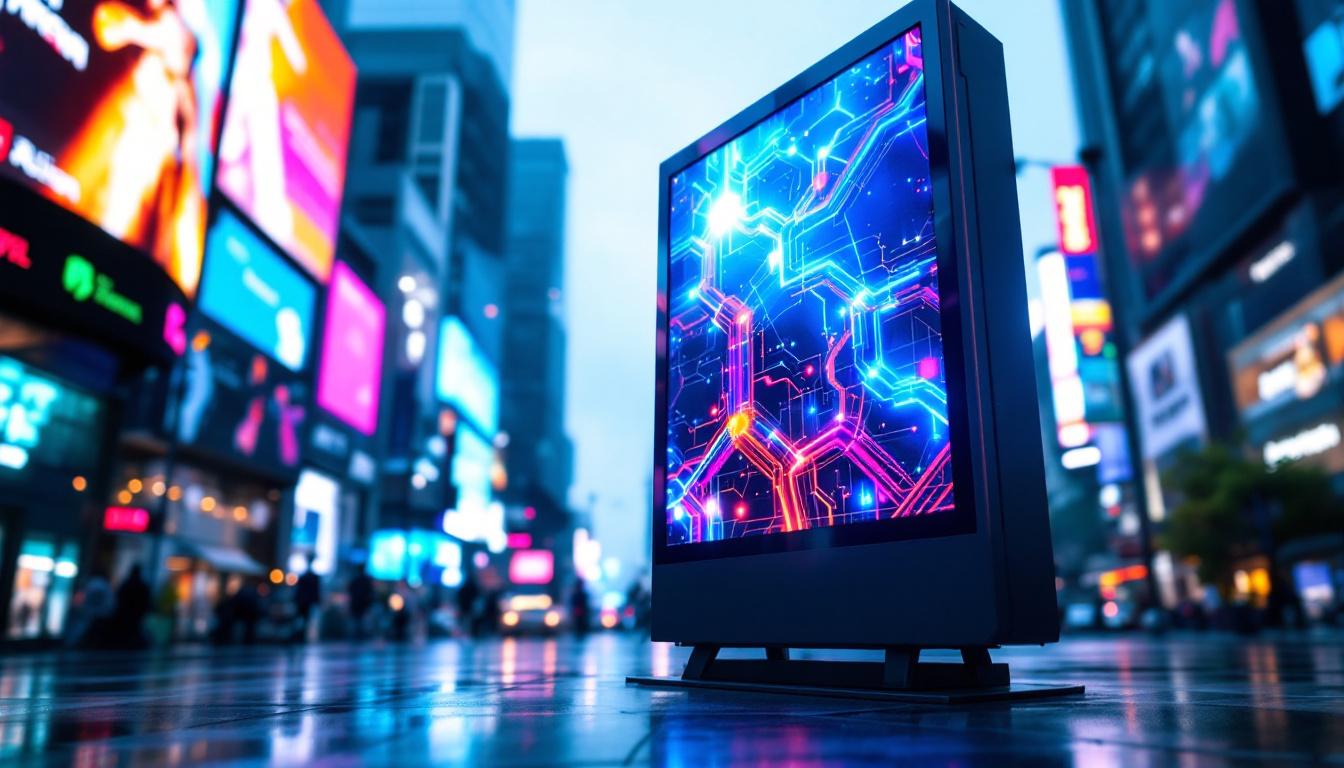
In today’s digital age, LED displays have become an integral part of how information is presented and consumed. From the giant billboards illuminating cityscapes to the sleek screens of smartphones and TVs, LED technology plays a pivotal role in delivering vibrant, clear visuals. Understanding the fundamentals of LED displays is essential for professionals in advertising, technology, design, and even everyday consumers seeking to make informed choices about their devices.
What is an LED Display?
LED stands for Light Emitting Diode, a semiconductor device that emits light when an electric current passes through it. An LED display is a flat panel display that uses an array of these tiny light-emitting diodes to produce images, videos, or text. Unlike traditional LCD screens, which rely on backlighting, LED displays generate their own light, resulting in brighter and more vivid images.
LED displays come in various forms, including direct-view LED panels, OLED (Organic LED) screens, and microLED technology. Each type uses LEDs differently but shares the common advantage of enhanced brightness and energy efficiency.
Types of LED Displays
Understanding the different types of LED displays helps clarify their applications and benefits:
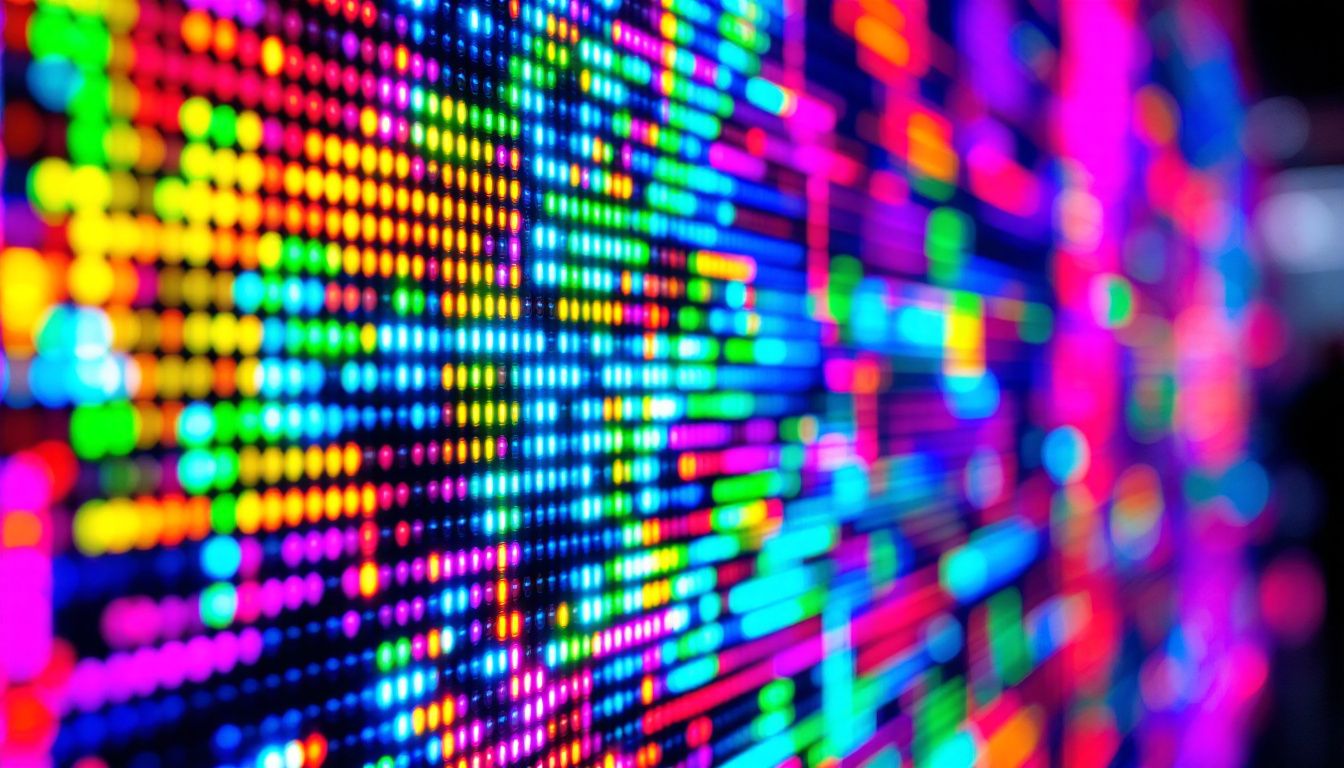
- Direct-View LED Displays: These are composed of thousands of tiny LEDs arranged in a grid. Each LED acts as a pixel, producing light directly. This type is common in large outdoor screens like stadium scoreboards and advertising billboards.
- OLED Displays: Organic LEDs use carbon-based materials that emit light when electrically stimulated. OLEDs are thinner, more flexible, and offer superior contrast ratios, making them popular in smartphones and high-end TVs.
- MicroLED Displays: A newer technology that uses microscopic LEDs to form pixels. MicroLEDs promise higher brightness, better color accuracy, and longer lifespan compared to OLEDs, though they are currently more expensive to produce.
The Science Behind Visual Clarity in LED Displays
Visual clarity in LED displays is influenced by several technical factors including resolution, pixel pitch, brightness, contrast ratio, and color accuracy. These elements work together to determine how sharp, vibrant, and readable an image appears.
Resolution and Pixel Density
Resolution refers to the number of pixels displayed on the screen, typically measured in width × height (e.g., 1920×1080 pixels). Higher resolution means more pixels, which translates to finer detail and sharper images. Pixel density, often measured in pixels per inch (PPI), is critical for close-viewing devices like smartphones and monitors.
For example, a 4K LED display with a resolution of 3840×2160 pixels offers four times the detail of a standard Full HD display. This increased pixel count enhances visual clarity, especially for high-definition content.
Pixel Pitch and Viewing Distance
Pixel pitch is the distance between the centers of two adjacent pixels, usually measured in millimeters. Smaller pixel pitch means pixels are closer together, resulting in a smoother image. This is particularly important for large LED displays viewed from short distances, such as indoor digital signage.
For outdoor LED billboards, a larger pixel pitch is acceptable because viewers typically observe from far away. For instance, a pixel pitch of 10 mm might be ideal for a billboard seen from 50 meters, whereas a 1.5 mm pitch is better suited for indoor displays viewed at a few meters.
Brightness and Contrast Ratio
Brightness, measured in nits (candelas per square meter), determines how well an LED display performs under various lighting conditions. Outdoor LED displays often exceed 5,000 nits to remain visible in direct sunlight, while indoor displays typically range between 300 and 1,000 nits.
Contrast ratio—the difference between the darkest black and the brightest white—affects image depth and detail. LED displays, especially OLEDs, achieve high contrast ratios because each pixel emits light independently and can be turned off completely to produce true blacks.
Color Accuracy and Gamut
Color accuracy is essential for applications like digital advertising, medical imaging, and professional video production. LED displays can reproduce a wide color gamut, often covering 100% of the sRGB color space and sometimes extending into Adobe RGB or DCI-P3 color spaces.
Advanced calibration techniques and high-quality LED materials ensure consistent and vivid color reproduction, which enhances viewer engagement and satisfaction.
Applications of LED Displays
LED displays have revolutionized multiple industries by providing versatile, high-quality visual solutions. Their adaptability and superior performance make them ideal for a wide range of uses.
Outdoor Advertising and Digital Billboards
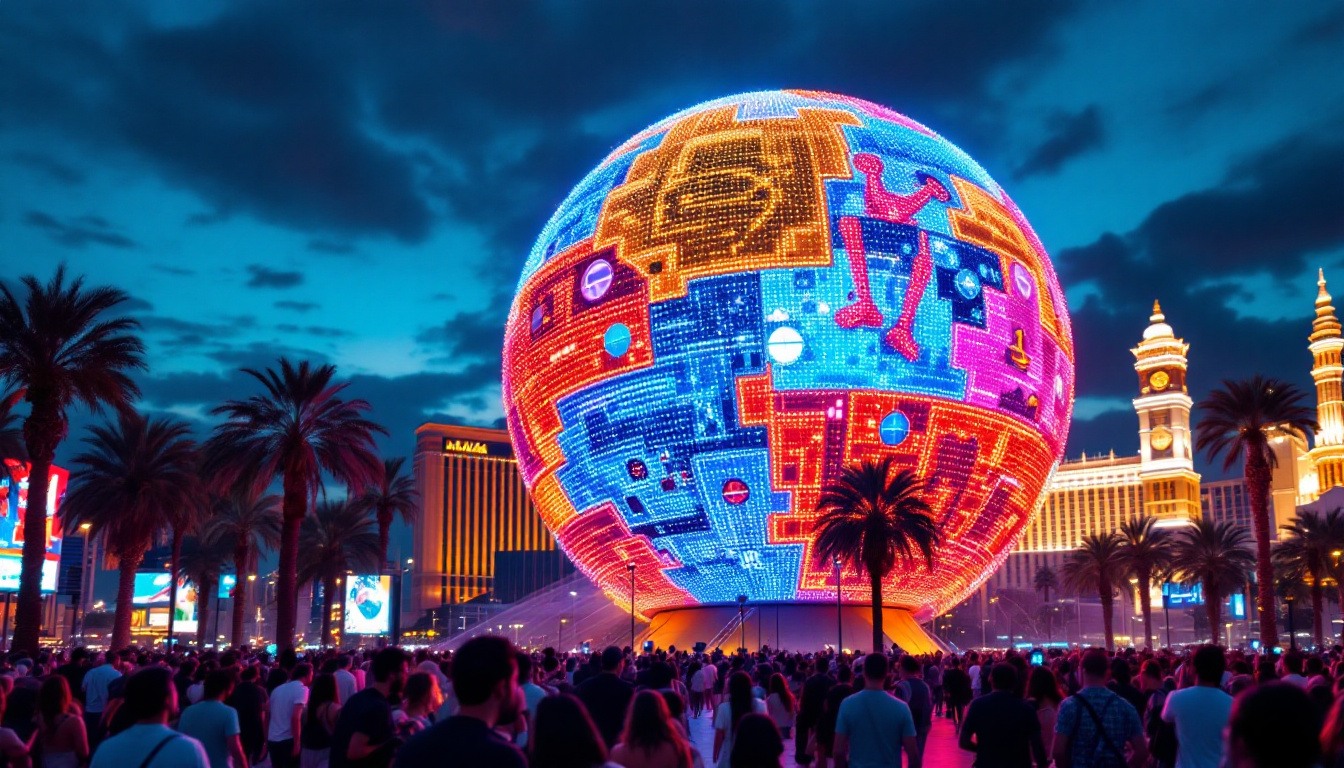
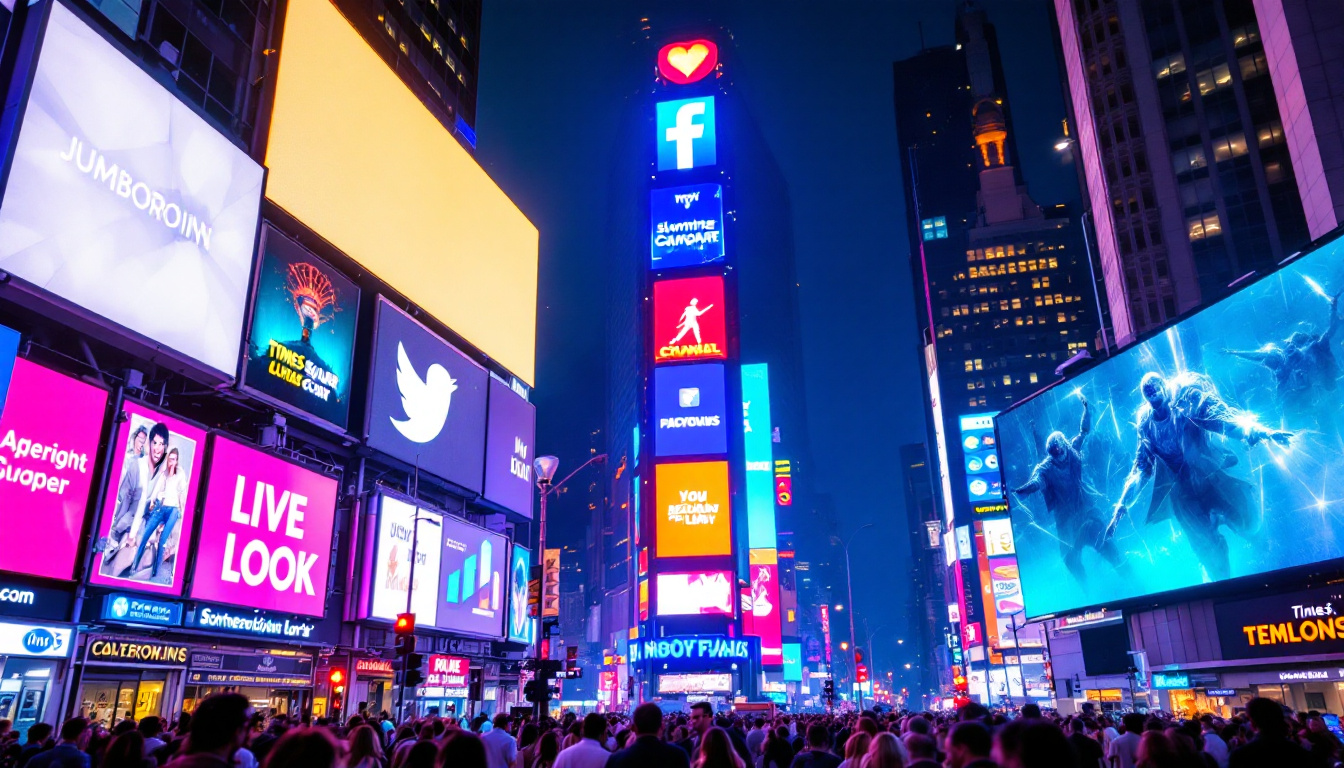
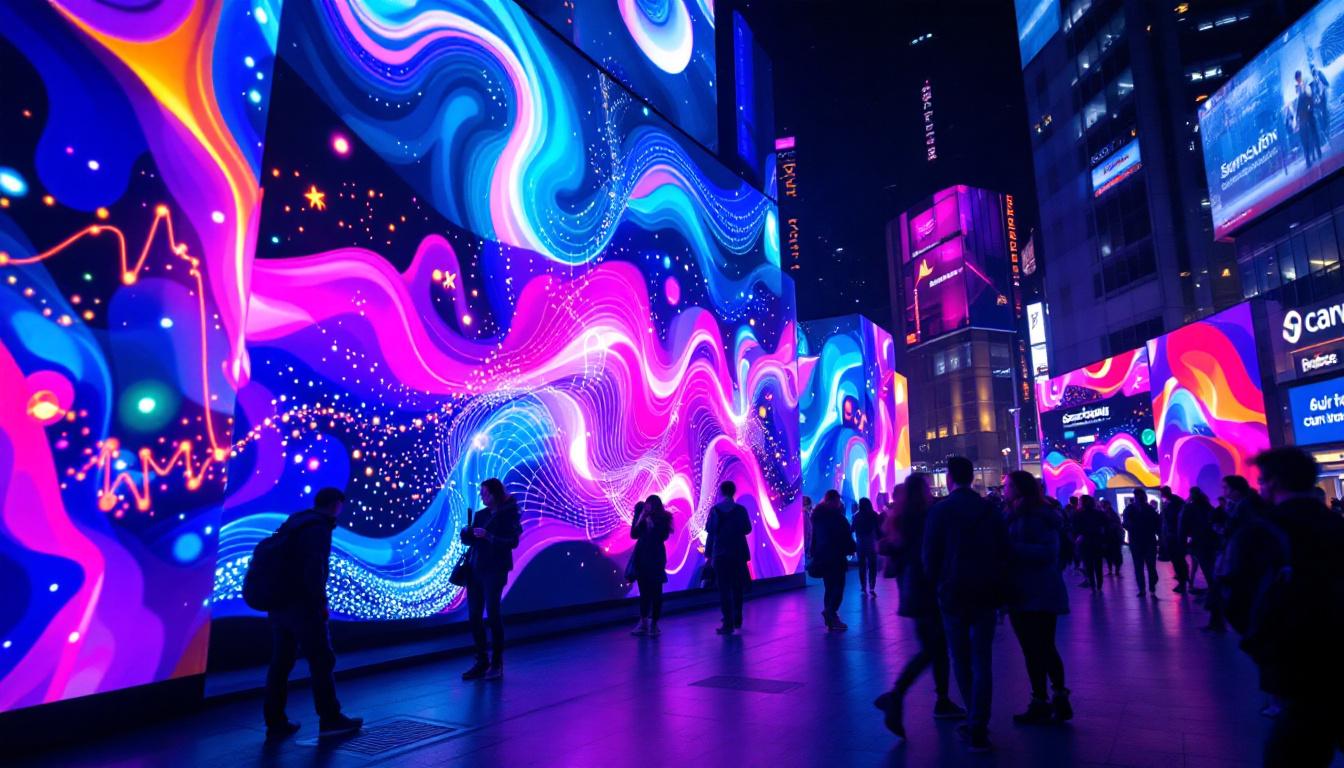
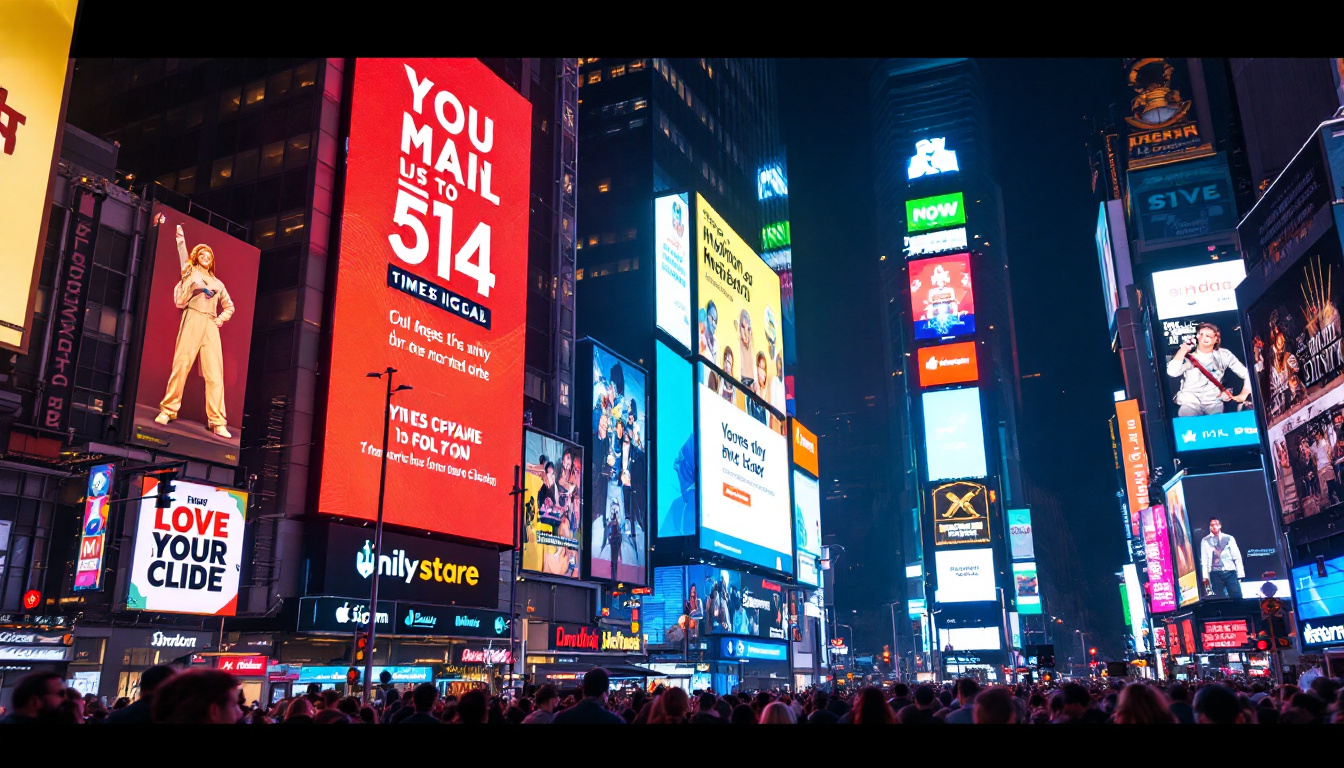
Outdoor LED billboards are among the most visible applications of LED technology. Their high brightness and durability allow them to operate effectively in all weather conditions, attracting attention with dynamic content that can be updated remotely in real-time.
According to recent industry reports, the global digital billboard market is expected to grow at a compound annual growth rate (CAGR) of 8.5% through 2027, driven largely by advancements in LED technology and increased demand for targeted advertising.
Retail and Indoor Signage
Retail environments use LED displays to enhance customer experiences through interactive and eye-catching signage. Indoor LED screens with fine pixel pitches create crisp visuals that can showcase product details, promotions, and brand messaging effectively.
Studies indicate that digital signage can increase customer engagement by up to 30%, making LED displays a valuable investment for retailers looking to boost sales and brand awareness.
Entertainment and Sports Venues
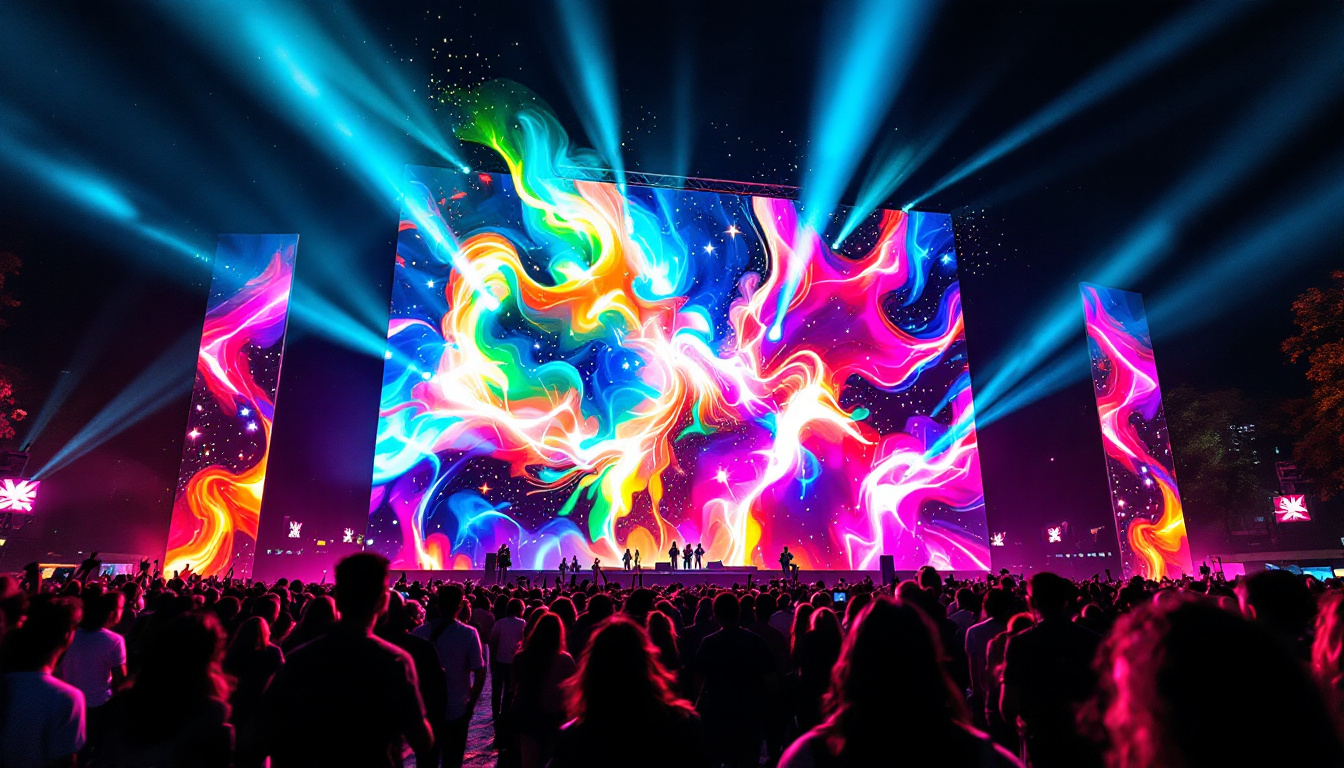
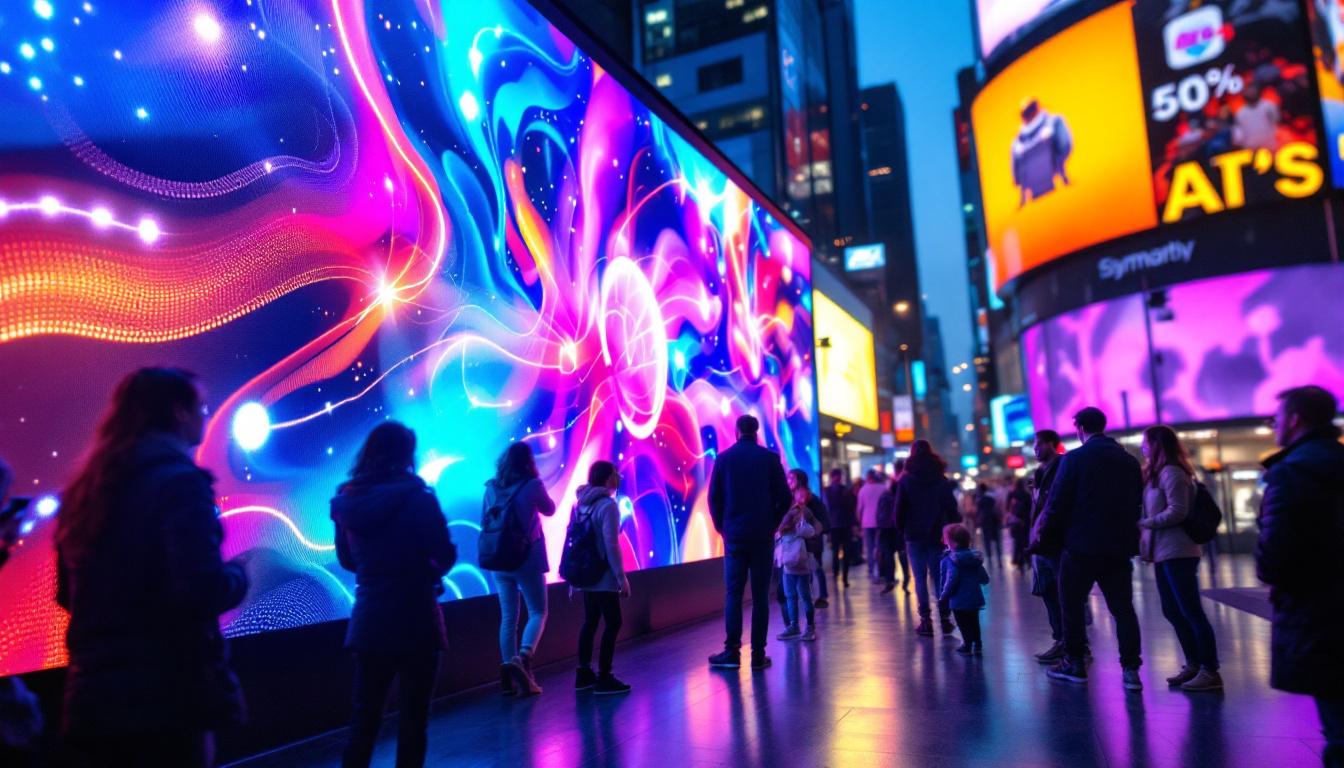
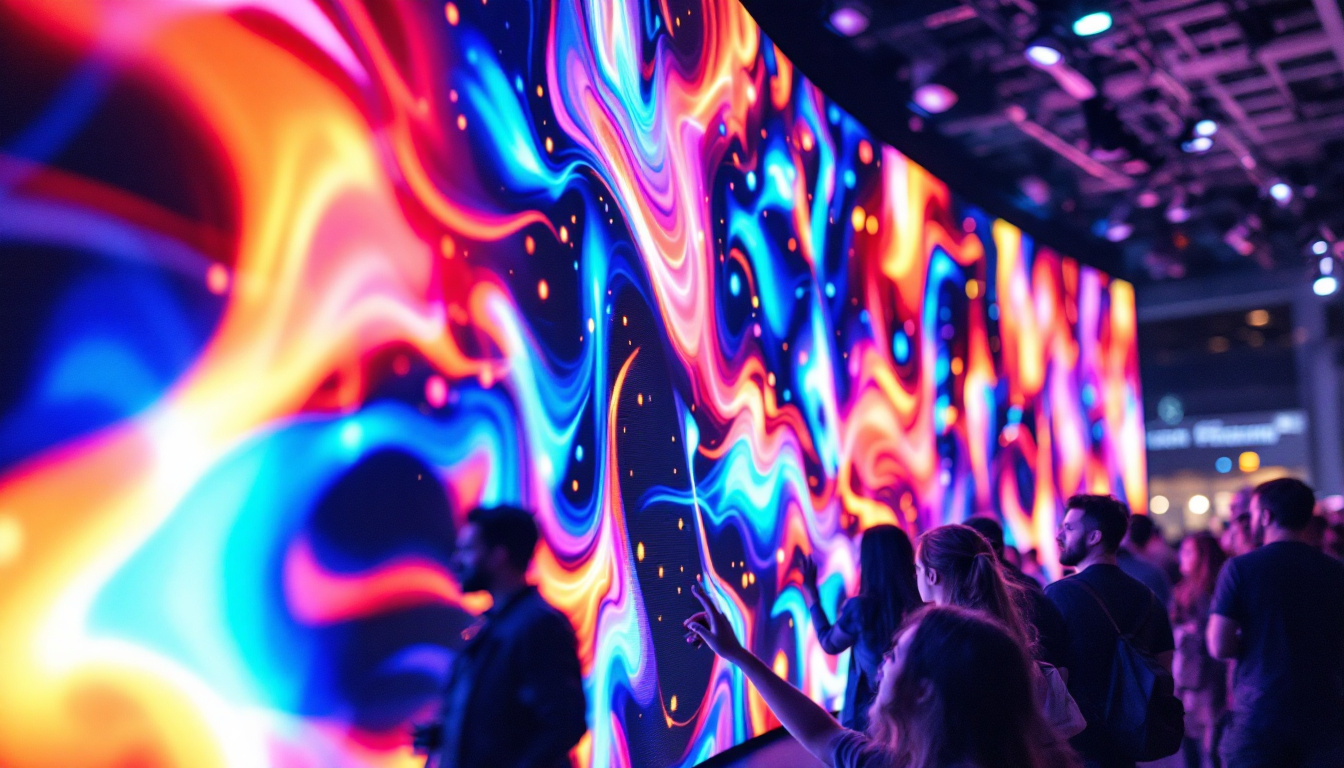
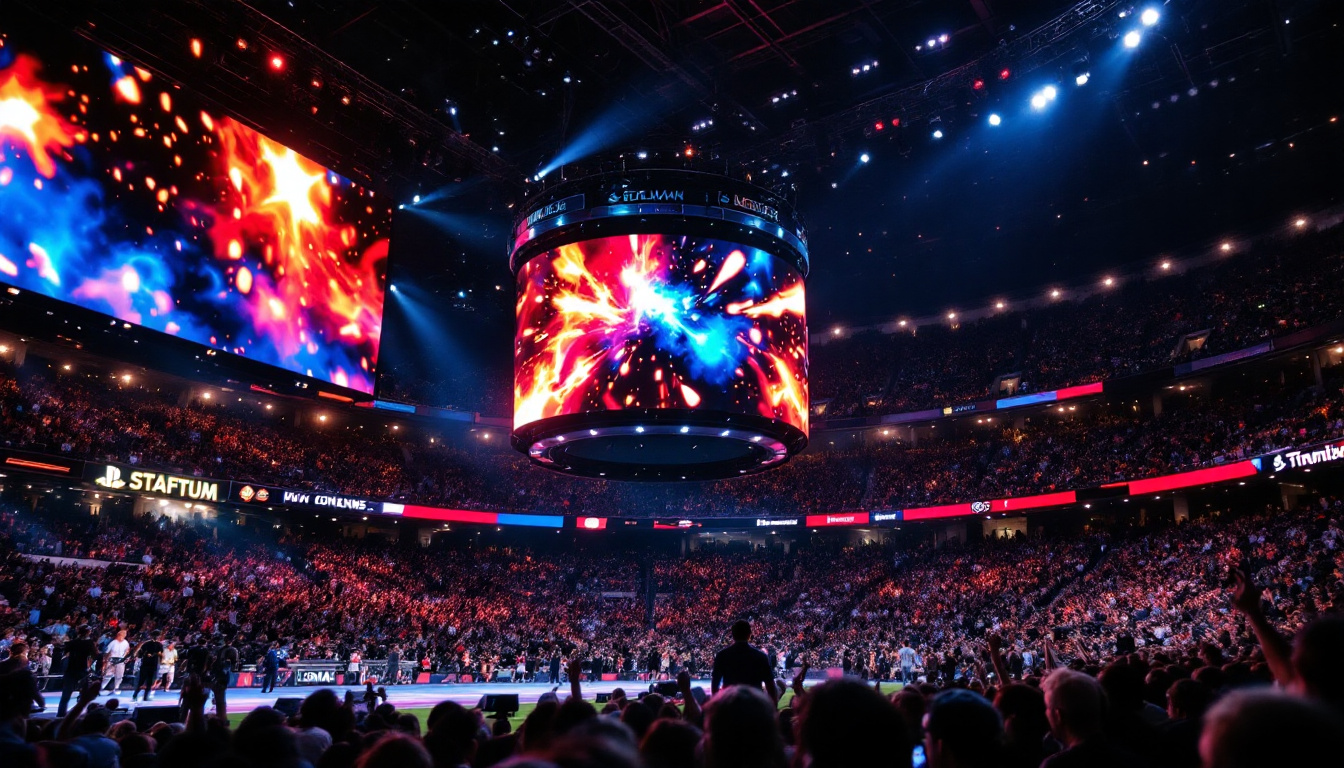
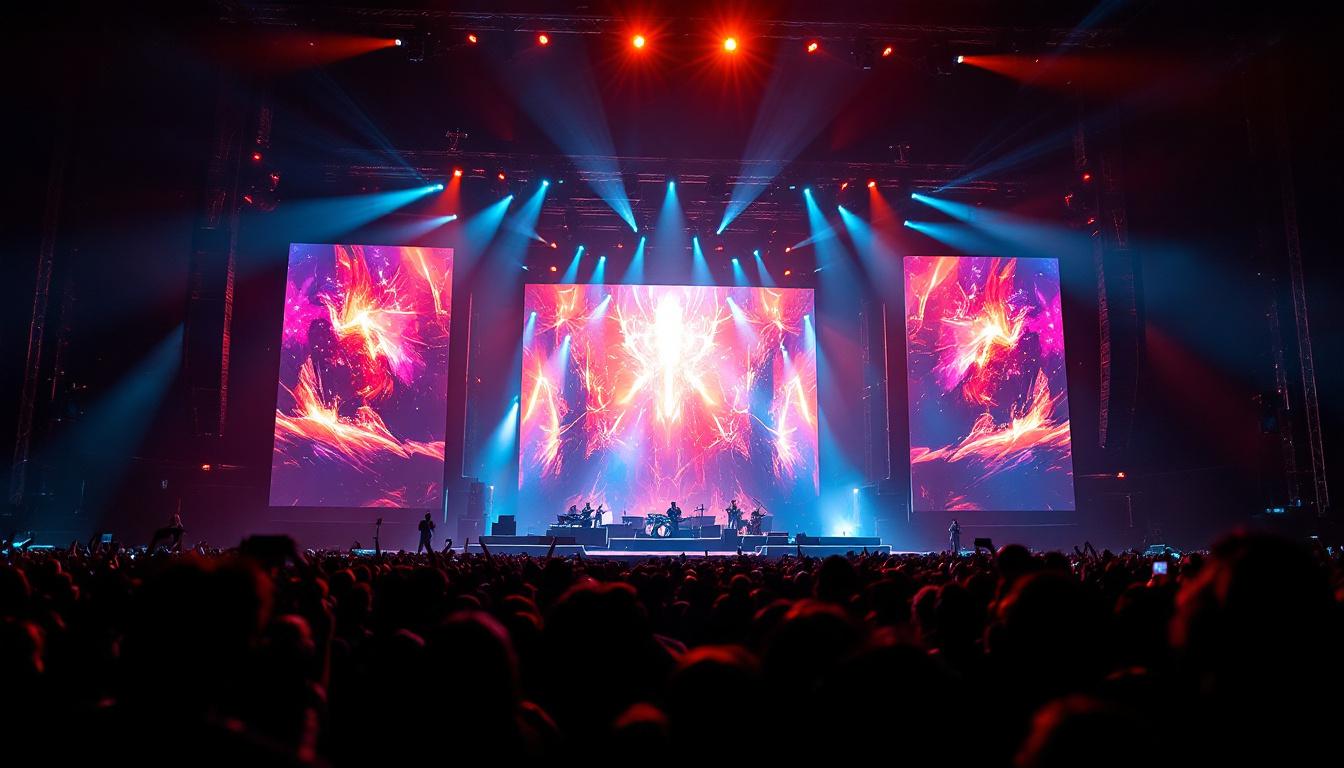
LED displays are a staple in arenas, theaters, and concert venues, providing large-scale visuals that engage audiences. Their ability to deliver high-resolution video content with vibrant colors and smooth motion is essential for live events.
Major sports stadiums often use LED ribbon boards and giant screens to display scores, replays, and advertisements, enhancing the spectator experience and generating additional revenue streams.
Consumer Electronics
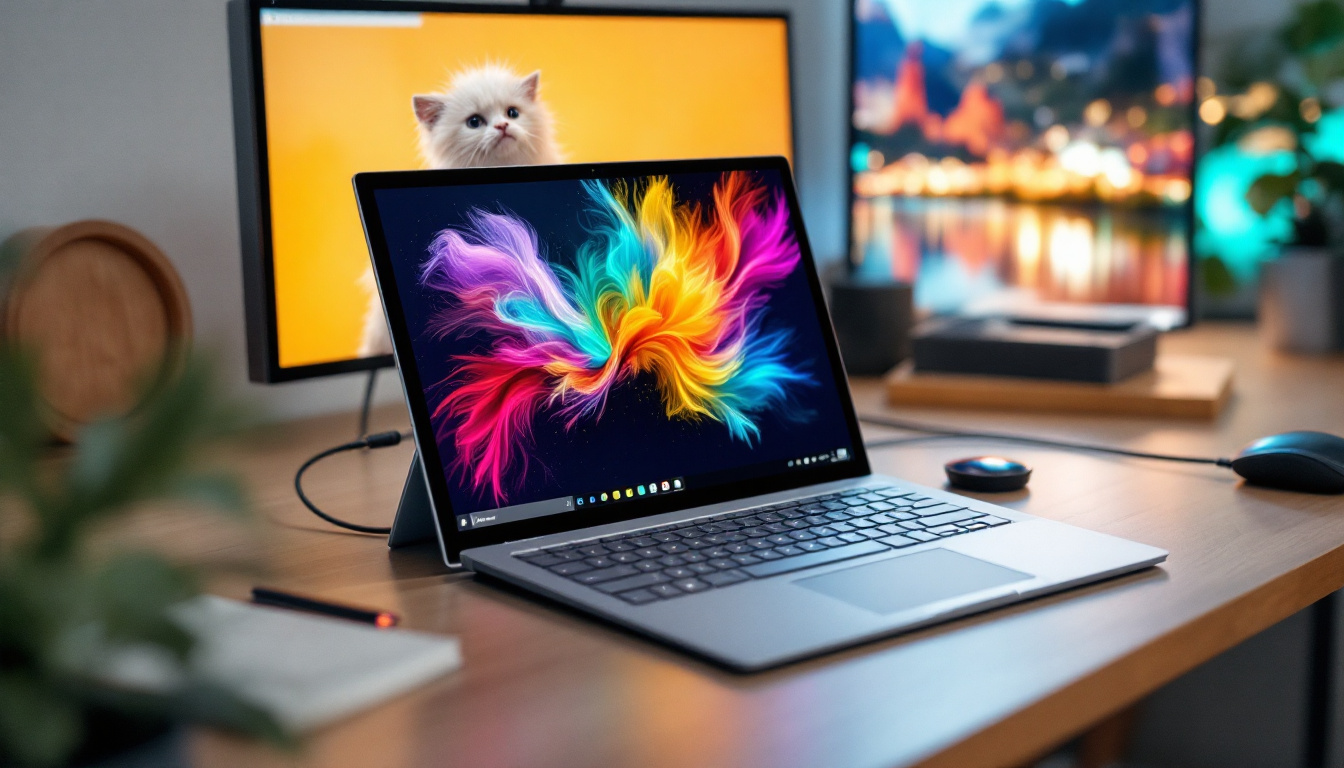
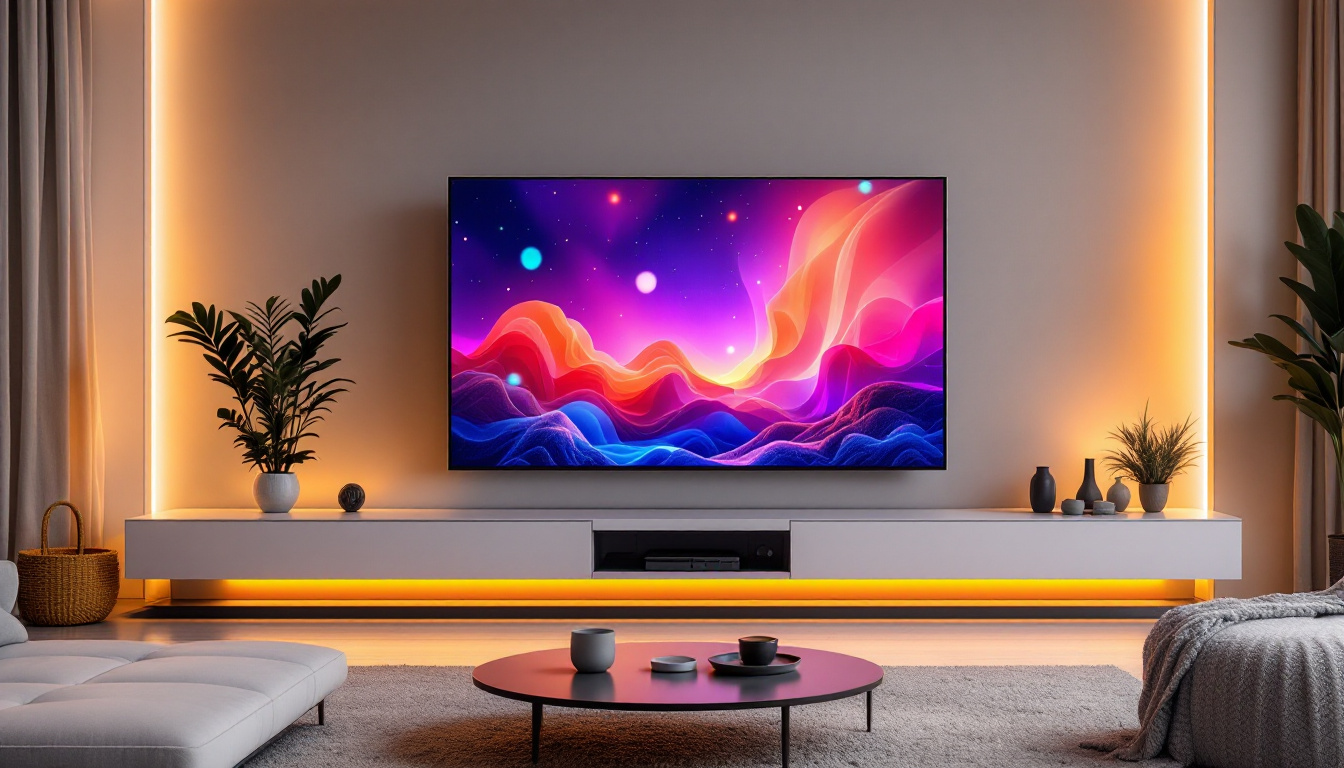
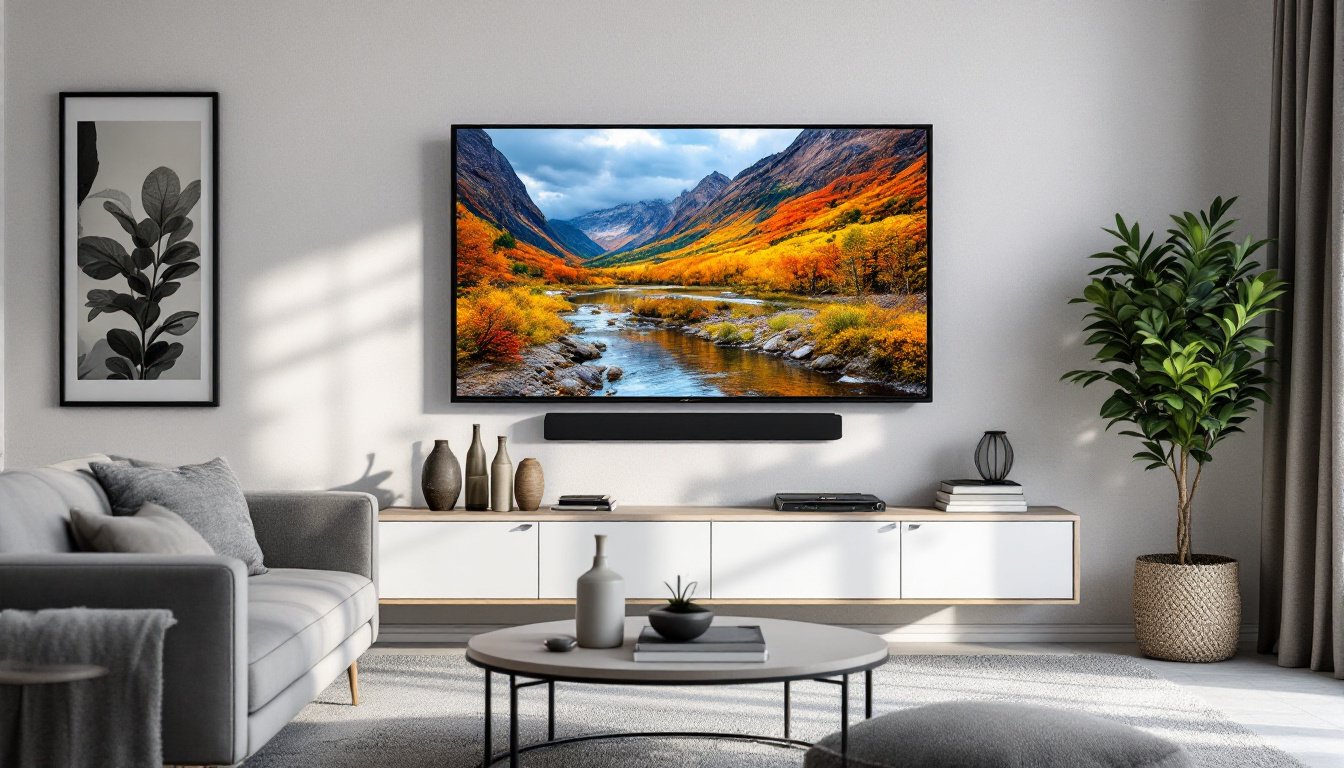
From smartphones and tablets to televisions and monitors, LED technology underpins many consumer electronic devices. OLED displays, in particular, have become synonymous with premium image quality, offering deep blacks and wide viewing angles.
The ongoing development of microLED technology promises to further elevate consumer experiences by combining the best features of OLED and traditional LEDs, including higher brightness and longer lifespan.
Advantages and Challenges of LED Displays
While LED displays offer numerous benefits, they also present certain challenges that manufacturers and users must consider.
Advantages
- Energy Efficiency: LEDs consume less power compared to traditional lighting and display technologies, reducing operational costs and environmental impact.
- Brightness and Visibility: High brightness levels ensure clear visibility in various lighting conditions, including direct sunlight.
- Durability and Longevity: LED displays are robust and have long lifespans, often exceeding 50,000 hours of use.
- Flexibility: LED panels can be manufactured in various shapes and sizes, including curved and flexible displays, expanding design possibilities.
Challenges
- Cost: High-quality LED displays, especially OLED and microLED, can be expensive to produce and purchase.
- Heat Management: LEDs generate heat that must be dissipated effectively to maintain performance and longevity.
- Color Uniformity: Ensuring consistent color and brightness across large LED panels requires precise calibration and quality control.
- Environmental Concerns: Disposal and recycling of LED components pose environmental challenges that manufacturers are actively addressing.
Future Trends in LED Display Technology
The LED display industry is rapidly evolving, driven by technological innovation and changing consumer demands. Several trends are shaping the future landscape of visual displays.
MicroLED and MiniLED Innovations
MicroLED technology is gaining momentum due to its superior brightness, contrast, and energy efficiency. Though still emerging, microLED displays are expected to disrupt markets such as TVs, smartphones, and augmented reality devices.
MiniLED, a related technology using smaller LEDs for backlighting, offers improved contrast and local dimming capabilities at a lower cost, making it a popular choice for high-end laptops and monitors.
Flexible and Transparent Displays
Advancements in flexible LED materials are enabling the production of bendable and foldable screens, opening new possibilities for wearable devices, foldable smartphones, and innovative signage solutions.
Transparent LED displays are also becoming more prevalent, allowing for see-through screens that can be integrated into windows or glass surfaces, ideal for retail and architectural applications.
Integration with AI and IoT
Smart LED displays integrated with artificial intelligence (AI) and Internet of Things (IoT) technologies are enhancing interactivity and personalization. For example, digital signage can adapt content based on audience demographics or environmental factors, improving engagement and effectiveness.
Choosing the Right LED Display for Your Needs
Selecting the appropriate LED display involves careful consideration of several factors, including intended use, viewing distance, ambient lighting, and budget.
Assessing Viewing Environment
Understanding where and how the display will be viewed is crucial. Outdoor environments require high brightness and weather-resistant designs, while indoor settings prioritize resolution and pixel pitch for close-range viewing.
Determining Content Requirements
The type of content—static images, video, text, or interactive media—affects the choice of display technology. High-motion video demands displays with fast refresh rates and low latency, while static signage may prioritize color accuracy and brightness.
Budget and Maintenance Considerations
While LED displays can represent a significant investment, considering long-term operational costs such as energy consumption and maintenance is equally important. Opting for energy-efficient models with reliable warranties can ensure better return on investment.
Conclusion
LED displays have transformed the way visual information is delivered across industries, offering unparalleled brightness, clarity, and versatility. As technology advances, emerging innovations like microLED and flexible displays promise to push the boundaries of visual clarity even further.
By understanding the science behind LED displays and evaluating their applications, advantages, and challenges, businesses and consumers can make informed decisions that maximize the impact and effectiveness of their visual communications.
Whether illuminating a bustling city street, enhancing a retail environment, or delivering stunning visuals on a personal device, LED displays continue to set the standard for visual clarity in the digital world.
Illuminate Your Vision with LumenMatrix
Ready to elevate your visual communication with unparalleled clarity and vibrancy? Discover LumenMatrix’s innovative LED display solutions tailored to your unique needs. From engaging Indoor LED Walls to dynamic Outdoor Displays, and from versatile Vehicle LED Displays to stunning LED Posters, our technology is designed to captivate and engage your audience. Embrace the future with our Custom, All-in-One, and Transparent LED Displays, and see how LumenMatrix is redefining the art of digital signage. Check out LumenMatrix LED Display Solutions today and transform your message into an unforgettable visual experience.