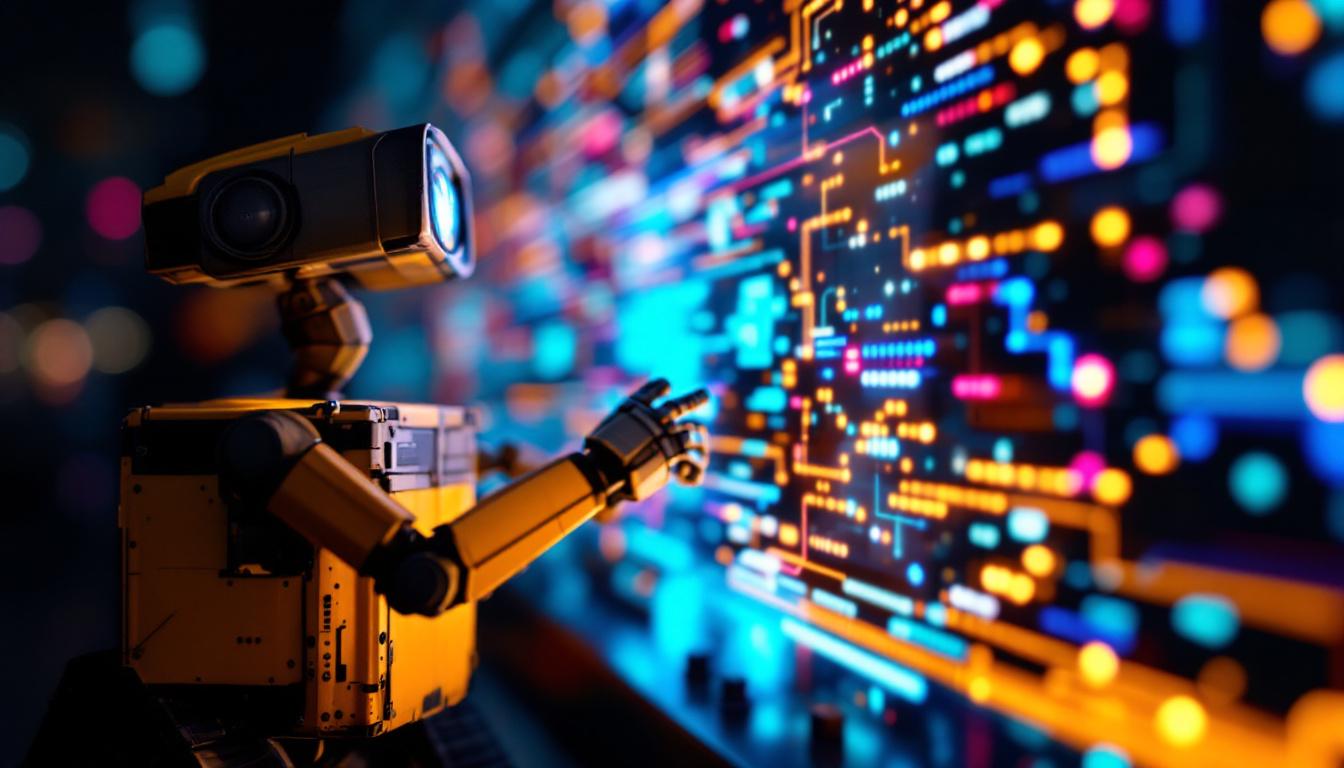
The captivating visuals of the animated film Wall-E have left a lasting impression on audiences worldwide. One of the most striking features of the movie is its use of vibrant, detailed images that bring the futuristic world to life. Behind this visual appeal lies a technology that has revolutionized the way images are displayed: LED displays. This article delves into the intricacies of LED display technology, explaining how it works, its applications, and why it is the ideal medium for rendering images like those seen in Wall-E.
Understanding LED Display Technology
Light Emitting Diode (LED) displays have become ubiquitous in modern digital screens, ranging from smartphones to massive outdoor billboards. But what exactly is an LED display, and how does it create such vivid images?
The Basics of LEDs
At its core, an LED is a semiconductor device that emits light when an electric current passes through it. Unlike traditional incandescent bulbs, LEDs are highly energy-efficient, produce less heat, and have a longer lifespan. These properties make them ideal for use in displays that require consistent brightness and color accuracy over extended periods.
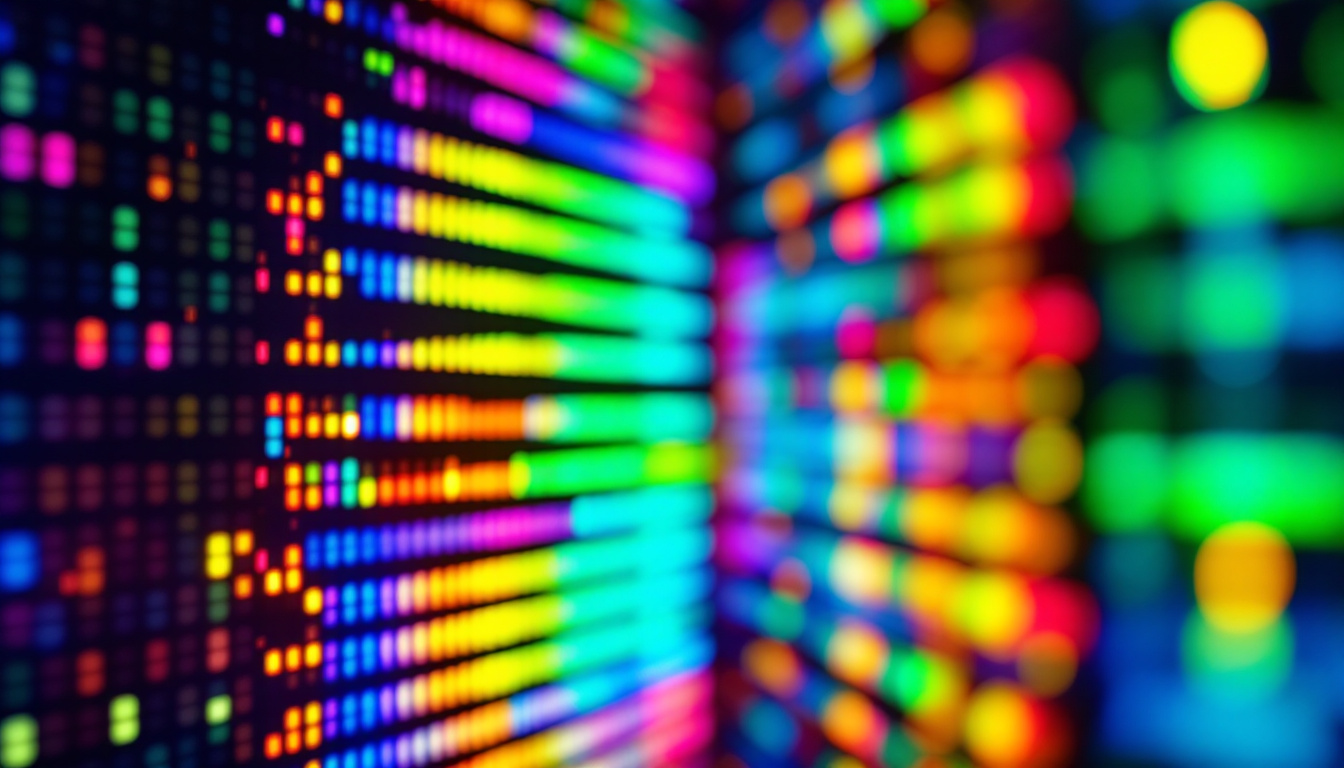
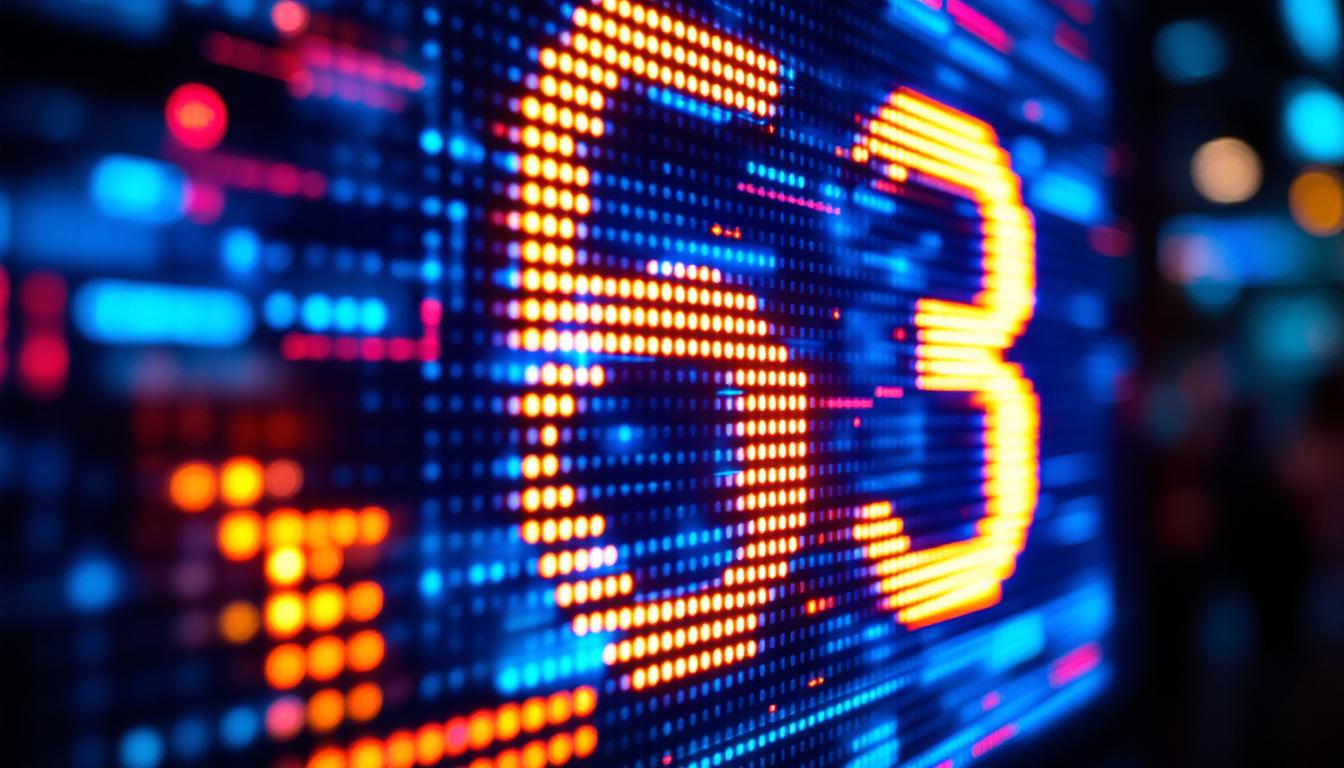
In an LED display, thousands to millions of these tiny diodes are arranged in a grid, each acting as a pixel or sub-pixel. By controlling the intensity and color of each LED, the display can render complex images with remarkable clarity and brightness. The technology behind LEDs has evolved significantly, with advancements such as organic LEDs (OLEDs) and microLEDs pushing the boundaries of display quality even further. OLEDs, for instance, offer deeper blacks and a wider viewing angle due to their ability to emit light on a per-pixel basis, eliminating the need for backlighting altogether.
Types of LED Displays
There are primarily two types of LED displays used for image rendering: direct-view LED displays and LED-backlit LCD displays.
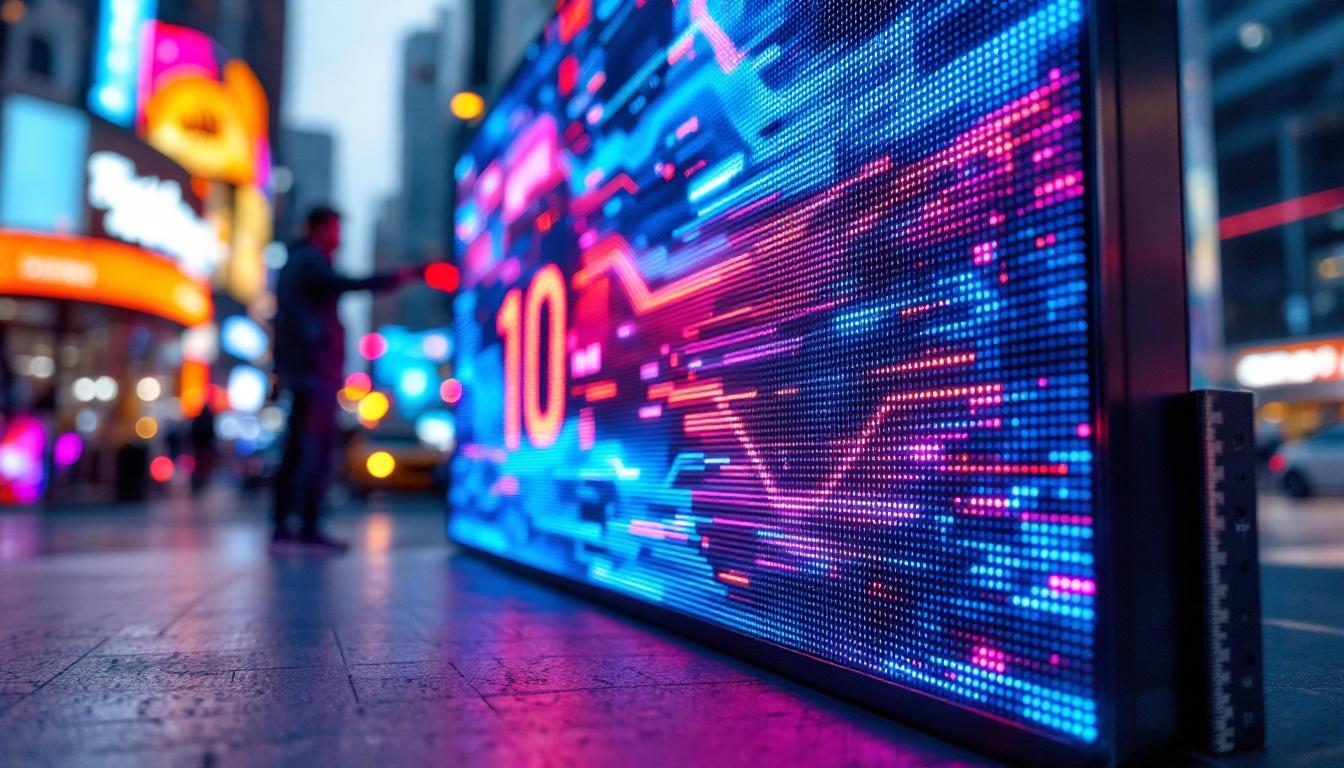
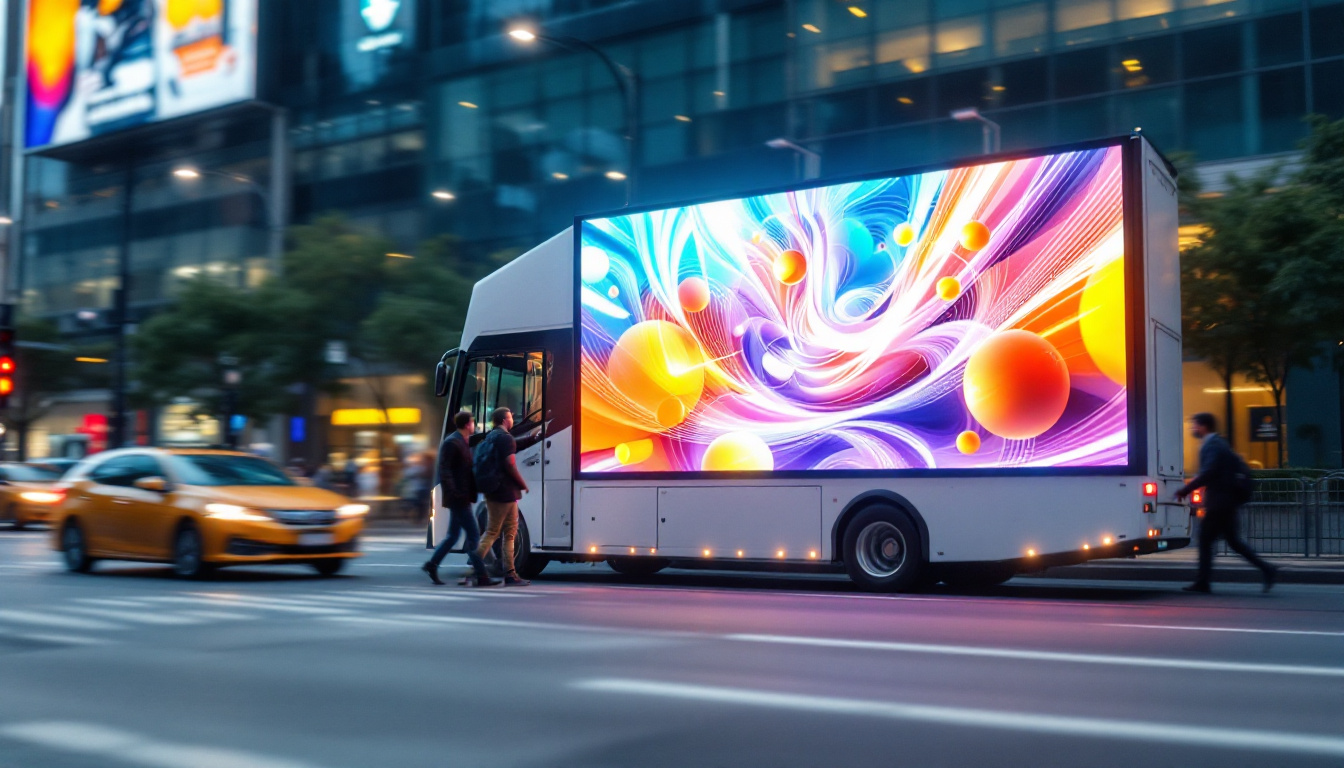
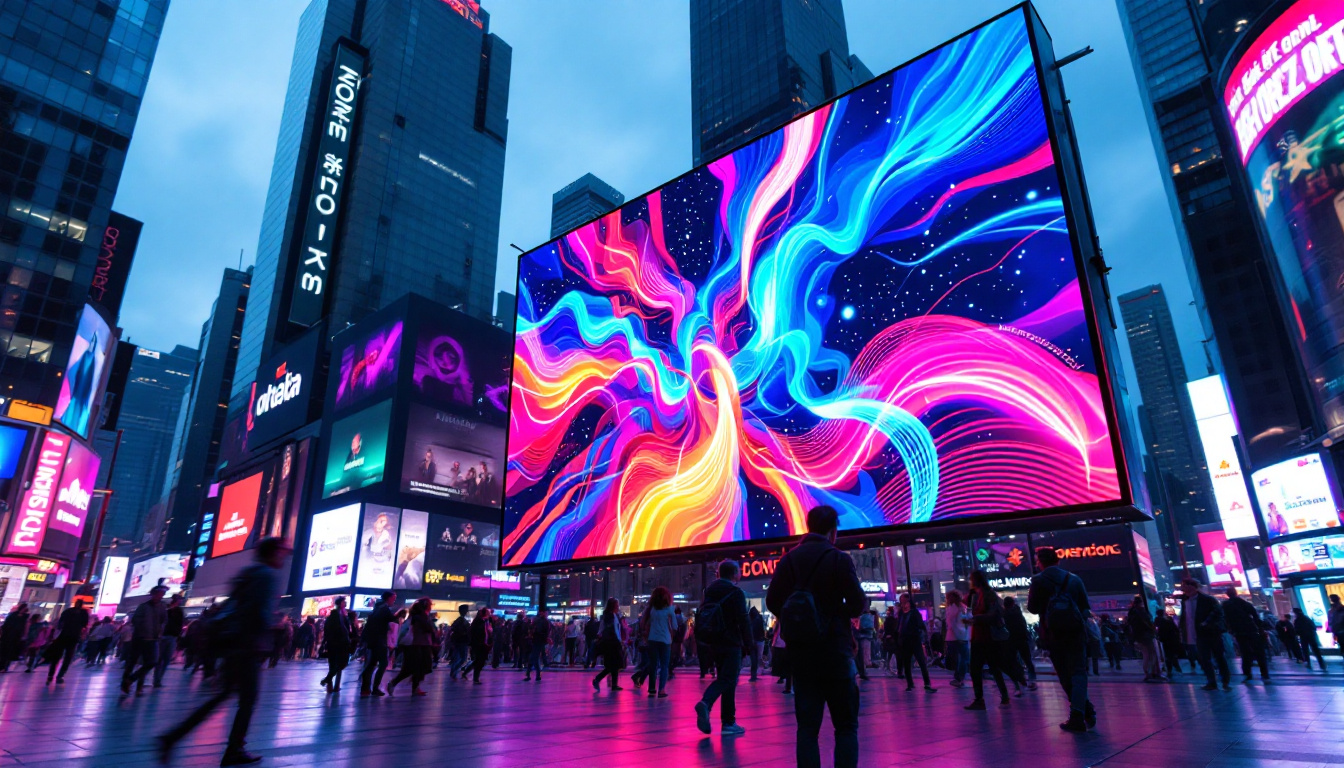
- Direct-View LED Displays: These displays use LEDs themselves as the light source and the pixel elements. Each pixel is composed of red, green, and blue LEDs that combine to produce a full spectrum of colors. This type is common in large-scale screens, such as stadium displays and digital billboards.
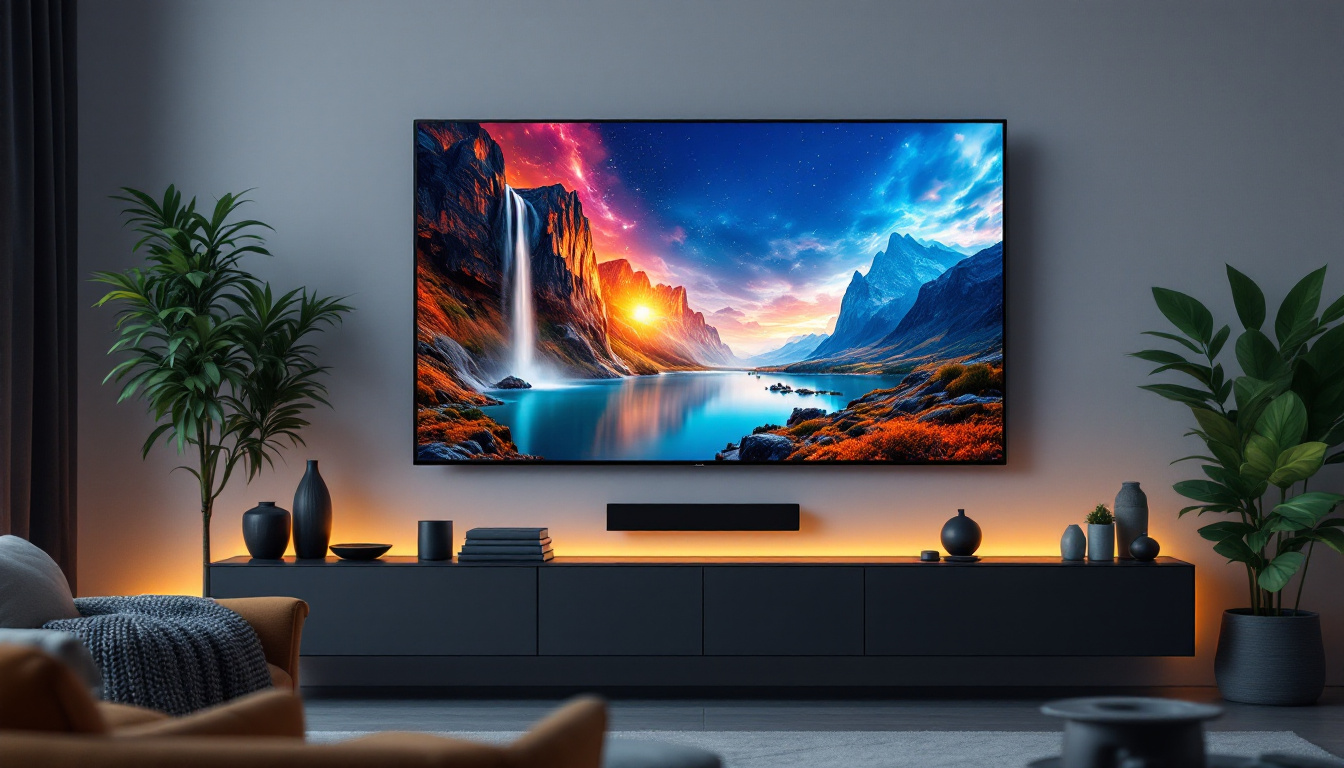
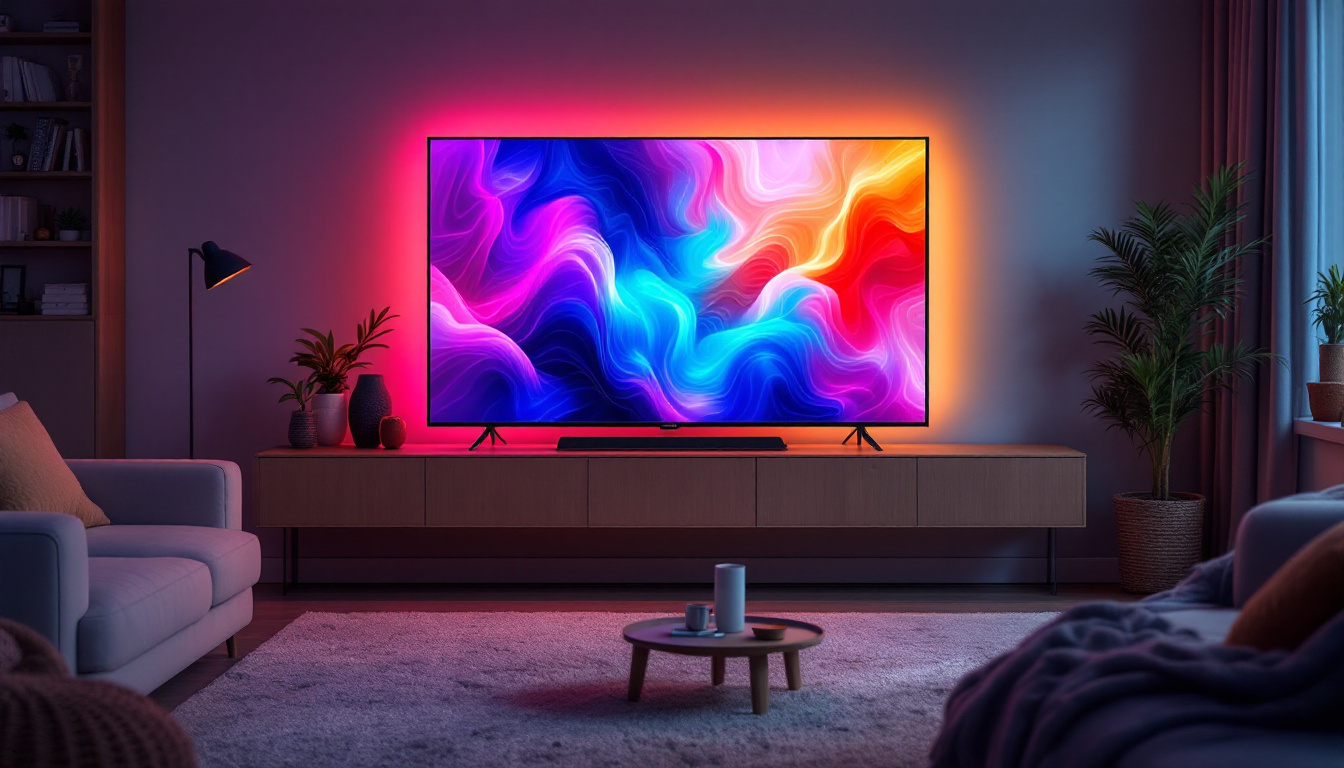
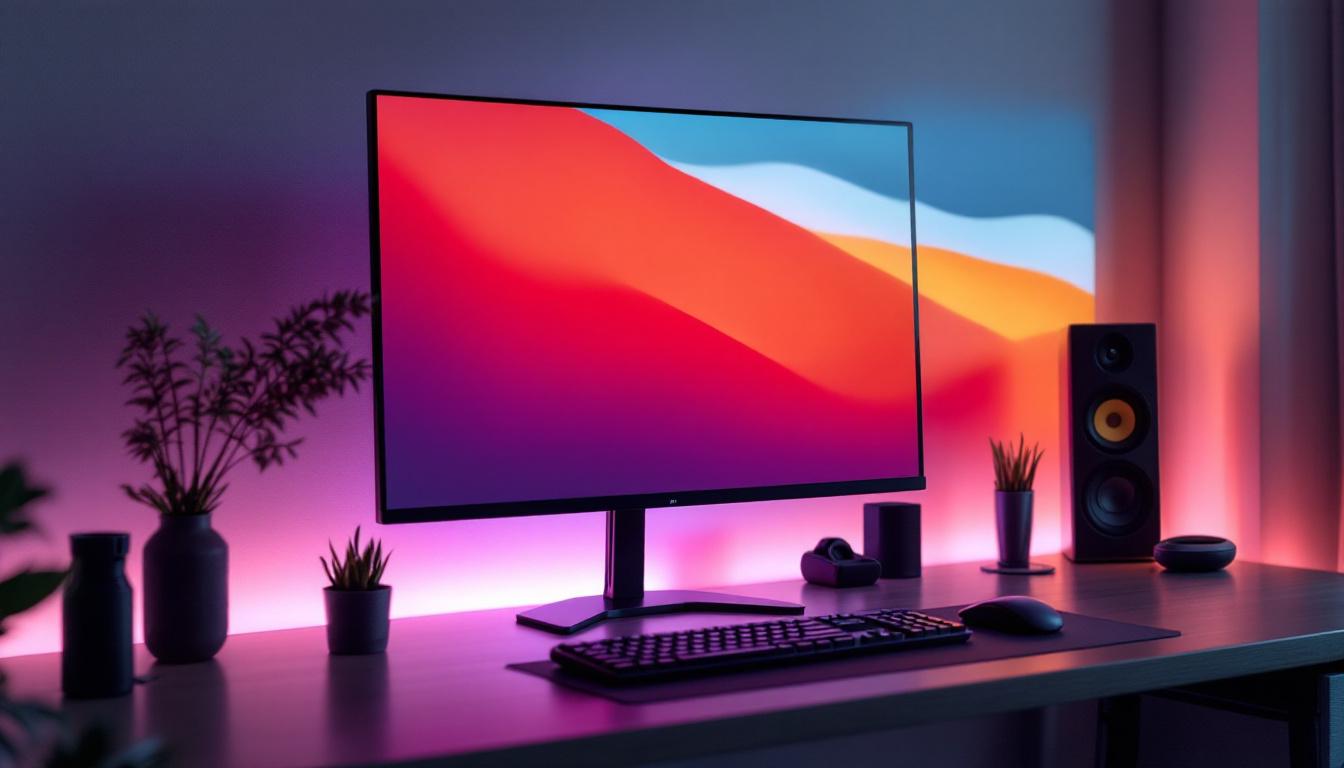
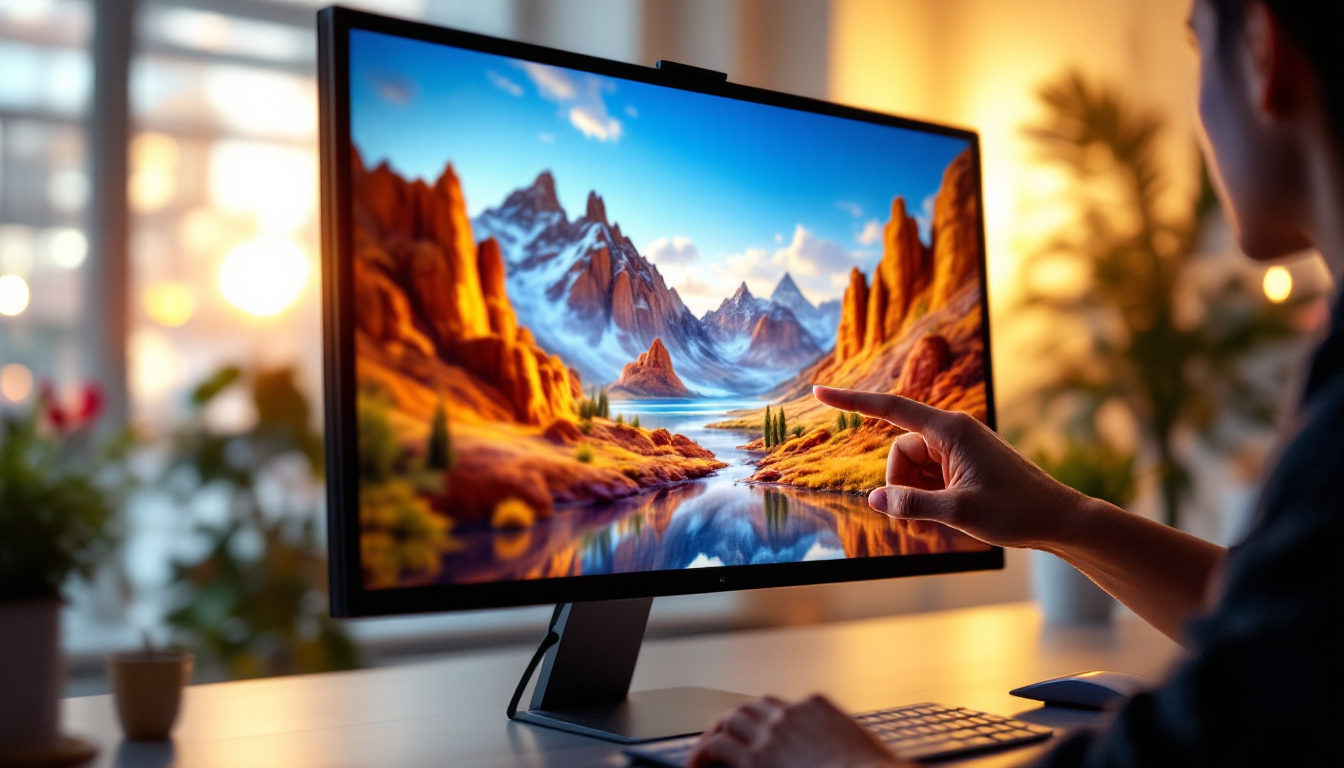
- LED-Backlit LCD Displays: In this configuration, LEDs provide the backlighting for an LCD panel. The LCD layer modulates the light to create images. This technology is prevalent in televisions, monitors, and smartphones.
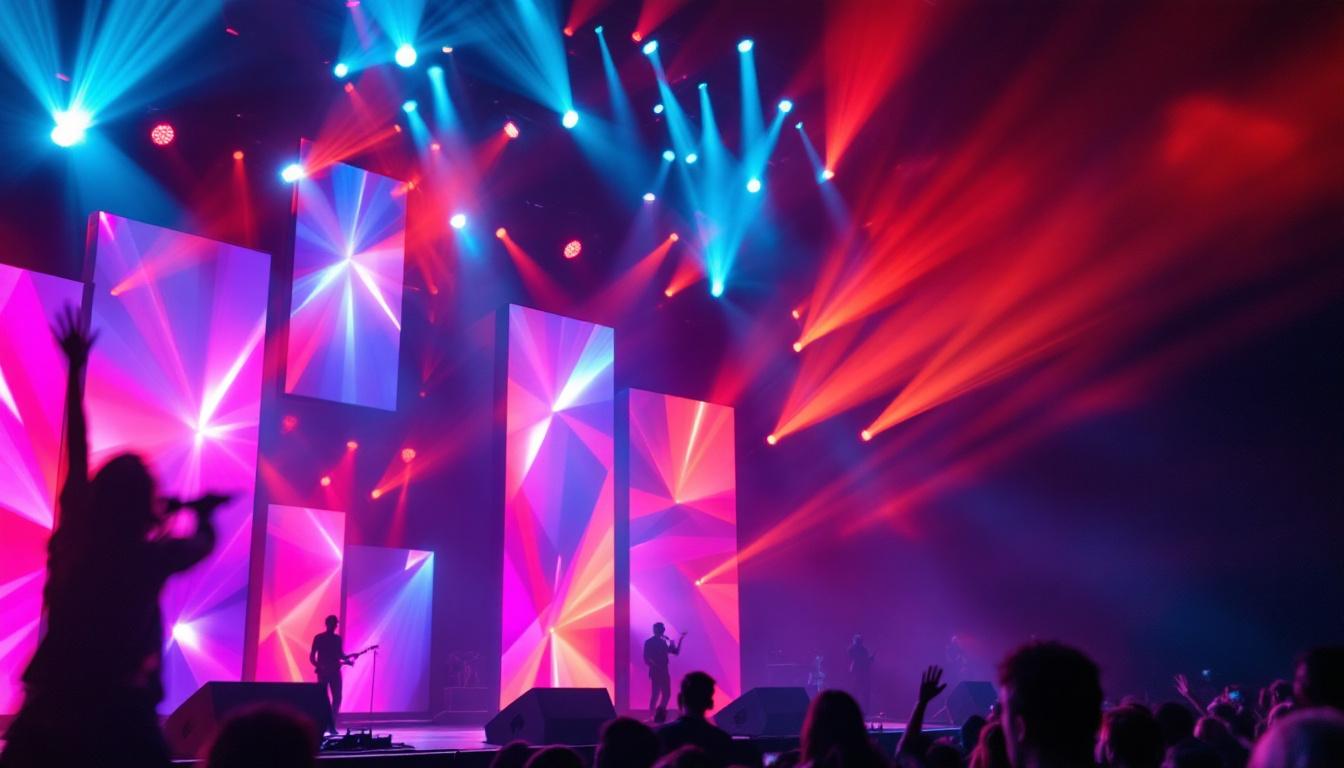
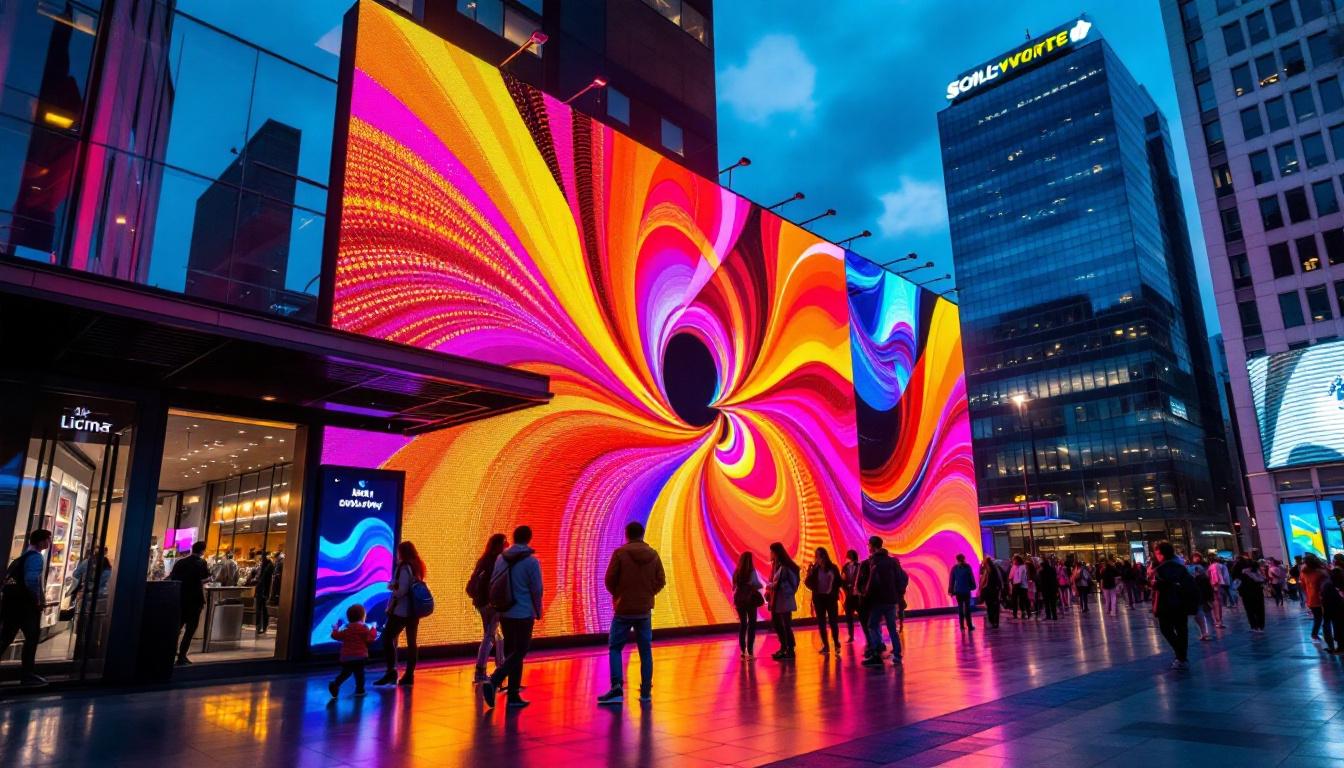
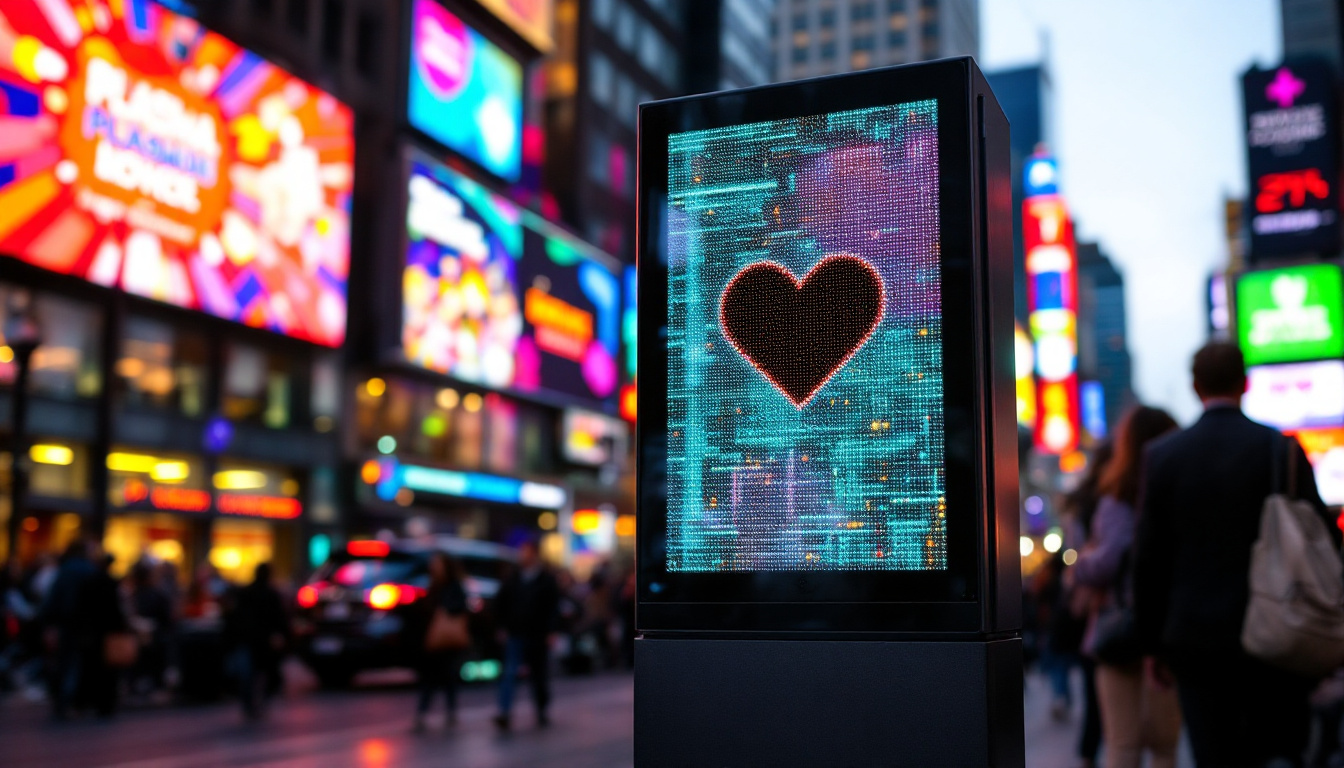
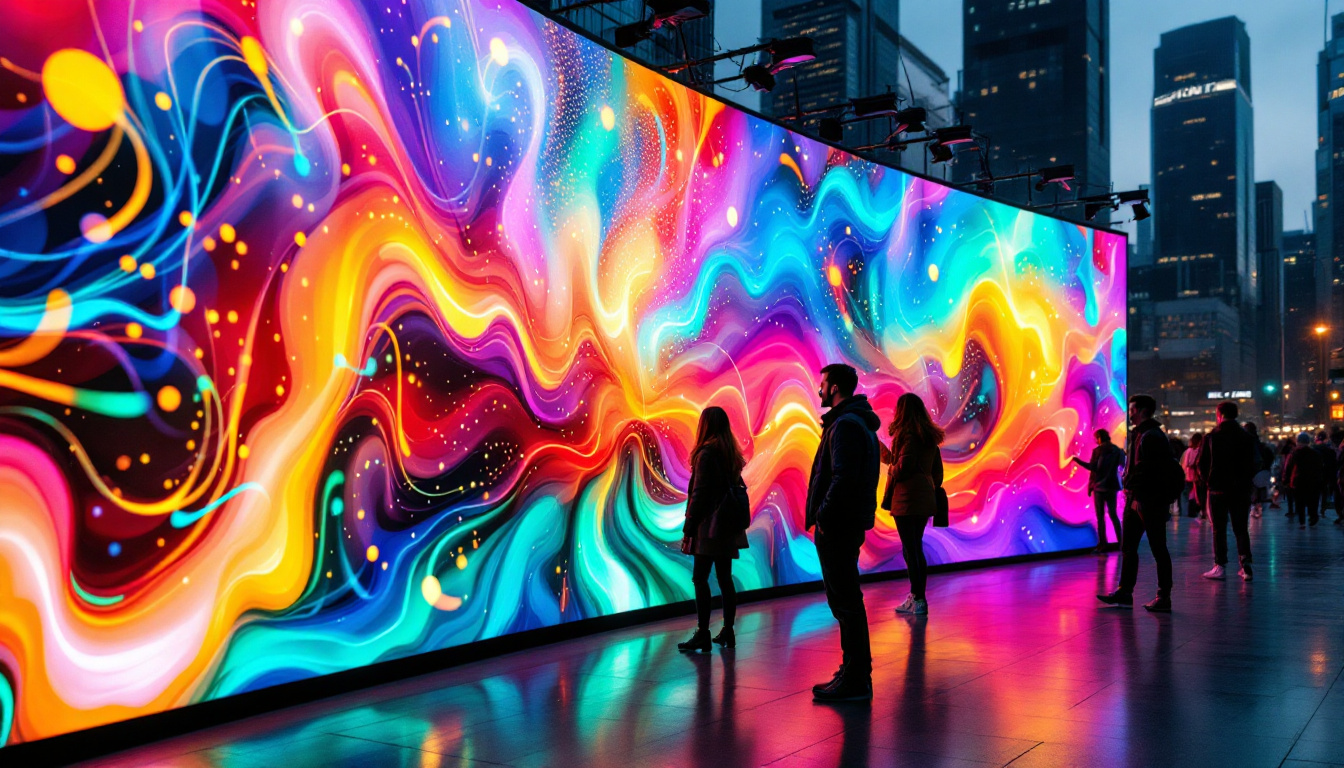
For rendering images like those in Wall-E, direct-view LED displays are often preferred for their superior brightness and color vibrancy, especially in large formats. The ability to achieve high pixel density in direct-view displays allows for stunning visuals that can be seen from great distances, making them ideal for advertising and public displays. Moreover, advancements in pixel pitch technology have enabled manufacturers to create displays with smaller pixel sizes, resulting in even sharper images and finer details that can captivate audiences.
Another exciting development in LED technology is the integration of smart features into displays. Many modern LED screens now come equipped with sensors and connectivity options that allow for real-time data display, interactivity, and even integration with augmented reality applications. This evolution is transforming the way information is presented in public spaces, making displays not just a medium for static images but dynamic platforms for engagement and communication.
How LED Displays Render Images Like Wall-E
The stunning visuals in Wall-E are a product of advanced animation techniques combined with high-quality display technologies. Understanding how LED displays render such images involves exploring pixel structure, color mixing, and resolution.
Pixel Composition and Color Mixing
Each pixel in an LED display is typically made up of three sub-pixels: red, green, and blue LEDs. By varying the intensity of these three colors through a process called additive color mixing, the display can produce millions of different colors. This capability is crucial for rendering the nuanced shades and gradients seen in animated films.
For example, the warm orange glow of Wall-E’s eyes or the lush greens of the overgrown Earth scenes are achieved by precisely controlling the brightness of the individual red, green, and blue LEDs within each pixel. The careful calibration of these sub-pixels allows animators to create a rich tapestry of colors that evoke emotion and depth, enhancing the storytelling experience. Furthermore, the use of advanced algorithms in color management ensures that the colors displayed on screen remain consistent across different viewing environments, preserving the artistic vision of the filmmakers.
Resolution and Pixel Pitch
The clarity of an image on an LED display is largely determined by its resolution—the number of pixels it contains—and the pixel pitch, which is the distance between the centers of adjacent pixels. A smaller pixel pitch results in a higher pixel density, allowing for sharper images and finer detail.
In cinematic displays or high-end monitors used for animation production, resolutions can reach 4K (3840 x 2160 pixels) or higher. This ensures that every detail in the Wall-E imagery, from the texture of rust on the robot to the subtle expressions on characters’ faces, is rendered with precision. Additionally, advancements in display technology, such as HDR (High Dynamic Range), allow for a greater contrast ratio and a wider color gamut, which means that bright highlights and deep shadows can coexist in the same scene. This is particularly evident in the breathtaking visuals of Wall-E, where the interplay of light and shadow adds a layer of realism that captivates audiences. The combination of high resolution and HDR capabilities creates a viewing experience that is not only visually stunning but also emotionally resonant, drawing viewers deeper into the narrative world of the film.
Applications of LED Displays in Animation and Film
LED technology plays a crucial role not only in the final viewing experience but also during the production of animated films like Wall-E. Its applications span from pre-production visualization to post-production screening.
On-Set LED Walls for Real-Time Visualization
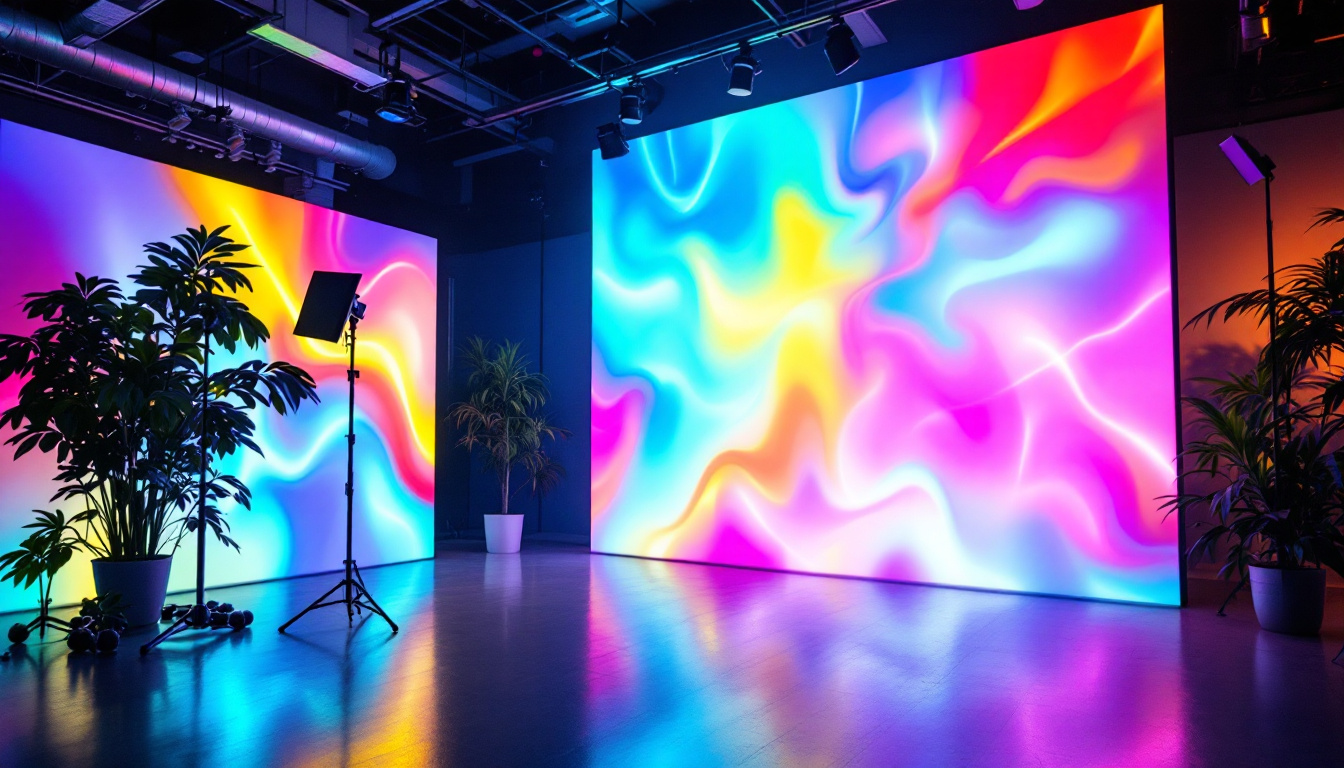
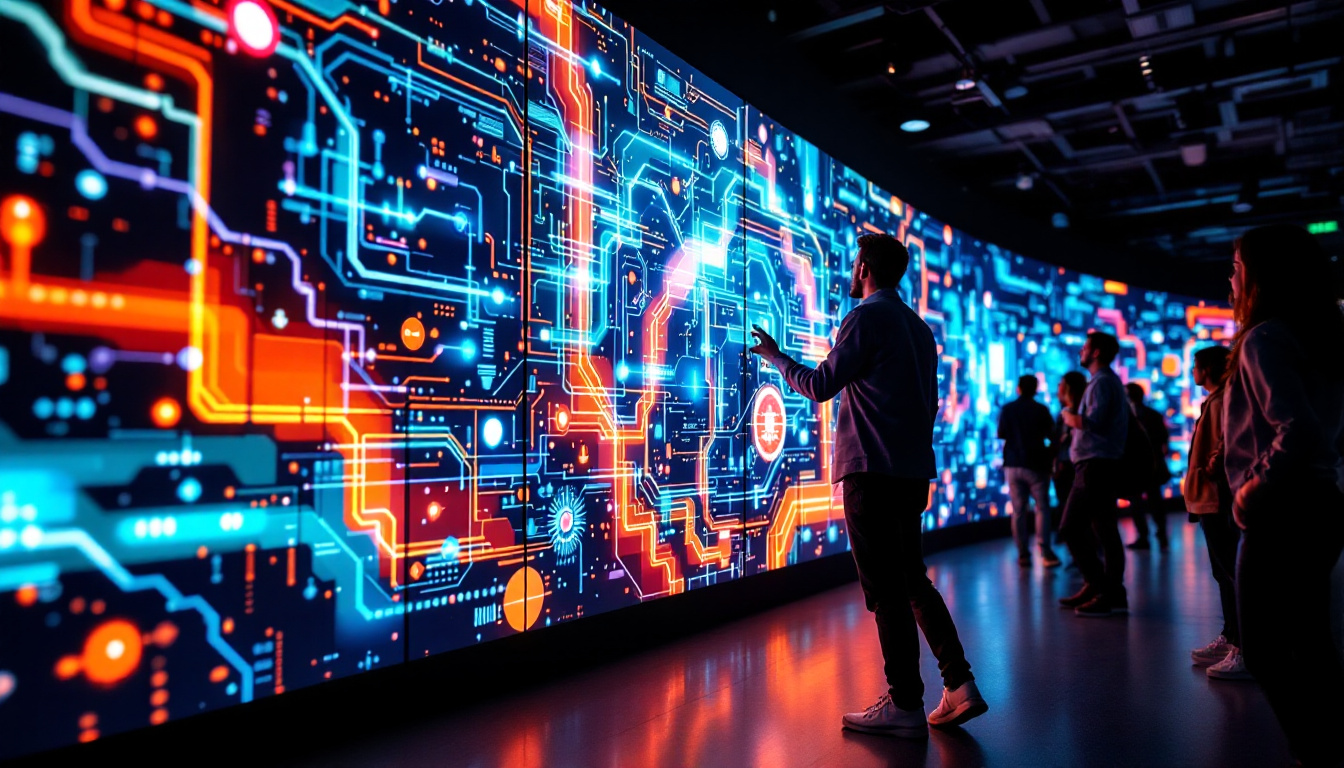
Modern film productions increasingly use large LED walls as dynamic backgrounds during shooting. These walls can display high-resolution images or animations in real time, allowing actors and directors to interact with digital environments seamlessly. This technique enhances realism and reduces the need for extensive post-production compositing.
While Wall-E was primarily created using traditional computer-generated imagery (CGI), the evolution of LED display technology has since transformed animation and live-action filmmaking alike. For instance, the use of LED walls has been particularly beneficial in creating immersive worlds that respond to the actors’ movements, providing a more engaging experience for both the cast and the audience. This innovation not only streamlines the filming process but also opens up new creative possibilities, allowing filmmakers to experiment with lighting and environmental effects in real-time, thereby enriching the storytelling experience.
Post-Production and Color Grading
During post-production, LED displays are used for color grading and quality control. High-end LED monitors provide accurate color representation and brightness levels, enabling colorists to fine-tune the visual aesthetics of a film. This ensures that the final product looks consistent across various viewing platforms, from cinema screens to home televisions.
Moreover, the precision of LED technology allows filmmakers to achieve a level of detail and vibrancy that was previously challenging to attain. With the ability to visualize how colors will appear in different lighting conditions and on various devices, colorists can make informed decisions that enhance the emotional impact of a scene. This meticulous attention to detail is especially important in animated films, where color plays a pivotal role in conveying mood and character development. As a result, the integration of LED displays in post-production not only elevates the visual quality of films but also ensures that the artistic vision is faithfully realized on screen.
Advantages of LED Displays Over Other Technologies
When it comes to displaying images like those in Wall-E, LED displays offer several advantages over competing technologies such as OLED, LCD, and projection systems.
Brightness and Visibility
LED displays can achieve extremely high brightness levels, often exceeding 1,000 nits, which makes them ideal for viewing in brightly lit environments. This is particularly beneficial for outdoor advertising and large venue screens where ambient light can wash out other display types.
Energy Efficiency and Longevity
Compared to traditional lighting and display technologies, LEDs consume less power and have a longer operational life. This reduces maintenance costs and environmental impact, making LED displays a sustainable choice for long-term installations.
Color Accuracy and Contrast
Direct-view LED displays provide excellent color accuracy and contrast ratios, crucial for rendering detailed and vibrant images. While OLED displays offer deeper blacks, LED displays excel in brightness and durability, making them suitable for a wide range of applications.
Future Trends in LED Display Technology
The LED display industry continues to innovate, pushing the boundaries of image quality and functionality. Several emerging trends promise to enhance the way images like those in Wall-E are displayed and experienced.
MicroLED and MiniLED Technologies
MicroLED and MiniLED are next-generation display technologies that use smaller LEDs to increase pixel density and improve image quality. MicroLED displays, in particular, offer the potential for OLED-like contrast with the brightness and longevity of traditional LEDs.
These advancements could lead to ultra-high-resolution screens with unprecedented color accuracy and energy efficiency, further enriching the visual storytelling of animated films.
Flexible and Transparent LED Displays
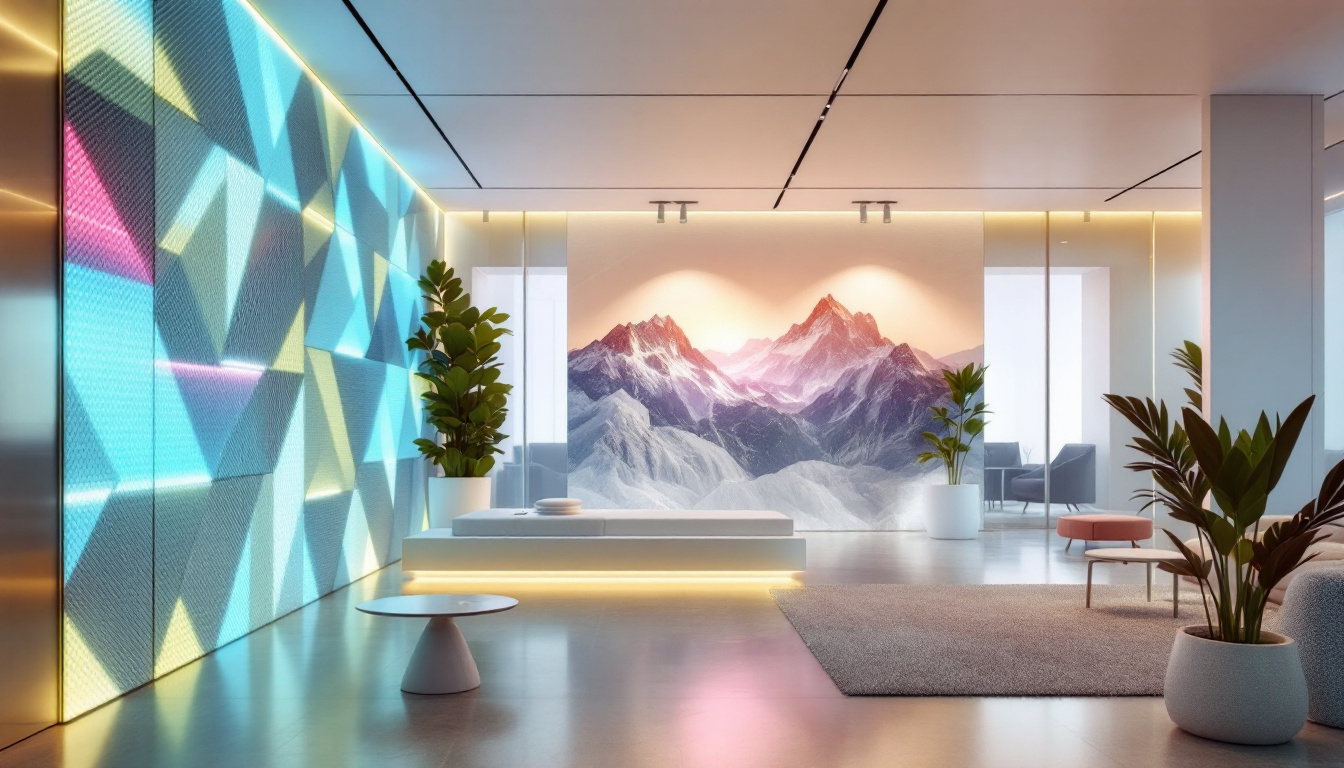
Innovations in materials science have enabled the development of flexible and transparent LED displays. These can be integrated into unconventional surfaces, opening new possibilities for immersive environments and interactive displays.
Imagine a future where the world of Wall-E could be experienced through dynamic, wrap-around LED installations that respond to viewer interaction.
Conclusion
LED display technology is a cornerstone of modern visual media, enabling the vibrant and detailed images that captivate audiences in films like Wall-E. Its unique combination of brightness, color accuracy, energy efficiency, and versatility makes it an indispensable tool in both the creation and presentation of digital imagery.
As LED technology continues to evolve, it promises to unlock new creative possibilities, enhancing the way stories are told and experienced. Whether on a cinema screen, a giant billboard, or the latest smartphone, LED displays remain at the forefront of delivering stunning visual content.
Discover LumenMatrix LED Display Solutions
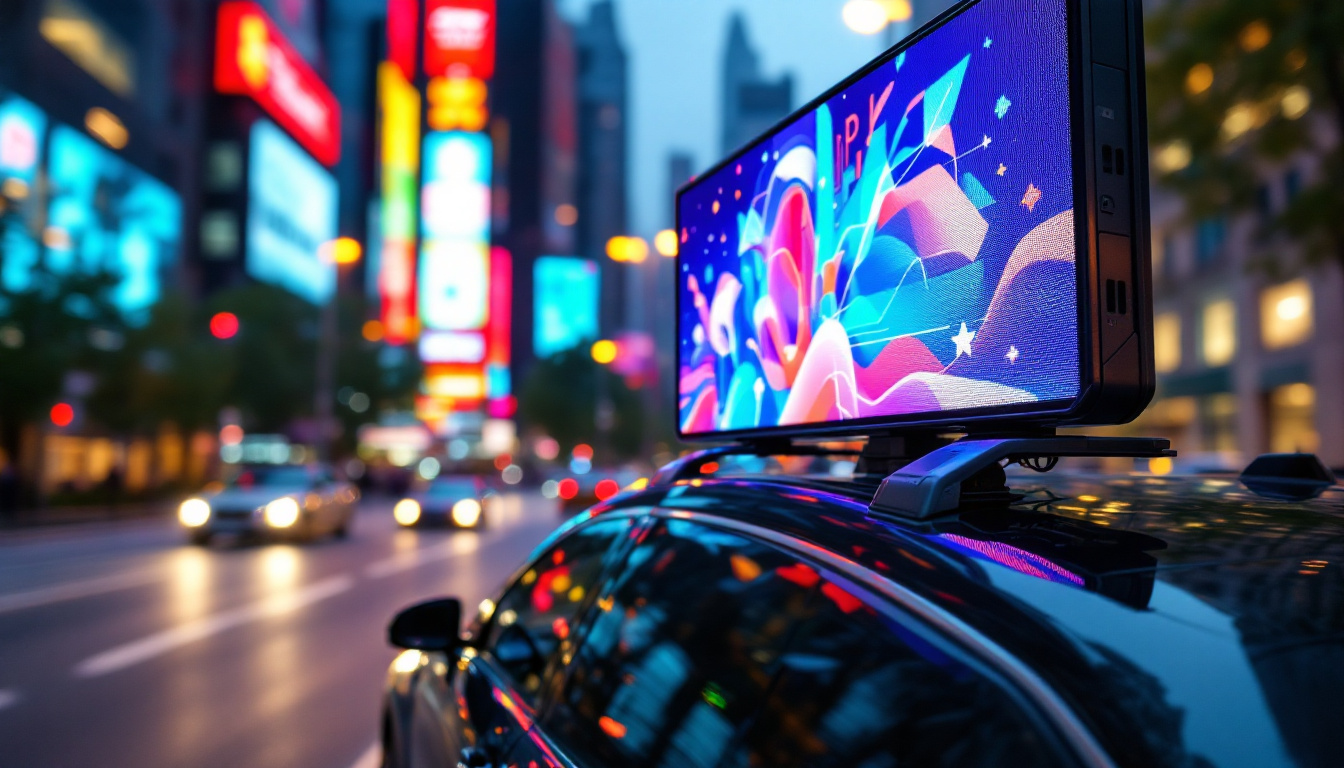
Ready to elevate your visual storytelling to the next level? Explore LumenMatrix’s innovative LED display technologies, designed to bring your brand’s message to life with unparalleled brightness, color accuracy, and energy efficiency. From immersive Indoor LED Wall Displays to dynamic Outdoor LED Wall Displays, and from versatile Vehicle LED Displays to engaging LED Sports Displays, LumenMatrix offers a comprehensive range of solutions tailored to your needs. Experience the future of digital signage and create captivating visual experiences that resonate with your audience. Check out LumenMatrix LED Display Solutions today and transform the way you communicate visually.