Wall LCD Display: LED Display Explained
In today’s fast-evolving digital landscape, display technology plays a crucial role in communication, advertising, and information sharing. Among the most prominent solutions for large-scale visual presentations are Wall LCD Displays and LED Displays. While these terms are sometimes used interchangeably, they represent distinct technologies with unique characteristics, advantages, and ideal applications. This article explores the fundamentals of Wall LCD and LED displays, offering a comprehensive understanding of how each works, their benefits, and how to choose the right display for your needs.
Understanding Wall LCD Displays
What is a Wall LCD Display?
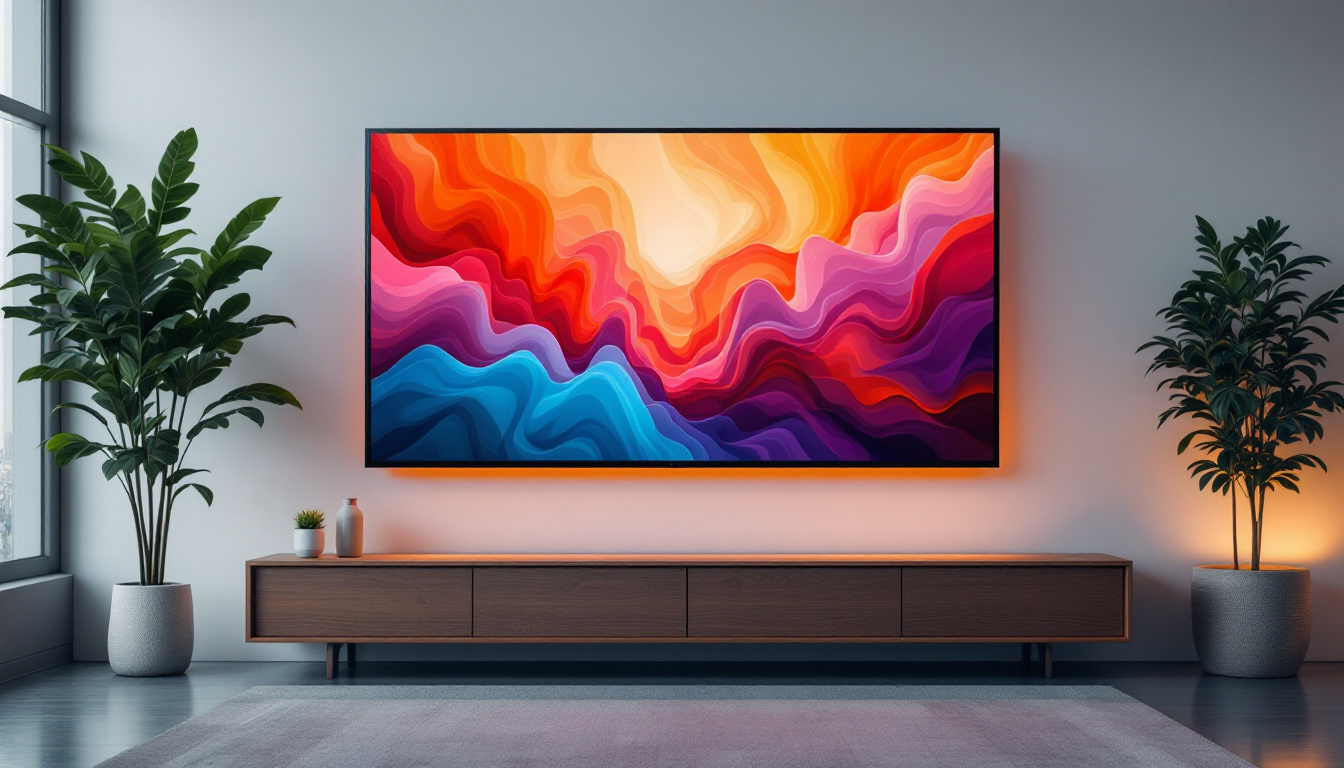
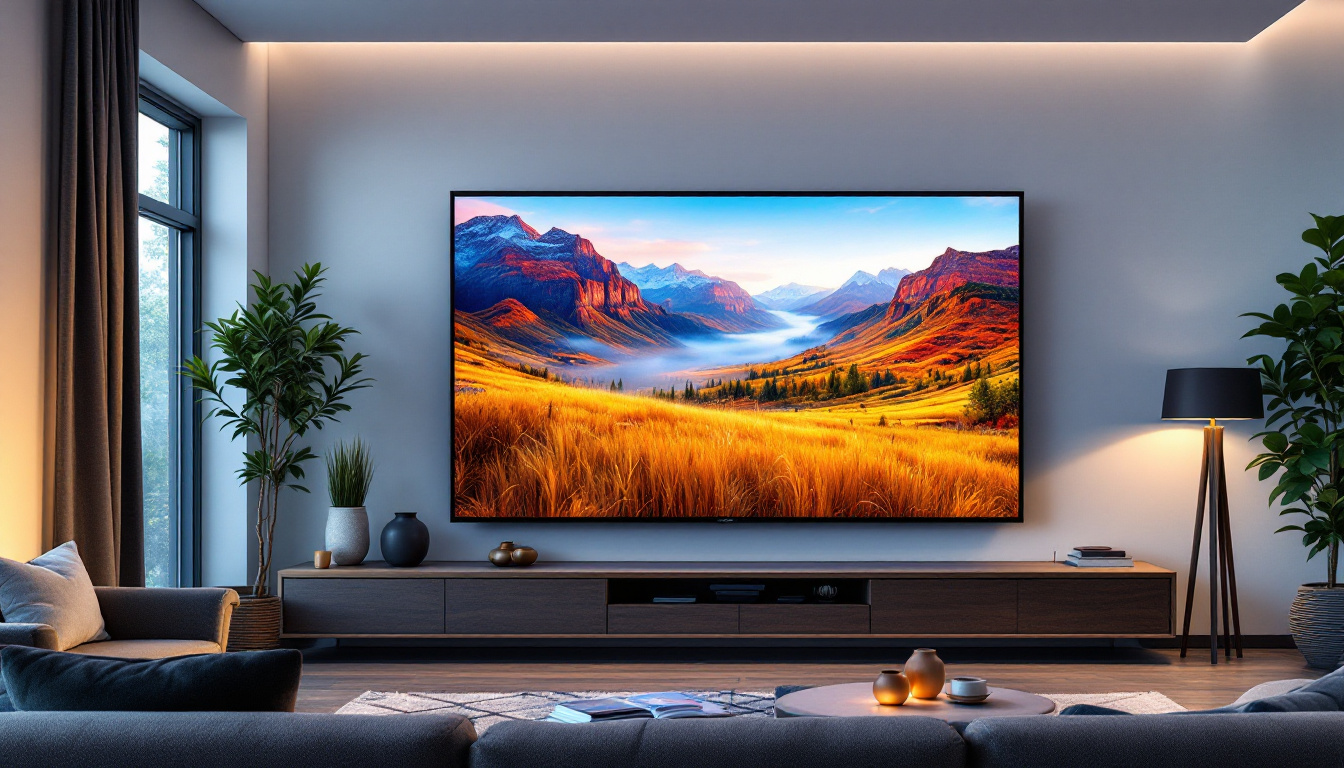
Wall LCD displays, often referred to as video walls, consist of multiple LCD panels tiled together to create one large, seamless screen. Each panel is a flat-panel display based on Liquid Crystal Display (LCD) technology, which uses liquid crystals to modulate light and produce images. When combined, these panels create expansive, high-resolution displays capable of showing detailed content across a wide surface area. This technology has revolutionized the way information is presented in various environments, allowing for dynamic and engaging visual experiences.
Typically, these LCD panels are mounted on walls in control rooms, retail environments, conference centers, and public spaces. The modular nature of LCD video walls allows for flexible sizing and aspect ratios, making them a popular choice for environments requiring high-definition visuals and sharp image quality. In retail settings, for example, they can be used to showcase promotional content, while in control rooms, they provide critical data visualization for monitoring operations in real-time. The versatility of wall LCD displays makes them an essential tool for enhancing communication and engagement in diverse applications.
How LCD Technology Works
LCD technology relies on liquid crystals sandwiched between two layers of polarized glass. When an electric current passes through the crystals, they align in a way that either blocks or allows light to pass through. The light source behind the crystals, usually a white LED backlight, shines through the liquid crystals to create the image. Color filters and pixels combine to display the full range of colors and images. This intricate process enables LCD displays to achieve stunning visuals that captivate audiences.
One of the key advantages of LCD panels is their ability to produce precise, vibrant images with high pixel density. This makes them ideal for applications requiring detailed visuals, such as data monitoring or high-resolution video playback. Additionally, advancements in LCD technology have led to improvements in response times and refresh rates, further enhancing the viewing experience. As a result, these displays are not only suitable for static images but also excel in dynamic content, such as live video feeds and interactive presentations.
Advantages of Wall LCD Displays
Wall LCD displays offer several benefits that make them a preferred choice in many professional settings:
- High Resolution and Image Clarity: LCD panels typically provide sharp, clear images with excellent color accuracy, making them suitable for detailed content.
- Modularity and Scalability: The ability to combine multiple panels allows for customizable screen sizes and aspect ratios.
- Energy Efficiency: Modern LCD panels with LED backlighting consume less power compared to older display technologies.
- Thin and Lightweight: LCD panels are relatively thin and lightweight, simplifying installation and reducing wall stress.
Moreover, wall LCD displays are designed to minimize bezels—the borders between individual screens—resulting in a more cohesive visual experience. This is particularly important in applications where continuity of image is crucial, such as in art installations or immersive environments. The seamless integration of multiple panels allows for a larger canvas that can be utilized for creative storytelling, branding, or information dissemination. Additionally, many wall LCD displays come equipped with advanced features such as touch interactivity, enabling users to engage directly with the content, making them even more versatile in various settings.
Another significant advantage is the durability and longevity of LCD technology. With proper maintenance, these displays can last for years, making them a cost-effective investment for businesses. Furthermore, manufacturers often provide warranties and support services, ensuring that any potential issues can be promptly addressed. This reliability is essential for environments where downtime can result in lost revenue or critical information being unavailable. As technology continues to evolve, wall LCD displays are likely to incorporate even more innovative features, further enhancing their functionality and appeal in the marketplace.
Exploring LED Displays
What is an LED Display?
LED displays are screens composed of light-emitting diodes (LEDs) that directly produce light to form images. Unlike LCDs, which rely on backlighting, LED displays use tiny LEDs as individual pixels. These LEDs emit red, green, and blue light, which combine to create full-color images visible even in bright outdoor environments.
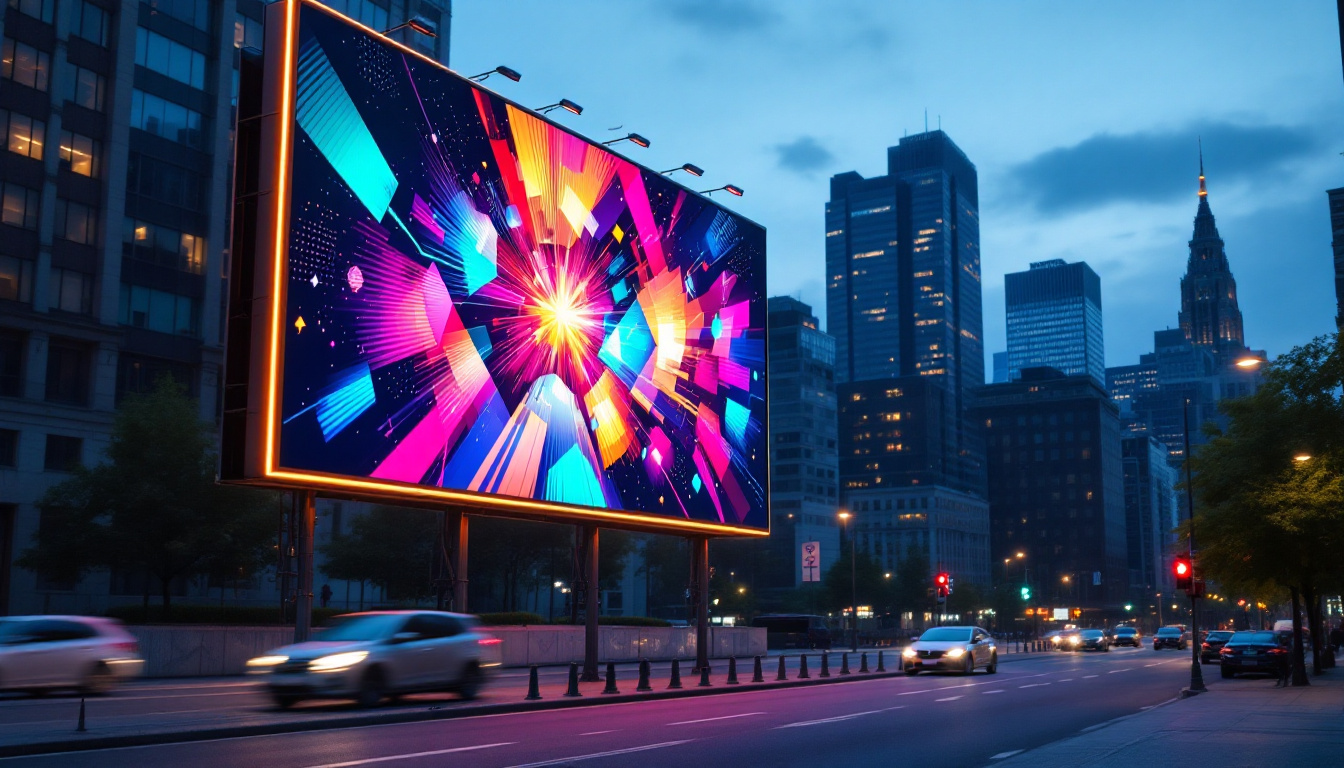
LED displays come in various forms, including indoor and outdoor models, and are widely used for billboards, stadium screens, stage backdrops, and large public displays. Their ability to produce bright, vivid images makes them ideal for environments where visibility under direct sunlight or at long distances is critical.
How LED Technology Works
Each pixel in an LED display consists of three LEDs: one red, one green, and one blue. By adjusting the brightness of each LED, the display can produce a wide spectrum of colors. The LEDs emit their own light, which means there is no need for a backlight, unlike LCDs.
LED displays are typically constructed using either surface-mounted device (SMD) LEDs or through-hole LEDs, with SMD technology being more common in modern displays due to its compact size and superior color blending.
Advantages of LED Displays
LED displays offer several compelling advantages, particularly for large-scale and outdoor applications:
- High Brightness: LEDs can achieve brightness levels far beyond those of LCDs, ensuring visibility in direct sunlight.
- Wide Viewing Angles: LED displays maintain color consistency and clarity across broad viewing angles.
- Durability and Longevity: LED modules are robust and have long operational lifespans, often exceeding 100,000 hours.
- Flexible Design: LED panels can be curved or shaped to fit unique architectural requirements.
Comparing Wall LCD and LED Displays
Image Quality and Resolution
Wall LCD displays generally provide higher pixel density and finer image detail, making them ideal for applications requiring close-up viewing or detailed graphics. In contrast, LED displays, while often lower in pixel density, compensate with superior brightness and color vibrancy, especially in large-format installations viewed from a distance.
Brightness and Visibility
LED displays excel in brightness, with some models reaching up to 5,000 nits or more, making them highly visible in bright outdoor environments. LCD walls, typically ranging from 300 to 700 nits, are better suited for indoor environments with controlled lighting.
Installation and Maintenance
LCD video walls require precise alignment to minimize bezels—the borders around each panel—which can interrupt the visual continuity. Newer ultra-narrow bezel LCD panels have reduced this issue significantly. LED displays, by contrast, offer seamless image surfaces without visible borders, enhancing immersion.
In terms of maintenance, LED modules are generally easier to service since individual modules can be replaced without dismantling the entire display. LCD panels may require more extensive servicing if a panel fails.
Cost Considerations
Initial costs for LCD video walls can be lower for smaller installations, but as the display size increases, LED displays often become more cost-effective due to their scalability and lower maintenance costs. Additionally, LED displays’ energy efficiency at high brightness levels can result in lower operational expenses over time.
Applications of Wall LCD and LED Displays
Where Wall LCD Displays Shine
Wall LCD displays are frequently used in environments where image clarity and detail are paramount. Common applications include:
- Control Rooms: For monitoring critical data and security feeds with sharp resolution.
- Corporate Boardrooms: Where presentations and video conferencing require high image fidelity.
- Retail Stores: For digital signage that demands vivid color and fine detail.
- Museums and Exhibitions: To display detailed visual content in controlled lighting conditions.
Ideal Use Cases for LED Displays
LED displays are preferred in settings that demand high brightness, durability, and large-scale visuals, such as:
- Outdoor Advertising: Billboards and digital signage visible in sunlight.
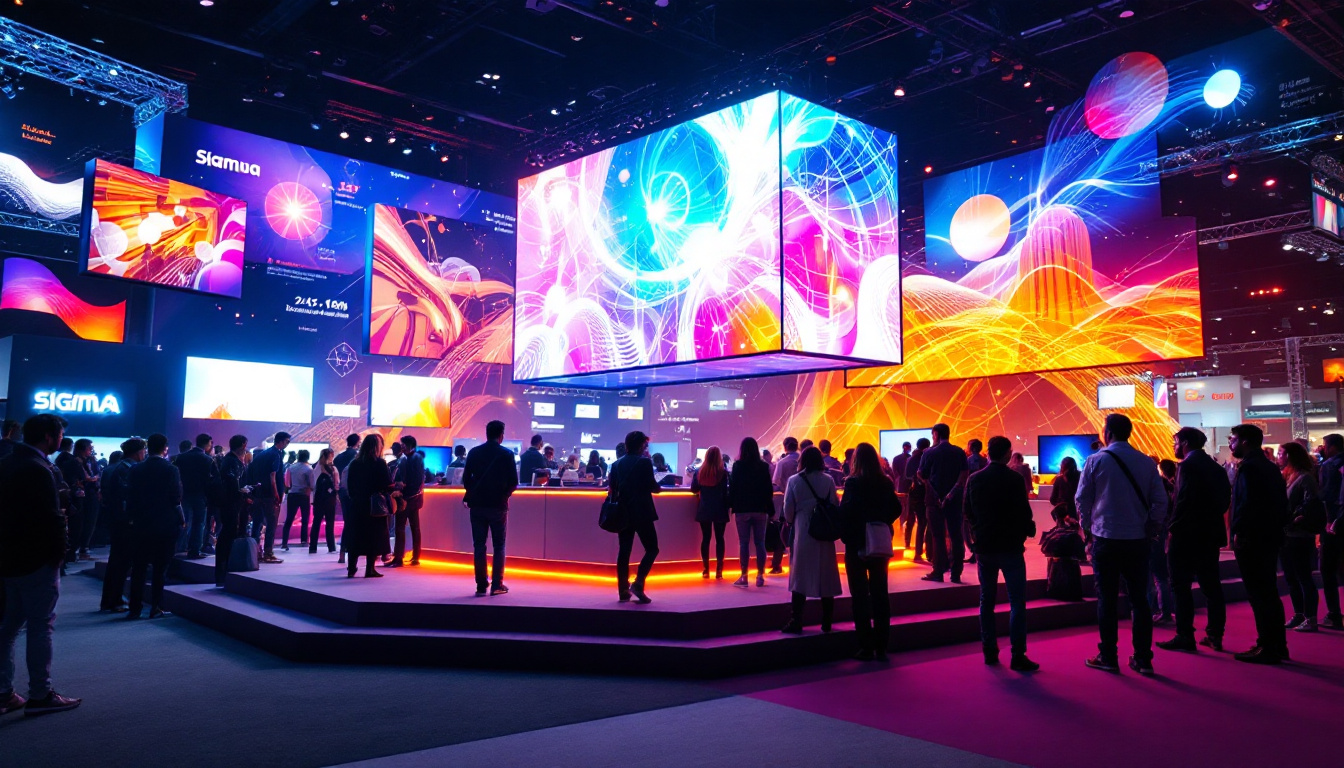
- Sports Arenas and Concerts: Large screens for live event broadcasting and dynamic content.
- Transportation Hubs: Information displays in airports and train stations.
- Public Spaces: Interactive installations and public announcements.
Emerging Trends and Innovations
MicroLED and MiniLED Technologies
Recent advancements in LED technology, such as MicroLED and MiniLED, are blurring the lines between traditional LCD and LED displays. MicroLED offers self-emissive pixels similar to OLED but with higher brightness and longevity, promising exceptional image quality and contrast without the burn-in issues associated with OLED.
MiniLED technology enhances LCD panels by using thousands of tiny LEDs for backlighting, improving contrast ratios and enabling local dimming for deeper blacks and brighter highlights. These innovations are driving new possibilities for video walls with superior performance.
Integration with Smart Technologies
Modern wall displays increasingly integrate with smart control systems, enabling remote management, content scheduling, and real-time data integration. This enhances their utility in dynamic environments such as command centers and retail spaces, where content needs to be updated frequently and efficiently.
Choosing the Right Display for Your Needs
Factors to Consider
Selecting between a Wall LCD display and an LED display depends on several key factors:
- Viewing Environment: Indoor vs. outdoor, ambient light levels, and viewing distance.
- Content Type: Static images, detailed graphics, video, or dynamic content.
- Budget Constraints: Initial investment, maintenance, and operational costs.
- Installation Requirements: Size, shape, and mounting options.
- Longevity and Durability: Expected lifespan and environmental exposure.
Consulting with Experts
Given the technical nuances and rapid advancements in display technology, consulting with display specialists or integrators is advisable. They can provide tailored recommendations based on specific project requirements, ensuring optimal performance and return on investment.
Conclusion
Wall LCD and LED displays each offer unique strengths that cater to different applications and environments. Wall LCD displays excel in delivering high-resolution, detailed images ideal for indoor use, while LED displays provide unmatched brightness and durability suited for large-scale and outdoor installations. Understanding the distinctions and advantages of each technology empowers businesses and organizations to make informed decisions that enhance communication, engagement, and visual impact.
As display technologies continue to evolve with innovations like MicroLED and smart integration, the future holds exciting possibilities for even more immersive and versatile visual experiences. Whether upgrading an existing installation or embarking on a new project, choosing the right display technology is fundamental to achieving success in today’s visually driven world.
Discover LumenMatrix’s Innovative LED Solutions
Ready to elevate your visual experience with the latest in display technology? Explore LumenMatrix’s comprehensive range of LED display solutions, designed to bring your brand to life and captivate your audience. From vibrant Indoor and Outdoor LED Wall Displays to dynamic Vehicle and Sports LED Displays, our offerings cater to every need. Experience the future of visual communication with our revolutionary Custom, All-in-One, and Transparent LED Displays. Check out LumenMatrix LED Display Solutions today and transform your space with unparalleled clarity and impact.