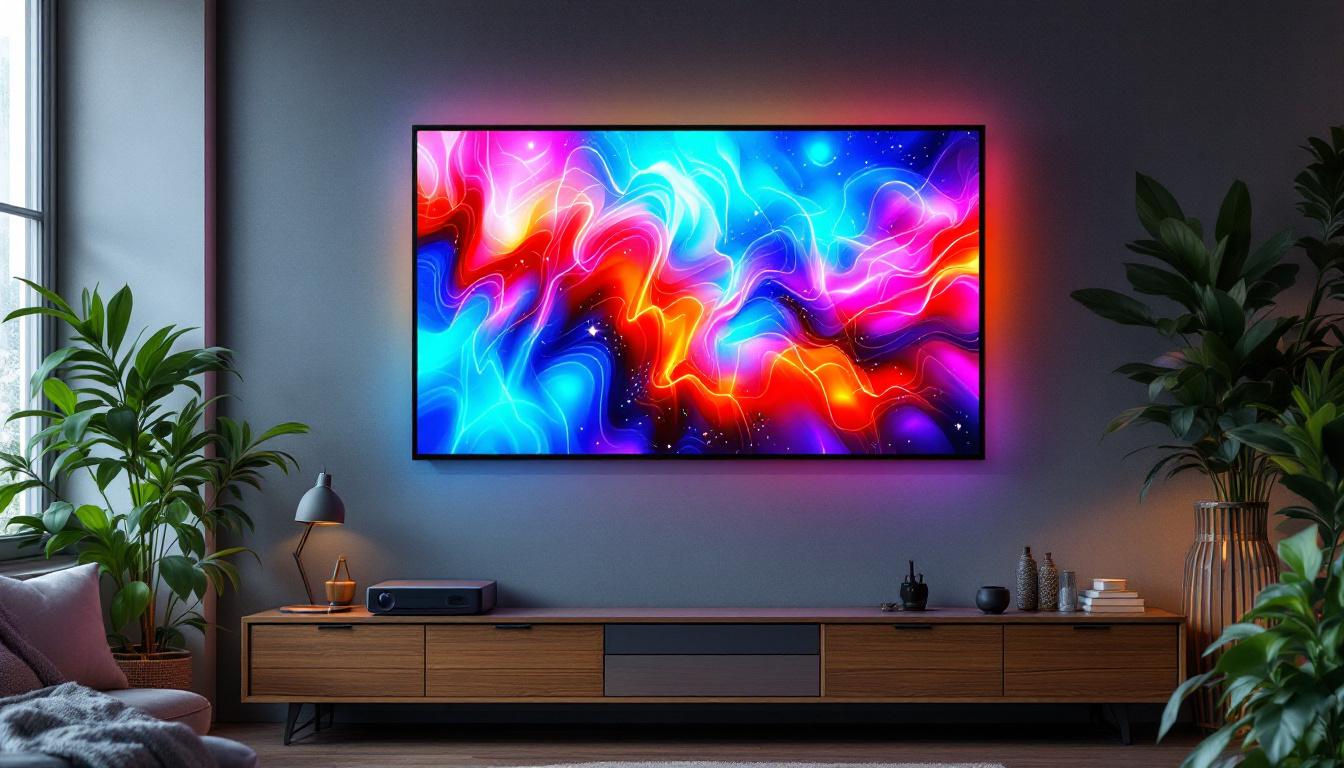
In the evolving world of visual display technology, the way images and videos are projected and presented has undergone significant transformation. Traditional projector screens have long been the standard for home theaters, conference rooms, and public presentations. However, the emergence of LED displays as wall screens for projectors is reshaping expectations and possibilities. This article explores the concept of wall screens for projectors with a focus on LED display technology, its advantages, practical applications, and considerations for choosing the right solution.
Understanding Wall Screens for Projectors
When discussing wall screens for projectors, it’s essential to clarify what this term encompasses. Traditionally, a projector screen is a specially designed surface that reflects light from a projector to create a clear and vibrant image. These screens come in various forms, including pull-down, fixed-frame, and motorized varieties.
However, the term “wall screen” can also refer to a more integrated approach where the projection surface is either built into or directly applied to a wall. This can be a painted surface with specialized projection paint, a tensioned screen mounted flush to the wall, or more recently, an LED display panel installed on the wall to serve as a projection surface or even a direct display itself.
The integration of LED technology into wall screens for projectors represents a significant leap forward, combining the benefits of traditional projection with the superior brightness, contrast, and color fidelity of LED displays.
What is an LED Display?
LED (Light Emitting Diode) displays are composed of numerous tiny LEDs that emit light directly. Unlike traditional projection, which relies on an external light source projecting onto a reflective surface, LED displays generate their own light. This fundamental difference has several implications for image quality and viewing experience.
LED displays can be configured in various sizes and resolutions, from small panels to massive video walls. They are highly versatile and are used in everything from smartphones and TVs to stadium screens and digital billboards.
In the context of wall screens for projectors, LED technology can either supplement or replace traditional projection methods. For example, some modern setups use an LED wall as the display surface, eliminating the need for a projector altogether, while others integrate LED lighting to enhance the projected image’s brightness and contrast.
Types of LED Displays
There are generally two main types of LED displays relevant to wall screens:
- Direct View LED (DVLED): This type uses individual LEDs as pixels, creating images directly on the display. DVLEDs are known for their brightness and durability, making them ideal for large-scale or high-ambient-light environments.
- MicroLED: A newer technology featuring microscopic LEDs that offer even higher resolution and efficiency. MicroLEDs are gaining traction for use in premium display applications but are currently more expensive.
Advantages of Using LED Displays as Wall Screens for Projectors
LED displays bring numerous advantages to the table when used as wall screens or as alternatives to traditional projection screens. Understanding these benefits can help businesses, educators, and home users make informed decisions.
Superior Brightness and Visibility
One of the most significant benefits of LED displays is their brightness. Traditional projectors can struggle in well-lit rooms, often requiring dimmed lighting for optimal image quality. LED displays, however, emit their own light and can achieve brightness levels exceeding 1,000 nits, making them easily viewable even in brightly lit environments.
This characteristic is particularly valuable in commercial settings such as conference rooms, retail spaces, and classrooms where ambient light cannot always be controlled.
Enhanced Color Accuracy and Contrast
LED technology offers exceptional color reproduction and contrast ratios. Because LEDs emit light directly, they can produce deep blacks and vibrant colors that are difficult to achieve with projection onto reflective surfaces. This results in images that are more lifelike and engaging.
For applications like digital signage, video presentations, and home theaters, this improved color fidelity enhances the overall viewing experience.
Durability and Longevity
LED displays are known for their robustness and long operational life, often exceeding 100,000 hours of use. Unlike projector bulbs, which have a limited lifespan and can be costly to replace, LEDs require minimal maintenance and provide consistent performance over time.
This durability makes LED wall screens a cost-effective investment for businesses and institutions that rely on continuous or frequent use.
Flexible Size and Customization
LED panels can be assembled in various sizes and shapes, allowing for highly customizable wall screens. Whether the need is for a small meeting room display or a massive auditorium screen, LED technology can be tailored to fit the space perfectly.
Additionally, modular LED panels can be easily reconfigured or expanded as needs change, offering scalability that traditional projector screens can’t match.
Applications of LED Wall Screens in Projection Settings
The versatility of LED wall screens extends across multiple sectors. Below are some key applications where LED displays are transforming projection and display experiences.
Corporate and Educational Environments
In offices and educational institutions, clear and bright displays are crucial for effective communication. LED wall screens provide vibrant visuals for presentations, video conferencing, and interactive lessons. Their brightness ensures visibility even in rooms with large windows or overhead lighting.
Moreover, the ability to integrate touch capabilities with LED displays adds an interactive dimension, enabling dynamic collaboration and engagement.
Entertainment and Home Theaters
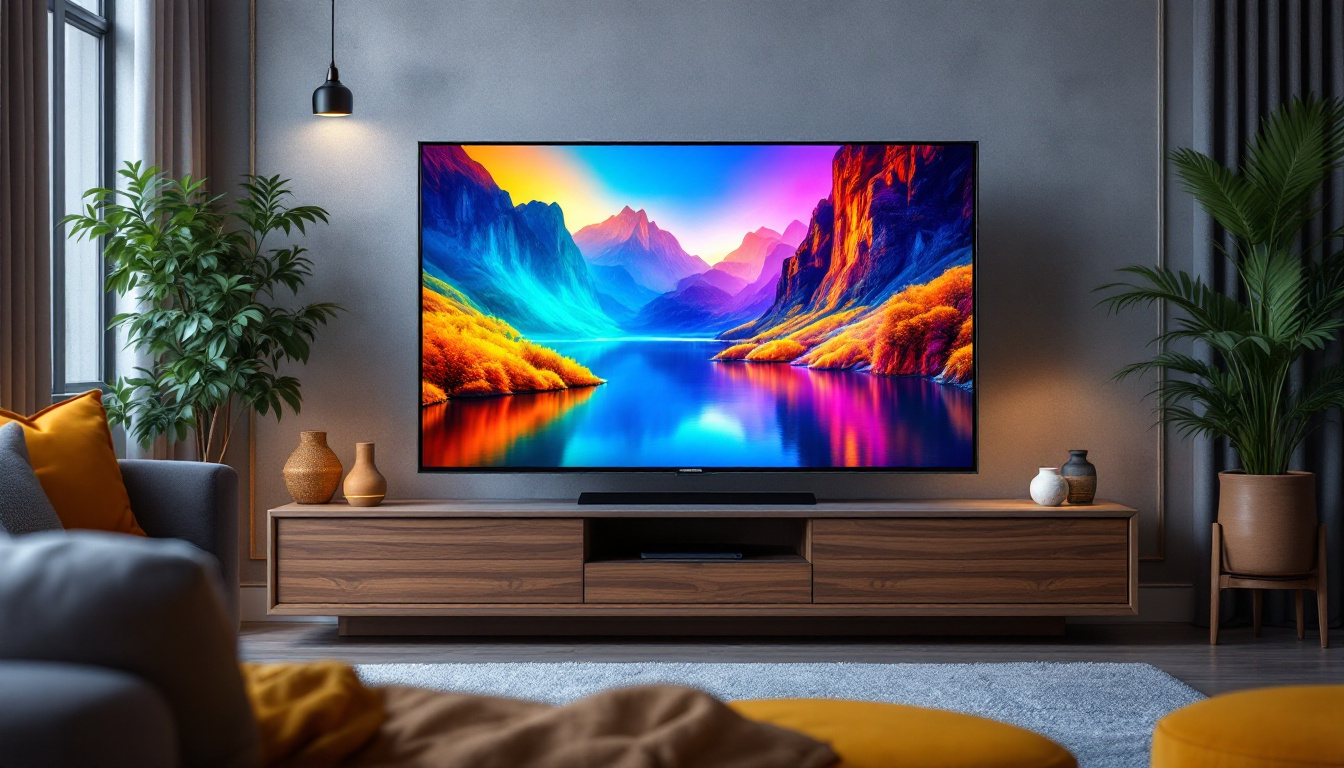
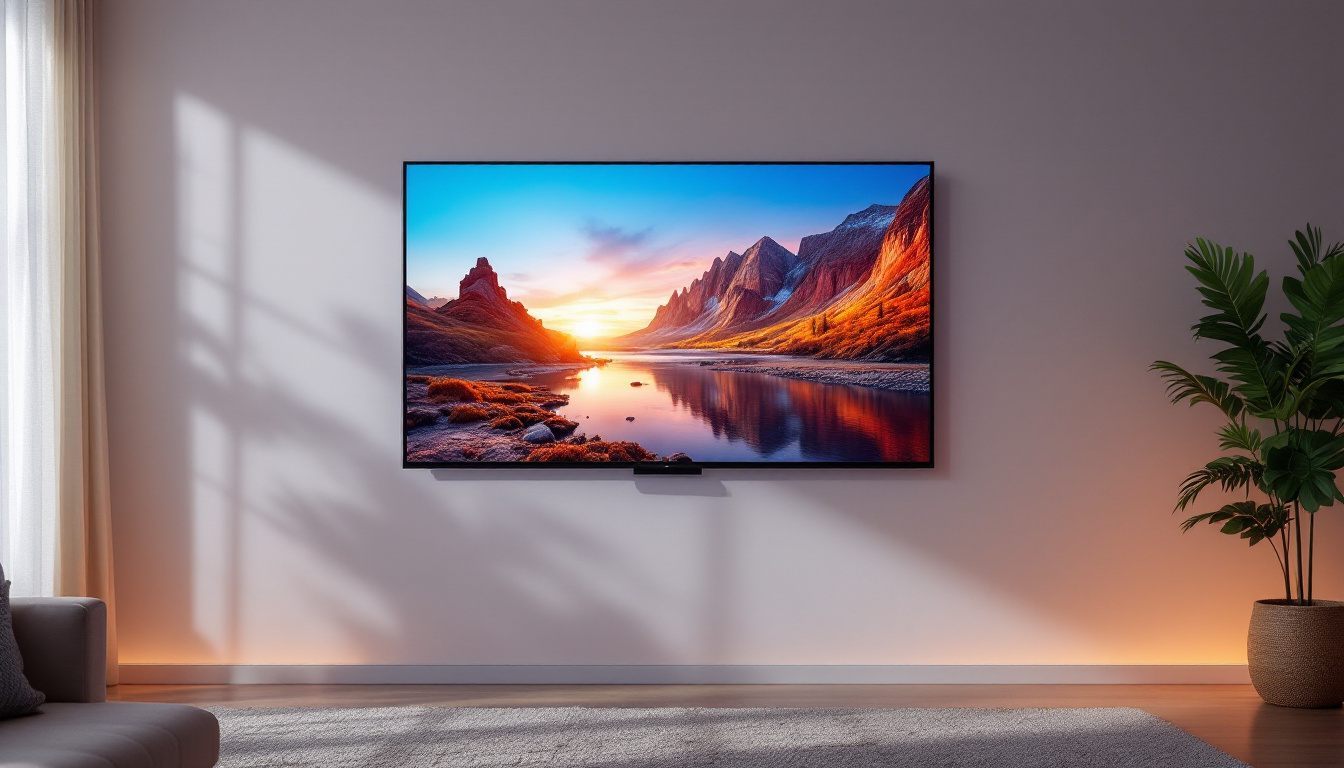
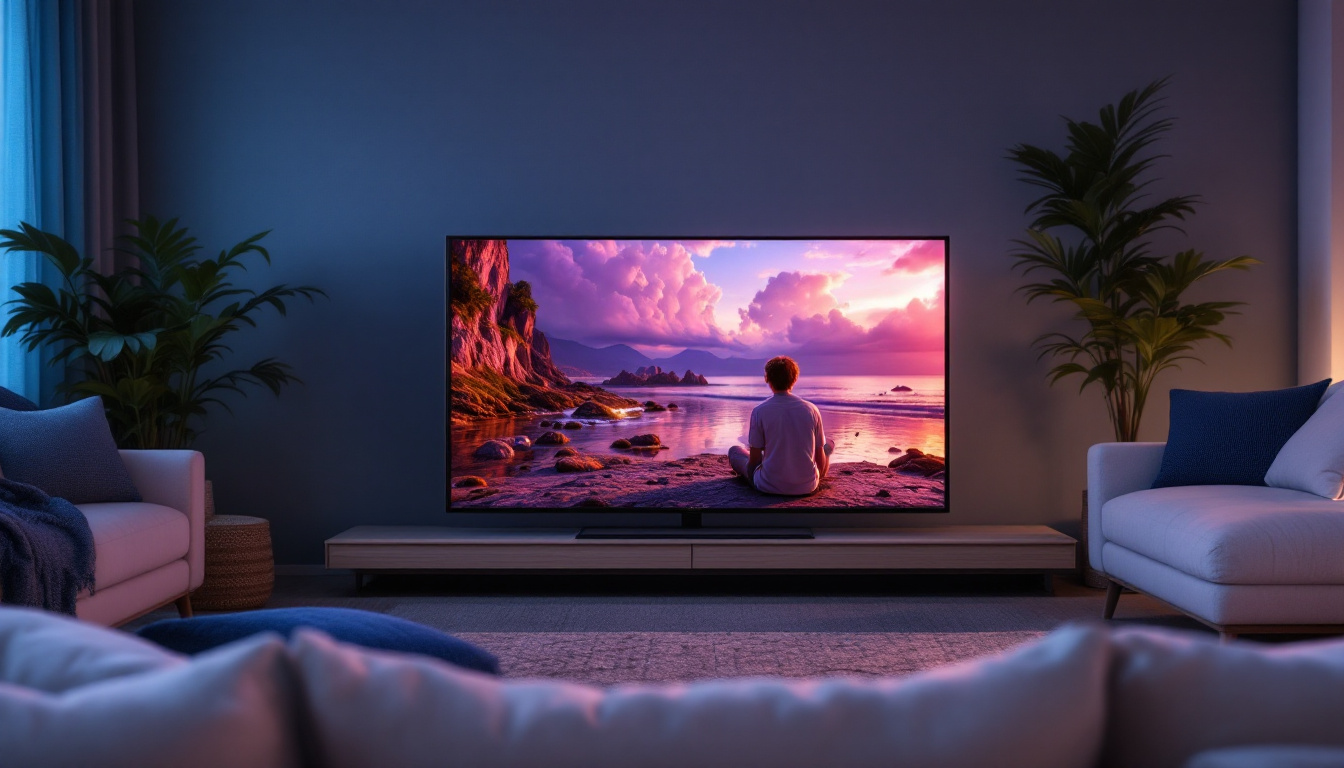
Home theater enthusiasts are increasingly turning to LED wall screens for their superior image quality and immersive experience. Unlike traditional projection screens that require controlled lighting, LED displays deliver vivid images regardless of ambient light conditions.
Furthermore, LED walls can be seamlessly integrated into modern living spaces, offering sleek aesthetics and eliminating the need for bulky projector equipment.
Retail and Advertising
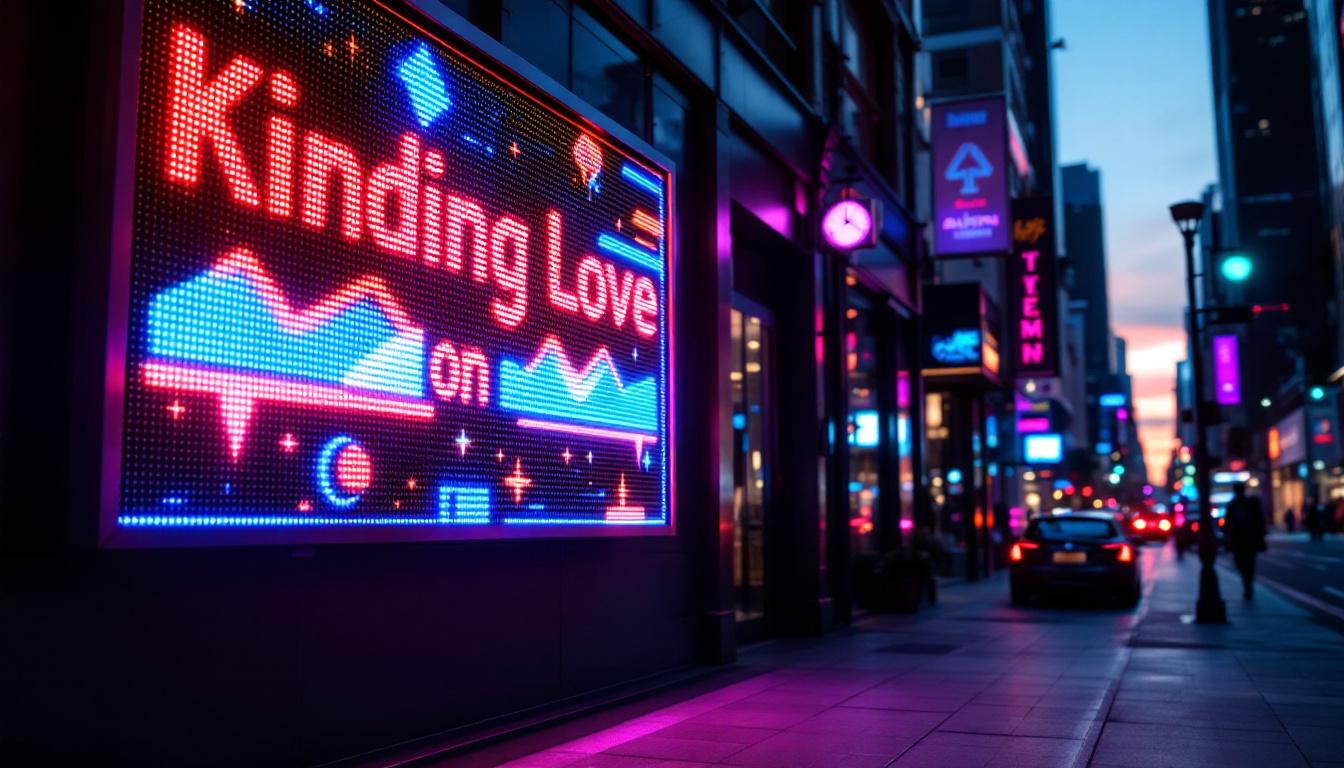
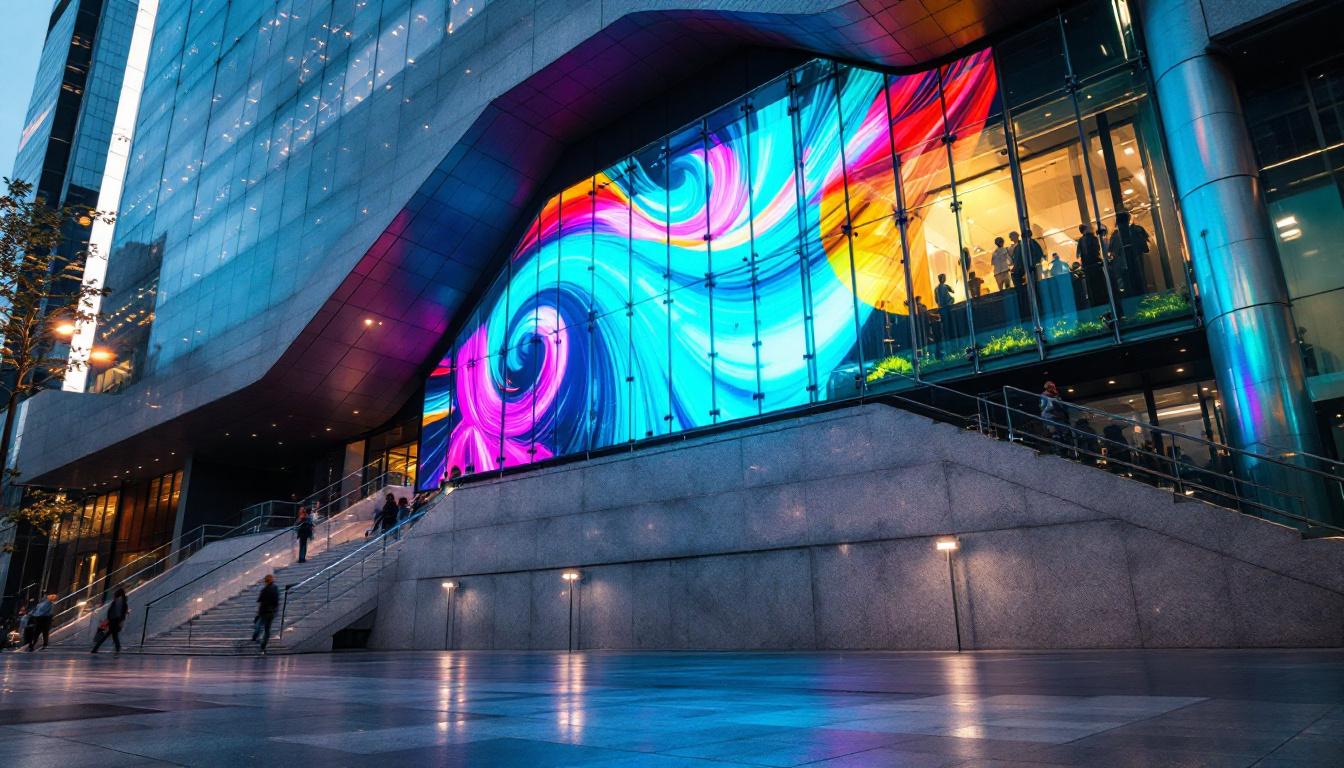
Retail environments benefit from LED wall screens by capturing customer attention with bright, dynamic content. Digital signage powered by LED displays can showcase promotions, product information, and interactive content with unparalleled clarity and impact.
These displays can also be used as part of experiential marketing campaigns, creating immersive brand experiences that drive engagement and sales.
Public Venues and Events
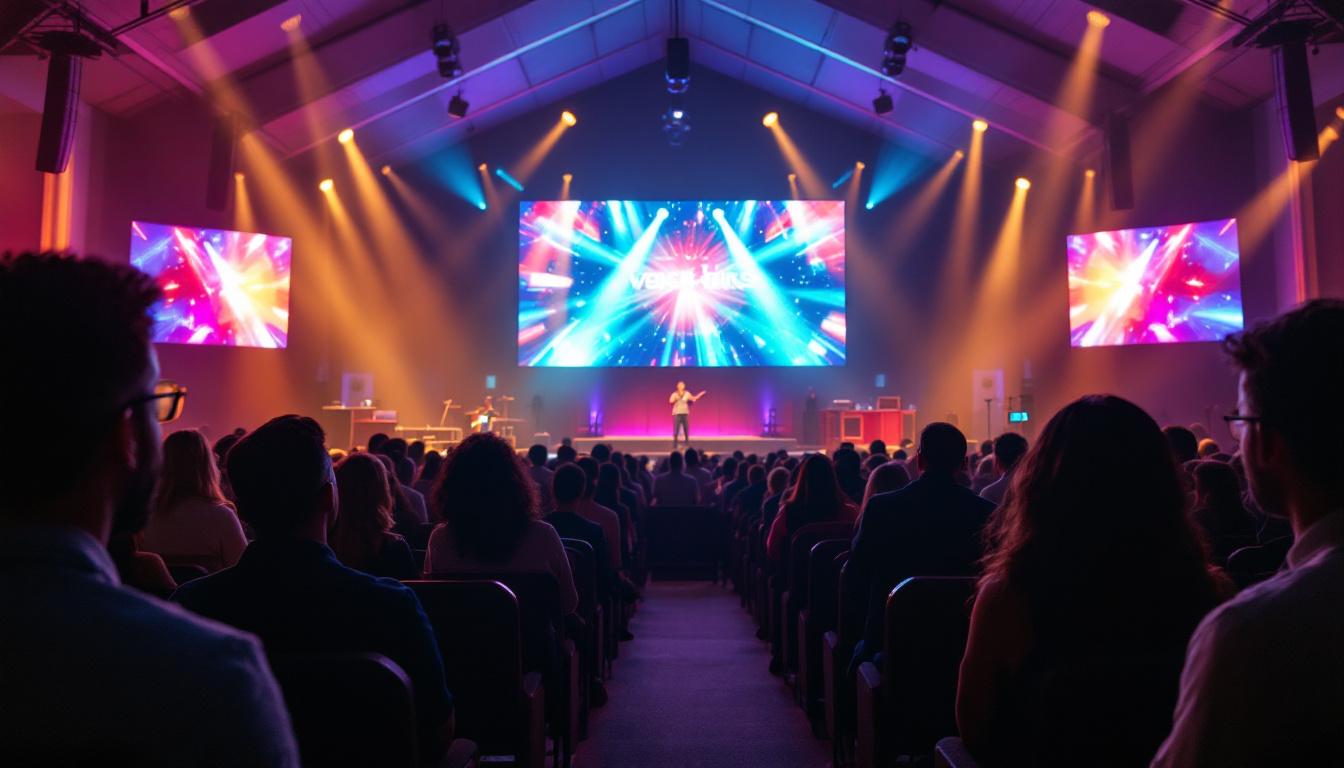
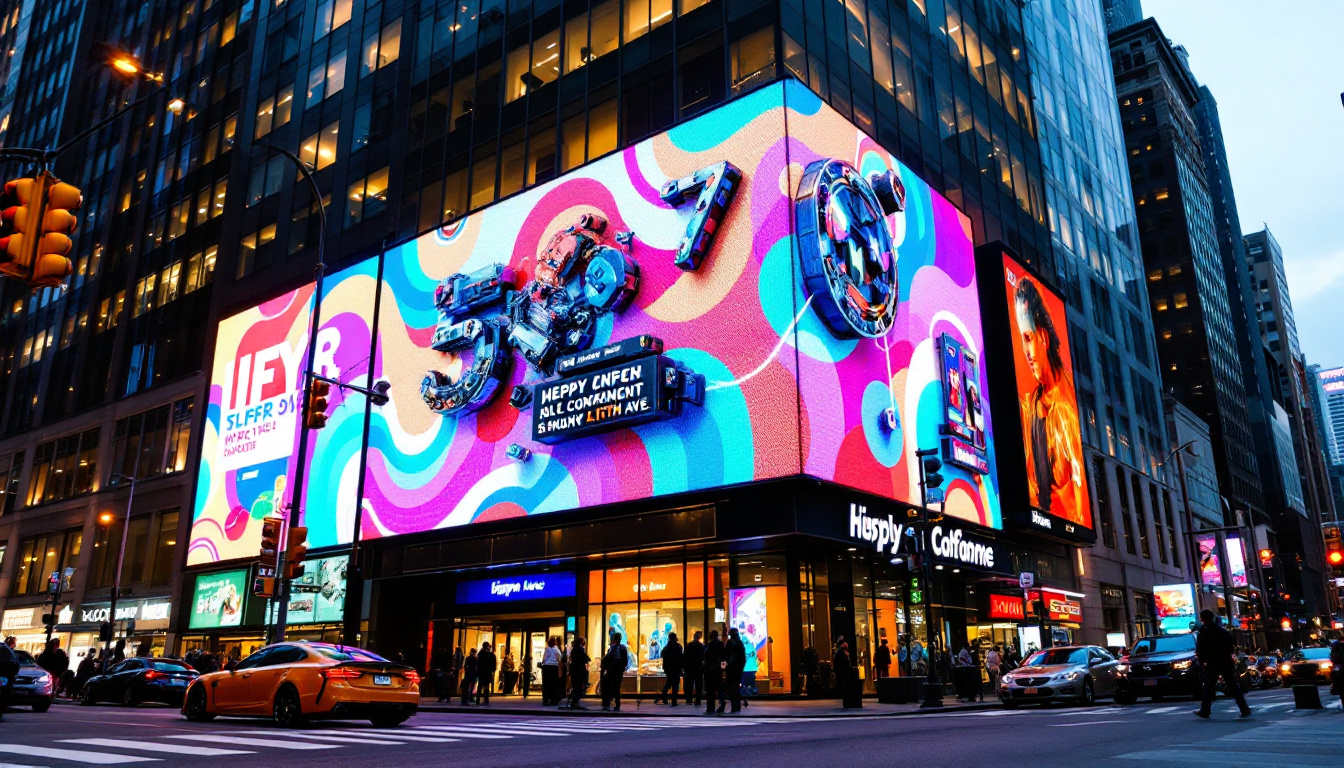
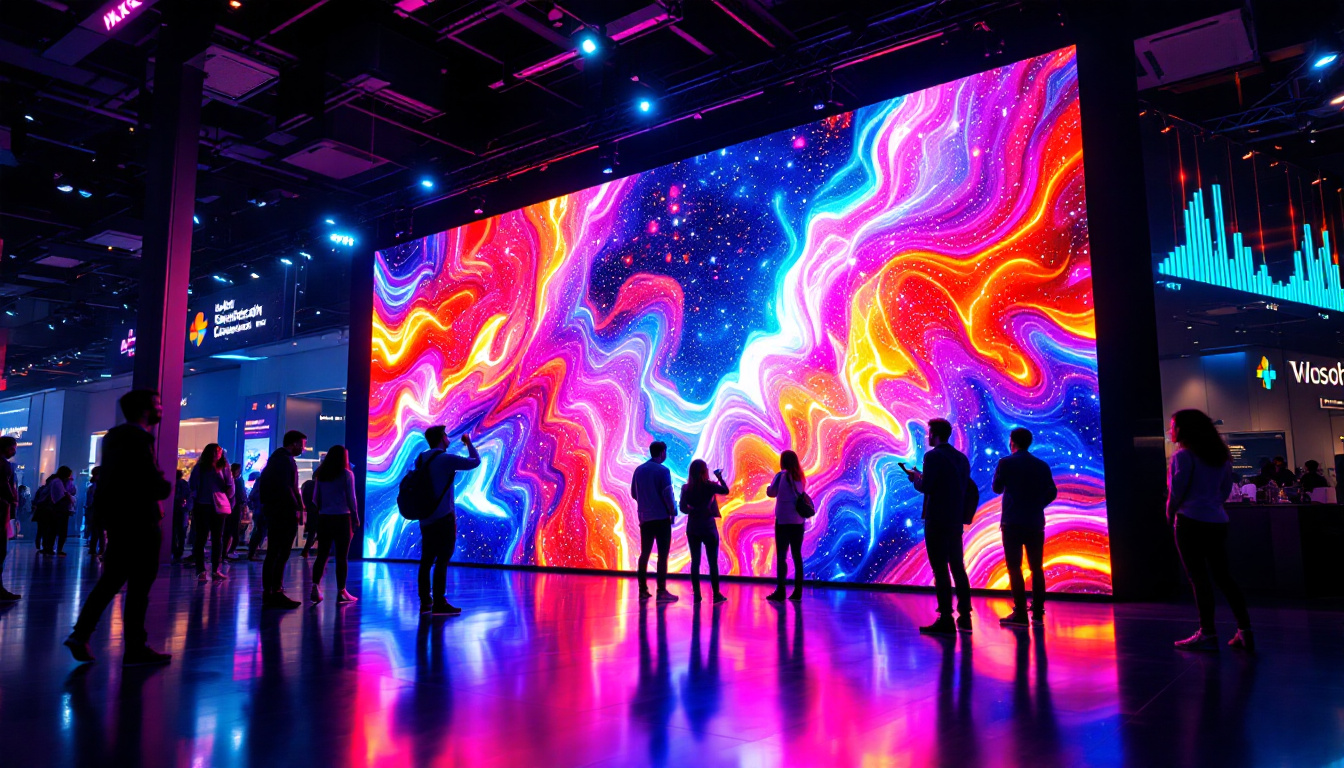
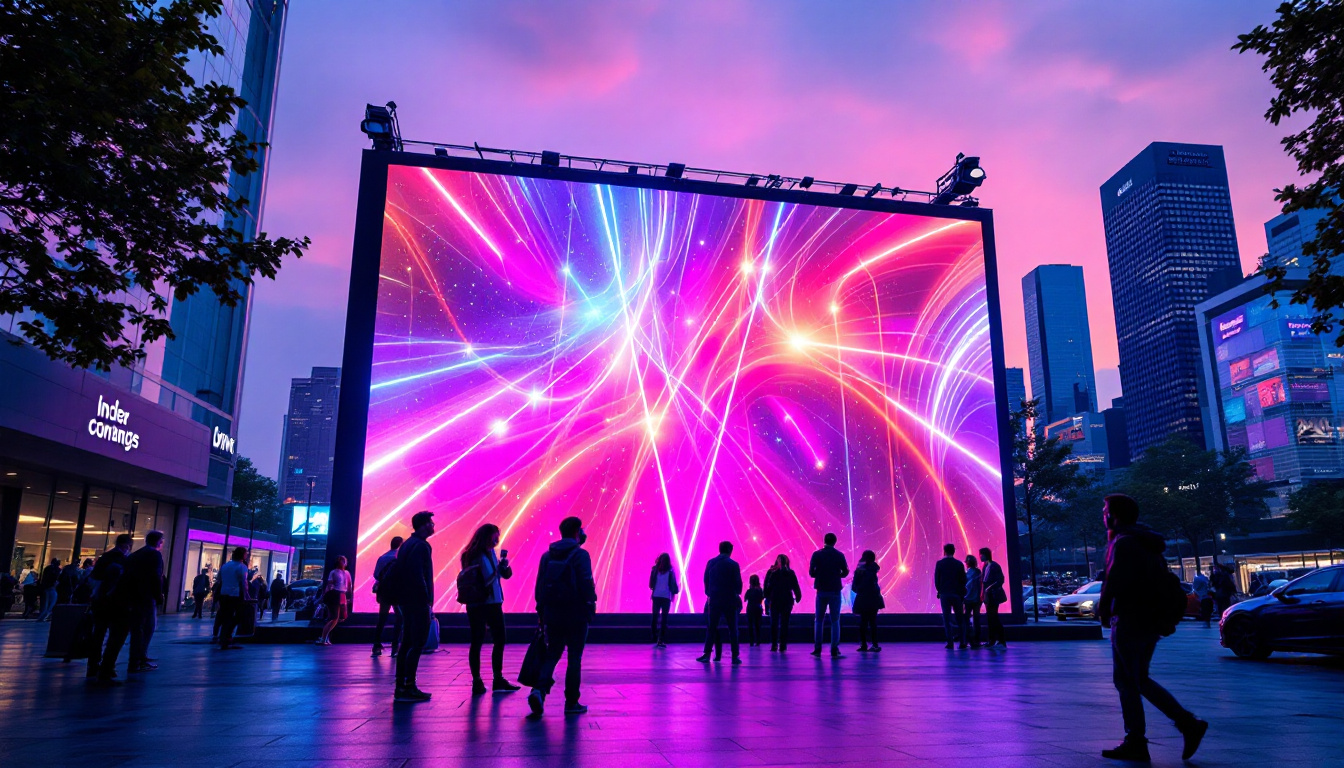
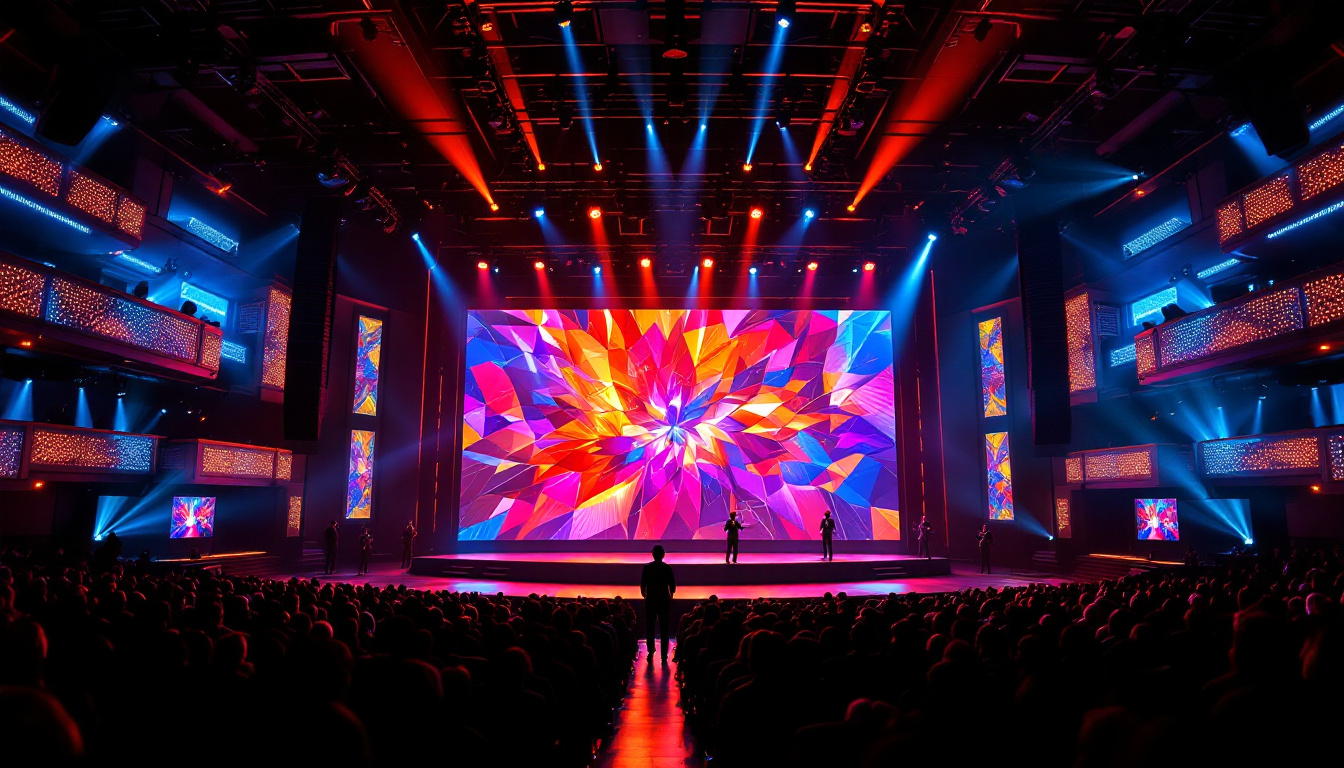
Concerts, sports arenas, and public gatherings often use large LED walls to ensure that audiences can see content clearly from a distance. The high brightness and scalability of LED displays make them ideal for these settings, where traditional projection screens would be insufficient.
Additionally, LED walls can be quickly assembled and disassembled for temporary events, offering flexibility and convenience.
Key Considerations When Choosing an LED Wall Screen for Projection
While LED wall screens offer many benefits, selecting the right system requires careful consideration of several factors to ensure optimal performance and value.
Resolution and Pixel Pitch
Resolution is critical for image clarity, especially for close viewing distances. Pixel pitch—the distance between individual LEDs—determines the display’s resolution and sharpness. Smaller pixel pitches provide higher resolution but at a higher cost.
For applications like conference rooms or home theaters, a pixel pitch of 1.5mm to 2.5mm is often ideal. Larger venues may tolerate higher pixel pitches due to greater viewing distances.
Brightness and Ambient Light Conditions
Assessing the ambient light in the intended environment is essential. LED displays come with varying brightness levels, typically measured in nits. For brightly lit rooms or outdoor use, displays with 1,000 nits or more are recommended.
Conversely, lower brightness levels may suffice for controlled lighting environments, potentially reducing costs.
Installation and Maintenance
LED wall screens require professional installation to ensure proper alignment, calibration, and ventilation. Consideration should be given to the wall’s structural integrity and available space.
Maintenance access is also important, as LED panels may need occasional servicing or replacement of modules. Modular designs facilitate easier maintenance and reduce downtime.
Cost and Budget
While LED displays have become more affordable over recent years, they still represent a significant investment compared to traditional projector screens. Budget considerations should include not only the initial purchase price but also installation, maintenance, and operational costs.
It’s advisable to weigh the long-term benefits of durability, low maintenance, and superior image quality against upfront expenses.
Future Trends in LED Wall Screens and Projection Technology
The intersection of LED technology and projection is an area of active innovation. Several trends are shaping the future of wall screens and display solutions.
Integration of MicroLED and OLED Technologies
Emerging display technologies like MicroLED and OLED (Organic LED) promise even higher resolution, better color accuracy, and thinner form factors. These advancements will likely lead to more immersive and flexible wall screen options.
Interactive and Smart Displays
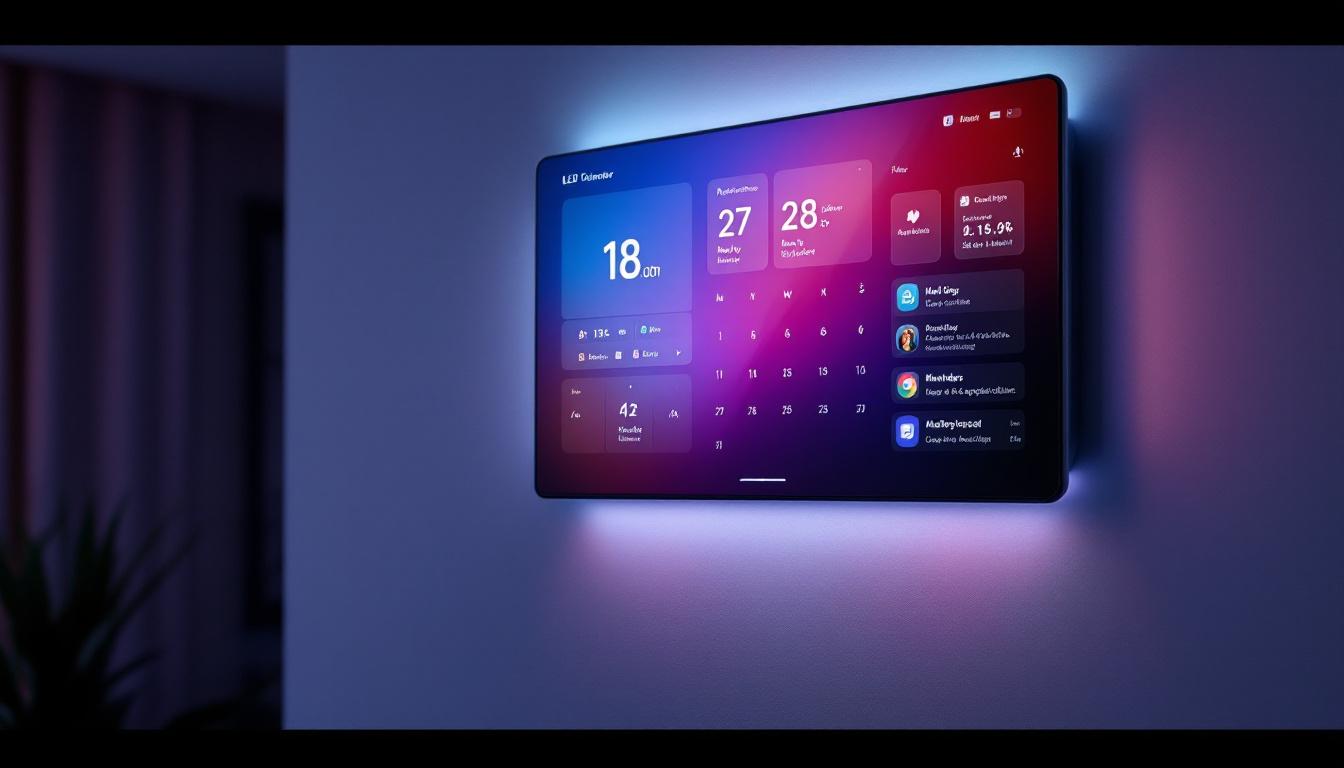
Increased integration of touch sensors, AI-driven content management, and connectivity features are turning LED wall screens into smart displays. These capabilities enable personalized content, real-time data visualization, and enhanced user interaction.
Hybrid Projection Systems
Hybrid systems that combine LED displays with traditional projection are being developed to leverage the strengths of both technologies. For example, LED backdrops can enhance brightness and contrast while projectors provide high-resolution imagery, creating a richer visual experience.
Conclusion
LED displays as wall screens for projectors represent a significant evolution in visual presentation technology. Their superior brightness, color accuracy, durability, and flexibility make them an attractive choice for a wide range of applications, from corporate settings to entertainment and public venues.
Choosing the right LED wall screen involves understanding the specific needs of the environment, including resolution requirements, ambient lighting, and budget constraints. As technology continues to advance, LED displays will play an increasingly central role in delivering immersive and impactful visual experiences.
For anyone looking to upgrade their projection setup or explore new display possibilities, LED wall screens offer a compelling blend of innovation and practicality that is hard to match with traditional projection screens.
Discover LumenMatrix LED Display Solutions
Ready to elevate your visual presentation to the next level? LumenMatrix offers a comprehensive range of LED display solutions tailored to meet your specific needs. From captivating Indoor and Outdoor LED Wall Displays to innovative options like Vehicle, Sports, and Floor LED Displays, our products are designed to revolutionize visual communication. Experience the unparalleled brightness, color accuracy, and flexibility that LumenMatrix LED displays provide. Check out LumenMatrix LED Display Solutions today and transform your space with cutting-edge technology that engages and inspires.