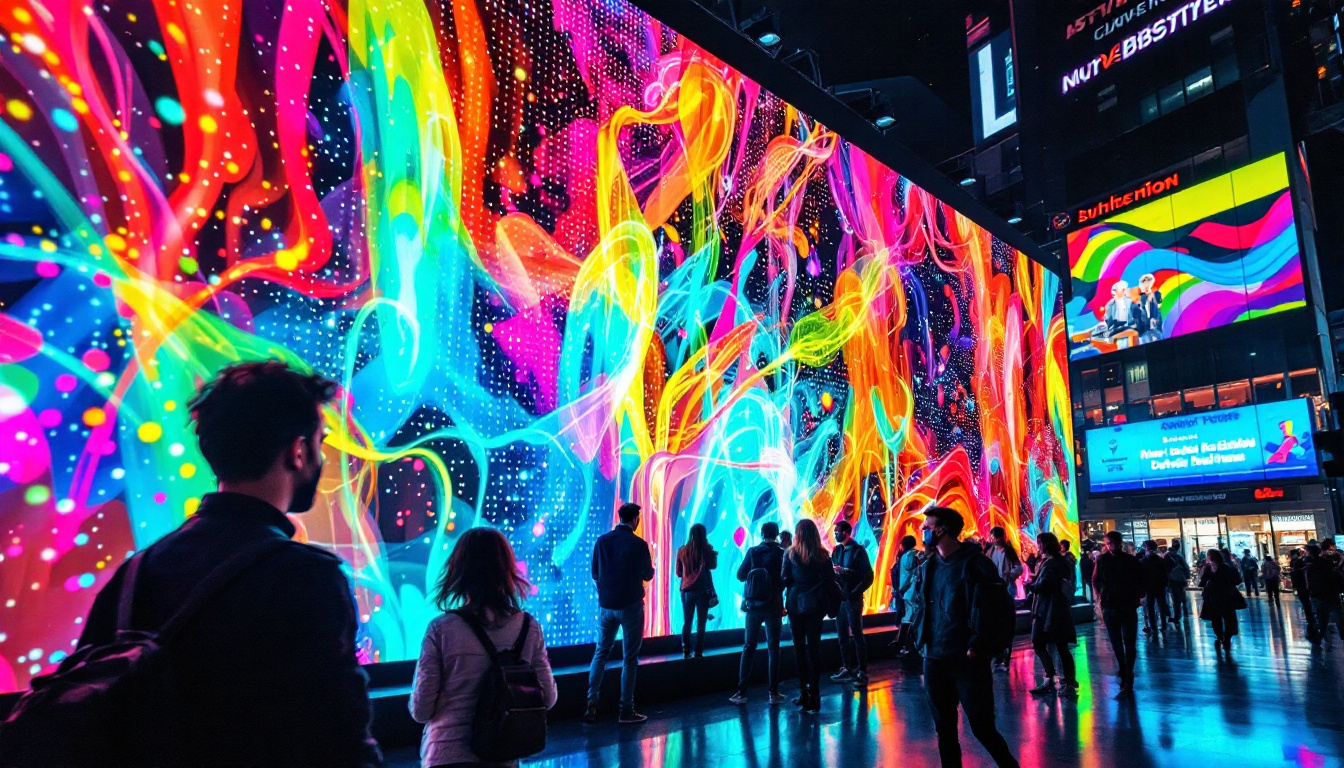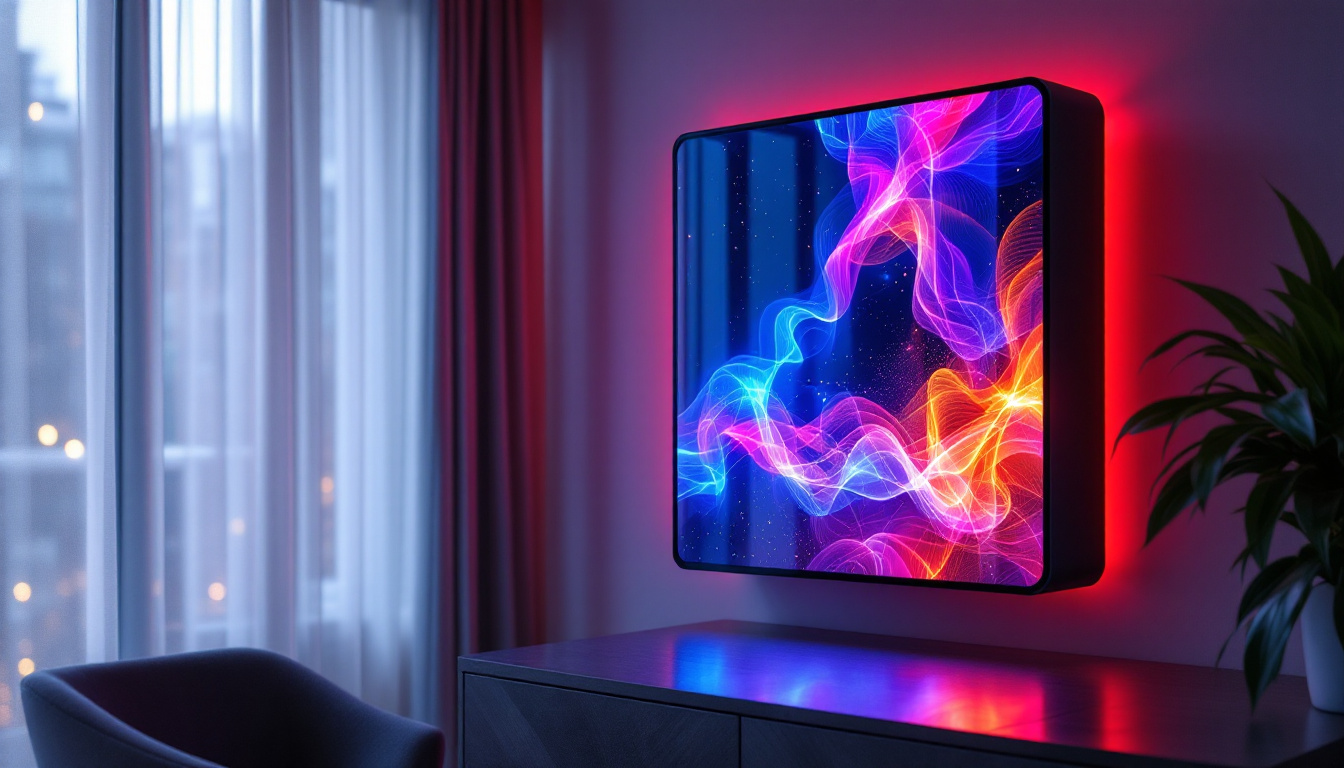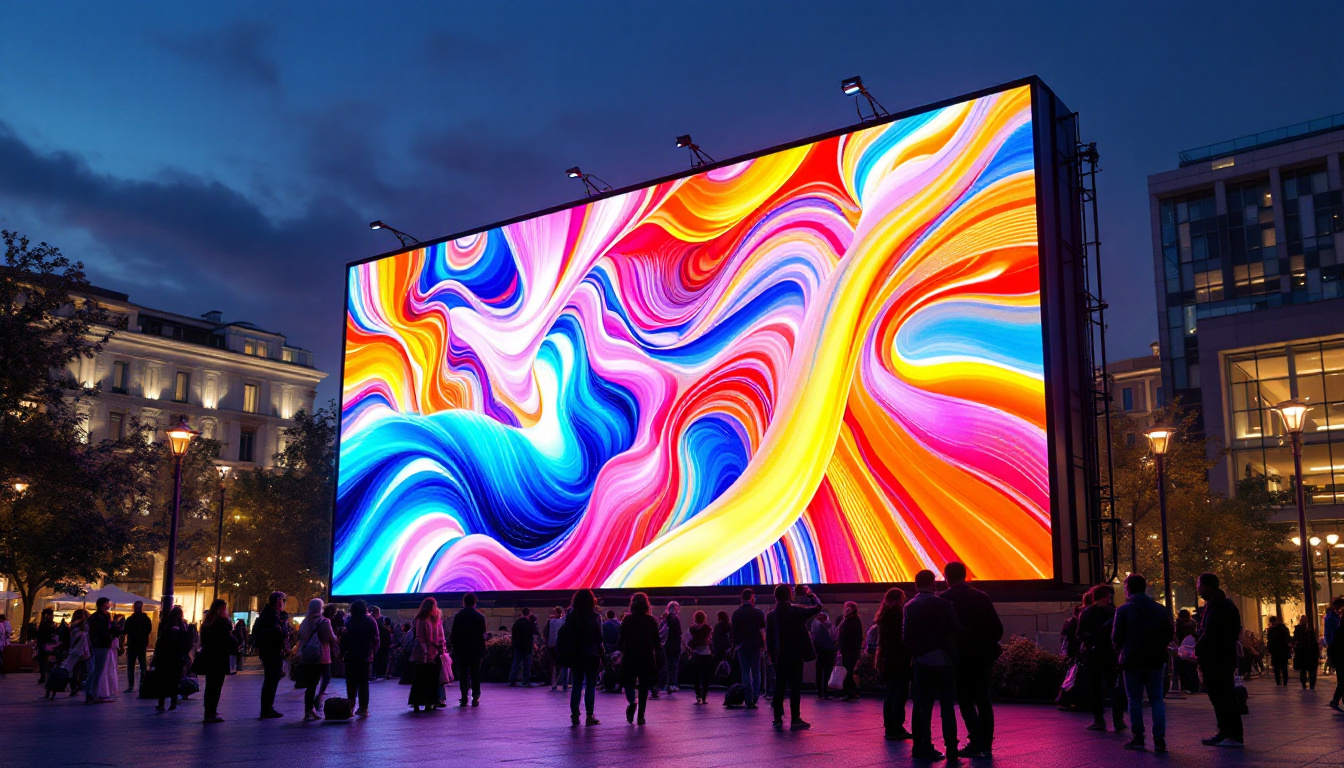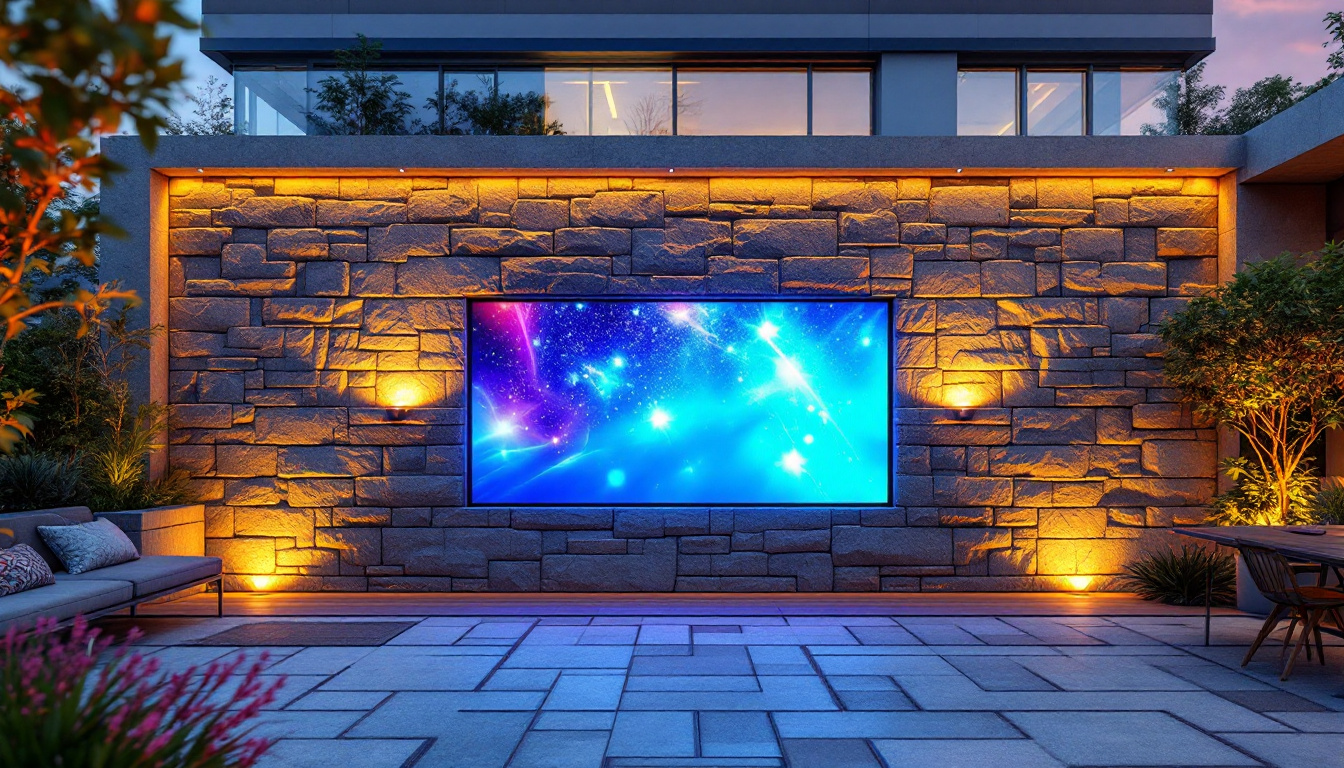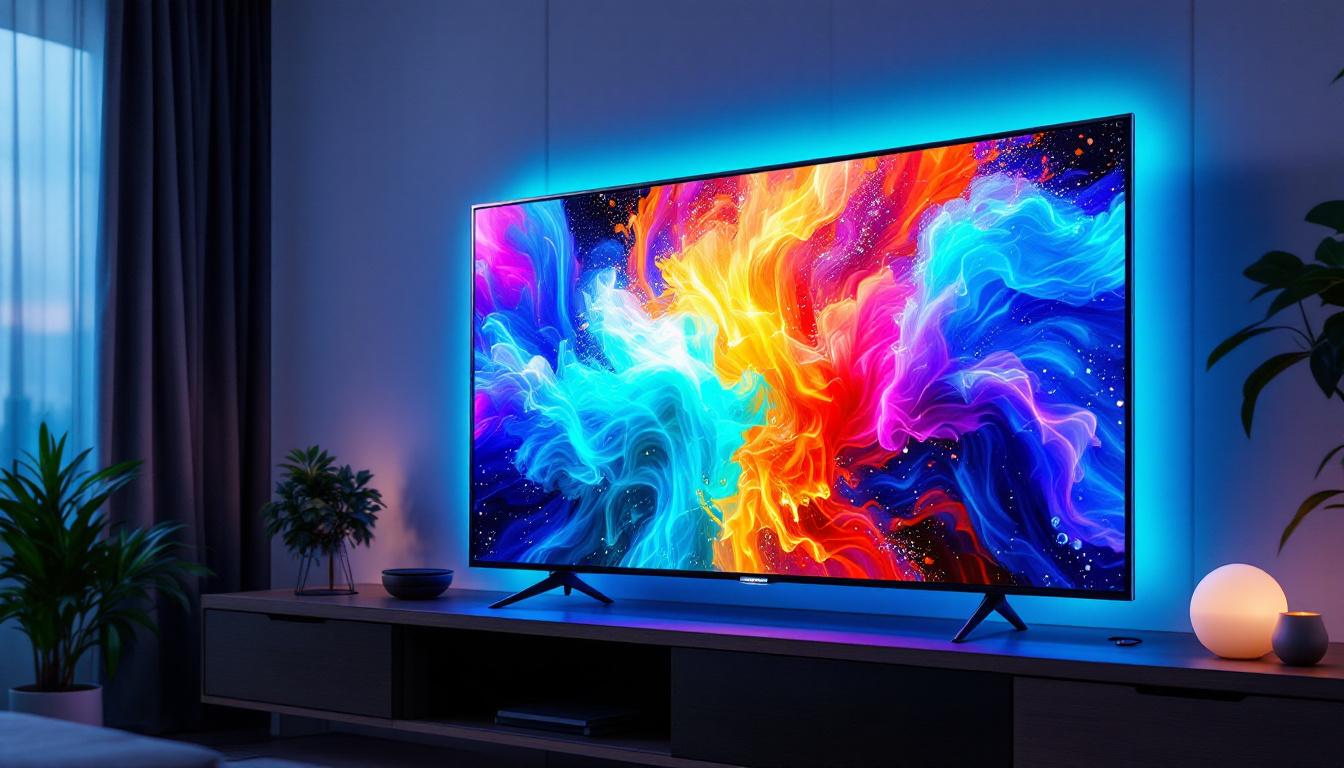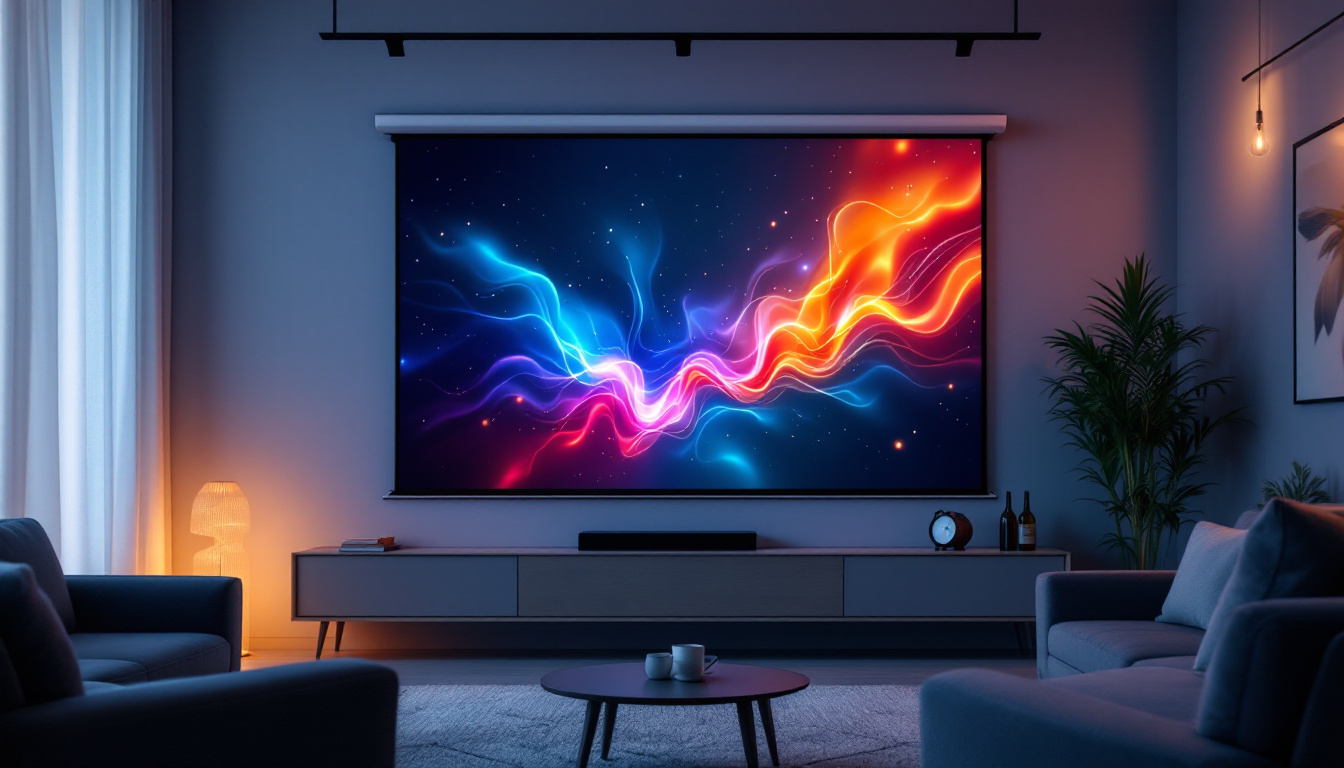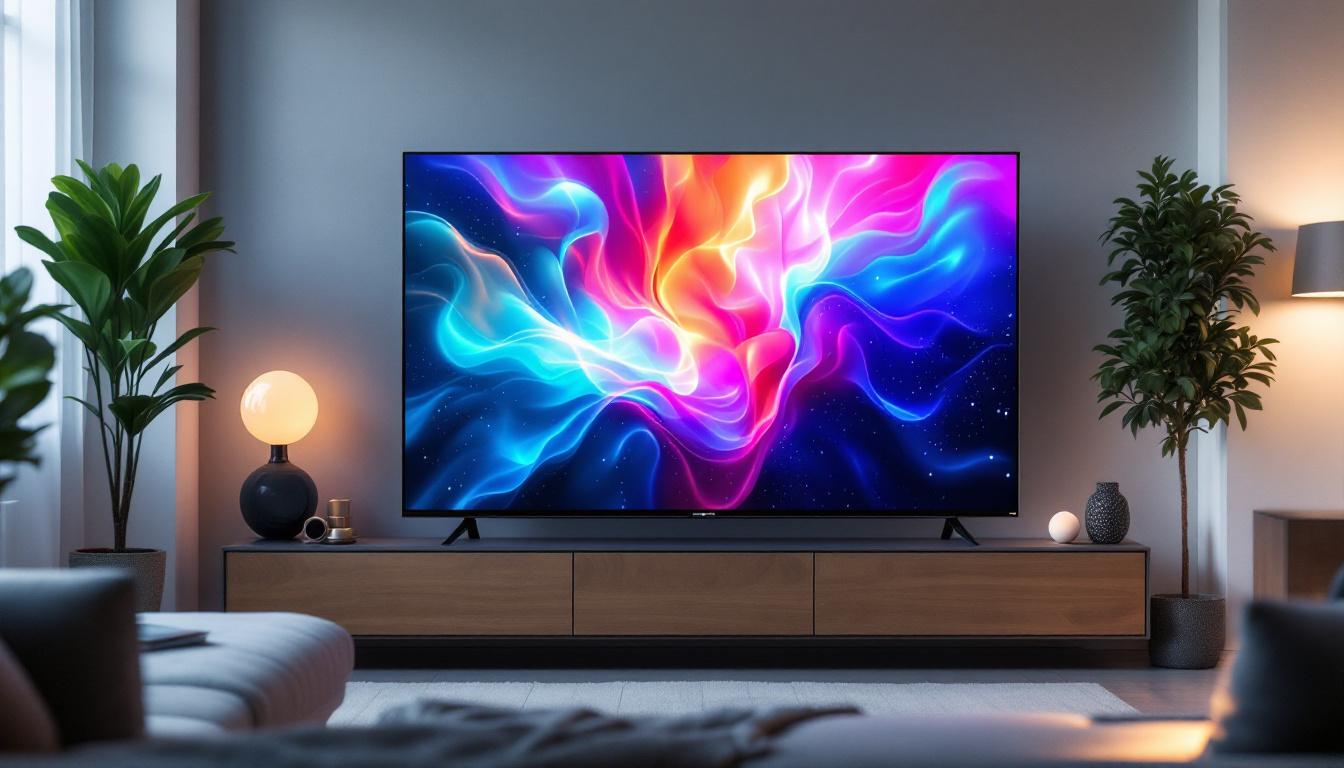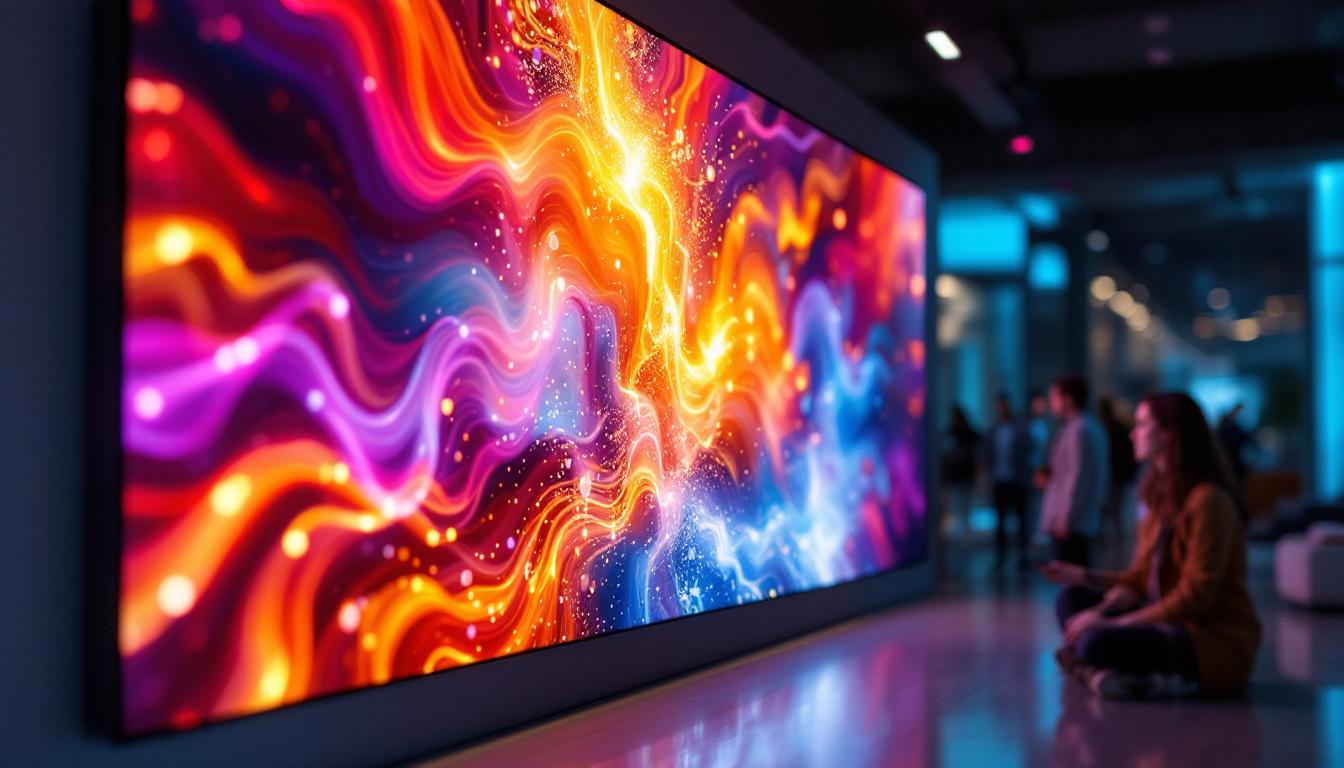
In the rapidly evolving world of digital signage and display technology, LED wall screen panels have emerged as a dominant force. These vibrant, dynamic displays are transforming how businesses, event organizers, and public spaces communicate with their audiences. From massive outdoor billboards to sleek indoor video walls, LED displays offer unparalleled brightness, flexibility, and visual impact.
This article delves into the fundamentals of LED wall screen panels, exploring their technology, applications, benefits, and considerations for choosing the right display solution. Whether you are a business owner looking to enhance your storefront, an event planner seeking immersive visuals, or simply curious about how these impressive screens work, this comprehensive guide will illuminate the subject.
Understanding LED Wall Screen Panels
What Is an LED Display?
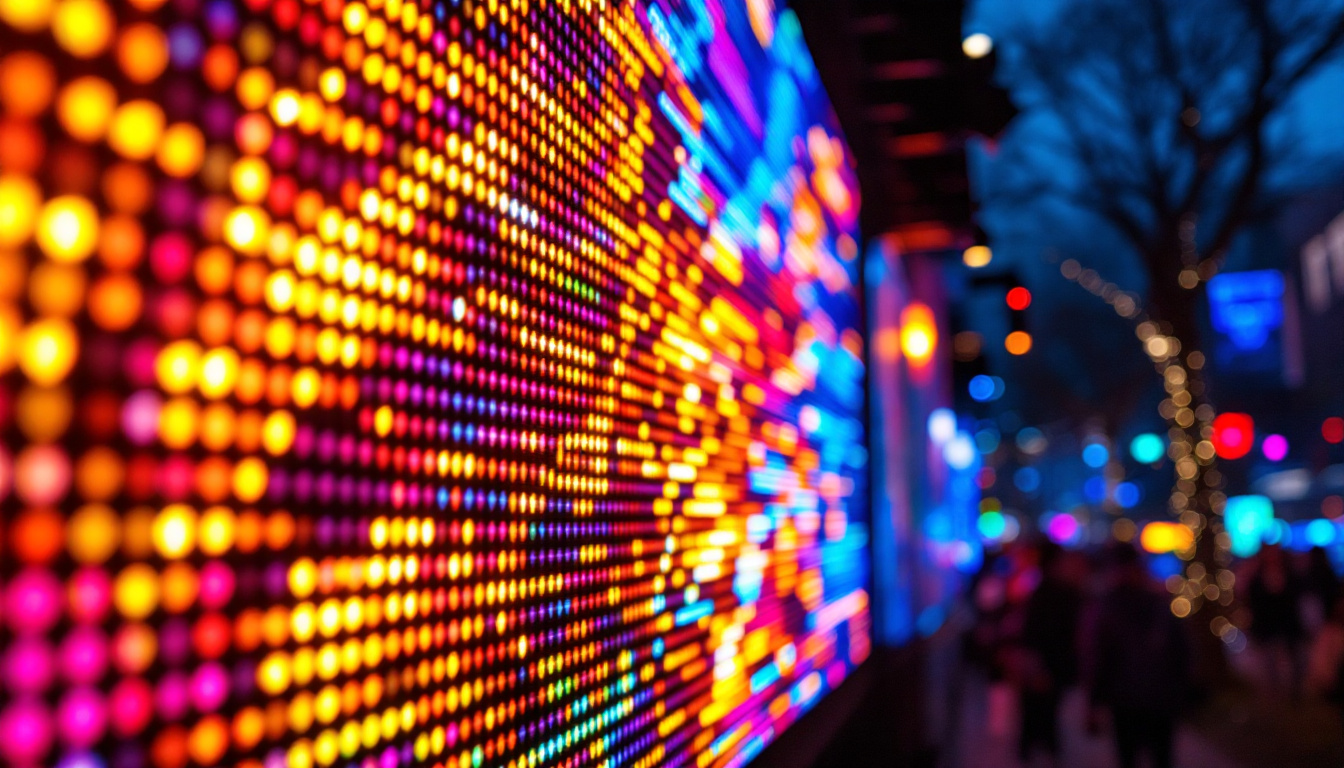
LED stands for Light Emitting Diode, a semiconductor device that emits light when an electric current passes through it. An LED display consists of numerous tiny LEDs arranged in a grid pattern to form pixels. These pixels combine to create images, videos, and text with remarkable clarity and brightness.
Unlike traditional LCD or projection screens, LED displays are self-emissive, meaning each diode produces its own light. This characteristic allows LED screens to achieve higher brightness levels and better contrast ratios, making them ideal for both indoor and outdoor environments.
Types of LED Wall Screen Panels
LED wall screens come in various forms, primarily distinguished by pixel pitch — the distance between the centers of two adjacent LEDs. The pixel pitch directly affects the display’s resolution and viewing distance.
- Indoor LED Panels: These typically have a smaller pixel pitch, ranging from 0.9mm to 4mm, providing high resolution for close viewing distances. They are used in conference rooms, retail stores, control rooms, and broadcast studios.
- Outdoor LED Panels: With larger pixel pitches, usually between 4mm and 20mm, outdoor panels prioritize brightness and durability over ultra-fine resolution. They are designed to withstand weather conditions and are commonly used for billboards, stadium screens, and public displays.
Additionally, LED panels can be categorized by their structure:
- Modular Panels: Composed of multiple smaller modules that can be assembled to create custom-sized screens.
- Flexible LED Screens: These panels can bend or curve, enabling creative installations on non-flat surfaces.
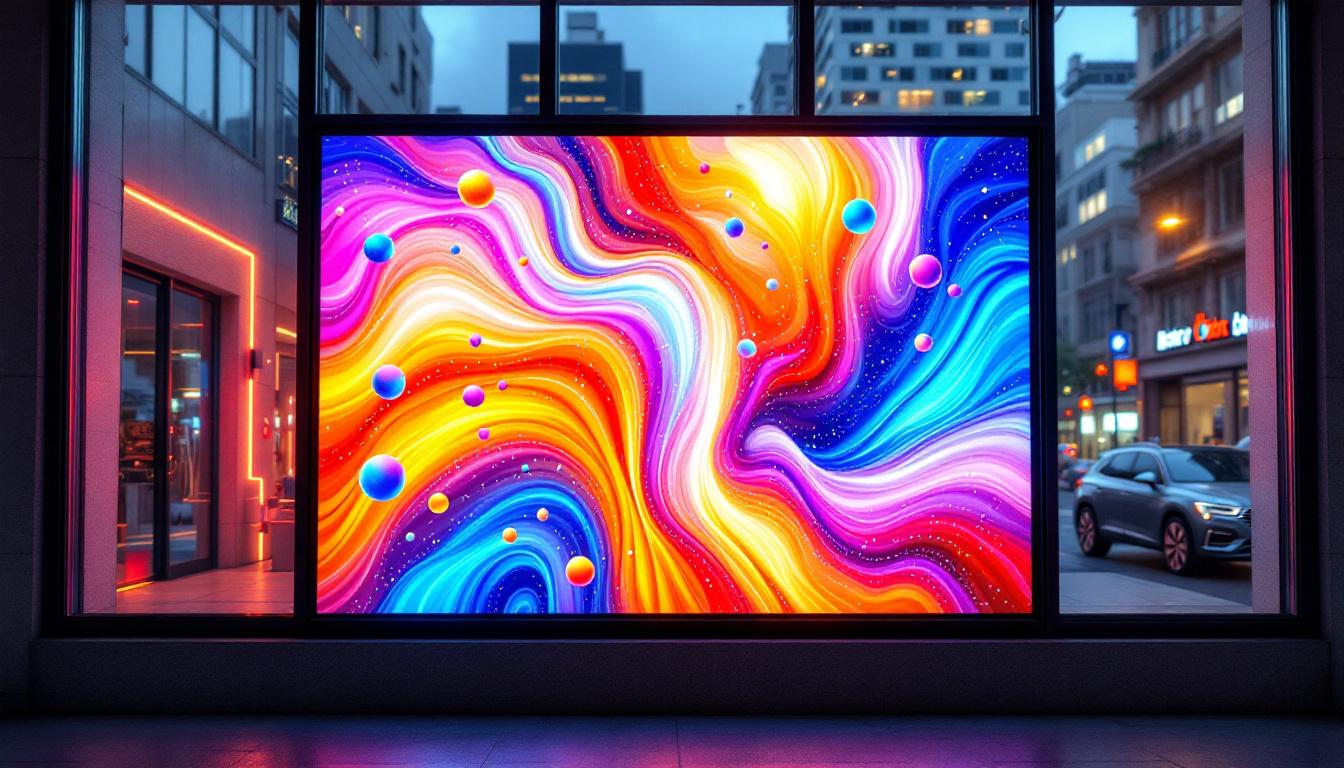
- Transparent LED Screens: Designed with gaps between LEDs to allow light and visibility through the screen, ideal for storefront windows.
How LED Wall Screen Panels Work
Pixel Composition and Color Generation
Each pixel on an LED display is typically made up of three sub-pixels: red, green, and blue LEDs. By varying the intensity of each sub-pixel, the panel can produce a wide spectrum of colors through additive color mixing. This RGB system is fundamental to creating vibrant and accurate images.
Modern LED panels often use surface-mounted device (SMD) technology, where tiny LEDs are mounted directly onto the circuit board. This approach allows for higher pixel density and better color uniformity compared to traditional DIP (dual in-line package) LEDs.
Brightness and Contrast
One of the standout features of LED wall screens is their exceptional brightness. Outdoor LED panels can reach brightness levels of 5,000 to 10,000 nits, making them visible even in direct sunlight. Indoor panels typically operate at 800 to 1,500 nits, which is sufficient for well-lit environments.
Contrast ratio, the difference between the darkest black and the brightest white a display can produce, is also superior in LED screens. Because LEDs emit light individually, they can be turned off completely to achieve true black, resulting in deeper contrast and more vivid images.
Refresh Rate and Viewing Angle
The refresh rate of an LED display, measured in Hertz (Hz), indicates how many times per second the image is updated. Higher refresh rates reduce flicker and motion blur, which is particularly important for video content and live broadcasts. Most LED panels support refresh rates of 1,000 Hz or higher, ensuring smooth visuals.
Viewing angle is another critical factor. LED panels generally offer wide viewing angles, often exceeding 140 degrees horizontally and vertically. This ensures consistent image quality from various perspectives, essential for public displays and large venues.
Applications of LED Wall Screen Panels
Advertising and Marketing
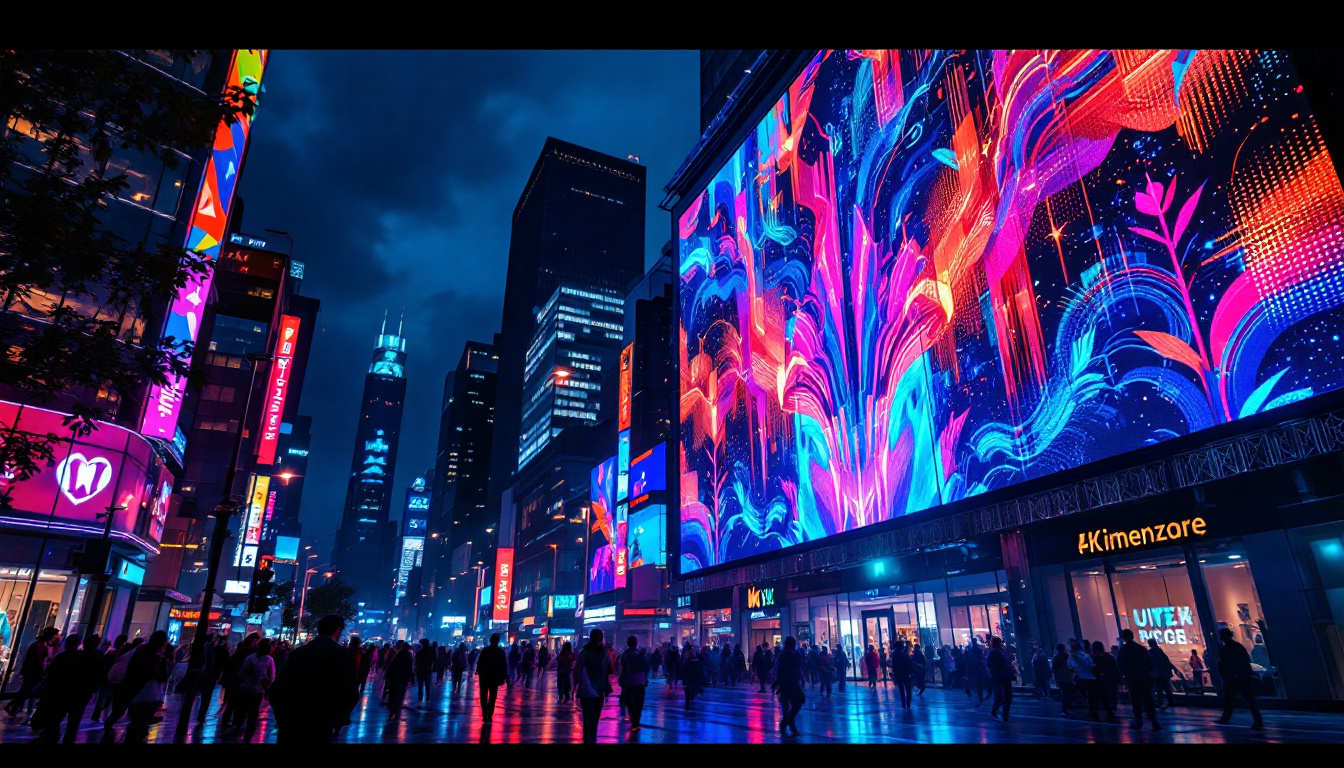
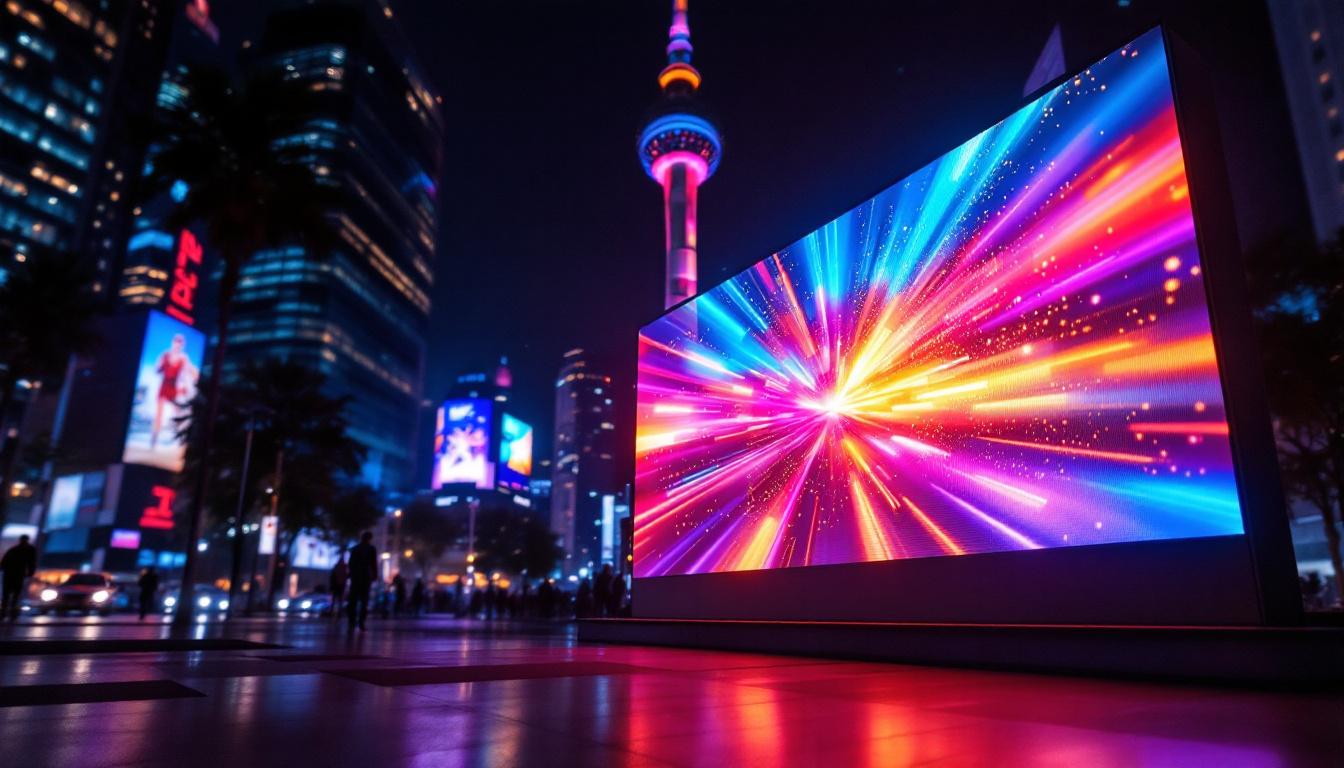
LED wall screens have revolutionized outdoor advertising. Their brightness and dynamic content capabilities attract attention more effectively than static billboards. According to recent industry reports, digital out-of-home (DOOH) advertising, which heavily relies on LED displays, is expected to grow at a compound annual growth rate (CAGR) of over 10% through 2027.
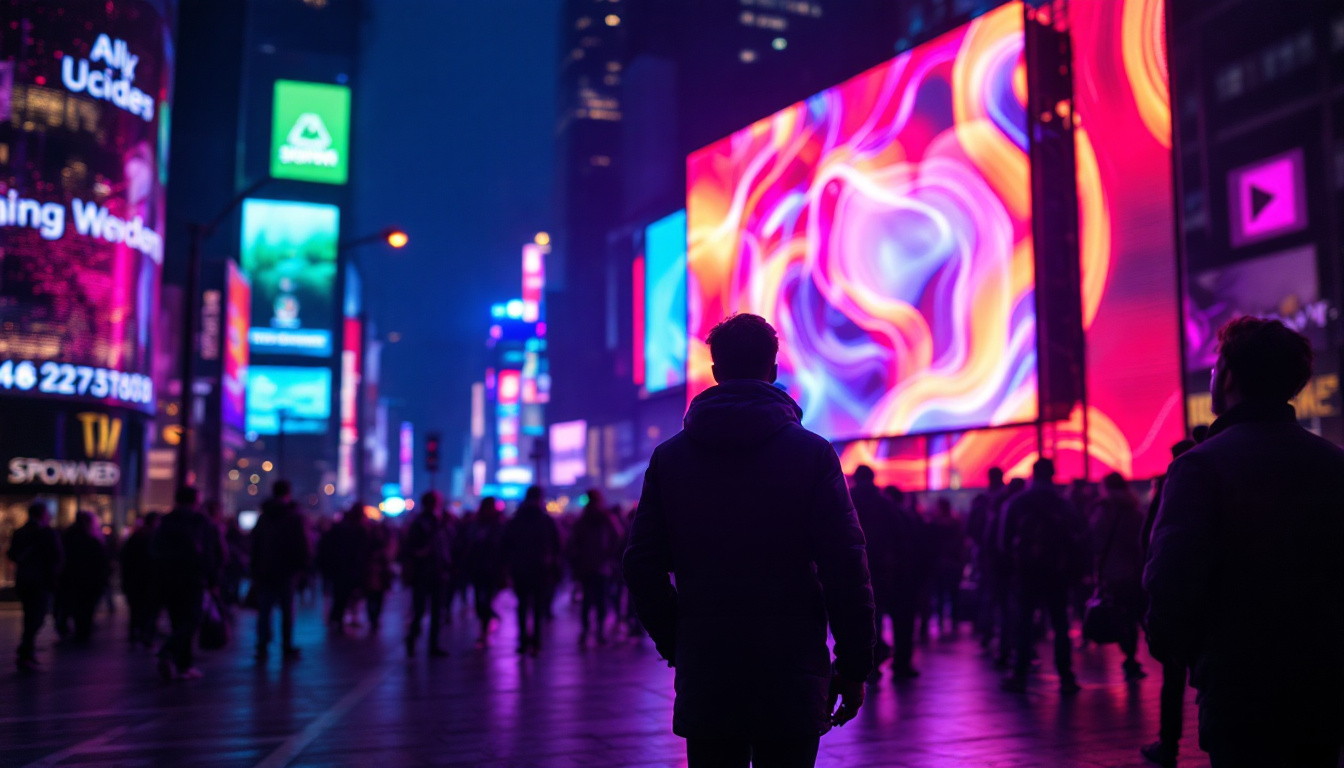
Brands use LED screens to display real-time promotions, interactive content, and social media feeds, creating engaging customer experiences. For example, Times Square in New York City features some of the most iconic LED billboards, showcasing the power of this medium to captivate millions daily.
Events and Entertainment
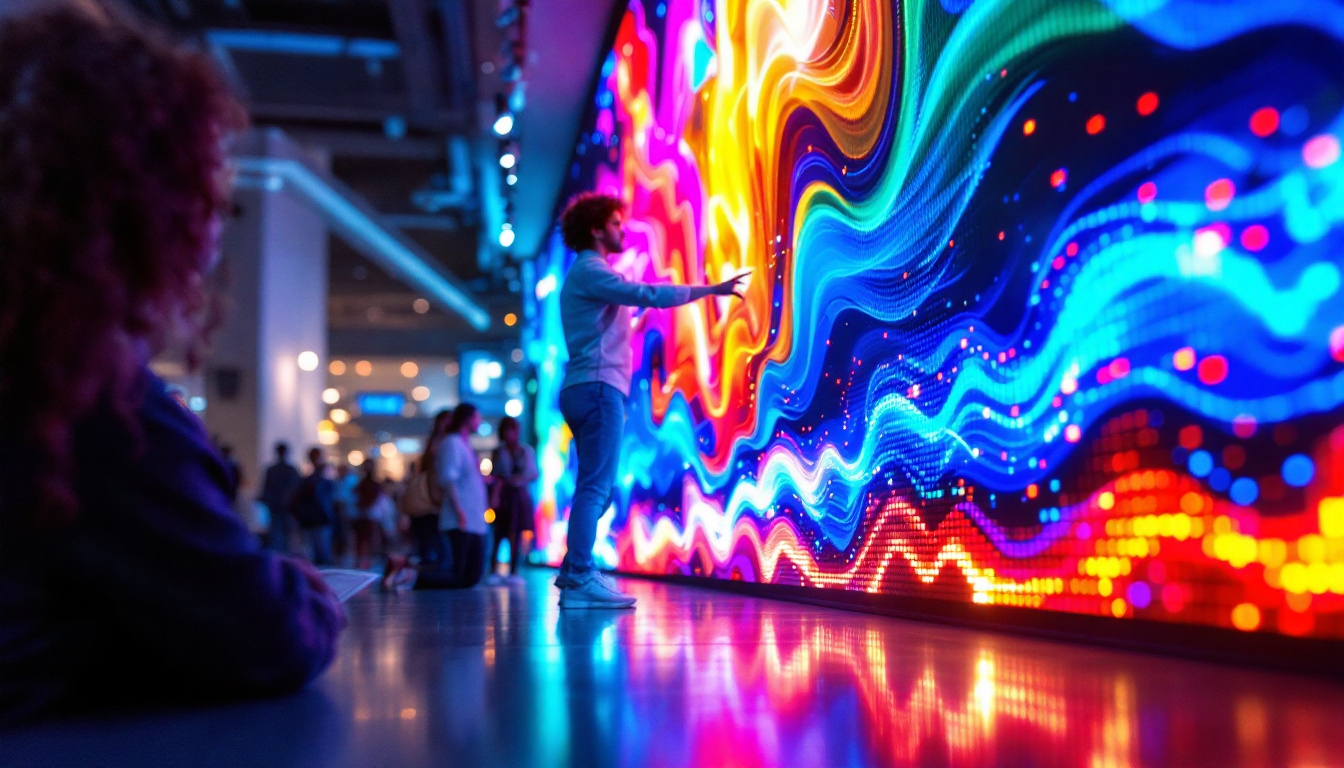
Concerts, sports arenas, and festivals utilize LED wall panels to deliver immersive visual effects. Large-scale LED screens provide live video feeds, instant replays, and dynamic graphics that enhance audience engagement. The modular nature of LED panels allows event organizers to customize screen sizes and shapes to fit unique venues.
In addition, LED walls are increasingly used in virtual production studios, where real-time rendered backgrounds replace traditional green screens, offering filmmakers greater creative flexibility.
Corporate and Retail Environments
Indoor LED video walls are becoming popular in corporate lobbies, boardrooms, and retail stores. They serve as digital signage, information displays, and branding tools. High-resolution indoor panels enable detailed presentations and product showcases, improving communication and customer experience.
Retailers leverage transparent LED screens on storefront windows to attract passersby without obstructing natural light, blending advertising with architectural aesthetics.
Control Rooms and Transportation Hubs
Control centers for utilities, transportation, and security rely on LED video walls for real-time monitoring and data visualization. The clarity and reliability of LED displays support critical decision-making processes.
Airports, train stations, and bus terminals use LED screens for schedule updates, wayfinding, and emergency notifications, ensuring that travelers receive timely and clear information.
Benefits of LED Wall Screen Panels
Superior Visual Performance
LED displays offer unmatched brightness, color accuracy, and contrast, providing vibrant and eye-catching visuals. Their high refresh rates and wide viewing angles ensure a comfortable and engaging viewing experience for audiences of all sizes.
Energy Efficiency and Longevity
Compared to older display technologies, modern LED panels are more energy-efficient, reducing operational costs. Advances in LED technology have extended the lifespan of these displays, with many panels rated for 50,000 to 100,000 hours of use before significant brightness degradation.
Flexibility and Scalability
The modular design of LED wall panels allows for flexible installation options. Screens can be scaled to virtually any size and configured in various shapes, including curved or irregular forms. This adaptability makes LED displays suitable for diverse environments and creative applications.
Low Maintenance and Durability
LED panels are robust and designed to withstand harsh environmental conditions, especially outdoor models with weatherproof casings. Their solid-state nature means fewer moving parts, resulting in lower maintenance requirements compared to projection or LCD systems.
Key Considerations When Choosing an LED Wall Screen Panel
Pixel Pitch and Resolution
Determining the appropriate pixel pitch is crucial for achieving the desired image quality. For close viewing distances, such as indoor retail displays, a smaller pixel pitch (under 2mm) is recommended. For large outdoor billboards viewed from afar, a larger pixel pitch is acceptable and more cost-effective.
Brightness and Environment
Assess the ambient lighting conditions where the screen will be installed. Outdoor displays require higher brightness levels to remain visible in sunlight, while indoor screens can operate at lower brightness to avoid glare and eye strain.
Installation and Structural Requirements
Consider the physical space and mounting infrastructure. LED wall panels can be heavy and may require reinforced support structures, especially for large installations. Additionally, ensure adequate ventilation and access for maintenance.
Content Management and Control Systems
The effectiveness of an LED display depends heavily on the content it shows. Choose a control system that supports your content needs, whether it’s static images, video playback, live feeds, or interactive applications. Many modern systems offer remote management and real-time content updates.
Budget and Total Cost of Ownership
While LED wall panels can represent a significant upfront investment, consider the long-term benefits such as energy savings, durability, and advertising impact. Factor in installation costs, maintenance, and potential upgrades when evaluating options.
Future Trends in LED Wall Screen Technology
MicroLED and MiniLED Innovations
Emerging technologies like MicroLED and MiniLED promise even higher resolution, better color accuracy, and improved energy efficiency. MicroLEDs, in particular, offer the potential for thinner, lighter, and more flexible displays, potentially revolutionizing digital signage and consumer electronics.
Integration with AI and Interactive Technologies
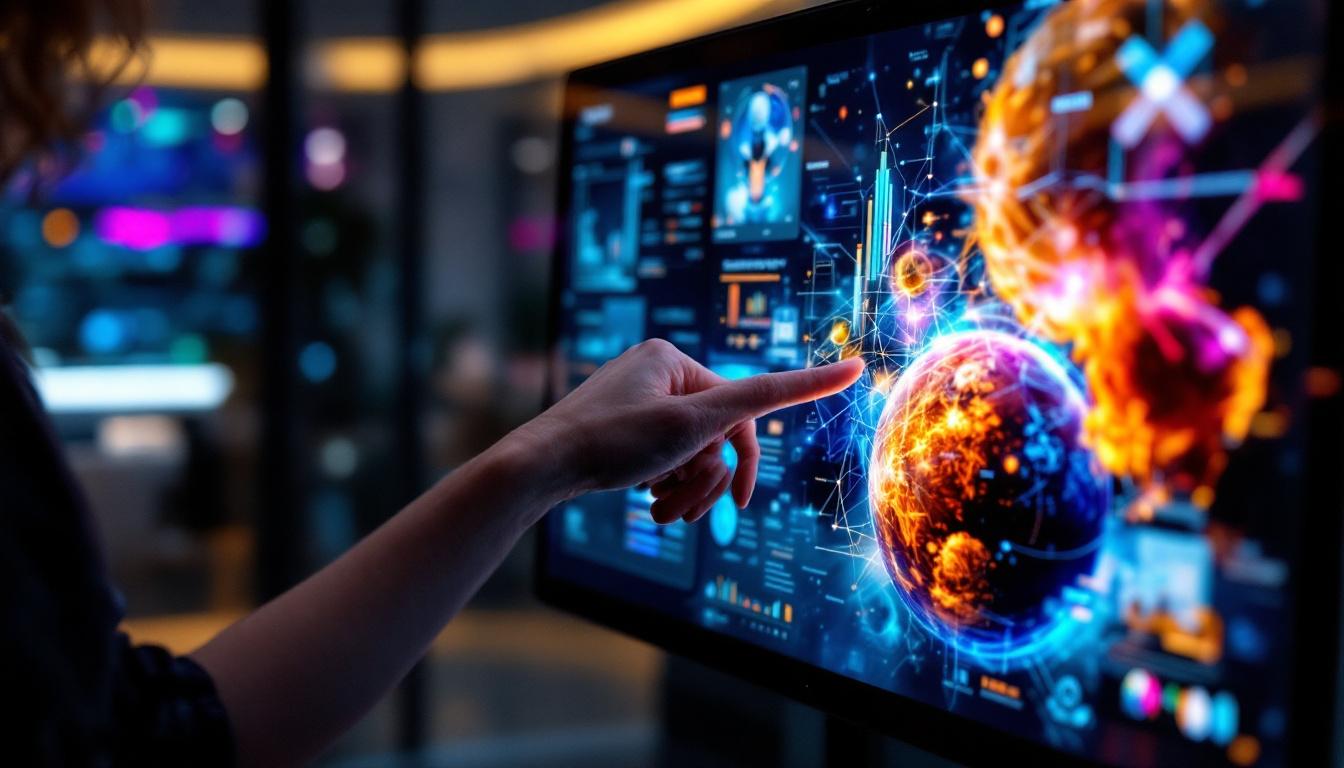
Artificial intelligence is increasingly being integrated with LED displays to enable personalized content, facial recognition, and interactive experiences. Touch-sensitive LED walls and gesture controls are becoming more common, enhancing audience engagement.
Sustainability and Eco-Friendly Designs
Manufacturers are focusing on reducing the environmental impact of LED displays through recyclable materials, lower power consumption, and longer product lifecycles. Sustainable practices are becoming a key consideration for businesses investing in digital signage.
Conclusion
LED wall screen panels represent a powerful and versatile display technology that continues to reshape visual communication across industries. Their superior brightness, flexibility, and durability make them ideal for a wide range of applications, from advertising and entertainment to corporate and public information systems.
Understanding the technical aspects and practical considerations of LED displays is essential for making informed decisions that maximize impact and return on investment. As technology advances, LED wall screens will become even more integrated into daily life, offering richer, more interactive, and sustainable visual experiences.
Discover LumenMatrix’s Innovative LED Display Solutions
Ready to elevate your visual communication with cutting-edge LED technology? LumenMatrix is at the forefront of LED display innovation, offering a wide array of solutions tailored to your needs. From vibrant Indoor and Outdoor LED Wall Displays to dynamic Vehicle and Sports LED Displays, our products are designed to captivate and engage your audience. Experience the future of digital signage with our LED Poster Displays, Floor LED Displays, Custom LED Solutions, All-in-One LED Displays, and LED Transparent Displays. Embrace the revolution in visual storytelling with LumenMatrix and make a lasting impression. Check out LumenMatrix LED Display Solutions today and transform your space into a mesmerizing visual experience.