Wallpaper 4K OLED: LED Display Explained
In recent years, the television market has witnessed remarkable advancements in display technology, with OLED and LED screens leading the charge. Among these innovations, Wallpaper 4K OLED TVs have emerged as a game-changer, combining ultra-thin design with stunning picture quality. However, the terminology around OLED and LED displays often confuses consumers. This article aims to demystify these technologies, explain how Wallpaper 4K OLED TVs work, and explore why they represent a significant leap forward in home entertainment.
Understanding the Basics: OLED vs. LED Technology
What is OLED?
OLED stands for Organic Light Emitting Diode. Unlike traditional LED displays that rely on a backlight, OLED panels consist of organic compounds that emit light when an electric current passes through them. This means each pixel in an OLED display can turn on or off independently, producing true blacks and exceptional contrast ratios.
Because OLED pixels emit their own light, these displays can be incredibly thin and flexible. This self-emissive property also allows for faster response times and wider viewing angles compared to LED screens. The ability to create curved and even rollable displays opens up new possibilities for innovative designs in televisions and mobile devices, making OLED technology a favorite among manufacturers and consumers alike.
Additionally, OLED technology offers vibrant color reproduction, with a wider color gamut than traditional displays. This means that images appear more lifelike and immersive, enhancing the viewing experience for movies, video games, and other media. As a result, OLED displays are often preferred by professionals in fields such as photography and graphic design, where color accuracy is paramount.
What is LED?
LED, or Light Emitting Diode, displays are essentially LCD (Liquid Crystal Display) panels that use LEDs as a backlight source. The LCD layer controls the image by blocking or allowing light to pass through, but it cannot produce light on its own. LED backlighting can be arranged in different configurations, such as edge-lit or full-array, influencing brightness and contrast.
While LED TVs have improved significantly over the years, they still rely on backlighting, which limits their ability to produce perfect blacks and can cause issues like light bleed and reduced contrast. However, advancements in technology, such as local dimming and quantum dot enhancements, have helped bridge some of these gaps, allowing LED displays to achieve better performance in terms of brightness and color accuracy.
Moreover, LED displays are typically more energy-efficient than their OLED counterparts, especially at higher brightness levels. This efficiency can lead to lower electricity bills and a reduced environmental impact, making them an appealing option for consumers who prioritize sustainability alongside performance.
Key Differences Between OLED and LED
Understanding the fundamental differences between OLED and LED displays is crucial for making an informed purchase decision. OLED’s self-emissive pixels allow for:
- True Black Levels: Pixels can be completely turned off, resulting in perfect black and infinite contrast ratios.
- Thinner Panels: Without the need for backlighting, OLED screens can be extremely thin and lightweight.
- Better Viewing Angles: Colors and contrast remain consistent even when viewed from sharp angles.
LED displays, while generally more affordable and brighter in some cases, cannot match OLED’s contrast and black levels due to their reliance on backlighting. Furthermore, the longevity of OLED displays has been a topic of discussion, as they can suffer from burn-in if static images are displayed for prolonged periods. This phenomenon occurs when certain pixels degrade faster than others, leading to ghost images. However, manufacturers have implemented various technologies to mitigate this issue, such as pixel shifting and screen savers, making OLED a more viable option for everyday use.
The Rise of Wallpaper 4K OLED TVs
What is a Wallpaper OLED TV?
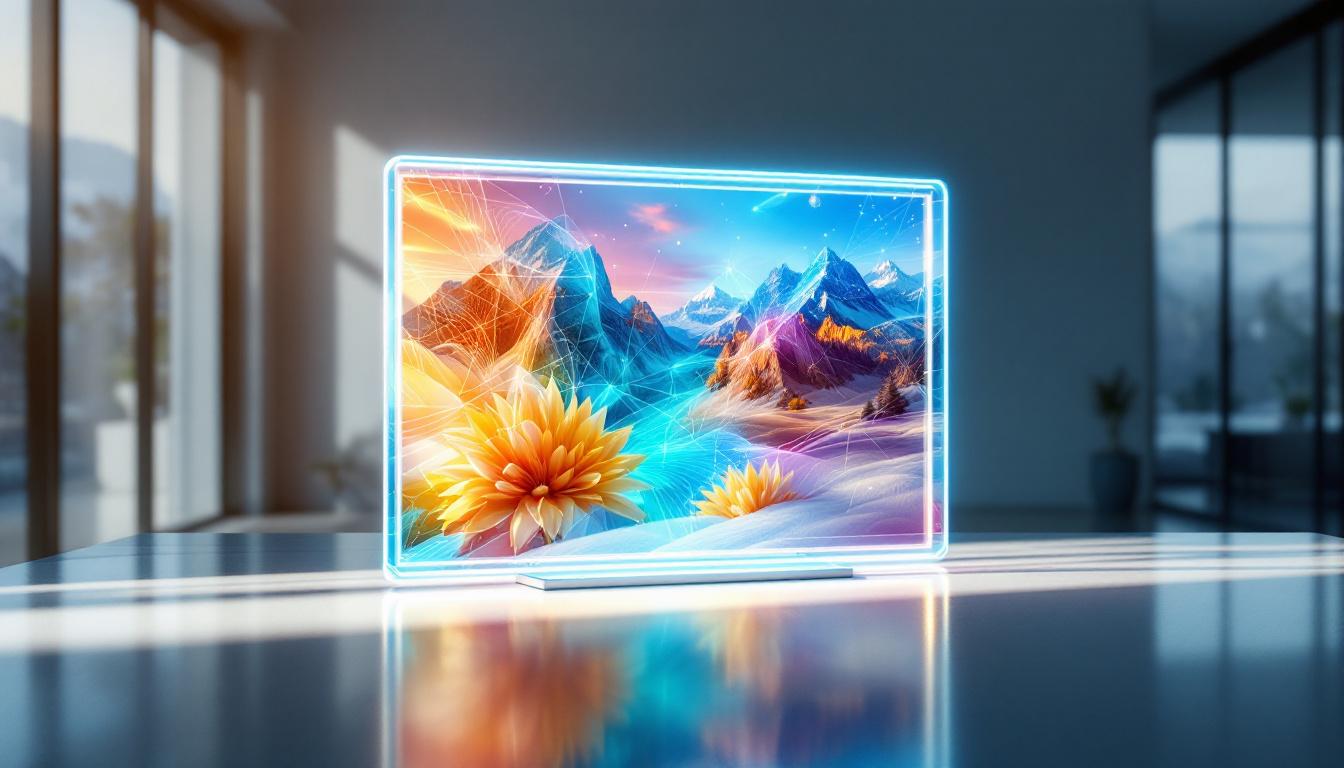
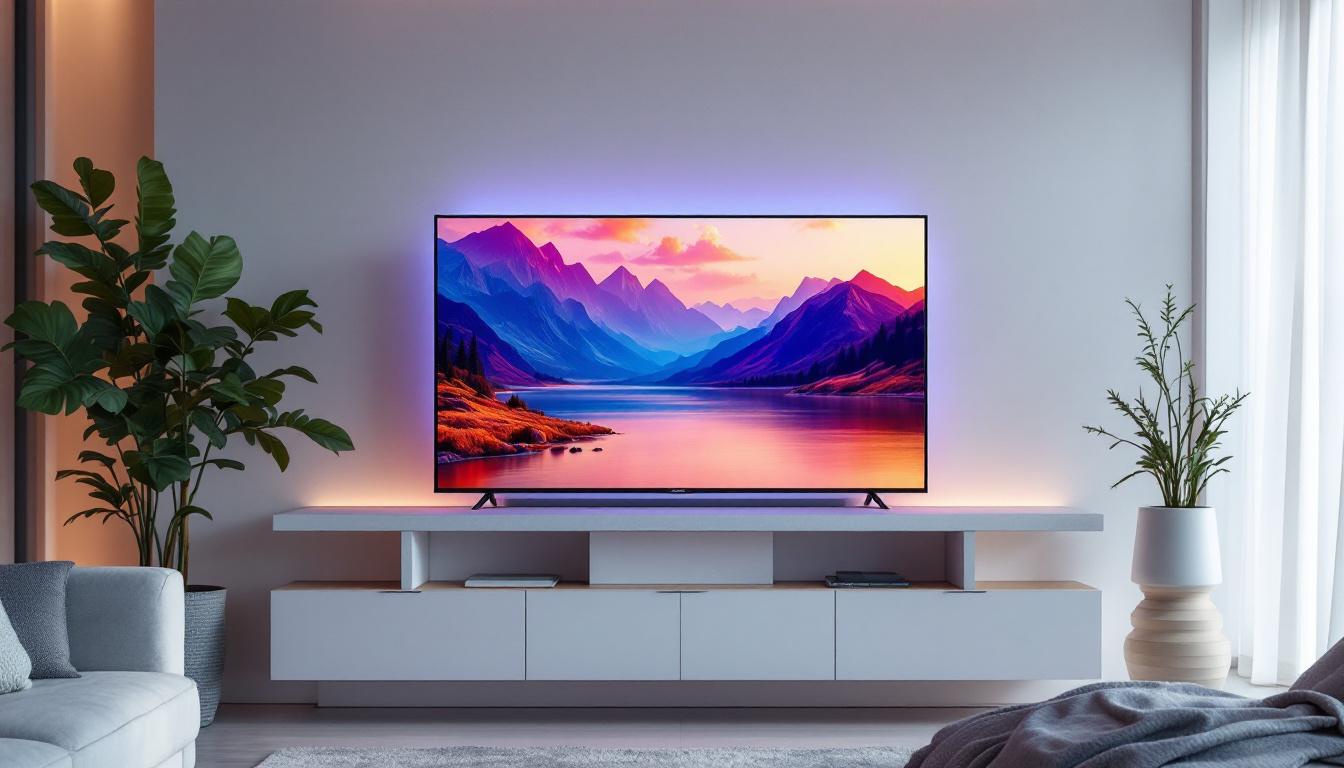
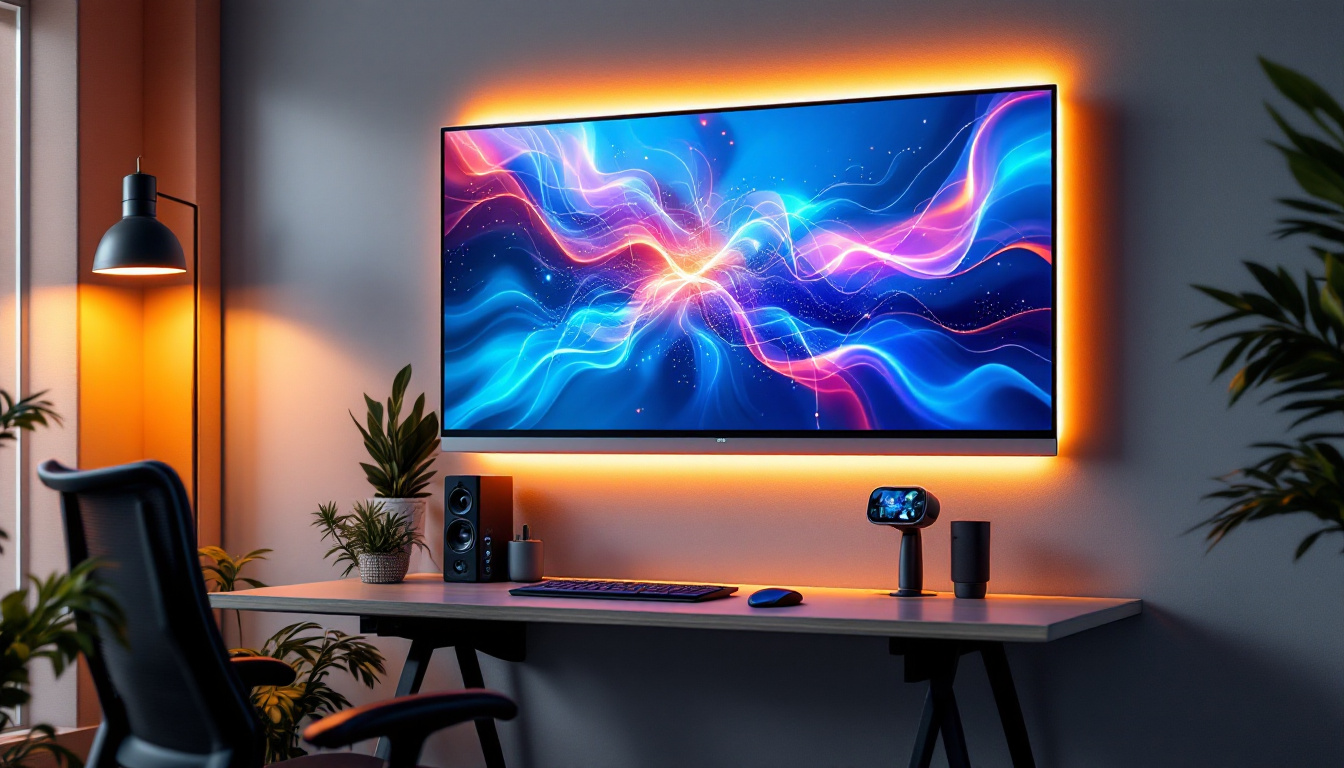
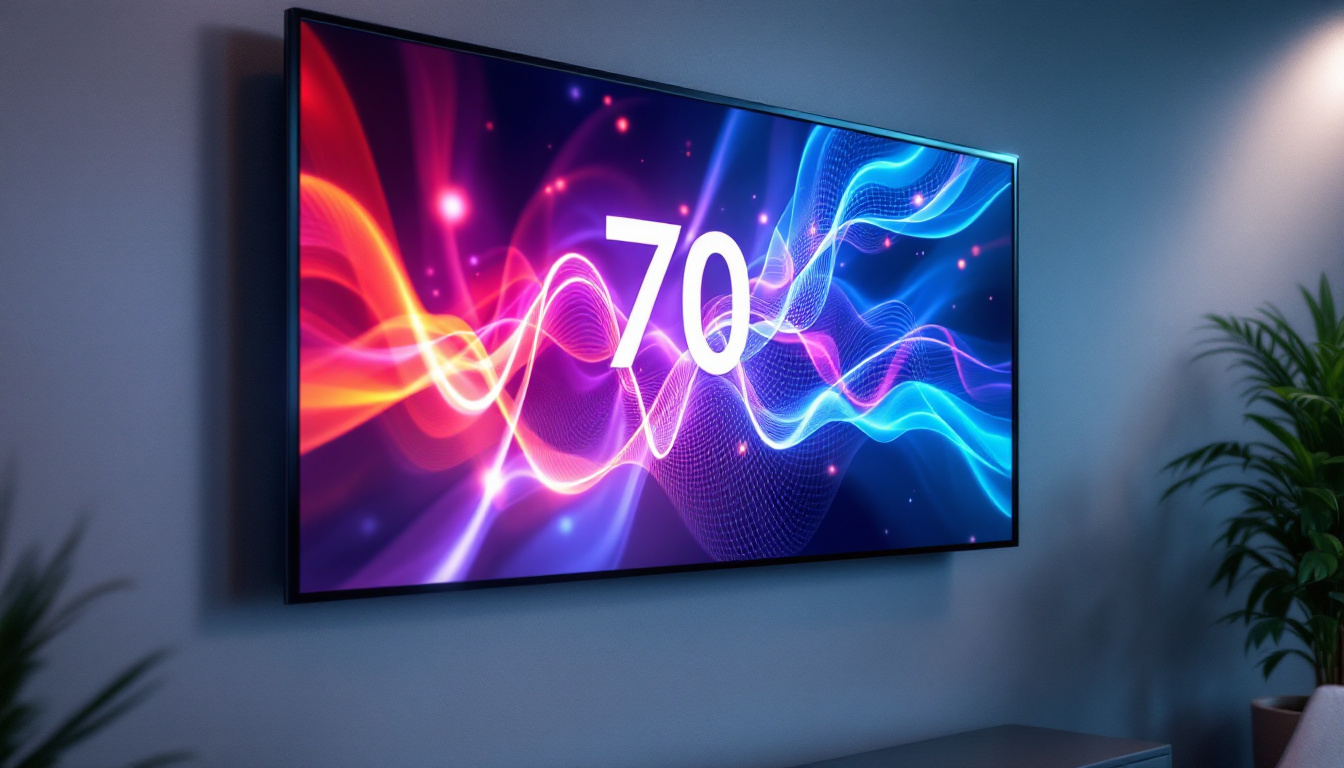
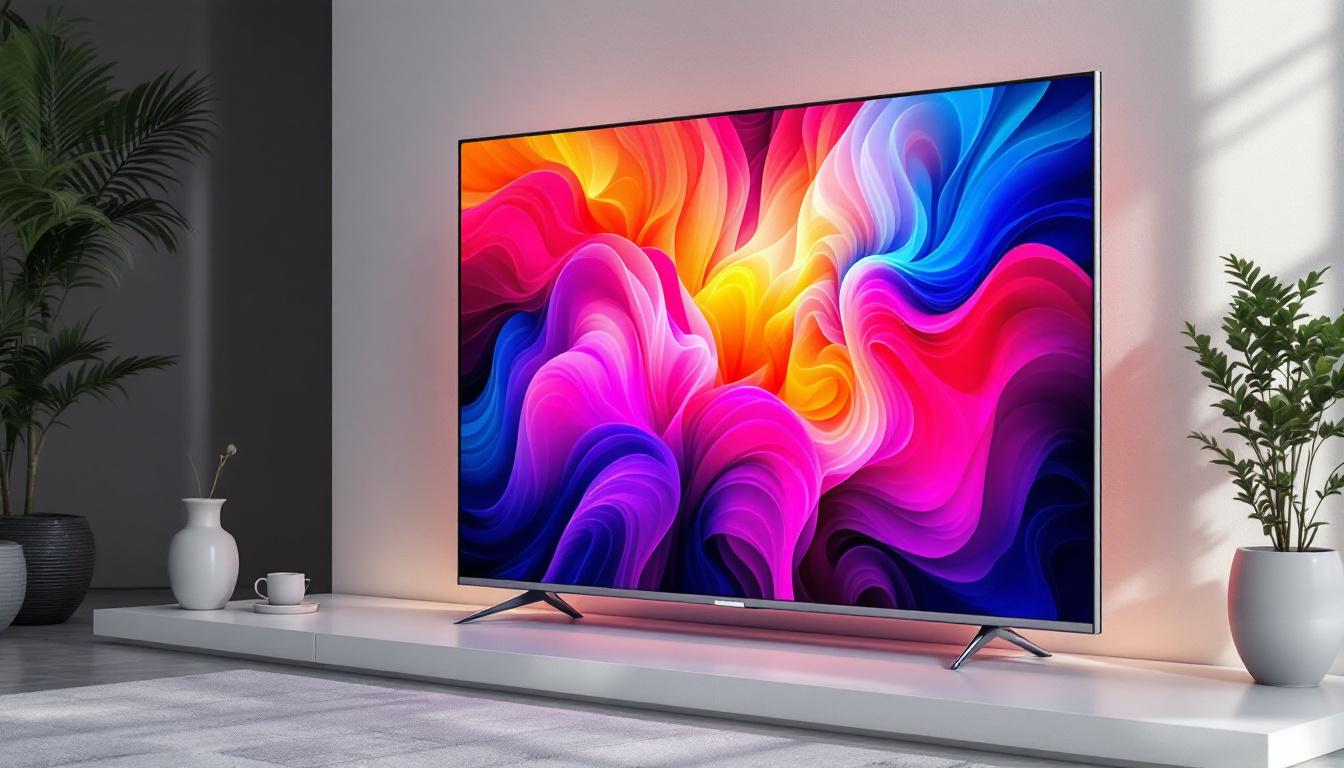
Wallpaper OLED TVs are ultra-thin OLED displays designed to be mounted flush against a wall, resembling wallpaper in their slimness and aesthetic appeal. These TVs typically measure just a few millimeters thick, making them some of the thinnest on the market.
Manufacturers achieve this by separating the display panel from the processing and speaker units, which are housed in a separate box connected via a slim cable. This design not only enhances the visual appeal but also allows for flexible placement in living spaces.
Why 4K Resolution Matters
4K resolution, also known as Ultra HD, offers a display resolution of 3840 x 2160 pixels, four times that of Full HD. This increase in pixel density provides sharper images, more detailed textures, and an overall more immersive viewing experience.
When combined with OLED technology, 4K resolution ensures that every pixel can deliver vibrant colors and deep blacks, making the picture quality truly exceptional. This is especially noticeable in large-screen TVs where pixel density greatly impacts image clarity.
Leading Brands and Models
Several leading manufacturers have embraced Wallpaper OLED technology, pushing the boundaries of design and performance. For example, LG’s Wallpaper OLED TV series has garnered attention for its ultra-thin profile and impressive picture quality. Similarly, Sony and other premium brands have introduced models that combine 4K OLED panels with sleek, minimalist designs.
These TVs often come with advanced features such as HDR support, Dolby Vision, and AI-powered image processing, further enhancing the viewing experience.
Advantages of Wallpaper 4K OLED Displays
Unmatched Picture Quality
The primary advantage of Wallpaper 4K OLED TVs is their superior picture quality. Thanks to the self-emissive nature of OLED pixels, these displays offer perfect black levels and infinite contrast ratios. This results in images that are vibrant, lifelike, and rich in detail.
Moreover, the 4K resolution ensures that even the smallest details are rendered crisply, making movies, sports, and video games more immersive than ever before.
Design and Aesthetics
Wallpaper OLED TVs redefine the concept of television design. Their ultra-thin profile allows them to blend seamlessly into any room, almost like a piece of art on the wall. This minimalist design appeals to consumers who prioritize both technology and interior aesthetics.
The ability to mount the TV flush against the wall without bulky bezels or stands creates a clean, modern look that complements contemporary living spaces.
Energy Efficiency and Longevity
OLED displays are generally more energy-efficient than traditional LED-backlit LCDs because they do not require a constant backlight. Each pixel emits light only when needed, reducing overall power consumption.
Additionally, advancements in OLED materials and manufacturing have improved the lifespan of these displays, addressing earlier concerns about burn-in and degradation. Many manufacturers now offer warranties and technologies designed to mitigate these issues, ensuring long-term reliability.
Common Misconceptions About OLED and LED Displays
Is OLED Always Better Than LED?
While OLED technology offers superior contrast, black levels, and viewing angles, it is not necessarily the best choice for every consumer or use case. LED TVs often provide higher peak brightness levels, which can be advantageous in very bright rooms or for HDR content that requires intense highlights.
Moreover, LED TVs tend to be more affordable and come in a wider range of sizes and configurations, making them accessible to a broader audience.
Concerns About Burn-In
One of the most common concerns with OLED displays is the risk of burn-in, where static images left on the screen for extended periods can cause permanent ghosting. However, modern OLED TVs incorporate various technologies such as pixel shifting, screen savers, and automatic brightness adjustments to minimize this risk.
For typical viewing habits, burn-in is unlikely to be a significant issue, especially with manufacturers offering extended warranties and support.
Is 4K Resolution Necessary?
With the increasing availability of 4K content from streaming services, Blu-ray discs, and gaming consoles, 4K resolution has become the new standard for high-end TVs. While Full HD remains sufficient for smaller screens or casual viewing, 4K provides a noticeable improvement in image clarity, especially on larger displays.
For Wallpaper OLED TVs, which often come in large sizes, 4K resolution ensures that the ultra-thin display delivers the best possible picture quality without visible pixelation.
How to Choose the Right Wallpaper 4K OLED TV
Consider Your Viewing Environment
The lighting conditions in your room can influence your choice of display technology. OLED TVs perform exceptionally well in dim or moderately lit environments, where their deep blacks and contrast can shine. If your living room is very bright, you might want to consider a model with higher peak brightness or anti-reflective coatings.
Evaluate Size and Placement
Wallpaper OLED TVs are designed to be wall-mounted, so measuring your available space is essential. These TVs excel in minimalist setups where the display is the focal point. Consider the viewing distance and angle to ensure optimal picture quality and comfort.
Check for Additional Features
Modern Wallpaper OLED TVs come with a host of smart features, including voice control, app integration, and advanced image processing. Look for models that support the latest HDR formats like Dolby Vision and HDR10+, as well as gaming features such as variable refresh rates and low input lag if you’re a gamer.
Budget Considerations
Wallpaper 4K OLED TVs are premium products and often come with a higher price tag compared to traditional LED TVs. However, the investment can be justified by the superior picture quality, design, and future-proofing. It’s important to balance your budget with your desired features and usage patterns.
The Future of OLED and LED Display Technologies
Emerging Innovations
Display technology continues to evolve rapidly. Researchers are exploring new materials such as microLED and QD-OLED, which aim to combine the best qualities of OLED and LED technologies. MicroLED, for example, offers self-emissive pixels like OLED but with higher brightness and longevity.
Meanwhile, flexible and rollable OLED displays are becoming more practical, opening up new possibilities for design and usage beyond traditional TVs.
Impact on Consumer Electronics
As OLED technology matures and becomes more affordable, it is expected to penetrate other consumer electronics markets, including smartphones, tablets, and monitors. The ultra-thin form factor and superior image quality make OLED an attractive choice for various applications.
Wallpaper OLED TVs represent just the beginning of a broader trend toward seamless, integrated display solutions that blend technology with lifestyle.
Conclusion
Wallpaper 4K OLED TVs represent a significant advancement in display technology, combining the unparalleled picture quality of OLED with a sleek, ultra-thin design that enhances any living space. Understanding the differences between OLED and LED displays helps consumers make informed decisions based on their viewing preferences, environment, and budget.
While OLED technology offers superior contrast, perfect blacks, and wider viewing angles, LED TVs still hold value for their brightness and affordability. As technology progresses, innovations like microLED and QD-OLED promise to further elevate the viewing experience.
For those seeking the pinnacle of home entertainment with a focus on aesthetics and performance, Wallpaper 4K OLED TVs are an excellent choice that delivers stunning visuals and modern design in one elegant package.
Explore Cutting-Edge LED Displays with LumenMatrix
As you embrace the future of home entertainment with Wallpaper 4K OLED TVs, consider the transformative impact of advanced LED display technology in other areas of your life. LumenMatrix, a leader in LED innovation, offers a wide array of LED display solutions that bring your visual experiences to life. From captivating Indoor LED Wall Displays to dynamic Outdoor LED Wall Displays, and from versatile Vehicle LED Displays to engaging LED Sports Displays, LumenMatrix is at the forefront of revolutionizing visual communication. Elevate your brand visibility, create immersive environments, and share your message with unparalleled clarity. Check out LumenMatrix LED Display Solutions and discover how you can transform your space today.