In today’s fast-paced digital world, LED displays have become an integral part of communication, advertising, and entertainment. From vibrant billboards in city centers to dynamic screens in retail stores and stadiums, LED technology is everywhere. At Walls Service Center, understanding the intricacies of LED displays is crucial to providing top-notch maintenance and support for clients relying on these powerful visual tools.
This article delves into the fundamentals of LED displays, their types, how they work, and why they are preferred over other display technologies. It also explores common issues and maintenance tips, ensuring that Walls Service Center technicians and clients alike can maximize the lifespan and performance of LED installations.
What is an LED Display?
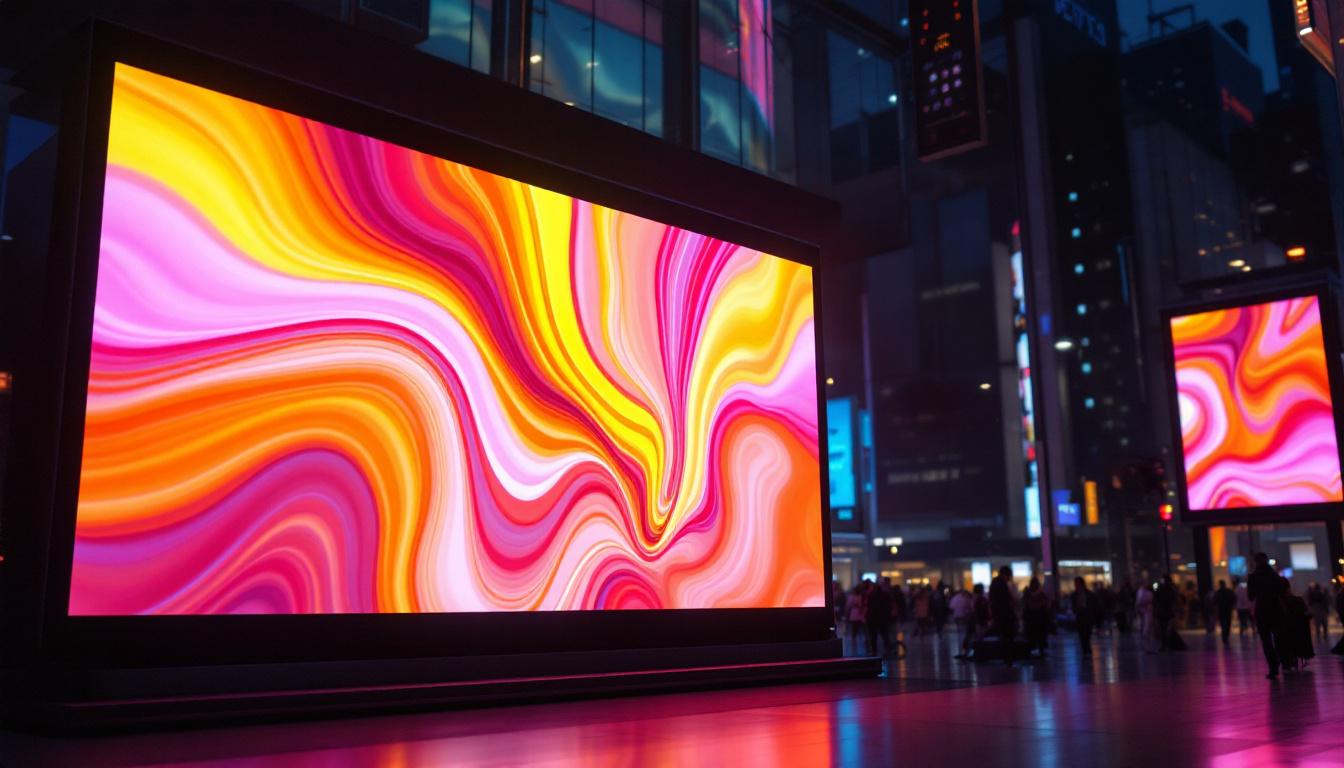
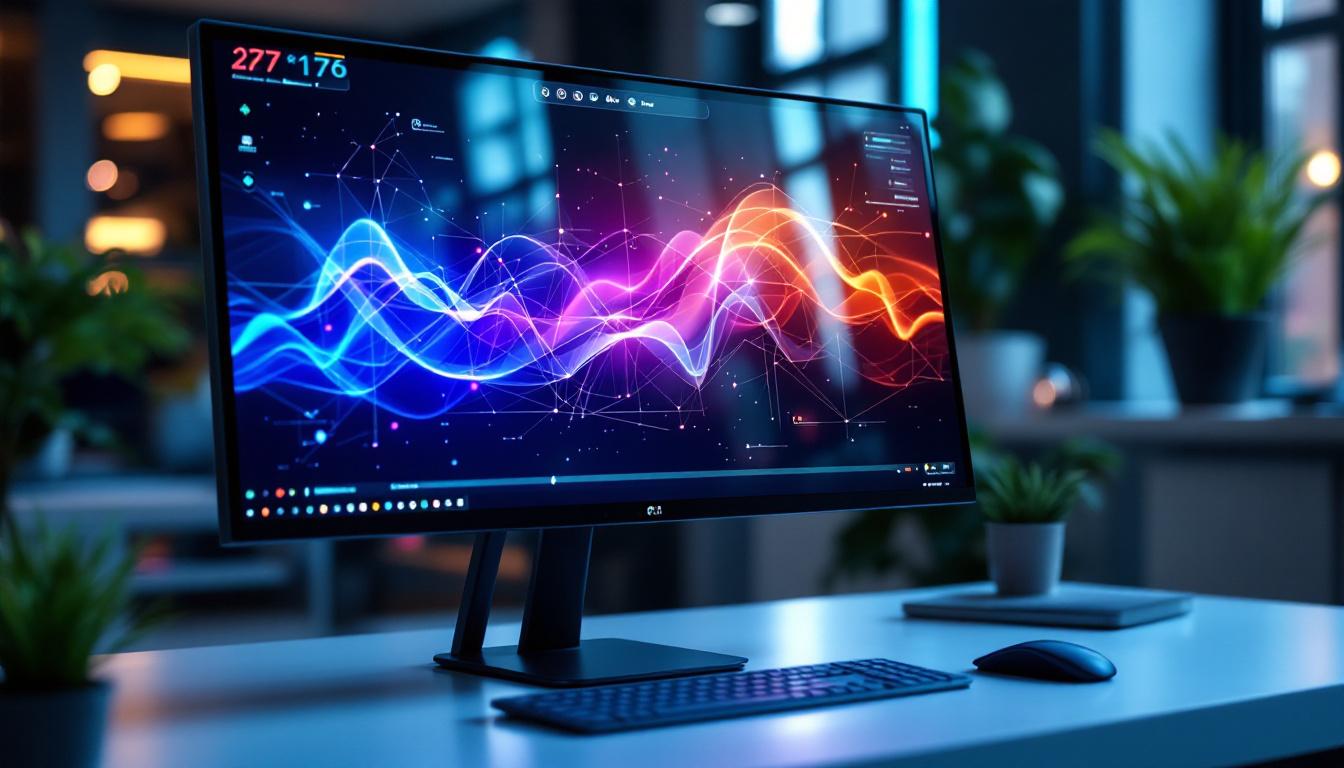
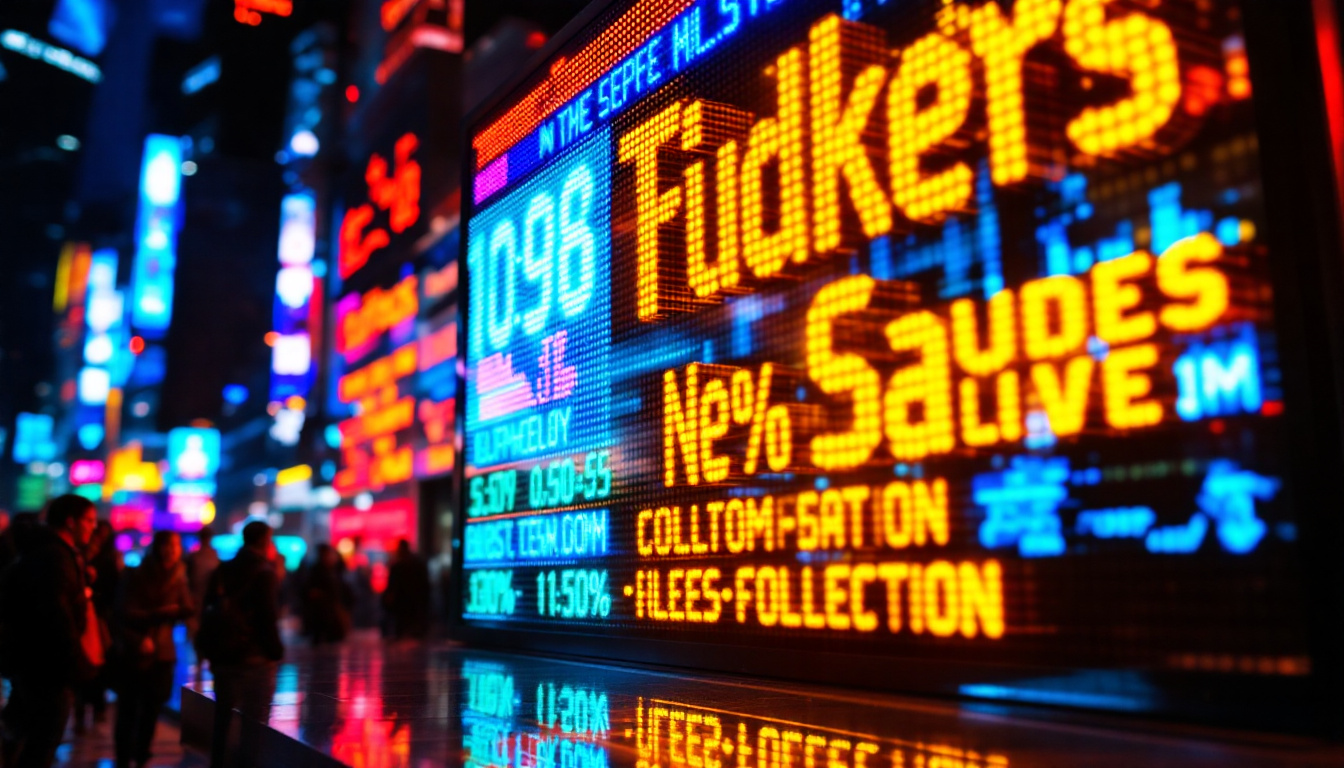
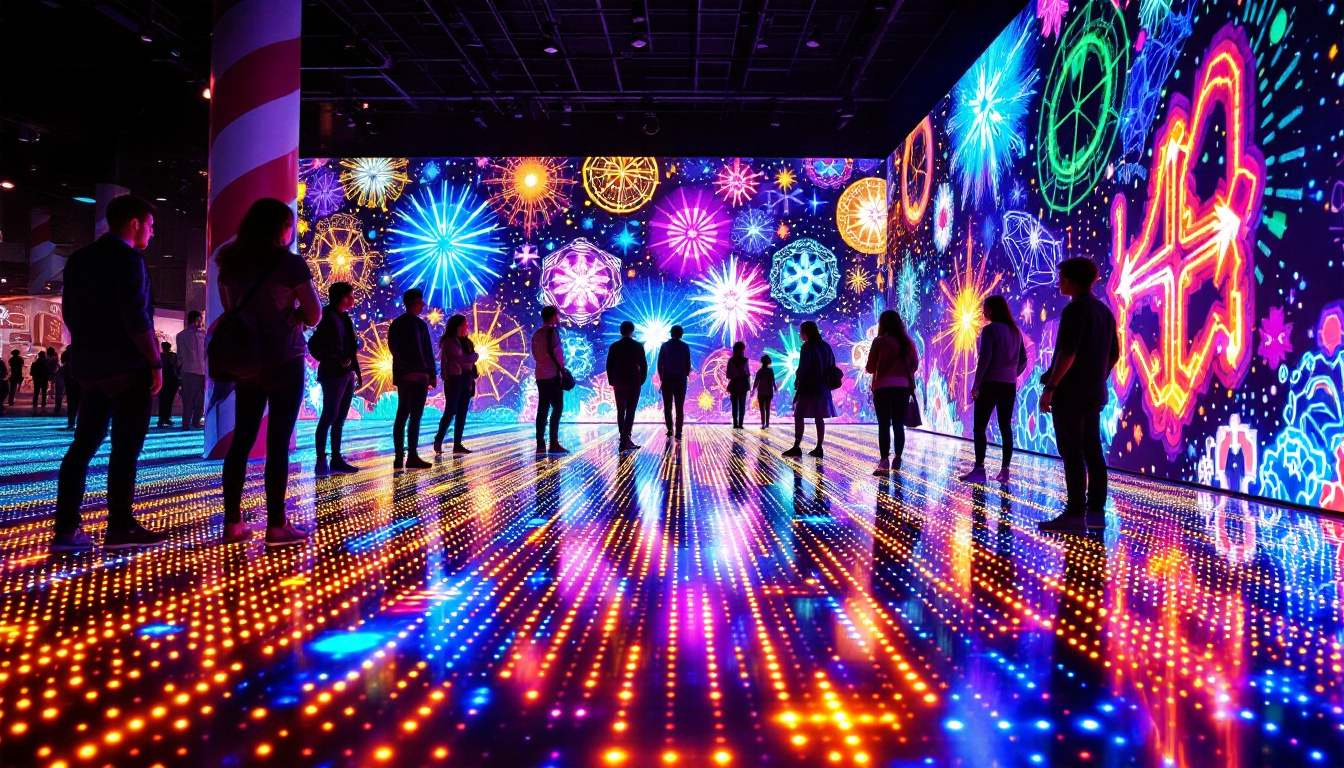
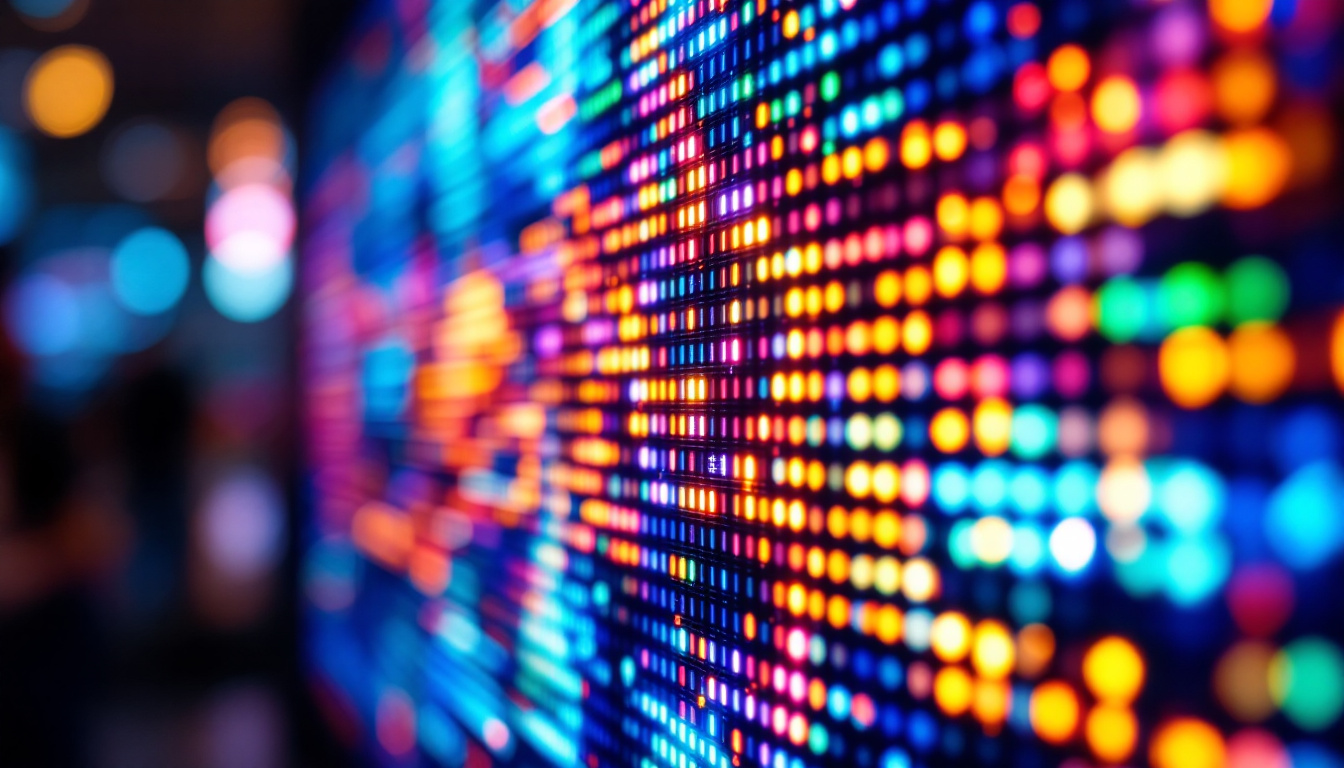
LED stands for Light Emitting Diode, a semiconductor device that emits light when an electric current passes through it. LED displays are screens composed of numerous tiny LEDs arranged in a matrix to create images, videos, or text. Unlike traditional LCD or plasma screens, LED displays use these diodes as individual pixels, offering superior brightness, contrast, and energy efficiency.
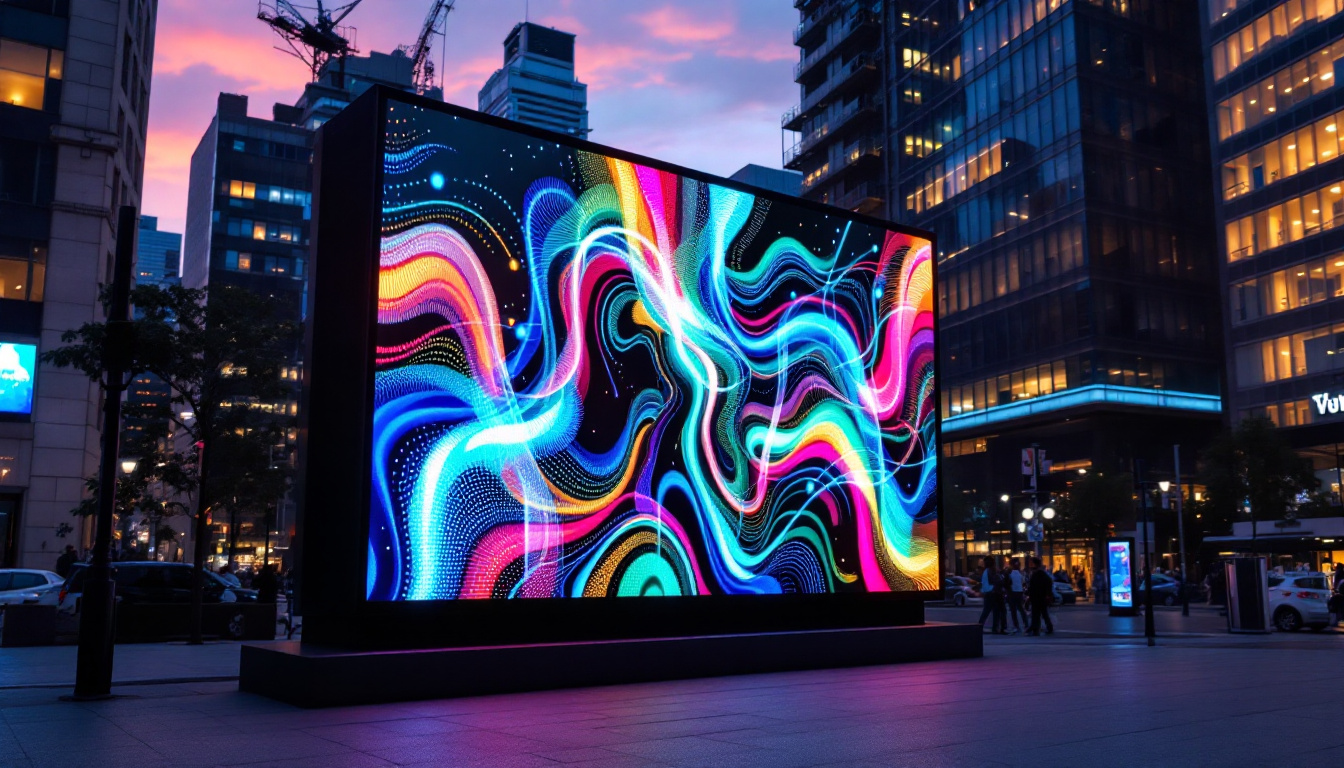
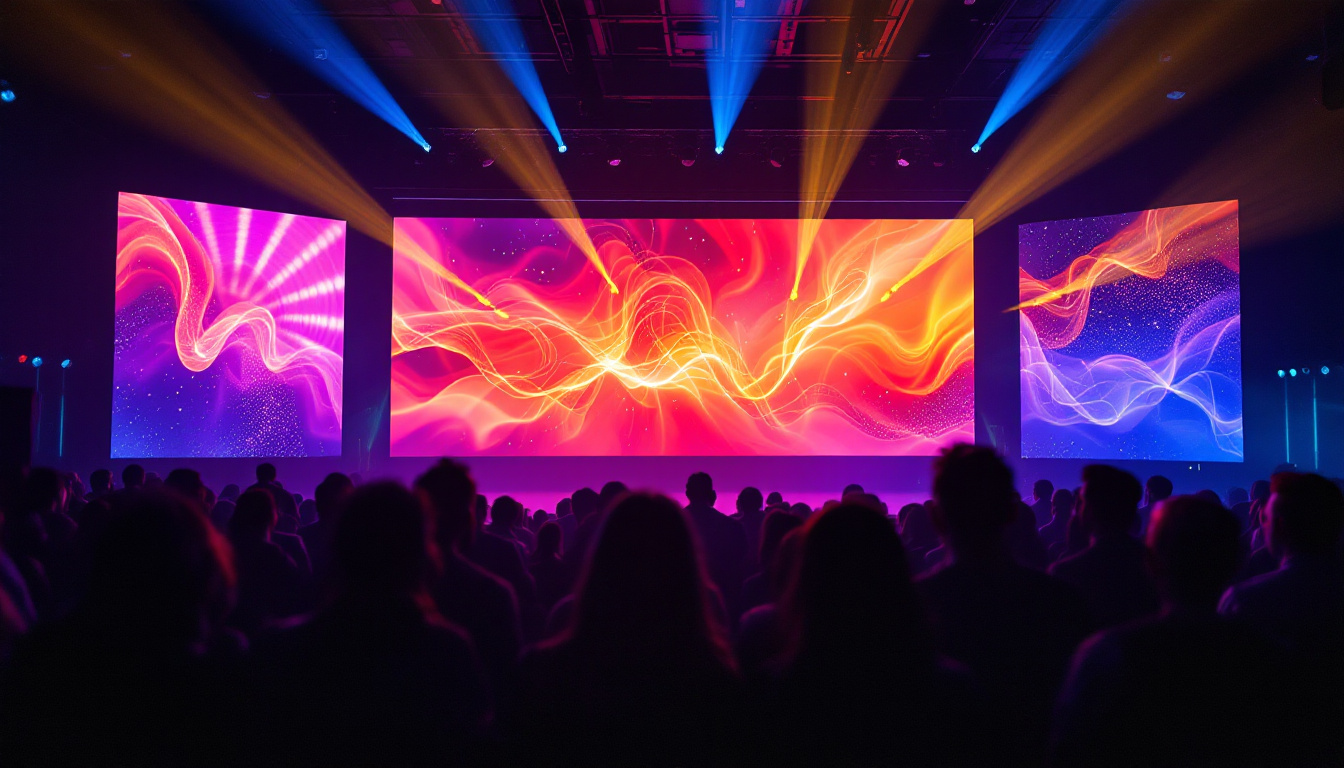
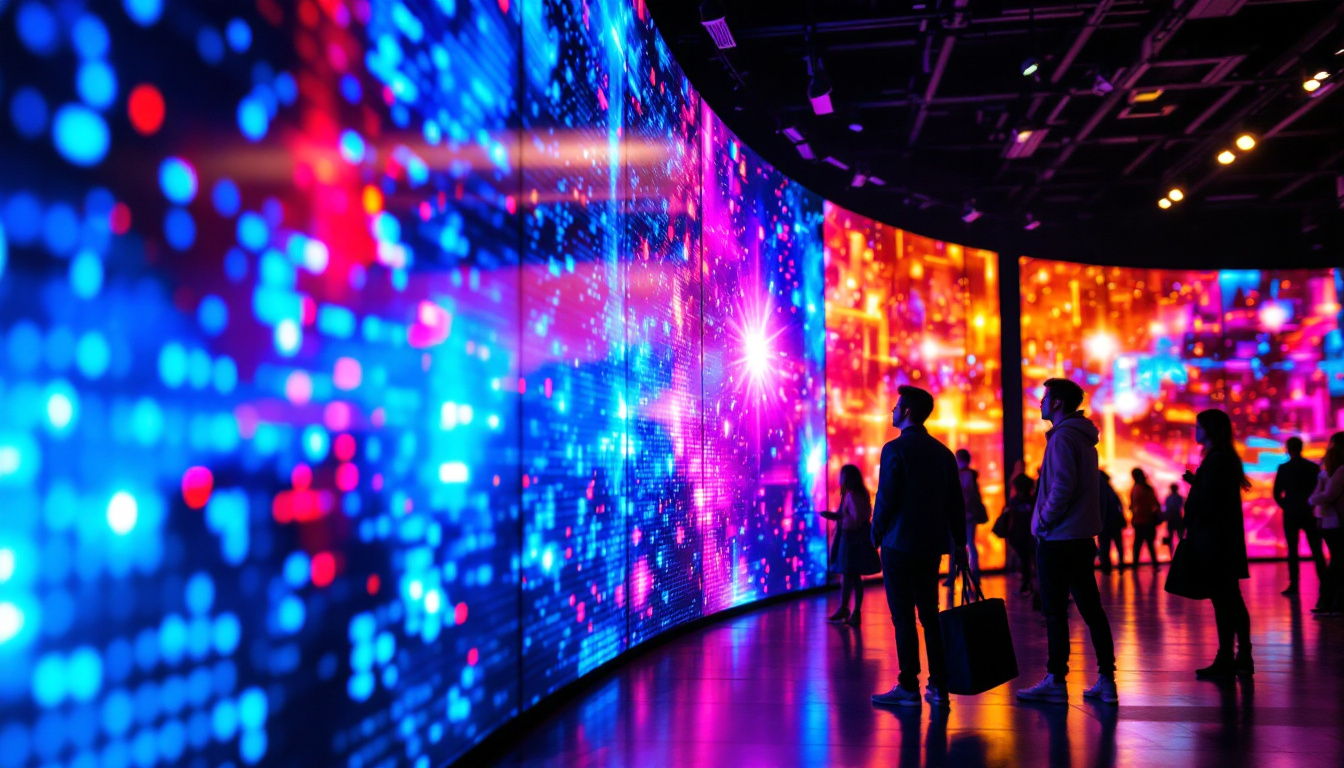
The versatility of LED displays allows them to be used in various environments, from indoor digital signage to massive outdoor advertising boards. Their modular nature means they can be scaled to virtually any size, making them ideal for everything from small retail displays to giant stadium screens.
The Evolution of LED Technology
LED technology has evolved significantly since its inception in the early 1960s. Initially used as simple indicator lights, LEDs have transformed into full-color displays capable of rendering high-definition images. Advances in semiconductor materials, manufacturing processes, and control systems have enabled LEDs to become brighter, more energy-efficient, and longer-lasting.
Today’s LED displays incorporate sophisticated control electronics and software, allowing for dynamic content management and remote operation. This evolution has expanded their applications beyond basic signage to include interactive displays, video walls, and immersive digital experiences.
Types of LED Displays
Understanding the different types of LED displays is essential for selecting the right solution for a specific application. The main categories include:
1. Indoor LED Displays
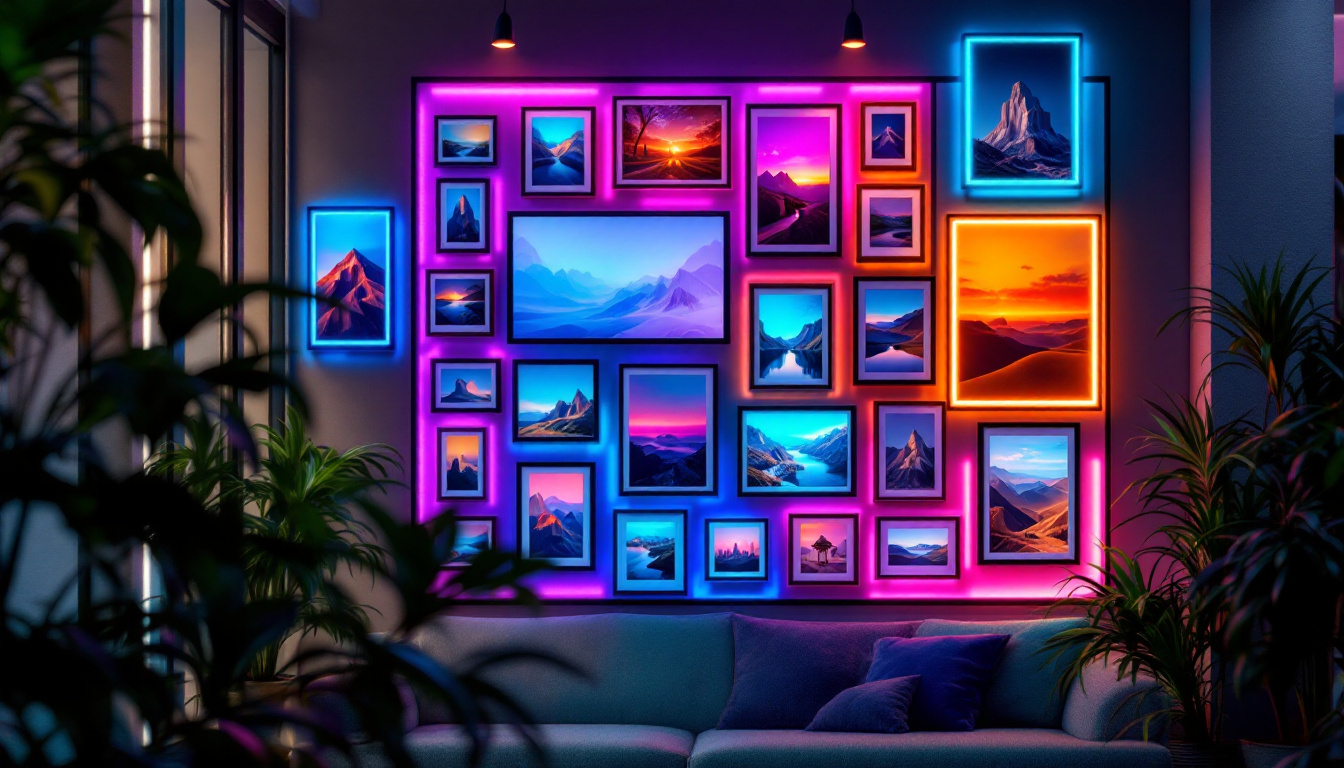
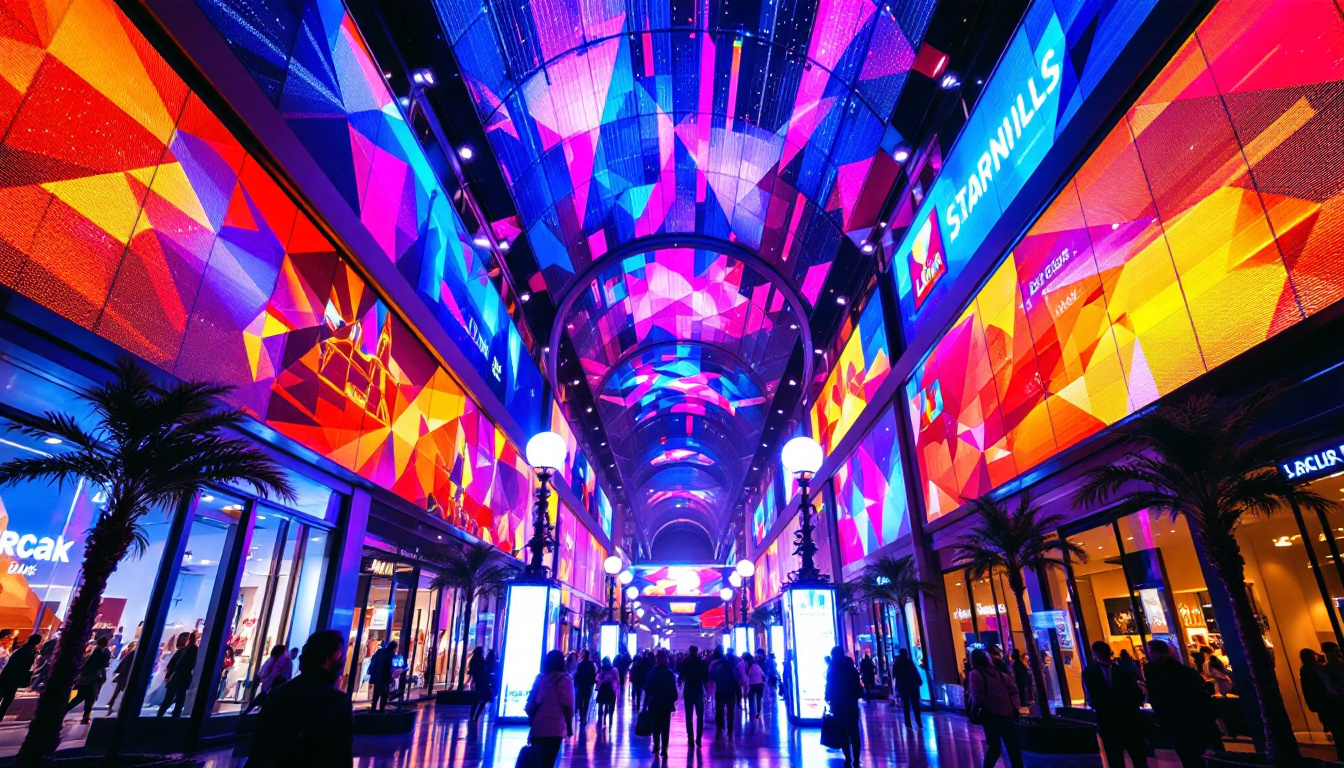
Indoor LED displays are designed for environments with controlled lighting, such as shopping malls, conference rooms, and retail outlets. They typically have a smaller pixel pitch, meaning the LEDs are closer together, resulting in higher resolution and sharper images.
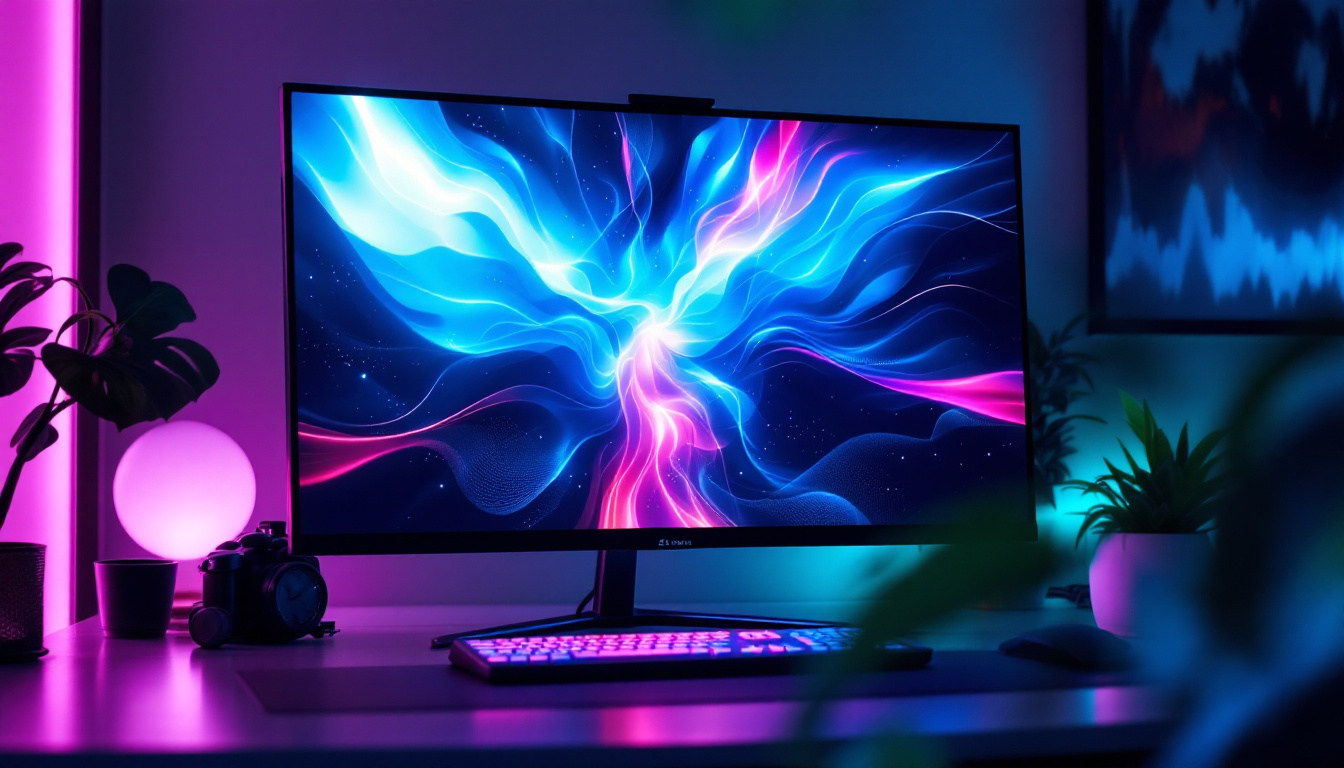
These displays prioritize image clarity and color accuracy, making them ideal for detailed content like videos, presentations, and advertisements. Their brightness levels are optimized for indoor lighting conditions, generally ranging between 800 to 1,200 nits.
2. Outdoor LED Displays
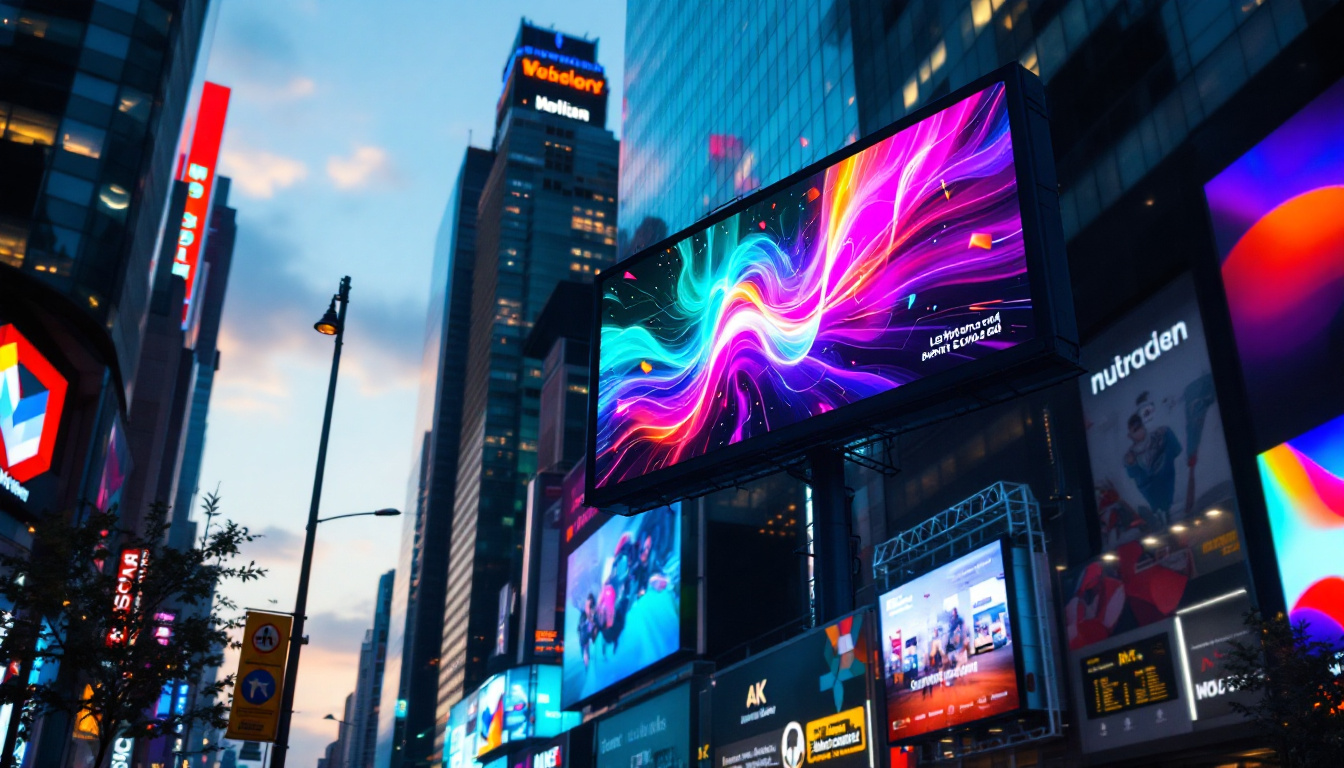
Outdoor LED displays are built to withstand harsh weather conditions, including rain, dust, and extreme temperatures. They feature higher brightness levels, often exceeding 5,000 nits, to ensure visibility even in direct sunlight.
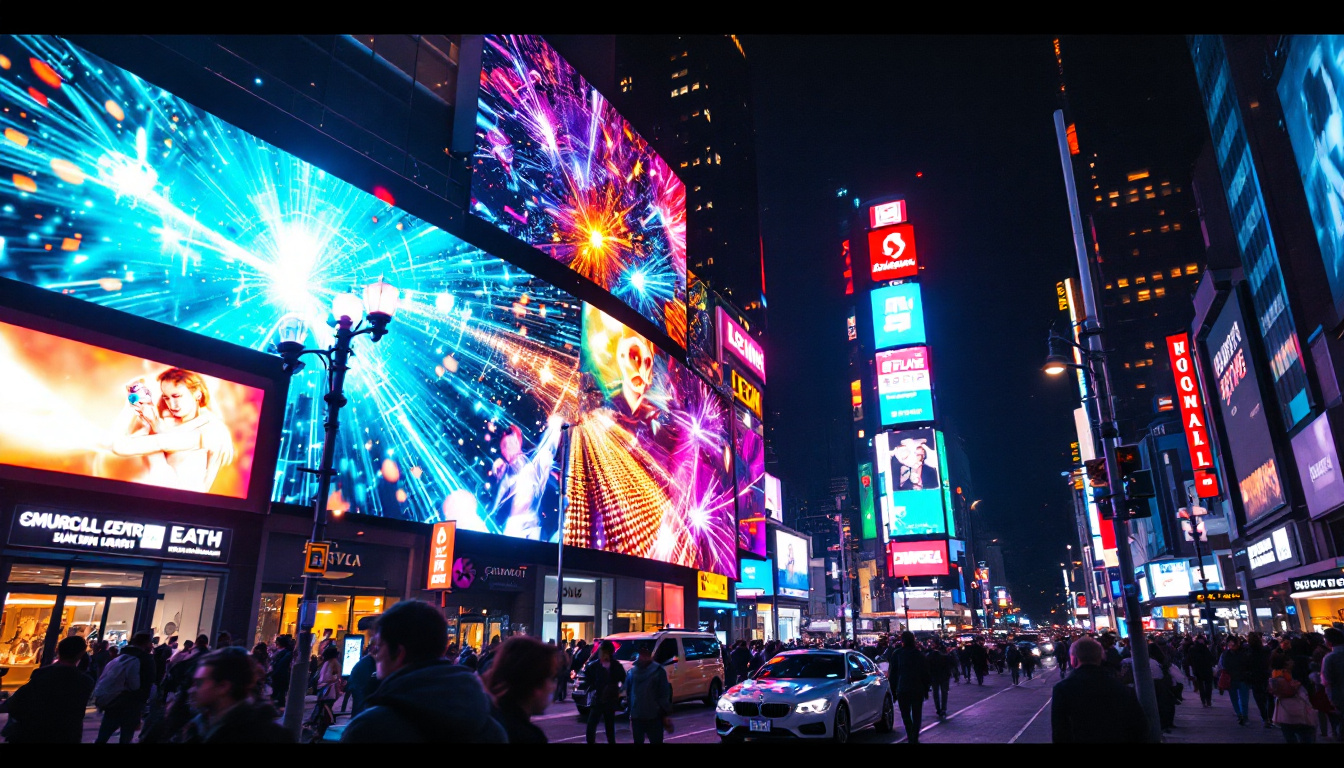
The pixel pitch for outdoor displays is usually larger than indoor ones, as viewers tend to be farther away. These displays are commonly used for billboards, sports arenas, and public information boards.
3. Transparent LED Displays
Transparent LED displays are a relatively new innovation that allows light to pass through the screen, making them suitable for glass windows and storefronts. They combine advertising with architectural aesthetics, enabling businesses to maintain natural light while showcasing dynamic content.
These displays use specialized LED modules and control systems to balance transparency and brightness, creating a unique visual experience without obstructing the view.
4. Flexible LED Displays
Flexible LED displays use bendable substrates, allowing them to conform to curved surfaces. This flexibility opens up creative possibilities in design and installation, such as wrapping around columns or creating immersive environments.
They are often used in exhibitions, stage design, and innovative retail displays where traditional flat screens would not be feasible.
How LED Displays Work
At the core of every LED display is the principle of light emission through diodes. The LEDs themselves are tiny light sources, and when arranged in a matrix, they form pixels that collectively create images.
Pixel Structure and Color Mixing
Each pixel in a full-color LED display typically consists of three sub-pixels: red, green, and blue LEDs. By varying the intensity of each sub-pixel, the display can produce a wide spectrum of colors through additive color mixing. This RGB model is fundamental to digital color reproduction.
Advanced LED displays may also include additional colors such as white or amber LEDs to enhance brightness and color accuracy, especially in high-end applications.
Driving and Control Systems
LED displays require precise control to manage brightness, color, and refresh rates. This is achieved through driver ICs (integrated circuits) that regulate the current supplied to each LED. The control system processes input signals—such as video feeds or graphic content—and translates them into commands that adjust each pixel accordingly.
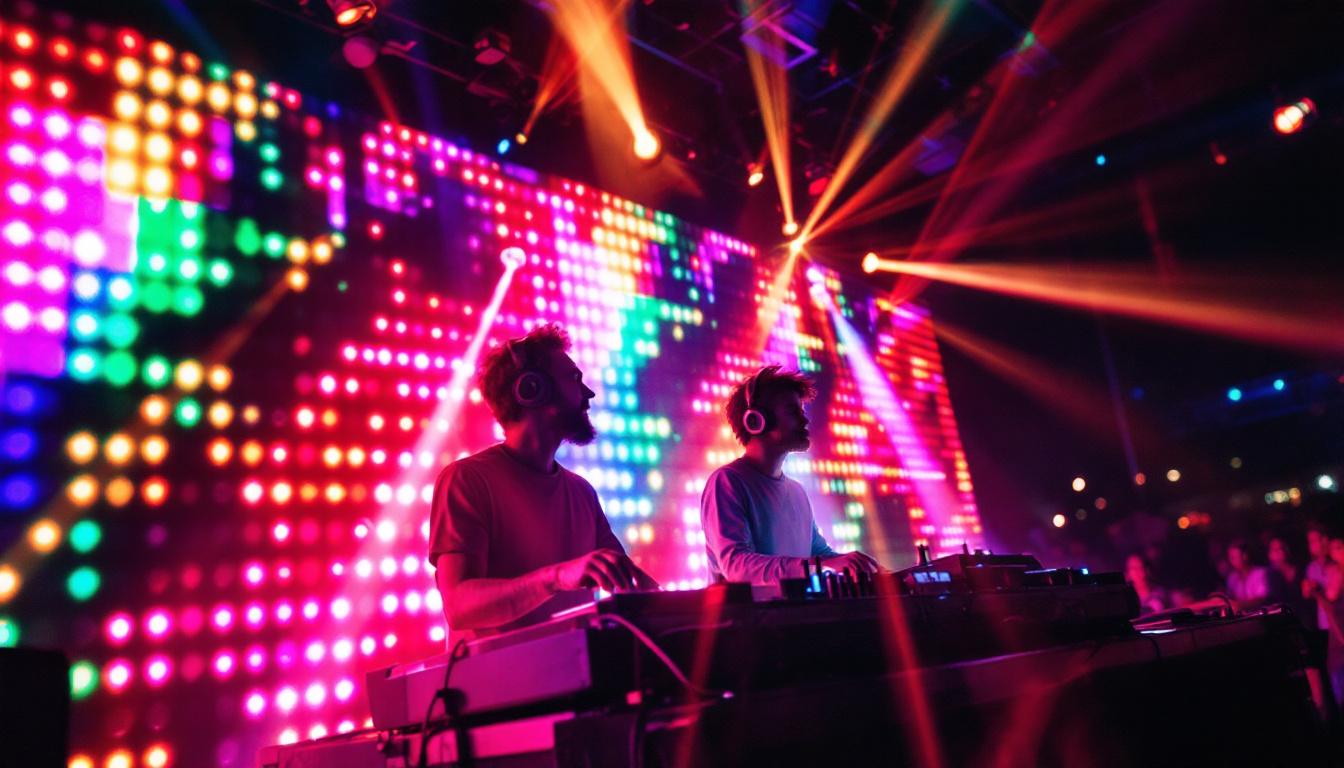
Modern LED displays use sophisticated software and hardware controllers that enable real-time content updates, remote diagnostics, and synchronization across multiple panels. This level of control is vital for large-scale installations like video walls and stadium screens.
Advantages of LED Displays
LED displays offer numerous benefits over traditional display technologies, making them a preferred choice for many applications.
High Brightness and Visibility
One of the standout features of LED displays is their exceptional brightness. Outdoor LED screens can reach brightness levels of over 7,000 nits, ensuring content is visible even in direct sunlight. This makes them ideal for advertising and public information in outdoor settings.
Energy Efficiency
Compared to LCD and plasma displays, LEDs consume significantly less power. Their energy efficiency not only reduces operational costs but also contributes to environmental sustainability. This is particularly important for large-scale installations that operate continuously.
Long Lifespan and Durability
LEDs have a long operational life, often exceeding 100,000 hours under optimal conditions. Their solid-state nature makes them resistant to shock and vibration, enhancing durability in various environments. This longevity reduces maintenance frequency and replacement costs.
Flexibility and Scalability
LED displays can be customized to virtually any size and shape. Their modular design allows for easy expansion or reconfiguration, accommodating changing needs without complete replacement. This scalability is advantageous for businesses aiming to grow their digital presence.
Superior Color and Contrast
LED technology provides vibrant colors and deep blacks, resulting in high contrast ratios that improve image quality and viewer engagement. This visual impact is critical for advertising effectiveness and immersive experiences.
Common Issues and Maintenance of LED Displays
Despite their robustness, LED displays can encounter issues that affect performance. Proper maintenance and timely troubleshooting are essential to ensure longevity and optimal operation.
Dead or Stuck Pixels
Dead pixels are LEDs that fail to light up, while stuck pixels remain permanently lit or display incorrect colors. These defects can result from manufacturing flaws, physical damage, or electrical issues.
Regular inspection and prompt repair or module replacement can minimize the impact of pixel failures on overall display quality.
Color Inconsistency and Calibration
Over time, LEDs may exhibit color shifts due to aging or environmental factors. This can lead to uneven color reproduction across the display.
Periodic calibration using specialized equipment ensures consistent color accuracy and uniform brightness, maintaining the display’s visual integrity.
Power Supply and Connectivity Problems
Faulty power supplies or loose connections can cause flickering, dimming, or complete shutdown of LED panels. Routine checks of cables, connectors, and power units help prevent unexpected outages.
Environmental Factors
Outdoor LED displays are exposed to weather elements such as moisture, dust, and temperature fluctuations. Protective enclosures, proper sealing, and climate control measures are necessary to safeguard components.
Additionally, cleaning the display surface regularly prevents dirt accumulation, which can degrade image quality.
Why Walls Service Center is Essential for LED Display Maintenance
Walls Service Center specializes in the installation, maintenance, and repair of LED displays, ensuring clients receive expert support tailored to their unique needs.
Expertise and Experience
With a team of skilled technicians trained in the latest LED technologies, Walls Service Center can diagnose and resolve issues efficiently. Their experience spans various industries, from retail to sports and entertainment, providing comprehensive service solutions.
Preventive Maintenance Programs
Walls Service Center offers preventive maintenance plans designed to identify potential problems before they escalate. Regular inspections, cleaning, and calibration extend the lifespan of LED displays and reduce downtime.
Rapid Response and Support
Understanding the critical role LED displays play in business operations, Walls Service Center provides prompt repair services and technical support. Their commitment to minimizing disruption ensures clients can rely on their displays for continuous communication and engagement.
Customized Solutions
Recognizing that each LED installation has unique requirements, Walls Service Center delivers tailored maintenance and upgrade options. Whether it’s enhancing display performance or integrating new control systems, their solutions align with client goals and budgets.
The Future of LED Displays
As LED technology continues to advance, new trends are shaping the future of digital displays. Innovations such as microLED, miniLED, and OLED hybrids promise even higher resolution, better color accuracy, and improved energy efficiency.
Interactive and smart LED displays are becoming more prevalent, incorporating touch capabilities, sensors, and AI-driven content management. These developments will further enhance user engagement and expand the possibilities for digital communication.
For service centers like Walls, staying abreast of these technological advancements is vital to providing cutting-edge support and maintaining leadership in the LED display maintenance industry.
Conclusion
LED displays have revolutionized the way information and advertising are presented, offering unmatched brightness, flexibility, and visual impact. Understanding their operation, types, and maintenance needs is essential for maximizing their benefits.
Walls Service Center plays a pivotal role in ensuring LED displays perform at their best through expert maintenance, timely repairs, and customized service plans. As LED technology evolves, partnering with knowledgeable service providers will remain crucial for businesses relying on these dynamic visual tools.
Whether for indoor retail signage or large-scale outdoor billboards, LED displays continue to illuminate the path forward in digital communication, and Walls Service Center stands ready to keep them shining bright.
Illuminate Your Brand with LumenMatrix
Ready to elevate your visual communication and captivate your audience with unparalleled clarity? Discover the innovative world of LumenMatrix LED display solutions. From the vibrant Indoor LED Wall Display to the robust Outdoor LED Wall Display, and from the dynamic Vehicle LED Display to the sleek LED Poster Display, LumenMatrix offers a comprehensive range of products designed to enhance your brand visibility. Whether you’re looking for an LED Sports Display, a mesmerizing Floor LED Display, a Custom LED Display tailored to your specific needs, an All-in-One LED Display solution, or a cutting-edge LED Transparent Display, LumenMatrix is your partner in revolutionizing your digital signage. Check out LumenMatrix LED Display Solutions today and transform the way you share your message.