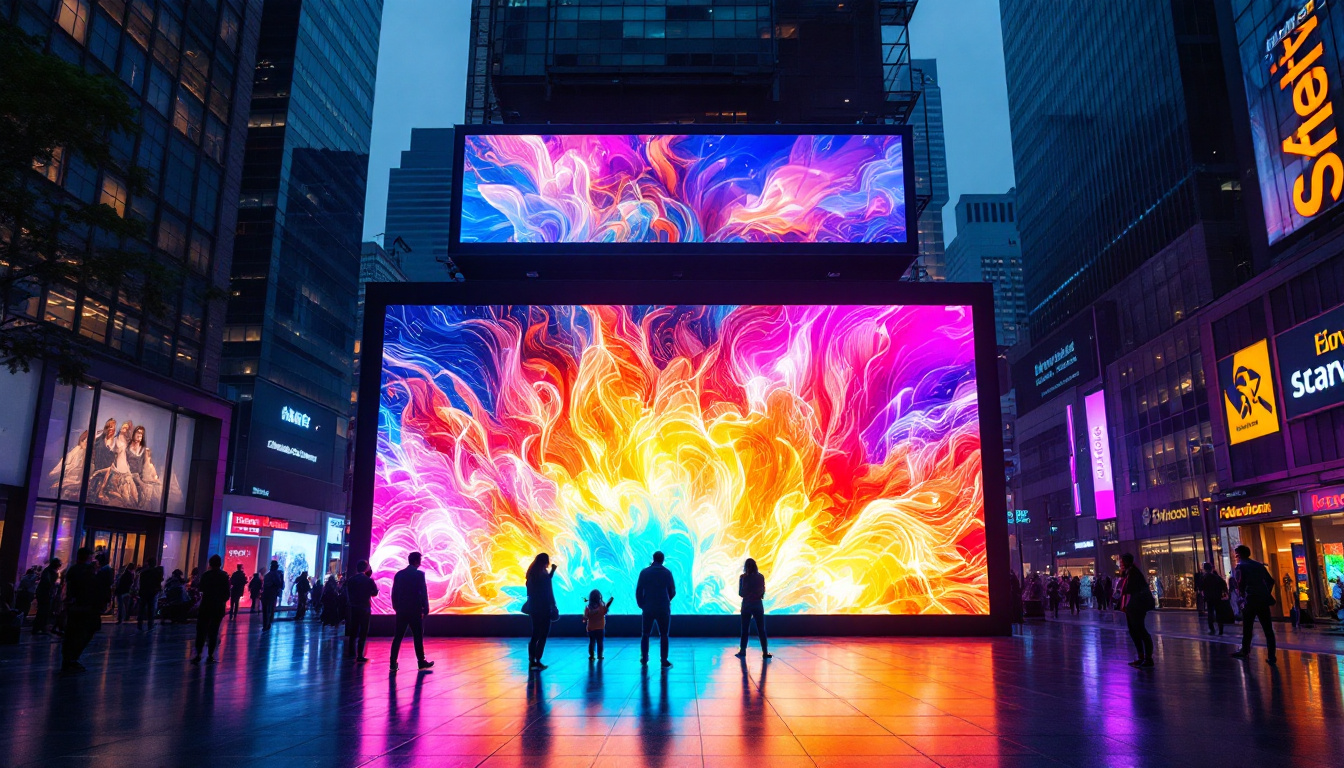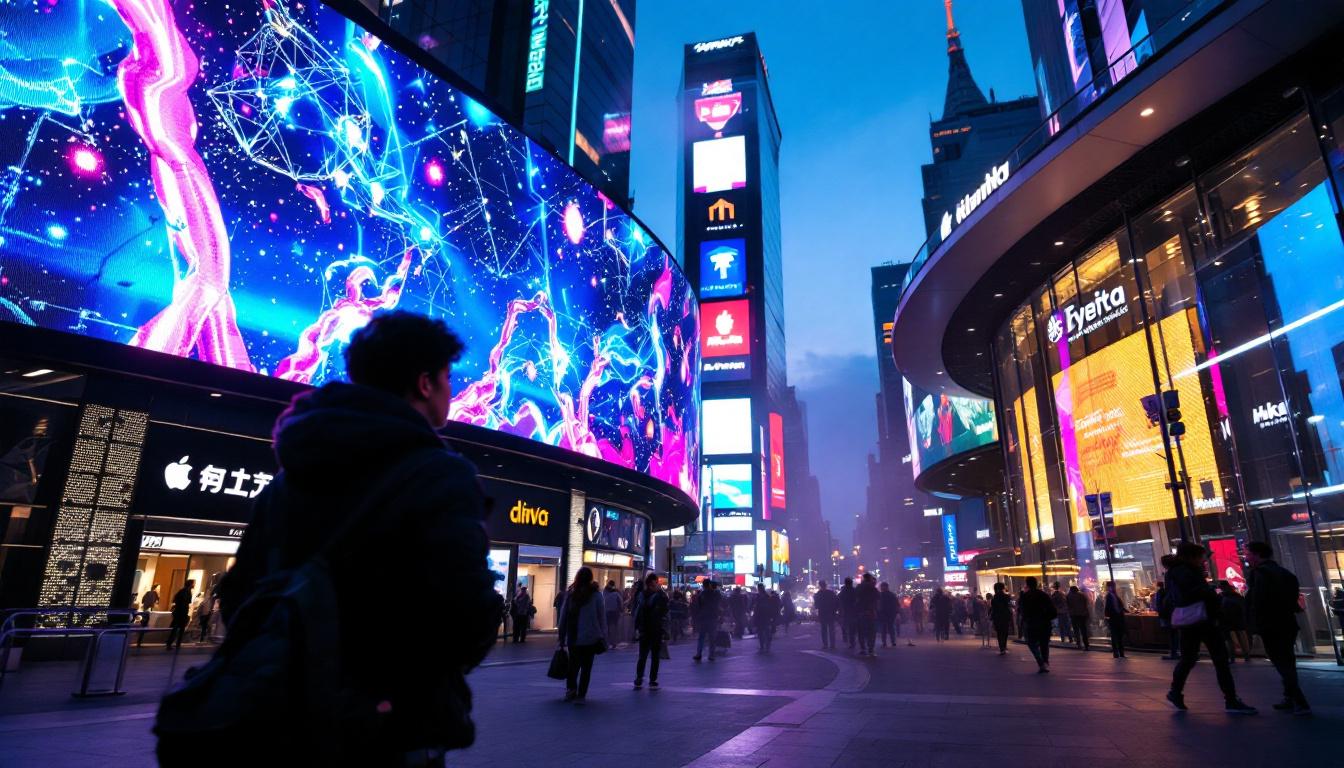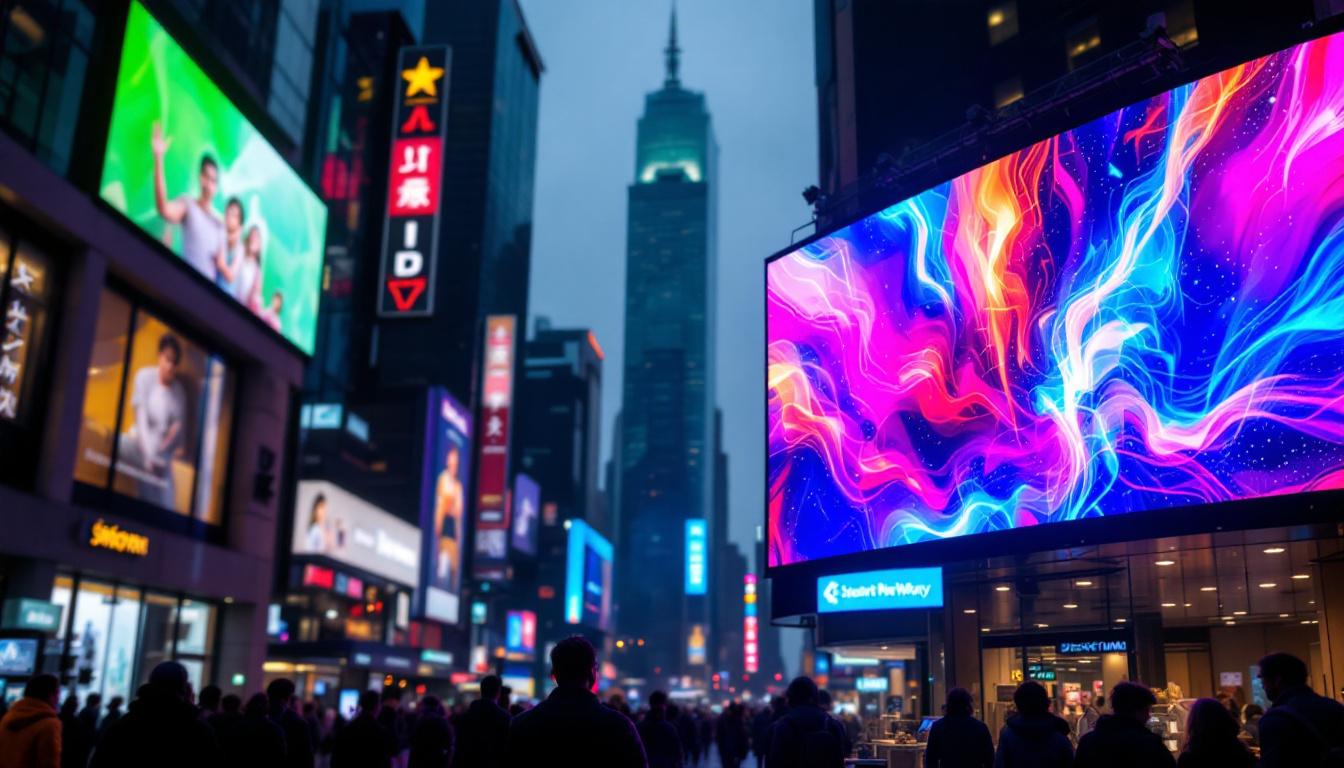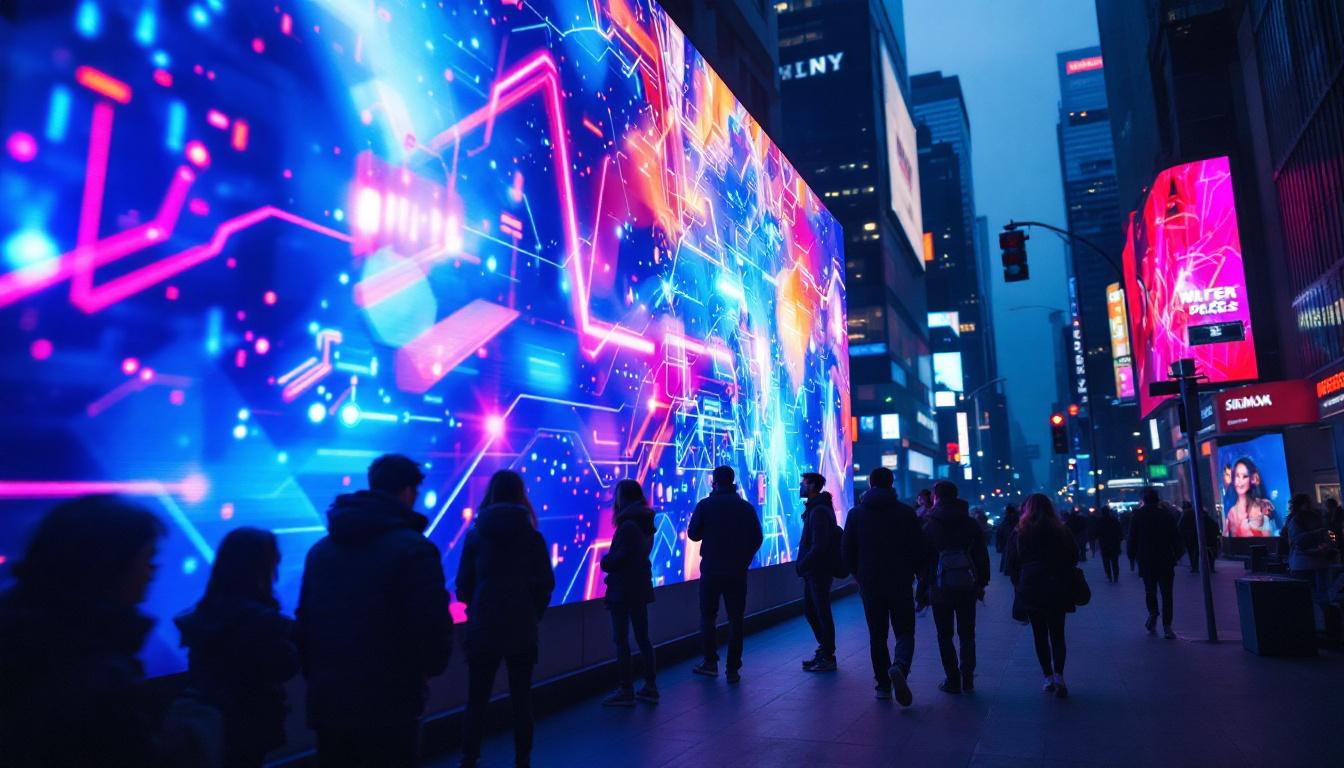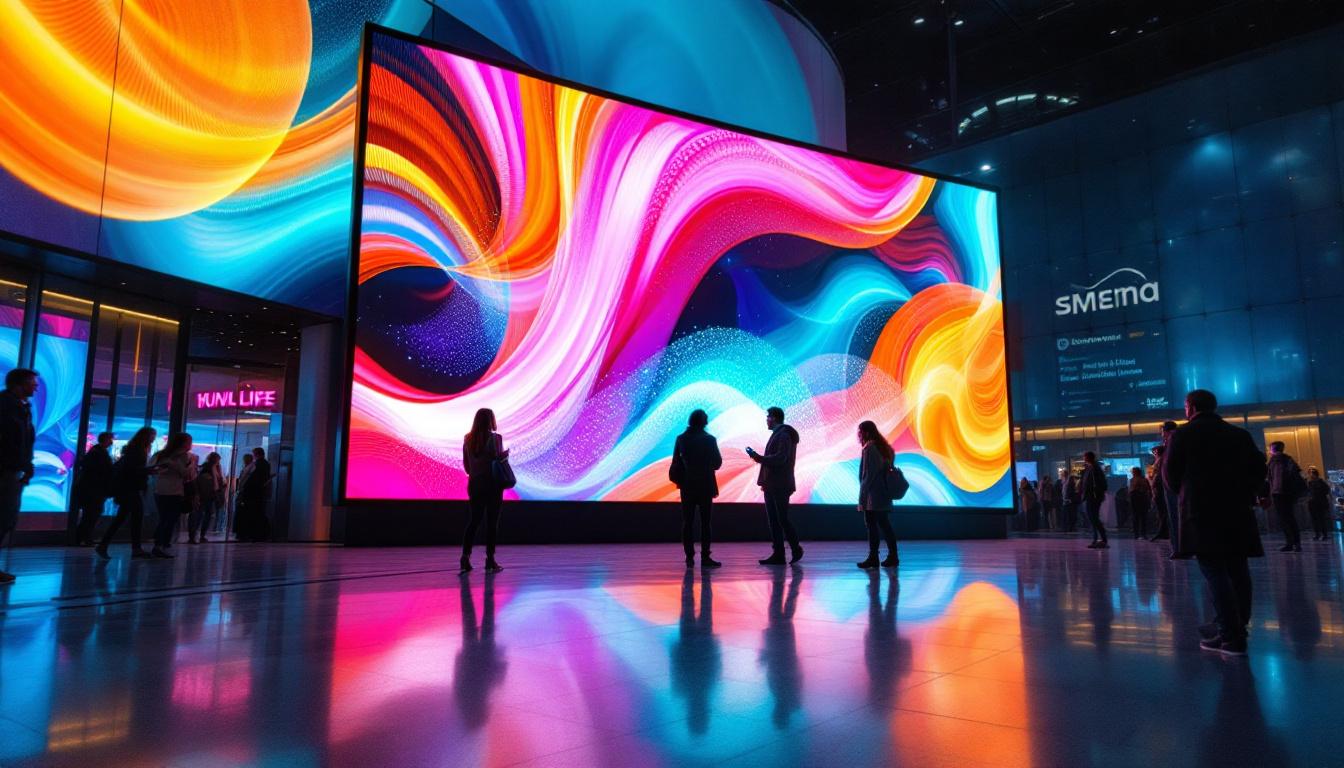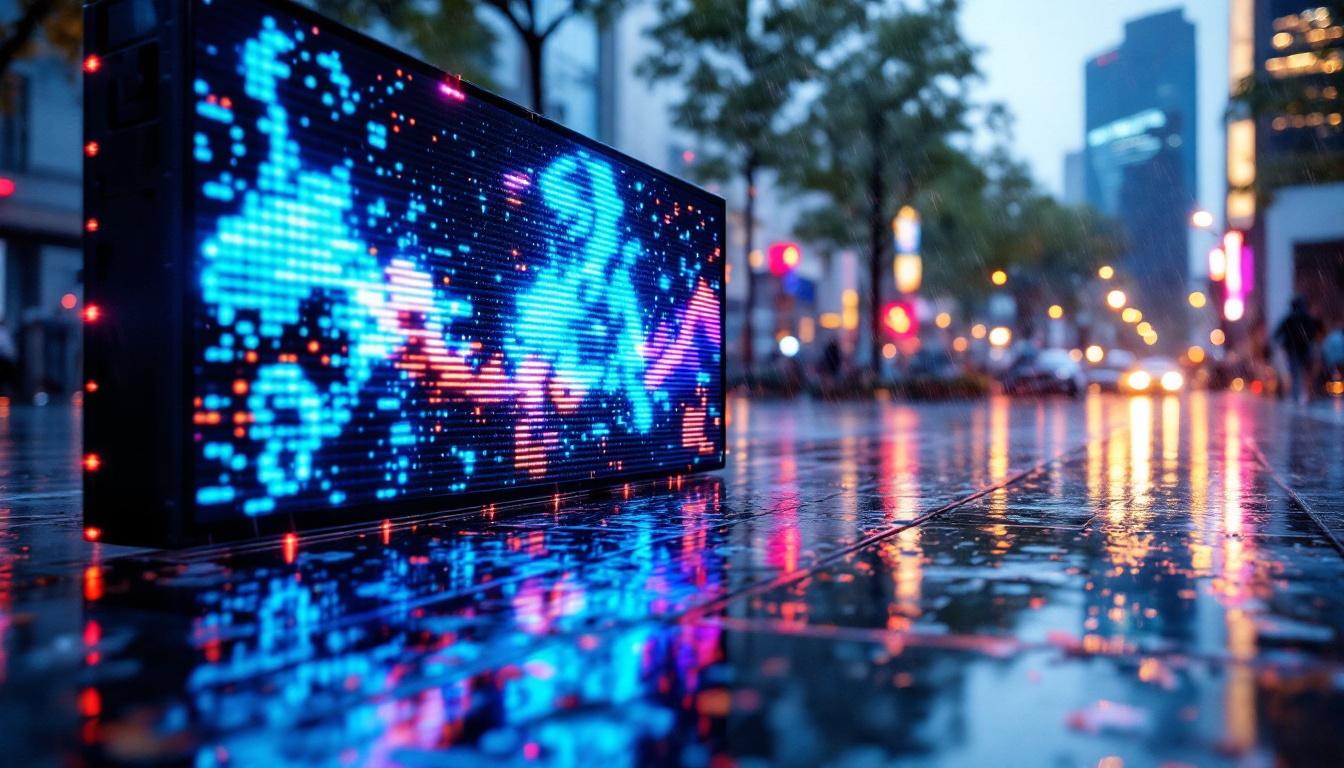
In an era where digital signage is becoming ubiquitous, outdoor LED displays have revolutionized how businesses, municipalities, and event organizers communicate with the public. These vibrant, dynamic screens provide unparalleled visibility and engagement, even in challenging weather conditions. However, the key to their reliability and longevity lies in their waterproof design and robust construction. This article delves into the essentials of waterproof outdoor LED displays, exploring their technology, benefits, and practical considerations for deployment.
Understanding Outdoor LED Displays
LED (Light Emitting Diode) displays have become the preferred choice for outdoor digital signage due to their brightness, energy efficiency, and flexibility. Unlike traditional LCD or projection screens, LED displays emit their own light, making them visible even under direct sunlight. This intrinsic brightness is crucial for outdoor applications where ambient light can wash out less luminous displays. Furthermore, the energy efficiency of LED technology not only reduces operational costs but also minimizes environmental impact, making it a sustainable choice for businesses looking to enhance their visibility while being mindful of their carbon footprint.
Outdoor LED displays consist of thousands of tiny LEDs arranged in a grid, each capable of producing red, green, and blue light. By varying the intensity of each color, these LEDs can render millions of colors, enabling vivid and eye-catching visuals. The pixel pitch—distance between the centers of two adjacent pixels—determines the resolution and viewing distance. For outdoor use, pixel pitches typically range from 4mm to 20mm, balancing clarity and cost. Displays with smaller pixel pitches provide higher resolution images and are ideal for closer viewing distances, such as in urban environments or at events, where detail is paramount for engaging audiences.
Why Waterproofing Matters
Outdoor environments expose LED displays to a variety of elements: rain, snow, dust, humidity, and temperature fluctuations. Without proper protection, moisture can infiltrate the display’s electronics, causing short circuits, corrosion, and eventual failure. Waterproofing ensures that the display remains operational and safe, maintaining image quality and extending the product’s lifespan. Additionally, many manufacturers incorporate advanced thermal management systems into their designs to prevent overheating, which can be exacerbated by outdoor conditions, ensuring that the displays function optimally in both hot and cold climates.
Waterproofing is not just about preventing water ingress; it also involves shielding the display from dust and debris, which can accumulate and degrade performance. The industry standard for measuring protection levels is the IP (Ingress Protection) rating, which classifies the degree of protection against solids and liquids. For outdoor LED displays, an IP65 rating or higher is generally recommended, indicating complete protection against dust and low-pressure water jets. Moreover, some high-end models may offer additional features such as anti-reflective coatings and UV protection, which further enhance visibility and durability, ensuring that the displays remain vibrant and functional over time, even in the harshest outdoor conditions. This attention to detail not only improves the longevity of the displays but also enhances the overall user experience, making them a worthwhile investment for businesses and advertisers alike.
Key Features of Waterproof Outdoor LED Displays
Robust Enclosure and Materials
The enclosure of an outdoor LED display is typically constructed from durable materials such as aluminum alloy or stainless steel. These materials offer resistance to corrosion and mechanical impact. The front panel is often covered with a tempered glass or polycarbonate sheet, which is not only waterproof but also anti-reflective to enhance visibility.
Sealing techniques, including rubber gaskets and silicone sealants, are employed at joints and seams to prevent water ingress. Additionally, ventilation systems are designed to allow heat dissipation while blocking moisture and dust, maintaining optimal operating temperatures without compromising waterproofing. The design also incorporates drainage systems that channel any accumulated water away from sensitive electronic components, further safeguarding the display’s integrity. This meticulous attention to construction details ensures that outdoor LED displays can endure harsh environmental conditions, making them a reliable choice for various applications.
High Brightness and Contrast
Outdoor LED displays must overcome the challenge of ambient light, which can significantly reduce screen visibility. To address this, waterproof outdoor displays are engineered with high-brightness LEDs, often exceeding 5,000 nits. For context, typical indoor displays operate at around 300-500 nits. This level of brightness ensures that the content remains clear and vibrant even on sunny days.
Contrast ratio is equally important to enhance image depth and readability. Advanced LED modules use technologies such as dynamic contrast control and local dimming to improve visual performance under varying lighting conditions. Furthermore, many outdoor displays are equipped with intelligent sensors that automatically adjust brightness levels based on the surrounding light, ensuring optimal visibility at all times. This adaptability not only enhances user experience but also contributes to energy efficiency, as the display can lower its brightness in darker conditions, reducing power consumption without sacrificing performance.
Weather and Temperature Resistance
Besides waterproofing, outdoor LED displays must withstand temperature extremes. Most are designed to operate reliably within a range of -20°C to 50°C (-4°F to 122°F), with some models capable of functioning in even more severe climates. Integrated heating and cooling systems, such as fans and heaters, help maintain stable internal temperatures and prevent condensation.
UV-resistant coatings protect the display from sun damage, preventing color fading and material degradation over time. These features collectively ensure consistent performance regardless of weather conditions. Additionally, many outdoor LED displays are subjected to rigorous testing for wind resistance, ensuring they can withstand strong gusts without compromising structural integrity. This level of durability is essential for installations in exposed areas, such as stadiums or outdoor advertising spaces, where they are constantly exposed to the elements. The combination of these advanced features not only enhances the longevity of the displays but also guarantees that they remain a powerful tool for communication and advertising across diverse environments.
Applications of Waterproof Outdoor LED Displays
Advertising and Marketing
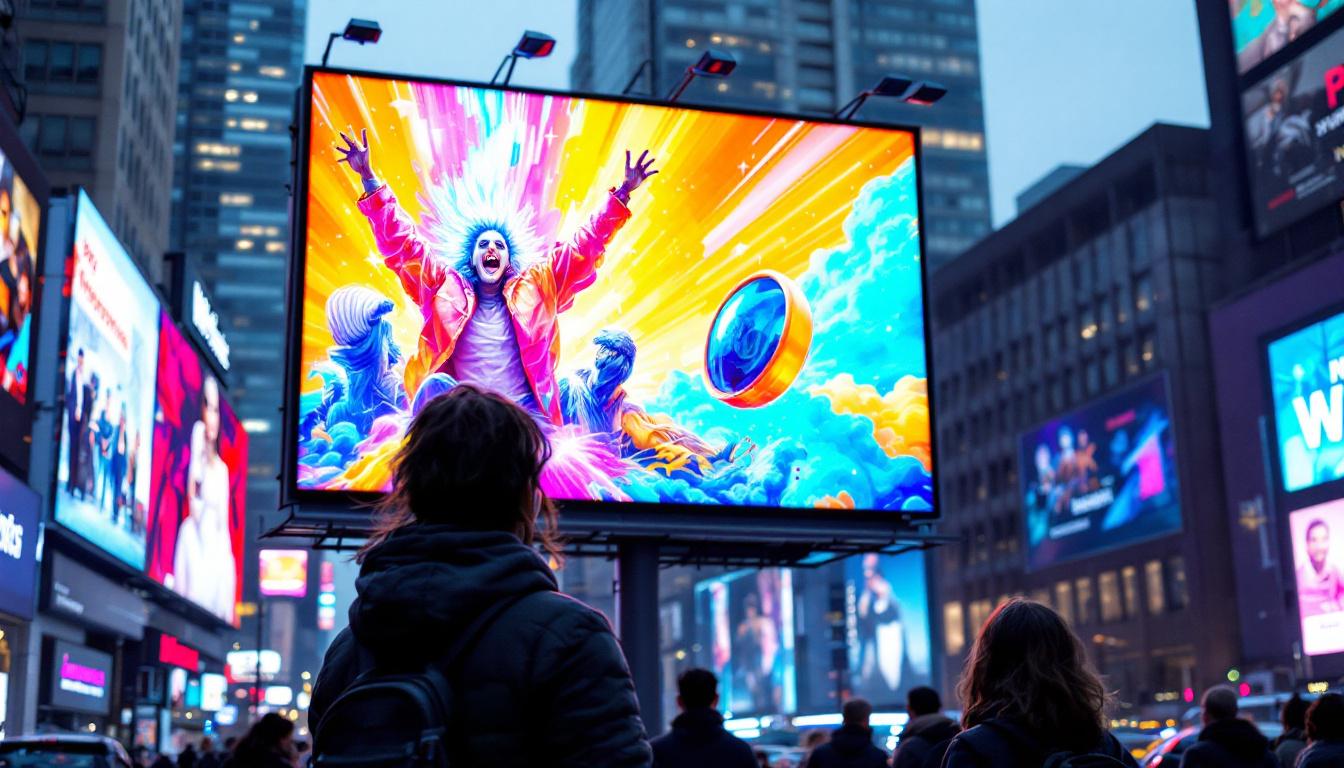
One of the most common uses of waterproof outdoor LED displays is in advertising. Billboards, storefront signage, and transit ads leverage these displays to deliver dynamic, eye-catching content that can be updated remotely in real time. According to a 2023 report by Grand View Research, the global digital signage market is expected to reach $31.71 billion by 2028, driven largely by outdoor LED display adoption.
The ability to display video, animations, and real-time information enhances engagement and conversion rates compared to static signage. Moreover, waterproofing ensures uninterrupted operation regardless of weather, maximizing advertising reach.
Public Information and Safety
Municipalities and transportation authorities use waterproof outdoor LED displays to communicate critical information such as traffic updates, emergency alerts, and public announcements. For example, digital road signs equipped with waterproof LEDs can instantly relay warnings about accidents, road closures, or severe weather, improving safety and traffic flow.
During emergencies, these displays can be vital tools for disseminating instructions and updates to the public, underscoring the importance of reliable, weather-resistant technology.
Events and Entertainment
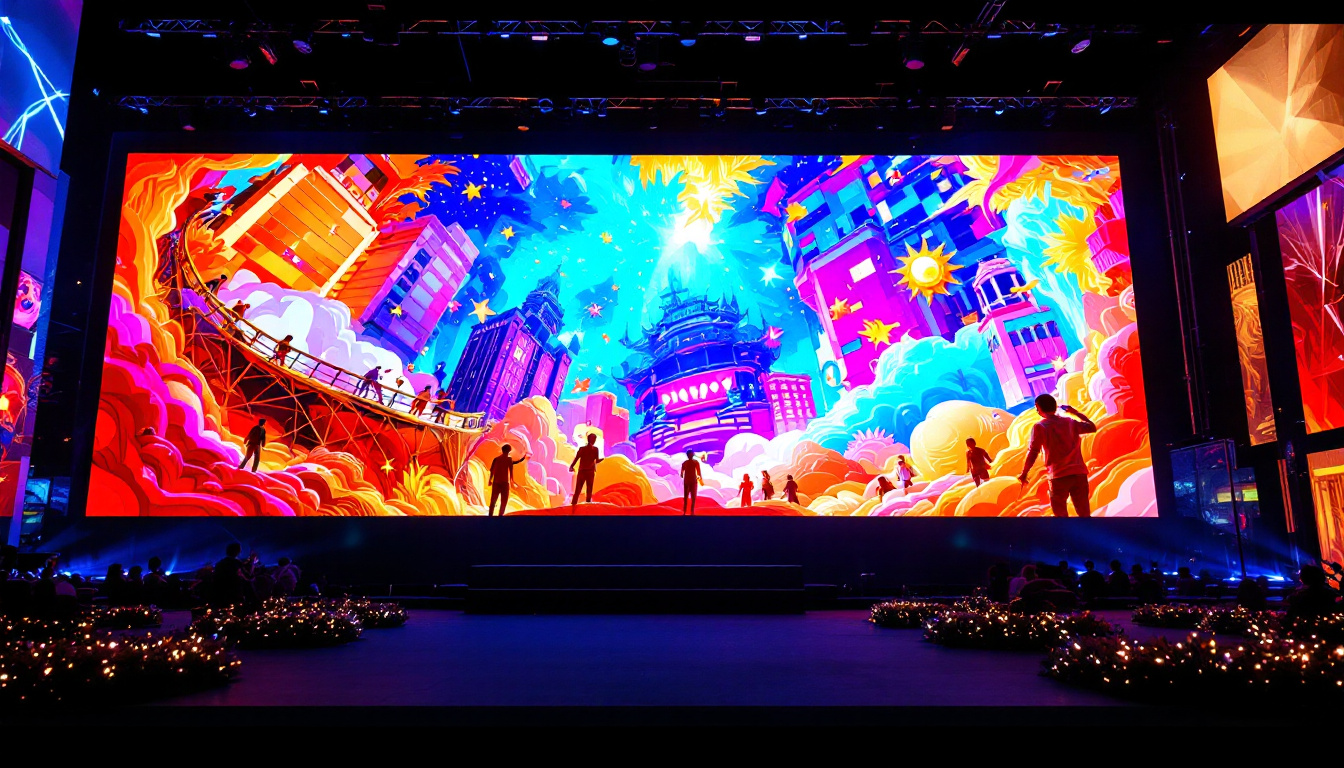
Outdoor concerts, sports events, and festivals frequently employ waterproof LED displays to enhance the audience experience. Large-format screens provide live video feeds, event schedules, and sponsor messages, ensuring visibility even in adverse weather. The portability and modularity of many waterproof LED systems allow for flexible configurations tailored to different venues and crowd sizes.
Choosing the Right Waterproof Outdoor LED Display
Assessing Environmental Conditions
Before selecting an outdoor LED display, it is essential to evaluate the specific environmental challenges of the installation site. Factors such as average rainfall, humidity levels, temperature ranges, and exposure to direct sunlight will influence the choice of waterproofing level, brightness, and materials.
For coastal areas with salty air, corrosion-resistant materials and higher IP ratings are advisable. In regions with heavy snowfall, displays with integrated heating elements to prevent ice buildup are beneficial.
Resolution and Viewing Distance
Choosing the appropriate pixel pitch and resolution depends on the typical viewing distance. For example, a display with a 10mm pixel pitch is suitable for viewers standing 10 meters or more away, while a 4mm pitch is better for closer viewing. Higher resolution displays tend to be more expensive but provide sharper images for detailed content.
Maintenance and Serviceability
Outdoor LED displays require regular maintenance to ensure longevity and performance. Features such as front-access modules simplify servicing, reducing downtime and labor costs. Additionally, choosing displays with remote monitoring capabilities allows operators to detect and address issues proactively.
Installation and Best Practices
Proper Mounting and Positioning
Secure mounting is critical for safety and optimal performance. Displays should be installed on sturdy structures capable of withstanding wind loads and vibrations. The orientation and tilt angle should minimize glare and maximize visibility for the target audience.
Electrical connections must be weatherproofed, and grounding is essential to protect against lightning strikes and electrical surges.
Power and Connectivity Considerations
Reliable power supply and data connectivity are vital for continuous operation. Outdoor LED displays often incorporate backup power solutions such as UPS (Uninterruptible Power Supply) systems to handle outages. Wireless or fiber-optic data connections enable real-time content updates and remote management.
Future Trends in Waterproof Outdoor LED Displays
Technological advancements continue to enhance the capabilities of outdoor LED displays. Innovations such as micro-LED technology promise even higher brightness and energy efficiency with improved durability. Additionally, integration with IoT (Internet of Things) platforms allows for smarter, context-aware signage that can adapt content based on environmental data or audience demographics.
Environmental sustainability is also gaining attention, with manufacturers developing displays that use recyclable materials and consume less power. These trends indicate a bright future for waterproof outdoor LED displays as essential tools for communication in public spaces.
Conclusion
Waterproof outdoor LED displays represent a powerful medium for delivering vibrant, reliable digital content in any weather condition. Their robust construction, high brightness, and weather resistance make them indispensable for advertising, public safety, events, and more. Understanding the technology and key considerations behind these displays enables informed decisions that maximize investment and impact.
As the digital signage landscape evolves, waterproof outdoor LED displays will continue to play a pivotal role in shaping how information and advertising are presented in the public sphere, combining durability with cutting-edge visual performance.
Discover LumenMatrix’s Advanced LED Solutions
Ready to elevate your outdoor communication with robust and vibrant displays? Explore LumenMatrix’s innovative range of LED display solutions, designed to captivate and engage your audience in any environment. From dynamic outdoor LED walls to versatile vehicle displays, our state-of-the-art products are crafted to deliver your message with unparalleled clarity and impact. Check out LumenMatrix LED Display Solutions today and transform your visual storytelling into an unforgettable experience.