In recent years, LED display technology has revolutionized the way businesses, cities, and event organizers communicate visually. Among the most innovative advancements is the development of waterproof LED walls, which combine vibrant digital signage with robust protection against environmental elements. This article explores the technology behind waterproof LED walls, their applications, benefits, and considerations for choosing the right display solution.
Understanding Waterproof LED Walls
What is a Waterproof LED Wall?
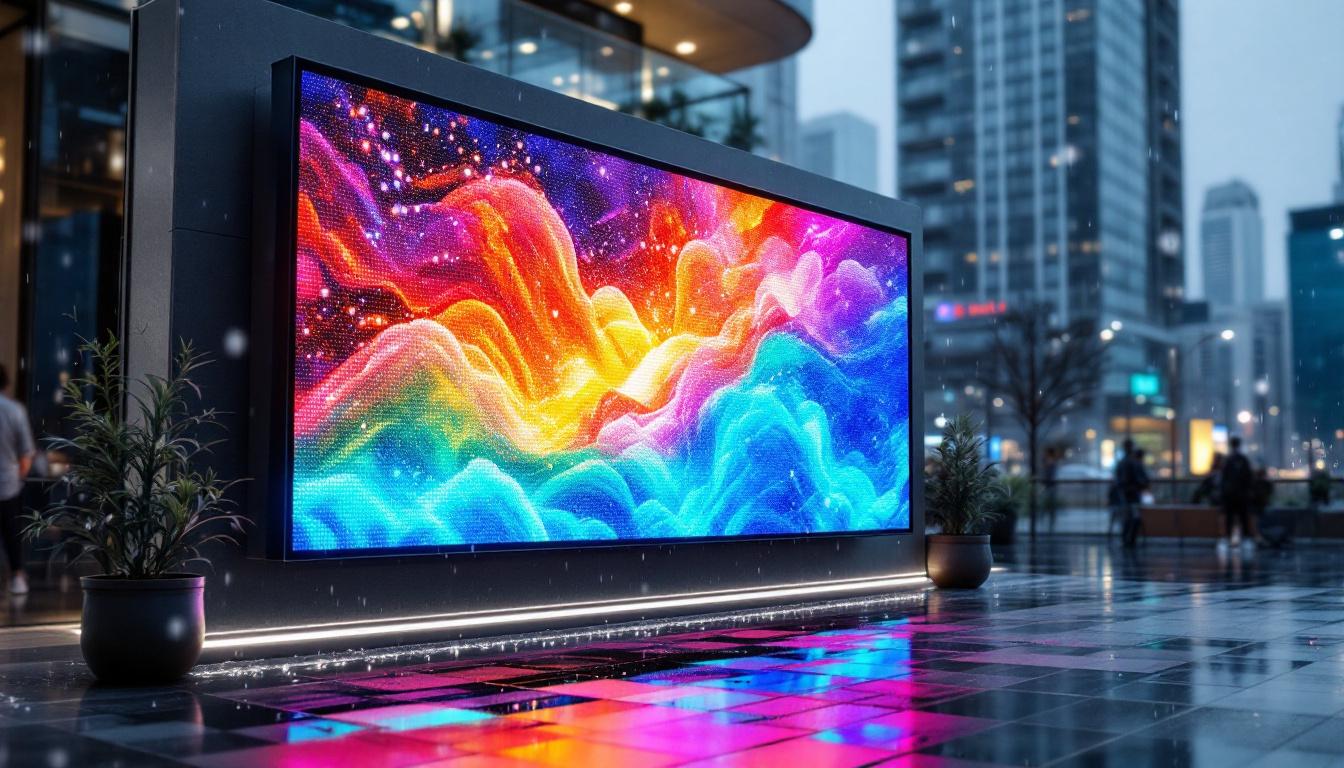
A waterproof LED wall is a large-scale digital display composed of multiple LED modules designed to resist water ingress. These walls are engineered to function flawlessly in outdoor environments where exposure to rain, humidity, and other weather conditions is inevitable. The waterproofing ensures longevity, reliability, and consistent performance regardless of the weather.
Unlike traditional indoor LED displays, waterproof LED walls feature specialized enclosures, seals, and coatings that protect sensitive electronic components. This protection is typically rated by an IP (Ingress Protection) code, which indicates the level of resistance against solids and liquids. For example, an IP65 rating means the display is dust-tight and can withstand water jets from any direction.
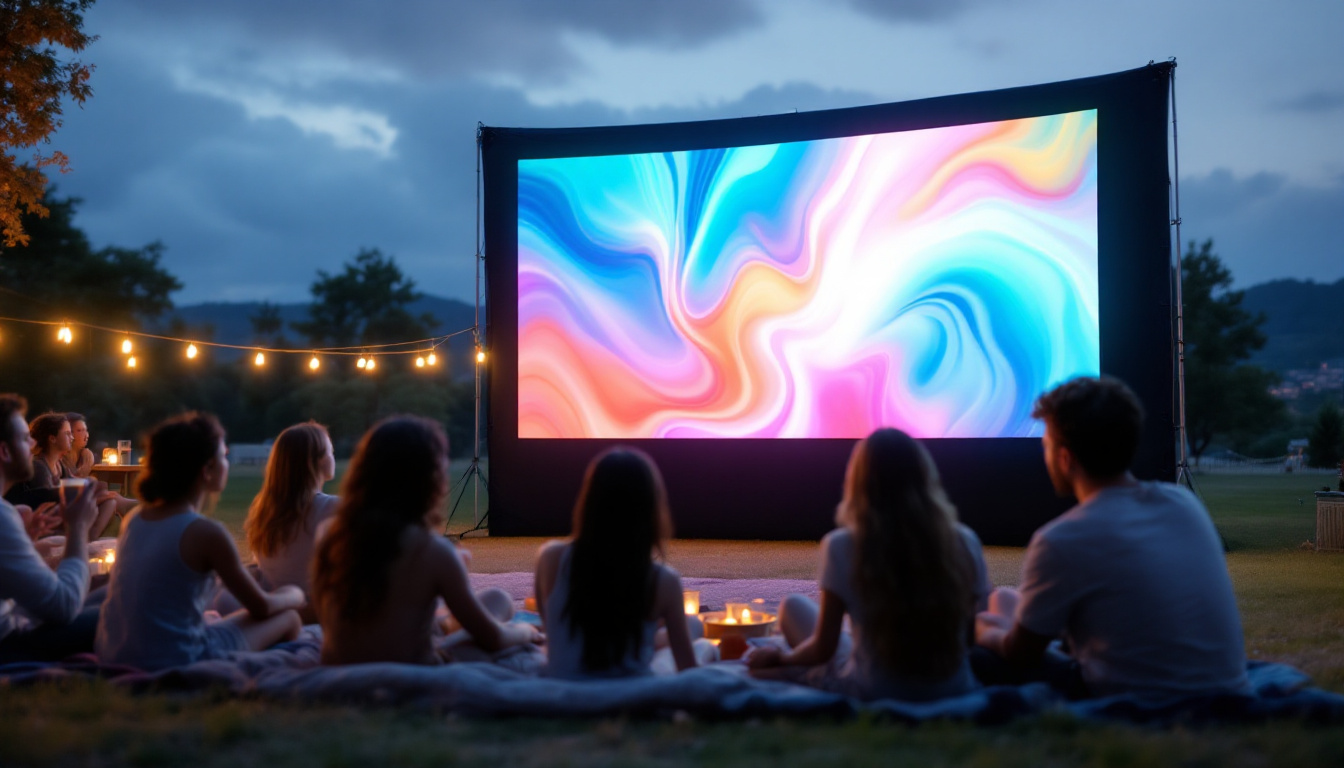
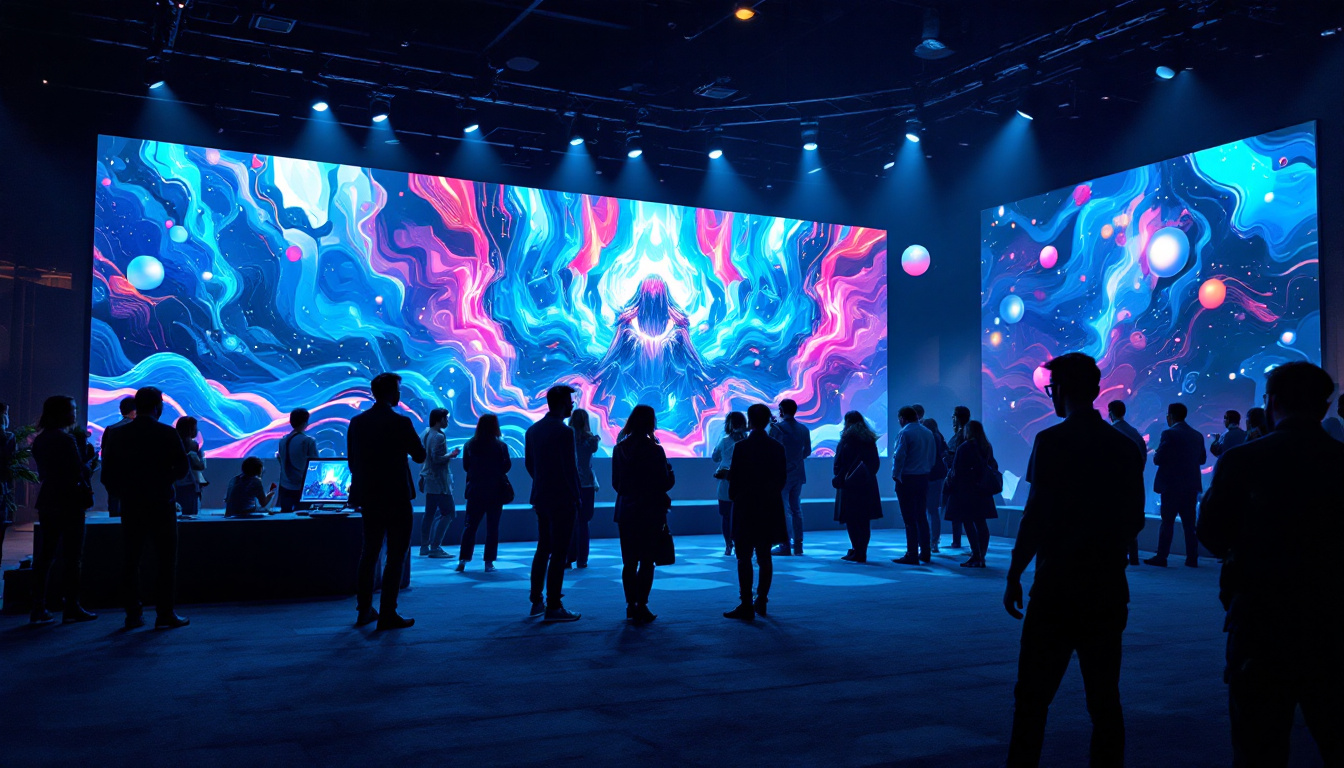
These advanced displays are increasingly popular for various applications, including outdoor advertising, concerts, sporting events, and public information displays. Their vibrant colors and high brightness levels ensure that the content remains visible even in direct sunlight, making them an ideal choice for outdoor venues where visibility is crucial. The ability to showcase dynamic content in real-time allows businesses and organizations to engage audiences effectively, enhancing the overall experience.
How Waterproofing is Achieved
Waterproofing an LED display involves several technical strategies. First, the LED modules are encased in weatherproof housing made from materials like aluminum or high-grade plastic. These housings include rubber gaskets and silicone seals to prevent water entry at joints and seams.
Additionally, the connectors and cables are designed to be waterproof, often with protective covers or coatings. The circuit boards inside the modules may be coated with conformal coatings that repel moisture and prevent corrosion. Ventilation systems are also carefully designed to avoid water ingress while allowing heat dissipation.
Moreover, the design of waterproof LED walls often incorporates drainage systems to channel any accumulated water away from the display, further enhancing their resilience against adverse weather conditions. This attention to detail in engineering not only safeguards the electronics but also minimizes maintenance needs, ensuring that the displays remain operational for extended periods. As technology advances, manufacturers continue to innovate, developing even more robust solutions that enhance both performance and durability, making waterproof LED walls a reliable choice for a variety of outdoor applications.
Applications of Waterproof LED Walls
Outdoor Advertising and Digital Billboards
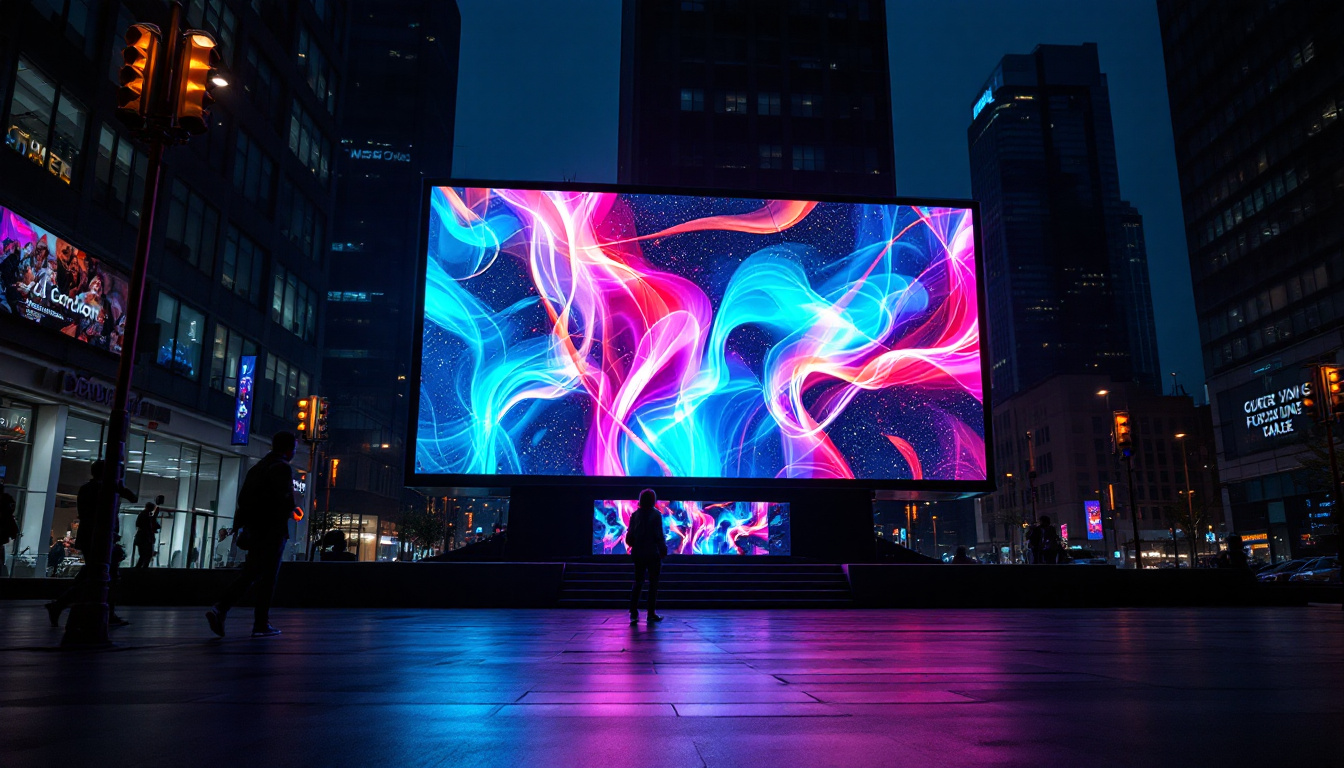
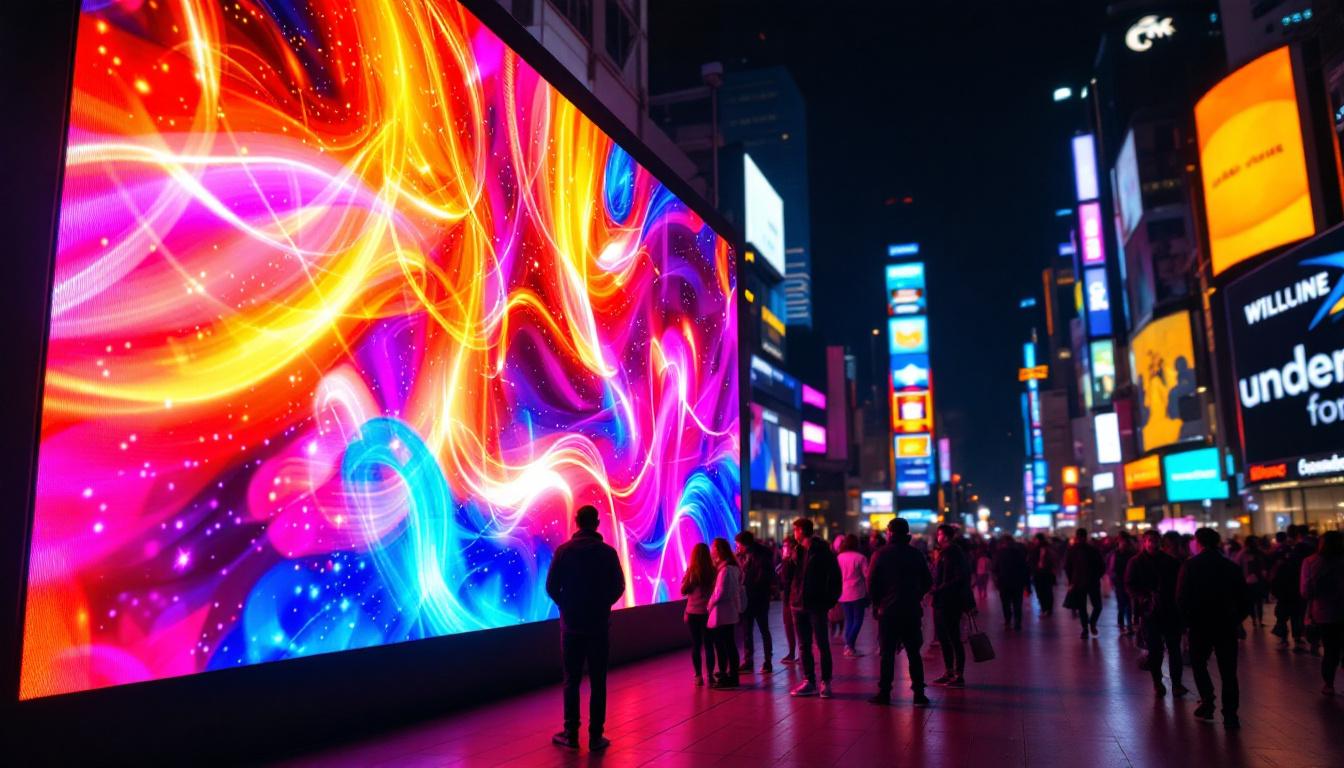
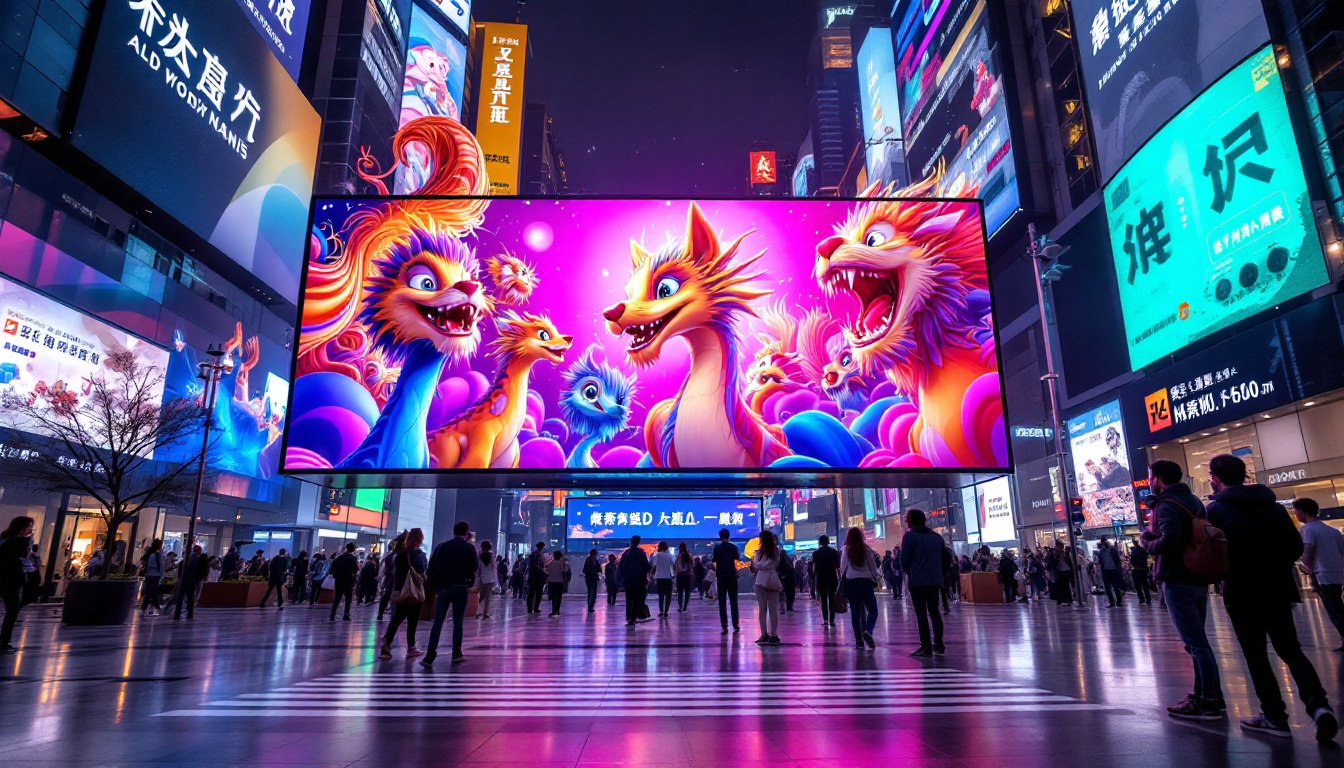
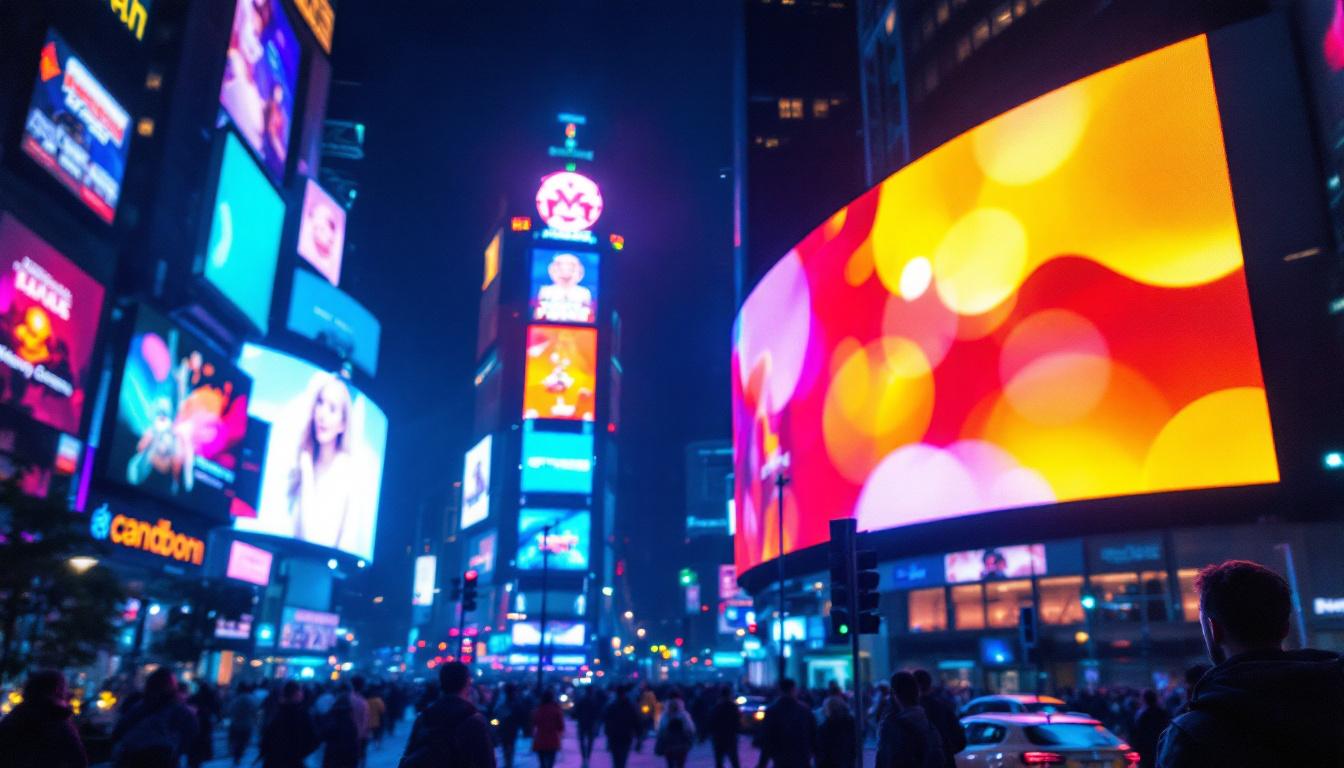
One of the most widespread uses of waterproof LED walls is in outdoor advertising. Digital billboards equipped with waterproof LED technology offer dynamic, eye-catching content that can be updated in real-time. According to the Outdoor Advertising Association of America, digital out-of-home advertising spending reached $4.6 billion in 2023, highlighting the growing demand for such displays.
Waterproof LED walls enable advertisers to display vibrant images and videos even in harsh weather conditions, ensuring continuous visibility. Their brightness levels, often exceeding 5,000 nits, make them easily readable under direct sunlight, a crucial factor for outdoor advertising effectiveness. This adaptability not only enhances brand visibility but also allows for creative campaigns that can change based on the time of day or current events, maximizing engagement with potential customers.
Moreover, the integration of sensors and smart technology into these displays allows for targeted advertising based on audience demographics and behaviors. For instance, some digital billboards can adjust their content based on the time of day or the weather, displaying warm, inviting images during colder months or promoting summer sales when the sun is shining. This level of customization ensures that advertisers can reach their audience more effectively, driving higher conversion rates and increasing return on investment.
Sports Arenas and Event Venues
Sports stadiums and large event venues frequently utilize waterproof LED walls to enhance the spectator experience. These displays provide live scores, instant replays, advertisements, and interactive content. The waterproof design ensures that rain or snow does not interrupt the display’s operation, maintaining engagement throughout the event.
For example, major international sports events like the FIFA World Cup and the Olympics have incorporated waterproof LED walls to deliver high-definition content to tens of thousands of attendees, demonstrating the technology’s scalability and reliability. These installations not only serve as a source of entertainment but also play a vital role in fan engagement, offering interactive features such as voting for the player of the match or participating in live polls during the game.
Additionally, the use of waterproof LED walls in sports arenas extends beyond just displaying scores and advertisements. They can also be utilized for immersive experiences, such as augmented reality features that allow fans to view player stats or replays from different angles through their mobile devices. This integration of technology enhances the overall atmosphere of the venue and creates a more memorable experience for attendees, encouraging them to return for future events.
Architectural and Public Installations
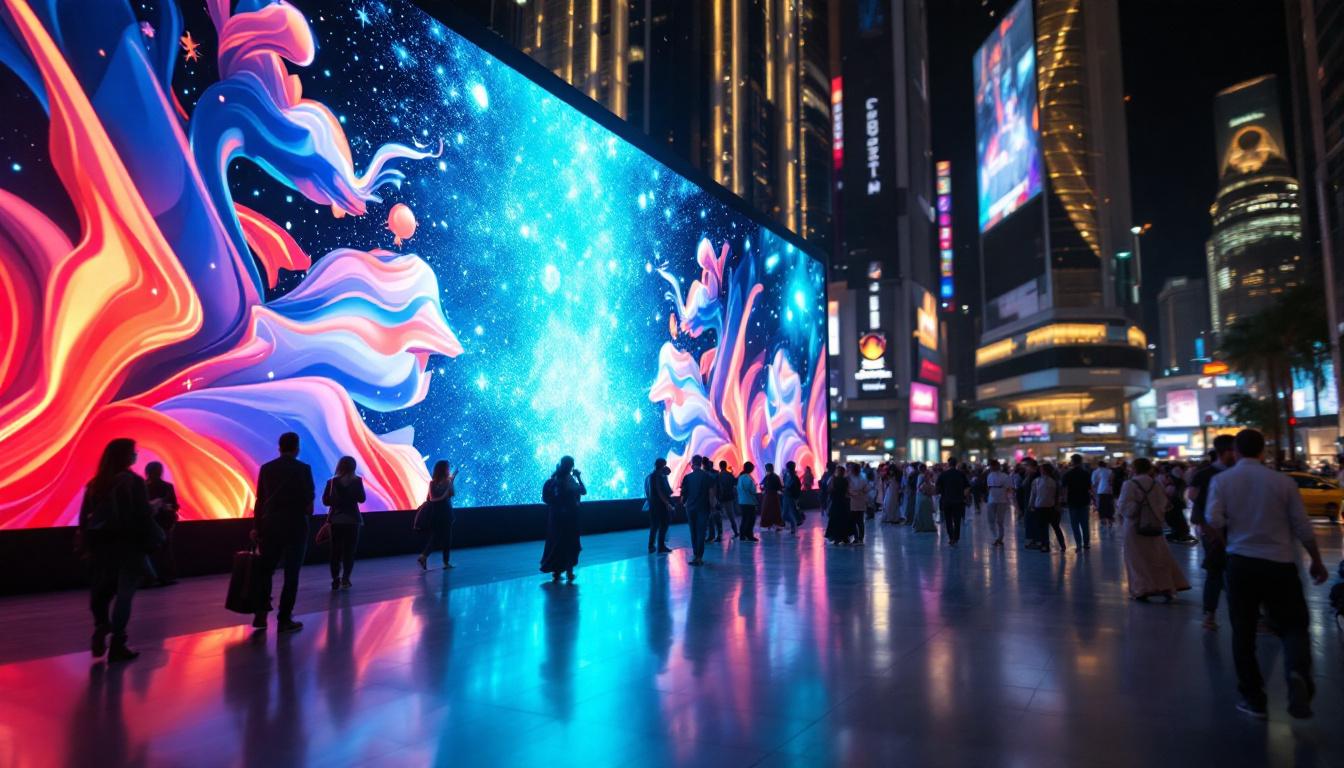
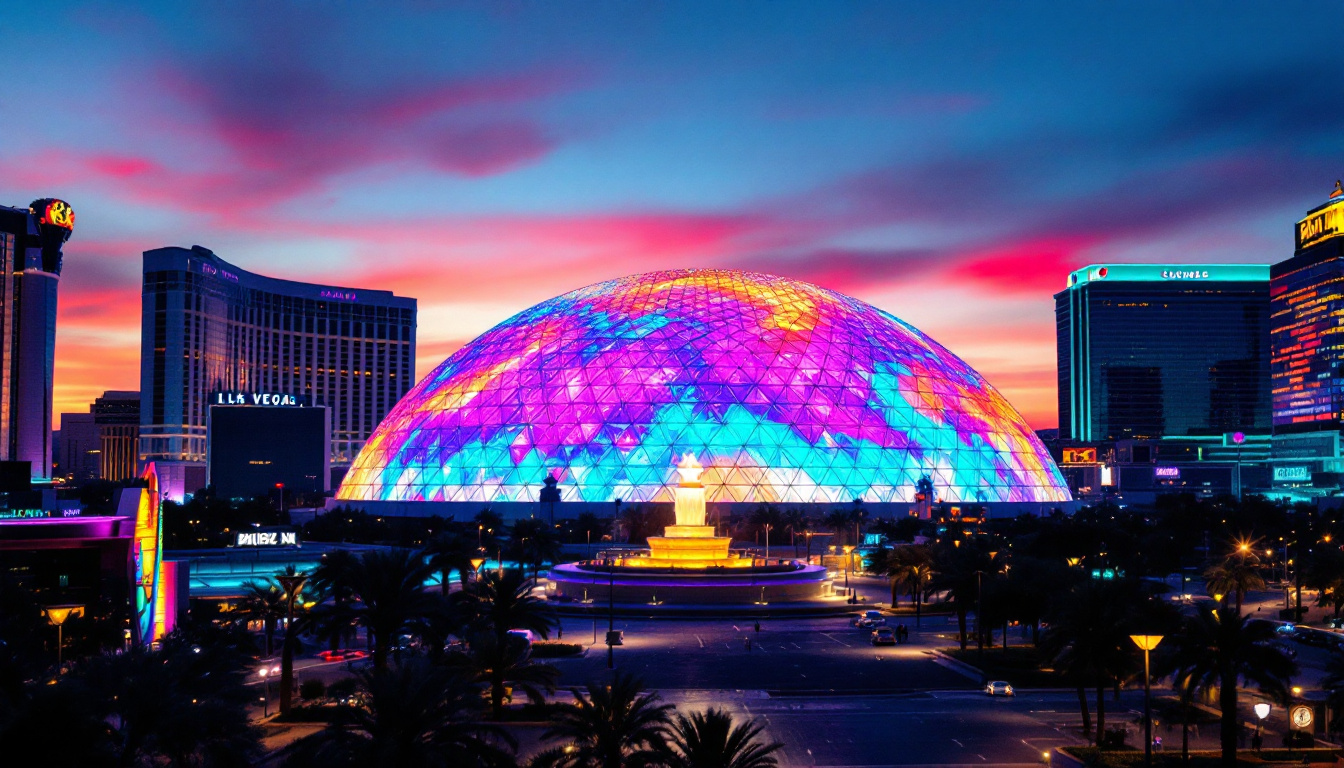
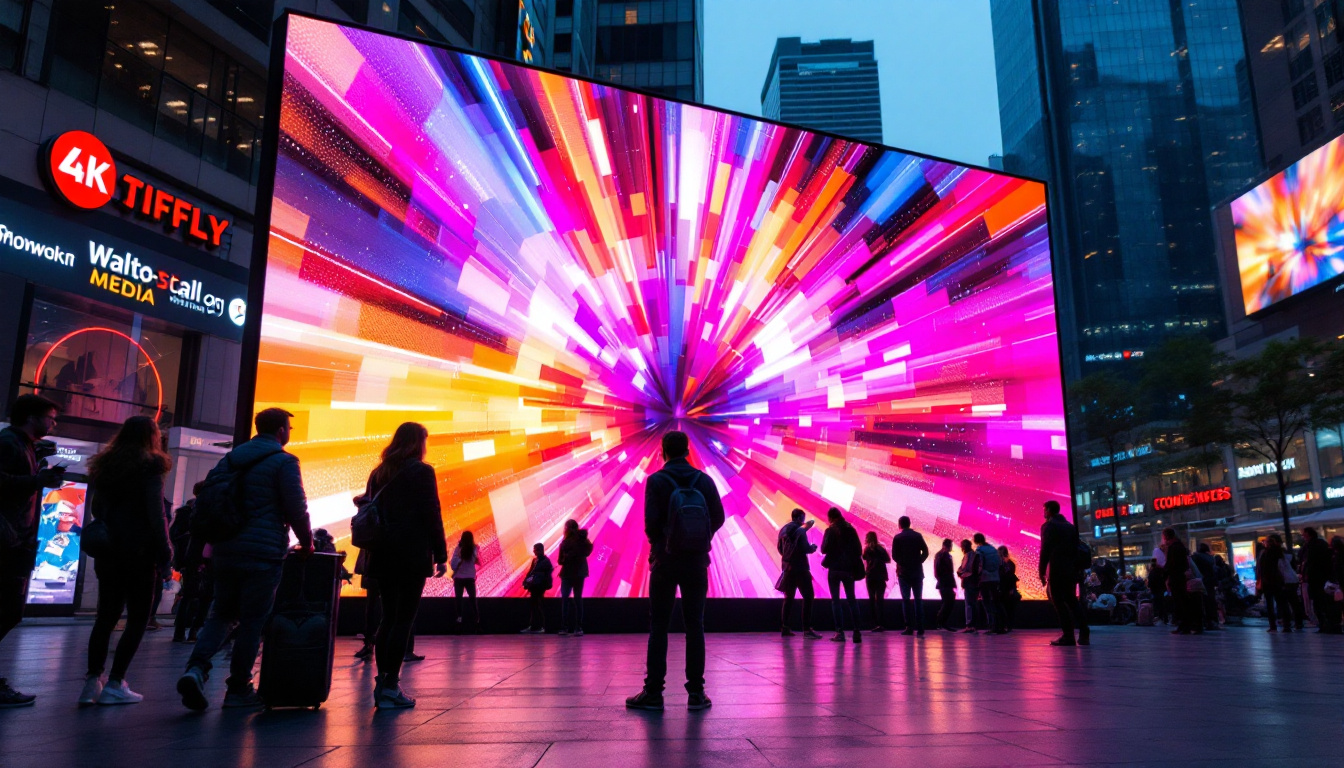
Waterproof LED walls are increasingly used in architectural applications, such as building facades and public art installations. These displays transform static surfaces into dynamic canvases, capable of showing animations, light shows, and informational content.
In urban environments, waterproof LED walls contribute to smart city initiatives by displaying real-time data such as weather updates, traffic information, and emergency alerts. Their durability ensures they remain operational in diverse climatic conditions, from humid coastal cities to snowy mountain towns. This functionality not only enhances the aesthetic appeal of urban landscapes but also serves a practical purpose, keeping citizens informed and engaged with their surroundings.
Furthermore, these installations can foster community interaction by showcasing local artists or cultural events, turning public spaces into vibrant hubs of creativity and expression. By integrating art with technology, cities can promote local talent while also providing residents and visitors with an engaging visual experience. As cities continue to evolve, the role of waterproof LED walls in shaping public spaces and enhancing urban life will undoubtedly grow, making them an essential component of modern architectural design.
Key Benefits of Waterproof LED Walls
Durability and Weather Resistance
The primary advantage of waterproof LED walls is their resilience against environmental factors. Rain, snow, dust, and extreme temperatures can damage conventional electronic displays, but waterproof LED walls are built to withstand these challenges.
This durability translates to lower maintenance costs and longer service life. For businesses and municipalities, investing in waterproof LED technology means fewer interruptions and reduced risk of costly repairs.
High Brightness and Visibility
Waterproof LED walls are designed to deliver high brightness levels, often adjustable to suit varying ambient light conditions. This ensures content remains visible during bright daylight hours and at night.
Moreover, LED technology offers superior color accuracy and contrast compared to older display technologies like LCD or projection. This enhances the viewer’s experience, making messages more impactful and engaging.
Energy Efficiency and Sustainability
Modern LED displays are energy-efficient, consuming significantly less power than traditional lighting or projection systems. Waterproof LED walls benefit from these efficiencies, often incorporating energy-saving features such as automatic brightness adjustment based on ambient light sensors.
Energy efficiency not only reduces operational costs but also aligns with sustainability goals, an increasingly important consideration for organizations looking to minimize their environmental footprint.
Considerations When Choosing a Waterproof LED Wall
IP Rating and Environmental Suitability
When selecting a waterproof LED wall, understanding the IP rating is crucial. The first digit in the IP code indicates protection against solids like dust, while the second digit refers to water resistance. For outdoor applications, an IP65 or higher rating is generally recommended.
However, specific environmental conditions may require higher ratings. Coastal areas with salt spray, industrial zones with chemical exposure, or regions prone to heavy storms might necessitate additional protective measures or specialized coatings.
Pixel Pitch and Resolution
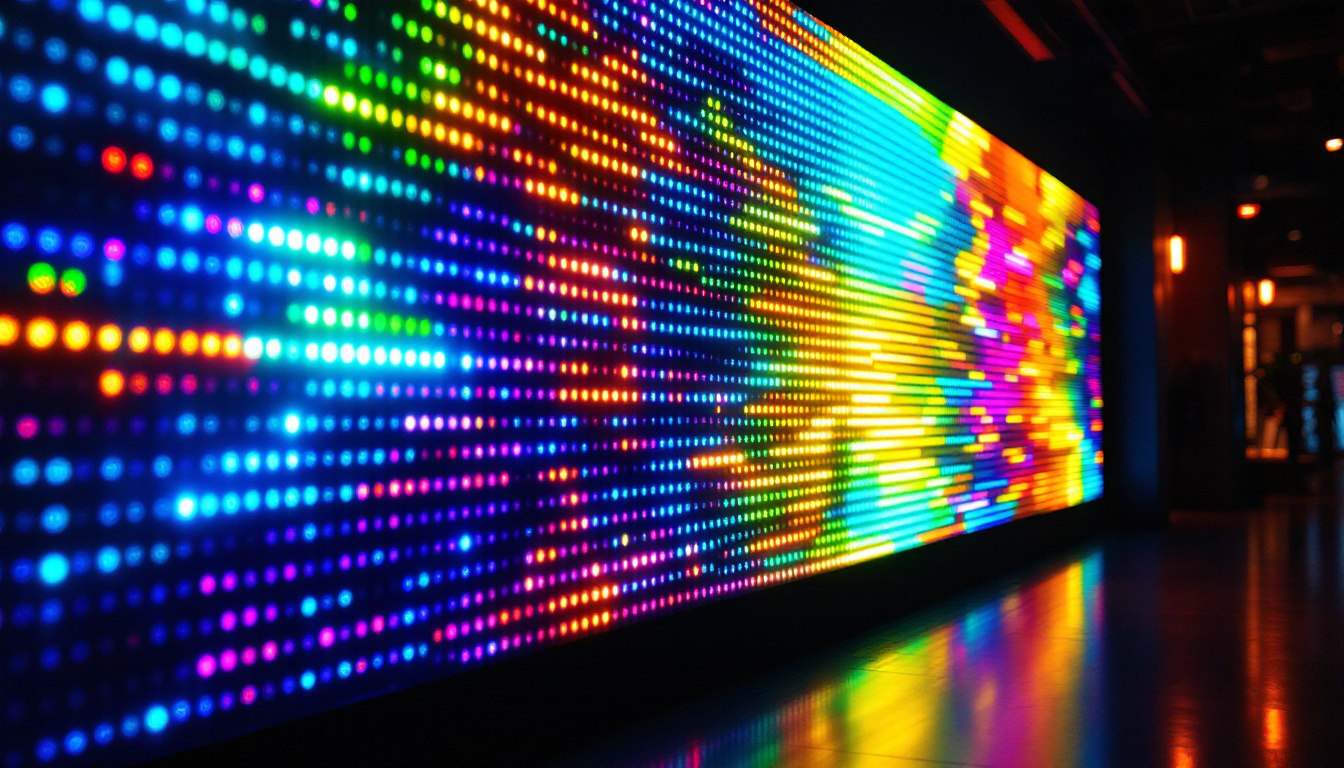
Pixel pitch—the distance between individual LED pixels—affects the display’s resolution and viewing distance. Smaller pixel pitches provide higher resolution and are suitable for close-up viewing, while larger pitches are cost-effective for displays viewed from a distance.
For example, a waterproof LED wall with a 3mm pixel pitch is ideal for interactive public installations where viewers are nearby, whereas a 10mm pitch may suffice for highway billboards.
Brightness and Contrast Requirements
Brightness is measured in nits, with outdoor displays typically requiring 5,000 nits or more to remain visible in direct sunlight. Contrast ratio also impacts image quality, especially in varying lighting conditions.
Choosing a display with adjustable brightness and high contrast ensures optimal visibility and energy efficiency, adapting to different times of day and weather conditions.
Installation and Maintenance
Proper installation is essential for waterproof LED walls to perform as intended. This includes secure mounting, adequate ventilation, and ensuring all seals and connections are correctly applied.
Maintenance considerations include ease of module replacement, cleaning procedures, and access to electronic components. Many modern waterproof LED walls feature front-serviceable designs, allowing maintenance without dismantling the entire structure.
Future Trends in Waterproof LED Wall Technology
Advancements in Materials and Coatings
Ongoing research into nanomaterials and advanced polymers is leading to even more effective waterproofing solutions. These innovations promise thinner, lighter enclosures that maintain or improve protection levels, facilitating easier installation and design flexibility.
Integration with Smart Technologies
Waterproof LED walls are increasingly integrated with IoT (Internet of Things) technologies, enabling remote monitoring, diagnostics, and content management. Sensors embedded within the displays can provide real-time data on temperature, humidity, and operational status, allowing proactive maintenance and energy optimization.
Enhanced Interactivity and AI
Future waterproof LED walls may incorporate AI-driven features such as facial recognition, gesture control, and personalized content delivery. These capabilities will transform static displays into interactive experiences, enhancing engagement in retail, entertainment, and public information sectors.
Conclusion
Waterproof LED walls represent a fusion of cutting-edge display technology and robust engineering, enabling vibrant, reliable digital signage in challenging outdoor environments. Their applications span advertising, sports, architecture, and smart city infrastructure, offering unmatched visibility and durability.
Choosing the right waterproof LED wall involves careful consideration of environmental factors, technical specifications, and maintenance needs. With ongoing advancements, these displays will continue to evolve, providing smarter, more interactive, and sustainable solutions for visual communication.
As businesses and communities increasingly rely on dynamic digital content, understanding the capabilities and benefits of waterproof LED walls is essential for making informed decisions that maximize impact and return on investment.
Discover LumenMatrix’s Advanced LED Solutions
Ready to elevate your visual communication with the latest in LED technology? LumenMatrix is at the forefront of creating immersive and durable LED displays that stand the test of time and elements. From captivating Indoor LED Walls to robust Outdoor LED Displays, our range caters to every need. Embrace the future with our innovative Vehicle LED Displays, LED Posters, Sports Displays, and more. Each solution is crafted to deliver unparalleled brand visibility and audience engagement. Check out LumenMatrix LED Display Solutions today and transform your space into a dynamic visual experience.