What Height Should A TV Be On The Wall: LED Display Explained
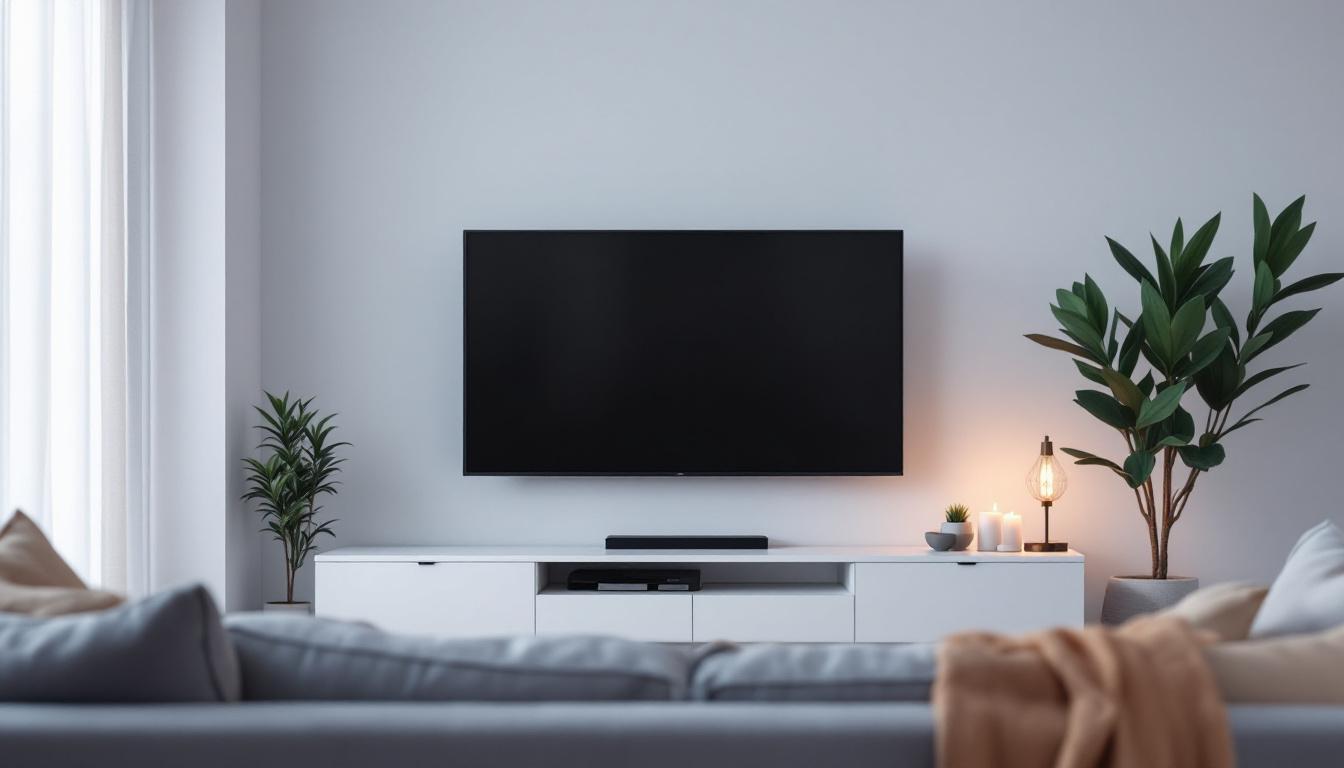
Mounting a TV on the wall is a popular choice for modern living spaces, offering a sleek, clutter-free look and optimizing viewing angles. However, one of the most common questions homeowners and interior designers face is: What height should a TV be on the wall? This question is especially relevant when dealing with LED displays, which have become the standard in television technology due to their superior picture quality and slim profiles.
Choosing the correct height for your LED TV is not just about aesthetics—it significantly impacts your viewing comfort, reduces eye strain, and enhances the overall entertainment experience. This comprehensive guide will explore the factors influencing the ideal TV mounting height, practical tips for installation, and insights into LED display technology to help you make an informed decision.
Understanding the Importance of TV Mounting Height
Before diving into specific measurements, it’s essential to understand why TV height matters. The position of your TV affects how comfortably you can watch it for extended periods. An improperly mounted TV can cause neck strain, headaches, and even negatively affect your posture.
According to a study published by the American Optometric Association, improper viewing angles can lead to eye strain and discomfort, especially when screens are viewed for long durations. This is particularly relevant in the era of binge-watching and immersive gaming, where viewers spend hours in front of their screens.
Moreover, the height at which you mount your TV influences the room’s aesthetics and functionality. A TV placed too high or too low can disrupt the room’s balance, interfere with furniture placement, and reduce the overall viewing experience. This consideration extends beyond mere comfort; it also impacts the overall design of your living space. A well-placed TV can serve as a focal point, enhancing the room’s ambiance and making it more inviting for guests.
Additionally, the mounting height can affect the acoustics of your space. Sound travels in waves, and the height of your TV can influence how sound is projected and perceived. If your TV is mounted too high, it may create a dissonance between the audio and visual elements, leading to a less immersive experience. Therefore, taking the time to assess both the visual and auditory aspects of your setup is crucial for achieving a truly enjoyable viewing environment.
How Viewing Angle Affects Comfort
The ideal viewing angle for a TV is generally considered to be straight on or slightly downward. This means your eyes should be level with the center of the screen or slightly above it. Viewing a TV mounted too high forces your neck to tilt upward, which can lead to discomfort over time.
Research by the Society of Motion Picture and Television Engineers (SMPTE) suggests that the optimal vertical viewing angle is within 15 degrees above or below the eye level. This range ensures minimal neck strain and optimal picture quality. Furthermore, the distance from the screen also plays a critical role in your overall viewing experience. As a rule of thumb, the distance should be approximately 1.5 to 2.5 times the diagonal size of the TV screen. This distance helps to maintain clarity and allows for a more immersive experience without straining your eyes.
In addition to these factors, the type of content you consume can also influence the ideal mounting height. For instance, if you frequently watch sports or action-packed films, a lower mounting height might enhance your engagement with the fast-paced visuals. Conversely, if you primarily enjoy documentaries or talk shows, a slightly elevated position may be more suitable, allowing for a relaxed viewing posture without compromising comfort. Understanding these nuances can help you create a tailored viewing experience that meets your specific needs and preferences.
Factors to Consider When Determining TV Height
There is no one-size-fits-all answer to the perfect TV mounting height because it depends on several variables. Understanding these factors will help tailor the installation to your specific environment and needs.
1. Seating Height and Distance
The height of your seating and the distance from the TV are primary considerations. For example, if your couch or chairs are low, the TV should be mounted lower to maintain eye level. Conversely, higher seating arrangements require a slightly elevated TV position.
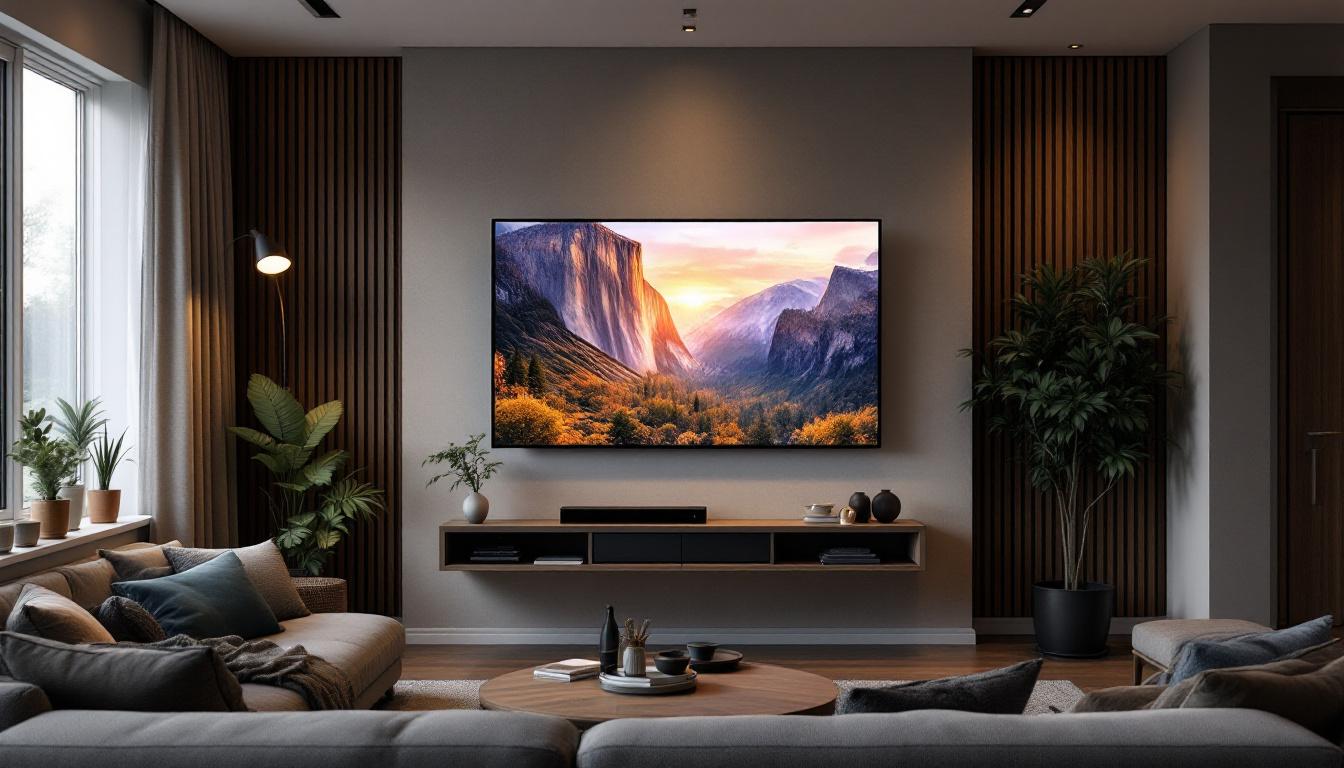
As a general rule, the center of the TV screen should be at eye level when seated. For most adults, this translates to about 42 inches (106 cm) from the floor to the center of the screen, but this can vary based on furniture height.
2. Screen Size and Viewing Distance
Larger screens require more careful placement. The ideal viewing distance is typically 1.5 to 2.5 times the diagonal size of the TV. For instance, a 55-inch TV should be viewed from approximately 6.5 to 11.5 feet away.
When mounting a large LED display, placing it too high can make it difficult to take in the entire screen comfortably. The goal is to ensure that your eyes naturally rest at the center of the screen without excessive head movement.
3. Room Layout and Lighting
The layout of your room, including furniture arrangement and natural light sources, can influence TV height. Glare from windows or overhead lights can reduce picture quality, so positioning the TV to minimize reflections is crucial.
In rooms with large windows or bright lighting, mounting the TV slightly higher or using anti-glare LED panels can improve visibility. Additionally, consider how the TV height integrates with other elements like fireplaces, shelving, or artwork.
4. Purpose of the TV
How you primarily use your TV also matters. For example, a TV used mainly for gaming might benefit from a slightly different height than one used for casual family viewing or home theater setups. Gamers often sit closer and may prefer the screen at eye level or slightly lower to reduce neck strain during long sessions.
How to Calculate the Ideal TV Mounting Height
While the factors above provide a framework, a practical calculation method can help pinpoint the best height for your LED TV.
Step 1: Measure Your Eye Level
Start by measuring the height from the floor to your eyes when seated in your primary viewing position. This measurement is critical because it anchors the TV’s center to your natural line of sight.
Step 2: Determine the TV’s Center Point
Find the vertical center of your TV screen by dividing the height of the TV by two. For example, a 55-inch TV typically has a height of about 27 inches, so the center would be approximately 13.5 inches from the bottom.
Step 3: Calculate the Mounting Height
To find the ideal mounting height, add the eye-level measurement to the distance from the floor to the TV’s center point. Adjust this height slightly if you prefer the TV to be mounted a bit higher or lower based on comfort or room design.
Example Calculation
If your eye level while seated is 42 inches from the floor and your TV’s center is 13.5 inches from the bottom, the bottom of the TV should be mounted at approximately 28.5 inches (42 – 13.5) from the floor. This ensures the center of the screen aligns with your eye level.
Special Considerations for LED Displays
LED TVs have specific characteristics that influence mounting height decisions. Their slim profiles and vibrant displays allow for more flexible placement compared to older CRT or plasma models.
Brightness and Viewing Angles
LED displays typically offer wider viewing angles and brighter images, which means they can be mounted slightly higher without sacrificing picture quality. However, extreme angles can still cause color distortion or reduced contrast.
Many modern LED TVs feature IPS (In-Plane Switching) panels, which maintain color accuracy across wider angles, giving more freedom in placement. Still, aiming for a comfortable viewing angle remains best practice.
Heat Dissipation and Wall Mounting
LED TVs generate less heat than plasma models, but proper ventilation is important to maintain longevity. When mounting on the wall, ensure there is adequate space behind the TV for airflow, particularly if using a recessed mount.
Improper ventilation can lead to overheating, which may affect the LED backlighting and overall performance.
Weight and Mounting Hardware
LED TVs are lighter than their predecessors, but the mounting hardware must still be rated for the TV’s weight and size. Using a sturdy, adjustable wall mount can help fine-tune the height and angle after installation.
Practical Tips for Mounting Your TV
Beyond height considerations, several practical tips can ensure a successful and satisfying TV installation.
Use a Stud Finder and Level
Always mount your TV bracket into wall studs to support the weight securely. Use a stud finder to locate studs and a level to ensure the TV is perfectly horizontal.
Consider a Tilting or Articulating Mount
These mounts allow you to adjust the vertical and horizontal angle of the TV after installation. This flexibility can help optimize viewing angles and reduce glare.
Hide Cables for a Clean Look
Use cable management solutions such as in-wall cable kits or decorative covers to keep wires hidden and maintain a sleek appearance.
Account for Sound System Placement
If you use external speakers or a soundbar, plan their placement relative to the TV. Mounting the TV too high might complicate speaker arrangement and affect audio quality.
Common Mistakes to Avoid When Mounting a TV
Even with careful planning, some pitfalls can detract from your viewing experience.
Mounting the TV Too High
This is the most frequent error, often resulting from mounting the TV above a fireplace or too close to the ceiling. It forces viewers to tilt their heads upward, causing neck strain.
Ignoring Seating Arrangements
Failing to consider where people will sit can lead to awkward viewing angles. Always plan the TV height based on primary seating positions.
Neglecting Glare and Lighting
Not accounting for natural and artificial light sources can cause reflections that diminish picture quality. Use curtains, blinds, or reposition the TV to mitigate glare.
Conclusion: Finding the Perfect Height for Your LED TV
Determining the optimal height to mount your LED TV on the wall is a blend of science and personal preference. Prioritizing eye-level viewing, considering room layout, seating height, and the size of your LED display will lead to the most comfortable and immersive viewing experience.
Remember that while general guidelines suggest mounting the TV center at approximately 42 inches from the floor, adjustments may be necessary based on your unique environment. Employing adjustable mounts and taking time to measure and plan will pay off in long-term comfort and enjoyment.
With the right height and positioning, your LED TV will not only look great on your wall but also provide an exceptional viewing experience that enhances your home entertainment for years to come.
Enhance Your Viewing Experience with LumenMatrix
Now that you understand the importance of mounting your LED TV at the perfect height for optimal viewing comfort, take the next step in elevating your visual experience with LumenMatrix. As a pioneer in LED display technology, LumenMatrix offers a wide array of innovative solutions, from Indoor and Outdoor LED Wall Displays to specialized options like Vehicle and Sports LED Displays. Whether you’re looking to create an immersive home entertainment system or seeking dynamic digital signage for your business, LumenMatrix has the cutting-edge technology to bring your vision to life. Check out LumenMatrix LED Display Solutions and transform your space with vibrant, high-quality visuals today.