What Is LCD Panel: LED Display Explained
In today’s digital age, screens are everywhere—from smartphones and laptops to televisions and large advertising billboards. Among the various display technologies, LCD panels paired with LED backlighting have become the dominant standard due to their efficiency, image quality, and versatility. But what exactly is an LCD panel? How does it relate to LED displays? This comprehensive guide aims to demystify these terms, explain the technology behind them, and explore why they matter for consumers and industries alike.
Understanding the Basics: What Is an LCD Panel?
LCD stands for Liquid Crystal Display. At its core, an LCD panel is a flat-panel display technology that uses liquid crystals to modulate light and produce images. Unlike older cathode ray tube (CRT) monitors, LCDs are thin, lightweight, and consume less power, making them ideal for modern electronic devices.
Liquid crystals themselves are unique materials that flow like liquids but have some properties of solid crystals. When an electric current passes through these crystals, they align in ways that control how light passes through them. This ability to manipulate light is fundamental to how LCD panels create images. The technology has evolved significantly since its inception, leading to various types of LCDs, including Twisted Nematic (TN), In-Plane Switching (IPS), and Vertical Alignment (VA) panels, each offering different advantages in terms of color accuracy, viewing angles, and response times.
How Does an LCD Panel Work?
An LCD panel consists of several layers: two polarized glass substrates sandwiching a layer of liquid crystals. Behind these layers is a backlight that provides the necessary illumination, as liquid crystals do not emit light themselves. When voltage is applied, the liquid crystals twist to either block or allow light to pass through the polarized filters, creating varying shades and colors on the screen.
This process happens at a microscopic level across millions of tiny pixels, each made up of subpixels in red, green, and blue (RGB). By varying the intensity of each subpixel, the LCD panel can produce a full spectrum of colors and render detailed images. The precision with which these pixels can be controlled is crucial for applications ranging from everyday computing to high-end gaming and professional graphic design. Additionally, advancements in LCD technology have led to features such as higher refresh rates and improved response times, which enhance the viewing experience by reducing motion blur and providing smoother visuals.
Moreover, the development of LED backlighting has further transformed LCD panels, allowing for thinner designs and improved energy efficiency. LED backlights can also provide better contrast ratios and color reproduction compared to traditional fluorescent backlighting. As a result, LCD panels have become the standard for a wide array of devices, from smartphones and tablets to televisions and computer monitors, showcasing their versatility and adaptability in the rapidly evolving tech landscape.
The Role of LED in LCD Displays
While the term “LED display” is commonly used, it is important to clarify that most LED displays are actually LCD panels with LED backlighting. The LED (Light Emitting Diode) component refers to the light source behind the liquid crystal layer.
From CCFL to LED Backlighting
Early LCD panels used cold cathode fluorescent lamps (CCFL) as backlights. These lamps provided uniform lighting but had drawbacks such as higher power consumption, bulkier design, and limited color accuracy. The shift to LED backlighting revolutionized LCD technology by addressing these issues.
LED backlighting offers several advantages:
- Energy Efficiency: LEDs consume significantly less power, extending battery life in portable devices and reducing electricity costs for larger displays.
- Slimmer Design: LEDs are smaller and more compact, allowing for thinner and lighter screens.
- Improved Brightness and Contrast: LED backlights can achieve higher brightness levels and better contrast ratios, enhancing image quality.
- Better Color Accuracy: Advanced LED configurations, such as quantum dot technology, can produce a wider color gamut for more vibrant visuals.
Types of LED Backlighting
LED backlighting comes in two primary forms:
- Edge-Lit LED: LEDs are placed along the edges of the screen, and light is distributed across the panel using light guides. This method allows for ultra-thin displays but can sometimes result in uneven brightness.
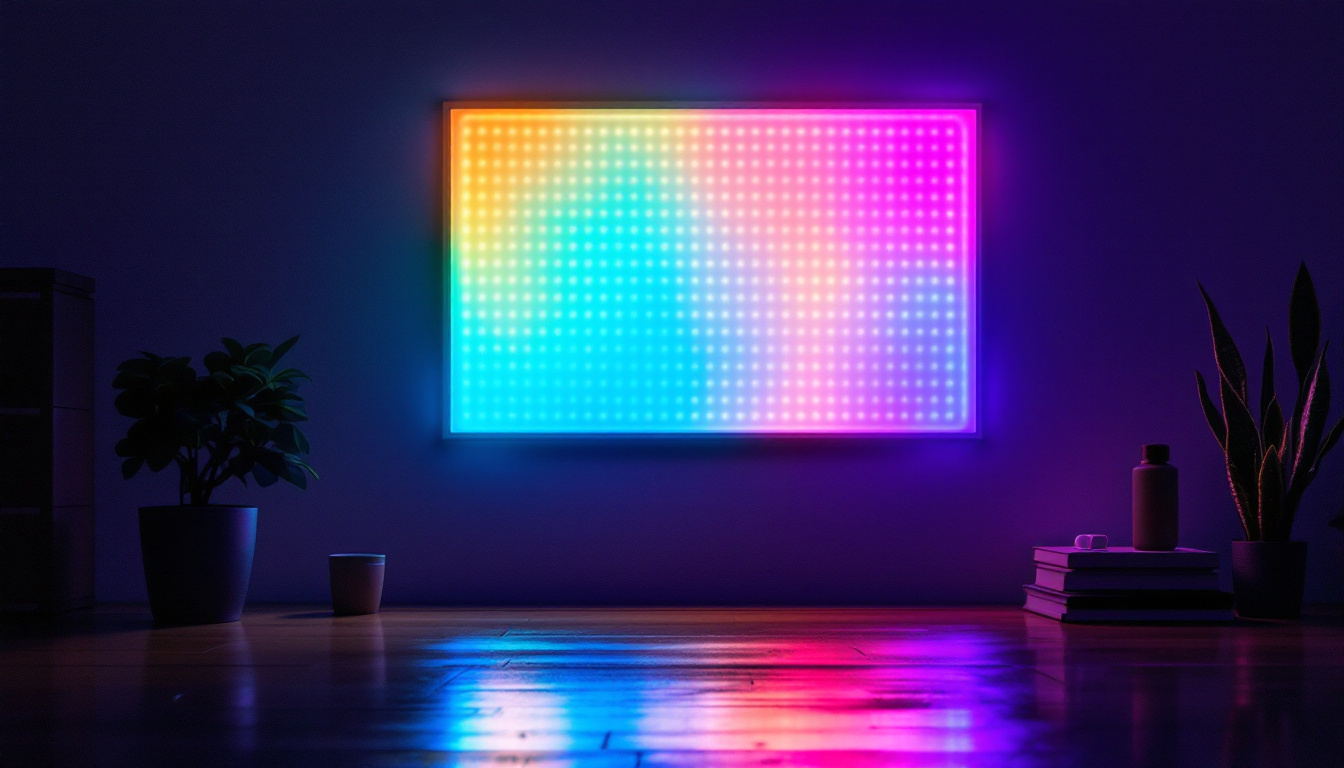
- Direct or Full-Array LED: LEDs are positioned directly behind the LCD panel in a grid. This setup enables local dimming, where specific zones can be dimmed or brightened independently, improving contrast and black levels.
Comparing LCD with Other Display Technologies
To fully appreciate LCD panels with LED backlighting, it’s helpful to compare them with other popular display technologies such as OLED and Plasma.
LCD vs OLED
Organic Light Emitting Diode (OLED) displays differ fundamentally from LCDs. OLED pixels emit their own light when electrically stimulated, eliminating the need for a backlight. This capability allows OLEDs to achieve true blacks by turning off individual pixels, resulting in superior contrast ratios.
However, OLEDs tend to be more expensive and can suffer from burn-in over time, where static images leave permanent marks. LCDs with LED backlighting remain popular due to their affordability, longevity, and brightness, especially in well-lit environments.
LCD vs Plasma
Plasma displays use small cells containing ionized gases that emit light when electrically charged. While they offer excellent color accuracy and wide viewing angles, plasma screens are heavier, consume more power, and generate more heat compared to LCDs. Due to these factors, plasma technology has largely been phased out in favor of LCD and OLED.
Applications of LCD Panels with LED Backlighting
LCD panels illuminated by LED backlights have become ubiquitous across a wide range of devices and industries. Their versatility and performance make them suitable for everything from handheld gadgets to massive digital signage.
Consumer Electronics
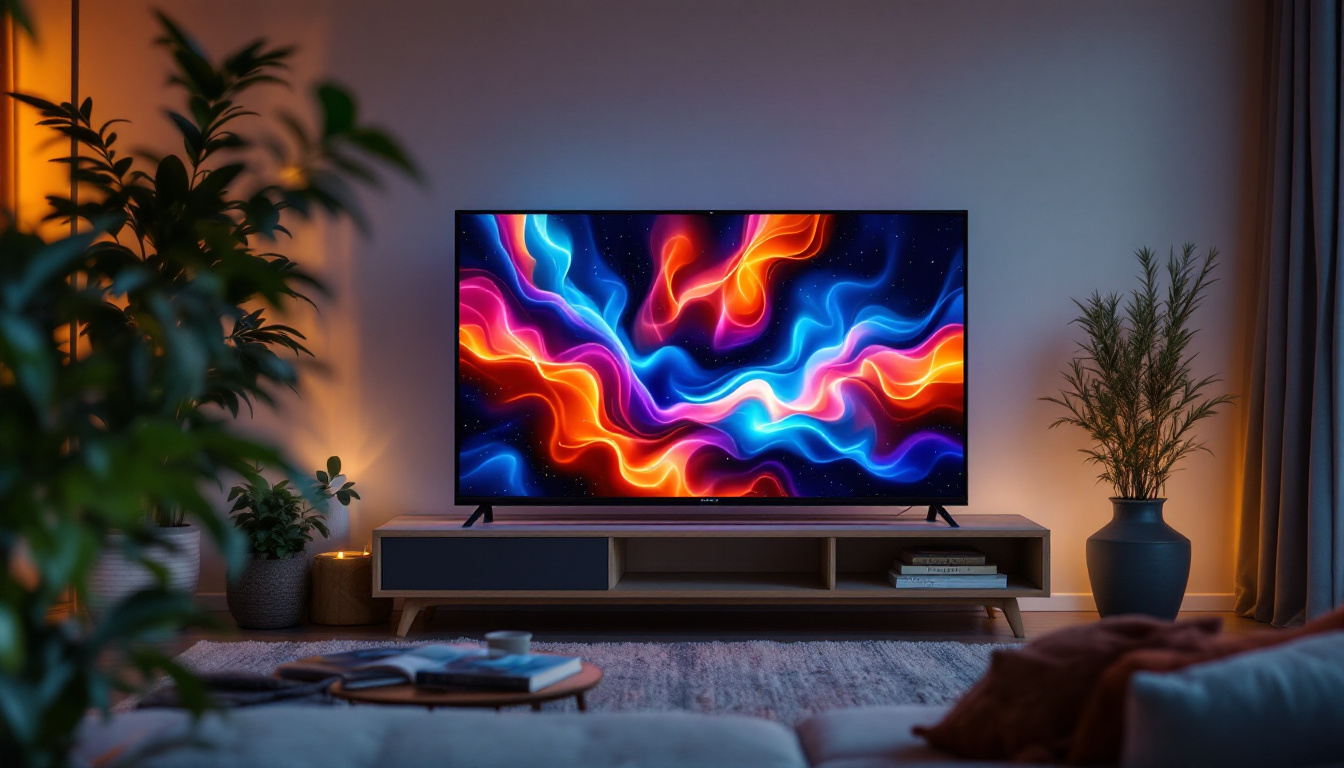
Smartphones, tablets, laptops, and televisions predominantly use LED-backlit LCD panels. The balance of image quality, energy efficiency, and cost-effectiveness makes this technology ideal for everyday consumer use. For example, the vast majority of 4K TVs on the market today utilize LED-backlit LCD panels, with some incorporating advanced features like local dimming and quantum dots to enhance picture quality.
Professional and Industrial Displays
In professional settings such as graphic design, medical imaging, and broadcasting, LCD panels with LED backlighting provide the precision and color accuracy required. High-end monitors often feature wide color gamuts and factory calibration to meet stringent standards.
Industrial applications include control room displays, instrumentation panels, and ruggedized screens used in harsh environments. The durability and reliability of LED-backlit LCDs make them suitable for these demanding uses.
Digital Signage and Outdoor Displays
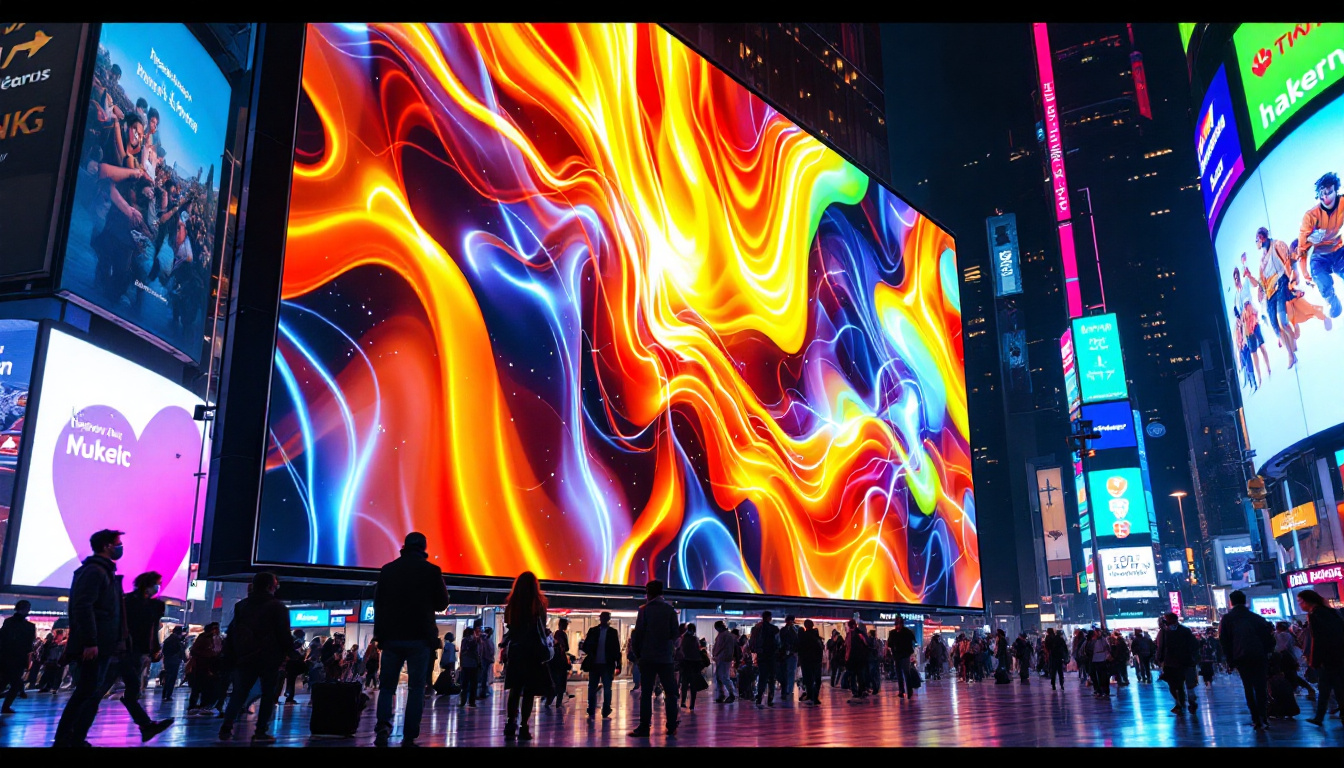
Large-scale LED-backlit LCD panels are also used in digital signage and outdoor advertising. Their high brightness levels and energy efficiency allow them to remain visible under direct sunlight while keeping operational costs manageable.
Advantages and Limitations of LCD Panels with LED Backlighting
Advantages
- Energy Efficiency: LEDs consume less power than traditional backlighting methods, contributing to lower energy bills and longer battery life in portable devices.
- Thin and Lightweight: The compact nature of LED backlights enables sleek, lightweight designs that fit modern aesthetic and ergonomic demands.
- Improved Image Quality: Enhanced brightness, contrast, and color accuracy improve the viewing experience across various lighting conditions.
- Longevity: LED backlights typically have a longer lifespan compared to CCFLs, reducing maintenance and replacement costs.
- Cost-Effective: Compared to OLED and other emerging technologies, LED-backlit LCDs offer a good balance between performance and price.
Limitations
- Black Levels and Contrast: Because LCDs rely on backlighting, they cannot achieve the perfect blacks that OLED displays offer, which can affect contrast in dark scenes.
- Viewing Angles: Traditional LCD panels can suffer from color shifting and reduced brightness when viewed off-center, although newer IPS (In-Plane Switching) panels have mitigated this issue.
- Motion Blur: Some LCDs may exhibit motion blur or ghosting effects, especially in fast-moving video or gaming scenarios.
- Complexity of Local Dimming: While local dimming improves contrast, it can sometimes cause halo effects around bright objects on dark backgrounds.
Future Trends in LCD and LED Display Technology
The display industry continues to evolve rapidly, with ongoing innovations aimed at enhancing LCD and LED performance. Some notable trends include:
Quantum Dot Enhancement
Quantum dot technology uses nanoscale semiconductor particles to improve color accuracy and brightness in LCD panels. By integrating quantum dots with LED backlighting, manufacturers can achieve a wider color gamut and more vibrant images, approaching the quality of OLED displays at a lower cost.
Mini-LED and Micro-LED Backlighting
Mini-LED and Micro-LED technologies represent advancements in LED backlighting. Mini-LEDs are much smaller than traditional LEDs, allowing for thousands of dimming zones and dramatically improved contrast and black levels. Micro-LEDs, on the other hand, are self-emissive like OLEDs but with higher brightness and longer lifespan, though they are still in early commercial stages.
Flexible and Transparent Displays
Research into flexible LCD panels and transparent LED displays is opening new possibilities for design and functionality. These innovations could lead to foldable screens, heads-up displays, and interactive glass surfaces in the near future.
Conclusion
LCD panels with LED backlighting have become a cornerstone of modern display technology, balancing performance, efficiency, and affordability. Understanding how these displays work and their advantages helps consumers make informed choices when purchasing devices or investing in digital signage solutions.
While emerging technologies like OLED and Micro-LED offer exciting possibilities, LED-backlit LCDs remain highly relevant due to their proven reliability and continuous improvements. As the technology advances with innovations like quantum dots and mini-LEDs, the future of LCD displays looks brighter than ever.
Whether for everyday use or specialized applications, knowing the fundamentals of LCD and LED displays empowers users to appreciate the screens that have become integral to daily life.
Discover the Future of Visual Displays with LumenMatrix
Ready to experience the pinnacle of display technology? LumenMatrix is at the forefront of LED innovation, offering a diverse range of LED display solutions tailored to meet your needs. From breathtaking Indoor LED Walls to dynamic Vehicle LED Displays and beyond, our products are designed to captivate and engage. Elevate your visual communication and make a lasting impression with our cutting-edge displays. Don’t just take our word for it—see the difference for yourself. Check out LumenMatrix LED Display Solutions today and transform your space into a visual masterpiece.