In today’s fast-paced digital environment, the demand for sleek, efficient, and high-performance display solutions continues to grow. Among the various display technologies available, LED (Light Emitting Diode) displays have emerged as a dominant force, particularly in the realm of low profile monitors. These monitors combine cutting-edge LED technology with a slim, unobtrusive design, making them ideal for a wide range of applications—from professional workstations to home entertainment setups.
This article delves into the world of low profile LED monitors, exploring their technology, benefits, and practical applications. Whether you are a tech enthusiast, a professional seeking the best display for your workspace, or simply curious about the latest in monitor technology, this comprehensive guide will provide valuable insights.
Understanding Low Profile Monitors
What Defines a Low Profile Monitor?
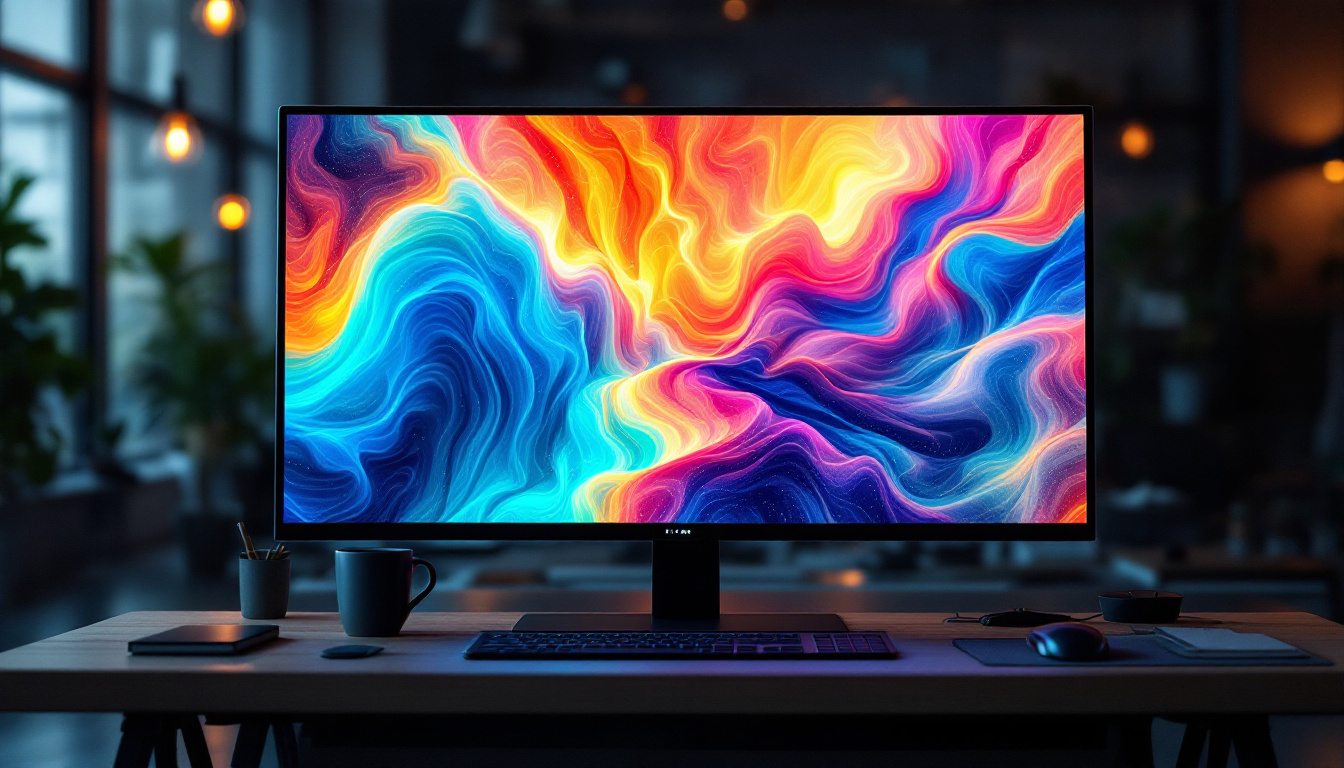
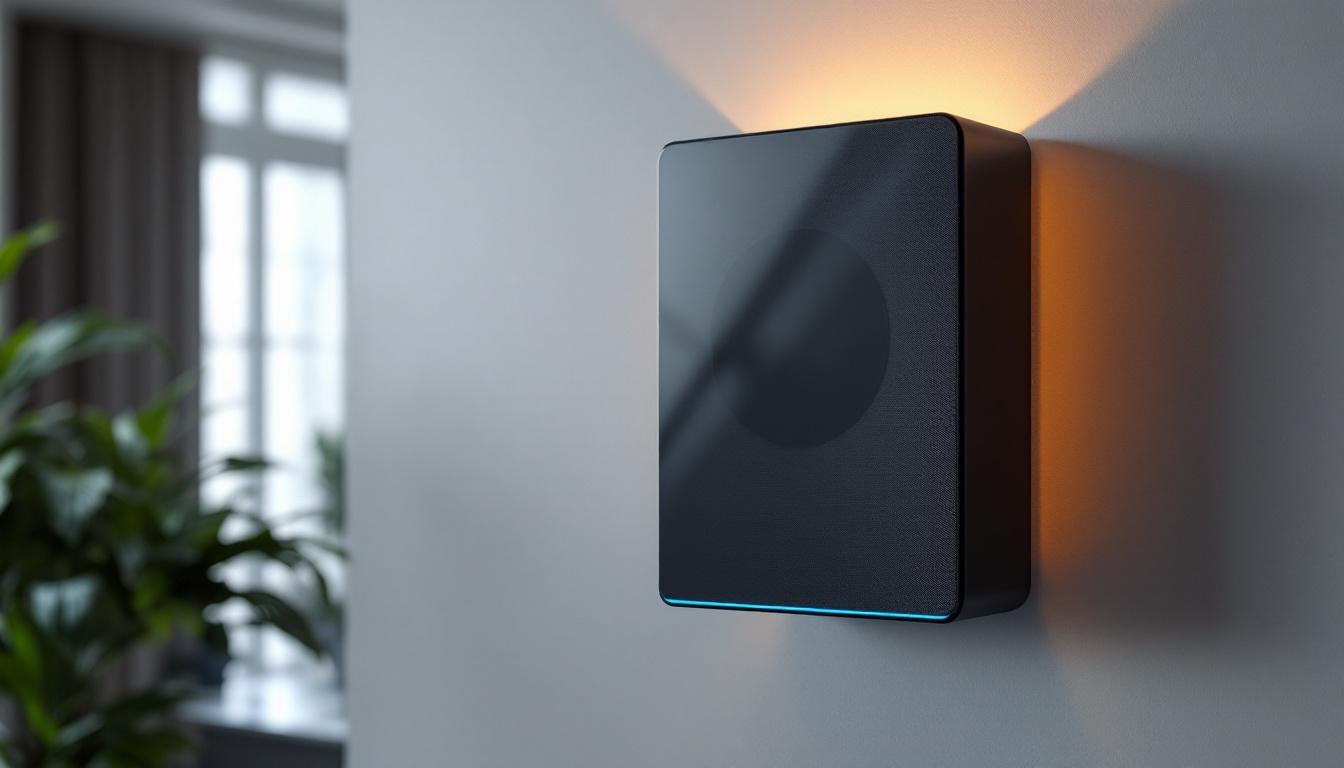
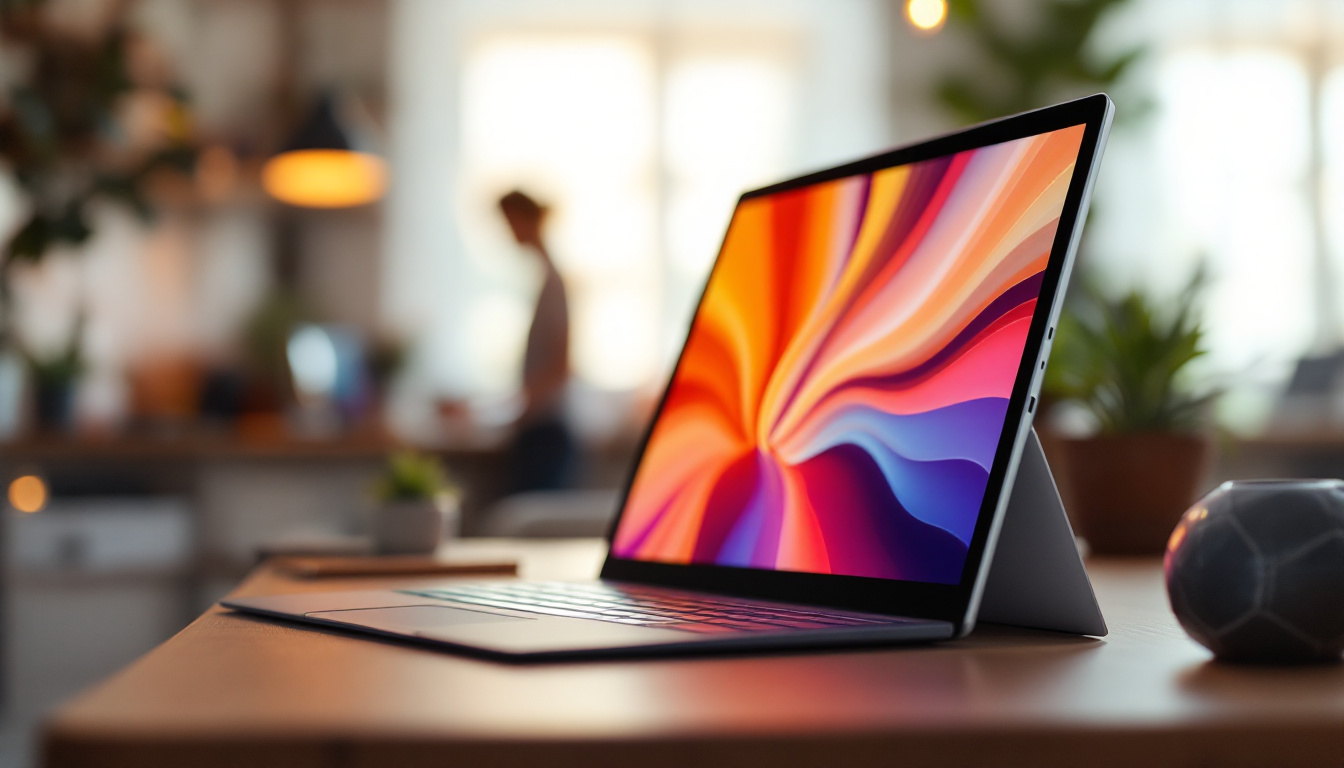
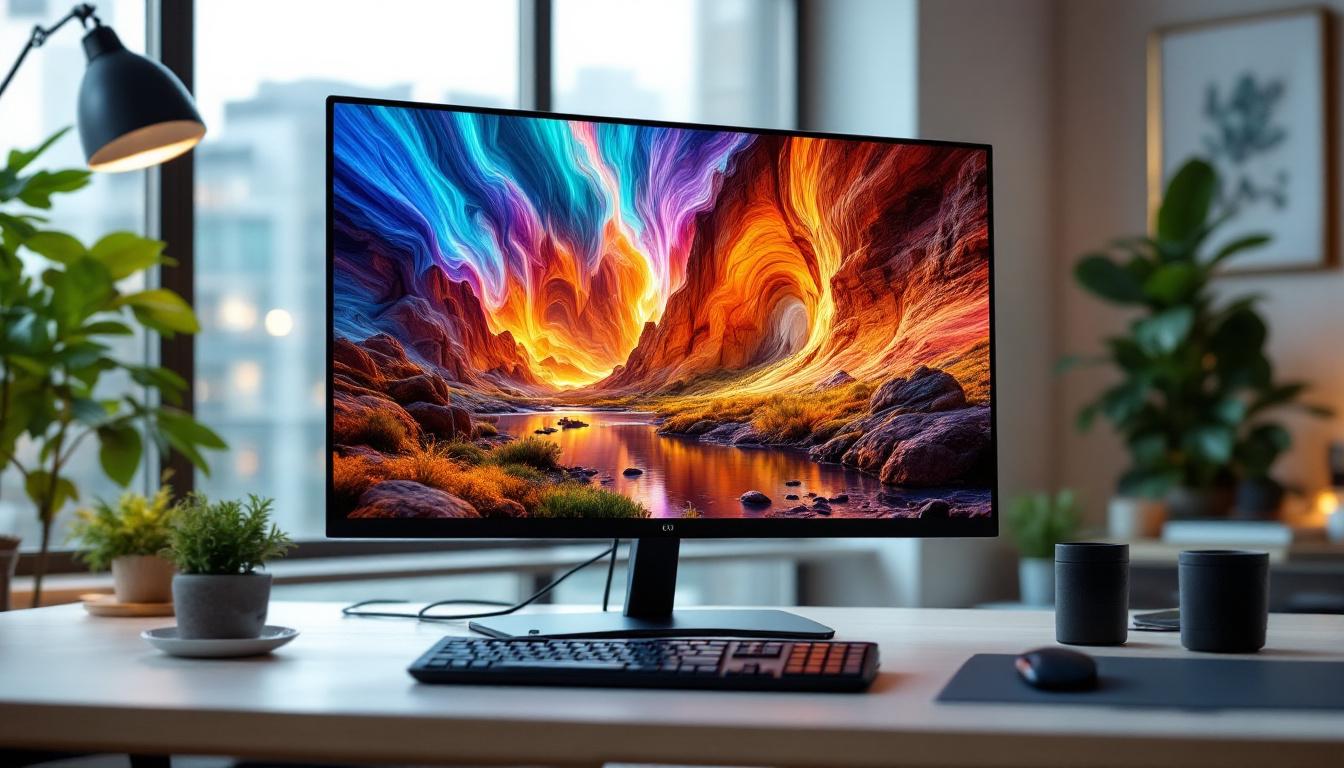
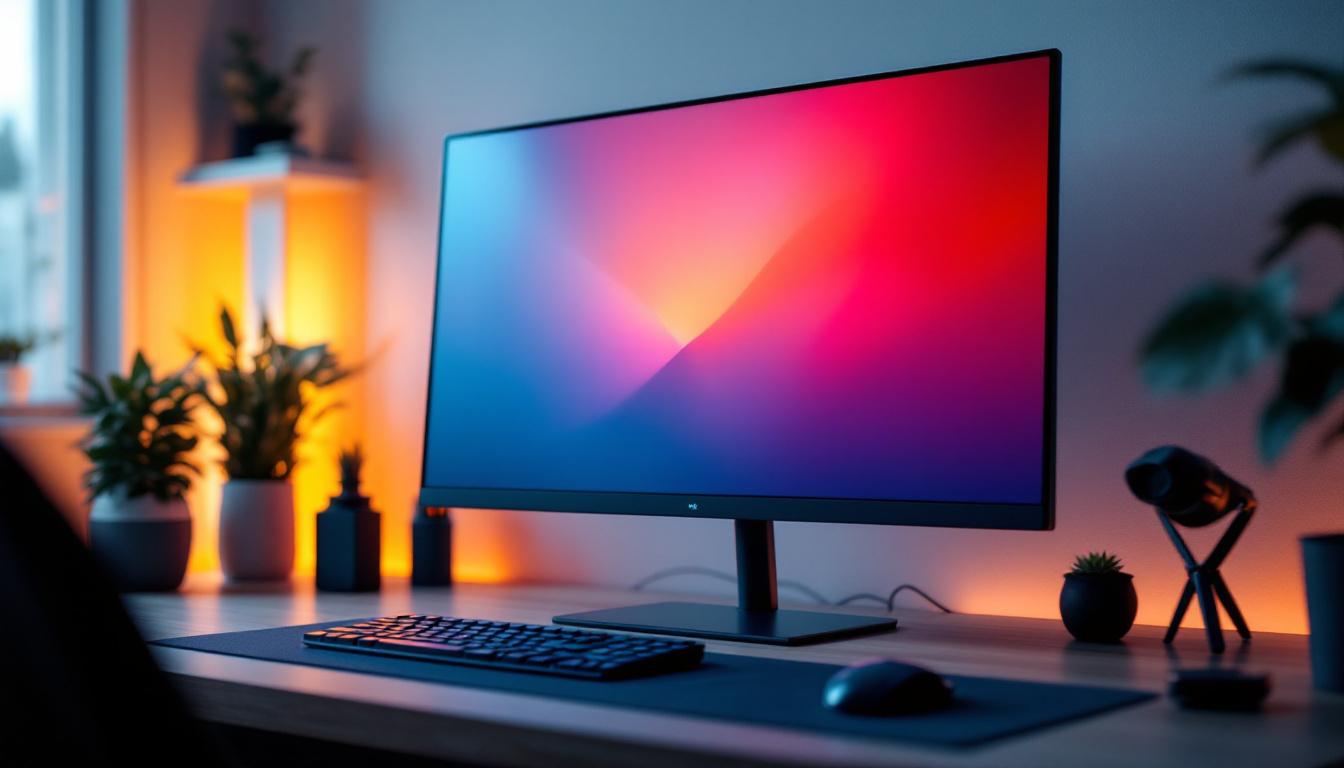
A low profile monitor is characterized primarily by its slim, lightweight design that minimizes the physical footprint on a desk or workspace. Unlike traditional bulkier monitors, these devices prioritize space-saving without compromising on screen size or display quality. This makes them particularly attractive for environments where space is at a premium, such as modern offices, compact home studios, or multi-monitor setups.
Low profile monitors typically feature thin bezels and reduced depth, often measuring less than an inch in thickness. This sleek form factor not only enhances aesthetics but also improves ergonomics by allowing easier positioning and adjustment. The term “low profile” can also refer to the monitor’s stand design, which tends to be minimalistic and adjustable to maintain a clean, unobtrusive look.
Why Choose a Low Profile Monitor?
Choosing a low profile monitor offers several practical advantages. First, the reduced size and weight facilitate easier installation and mobility, which is beneficial for users who frequently rearrange their workspaces or attend events requiring portable displays. Second, low profile monitors contribute to a clutter-free environment, which can enhance productivity and reduce visual distractions.
Moreover, these monitors are often paired with advanced display technologies, such as LED backlighting, to deliver superior image quality despite their slim design. This combination of form and function makes low profile monitors a popular choice for professionals in graphic design, video editing, and financial trading, where screen clarity and desk space are equally critical.
The Technology Behind LED Displays
How LED Displays Work
LED monitors utilize Light Emitting Diodes as their primary source of backlighting. Unlike older LCD monitors that relied on cold cathode fluorescent lamps (CCFLs), LED displays use an array of tiny LEDs positioned either behind the screen (direct LED) or along its edges (edge-lit LED). These LEDs illuminate the liquid crystal display (LCD) panel, producing bright, vibrant images with improved energy efficiency.
The key advantage of LED backlighting lies in its ability to provide more uniform brightness and better control over contrast levels. This results in deeper blacks and more vivid colors, enhancing the overall viewing experience. Additionally, LED technology allows for thinner panels since LEDs are smaller and generate less heat compared to CCFLs.
Types of LED Backlighting
There are primarily two types of LED backlighting used in low profile monitors: edge-lit and full-array (direct) LED. Edge-lit LED displays position LEDs along the edges of the screen, using light guides to distribute illumination evenly. This design enables extremely thin monitors but can sometimes lead to uneven brightness or “hot spots.”
Full-array LED monitors, on the other hand, have LEDs spread evenly behind the entire screen. This arrangement allows for local dimming, where specific zones can be dimmed or brightened independently, resulting in superior contrast and black levels. While full-array LED monitors tend to be slightly thicker than edge-lit models, advances in technology have narrowed this gap significantly.
Mini-LED and Micro-LED: The Next Evolution
Emerging technologies like Mini-LED and Micro-LED are pushing the boundaries of LED display performance even further. Mini-LED uses thousands of tiny LEDs for backlighting, enabling more precise local dimming and enhancing contrast ratios dramatically. This technology is increasingly found in high-end monitors and professional displays.
Micro-LED represents a more revolutionary approach, where each pixel is its own LED, eliminating the need for a separate backlight. This results in unparalleled brightness, color accuracy, and energy efficiency. Although Micro-LED monitors are not yet widely available due to manufacturing complexities, they represent the future of display technology.
Benefits of Low Profile LED Monitors
Energy Efficiency and Environmental Impact
One of the most significant benefits of LED monitors is their energy efficiency. Compared to CCFL-backlit LCDs, LED monitors consume up to 30-40% less power. This reduction not only lowers electricity bills but also contributes to a smaller carbon footprint, aligning with growing environmental sustainability goals.
Furthermore, LED monitors are free from mercury, a toxic substance found in CCFL backlights, making them safer to dispose of and recycle. This environmentally friendly profile is increasingly important for businesses and consumers who prioritize green technology.
Enhanced Visual Performance
Low profile LED monitors deliver outstanding visual performance, with brighter displays, higher contrast ratios, and more accurate color reproduction. These qualities are essential for tasks that demand precision, such as photo editing, CAD design, and video production. The ability to display deeper blacks and vibrant colors also enhances the overall viewing experience for general users, whether watching movies or playing games.
Many LED monitors support wide color gamuts like Adobe RGB and DCI-P3, which cover a broader spectrum of colors than traditional sRGB displays. This capability ensures that images and videos appear more lifelike and true to the creator’s intent.
Reduced Eye Strain and Improved Comfort
Modern low profile LED monitors often incorporate features designed to reduce eye strain, such as flicker-free technology and blue light filters. Flicker-free screens eliminate the subtle flickering caused by traditional backlighting methods, which can cause headaches and fatigue during prolonged use.
Blue light filters help minimize exposure to high-energy visible (HEV) blue light, which has been linked to disrupted sleep patterns and eye discomfort. These ergonomic features make LED monitors well-suited for professionals and students who spend extended hours in front of screens.
Applications of Low Profile LED Monitors
Professional Work Environments
In corporate and creative industries, low profile LED monitors have become indispensable tools. Their slim design allows for multi-monitor setups without overwhelming desk space, enabling traders, programmers, and designers to increase productivity through expanded screen real estate.
Graphic designers and video editors benefit from the superior color accuracy and contrast that LED technology offers. Many professional-grade LED monitors come factory-calibrated and support hardware calibration to ensure consistent and precise color output, which is critical for print and digital media workflows.
Home and Entertainment Use
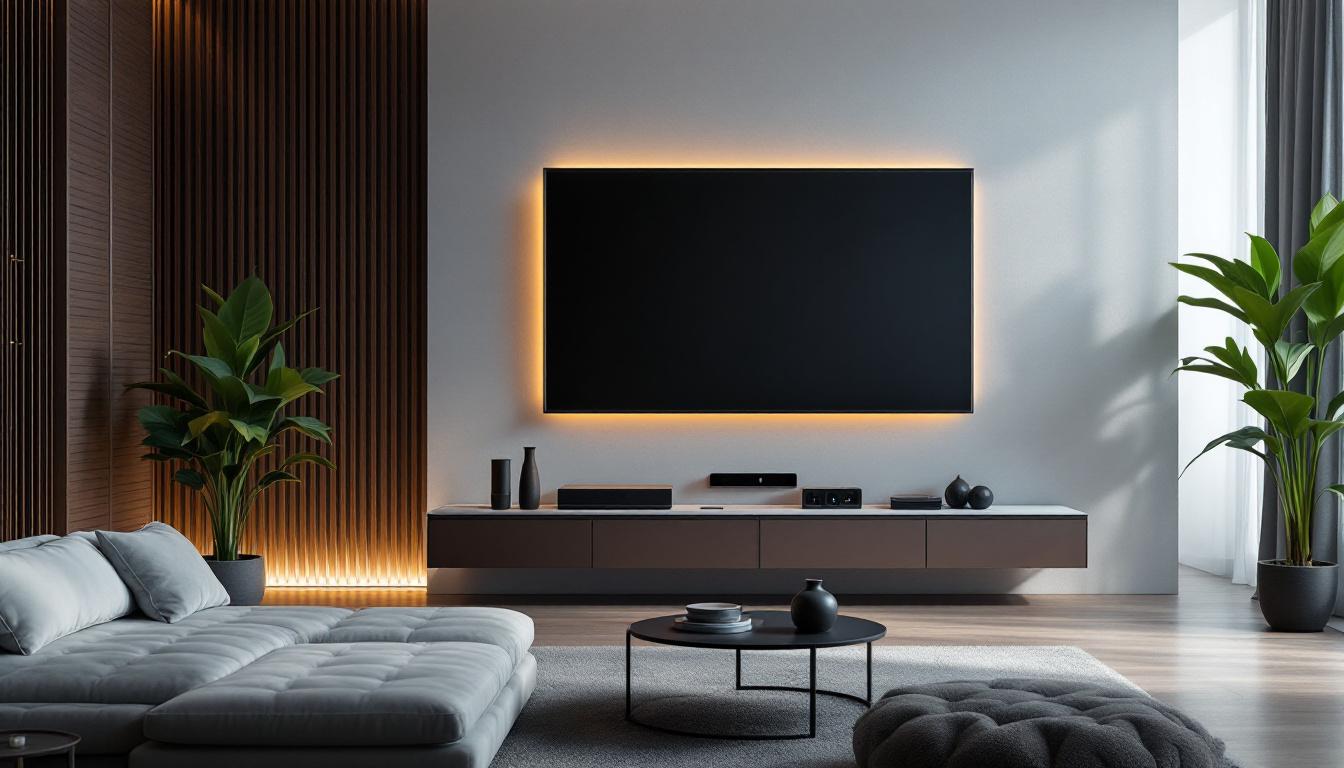
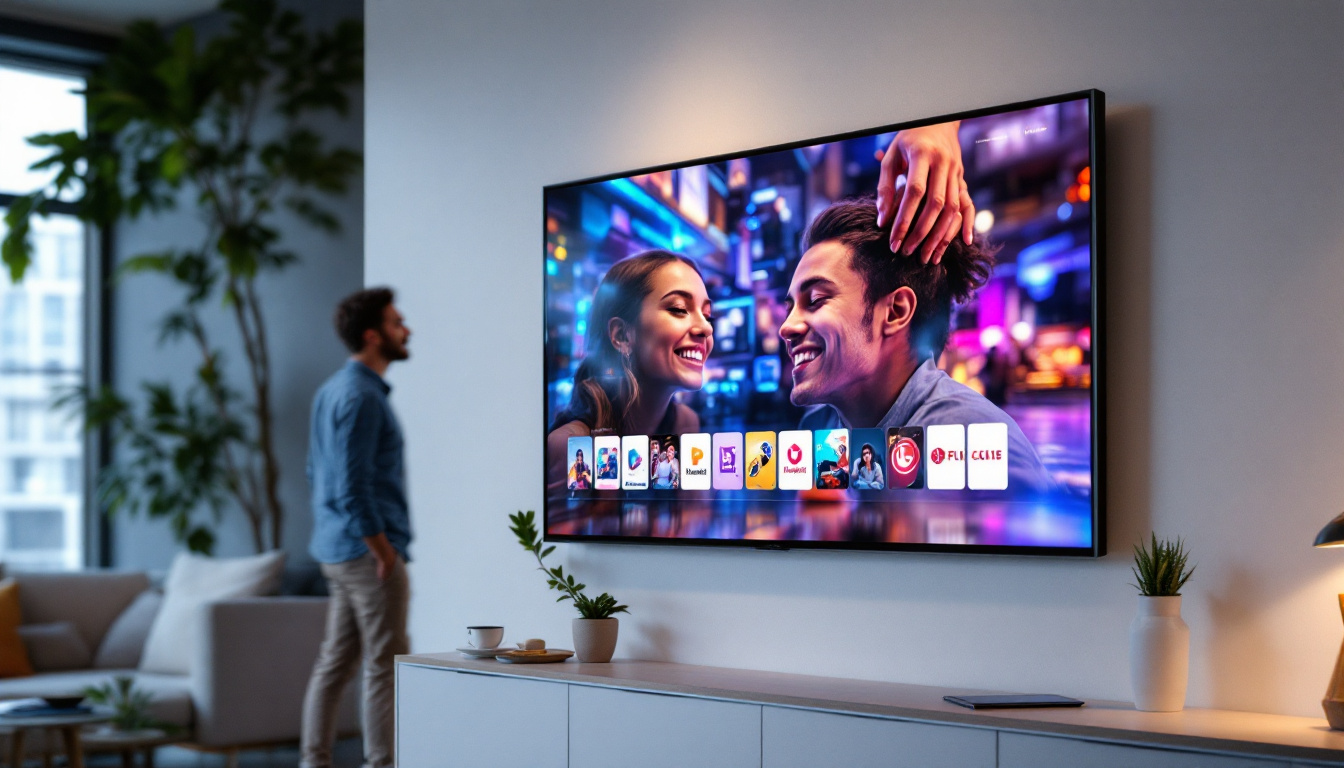
For home users, low profile LED monitors offer a blend of style and performance. Their sleek appearance complements modern interior designs, while their high-quality displays enhance gaming, streaming, and general computing experiences.
Gamers, in particular, appreciate LED monitors for their fast response times and high refresh rates, which contribute to smoother gameplay and reduced motion blur. Additionally, the energy efficiency of LED technology helps keep power consumption low during extended gaming sessions.
Healthcare and Industrial Applications
Low profile LED monitors also find applications in healthcare and industrial settings, where space constraints and display quality are crucial. In medical imaging, for example, precise color and contrast are vital for accurate diagnosis. The slim design facilitates integration into diagnostic equipment and patient monitoring systems.
In industrial environments, rugged low profile LED monitors are used in control rooms and manufacturing lines, where durability and clear visibility under varying lighting conditions are essential.
Choosing the Right Low Profile LED Monitor
Key Specifications to Consider
Selecting the ideal low profile LED monitor depends on several factors tailored to the user’s needs. Screen size and resolution are primary considerations; common sizes range from 21 to 32 inches, with resolutions from Full HD (1920×1080) to 4K UHD (3840×2160) becoming standard.
Refresh rate and response time are critical for gaming and video editing. Higher refresh rates (120Hz or above) and lower response times (under 5ms) provide smoother motion and reduce ghosting effects. Color accuracy specifications, such as Delta E values and color gamut coverage, are important for creative professionals.
Connectivity and Ergonomics
Modern low profile LED monitors offer a variety of connectivity options, including HDMI, DisplayPort, USB-C, and Thunderbolt. USB-C and Thunderbolt ports are particularly valuable for users who want to connect laptops or mobile devices with a single cable that carries video, data, and power.
Ergonomic features such as height adjustment, tilt, swivel, and pivot capabilities enhance user comfort and adaptability. A VESA mount compatibility is also beneficial for users who prefer to mount their monitors on arms or walls to save desk space.
Budget and Brand Considerations
Prices for low profile LED monitors vary widely based on size, resolution, and features. Entry-level models suitable for general office use can start around $150-$200, while professional-grade monitors with advanced color calibration and 4K resolution may exceed $1,000.
Choosing reputable brands with strong customer support and warranty policies is advisable to ensure reliability and longevity. Reading user reviews and expert evaluations can provide insight into real-world performance and potential issues.
Conclusion
Low profile LED monitors represent a harmonious blend of modern design and advanced display technology. Their slim, space-saving profiles make them ideal for a variety of settings, while LED backlighting ensures bright, vibrant images with excellent energy efficiency. As display technology continues to evolve with innovations like Mini-LED and Micro-LED, the capabilities of low profile monitors are set to expand even further.
For professionals, gamers, and everyday users alike, understanding the benefits and technical nuances of low profile LED monitors is essential for making informed purchasing decisions. By carefully considering factors such as display quality, ergonomics, connectivity, and budget, users can select a monitor that not only fits their workspace but also enhances their digital experience.
As the demand for sleek, efficient, and high-performance displays grows, low profile LED monitors are poised to remain at the forefront of the market, delivering exceptional value and performance in a compact form.
Discover the Future of LED Displays with LumenMatrix
Ready to elevate your visual experience with the latest in low profile LED monitor technology? Look no further than LumenMatrix, a pioneer in crafting LED display modules that redefine brand visibility and audience engagement. From the comfort of your home to the dynamic environment of professional workspaces, LumenMatrix offers an extensive range of solutions, including Indoor and Outdoor LED Wall Displays, Vehicle LED Displays, and more. Embrace the future of visual communication and check out LumenMatrix LED Display Solutions today to see how you can make a powerful impact with unparalleled clarity and vibrancy.