In today’s digital age, touch screen technology has become an integral part of daily life, from smartphones and tablets to interactive kiosks and advanced industrial systems. Among the various display technologies available, LED displays stand out for their brightness, energy efficiency, and versatility. This article explores what a touch screen display is, how LED displays function, and why the combination of these technologies is transforming the way we interact with digital content.
Understanding Touch Screen Displays
What Is a Touch Screen Display?
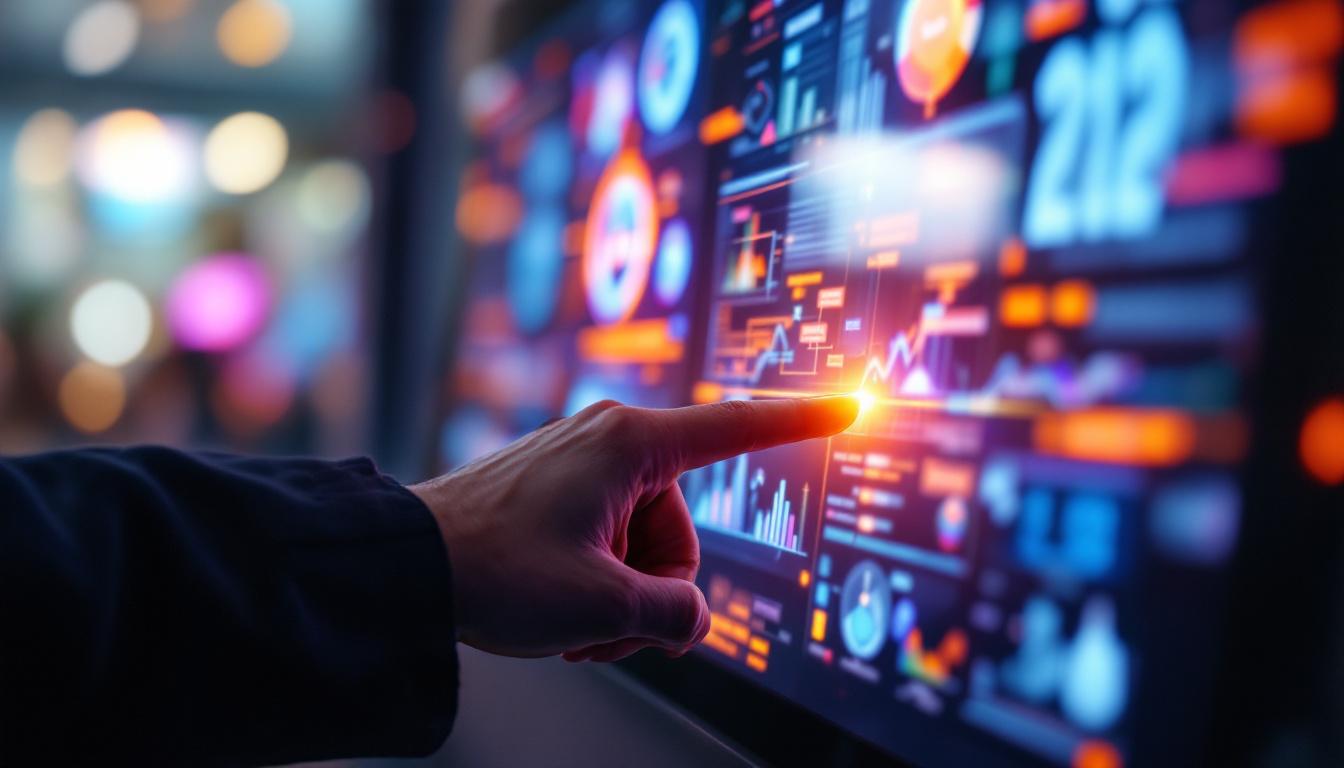
A touch screen display is an input and output device that allows users to interact directly with what is shown on the screen, rather than using a mouse, keyboard, or other peripheral devices. By simply touching the display surface, users can control applications, navigate menus, and manipulate digital content in an intuitive and efficient manner.
Touch screens have become ubiquitous in consumer electronics, with applications ranging from smartphones and tablets to point-of-sale systems and automotive dashboards. The technology enhances user experience by providing a natural and direct way to interact with digital interfaces.
Types of Touch Screen Technologies
There are several types of touch screen technologies, each with unique characteristics and use cases:
- Resistive Touch Screens: These screens consist of two flexible layers separated by a small gap. When pressure is applied, the layers make contact, registering the touch. They are cost-effective and work with any pointing device but offer lower clarity and durability.
- Capacitive Touch Screens: These use the electrical properties of the human body to detect touch. They offer high clarity, multi-touch capabilities, and durability, making them the preferred choice for smartphones and tablets.
- Infrared Touch Screens: These utilize an array of infrared LEDs and sensors around the screen edges to detect touch by interruption of the light beams. They are highly durable and suitable for large displays but can be affected by external light sources.
- Surface Acoustic Wave (SAW) Touch Screens: These use ultrasonic waves that are absorbed when the screen is touched, enabling precise detection. They offer excellent image clarity but are sensitive to contaminants like dust and water.
Each technology offers trade-offs between cost, durability, sensitivity, and image quality, which influence their suitability for different applications.
What Is an LED Display?
Basics of LED Display Technology
LED stands for Light Emitting Diode, a semiconductor device that emits light when an electric current passes through it. LED displays use an array of these tiny diodes to create images, text, and video by controlling the brightness and color of each diode.
LED displays are popular due to their high brightness, energy efficiency, and long lifespan. They are used in a wide range of applications, from large outdoor billboards and stadium screens to indoor televisions and computer monitors.
Types of LED Displays
There are two primary types of LED displays:
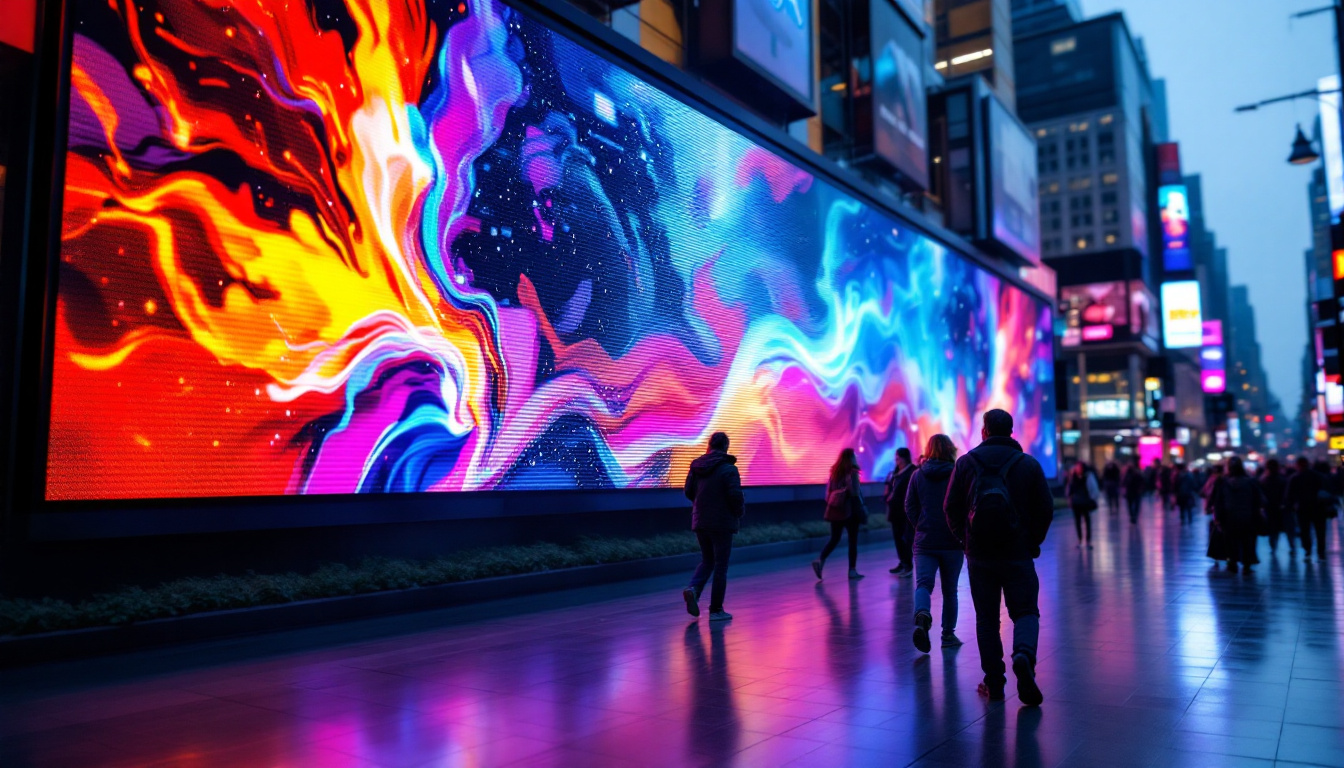
- Direct View LED Displays: These consist of individual LEDs that form the pixels themselves. They are typically used for large-scale displays such as digital billboards, stadium screens, and public information displays. Their brightness and visibility under direct sunlight make them ideal for outdoor use.
- LED-Backlit LCD Displays: These are liquid crystal displays (LCDs) that use LEDs as a backlight source instead of traditional cold cathode fluorescent lamps (CCFLs). This technology provides better color accuracy, thinner panels, and improved energy efficiency. Most modern smartphones, laptops, and televisions use LED-backlit LCDs.
Advantages of LED Displays
LED displays offer several advantages that contribute to their widespread adoption:
- Brightness: LEDs can achieve very high brightness levels, making displays easily visible in various lighting conditions, including direct sunlight.
- Energy Efficiency: Compared to other lighting technologies, LEDs consume less power, which is beneficial for battery-operated devices and reduces operational costs for large installations.
- Longevity: LEDs have a longer operational life than traditional display technologies, often lasting tens of thousands of hours without significant degradation.
- Thin and Lightweight: LED technology enables the creation of slim and lightweight display panels, which is important for portable devices and sleek design aesthetics.
- Color Accuracy and Contrast: LED displays can produce vibrant colors and deep blacks, enhancing image quality and user experience.
How Touch Screen and LED Display Technologies Work Together
Integration of Touch Sensors with LED Displays
Combining touch screen technology with LED displays creates interactive surfaces that provide both vivid visuals and intuitive input methods. The integration process involves embedding or overlaying touch-sensitive layers onto the LED display panel.
For example, capacitive touch sensors are often laminated directly onto LED-backlit LCD panels used in smartphones and tablets. This layering maintains display clarity while enabling multi-touch functionality. In larger installations, such as interactive kiosks or digital signage, infrared or optical touch sensors may be mounted over the LED display to detect user interaction without compromising image quality.
Challenges in Combining Touch and LED Technologies
While the combination offers numerous benefits, it also presents technical challenges:
- Optical Clarity: Adding touch layers can reduce display brightness and clarity if not carefully engineered. Manufacturers must use high-transparency materials and precise lamination techniques to minimize light loss.
- Durability: Touch surfaces must withstand repeated use, environmental factors, and potential vandalism, especially in public or industrial settings. Protective glass or specialized coatings are often applied.
- Latency and Responsiveness: Ensuring that touch input is detected quickly and accurately is critical for user satisfaction. This requires sophisticated sensor technology and optimized software algorithms.
- Cost: Integrating touch sensors adds to the manufacturing complexity and cost of the display, which can impact pricing, especially for large or specialized screens.
Applications of Touch Screen LED Displays
Consumer Electronics
Touch screen LED displays are at the heart of modern consumer electronics. Smartphones, tablets, laptops, and smartwatches all rely on LED-backlit LCD or OLED displays combined with capacitive touch sensors to deliver responsive, high-quality user experiences.
According to recent market research, the global touch screen market is expected to reach over $200 billion by 2027, driven largely by demand for mobile devices and interactive consumer products. The use of LED technology in these devices ensures vibrant displays that work well in various lighting environments, from bright outdoor settings to dim indoor spaces.
Retail and Hospitality
Interactive kiosks, digital signage, and point-of-sale terminals in retail and hospitality sectors often use touch screen LED displays to engage customers and streamline operations. These systems enable self-service checkouts, wayfinding, product browsing, and personalized advertising.
LED displays in these contexts benefit from their high brightness and durability, ensuring visibility and reliability even in high-traffic areas. Touch capabilities enhance user interaction, making it easier for customers to find information or complete transactions quickly.
Industrial and Medical Applications
In industrial environments, touch screen LED displays are used for control panels, monitoring systems, and human-machine interfaces (HMIs). Their robust design and clear visibility under various lighting conditions make them suitable for factories, warehouses, and outdoor installations.
Medical devices and diagnostic equipment also incorporate touch screen LED displays to improve usability and precision. For example, ultrasound machines, patient monitoring systems, and laboratory instruments use these displays to provide clear visuals and intuitive controls for healthcare professionals.
Education and Public Spaces
Interactive whiteboards, digital bulletin boards, and public information terminals leverage touch screen LED displays to facilitate learning and communication. These technologies support collaborative learning environments, enabling students and teachers to interact dynamically with digital content.
In public spaces such as airports, museums, and transportation hubs, touch screen LED displays provide accessible information and wayfinding services, improving user experience and operational efficiency.
Future Trends in Touch Screen LED Display Technology
Advancements in OLED and MicroLED
While traditional LED-backlit LCDs dominate the market, emerging technologies like OLED (Organic Light Emitting Diode) and MicroLED promise to revolutionize display quality and efficiency. OLED displays emit light from organic compounds, enabling deeper blacks and more flexible form factors. MicroLED technology, which uses microscopic LEDs as individual pixels, offers even higher brightness, improved energy efficiency, and longer lifespan without burn-in issues.
These advancements will enhance touch screen displays by providing richer visuals and more durable, thinner devices suitable for a wider range of applications.
Flexible and Transparent Displays
Research into flexible and transparent touch screen LED displays is progressing rapidly. Flexible displays can bend or fold without damage, opening possibilities for wearable devices, foldable smartphones, and innovative user interfaces. Transparent displays allow digital content to be viewed while maintaining visibility of the background, useful for augmented reality applications and heads-up displays.
Improved Touch Sensitivity and Haptics
Future touch screen LED displays will feature enhanced touch sensitivity, supporting more precise gestures and multi-touch inputs. Integration of haptic feedback technology will provide tactile responses, improving user interaction by simulating the feel of physical buttons or textures on a flat screen.
AI and Gesture Recognition
Artificial intelligence and advanced sensors are being integrated with touch screen LED displays to enable gesture recognition and predictive interaction. This will allow users to control devices without direct touch, using hand movements or eye tracking, creating more natural and accessible interfaces.
Conclusion
Touch screen LED displays represent a powerful combination of visual excellence and interactive capability. By understanding the underlying technologies and their applications, businesses and consumers can better appreciate the value these displays bring to modern digital experiences.
From the smartphones in our pockets to large-scale public installations, touch screen LED displays continue to evolve, driven by innovations in materials, sensor technology, and user interface design. As these technologies advance, they will unlock new possibilities for communication, entertainment, productivity, and accessibility in an increasingly connected world.
Discover the Future of LED Displays with LumenMatrix
As you embrace the interactive capabilities and visual excellence of touch screen LED displays, take the next step with LumenMatrix. Our commitment to innovation ensures that you have access to the most advanced LED display modules for any application. Whether you’re looking to enhance brand visibility with an Indoor LED Wall Display, captivate passersby with an Outdoor LED Wall Display, or create a dynamic environment with our Custom LED and Transparent Displays, LumenMatrix has the solution. Check out LumenMatrix LED Display Solutions today and see how we can help you transform your visual communication and engage with your audience like never before.