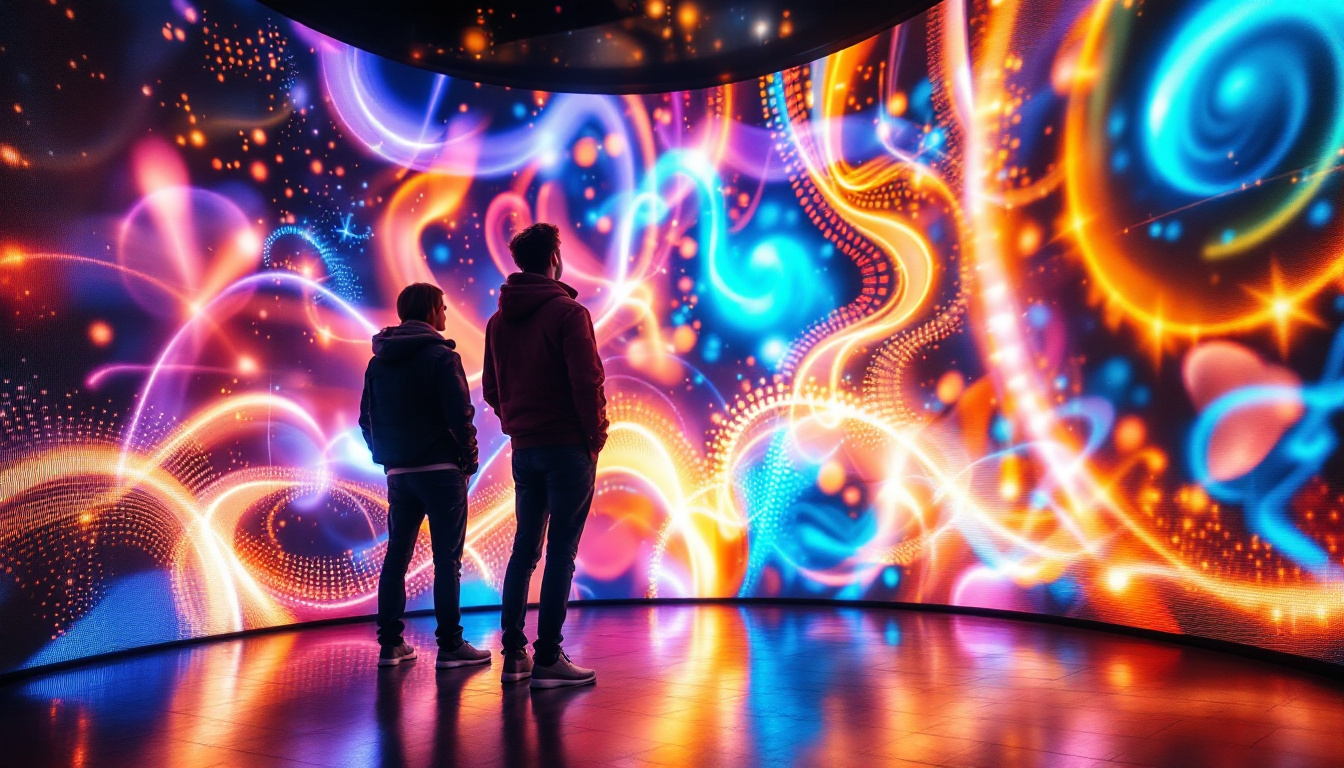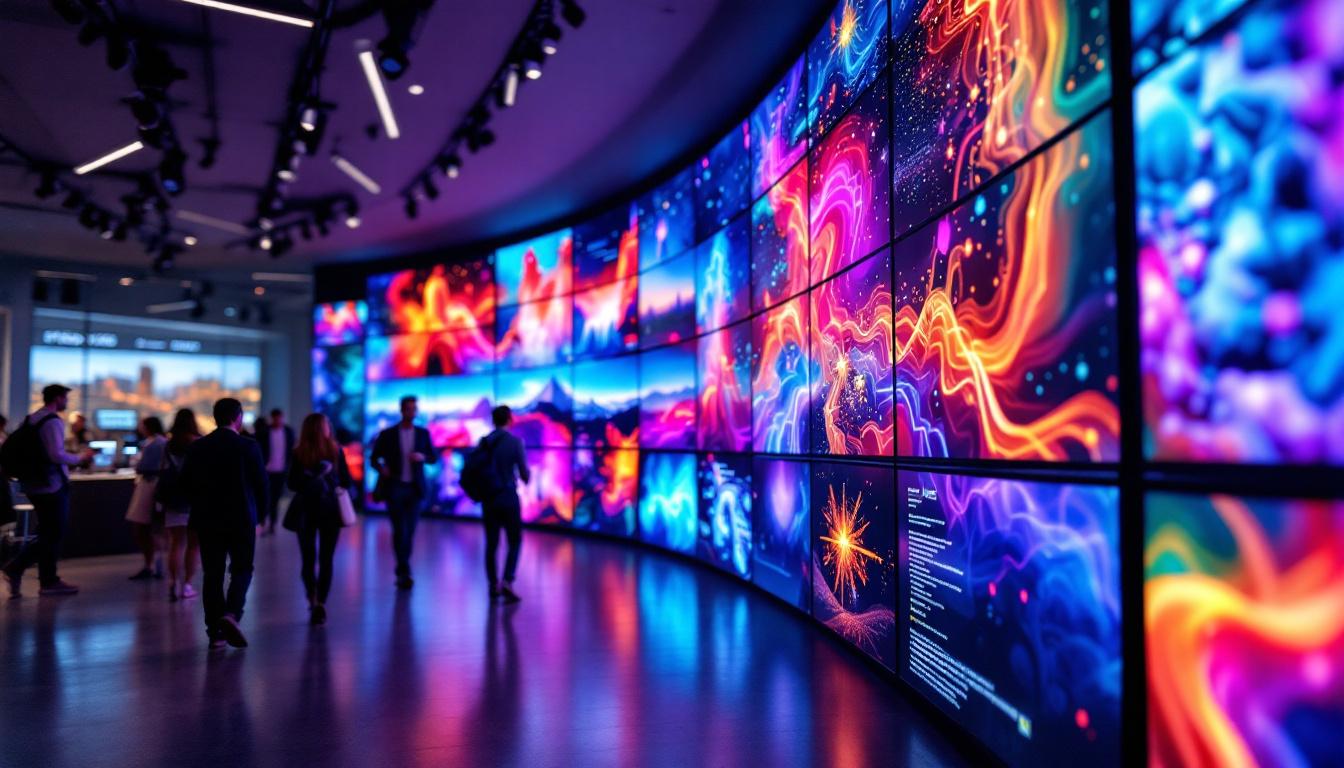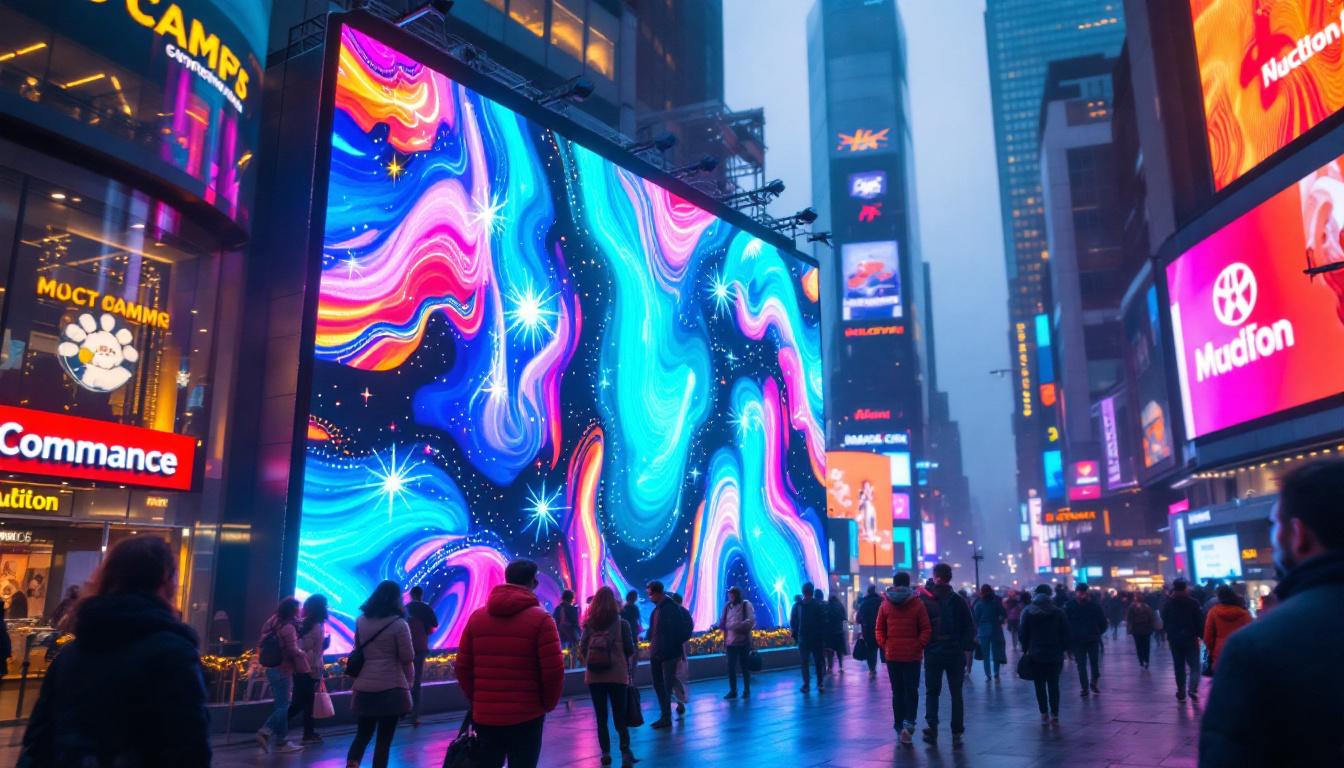
In recent years, LED display technology has revolutionized the way businesses communicate visually, offering vibrant, energy-efficient, and versatile solutions for advertising, information dissemination, and entertainment. For companies looking to invest in LED displays, understanding the wholesale market and the technology behind LED displays is essential to making informed purchasing decisions. This article delves into the fundamentals of LED displays, explores the wholesale landscape, and highlights key considerations for buyers and businesses.
Understanding LED Display Technology
LED, or Light Emitting Diode, displays are composed of numerous tiny light sources that emit light when an electric current passes through them. These displays are known for their brightness, color accuracy, and longevity, making them ideal for both indoor and outdoor applications. The evolution of LED technology has transformed how we experience visual content, from the screens of our smartphones to massive outdoor billboards that capture the attention of passersby.
How LED Displays Work
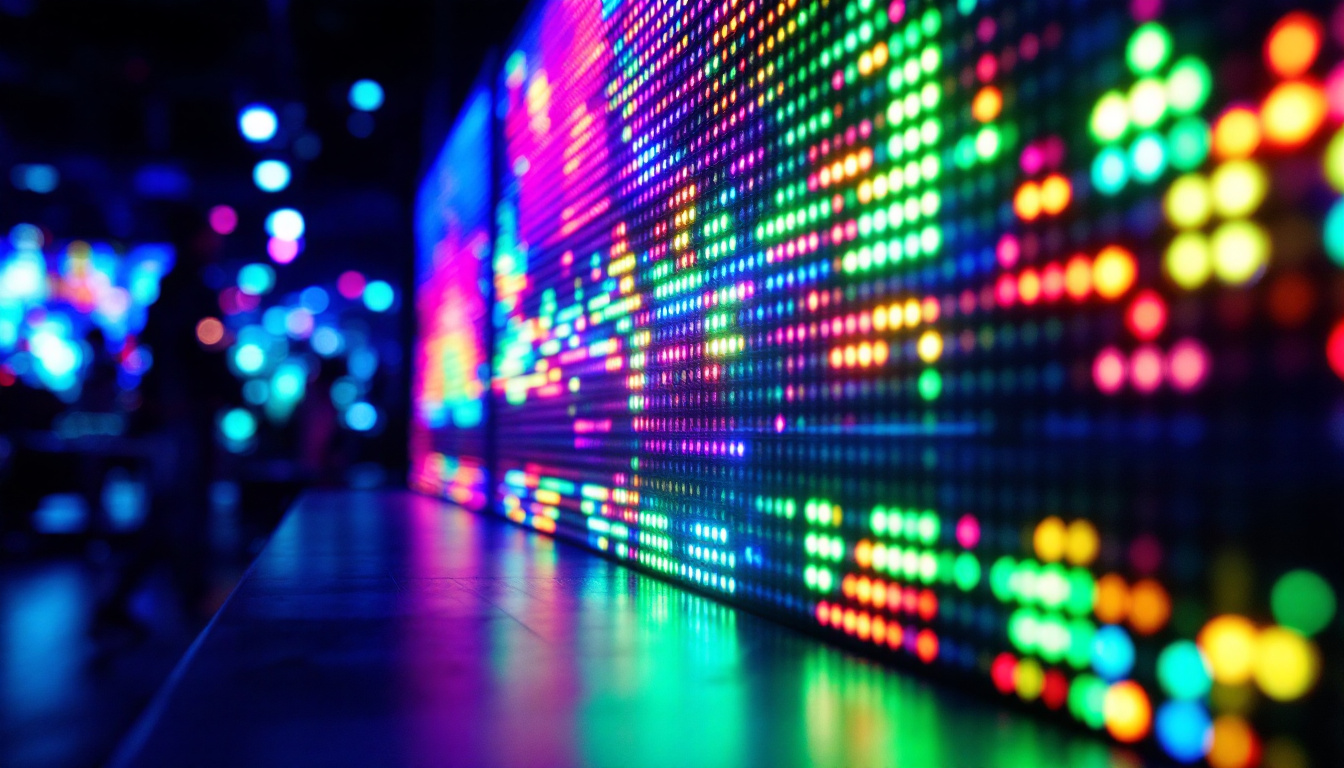
At the core of an LED display are individual LEDs arranged in a matrix. Each LED acts as a pixel, and by controlling the intensity and color of each pixel, the display can render images, videos, and text with remarkable clarity. Modern LED displays use red, green, and blue (RGB) LEDs to create a full spectrum of colors through color mixing. This ability to mix colors at a pixel level allows for stunning visuals that can be tailored to specific content needs, whether for a vibrant advertisement or a subtle informational display.
The display is controlled by a driver circuit and a control system that manages the timing and color output of each LED. This allows for dynamic content changes, making LED displays highly adaptable for various uses such as advertising billboards, stadium screens, and digital signage. Furthermore, advancements in technology have led to the development of smart LED displays that can integrate with sensors and data feeds, enabling real-time updates and interactive features that engage viewers in new and exciting ways.
Types of LED Displays
LED displays come in several forms, each suited for different environments and purposes:
- Indoor LED Displays: Designed for close viewing distances, these displays have a higher pixel density and offer sharper images. They are commonly used in retail stores, conference rooms, and event venues. The vibrant colors and high resolution make them perfect for showcasing products or delivering impactful presentations that captivate audiences.
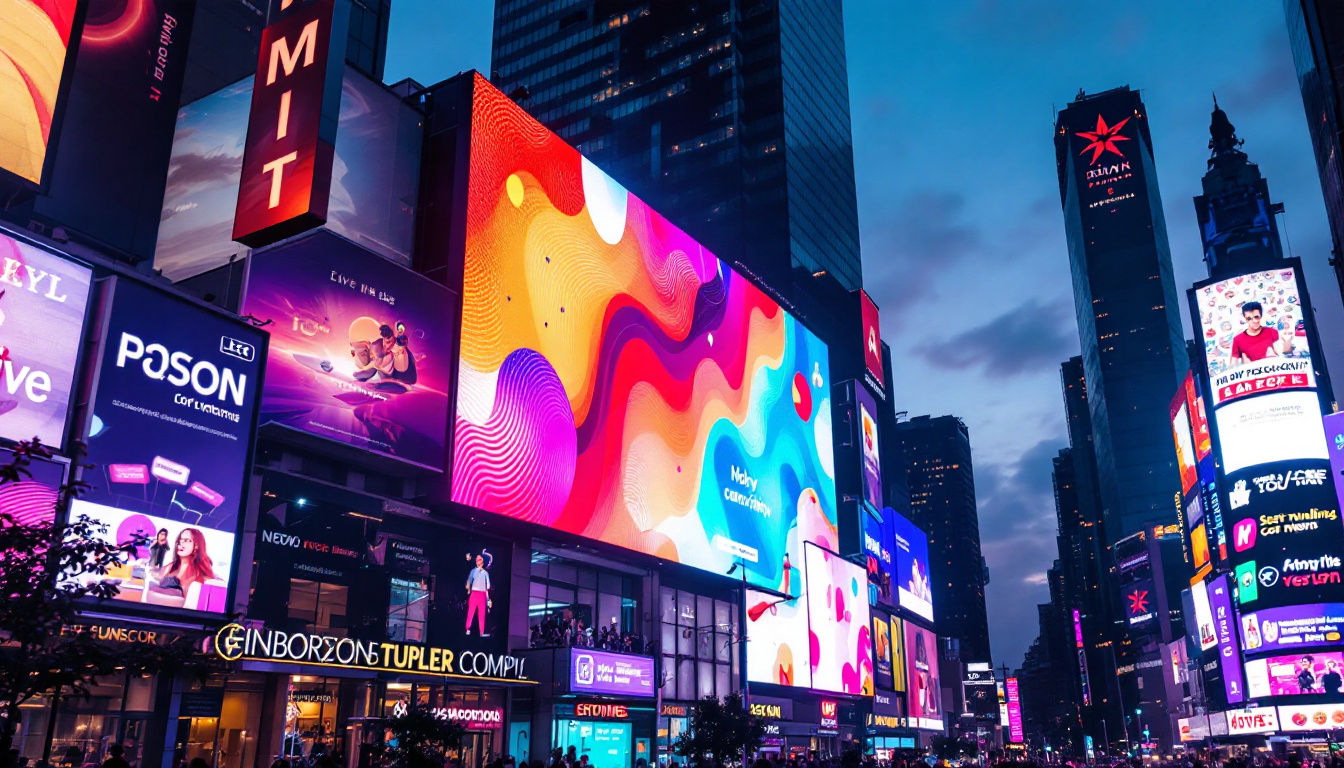
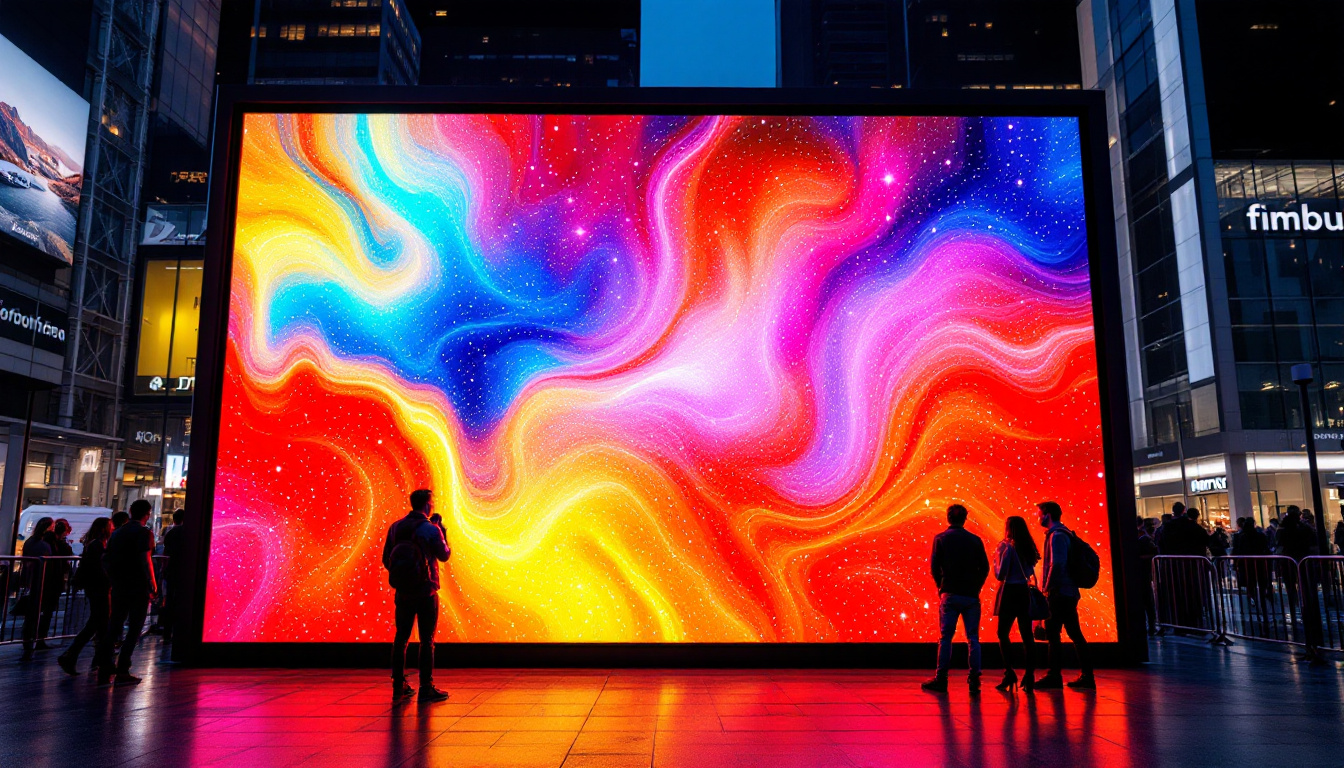
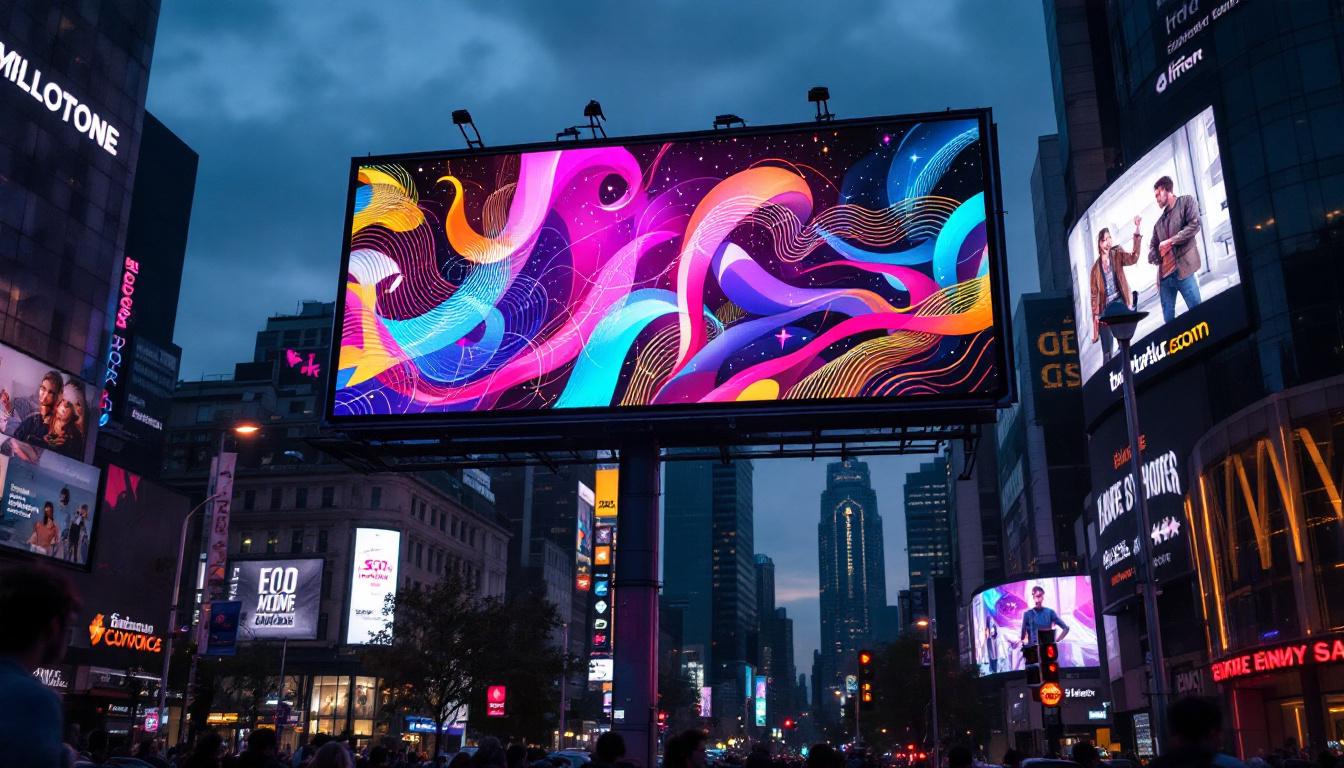
- Outdoor LED Displays: Built to withstand harsh weather conditions, these displays are brighter to combat sunlight glare and are often used for billboards, transportation hubs, and public information boards. Their robust construction ensures durability, while their high brightness levels guarantee visibility even in direct sunlight, making them an effective medium for outdoor advertising.
- Transparent LED Displays: These innovative displays allow light to pass through, making them ideal for storefront windows and architectural applications where visibility from both sides is desired. This unique feature not only enhances aesthetic appeal but also allows businesses to display advertisements without obstructing the view of their products, creating a seamless integration of marketing and merchandising.
- Flexible LED Displays: Utilizing bendable substrates, these displays can conform to curved surfaces, opening new creative possibilities in design and installation. This flexibility allows designers to create unique shapes and configurations that were previously impossible, enabling a new level of creativity in advertising and public art installations.
In addition to these types, LED technology continues to evolve with innovations such as microLED and miniLED displays, which promise even greater efficiency and image quality. These advancements are paving the way for ultra-high-definition displays that can deliver breathtaking visuals while consuming less power, further solidifying LED technology’s place at the forefront of display solutions in various industries.
The Wholesale LED Display Market
Purchasing LED displays wholesale offers significant advantages for businesses, including cost savings, customization options, and access to the latest technology. The wholesale market is diverse, with manufacturers and distributors catering to various industries and project scales.
Why Buy Wholesale LED Displays?
Wholesale purchasing typically involves buying large quantities or entire display modules directly from manufacturers or authorized distributors. This approach can reduce per-unit costs substantially compared to retail purchases. For businesses planning multiple installations or large-scale projects, wholesale buying ensures consistency in product quality and performance.
Additionally, wholesalers often provide technical support, warranty services, and customization options such as specific pixel pitches, sizes, and brightness levels tailored to the client’s needs.
Key Players and Market Trends
The global LED display market has been growing steadily, driven by increasing demand for digital signage and smart city initiatives. According to recent market research, the global LED display market is projected to reach over $30 billion by 2027, growing at a compound annual growth rate (CAGR) of approximately 13%.
Leading manufacturers are investing heavily in research and development to improve display resolution, reduce energy consumption, and enhance durability. Emerging trends include the integration of AI for content management, 5G connectivity for real-time updates, and eco-friendly materials to reduce environmental impact.
Choosing the Right LED Display for Your Business
Selecting the appropriate LED display involves considering several factors to ensure optimal performance and return on investment. Understanding these factors helps businesses avoid common pitfalls and maximize the impact of their visual communications.
Pixel Pitch and Resolution
Pixel pitch refers to the distance between the centers of two adjacent LEDs, typically measured in millimeters. It directly affects the display’s resolution and viewing distance. Smaller pixel pitches provide higher resolution and are suitable for close viewing, while larger pitches are ideal for long-distance visibility.
For example, a retail store might choose a 1.5mm pixel pitch for sharp images viewed up close, whereas a highway billboard may use a 10mm pitch for visibility from afar. Understanding pixel pitch requirements is crucial to balancing cost and visual quality.
Brightness and Viewing Environment
Brightness is measured in nits and determines how well the display performs under various lighting conditions. Outdoor LED displays require higher brightness levels, often exceeding 5,000 nits, to remain visible in direct sunlight. Indoor displays typically range between 800 to 1,500 nits, sufficient for ambient lighting.
Choosing the right brightness level ensures the display remains clear and engaging without excessive power consumption or glare.
Durability and Maintenance
LED displays are long-term investments, so durability is a critical consideration. Outdoor displays must be weatherproof, resistant to dust and moisture, and capable of operating in extreme temperatures. IP ratings (Ingress Protection) indicate the level of protection; for instance, an IP65 rating means the display is dust-tight and protected against water jets.
Maintenance accessibility is also important. Modular designs allow for easy replacement of individual panels or LEDs, reducing downtime and maintenance costs.
Applications of Wholesale LED Displays
LED displays have a broad range of applications across industries, from advertising and entertainment to public safety and corporate communications. Understanding these applications helps businesses identify the best use cases for their investment.
Advertising and Marketing
One of the most common uses of LED displays is in outdoor and indoor advertising. Digital billboards, shopping mall displays, and transit advertising leverage LED technology to deliver dynamic, eye-catching content that outperforms traditional static signage.
Wholesale purchases enable advertising agencies and brands to deploy multiple displays across locations, maintaining brand consistency and maximizing reach.
Events and Entertainment
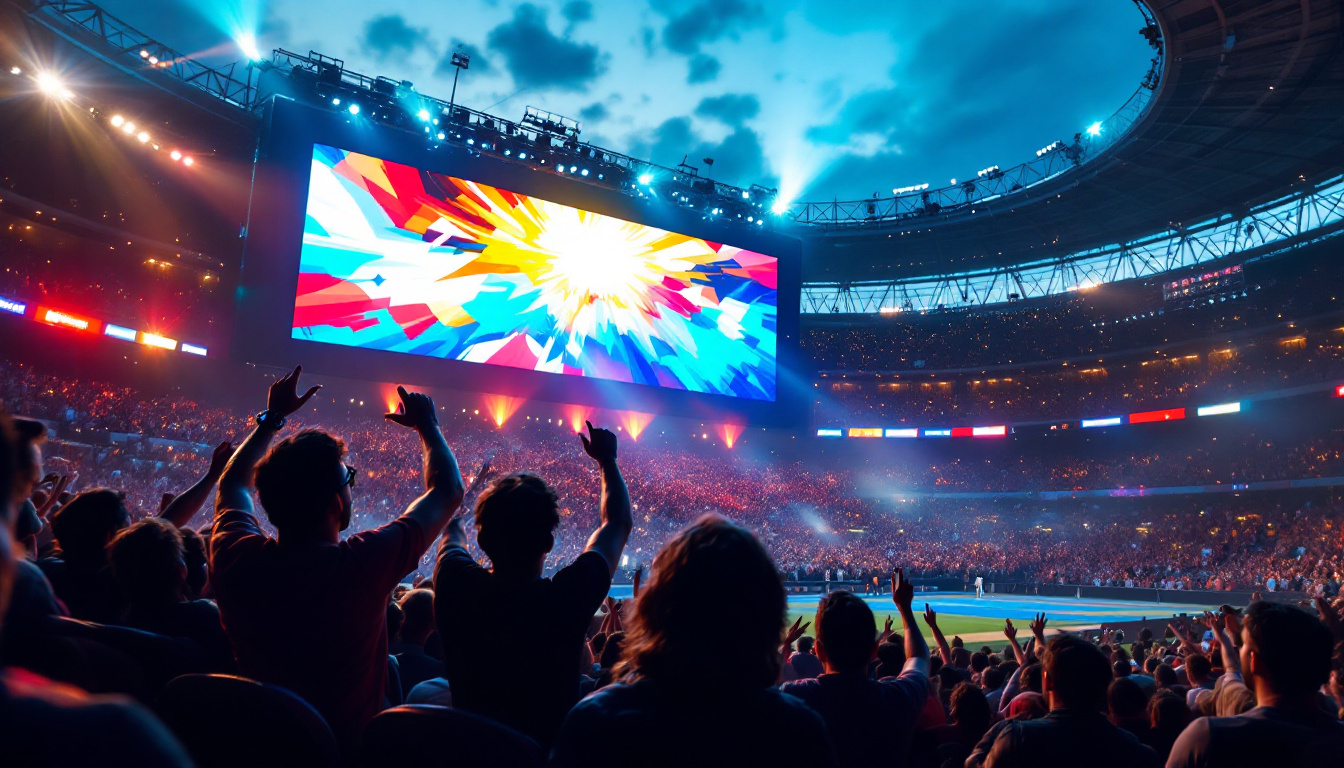
Concerts, sports arenas, and exhibitions utilize large LED screens to enhance audience engagement. These displays provide live video feeds, interactive content, and immersive visual effects that elevate the event experience.
Wholesale LED displays are often preferred by event organizers and rental companies for their scalability and ease of installation.
Corporate and Educational Use
Businesses and educational institutions use LED displays for presentations, information boards, and digital notice systems. These displays improve communication efficiency and create modern, tech-savvy environments.
Bulk purchasing allows organizations to outfit multiple rooms or campuses with consistent, high-quality displays.
Smart Cities and Public Information
Municipalities are increasingly adopting LED displays for traffic management, public announcements, and emergency alerts. These displays contribute to smarter, safer urban environments by providing real-time information to citizens.
Wholesale procurement supports widespread deployment across city infrastructure, ensuring uniformity and reliability.
How to Source Wholesale LED Displays
Finding the right wholesale supplier involves research, due diligence, and clear communication of requirements. The following steps can guide businesses through the sourcing process.
Evaluate Supplier Credentials
Look for suppliers with proven experience, positive customer reviews, and certifications that demonstrate product quality and safety compliance. Industry certifications such as ISO 9001 and CE marking are indicators of manufacturing standards.
Request Samples and Demonstrations
Before committing to a large order, request product samples or visit showrooms to evaluate display quality firsthand. Live demonstrations can reveal important details about brightness, color accuracy, and build quality.
Clarify Warranty and Support Terms
Wholesale purchases should come with comprehensive warranties covering defects and performance issues. Additionally, ensure that technical support and after-sales service are readily available to address any challenges during installation or operation.
Negotiate Pricing and Lead Times
Wholesale transactions often allow room for negotiation on price, delivery schedules, and payment terms. Establish clear timelines and confirm that the supplier can meet your project deadlines.
Conclusion
Wholesale LED displays offer businesses a powerful tool for visual communication, combining technological sophistication with cost efficiency. By understanding the technology, market dynamics, and key selection criteria, buyers can make informed decisions that enhance their brand presence and operational effectiveness.
As LED technology continues to evolve, staying informed about the latest advancements and market trends will ensure that investments in LED displays remain future-proof and impactful. Whether for advertising, events, corporate use, or public information, wholesale LED displays represent a smart, scalable solution for modern visual communication needs.
Discover Cutting-Edge LED Displays with LumenMatrix
Ready to elevate your visual communication strategy with the latest in LED display technology? Look no further than LumenMatrix, a pioneer in crafting LED display modules that bring your brand to life. From the immersive Indoor LED Wall Display to the dynamic Outdoor LED Wall Display, and from the versatile Vehicle LED Display to the innovative LED Transparent Display, LumenMatrix offers a comprehensive range of solutions tailored to your unique needs. Embrace the future of digital signage with LumenMatrix and create unforgettable visual experiences that engage and captivate your audience. Check out LumenMatrix LED Display Solutions today and transform the way you communicate with impact and precision.