In today’s fast-paced digital world, LED displays have become an integral part of communication, advertising, and entertainment. From the vibrant billboards that light up cityscapes to the massive screens in stadiums and concert venues, LED technology is everywhere. Among the many types of LED displays, “Wide LED” screens have gained popularity for their versatility and visual impact. This article delves into what Wide LED displays are, how they work, their applications, and why they are transforming the way we experience digital visuals.
Understanding LED Display Technology
What is an LED Display?
LED stands for Light Emitting Diode, a semiconductor device that emits light when an electric current passes through it. An LED display is a flat panel that uses an array of these tiny LEDs as pixels to present images, videos, or text. Unlike traditional LCD or plasma screens, LED displays produce their own light, which results in brighter images, better contrast, and improved energy efficiency.
LED displays come in various forms, including indoor and outdoor screens, flexible panels, and transparent displays. Their modular design allows manufacturers to build screens of virtually any size and shape, making them ideal for a wide range of applications. For instance, outdoor LED displays are often designed with higher brightness levels to combat sunlight, ensuring visibility even in direct sunlight. This adaptability has made LED technology a popular choice for advertising billboards, sports arenas, and concert venues, where dynamic content needs to be showcased effectively.
What Makes a Wide LED Display Different?
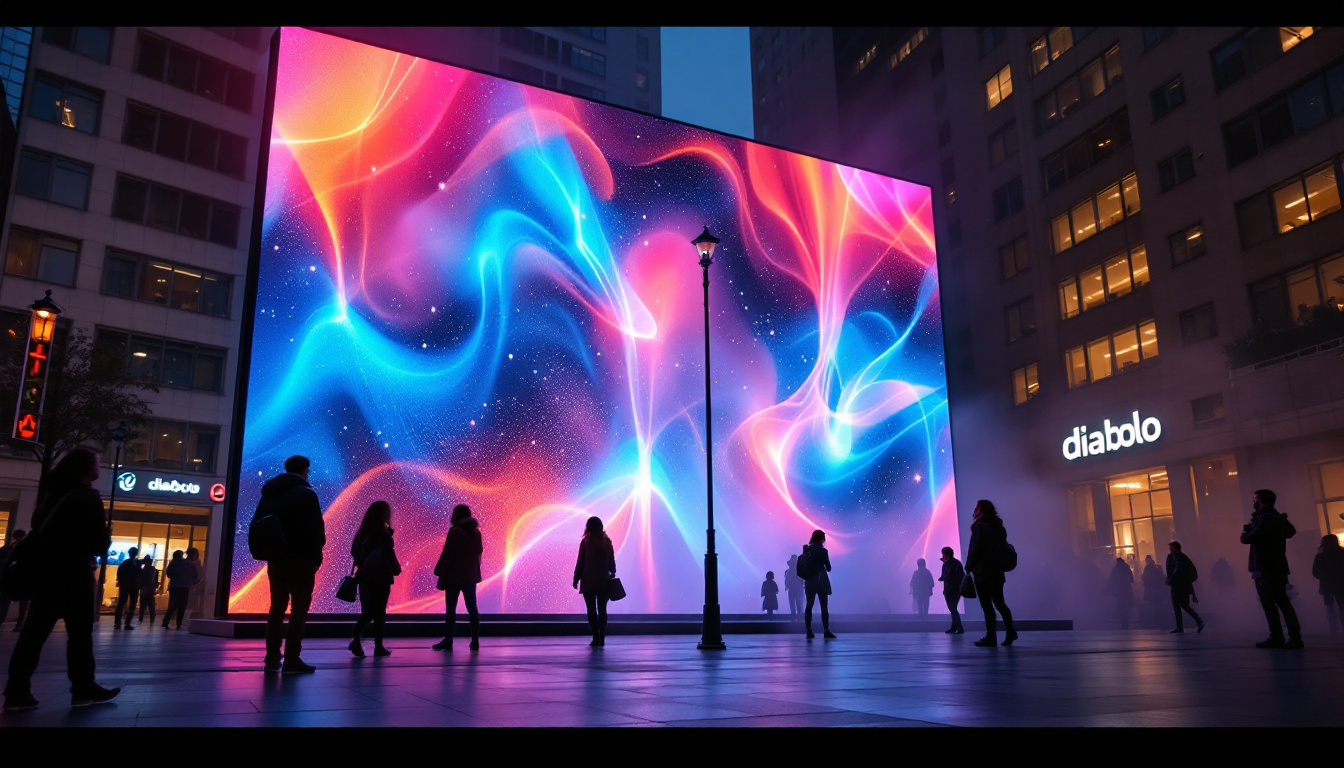
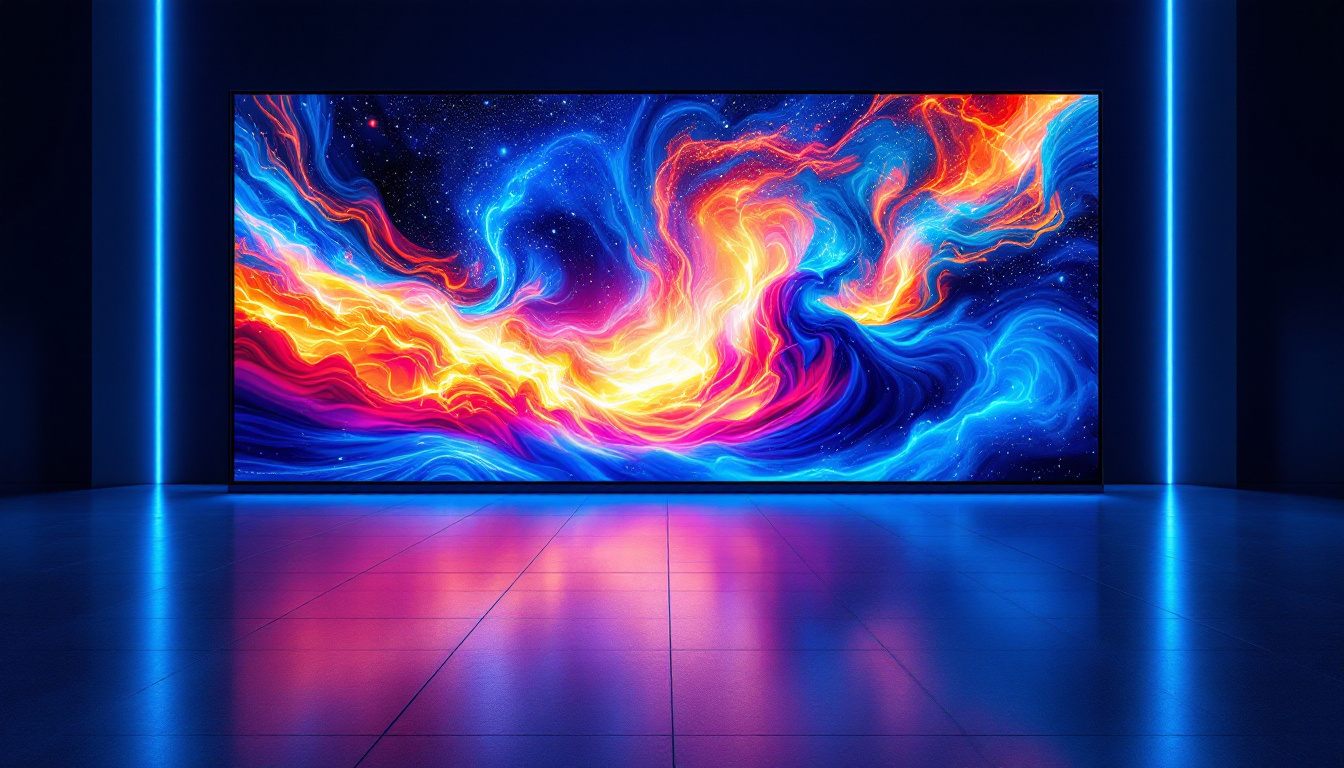
Wide LED displays refer to screens with an extended horizontal aspect ratio, often much wider than the standard 16:9 or 4:3 ratios seen in typical monitors or televisions. These displays are designed to provide panoramic views, making them perfect for environments where a broad field of vision is essential.
For example, in arenas, airports, or retail environments, wide LED screens can span entire walls or ceilings, offering immersive content that captures attention from multiple angles. Their wide format also allows for simultaneous display of multiple content streams, enhancing communication efficiency. This capability is particularly beneficial in environments such as control rooms or broadcast studios, where operators can monitor various feeds at once without the need for multiple screens. Furthermore, the use of wide LED displays in digital signage enhances the storytelling aspect of advertisements, allowing brands to create more engaging narratives that can unfold across the entire screen, captivating audiences and driving consumer engagement.
How Wide LED Displays Work
Pixel Configuration and Resolution
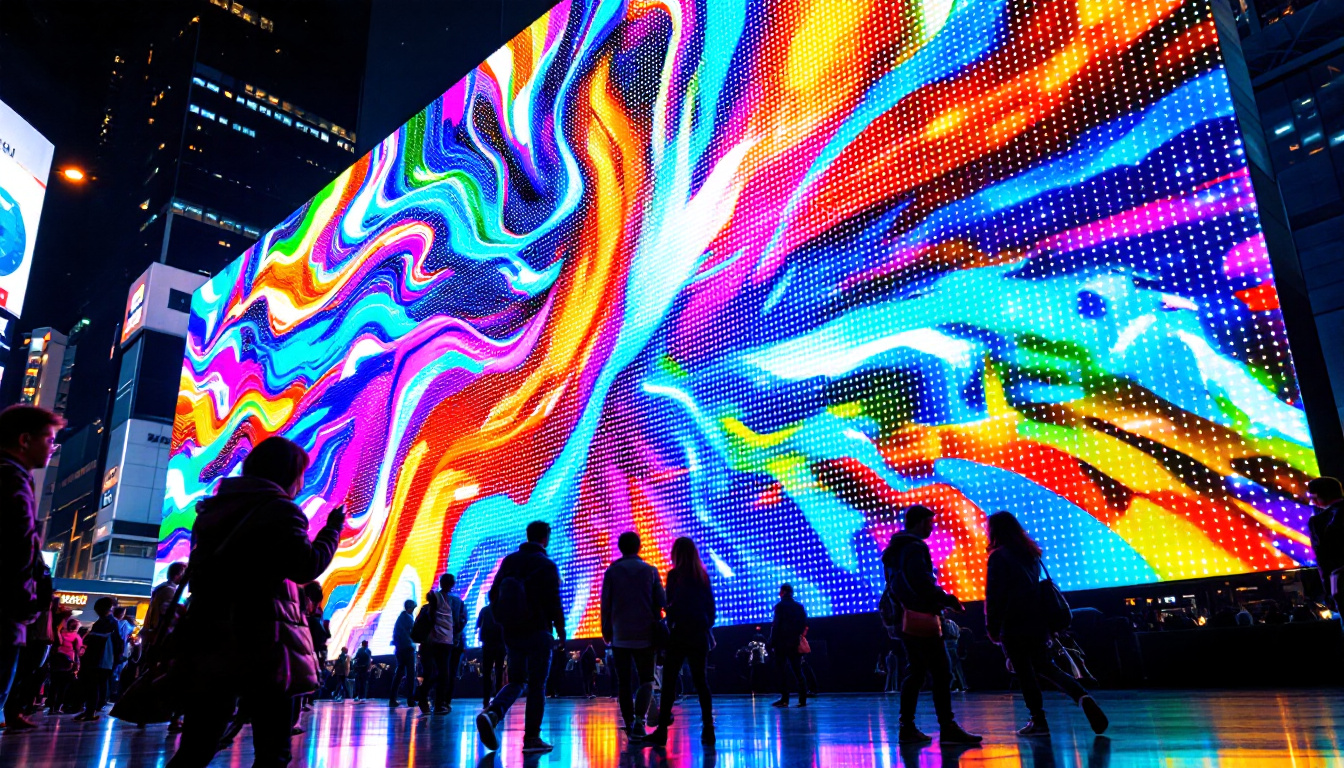
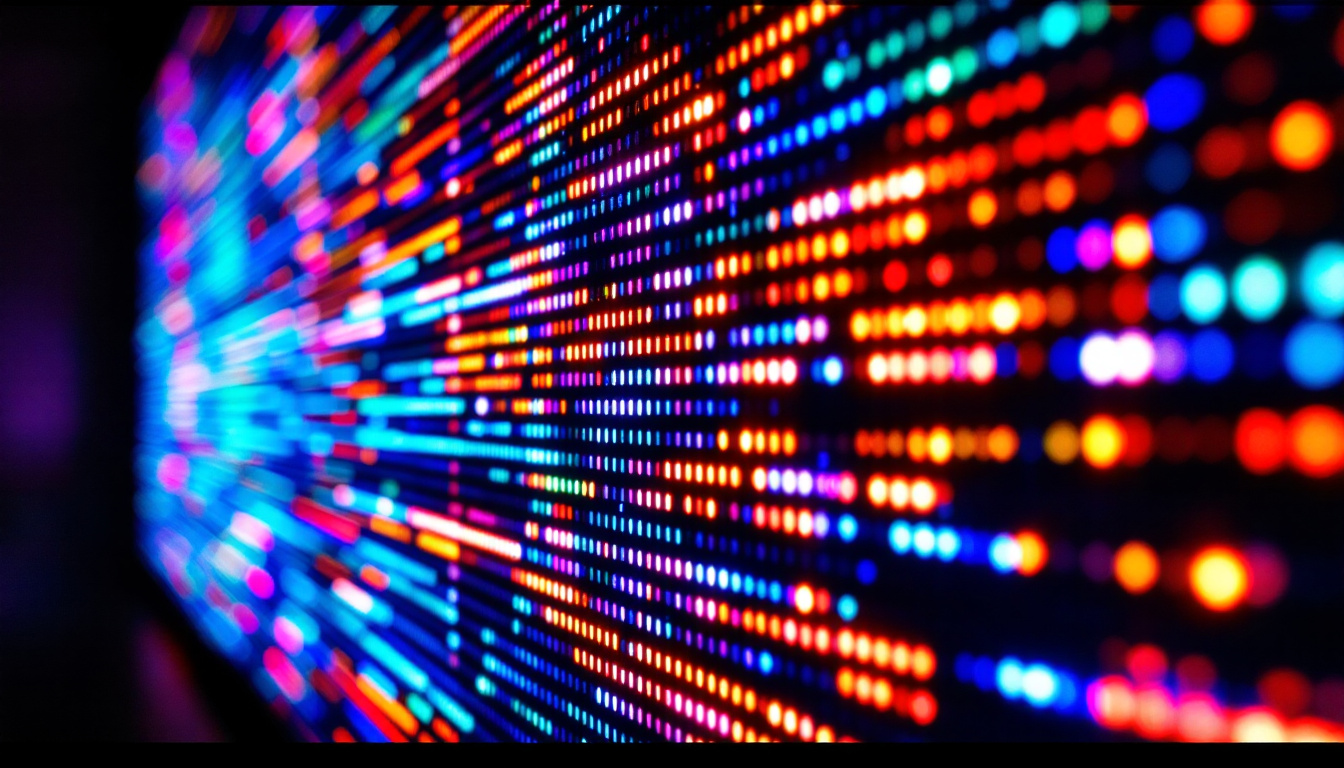
At the core of any LED display is its pixel configuration. Each pixel consists of red, green, and blue LEDs that combine to produce a full spectrum of colors. The density of these pixels, measured as pixel pitch (the distance between pixels), determines the resolution and clarity of the display.
Wide LED displays often feature a pixel pitch optimized for viewing distances. For instance, a large outdoor billboard with a pitch of 10mm or more is suitable for viewers hundreds of feet away, while indoor wide LED walls may have pitches as small as 1.2mm for close-up viewing. This careful calibration ensures that images and videos appear crisp and vibrant, regardless of the viewer’s distance. Furthermore, advancements in technology have led to the development of microLED and miniLED displays, which offer even finer pixel pitches and enhanced color accuracy, making them ideal for high-end applications such as art installations and luxury retail environments.
Modular Panel Design
Wide LED screens are typically constructed from multiple smaller panels seamlessly joined together. This modular approach allows for flexible installation and easy maintenance. Each panel contains its own set of LEDs and control circuitry, enabling precise calibration of color and brightness across the entire display.
Advancements in manufacturing have reduced the bezels between panels, resulting in near-seamless visuals that enhance the immersive experience. Additionally, some wide LED displays incorporate curved or angled panels to fit architectural designs or create unique visual effects. This versatility not only allows for creative freedom in design but also opens up new possibilities for interactive installations, where viewers can engage with the content in a more dynamic way. For example, curved displays can wrap around corners or create immersive environments that draw viewers into the visual narrative.
Control Systems and Content Management
Operating a wide LED display requires sophisticated control systems that manage the input signals, synchronize the panels, and adjust brightness and color settings. These systems often include software platforms that allow users to schedule content, switch between sources, and monitor display health remotely.
Modern content management systems support a variety of media formats and interactive features, enabling dynamic presentations that can adapt in real-time to audience engagement or environmental conditions. For instance, some systems can integrate sensors that detect ambient light levels, automatically adjusting the display’s brightness to ensure optimal visibility. Additionally, advanced analytics capabilities allow operators to gather insights on viewer interaction and engagement, enabling data-driven decisions that enhance the effectiveness of advertising campaigns or event presentations. This level of interactivity not only captivates audiences but also maximizes the impact of the displayed content, making wide LED displays a powerful tool in both marketing and entertainment sectors.
Applications of Wide LED Displays
Advertising and Marketing
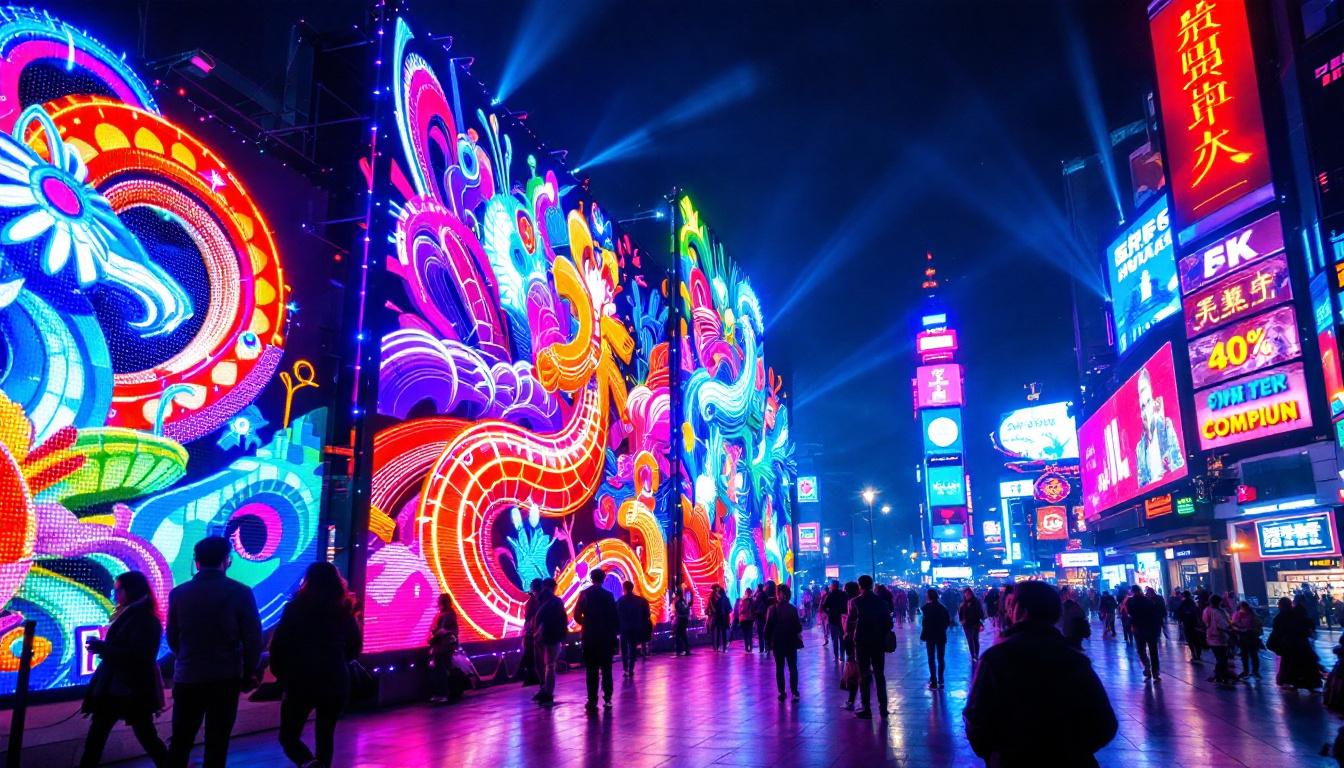
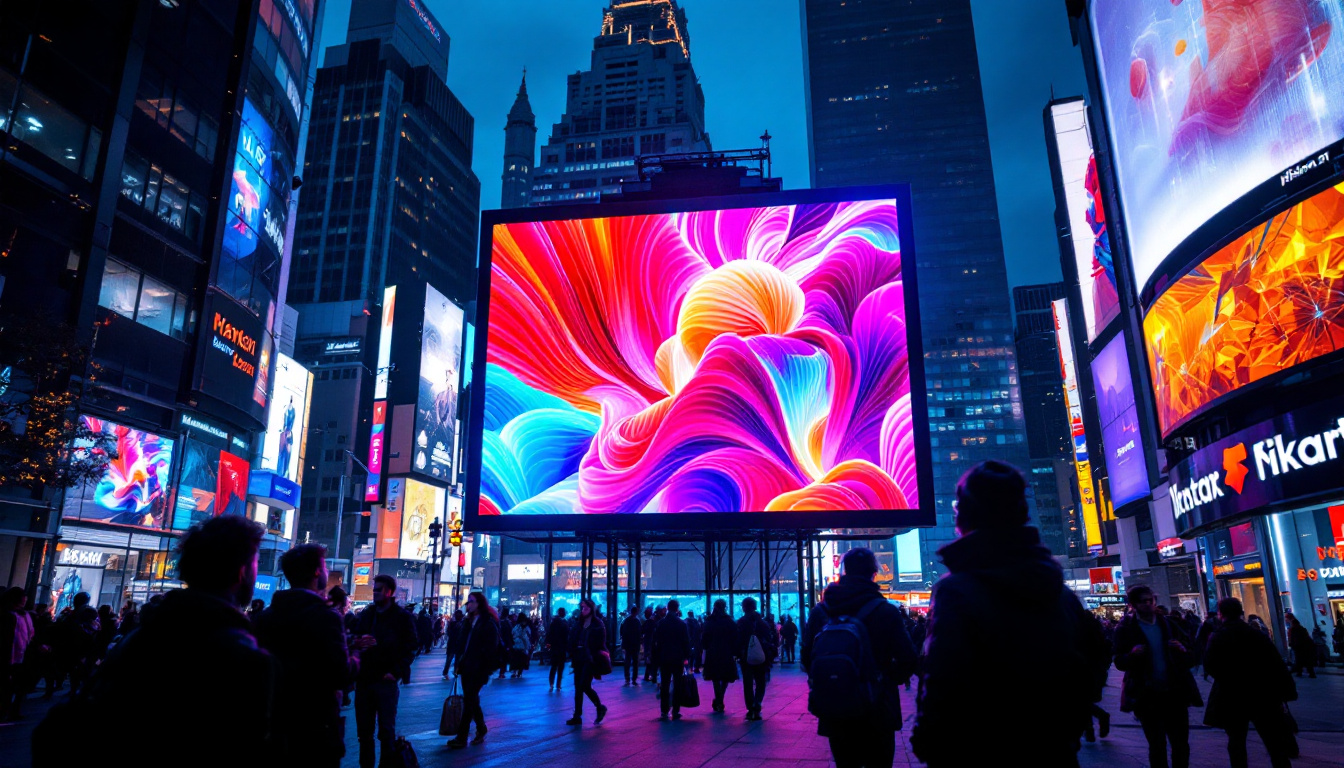
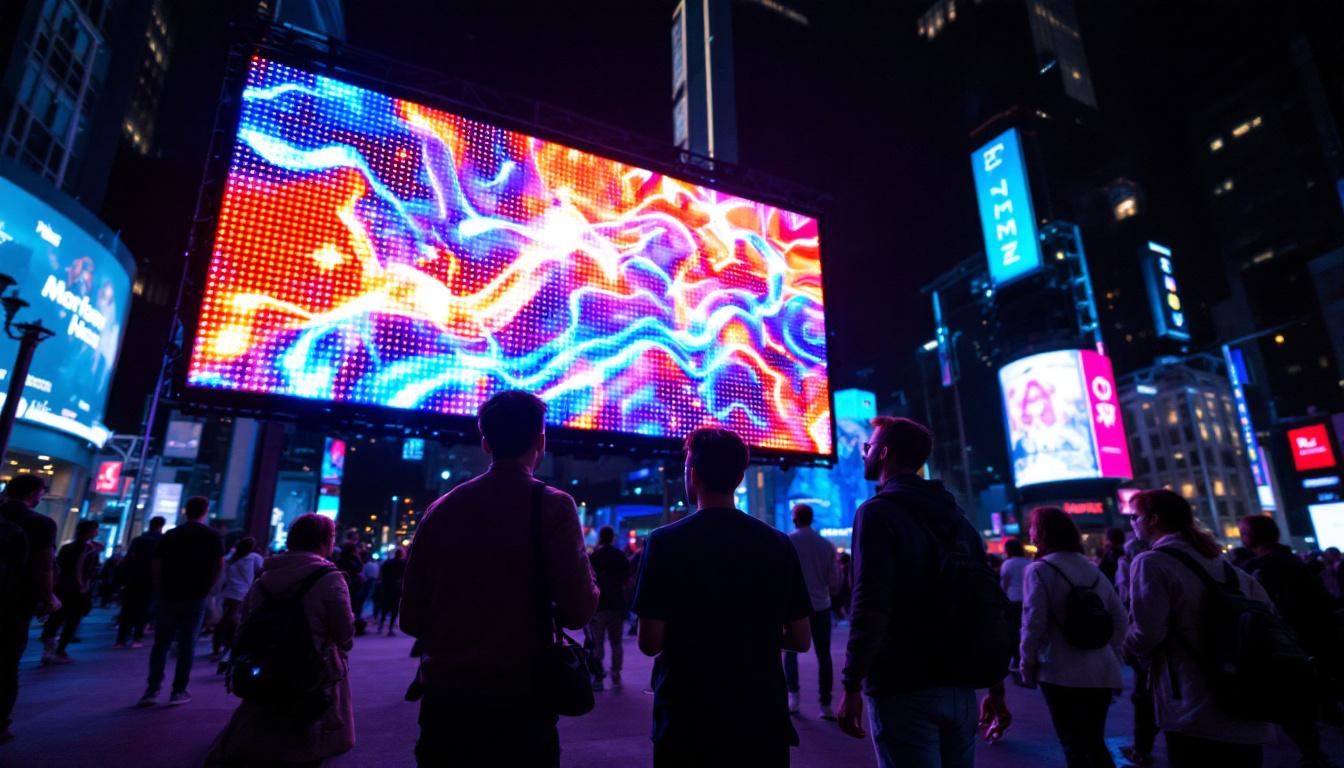
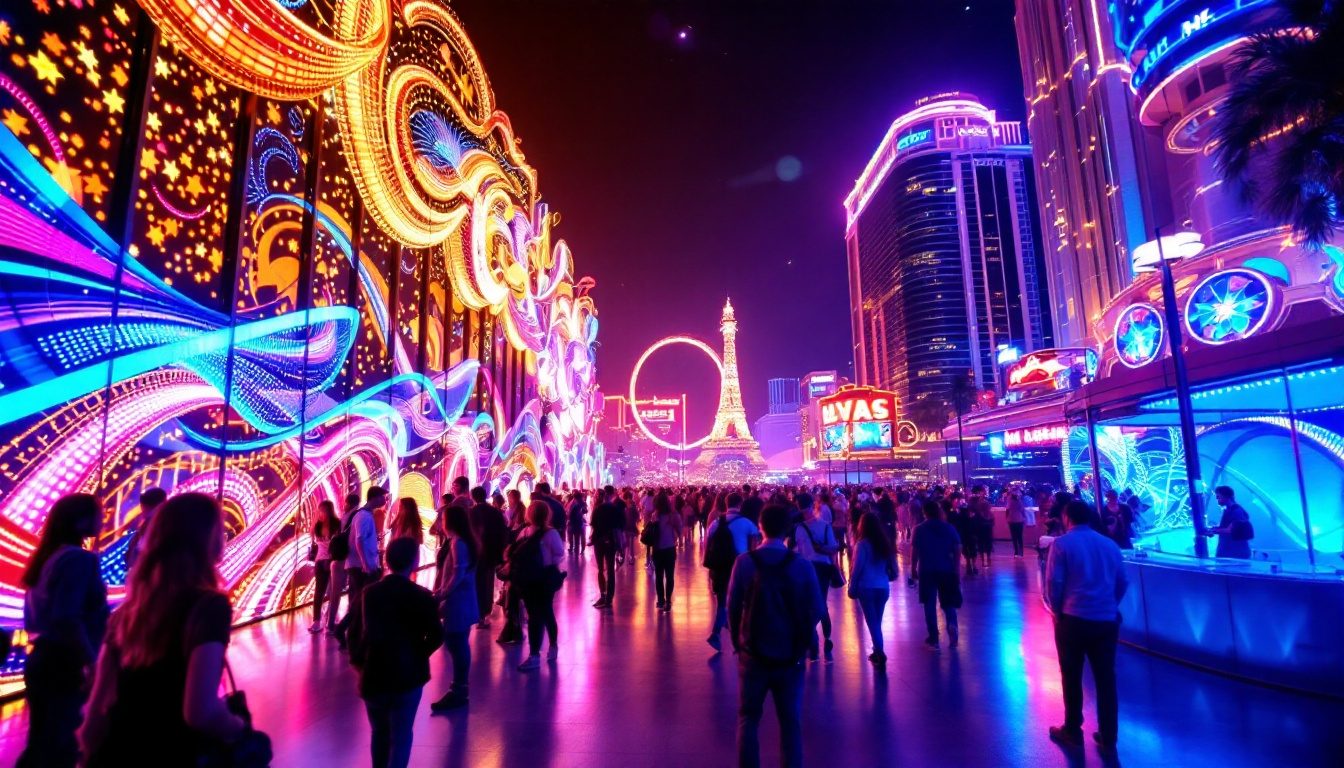
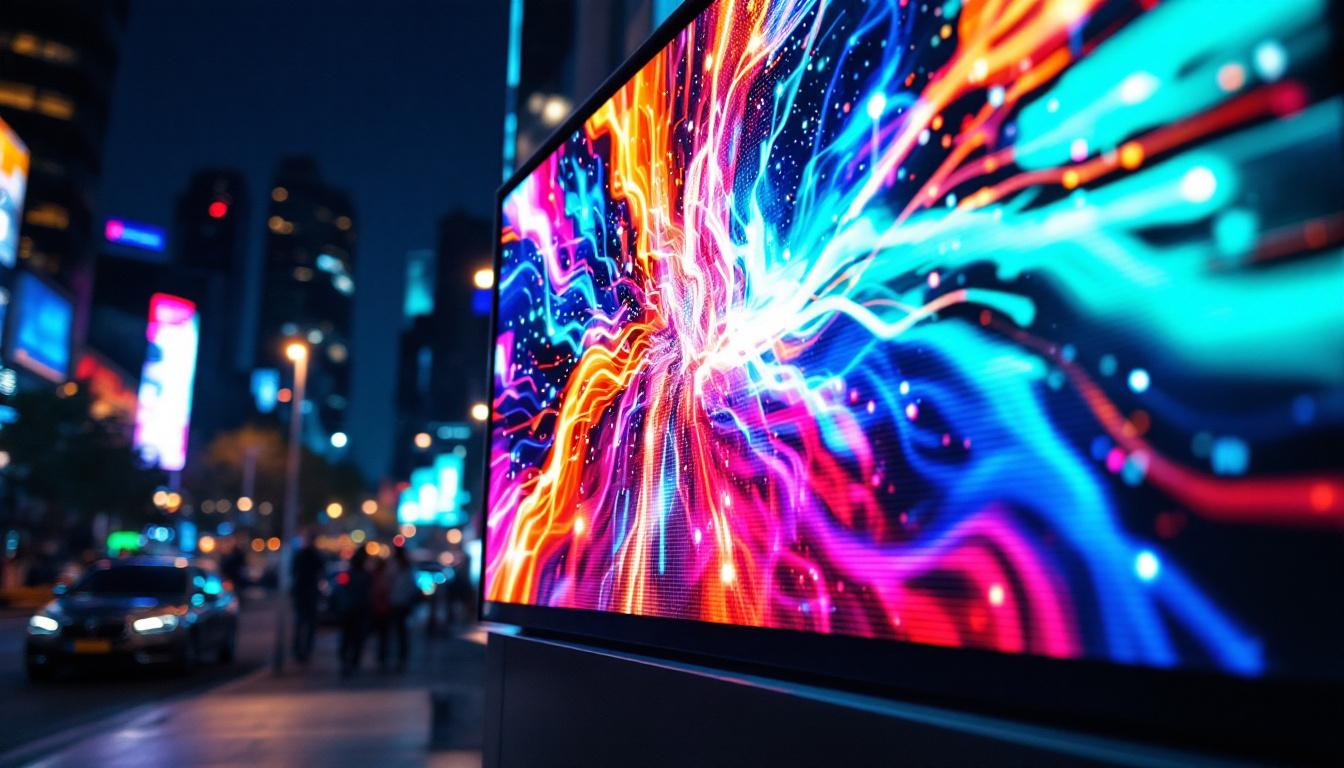
One of the most visible uses of wide LED displays is in outdoor advertising. Digital billboards with wide aspect ratios dominate urban landscapes, delivering high-impact messages that can be updated instantly. According to a 2023 report by the Digital Signage Federation, digital out-of-home advertising revenue exceeded $7 billion in the U.S. alone, with LED displays accounting for a significant portion of this growth.
Wide LED screens enable advertisers to present panoramic visuals, split-screen content, or interactive campaigns that engage viewers more effectively than static posters or traditional signage.
Sports and Entertainment Venues
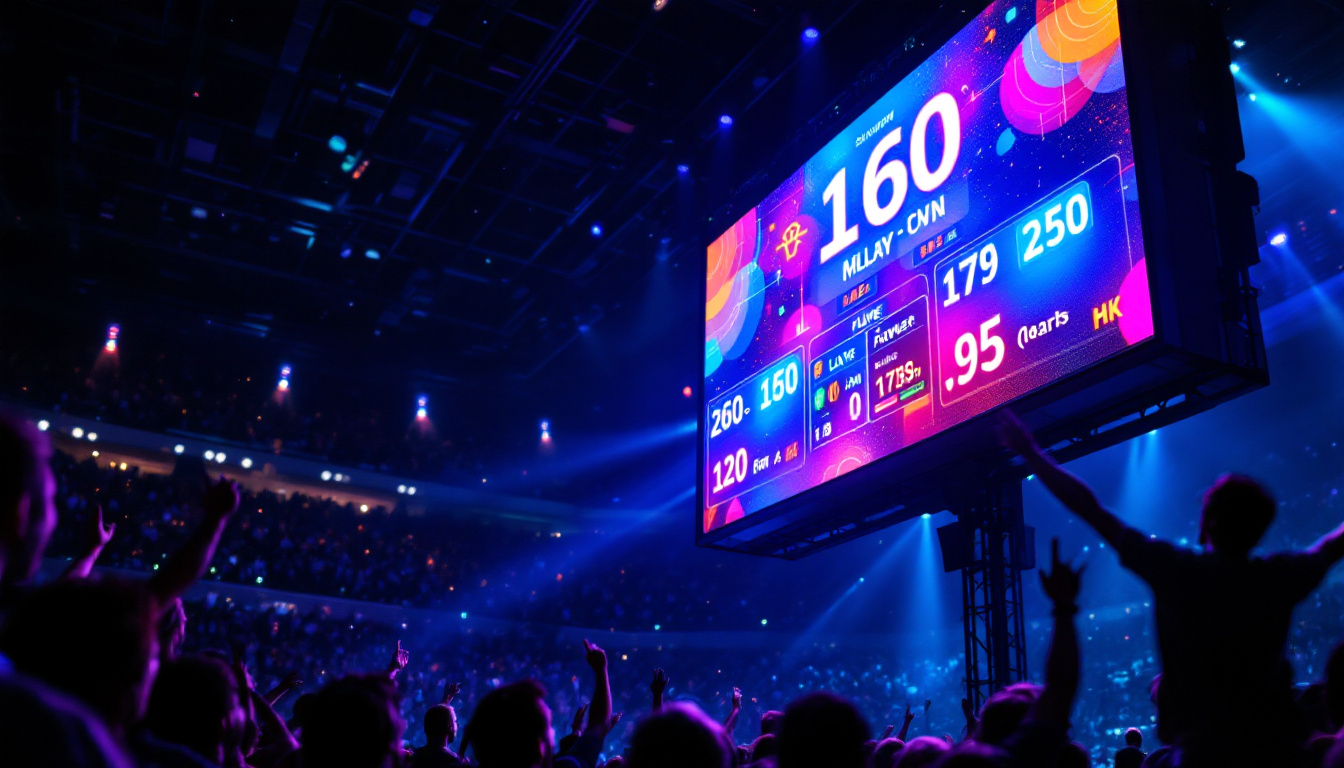
Stadiums and arenas rely heavily on wide LED displays to enhance the spectator experience. These screens provide live game footage, instant replays, statistics, and advertisements, all visible from various seating angles. The wide format ensures that even fans seated far from the action can enjoy clear, detailed visuals.
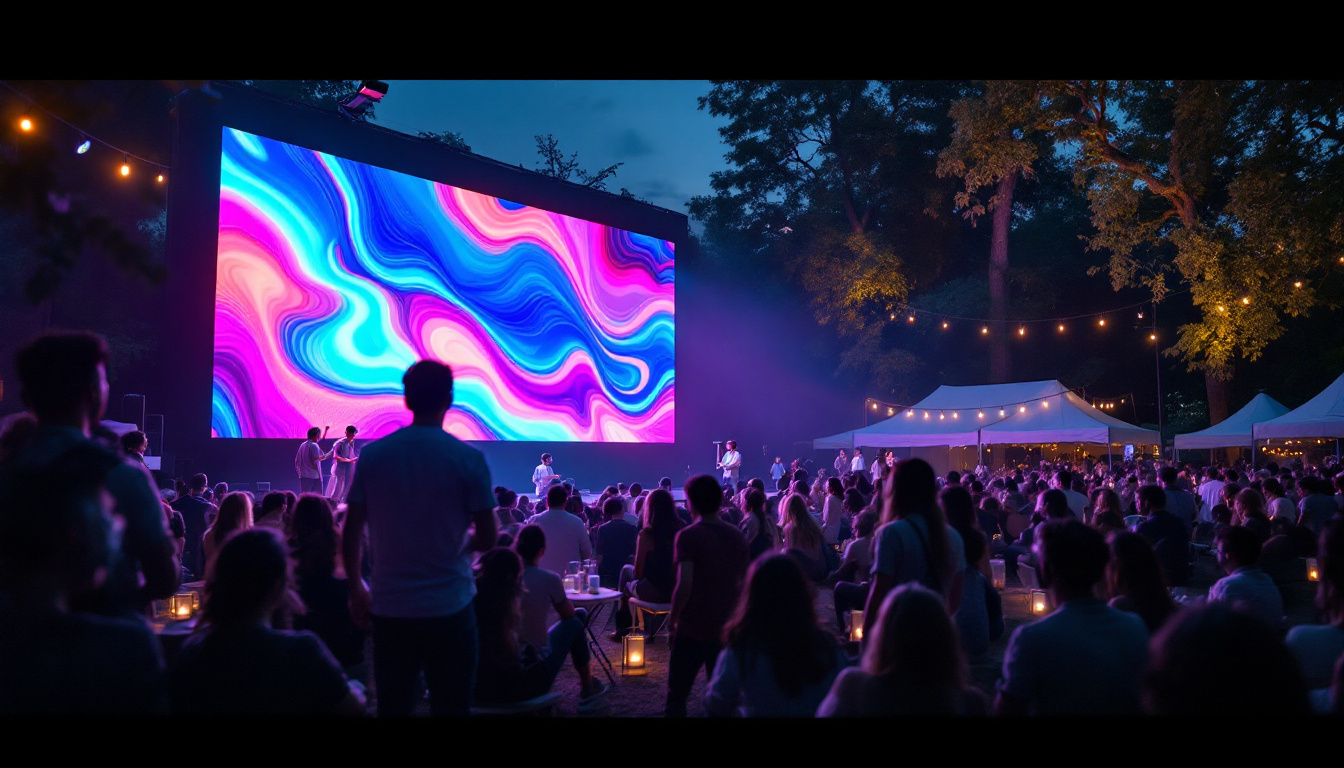
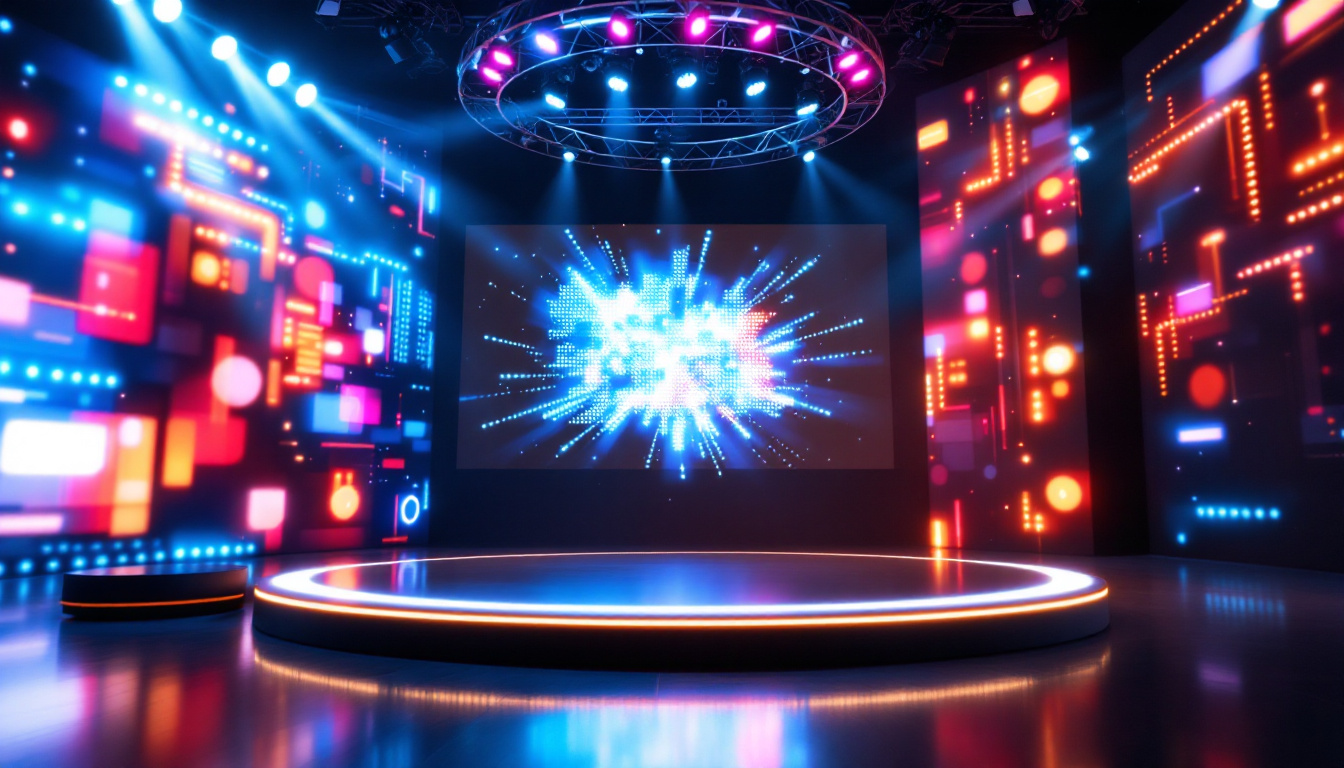
Concerts and theatrical productions also use wide LED walls as dynamic backdrops, creating immersive environments that change with the performance. The ability to display high-resolution video content across expansive surfaces has revolutionized stage design and audience engagement.
Corporate and Public Spaces
In corporate settings, wide LED displays serve as impressive digital signage for lobbies, conference rooms, and event spaces. They communicate brand messages, display real-time data, or facilitate interactive presentations. Public spaces such as airports, train stations, and shopping malls use wide LED screens for wayfinding, announcements, and promotional content.
These applications benefit from the wide viewing angles and high brightness of LED technology, ensuring visibility under diverse lighting conditions.
Advantages of Wide LED Displays
High Brightness and Visibility
Wide LED displays are known for their exceptional brightness, often exceeding 5,000 nits for outdoor models. This makes them easily visible even in direct sunlight, a critical factor for outdoor advertising and public information systems. The high contrast ratio also enhances image clarity, making content more engaging and easier to read.
Energy Efficiency and Longevity
Compared to older display technologies like plasma or fluorescent backlit LCDs, LED displays consume less power while delivering superior brightness. Advances in LED chip design and power management have further improved energy efficiency, reducing operational costs.
LEDs also have a longer lifespan, often rated for 50,000 to 100,000 hours of operation, which translates to years of reliable use with minimal maintenance.
Flexibility and Customization
The modular nature of wide LED displays allows for custom shapes and sizes, enabling designers to integrate screens into unique architectural features. Curved, concave, or convex wide LED walls create immersive environments tailored to specific venues or brand identities.
Additionally, the ability to display multiple content streams simultaneously or switch dynamically between content types makes wide LED displays highly versatile tools for communication.
Challenges and Considerations
Initial Investment and Installation
Wide LED displays often require a significant upfront investment, especially for high-resolution indoor models or large outdoor installations. The cost includes not only the panels but also control systems, mounting structures, and professional installation services.
However, the long-term benefits in terms of durability, energy savings, and advertising impact often justify the initial expense.
Maintenance and Environmental Factors
While LED technology is robust, wide LED displays require regular maintenance to ensure optimal performance. This includes cleaning, calibration, and occasional component replacement. Outdoor displays must be weatherproof and resistant to dust, moisture, and temperature fluctuations.
Choosing the right IP rating (Ingress Protection) and ensuring proper ventilation are critical to prolonging the lifespan of outdoor wide LED screens.
Content Creation and Management
Creating content that fully utilizes the wide format can be challenging. Designers must consider the viewing distance, aspect ratio, and audience engagement strategies to produce effective visuals. Content management systems should be user-friendly and capable of handling high-resolution media without latency.
The Future of Wide LED Displays
Technological Innovations
Emerging technologies such as MicroLED and MiniLED promise even higher brightness, improved color accuracy, and thinner form factors. These advancements will further enhance the capabilities of wide LED displays, making them more adaptable to various environments and applications.
Integration with AI and IoT technologies is also on the rise, enabling smart displays that can adjust content based on real-time data, audience demographics, or environmental conditions.
Sustainability and Environmental Impact
As sustainability becomes a priority, manufacturers are focusing on eco-friendly materials and energy-efficient designs. Recyclability of LED components and reduction of hazardous substances are key areas of development, aligning wide LED displays with global environmental goals.
Expanding Applications
Beyond traditional advertising and entertainment, wide LED displays are finding new uses in education, healthcare, and transportation. Interactive wide LED walls in classrooms enhance learning experiences, while hospitals use them for patient information and wayfinding. In transportation hubs, they improve passenger communication and safety.
Conclusion
Wide LED displays represent a dynamic and evolving segment of digital display technology. Their ability to deliver bright, high-resolution visuals across expansive surfaces makes them invaluable for advertising, entertainment, corporate communication, and public information. While the initial investment and maintenance require careful consideration, the benefits in engagement, flexibility, and longevity are substantial.
As technology advances and new innovations emerge, wide LED displays will continue to shape the way people interact with digital content, offering immersive experiences that captivate and inform audiences worldwide.
Discover LumenMatrix’s Advanced LED Display Solutions
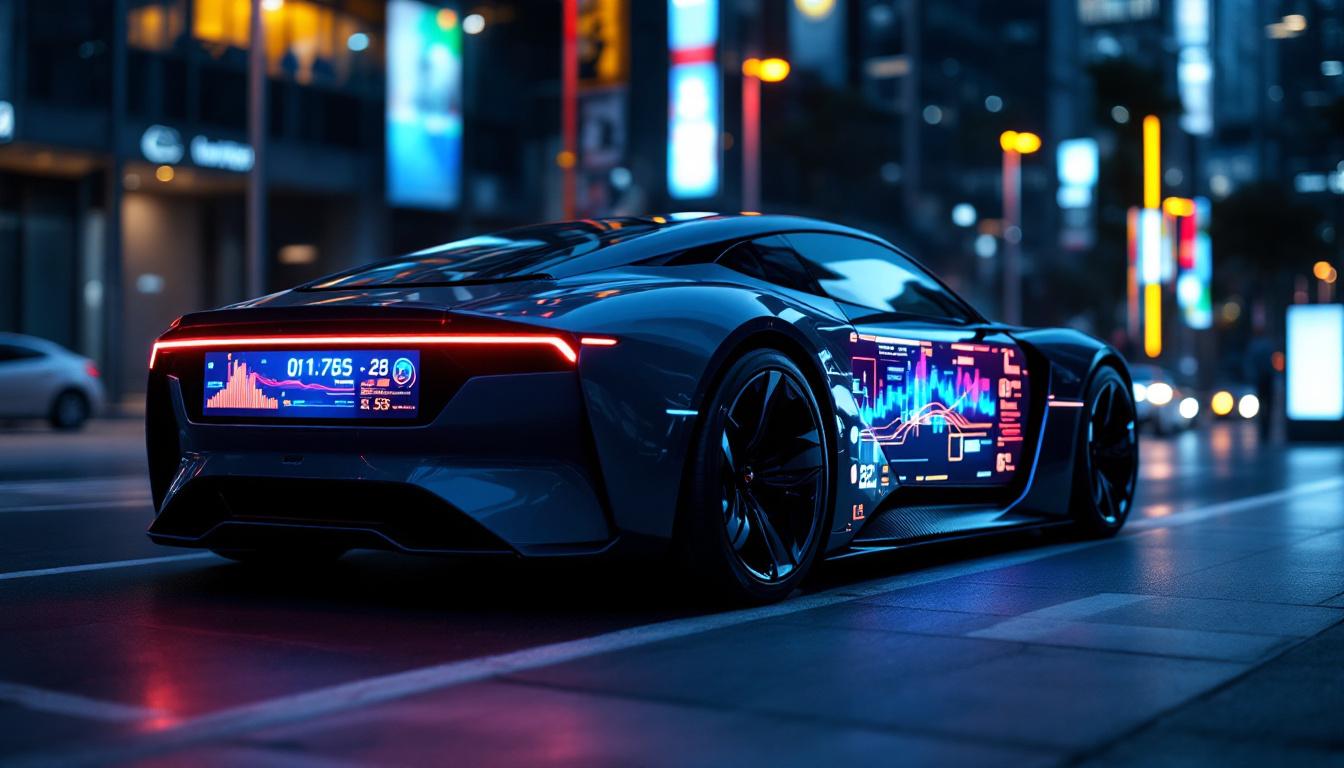
Ready to elevate your visual communication with the latest in LED technology? LumenMatrix is at the forefront of creating immersive and engaging experiences through our comprehensive range of LED display solutions. From vibrant Indoor and Outdoor LED Wall Displays to innovative options like Vehicle LED Displays, LED Posters, and Transparent LED Displays, we have the perfect fit for your needs. Experience the future of digital signage with LumenMatrix and transform how your audience connects with your brand. Check out LumenMatrix LED Display Solutions today and start making a lasting impression.