In the rapidly evolving world of digital signage and visual communication, wire display panels have emerged as a versatile and innovative solution. These panels, often integrated with LED technology, provide dynamic, high-impact displays that are transforming advertising, retail environments, and public information systems. This article delves into the fundamentals of wire display panels, explores the role of LED technology within these systems, and highlights their applications, benefits, and considerations for businesses and organizations looking to leverage this cutting-edge display technology.
Understanding Wire Display Panels
What Are Wire Display Panels?
Wire display panels are a type of digital display system characterized by their open, grid-like structure made from thin metal wires or rods. Unlike traditional solid LED screens, these panels allow light and air to pass through, making them lightweight and suitable for a variety of architectural and design applications. The wireframe design supports the mounting of LED modules or pixels, creating a semi-transparent display surface that can be customized in size and shape.
The unique construction of wire display panels offers several advantages, including reduced weight compared to conventional LED screens, enhanced airflow for cooling, and the ability to integrate seamlessly with building facades or interior spaces without obstructing views entirely. This makes them especially popular for large-scale outdoor advertising, retail window displays, and stadium or arena installations.
How Wire Display Panels Work
At their core, wire display panels function by embedding LED lights onto a wire mesh framework. Each LED pixel is strategically positioned along the wires, and these pixels can be individually controlled to display images, videos, or text. The spacing between wires (known as pixel pitch) determines the resolution and clarity of the display. Smaller pixel pitches yield higher resolution but require more LEDs and power, while larger pitches are more suitable for viewing from greater distances.
The semi-transparent nature of wire display panels means that they do not form a solid screen. Instead, they create a “floating” visual effect where content appears to hover in front of the background. This transparency is particularly useful in environments where preserving natural light or maintaining visibility behind the display is important.
The Role of LED Technology in Wire Display Panels
LED Fundamentals
LED, or Light Emitting Diode, technology is the backbone of modern digital displays. LEDs are semiconductor devices that emit light when an electric current passes through them. They are known for their brightness, energy efficiency, long lifespan, and vibrant color reproduction. These qualities make LEDs ideal for use in wire display panels, which require clear visibility in various lighting conditions, including direct sunlight.
In wire display panels, LEDs are typically surface-mounted on the wires, forming the pixels that create the images. Advances in LED manufacturing have allowed for smaller, more efficient diodes that can be packed closely together, enhancing the resolution and visual quality of wire displays.
Advantages of LED in Wire Displays
LED technology offers several advantages when integrated into wire display panels:
- Brightness and Visibility: LEDs provide high brightness levels, ensuring that content is visible even in bright outdoor environments.
- Energy Efficiency: LEDs consume significantly less power compared to traditional lighting technologies, reducing operational costs.
- Durability: LEDs are solid-state devices that are resistant to shock and vibration, making them suitable for outdoor and high-traffic areas.
- Color Accuracy: Modern LEDs can produce a wide color gamut, enabling vibrant and true-to-life images.
- Longevity: LEDs have a typical lifespan of 50,000 to 100,000 hours, minimizing maintenance needs.
Applications of Wire Display Panels with LED Technology
Outdoor Advertising and Billboards
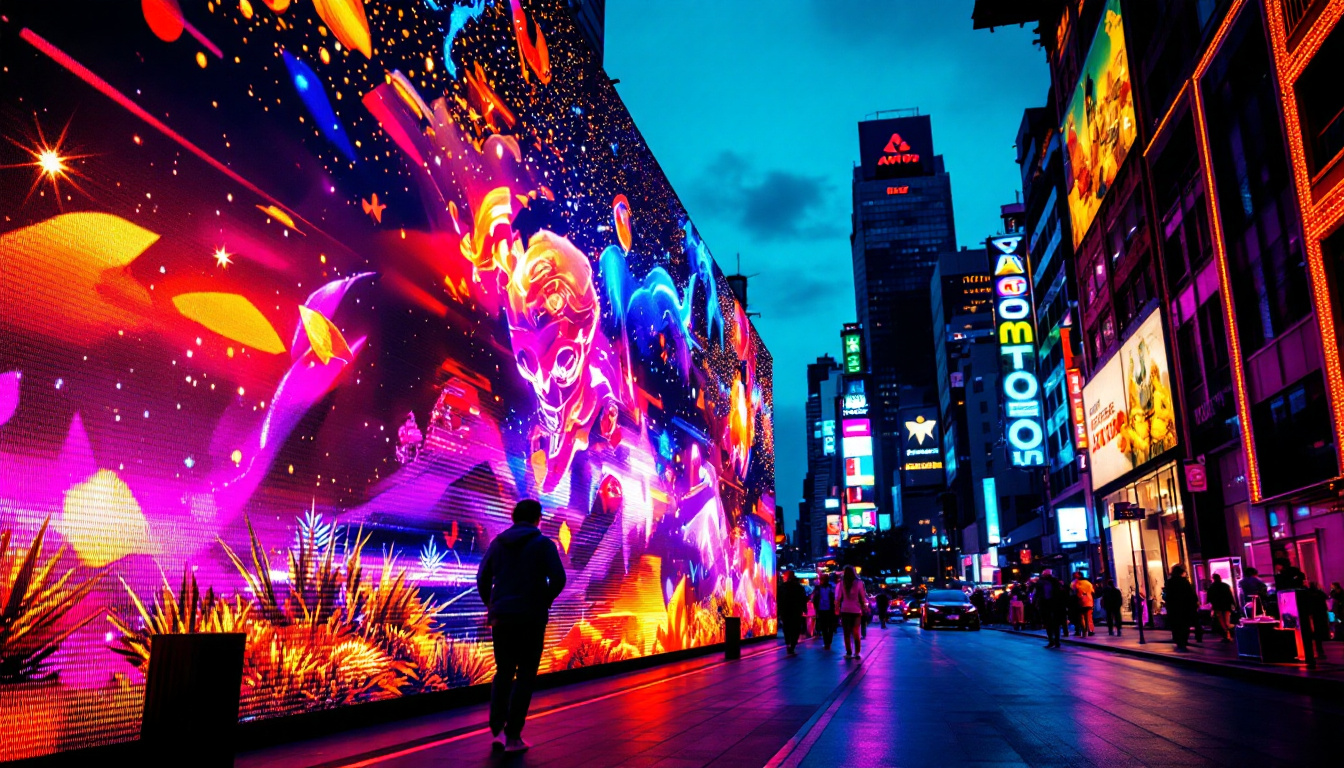
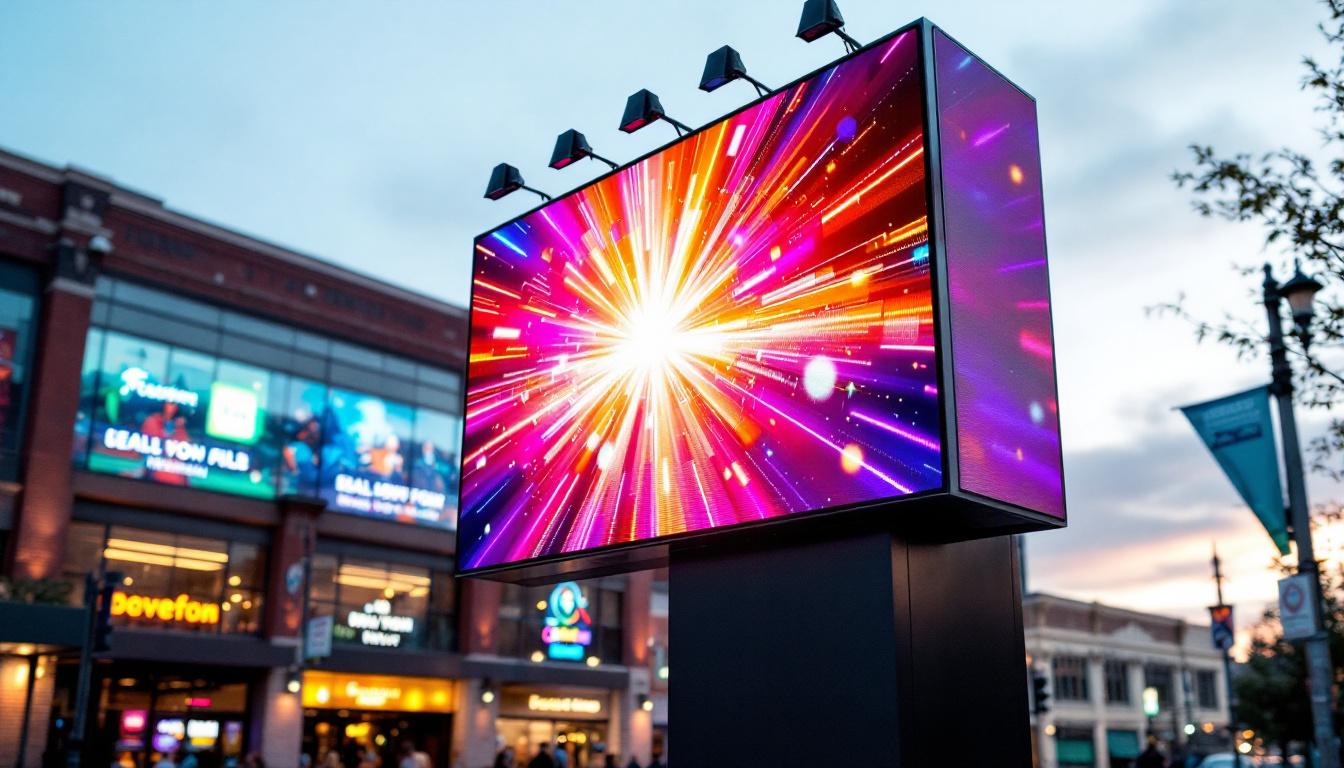
Wire display panels are increasingly popular in the outdoor advertising sector. Their lightweight and semi-transparent design allow them to be mounted on building exteriors without significantly altering the structure’s appearance or blocking natural light. For example, major cities like New York and Tokyo have embraced wire LED displays on skyscrapers and shopping centers to deliver eye-catching advertisements that captivate audiences day and night.
According to a 2023 report by the Digital Signage Federation, LED-based wire displays have contributed to a 25% increase in viewer engagement compared to traditional static billboards. This is largely due to their dynamic content capabilities and superior visibility in various lighting conditions.
Retail and Window Displays
Retailers use wire LED panels to create immersive window displays that attract customers while maintaining a connection to the store’s interior. The transparency of the panels allows shoppers to see both the digital content and the physical products behind the display, enhancing the shopping experience. This dual visibility is especially beneficial in high-end retail environments where aesthetics and ambiance are crucial.
Brands have reported increased foot traffic and sales after installing wire LED displays in storefronts, highlighting the technology’s effectiveness in driving consumer interest and engagement.
Architectural and Event Installations
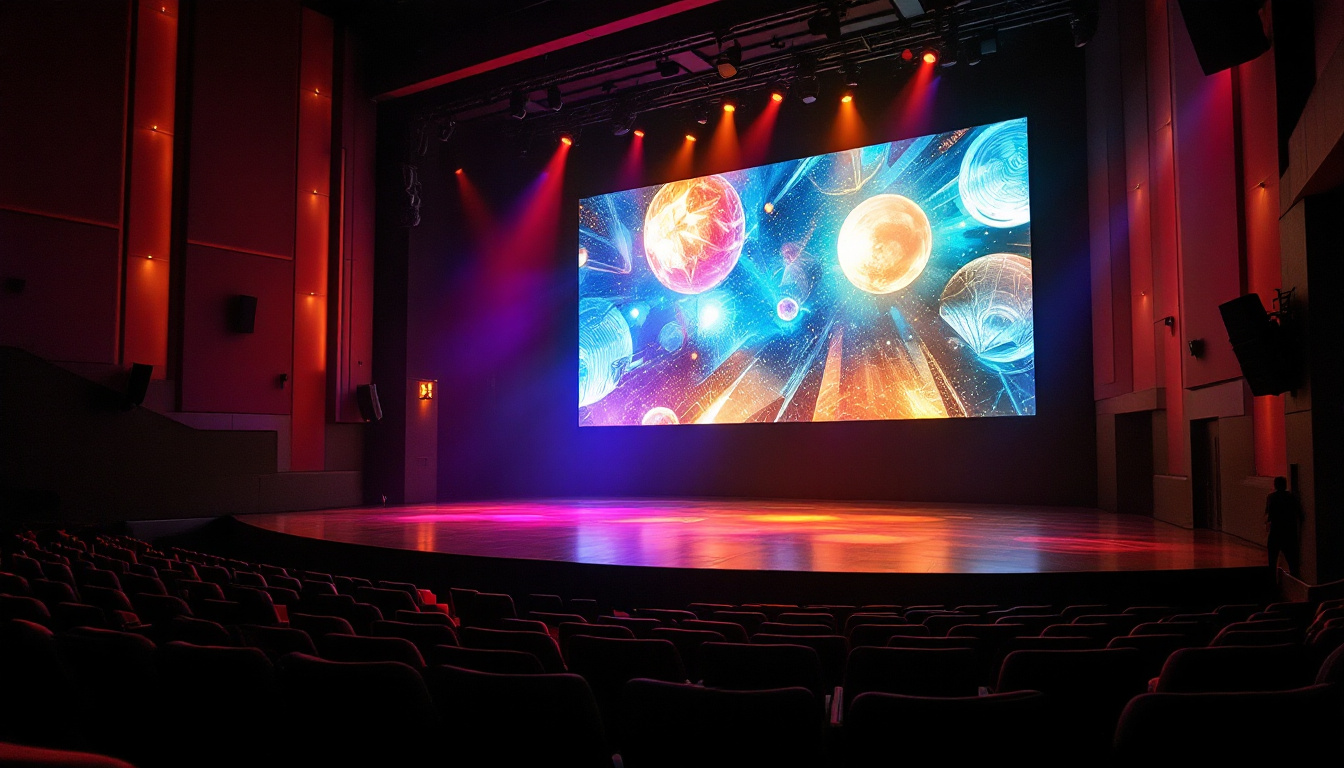
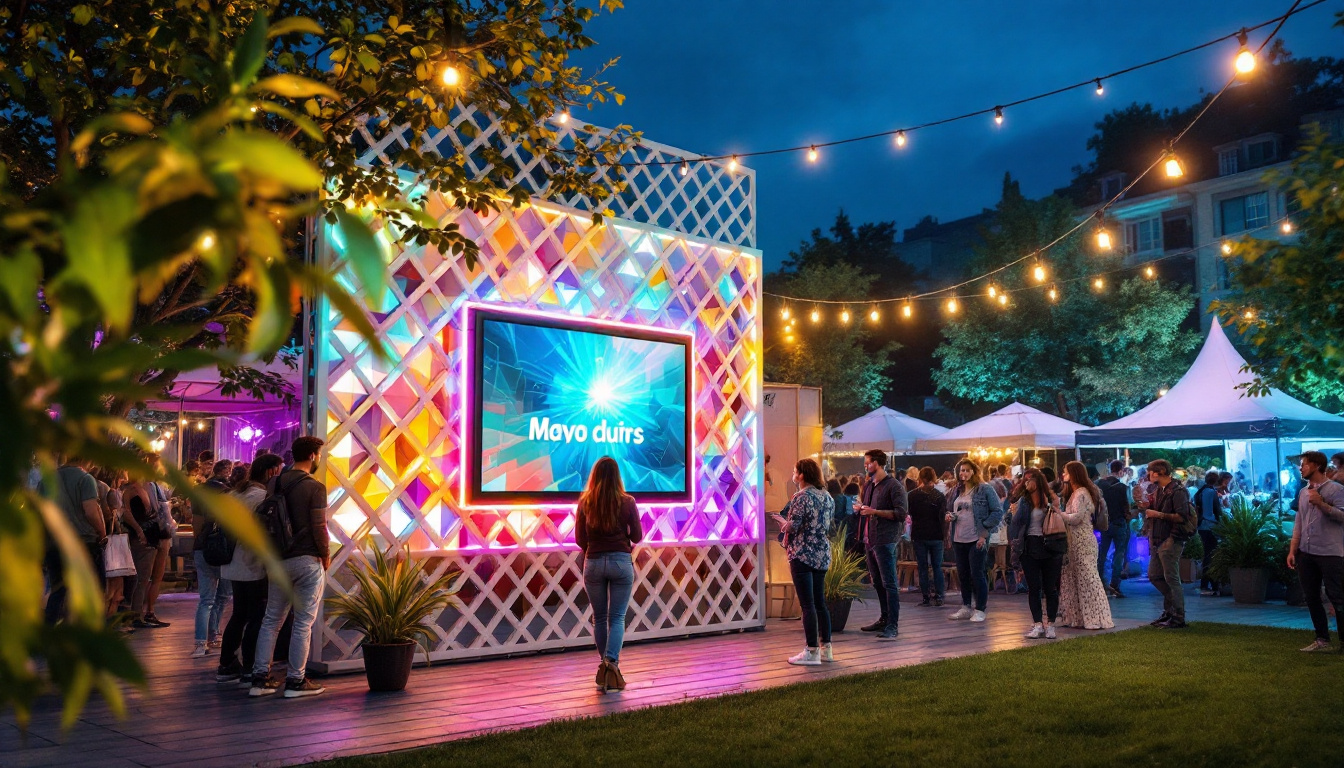
Wire display panels are also favored for architectural installations and event staging. Their flexibility in size and shape allows designers to create custom displays that complement the venue’s design. For instance, concert halls, museums, and sports arenas use wire LED panels for dynamic backdrops and informational displays that can be easily installed and removed as needed.
In the 2022 FIFA World Cup, several stadiums incorporated wire LED panels to display real-time scores, advertisements, and fan messages, demonstrating the technology’s adaptability and impact in large-scale events.
Benefits of Wire Display Panels Over Traditional LED Screens
Weight and Structural Efficiency
One of the most significant advantages of wire display panels is their lightweight construction. Traditional LED screens use solid panels that can be heavy and require substantial support infrastructure. Wire panels, by contrast, reduce the load on building facades and mounting systems, lowering installation costs and enabling use in locations where weight is a critical factor.
Transparency and Aesthetic Integration
The semi-transparent nature of wire display panels allows for creative architectural integration. Buildings can maintain their natural lighting and exterior appearance while benefiting from dynamic digital content. This transparency also reduces the visual clutter often associated with large digital screens, making wire panels more aesthetically pleasing in urban and commercial settings.
Energy Savings and Sustainability
Energy efficiency is a growing concern for businesses aiming to reduce their carbon footprint. Wire display panels, with their LED technology, consume less power than traditional lighting and display solutions. Additionally, the improved airflow around the wire mesh helps dissipate heat, reducing the need for additional cooling systems and further lowering energy consumption.
Key Considerations When Choosing Wire Display Panels
Pixel Pitch and Resolution
The pixel pitch of a wire display panel is a crucial factor that affects image quality. Smaller pixel pitches produce sharper images but increase the number of LEDs and power requirements. Businesses should assess the typical viewing distance and desired resolution to select the appropriate pitch. For example, a retail window display viewed up close may require a pitch of 4mm or less, while a large outdoor billboard viewed from hundreds of meters away can use a pitch of 10mm or more.
Brightness and Environmental Conditions
Since wire display panels are often used outdoors, brightness levels must be sufficient to combat sunlight glare. Panels with a brightness of 5,000 to 7,000 nits are common for outdoor applications, ensuring content remains visible during daylight hours. Additionally, panels should be rated for weather resistance, including protection against rain, dust, and temperature extremes.
Installation and Maintenance
While wire display panels are generally easier to install due to their lightweight design, proper mounting and electrical connections are essential for safety and performance. Maintenance considerations include accessibility for cleaning and repairs, as well as the availability of replacement LED modules. Many manufacturers offer modular designs that simplify maintenance and reduce downtime.
The Future of Wire Display Panels and LED Technology
Technological Innovations
Advancements in LED miniaturization and smart control systems are poised to enhance wire display panels further. Emerging technologies such as micro-LEDs and flexible LED strips will enable even higher resolution and more creative display shapes. Additionally, integration with Internet of Things (IoT) platforms will allow for real-time content updates, audience analytics, and interactive features.
Sustainability and Energy Efficiency
As sustainability becomes a priority, manufacturers are focusing on eco-friendly materials and energy-saving designs. Wire display panels are well-positioned to benefit from these trends due to their inherent energy efficiency and reduced material usage compared to solid screens. Future developments may include solar-powered displays and recyclable components, aligning with global efforts to reduce environmental impact.
Expanding Market Adoption
The market for wire display panels is expected to grow significantly in the coming years. According to a 2024 market analysis by Grand View Research, the global digital signage market is projected to reach $31.7 billion by 2028, with LED-based wire displays capturing an increasing share due to their unique advantages. This growth will be driven by demand in retail, transportation hubs, sports venues, and urban infrastructure projects.
Conclusion
Wire display panels equipped with LED technology represent a compelling evolution in digital signage, combining lightweight design, transparency, and high-performance visual capabilities. Their versatility makes them suitable for a wide range of applications, from outdoor advertising and retail to architectural installations and large events. By understanding the technical aspects, benefits, and considerations associated with wire LED displays, businesses and organizations can make informed decisions to enhance their visual communication strategies effectively.
As LED technology continues to advance and sustainability becomes increasingly important, wire display panels are set to play a pivotal role in the future of digital displays, offering innovative solutions that blend technology, design, and functionality.
Discover LumenMatrix’s Innovative LED Solutions
Ready to elevate your visual communication strategy with the latest in LED display technology? Explore LumenMatrix’s comprehensive range of LED display solutions, designed to captivate your audience and amplify your message. From immersive Indoor LED Walls to dynamic Outdoor Displays, and from versatile Vehicle LED Displays to stunning LED Posters, our offerings are tailored to meet your unique needs. Embrace the future of digital signage with LumenMatrix and create unforgettable visual experiences. Check out LumenMatrix LED Display Solutions today and see the difference innovation can make.