Zero Bezel TV: LED Display Explained
In the rapidly evolving world of television technology, the term “zero bezel TV” has gained significant traction among consumers and industry experts alike. This design innovation promises a more immersive viewing experience by minimizing the frame around the screen, often referred to as the bezel. Coupled with advances in LED display technology, zero bezel TVs are redefining how viewers engage with their favorite content. This article delves into what zero bezel TVs are, how LED displays work within these designs, and why this combination is shaping the future of home entertainment.
Understanding Zero Bezel TVs: What Does It Mean?
The bezel of a television is the border or frame that surrounds the screen. Traditionally, bezels were necessary to house electronic components and provide structural support. However, as manufacturing techniques have advanced, the bezel has progressively shrunk, leading to the emergence of “zero bezel” or “borderless” TVs.
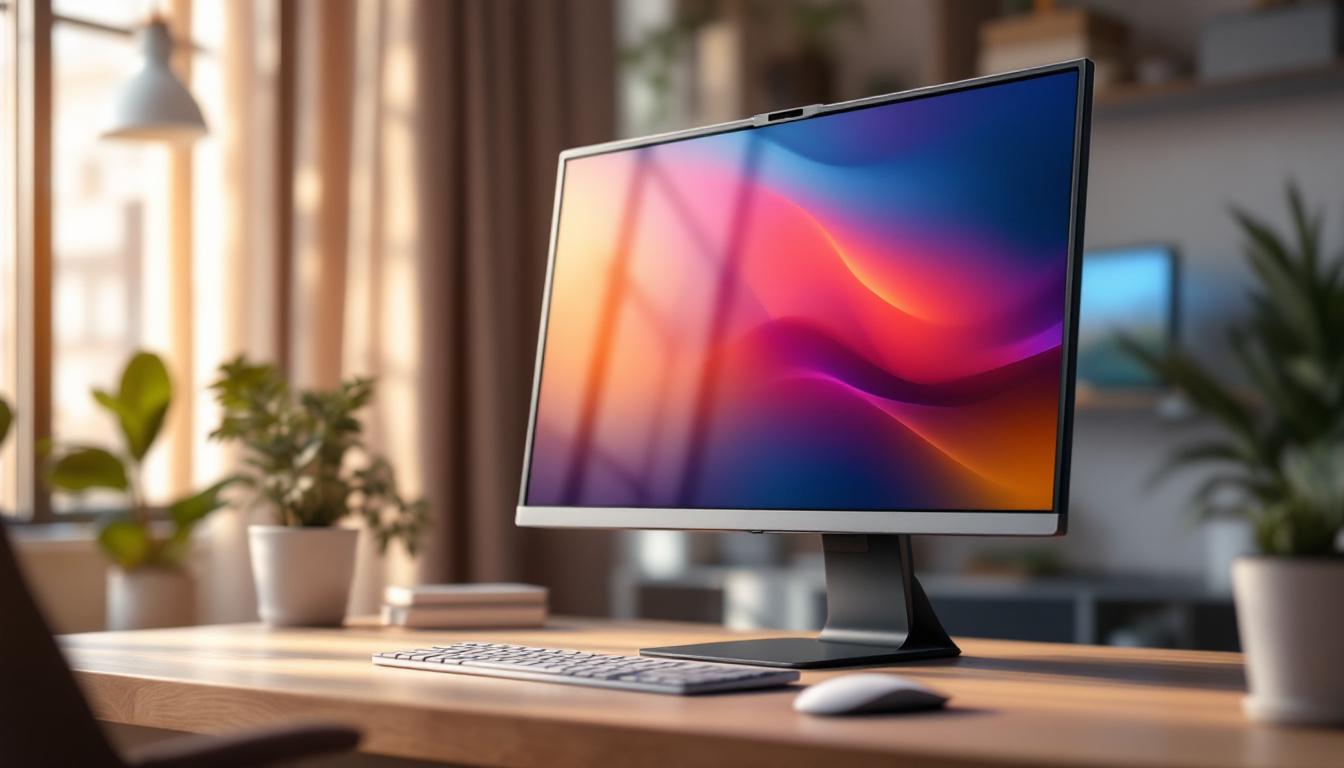
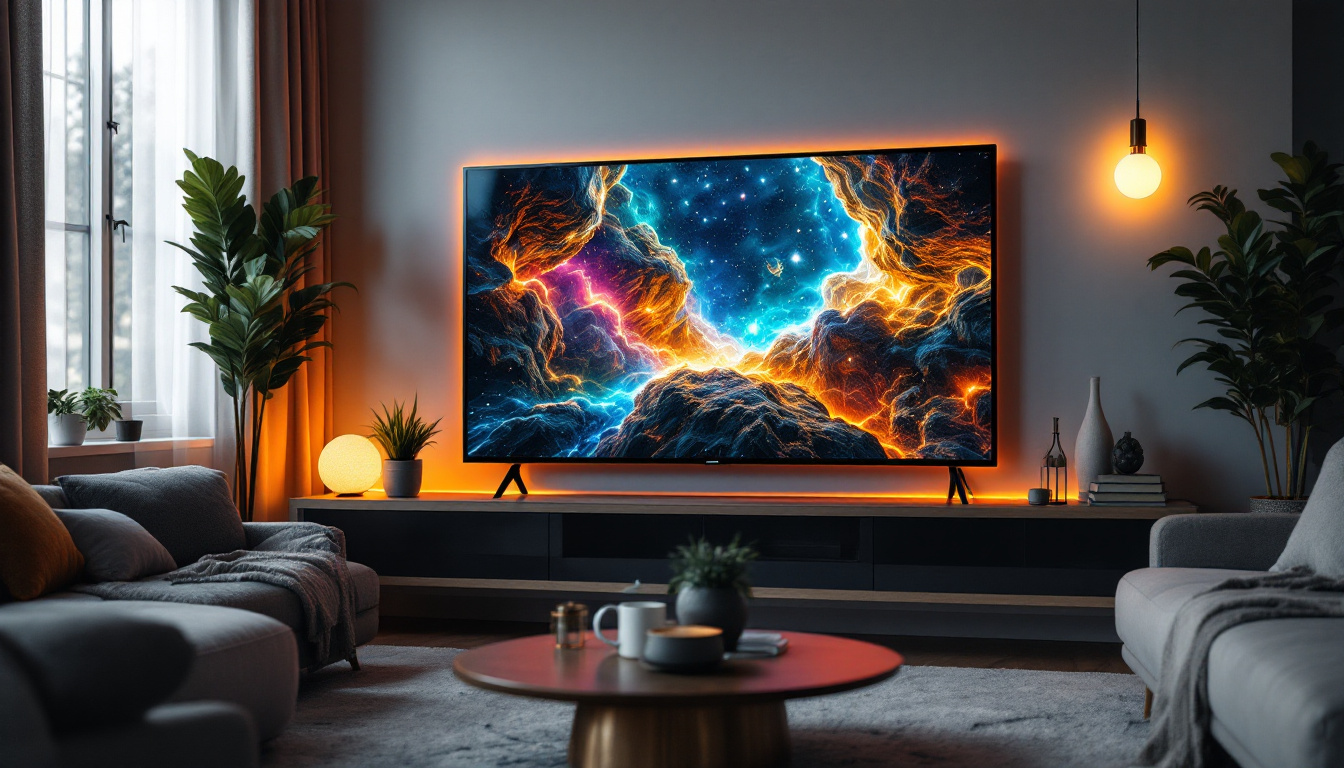
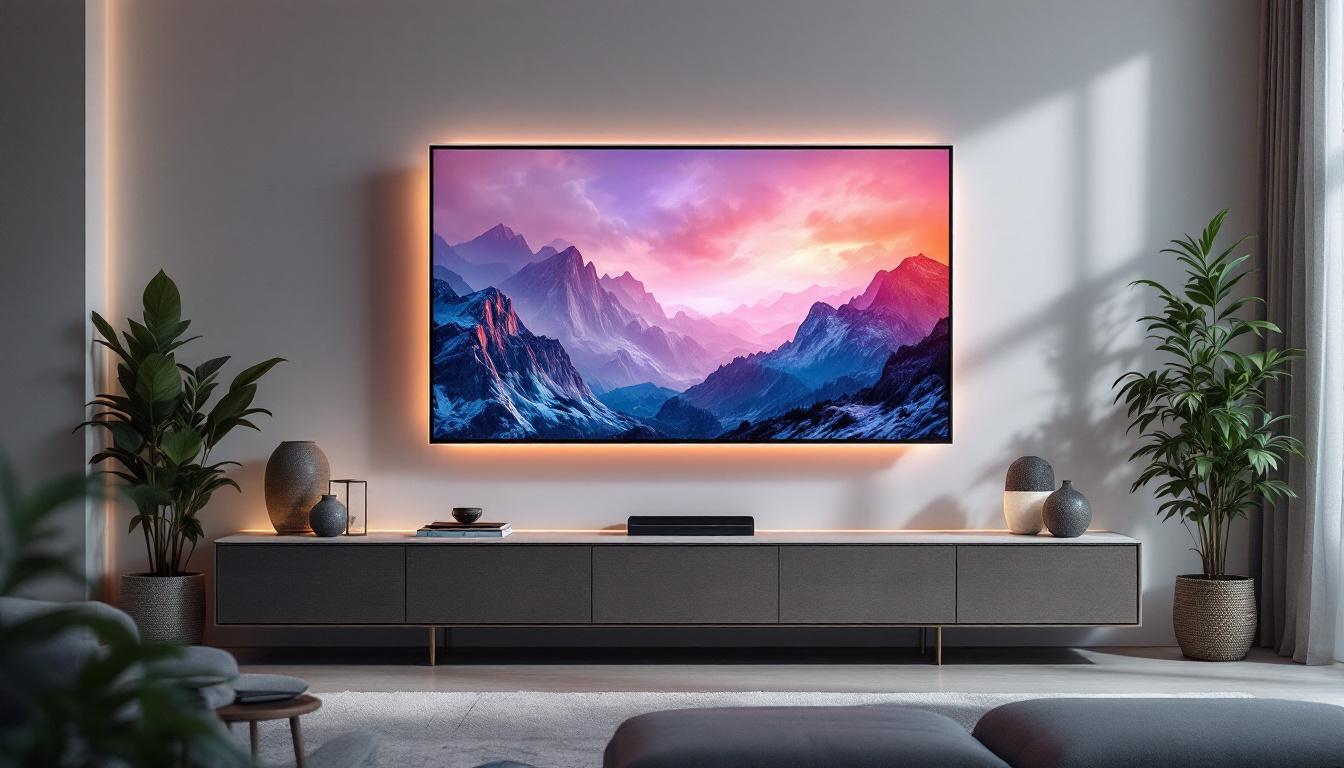
Zero bezel TVs are characterized by an almost invisible frame, creating the illusion that the display stretches edge-to-edge. This design enhances the aesthetic appeal of the television and maximizes screen real estate, making the viewing experience more immersive. For instance, when watching a nature documentary or a cinematic blockbuster, the absence of a distracting frame allows viewers to focus entirely on the content.
While the term “zero bezel” is often used in marketing, it is important to note that most zero bezel TVs still have a very thin frame for structural integrity. The bezel width in these models can be as narrow as a few millimeters, which is barely noticeable to the naked eye.
The Evolution of TV Bezels
In the early days of television, bulky cathode ray tube (CRT) technology necessitated thick bezels. These were functional and unavoidable due to the size of the internal components. As flat-panel technologies like LCD and LED emerged, bezels became thinner and more elegant.
Manufacturers have continuously pushed the limits, reducing bezel thickness to enhance the visual appeal and create a more seamless integration with modern living spaces. The zero bezel concept is the culmination of this trend, reflecting consumer demand for sleek, minimalist designs without compromising performance.
Moreover, the rise of smart TVs has also influenced the design of bezels. As televisions become more than just screens for viewing content—serving as smart home hubs and interactive devices—the aesthetic integration of these devices into home decor has become paramount. Zero bezel TVs not only provide a modern look but also allow for versatile placement options, whether mounted on a wall or positioned on a stand, blending effortlessly with the surrounding environment.
Additionally, the advancements in display technology, such as OLED and QLED, have complemented the zero bezel design by offering superior picture quality and color accuracy. These technologies enable manufacturers to create screens that are not only visually stunning but also capable of delivering an immersive viewing experience that is further enhanced by the absence of a bulky frame. As a result, consumers are increasingly drawn to zero bezel TVs, not just for their sleek appearance but also for the high-quality performance they deliver.
LED Display Technology: The Backbone of Modern TVs
Light Emitting Diode (LED) technology has become the dominant display method in the television market. Understanding how LED displays work is essential to appreciating why they are integral to zero bezel TVs.
How LED Displays Work
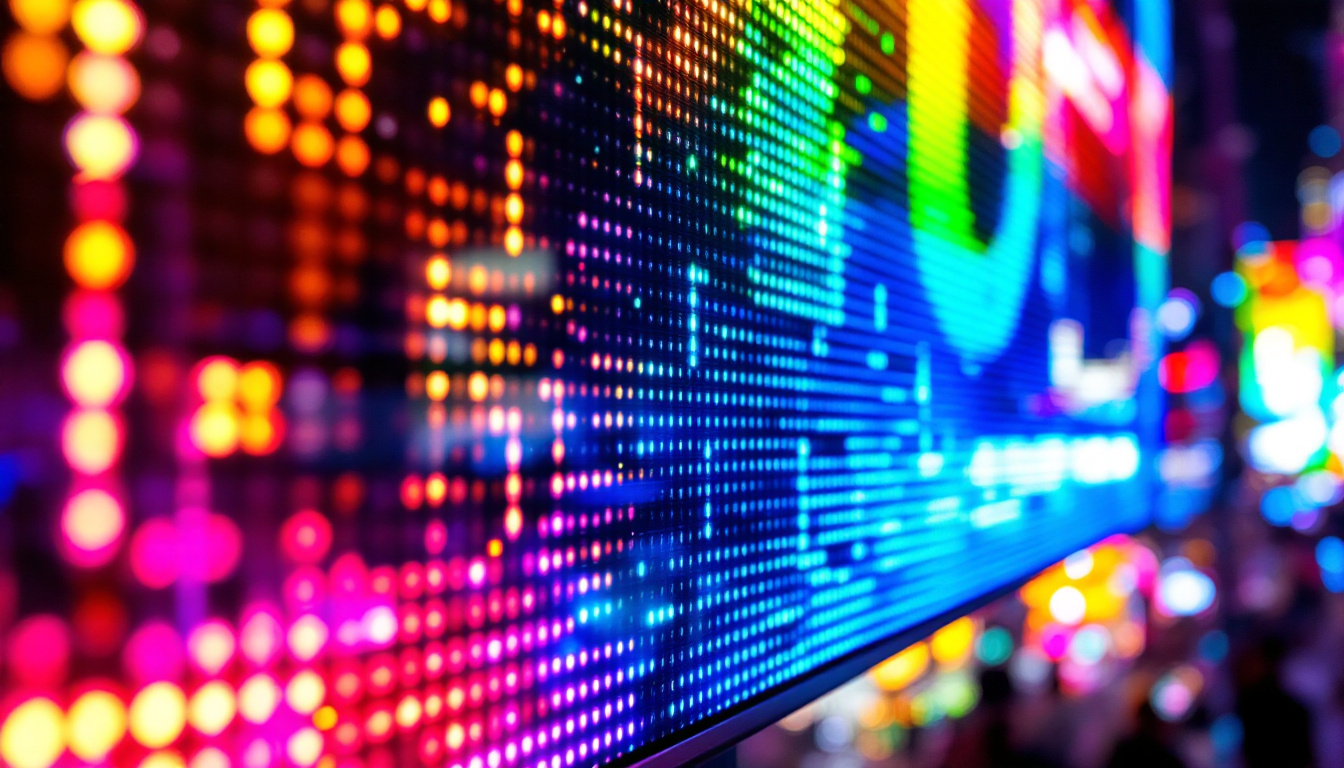
LED TVs are essentially a type of LCD (Liquid Crystal Display) TV that uses LEDs as a backlight source instead of traditional cold cathode fluorescent lamps (CCFLs). This shift has brought numerous advantages in terms of brightness, energy efficiency, and color accuracy.
The LED backlighting can be arranged in two primary ways: edge-lit and full-array. Edge-lit LED TVs place LEDs along the edges of the screen, allowing for thinner panels and enabling the reduction of bezel size. Full-array LED TVs have LEDs spread evenly behind the screen, offering better local dimming and contrast but typically resulting in a slightly thicker panel.
Advantages of LED Displays in Zero Bezel TVs
One of the key reasons LED technology is favored in zero bezel TVs is its flexibility in design. The compact nature of LEDs allows manufacturers to create ultra-thin panels with minimal framing. This is crucial when striving for the near-invisible bezel effect.
Additionally, LED displays offer excellent brightness levels and energy efficiency, which are important for maintaining picture quality in bright living environments. The improved contrast ratios and color reproduction achievable with LED backlighting also enhance the immersive experience that zero bezel TVs aim to deliver.
Moreover, the advancements in LED technology have led to the development of Quantum Dot displays, which further enhance color accuracy and vibrancy. By incorporating a layer of quantum dots, these displays can produce a wider color gamut and achieve higher peak brightness levels, making them particularly suitable for HDR (High Dynamic Range) content. This technology not only elevates the viewing experience but also aligns with the aesthetic goals of zero bezel designs, where every detail matters in creating a seamless visual experience.
Another significant aspect of LED technology is its adaptability to various viewing conditions. With features like adaptive brightness and ambient light sensing, modern LED displays can automatically adjust their settings based on the surrounding environment. This ensures that viewers enjoy optimal picture quality whether they are watching in a dimly lit room or in bright daylight. Such versatility is essential for zero bezel TVs, which are often designed to blend seamlessly into modern living spaces, enhancing both functionality and style.
Design Challenges and Solutions in Zero Bezel LED TVs
While zero bezel TVs are visually stunning, achieving this design is not without its technical challenges. Balancing aesthetics with durability, heat management, and display performance requires innovative engineering solutions.
Structural Integrity and Durability
Reducing the bezel size means less physical frame to protect the delicate screen and internal components. Manufacturers must use advanced materials such as reinforced glass and metal alloys to ensure that the screen remains sturdy and resistant to damage.
Moreover, the mounting mechanisms and internal chassis are designed to distribute stress evenly, preventing warping or damage during handling and installation.
Heat Dissipation and Component Placement
LED backlighting and other electronic components generate heat during operation. In a zero bezel design, the limited space for ventilation presents a challenge for efficient heat dissipation.
To address this, manufacturers incorporate heat sinks, thermal pads, and strategically placed vents that blend seamlessly into the design. Some models also utilize advanced cooling technologies such as heat pipes to maintain optimal operating temperatures without compromising the slim profile.
Maintaining Picture Quality at the Edges
One common issue with ultra-thin bezels is the potential for light leakage or color distortion near the edges of the screen. This can detract from the immersive experience that zero bezel TVs promise.
To mitigate this, manufacturers employ precision LED placement and advanced optical films that ensure uniform brightness and color accuracy across the entire display. Calibration techniques during production also help maintain consistency from center to edge.
Market Trends and Consumer Preferences
The popularity of zero bezel TVs has surged in recent years, driven by consumer demand for sleek, modern aesthetics and enhanced viewing experiences. Market research indicates that design elements, including bezel size, significantly influence purchasing decisions.
Statistics on Zero Bezel TV Adoption
According to a 2023 report by the Consumer Electronics Association, over 65% of new TV buyers in North America prioritize slim or zero bezel designs when selecting a television. This trend is particularly strong among younger demographics and urban consumers who value minimalist home decor.
Furthermore, global shipments of zero bezel LED TVs have increased by approximately 40% year-over-year, reflecting both technological advancements and growing consumer interest.
Integration with Smart Home Ecosystems
Zero bezel TVs are often paired with smart TV features, including voice control, AI-driven content recommendations, and seamless integration with smart home devices. The sleek design complements modern living spaces equipped with smart lighting, sound systems, and home automation.
This synergy enhances user convenience and positions zero bezel TVs as a central hub for entertainment and connectivity.
Future Outlook: What’s Next for Zero Bezel LED TVs?
The future of zero bezel LED TVs looks promising, with ongoing innovations poised to further enhance both design and performance.
MicroLED and OLED Technologies
While LED-backlit LCDs currently dominate the zero bezel market, emerging technologies like MicroLED and OLED offer exciting possibilities. MicroLED displays, for example, consist of microscopic LEDs that emit their own light, enabling even thinner panels and true zero bezel designs without backlighting.
OLED (Organic Light Emitting Diode) technology also allows for ultra-thin, flexible screens with perfect black levels and vibrant colors. Some manufacturers are already experimenting with near-zero bezel OLED TVs, which could set new standards for visual quality and design.
Enhanced User Interaction and Display Features
Future zero bezel TVs may incorporate advanced touch capabilities, gesture controls, and augmented reality features. These innovations will transform the TV from a passive display into an interactive entertainment and information platform.
Additionally, improvements in 8K resolution, high dynamic range (HDR), and refresh rates will complement the immersive design, making zero bezel TVs the ultimate choice for cinephiles and gamers.
Conclusion
Zero bezel TVs represent a significant leap forward in television design, combining aesthetic elegance with cutting-edge LED display technology. By minimizing the frame around the screen, these TVs offer a more immersive and visually appealing experience that resonates with modern consumers.
The integration of LED backlighting enables ultra-thin panels without sacrificing brightness, color accuracy, or energy efficiency. Despite the engineering challenges involved, manufacturers have developed innovative solutions to maintain durability and picture quality.
As technology continues to advance, zero bezel TVs are expected to evolve further, incorporating new display technologies and interactive features that will redefine home entertainment. For anyone looking to upgrade their viewing experience, understanding the nuances of zero bezel LED TVs is essential to making an informed choice.
Discover the Future of Viewing with LumenMatrix
Embrace the revolution in home entertainment with LumenMatrix, a pioneer in LED display technology. Our commitment to innovation is reflected in our diverse range of LED display modules, designed to elevate your viewing experience and transform any space into a dynamic visual spectacle. From the comfort of your living room to the excitement of outdoor events, LumenMatrix offers tailored solutions including Indoor LED Wall Displays, Outdoor LED Wall Displays, and much more. Experience the pinnacle of immersive, zero bezel viewing by exploring our cutting-edge LED display solutions. Check out LumenMatrix LED Display Solutions today and step into a world where clarity and engagement know no bounds.