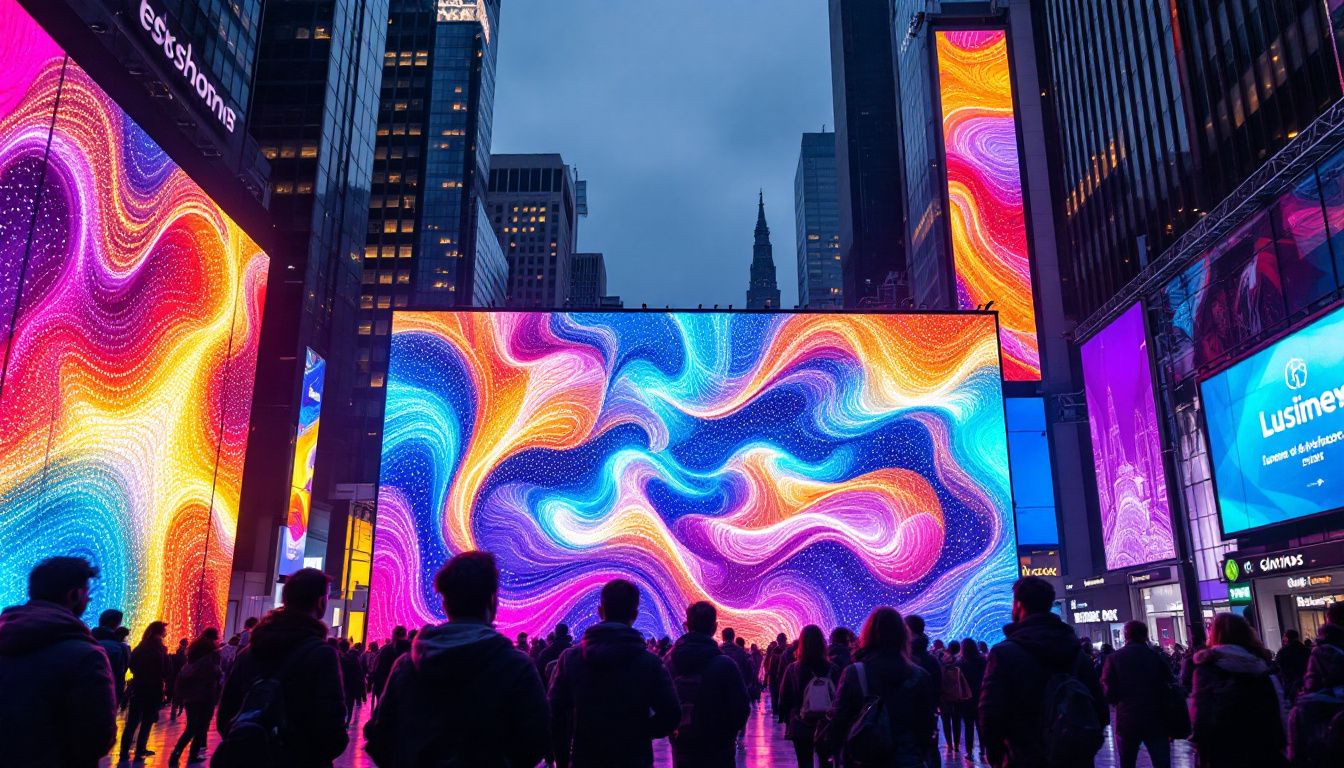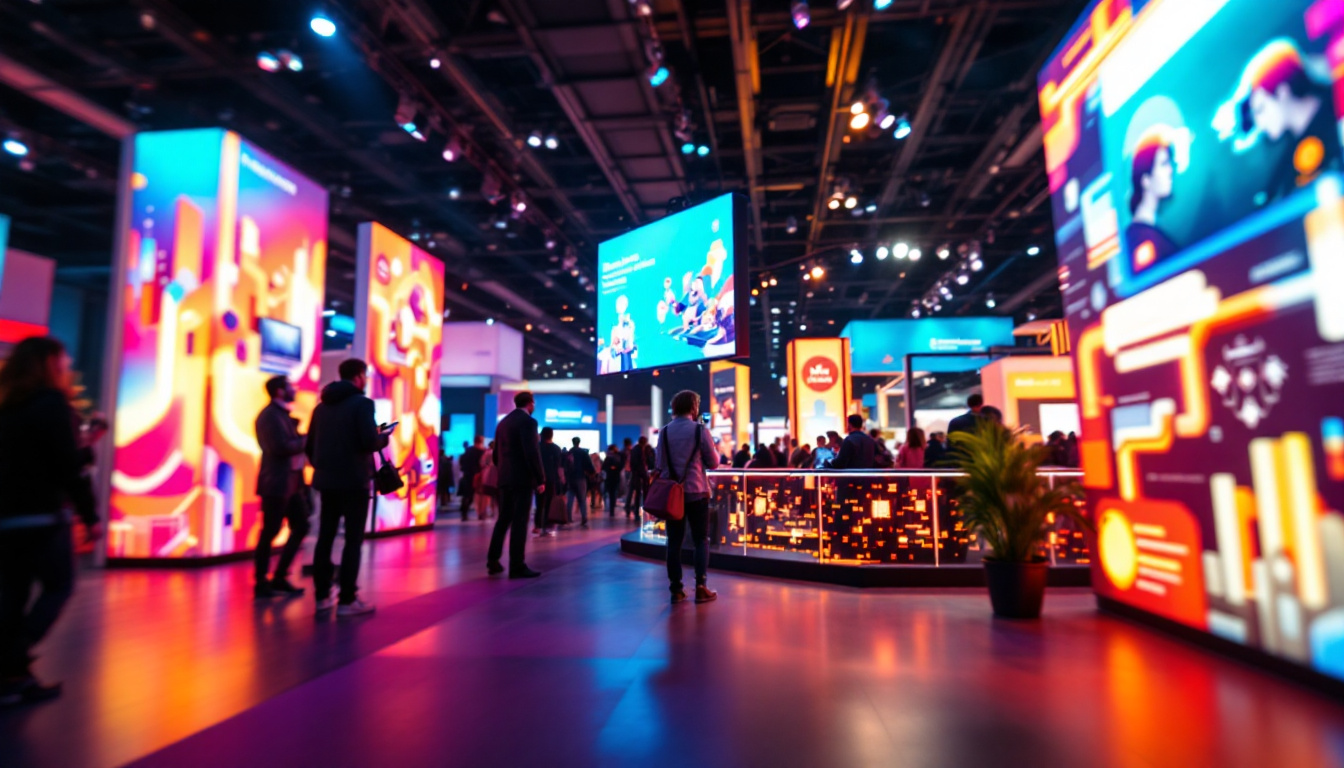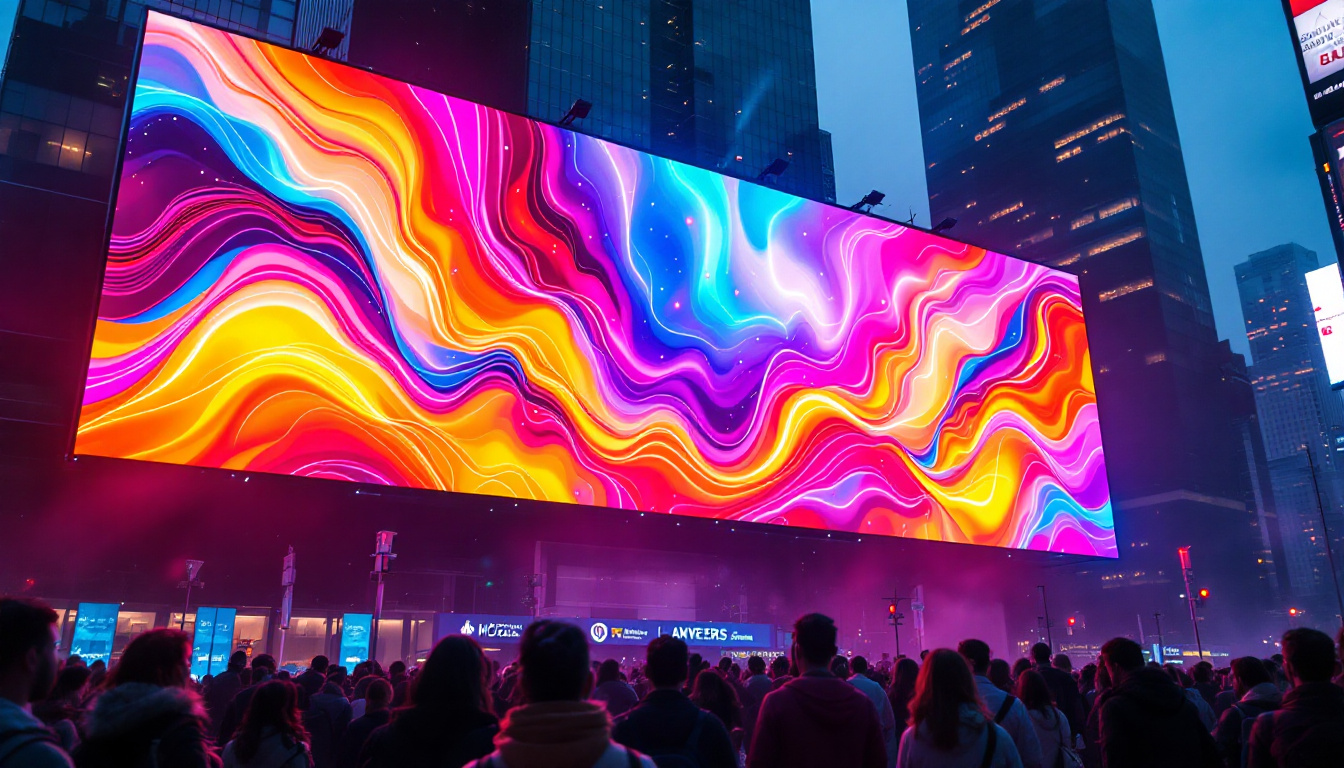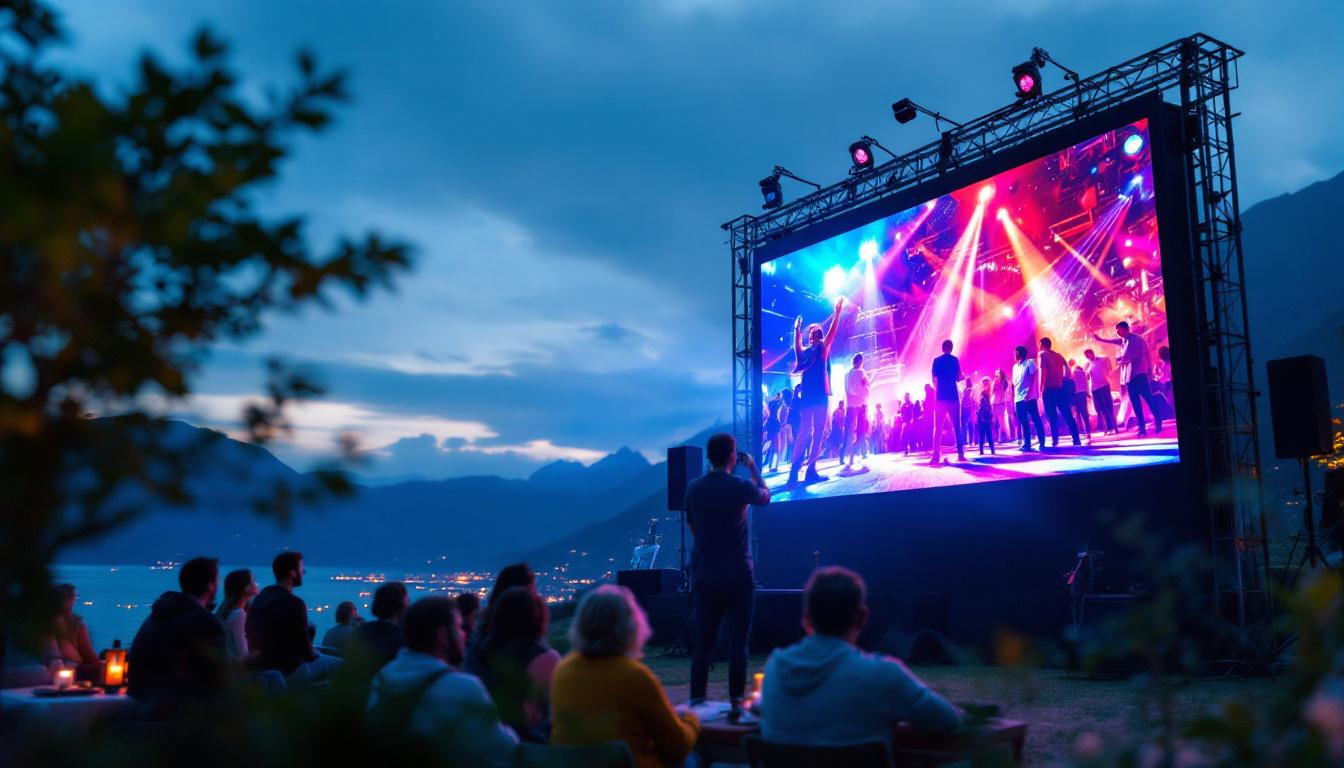
In the realm of modern electronics and visual communication, LED displays have become an indispensable technology. From digital billboards illuminating cityscapes to intricate project display boards used in educational and professional settings, LEDs offer a versatile and vibrant solution for showcasing information. This article delves into the fundamentals of LED displays, their types, working principles, and practical applications, with a particular focus on project display boards.
Understanding LED Displays: Basics and Components
What is an LED Display?
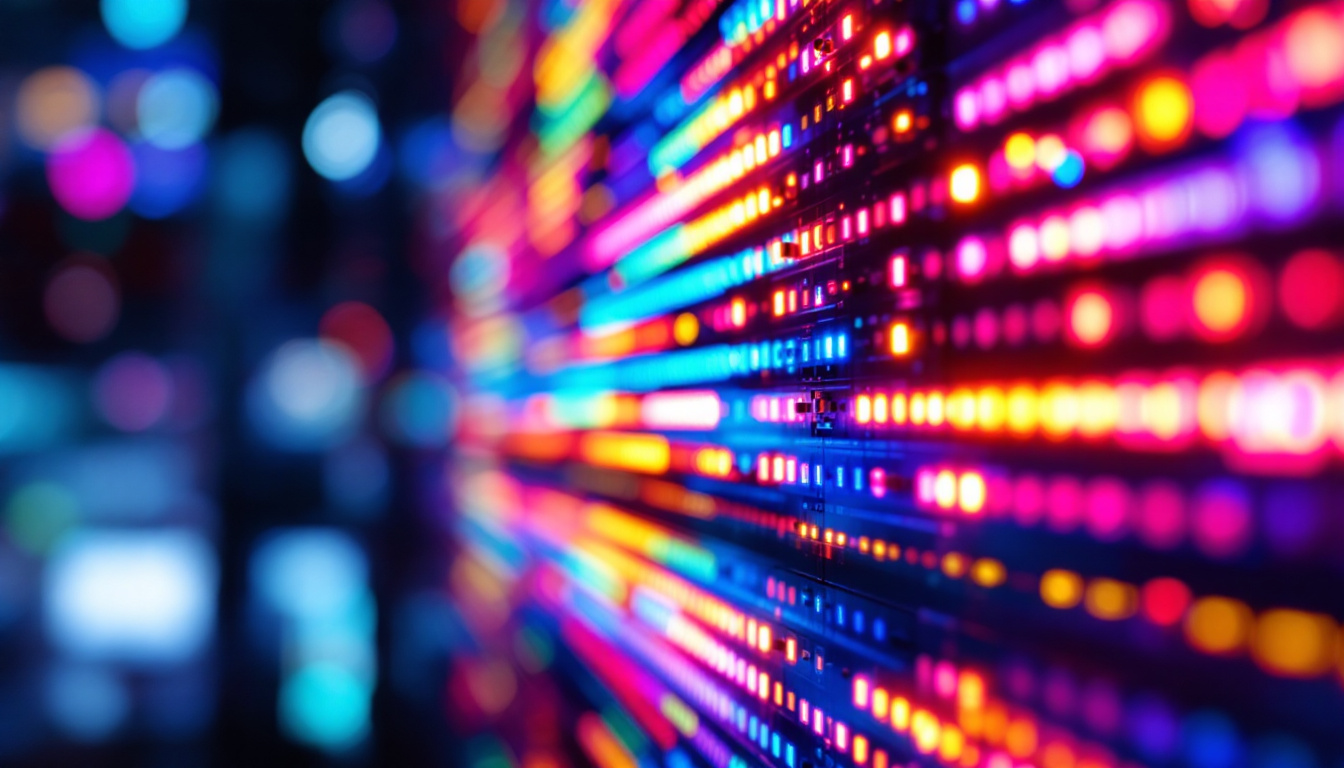
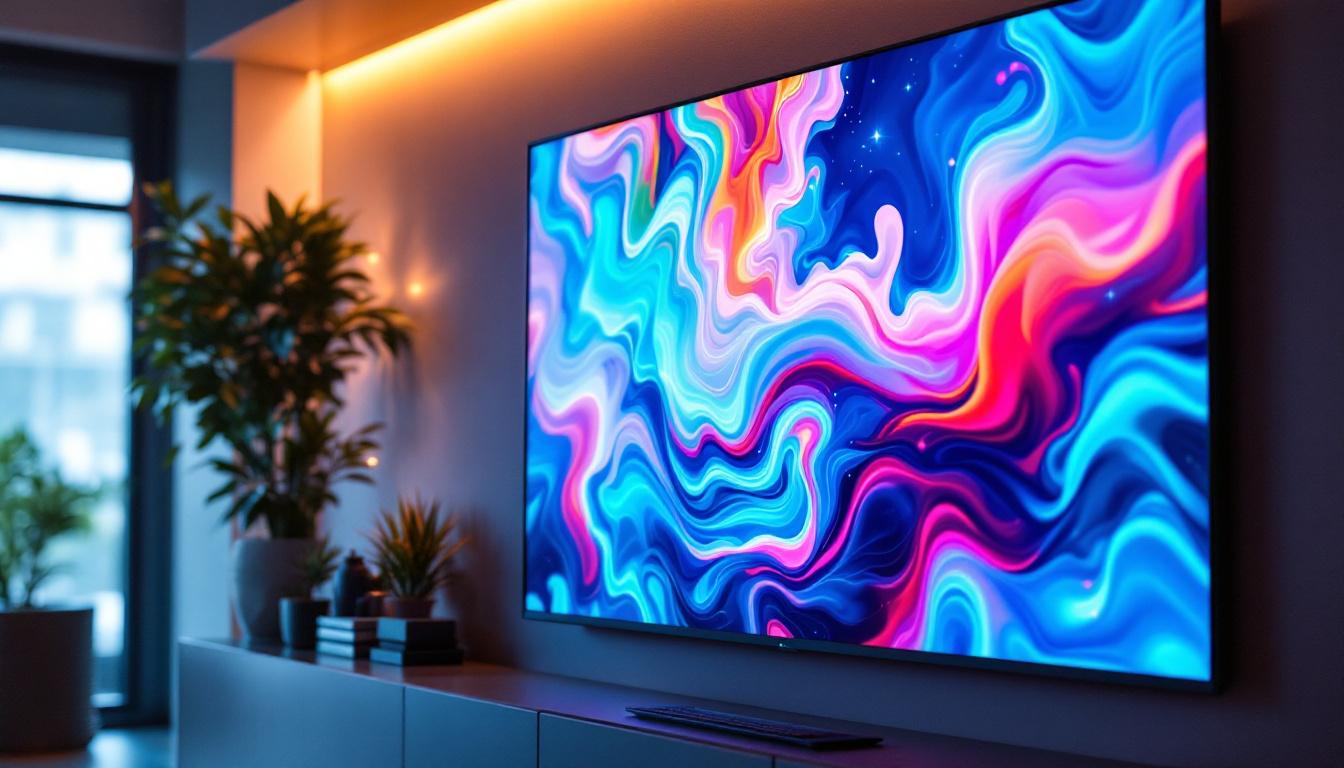
LED stands for Light Emitting Diode, a semiconductor device that emits light when an electric current passes through it. An LED display is a flat panel that uses an array of these tiny LEDs to present images, videos, or text. Unlike traditional LCD or plasma screens, LED displays are known for their brightness, energy efficiency, and durability, making them ideal for both indoor and outdoor use.
Each LED in the display acts as a pixel or part of a pixel, and by controlling the intensity and color of these LEDs, the display can render complex visuals. The technology behind LED displays has evolved significantly, enabling higher resolution, better color accuracy, and increased lifespan.
Key Components of an LED Display Board
An LED display board typically consists of several critical components:
- LED Modules: These are the building blocks of the display, each containing multiple LEDs arranged in a matrix.
- Driver ICs: Integrated circuits that control the LEDs by regulating current and managing color output.
- Control System: A microcontroller or processor that receives input signals and translates them into commands for the driver ICs.
- Power Supply: Provides the necessary voltage and current to operate the LEDs and control electronics.
- Protective Housing: The physical frame or casing that holds the components together and protects them from environmental factors.
Understanding these components is essential when designing or working with LED display boards, especially for project presentations where clarity and reliability are paramount.
Types of LED Displays and Their Applications
Single-Color, Dual-Color, and Full-Color Displays
LED displays can be categorized based on the color capabilities of their LEDs:
- Single-Color Displays: Use LEDs of one color, commonly red or green. These are often used for simple numeric or text displays, such as scoreboards or basic project boards.
- Dual-Color Displays: Combine two colors, typically red and green, allowing for limited color mixing, such as yellow.
- Full-Color Displays: Utilize red, green, and blue LEDs at each pixel to produce a wide spectrum of colors through color mixing. These are suitable for complex images and videos.
For project display boards, the choice between these types depends on the complexity of the information being presented and budget constraints. Full-color displays, while more expensive, offer the most engaging visual experience.
Indoor vs. Outdoor LED Displays
LED displays are also classified based on their intended environment:
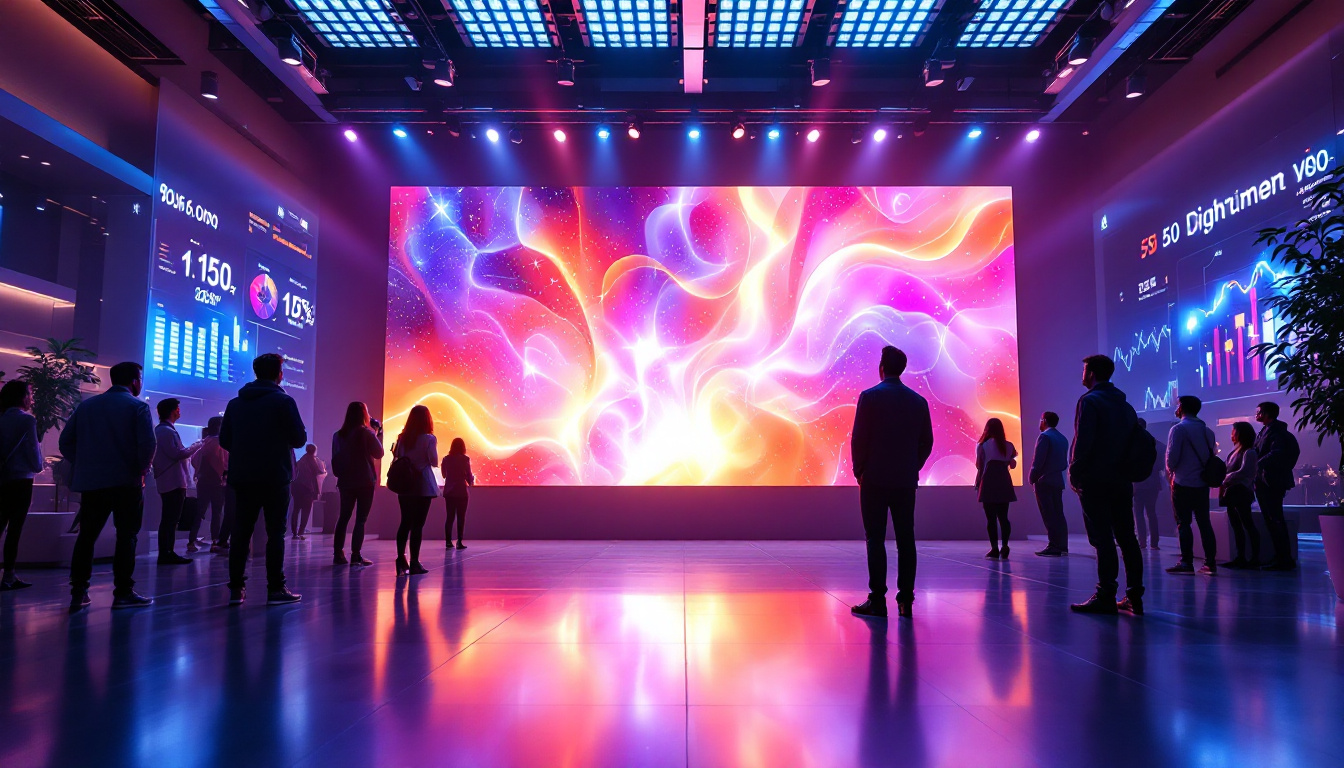
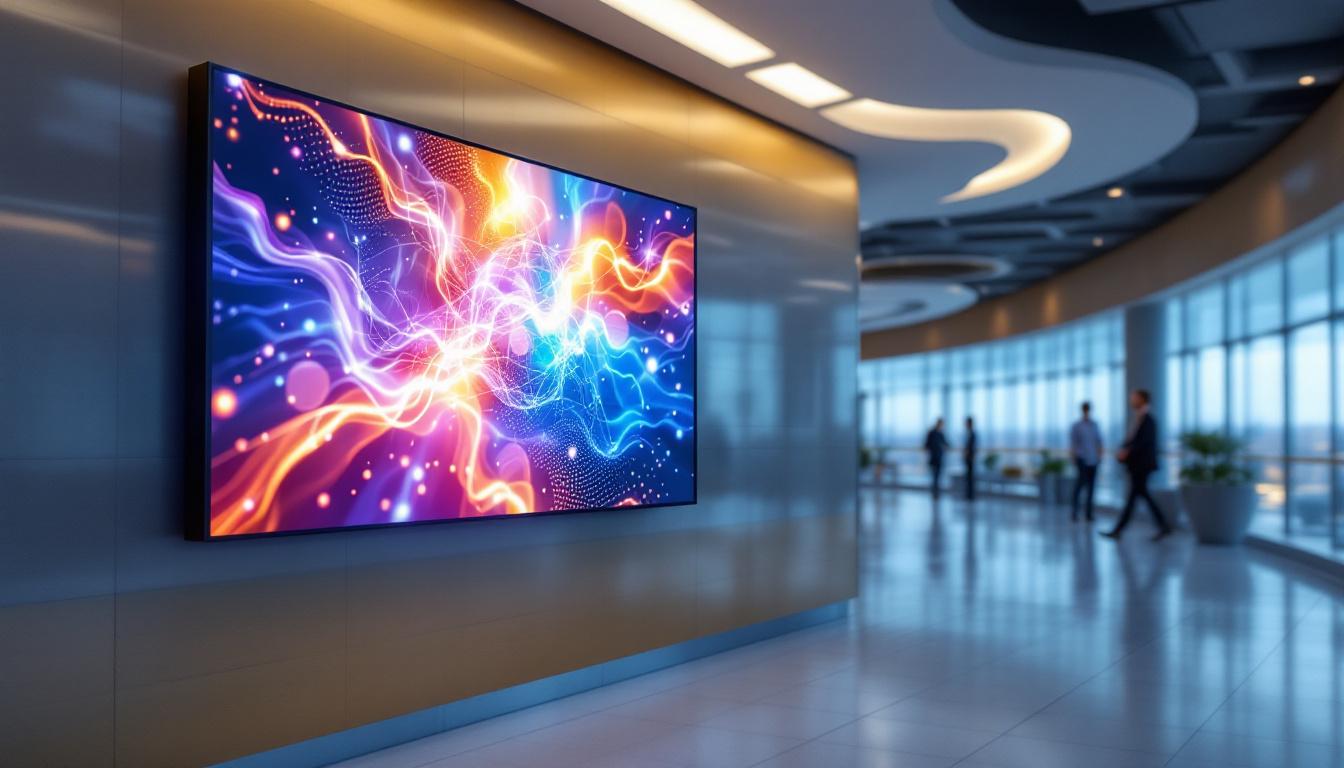
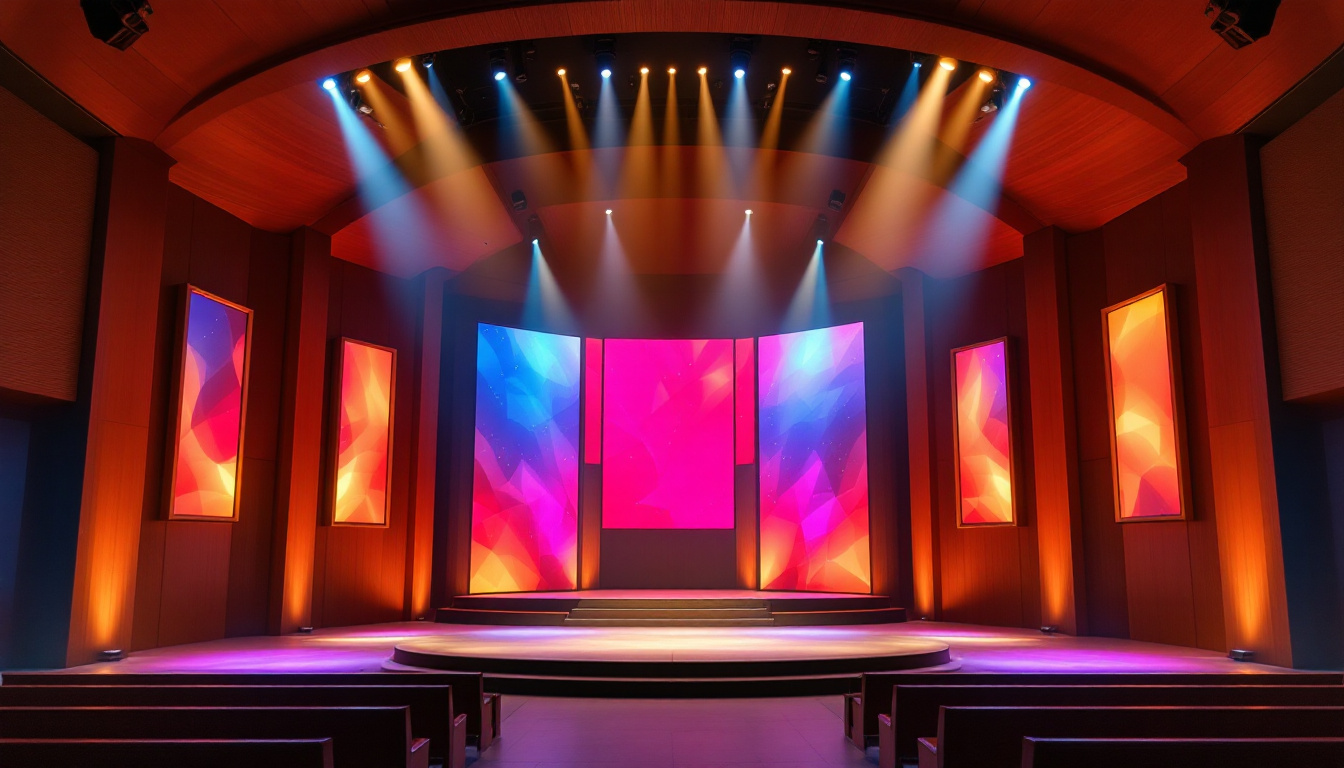
- Indoor Displays: Designed for controlled environments with lower brightness requirements. They offer higher pixel density for sharper images and are often used in conference rooms, exhibitions, and classrooms.
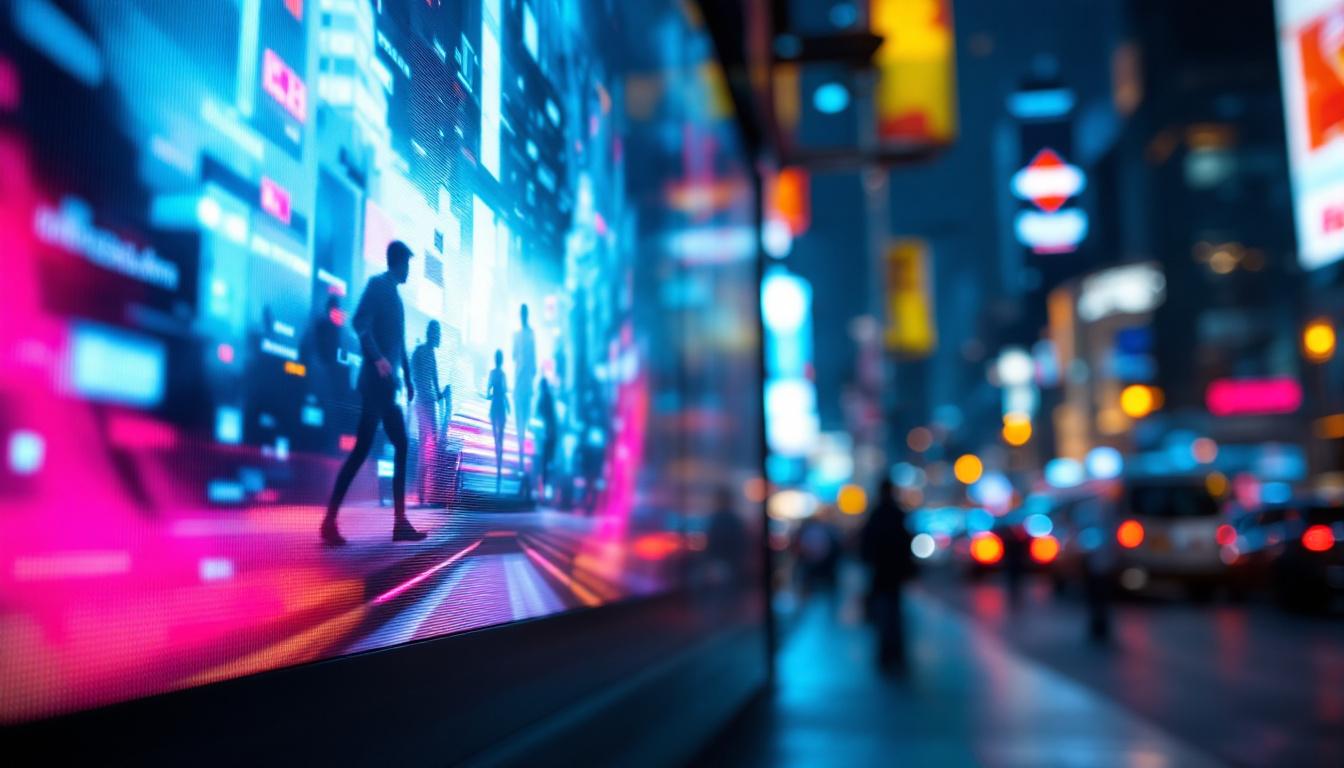
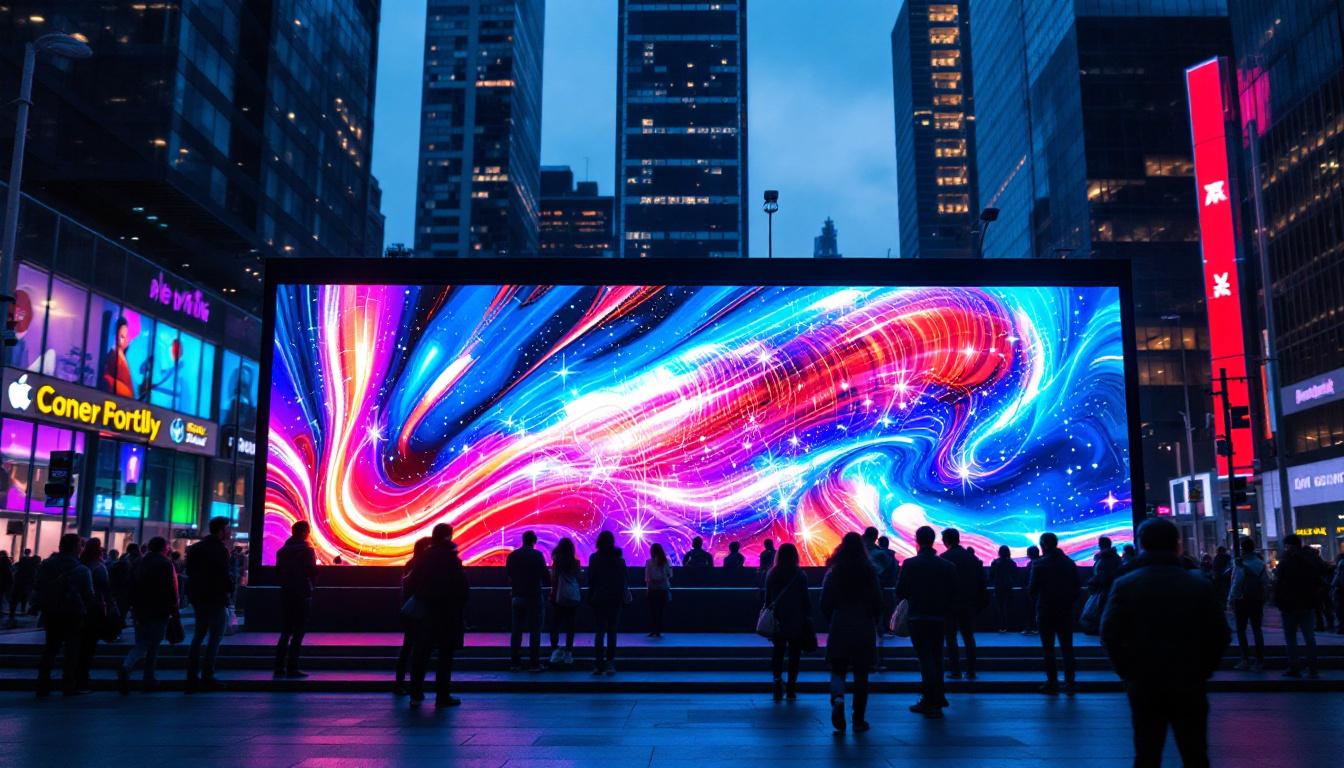
- Outdoor Displays: Built to withstand weather conditions such as rain, dust, and sunlight. They feature higher brightness levels to remain visible in daylight and robust enclosures for durability.
When creating a project display board, especially for presentations or exhibitions, indoor LED displays are typically preferred due to their clarity and fine resolution.
How LED Displays Work: The Technology Behind the Glow
Pixel Structure and Color Mixing
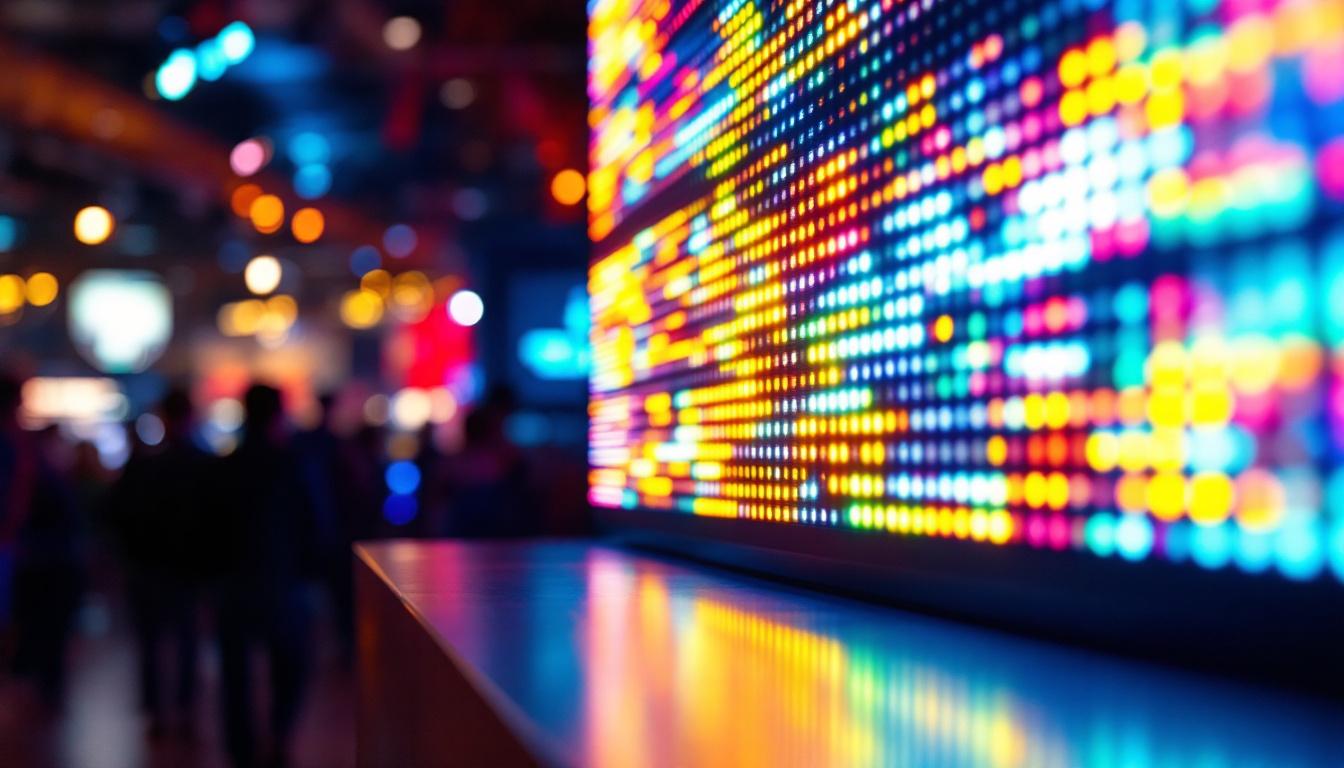
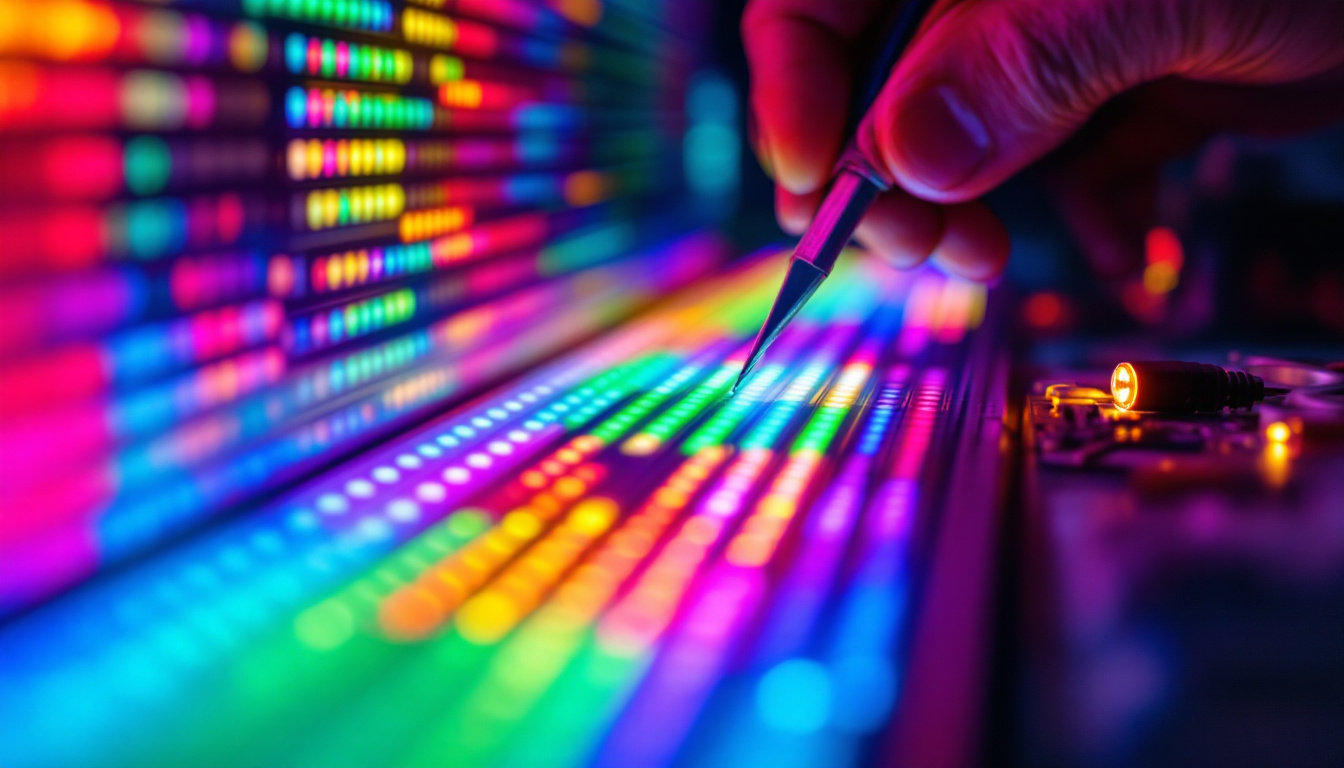
Each pixel on an LED display is composed of sub-pixels, typically red, green, and blue LEDs. By adjusting the intensity of each sub-pixel, the display can produce virtually any color through additive color mixing. For example, combining red and green LEDs at full brightness creates yellow.
This process is controlled by driver ICs that modulate the current supplied to each LED, allowing for precise color and brightness control. The human eye perceives the combined light from these sub-pixels as a single color, enabling the display to render detailed images and videos.
Scanning and Refresh Rates
LED displays use scanning techniques to manage power consumption and control large numbers of LEDs efficiently. Instead of lighting all LEDs simultaneously, the display rapidly cycles through rows or columns, turning on only a portion at a time. This happens so quickly that the human eye perceives a continuous image.
The refresh rate, measured in hertz (Hz), indicates how many times per second the display updates its image. Higher refresh rates reduce flicker and improve the smoothness of motion, which is particularly important for video playback and dynamic content on project display boards.
Brightness and Viewing Angles
One of the standout features of LED displays is their brightness. LEDs can emit intense light, making them visible even in bright environments. Brightness is measured in nits (candelas per square meter), with indoor displays typically ranging from 300 to 1,000 nits, while outdoor displays can exceed 5,000 nits.
Viewing angle is another critical factor, describing the maximum angle at which the display can be viewed without significant color or brightness degradation. High-quality LED displays maintain consistent image quality across wide viewing angles, ensuring that audiences see the content clearly from different positions.
Designing and Building a Project Display Board with LEDs
Planning Your LED Display Board
Effective project display boards require careful planning to balance size, resolution, color, and budget. Start by defining the purpose of the display: Will it show static images, scrolling text, or video content? What is the viewing distance and environment?
Resolution depends on pixel pitch, the distance between adjacent LEDs. A smaller pixel pitch means higher resolution and sharper images but increases cost. For typical project boards viewed at close range, a pixel pitch of 2-4 mm is common.
Choosing the Right Components
Selecting quality LEDs and driver ICs is essential for reliability and visual performance. Modules should be compatible with your control system, which might be a microcontroller like an Arduino or a specialized LED controller. Power supply units must provide stable voltage and current to prevent flickering or damage.
Additionally, consider the enclosure material and design. Lightweight, durable materials such as aluminum or acrylic are popular choices that protect the LEDs while allowing heat dissipation.
Programming and Content Management
Once hardware assembly is complete, programming the display is the next step. Many LED controllers support common communication protocols such as SPI or I2C, enabling integration with computers or microcontrollers.
Software tools allow users to create and schedule content, including text animations, images, and videos. For project display boards, user-friendly interfaces that enable quick updates and customization are highly beneficial.
Applications of LED Display Boards in Projects and Beyond
Educational and Scientific Projects
LED display boards are widely used in educational settings to demonstrate concepts in electronics, programming, and visual communication. Students can learn about multiplexing, color theory, and embedded systems by building and programming their own displays.
Scientific projects often utilize LED displays to visualize data in real-time, such as temperature readings, sensor outputs, or experimental results, making complex information more accessible.
Commercial and Advertising Uses
Beyond educational projects, LED displays are central to advertising and commercial communication. Digital billboards, retail signage, and event displays leverage LED technology to attract attention with bright, dynamic content.
Project display boards designed with LED technology can serve as prototypes or small-scale models for these commercial applications, showcasing design concepts and interactive features.
Innovative and Artistic Installations
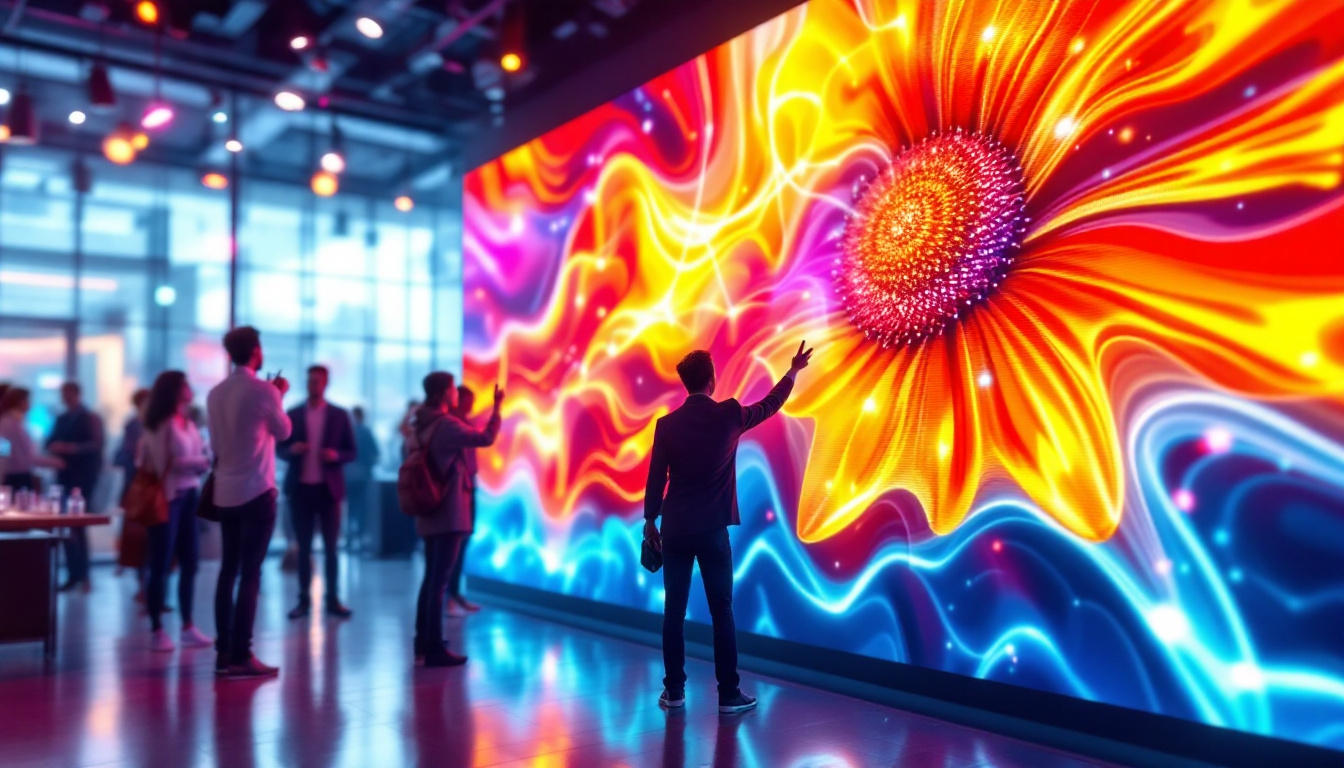
Artists and designers increasingly use LED displays for creative installations, blending technology and art. Interactive LED walls, wearable LED art, and architectural lighting demonstrate the versatility of LEDs in expressing ideas and engaging audiences.
Project display boards with LEDs can be a starting point for such innovative endeavors, providing a platform for experimentation and creativity.
Future Trends and Innovations in LED Display Technology
MicroLED and MiniLED Technologies
Emerging technologies such as MicroLED and MiniLED are pushing the boundaries of LED displays. MicroLEDs are significantly smaller than conventional LEDs, enabling displays with exceptional resolution, brightness, and energy efficiency. This technology is poised to revolutionize smartphones, TVs, and project display boards by offering superior image quality and durability.
MiniLEDs, while larger than MicroLEDs, provide improved contrast and local dimming capabilities, enhancing display performance at a lower cost. These advancements will likely influence the design and capabilities of future project display boards.
Flexible and Transparent LED Displays
Innovations in materials and manufacturing have led to flexible and transparent LED displays. These can be bent or curved to fit unique surfaces, opening new possibilities for creative project displays and commercial applications.
Such displays are gaining traction in wearable technology, automotive dashboards, and architectural elements, reflecting the growing demand for adaptable and immersive visual solutions.
Integration with IoT and Smart Systems
The integration of LED displays with Internet of Things (IoT) platforms and smart systems is another exciting trend. Connected LED displays can receive real-time data, adapt content dynamically, and interact with users through sensors and AI.
For project display boards, this means enhanced interactivity and functionality, enabling more engaging presentations and data visualization.
Conclusion
LED display boards represent a powerful and versatile technology for visual communication in projects, education, and industry. Understanding the fundamentals of LED technology, types of displays, and their working principles is crucial for designing effective and engaging project boards. As LED technology continues to evolve with innovations like MicroLED and flexible displays, the potential applications and capabilities of LED display boards will expand even further.
For anyone involved in electronics, design, or communication projects, mastering LED display technology offers a pathway to creating visually compelling and technologically advanced presentations that capture attention and convey information effectively.
Illuminate Your Projects with LumenMatrix
Ready to elevate your project presentations to new heights? Discover LumenMatrix’s innovative LED display solutions, where cutting-edge technology meets creative design. From vibrant Indoor LED Walls to dynamic Outdoor Displays and beyond, LumenMatrix offers a wide array of options to bring your visual communications to life. Whether you’re aiming to enhance brand visibility, create immersive experiences, or simply captivate your audience, LumenMatrix is your partner in revolutionizing the way you share your message. Check out LumenMatrix LED Display Solutions and start transforming your ideas into visually stunning realities today.