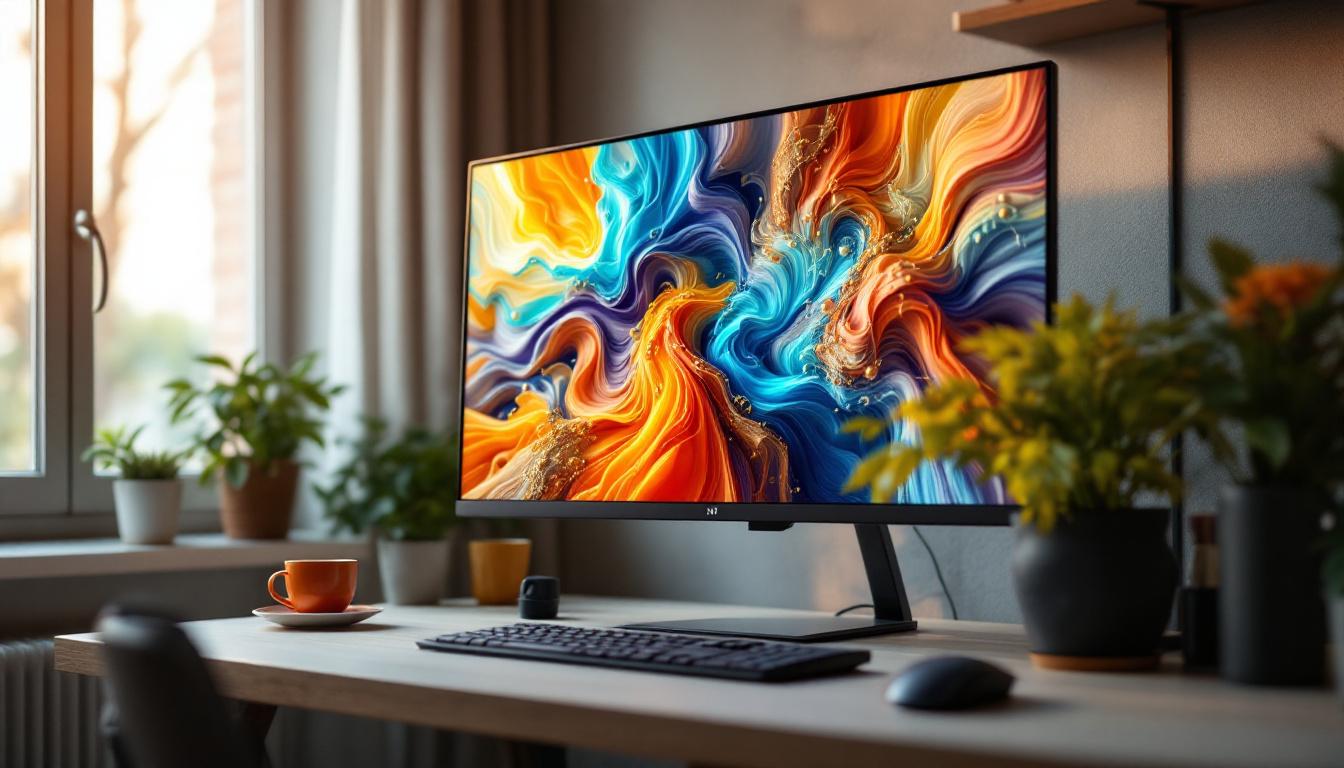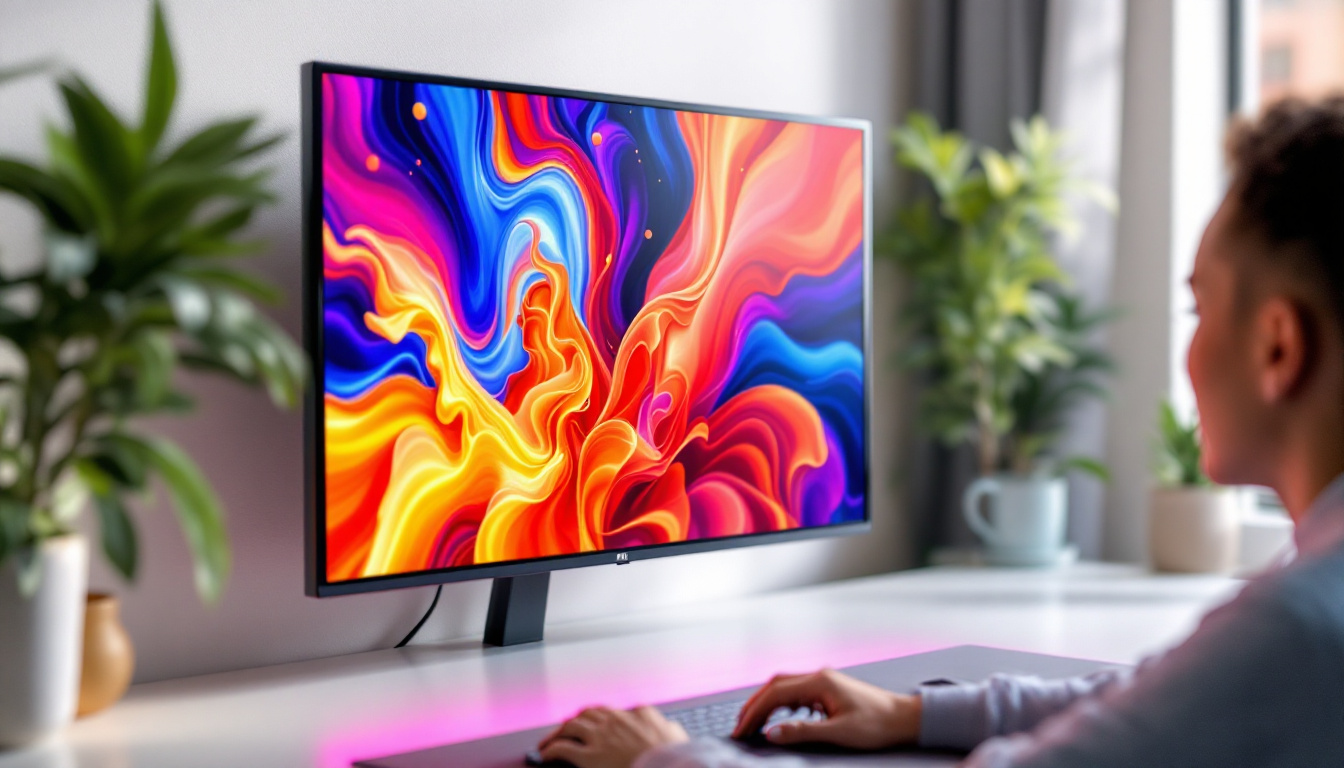
In the realm of modern technology, the 50-inch touch screen monitor stands out as a versatile tool that combines functionality with user-friendly interaction. These large displays are increasingly being utilized in various settings, from corporate environments to educational institutions and even in retail spaces. This article delves into the specifics of 50-inch touch screen monitors, particularly focusing on their LED display technology, benefits, and applications.
Understanding Touch Screen Technology
Touch screen technology has revolutionized the way users interact with devices. By allowing direct interaction with the display, it enhances user engagement and streamlines operations across various sectors. From smartphones to kiosks, touch screens have become a ubiquitous part of modern technology, enabling seamless communication and interaction in both personal and professional settings.
Types of Touch Screen Technology
There are several types of touch screen technologies, each with its unique characteristics and advantages. The most common types include resistive, capacitive, and infrared touch screens. Each type caters to different needs and environments, making it essential to choose the right technology based on the intended application.
Resistive touch screens consist of two flexible layers separated by a small gap. When pressure is applied to the screen, the layers touch, registering the input. This type is known for its affordability and durability, making it suitable for environments where heavy use is expected. They can be operated with a stylus or even gloved fingers, which is particularly useful in industrial or medical settings where hygiene and practicality are paramount.
Capacitive touch screens, on the other hand, utilize the electrical properties of the human body. They are more responsive and allow for multi-touch capabilities, making them ideal for applications requiring gestures and complex interactions. This technology is prevalent in smartphones and tablets, where pinch-to-zoom and swipe gestures enhance user experience. Infrared touch screens use a grid of infrared light beams across the display, detecting touch by measuring interruptions in the light beams. This technology is often used in large displays due to its durability and clarity, making it suitable for interactive kiosks and digital signage.
Benefits of Touch Screen Monitors
Touch screen monitors offer numerous benefits that enhance user experience and operational efficiency. One of the primary advantages is the intuitive nature of touch interaction, which reduces the learning curve for new users. This ease of use is particularly beneficial in educational settings, where students can engage directly with learning materials through interactive touch screens, fostering a more dynamic learning environment.
Additionally, these monitors can accommodate multiple users simultaneously, making them ideal for collaborative environments. They also eliminate the need for additional input devices like keyboards and mice, thereby streamlining workspace and reducing clutter. In retail settings, touch screens can enhance customer experience by allowing shoppers to browse products, check prices, and even place orders directly, creating a more efficient shopping process. Furthermore, the integration of touch screens with other technologies, such as augmented reality, is paving the way for innovative applications that can transform how we interact with information and services in our daily lives.
LED Display Technology Explained
LED (Light Emitting Diode) display technology has become the standard for modern screens, including touch monitors. Understanding how LED technology works is crucial for appreciating the quality and performance of a 50-inch touch screen monitor.
How LED Displays Work
LED displays utilize a series of light-emitting diodes to produce images. Unlike traditional LCD screens that require a backlight, LED screens can emit light directly, resulting in brighter images and better contrast ratios.
These displays are categorized into two types: edge-lit and direct-lit. Edge-lit LED displays have LEDs positioned around the edges of the screen, while direct-lit displays have LEDs spread across the entire back of the screen. Direct-lit displays typically offer better uniformity and brightness levels.
In addition to these categories, newer technologies such as OLED (Organic Light Emitting Diode) and MicroLED are emerging, pushing the boundaries of display quality even further. OLED displays, for instance, offer individual pixel illumination, allowing for even more precise color reproduction and true blacks, as each pixel can be turned off completely. MicroLED, on the other hand, combines the benefits of both OLED and LED technologies, providing high brightness and excellent energy efficiency with longer lifespans.
Advantages of LED Displays
LED displays are known for their superior image quality, vibrant colors, and energy efficiency. The ability to achieve deeper blacks and brighter whites enhances the overall viewing experience, making them ideal for multimedia presentations and interactive applications.
Moreover, LED technology is more energy-efficient compared to traditional display technologies, leading to lower operational costs over time. This efficiency is particularly beneficial in settings where monitors are used for extended periods, such as in retail displays or educational institutions.
Another significant advantage of LED displays is their durability and longevity. Unlike older technologies that may suffer from burn-in or color degradation over time, LED screens are designed to withstand prolonged use without compromising performance. This resilience makes them a preferred choice for environments that demand reliability, such as control rooms, outdoor advertising, and public information displays. Additionally, the lightweight nature of LED panels allows for easier installation and versatility in various settings, from sleek corporate offices to vibrant exhibition spaces.
Key Features of 50 Inch Touch Screen Monitors
When considering a 50-inch touch screen monitor, several key features should be taken into account to ensure it meets the intended application requirements.
Resolution and Image Quality
Resolution is a critical factor in determining the clarity and detail of the images displayed. Most modern 50-inch touch screen monitors offer Full HD (1920 x 1080) or even 4K (3840 x 2160) resolution, providing sharp and vibrant visuals.
A higher resolution is particularly beneficial in environments where detailed graphics are essential, such as design studios or training facilities. It enhances the overall user experience, making it easier to read text and view intricate images.
Touch Sensitivity and Response Time
The sensitivity of the touch screen and its response time are vital for ensuring smooth interaction. High-quality touch screens typically feature advanced touch technology that allows for quick and accurate responses to user inputs.
Additionally, monitors that support multi-touch functionality can recognize multiple simultaneous inputs, enabling collaborative work and interactive presentations. This feature is especially useful in educational settings where group activities are common.
Connectivity Options
Connectivity is another essential aspect to consider. A 50-inch touch screen monitor should offer various input options, including HDMI, VGA, USB, and even wireless connectivity. This versatility allows for easy integration with different devices, such as laptops, tablets, and media players.
Some monitors also come equipped with built-in speakers and microphones, enhancing their functionality for video conferencing and multimedia presentations. This all-in-one capability makes them a popular choice for businesses and educational institutions alike.
Applications of 50 Inch Touch Screen Monitors
The versatility of 50-inch touch screen monitors enables their use in a wide range of applications across different sectors.
Corporate Environments
In corporate settings, these monitors are often utilized for presentations, meetings, and collaborative projects. The interactive nature of touch screens allows teams to brainstorm ideas, share information, and engage in discussions more effectively.
Moreover, they can serve as digital signage solutions, displaying important company information, announcements, or promotional content in a visually appealing manner. This functionality enhances communication and keeps employees informed.
Education and Training
In educational institutions, 50-inch touch screen monitors are transforming the traditional classroom experience. They facilitate interactive learning, allowing teachers to present lessons in a dynamic way while engaging students through touch-based activities.
These monitors can also be used for training sessions, providing an interactive platform for hands-on learning. The ability to display multimedia content enhances understanding and retention, making it an invaluable tool for educators.
Retail and Customer Engagement
In the retail sector, touch screen monitors are increasingly being used to enhance customer engagement. They can serve as interactive kiosks, allowing customers to browse products, access information, and even make purchases directly from the screen.
This technology not only improves the shopping experience but also provides retailers with valuable data on customer preferences and behavior. By analyzing this data, businesses can tailor their offerings to meet customer needs more effectively.
Choosing the Right 50 Inch Touch Screen Monitor
Selecting the right 50-inch touch screen monitor involves considering various factors to ensure it aligns with specific needs and applications.
Assessing Your Needs
Before making a purchase, it is essential to assess the intended use of the monitor. Will it primarily be used for presentations, interactive learning, or customer engagement? Understanding the primary function will help narrow down the options available.
Additionally, consider the environment in which the monitor will be used. Factors such as lighting conditions, space availability, and the number of users will influence the choice of monitor features and specifications.
Budget Considerations
While investing in a 50-inch touch screen monitor can be a significant expense, it is crucial to balance quality with budget constraints. Higher-end models may offer advanced features and superior performance, but there are also budget-friendly options that provide adequate functionality for less demanding applications.
It is advisable to compare different models, read reviews, and seek recommendations to find a monitor that offers the best value for money without compromising on essential features.
Future-Proofing Your Investment
Technology is continually evolving, and investing in a monitor that can adapt to future needs is essential. Look for models that offer upgradable software, additional connectivity options, and compatibility with emerging technologies.
By choosing a monitor that can evolve alongside technological advancements, users can maximize their investment and ensure longevity in their purchase.
Conclusion
The 50-inch touch screen monitor with LED display technology represents a significant advancement in interactive display solutions. Its versatility, enhanced user experience, and wide range of applications make it an invaluable asset across various sectors.
As technology continues to evolve, these monitors will likely play an even more prominent role in facilitating communication, collaboration, and engagement. By understanding the features, benefits, and applications of 50-inch touch screen monitors, users can make informed decisions that align with their specific needs and objectives.
In a world where digital interaction is increasingly becoming the norm, investing in a quality touch screen monitor is not just a trend but a necessity for those looking to stay ahead in their respective fields.
Discover LumenMatrix’s Innovative LED Solutions
Ready to elevate your interactive display capabilities? Explore LumenMatrix’s comprehensive range of LED display solutions, designed to bring your visual communication to life. Whether you’re seeking to enhance corporate presentations, enrich educational experiences, or engage customers in retail spaces, LumenMatrix has the cutting-edge technology to meet your needs. From Indoor and Outdoor LED Walls to specialized solutions like Vehicle Displays and Transparent LED Displays, our products are crafted to captivate and communicate with unparalleled clarity. Check out LumenMatrix LED Display Solutions today and step into the future of digital interaction.