In the fast-paced world of advertising, capturing attention quickly and effectively is paramount. Monitor pubblicitari, or advertising monitors, equipped with LED display technology have revolutionized the way brands communicate with their audiences. From bustling city centers to retail environments, LED displays offer vibrant, dynamic, and highly visible content that outperforms traditional static billboards.
This article delves into the technology behind LED displays, their advantages, practical applications, and key considerations for businesses looking to invest in monitor pubblicitari. Whether you are a marketing professional, a business owner, or a technology enthusiast, understanding LED display technology is essential to harnessing its full potential.
Understanding LED Display Technology
What Are LED Displays?
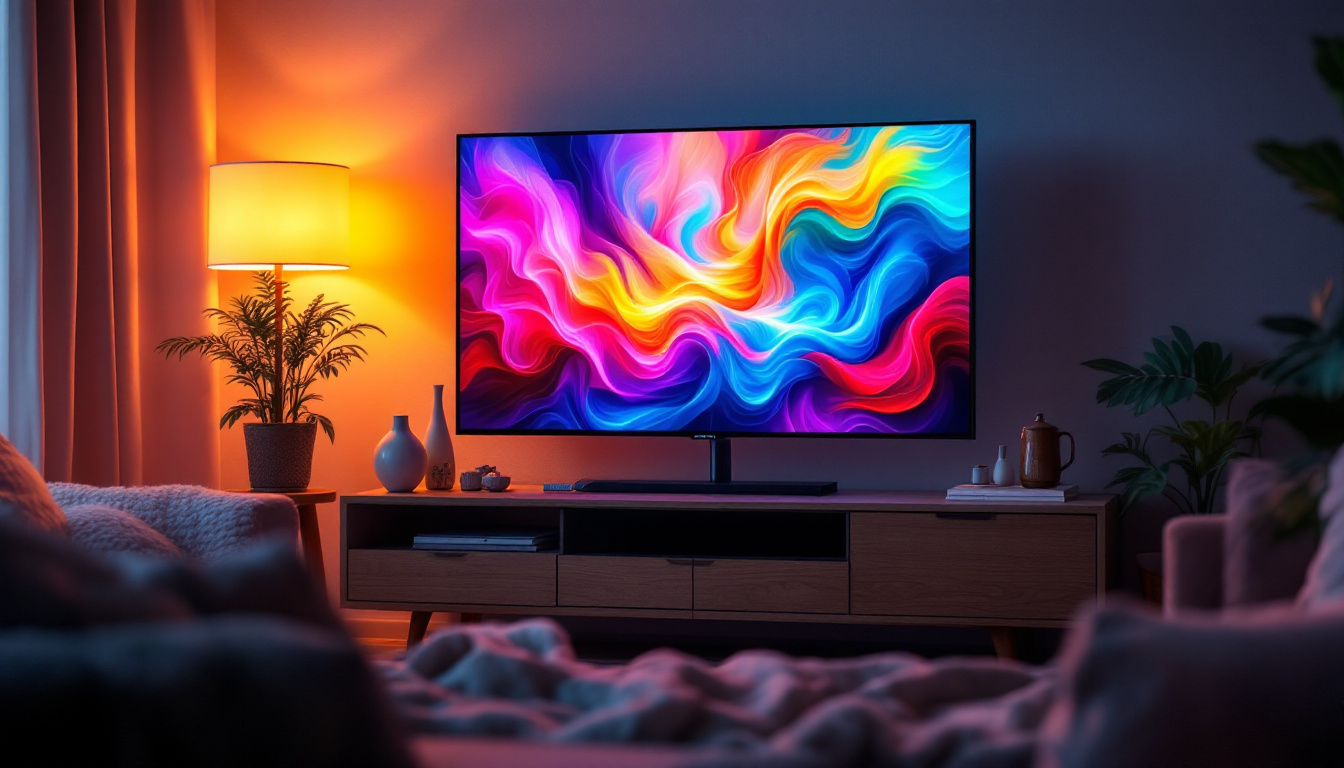
LED, or Light Emitting Diode, displays are screens that use tiny light-emitting diodes to create images, videos, and animations. Unlike LCDs (Liquid Crystal Displays) or traditional neon signs, LED displays generate their own light, resulting in superior brightness and contrast. This self-illumination capability makes LED displays highly visible even in direct sunlight, a crucial factor for outdoor advertising.
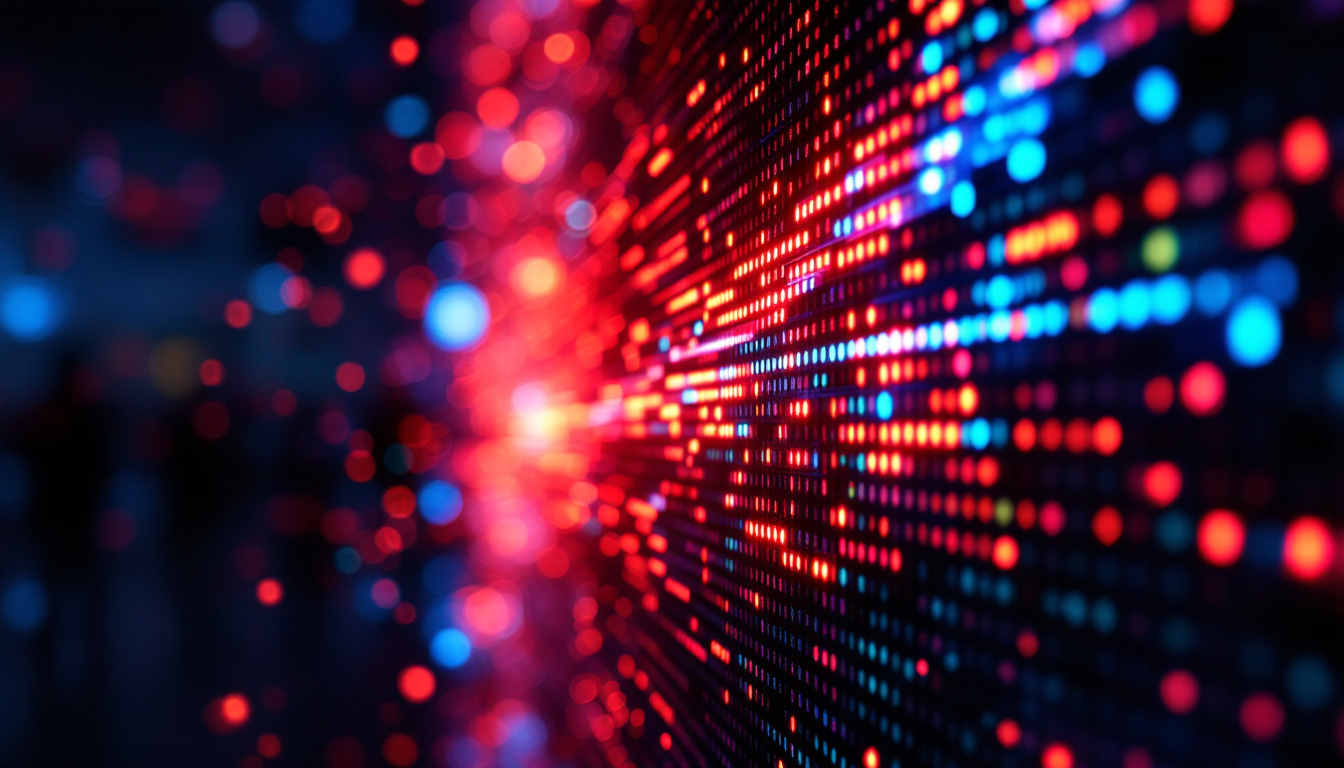
LED displays are composed of thousands to millions of individual diodes arranged in a matrix. Each diode acts as a pixel or part of a pixel, and by controlling the intensity and color of each diode, the display can render full-color images with remarkable clarity and vibrancy. This technology not only enhances the visual experience but also allows for dynamic content updates, enabling advertisers to change messages in real-time, thus maximizing engagement and effectiveness.
Types of LED Displays
There are several types of LED displays used in advertising, each suited to different environments and purposes:
- Indoor LED Displays: Designed for close viewing distances, these displays have a high pixel density (small pixel pitch) to ensure sharp images and text. They are commonly used in shopping malls, airports, and conference venues. The ability to display high-definition video content makes them particularly effective for capturing audience attention in crowded spaces.
- Outdoor LED Displays: Built to withstand weather conditions, these displays feature higher brightness levels (often exceeding 5,000 nits) to combat sunlight glare. They are typically larger and used for billboards, stadiums, and building facades. Many outdoor displays are also equipped with advanced features such as automatic brightness adjustment, ensuring optimal visibility regardless of the time of day or weather conditions.
- Transparent LED Displays: These innovative displays allow light to pass through, making them ideal for storefront windows where visibility both inside and outside is important. They provide a unique opportunity for brands to showcase products while maintaining an open and inviting atmosphere, effectively merging digital advertising with physical retail spaces.
- Flexible LED Displays: Utilizing bendable substrates, these displays can conform to curved surfaces, opening new creative possibilities for advertising. This flexibility allows designers to create immersive experiences that can wrap around structures or fit into unconventional spaces, pushing the boundaries of traditional advertising formats.
In addition to their various types, LED displays are also categorized by their application. For instance, some displays are specifically designed for events and exhibitions, featuring lightweight and portable designs that can be easily set up and dismantled. Others are tailored for broadcasting, ensuring that the content is delivered with precision and clarity to large audiences. The versatility of LED technology continues to evolve, with advancements such as interactive displays that engage viewers through touch or motion sensors, further enhancing the potential for creative advertising solutions.
Advantages of Using LED Displays for Advertising
Superior Visibility and Brightness
One of the most significant advantages of LED displays is their exceptional brightness. Outdoor LED monitors can reach brightness levels of up to 10,000 nits, which means they remain clear and legible even under direct sunlight. This ensures that advertisements are visible 24/7, regardless of weather or time of day.
In comparison, traditional LCD screens typically max out around 500-700 nits, which can be insufficient for outdoor use. The high brightness of LED displays also enhances color vibrancy, making images and videos more eye-catching and engaging.
Energy Efficiency and Longevity
LED technology is renowned for its energy efficiency. LEDs consume significantly less power than incandescent or fluorescent lights, reducing operational costs for businesses running large or multiple displays. For example, a typical LED billboard can use up to 80% less energy than older neon or fluorescent signage.
Additionally, LEDs have a long lifespan, often exceeding 100,000 hours of operation. This durability minimizes maintenance costs and downtime, ensuring continuous advertising exposure without frequent replacements.
Dynamic Content and Flexibility
Unlike static billboards, LED displays support dynamic content, including videos, animations, real-time updates, and interactive elements. This flexibility allows advertisers to tailor their messages based on time of day, audience demographics, or special promotions, increasing engagement and conversion rates.
For instance, a retail store can display different offers during morning and evening hours or update pricing and inventory information in real time. This adaptability enhances the relevance of advertising content and maximizes return on investment.
Environmental Impact
Modern LED displays are designed with sustainability in mind. Their energy efficiency reduces carbon footprints compared to traditional lighting methods. Moreover, many LED components are recyclable, and manufacturers are increasingly adopting eco-friendly materials and production processes.
For companies committed to corporate social responsibility, investing in LED monitor pubblicitari aligns with broader environmental goals while still delivering high-impact advertising.
Applications of LED Monitor Pubblicitari
Outdoor Advertising and Digital Billboards
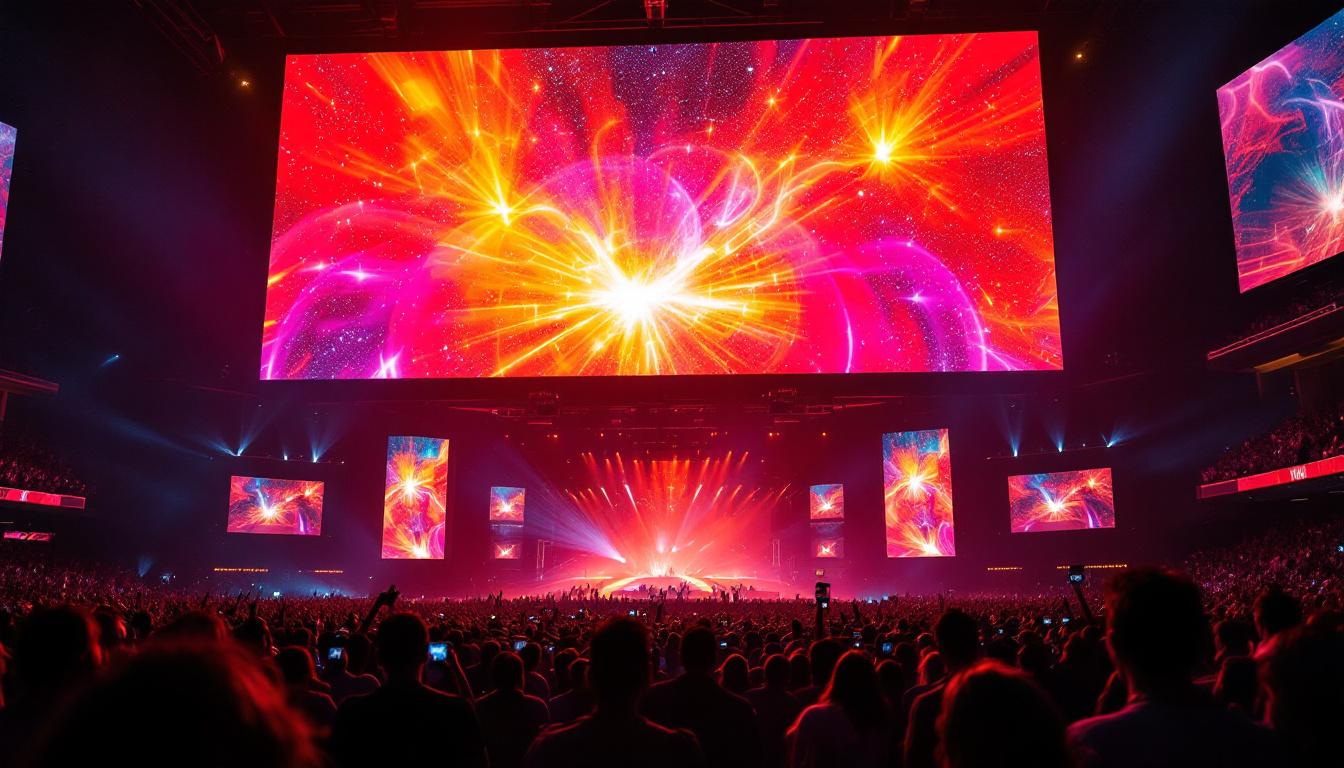
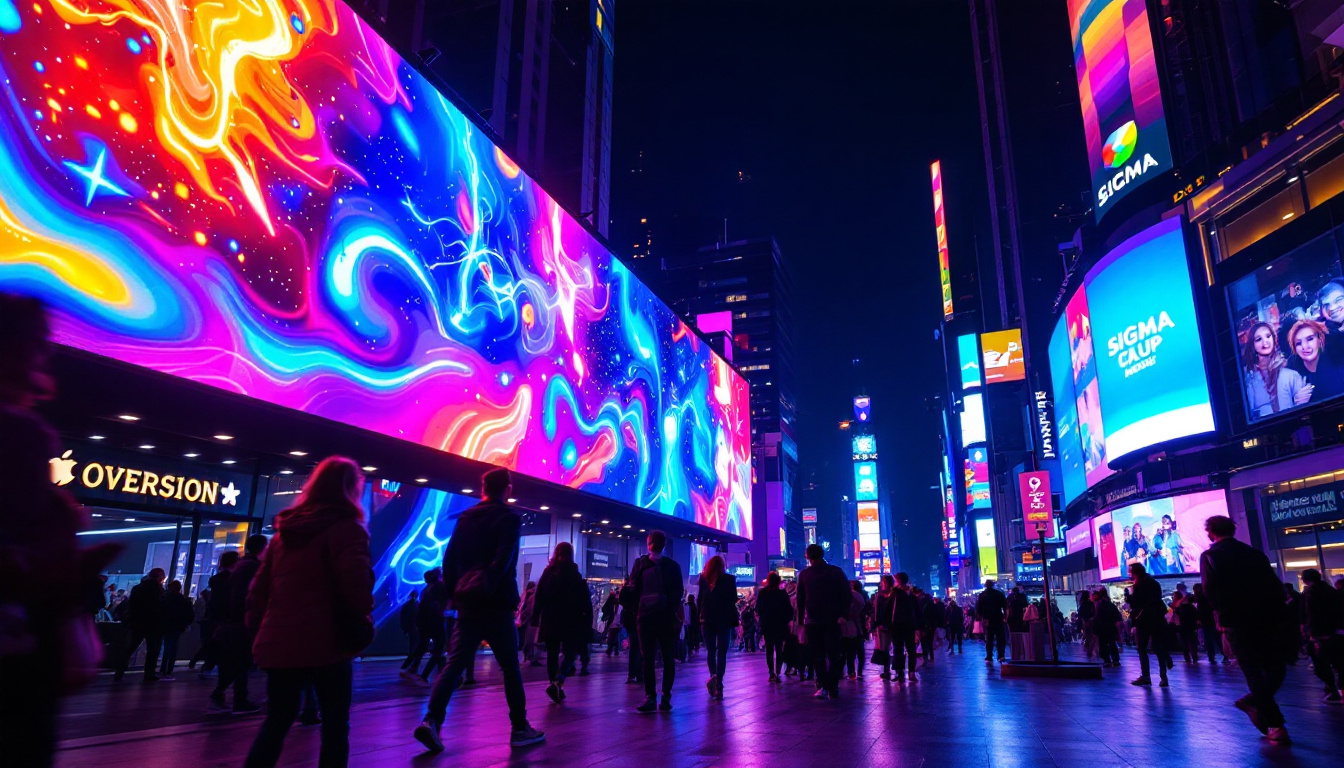
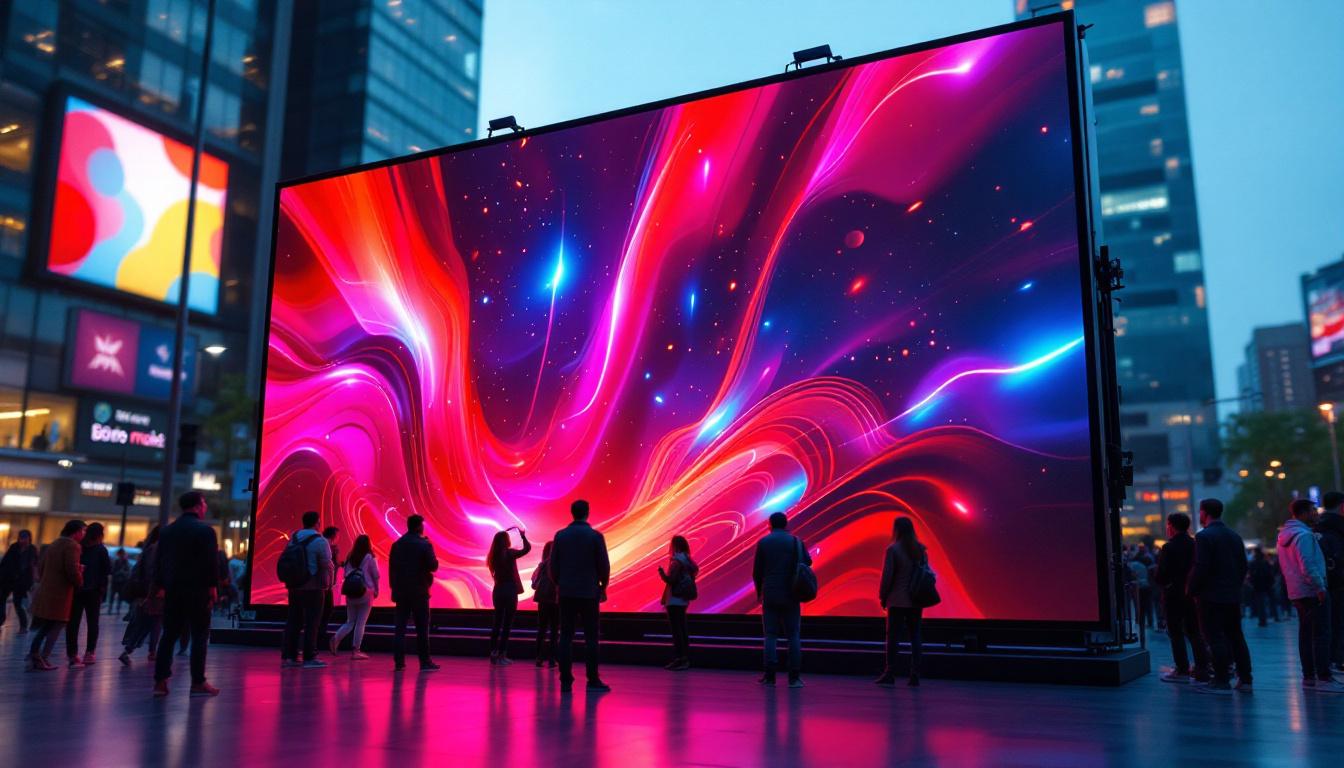
Outdoor LED displays dominate the landscape of modern advertising. Iconic locations like Times Square in New York City and Piccadilly Circus in London showcase massive LED billboards that captivate millions of viewers daily. These displays are not only large but also capable of displaying high-resolution video content, making them ideal for brand storytelling and product launches.
In Italy, cities such as Milan and Rome have embraced LED billboards in commercial districts, enhancing urban aesthetics while providing advertisers with powerful tools to reach consumers.
Retail and Point of Sale Displays
Inside retail environments, LED displays serve as dynamic signage to attract customers, promote products, and provide information. From large video walls to smaller shelf-edge displays, LED technology helps stores differentiate themselves in competitive markets.
Research shows that digital signage can increase sales by up to 30% by influencing consumer behavior at the point of purchase. LED displays’ ability to present vivid, changing content contributes significantly to this effect.
Events, Exhibitions, and Public Spaces
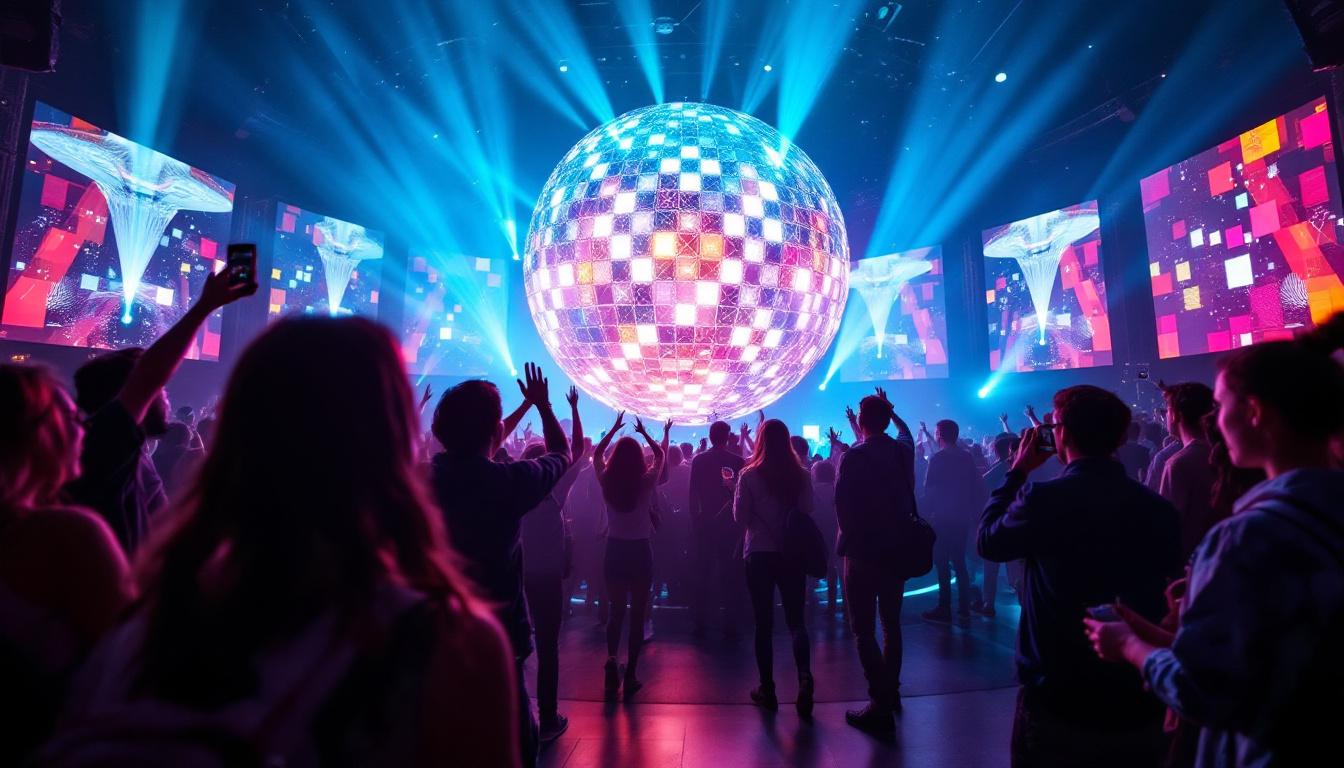
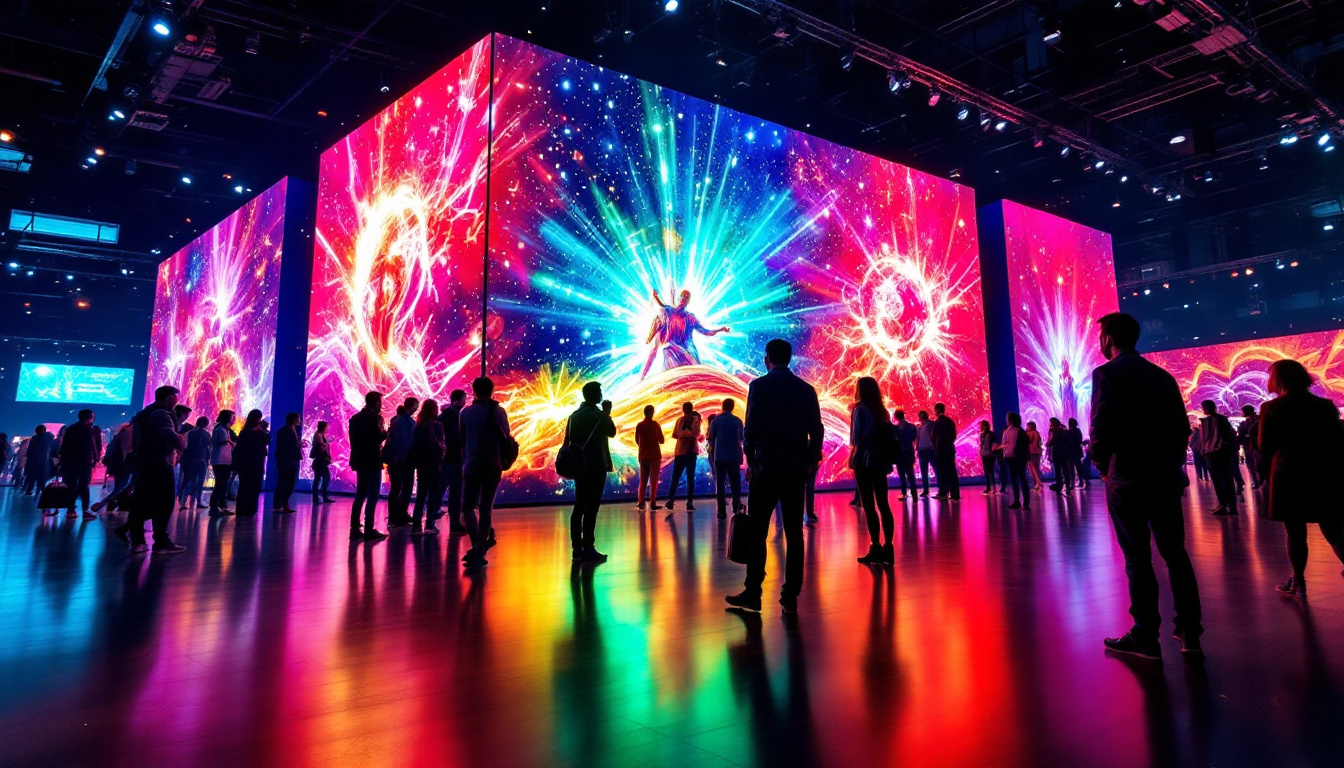
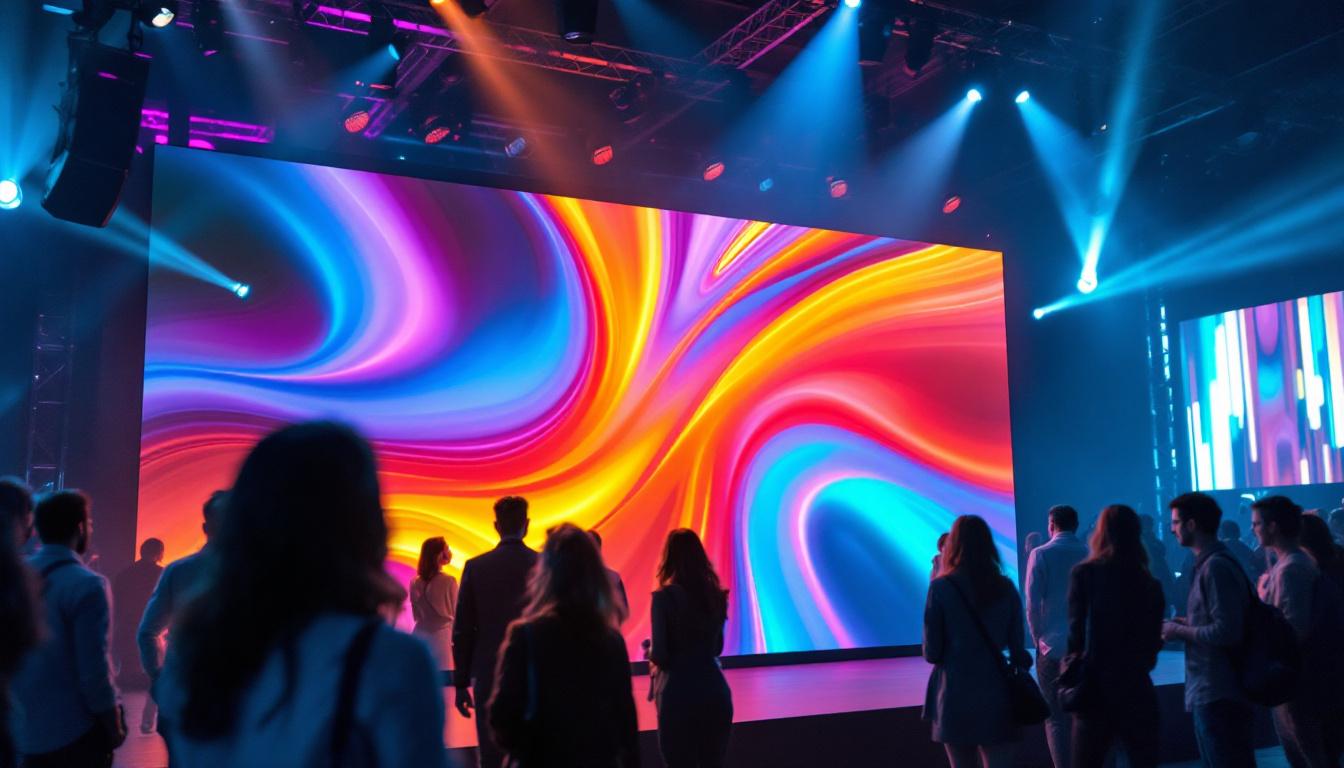
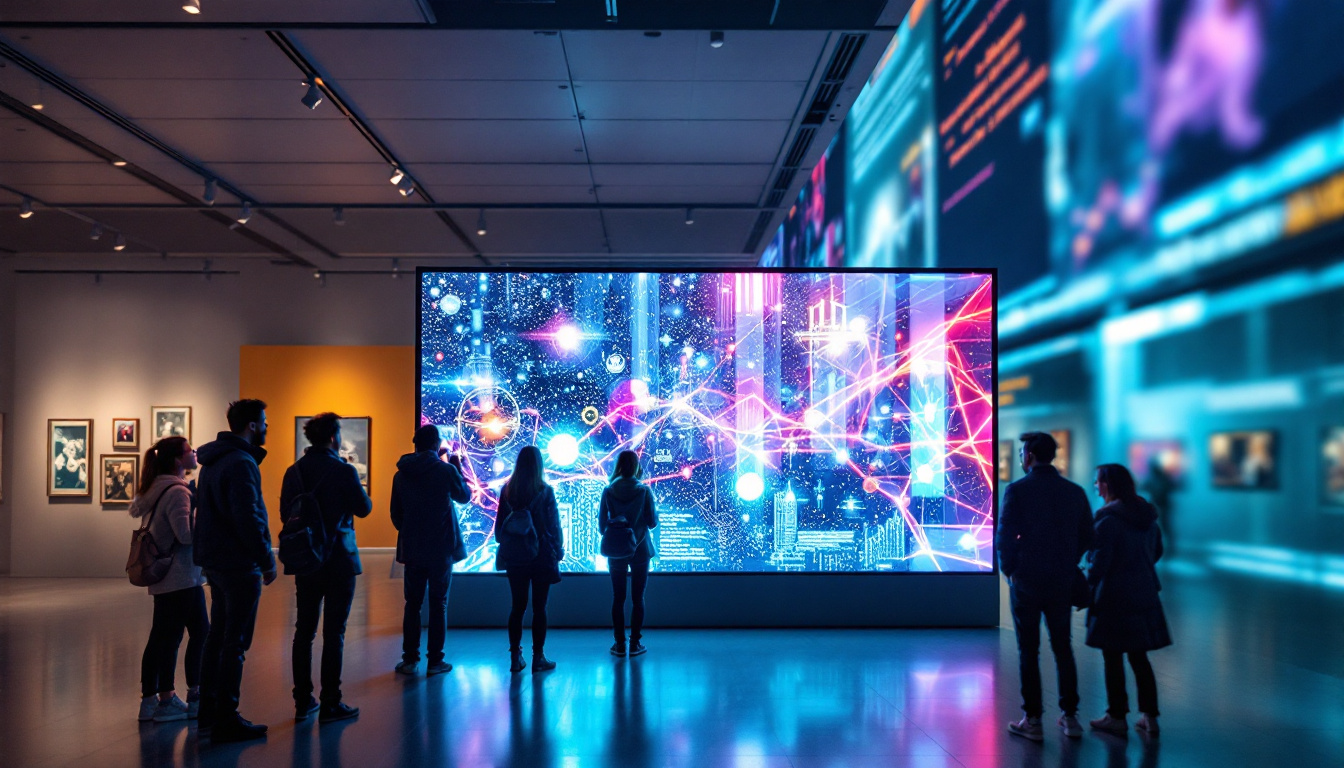
LED monitors are widely used in events and exhibitions for presentations, branding, and interactive experiences. Their high brightness and clarity ensure visibility even in brightly lit venues. Additionally, their modular nature allows for customized screen sizes and shapes, accommodating various event layouts.
Public spaces such as airports, train stations, and sports arenas also utilize LED displays for advertising and informational purposes, enhancing visitor experience while generating advertising revenue.
Key Considerations When Choosing LED Monitor Pubblicitari
Pixel Pitch and Resolution
Pixel pitch, the distance between individual LED pixels, is a critical factor determining image sharpness. Smaller pixel pitches (e.g., 1.5mm to 4mm) are suitable for indoor displays viewed from close distances, providing crisp and detailed visuals. Larger pixel pitches (e.g., 10mm to 20mm) are common for outdoor billboards where viewers are farther away.
Selecting the appropriate pixel pitch ensures content is clear and legible, optimizing viewer engagement and satisfaction.
Brightness and Weather Resistance
For outdoor applications, brightness levels should be sufficiently high to combat sunlight glare. Additionally, LED displays must be weatherproof, with appropriate IP (Ingress Protection) ratings to resist dust, rain, and temperature extremes.
Choosing displays with robust enclosures and cooling systems extends lifespan and maintains performance in harsh environments.
Control Systems and Content Management
Modern LED displays come with sophisticated control systems that allow remote content management, scheduling, and real-time updates. User-friendly software platforms enable marketers to quickly adapt campaigns and monitor display performance.
Integration with data sources, such as social media feeds or weather updates, can further enhance content relevance and interactivity.
Cost and Return on Investment
While the initial investment in LED monitor pubblicitari can be significant, the long-term benefits often justify the expense. Reduced maintenance, energy savings, and increased advertising effectiveness contribute to a favorable return on investment.
Businesses should conduct a thorough cost-benefit analysis, considering factors such as installation complexity, content creation, and potential revenue from advertising partnerships.
Future Trends in LED Advertising Displays
Mini-LED and Micro-LED Technologies
Emerging display technologies like Mini-LED and Micro-LED promise even higher resolution, improved contrast, and greater energy efficiency. Micro-LEDs, in particular, offer the potential for thinner, lighter, and more flexible displays with superior color accuracy.
As production costs decrease, these technologies are expected to become mainstream in advertising monitors, enabling more immersive and visually stunning campaigns.
Integration with Artificial Intelligence and IoT
Artificial Intelligence (AI) and the Internet of Things (IoT) are transforming how LED displays operate. AI-powered analytics can optimize content delivery based on audience demographics, weather, and traffic patterns. IoT connectivity allows displays to interact with nearby devices, creating personalized and interactive advertising experiences.
This convergence of technologies will make monitor pubblicitari smarter, more adaptive, and more effective than ever before.
Sustainability and Circular Economy Initiatives
As environmental concerns grow, manufacturers and advertisers are focusing on sustainability. Future LED displays will likely incorporate recyclable materials, energy harvesting features, and modular designs that facilitate repair and upgrade rather than replacement.
These initiatives align with global efforts to reduce electronic waste and promote circular economy principles.
Conclusion
Monitor pubblicitari equipped with LED display technology represent a powerful tool in modern advertising. Their superior brightness, energy efficiency, dynamic content capabilities, and adaptability make them indispensable across various sectors, from outdoor billboards to retail environments and public spaces.
Understanding the technical aspects, advantages, and applications of LED displays enables businesses to make informed decisions and leverage this technology to maximize brand visibility and engagement. Looking ahead, advancements in LED technology and integration with AI and IoT promise to further elevate the impact and sustainability of advertising monitors.
Investing in LED monitor pubblicitari is not just about embracing cutting-edge technology; it is about creating compelling, memorable experiences that resonate with audiences and drive business growth in an increasingly digital world.
Discover LumenMatrix’s Innovative LED Solutions
Ready to transform your advertising strategy with the latest in LED technology? LumenMatrix is at the forefront of creating immersive and dynamic visual experiences that captivate and engage. From Indoor and Outdoor LED Wall Displays to specialized solutions like Vehicle, Sports, and Floor LED Displays, our range is designed to meet your unique needs. Embrace the future of visual communication with our Custom, All-in-One, and Transparent LED Displays. Check out LumenMatrix LED Display Solutions today and start sharing your message with unparalleled impact and clarity.