In today’s fast-paced world, visual communication plays a pivotal role in capturing attention and conveying messages effectively. Among the most dynamic and versatile tools for visual display are LED panels, known in Portuguese as “Painel de Led.” These displays have revolutionized advertising, event staging, public information systems, and more, thanks to their brightness, flexibility, and energy efficiency.
This article delves into the world of LED displays, explaining what they are, how they work, their applications, and why they have become an indispensable technology for businesses and organizations worldwide.
What is a Painel de Led?
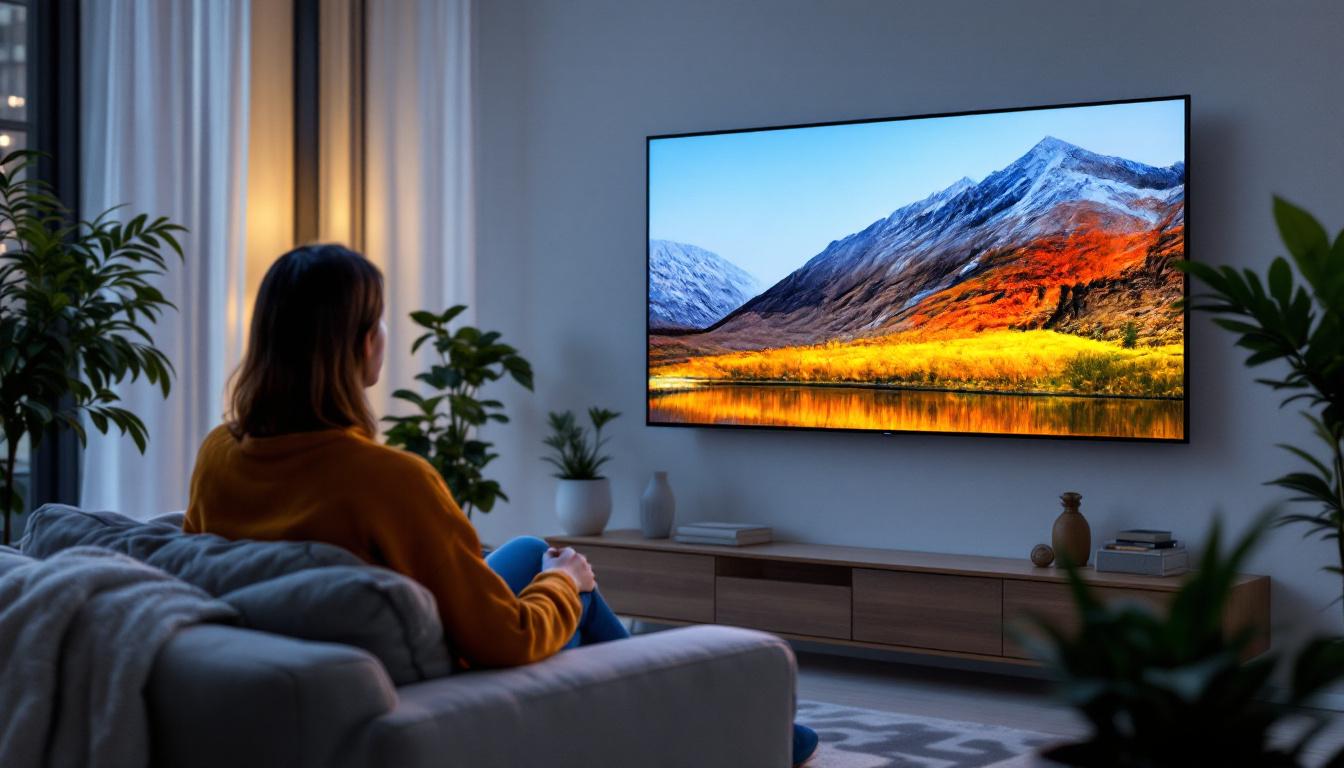
A Painel de Led, or LED display panel, is a flat panel that uses light-emitting diodes (LEDs) as pixels to display images, videos, or text. Unlike traditional screens that rely on liquid crystal displays (LCD) or cathode ray tubes (CRT), LED panels use tiny semiconductor devices that emit light when an electric current passes through them. This technology not only enhances brightness but also improves energy efficiency, making LED panels a popular choice for both commercial and residential applications.
LED panels come in various sizes and resolutions, from small indoor screens to massive outdoor billboards. Their modular design allows multiple panels to be combined seamlessly to create large displays of virtually any dimension. This flexibility is particularly advantageous for events, advertising, and public information systems, where dynamic content needs to be showcased in an eye-catching manner. Additionally, the lightweight nature of LED panels facilitates easier installation and transportation, further broadening their usability across different environments.
How Do LED Panels Work?
Each LED panel consists of a grid of LEDs arranged in rows and columns. These LEDs can be single-color (monochrome) or multi-color (full-color RGB). By controlling the brightness and color of each LED, the panel can render images and videos with high clarity and vibrancy. The ability to produce a wide spectrum of colors makes LED panels particularly effective for advertising, as they can attract attention and convey messages more effectively than traditional signage.
The key components of an LED panel include:
- LED Modules: Small units containing multiple LEDs that form the basic building blocks of the display.
- Driver Circuits: Electronic circuits that control the power and signal sent to each LED.
- Control System: A processor or controller that manages the content displayed, often connected to a computer or media player.
- Power Supply: Provides the necessary electrical power to the LEDs and control electronics.
By rapidly switching LEDs on and off and adjusting their brightness, the panel creates the illusion of continuous images and smooth video playback. This rapid response time is crucial for applications such as live event broadcasting, where real-time updates and animations are essential. Furthermore, advancements in LED technology have led to improved durability and lifespan, making LED panels a cost-effective investment for businesses and organizations looking to enhance their visual communication strategies.
Types of LED Displays
Understanding the different types of LED displays is essential for selecting the right panel for specific needs. The main categories include:
Indoor LED Displays
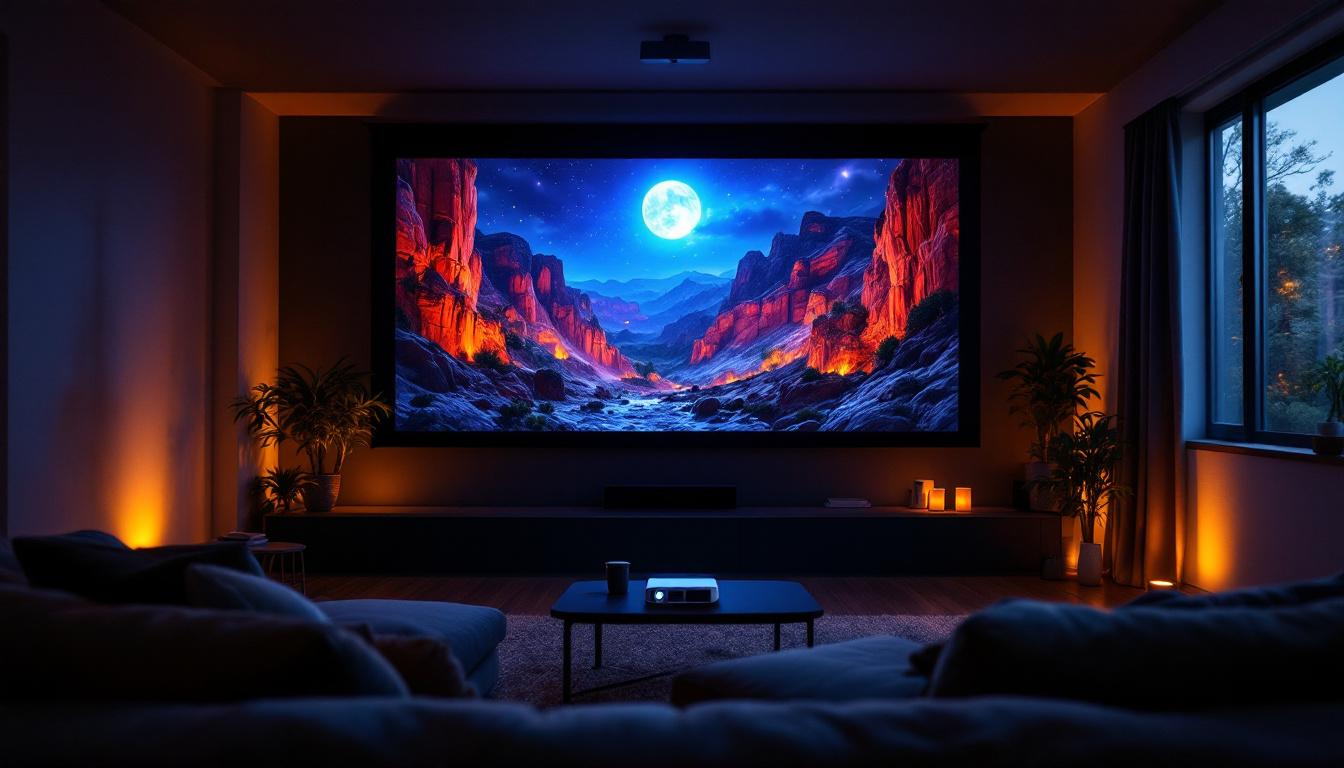
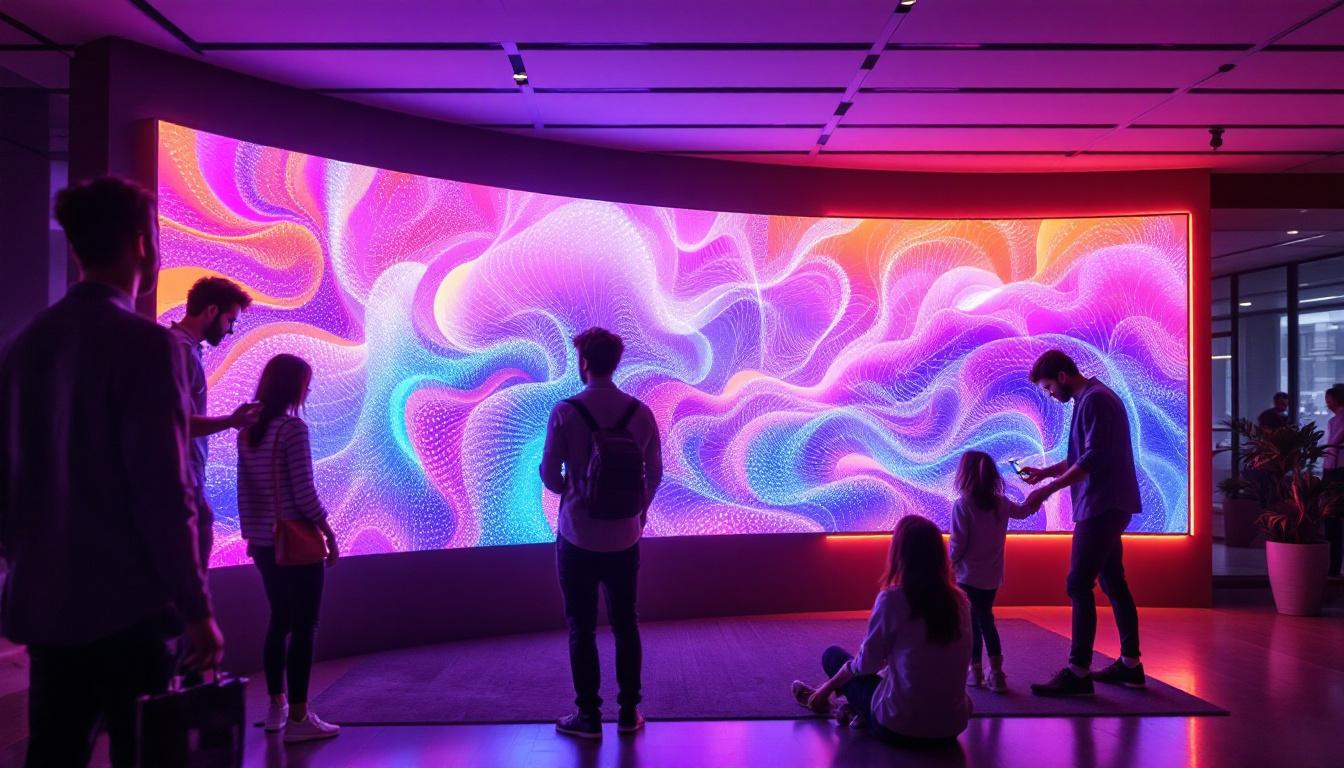
Indoor LED panels are designed for use inside buildings, where lighting conditions are controlled. They typically have a higher pixel density (smaller pixel pitch) to ensure crisp images at close viewing distances. These displays are popular in conference rooms, shopping malls, airports, and retail stores.
For example, an indoor LED display with a pixel pitch of 1.5 mm can deliver stunning image quality suitable for detailed presentations or digital signage in confined spaces.
Outdoor LED Displays
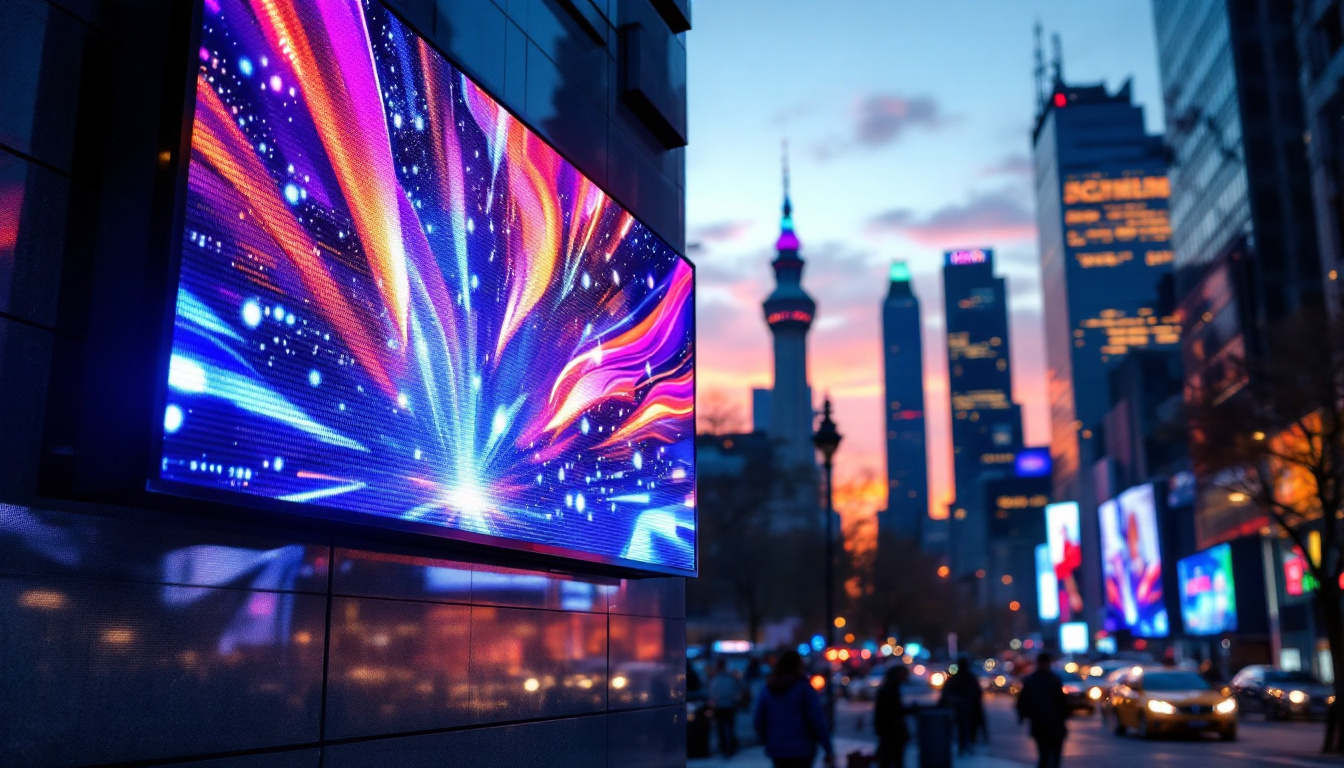
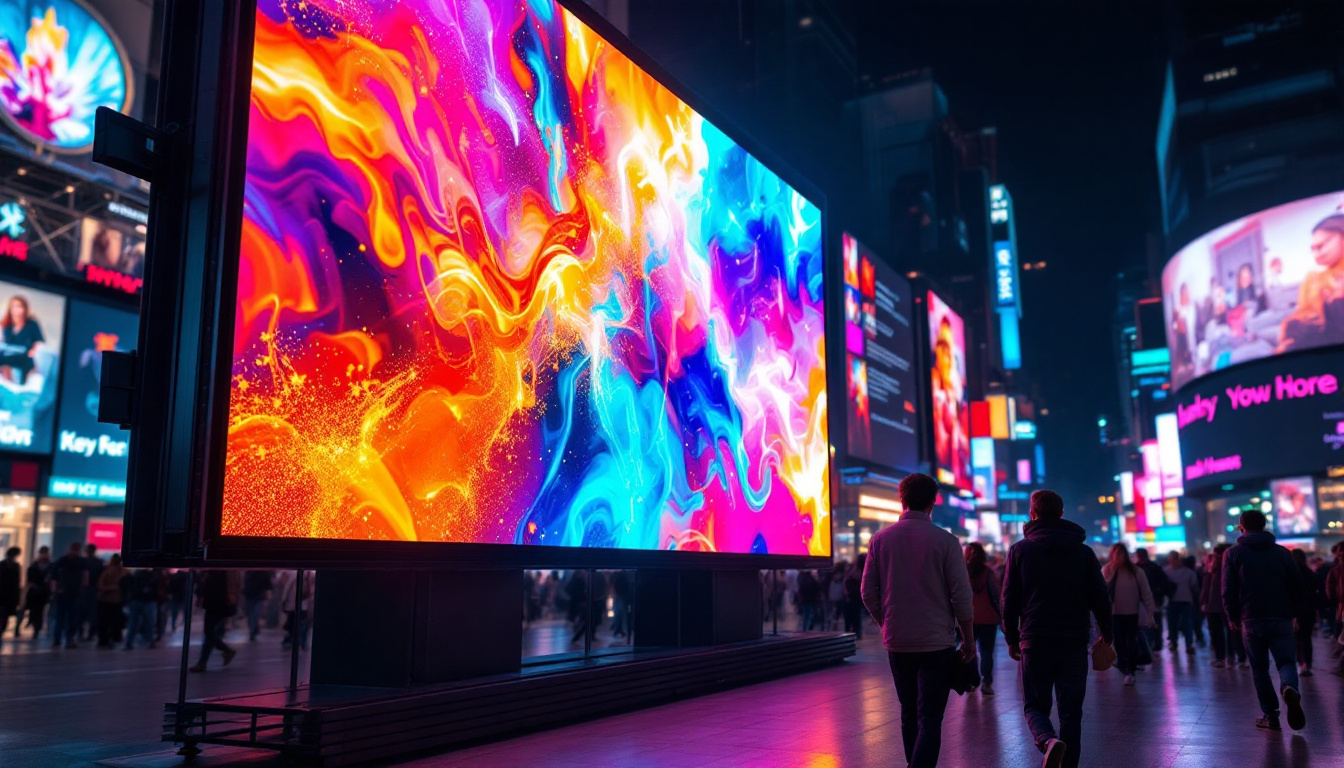
Outdoor LED panels are built to withstand harsh weather conditions such as rain, wind, and extreme temperatures. They feature higher brightness levels—often exceeding 5,000 nits—to remain visible even in direct sunlight. The pixel pitch is usually larger compared to indoor panels, as viewers tend to be farther away.
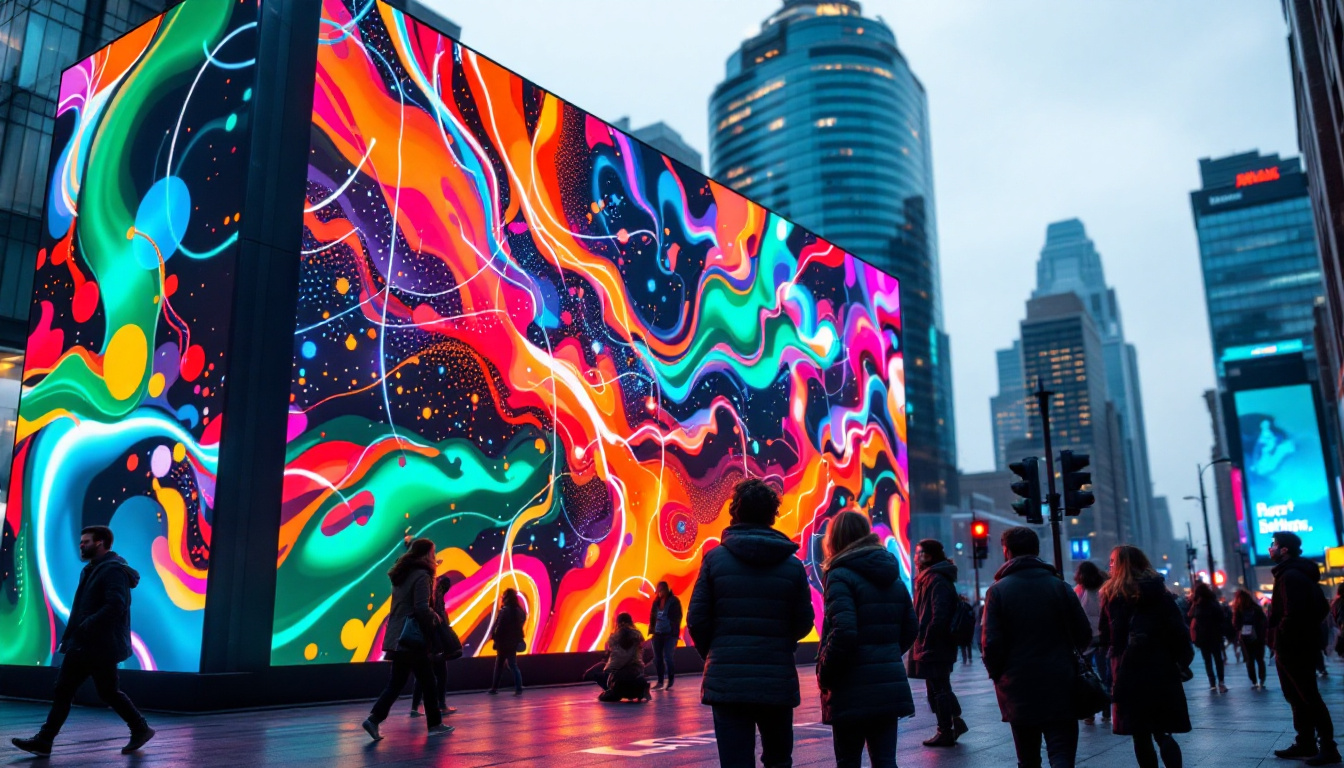
These displays are commonly used for billboards, stadium screens, and public information boards. Their durability and brightness make them ideal for advertising campaigns targeting large audiences in open spaces.
Transparent LED Displays
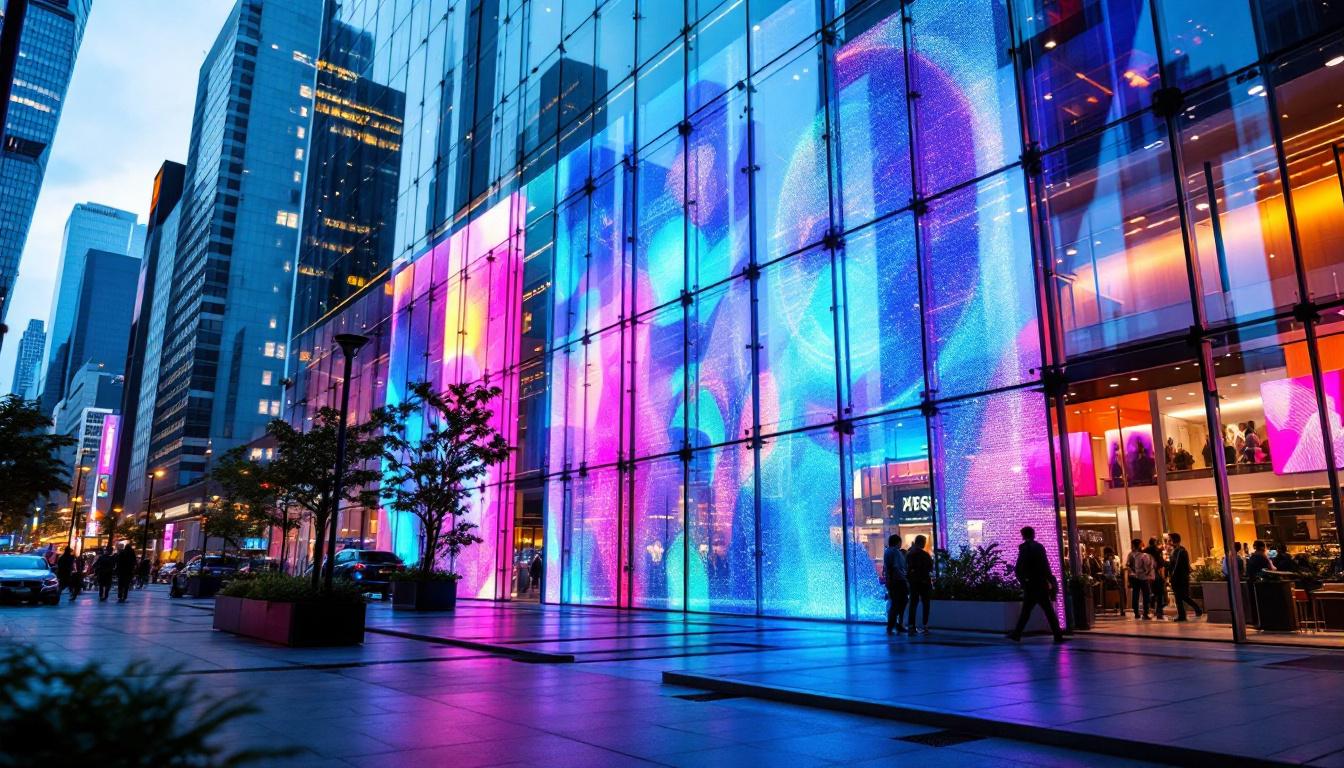
Innovative transparent LED panels allow light to pass through the screen, making them perfect for glass windows or storefronts. These displays enable businesses to showcase dynamic content without obstructing natural light or visibility.
Transparent LED technology is gaining traction in retail and architectural applications, providing a futuristic aesthetic combined with practical functionality.
Advantages of LED Displays
LED panels offer numerous benefits over traditional display technologies, making them a preferred choice for many industries. Key advantages include:
High Brightness and Visibility
LED displays can achieve brightness levels that far surpass LCD screens, often reaching over 6,000 nits for outdoor models. This ensures content remains clear and visible even under direct sunlight or in brightly lit environments.
Energy Efficiency
Compared to other lighting and display technologies, LEDs consume significantly less power. This energy efficiency translates into lower operating costs and a reduced environmental footprint, which is increasingly important for sustainable business practices.
Long Lifespan and Durability
LED panels typically have a lifespan of 50,000 to 100,000 hours, depending on usage and maintenance. Their solid-state construction makes them resistant to shock and vibration, ensuring reliable performance in various conditions.
Flexibility and Scalability
The modular nature of LED panels allows for customized sizes and shapes. Businesses can create displays that fit unique architectural spaces or scale up easily for larger installations.
Vivid Colors and High Contrast
LED technology delivers rich, vibrant colors with deep blacks and high contrast ratios, enhancing the visual impact of advertisements, videos, and graphics.
Applications of Painel de Led
The versatility of LED panels has led to widespread adoption across multiple sectors. Some of the most common applications include:
Advertising and Marketing
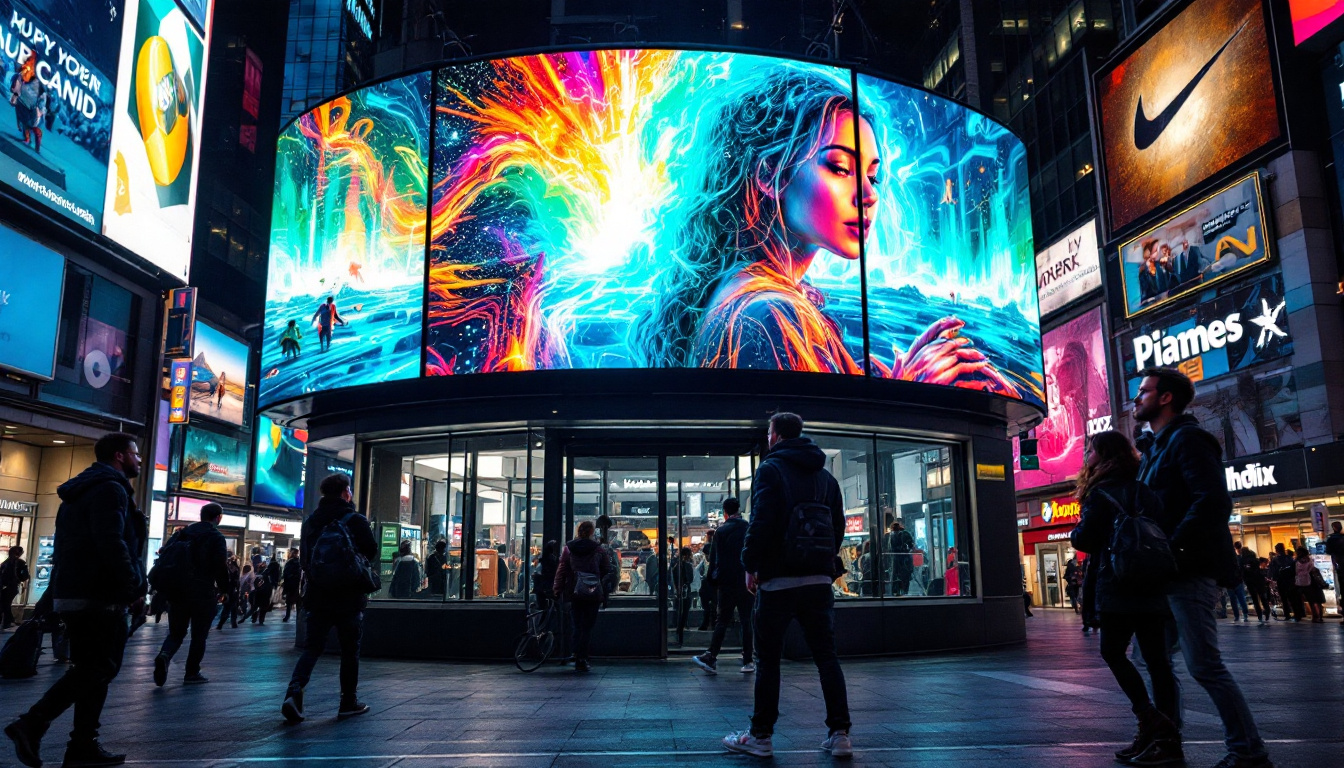
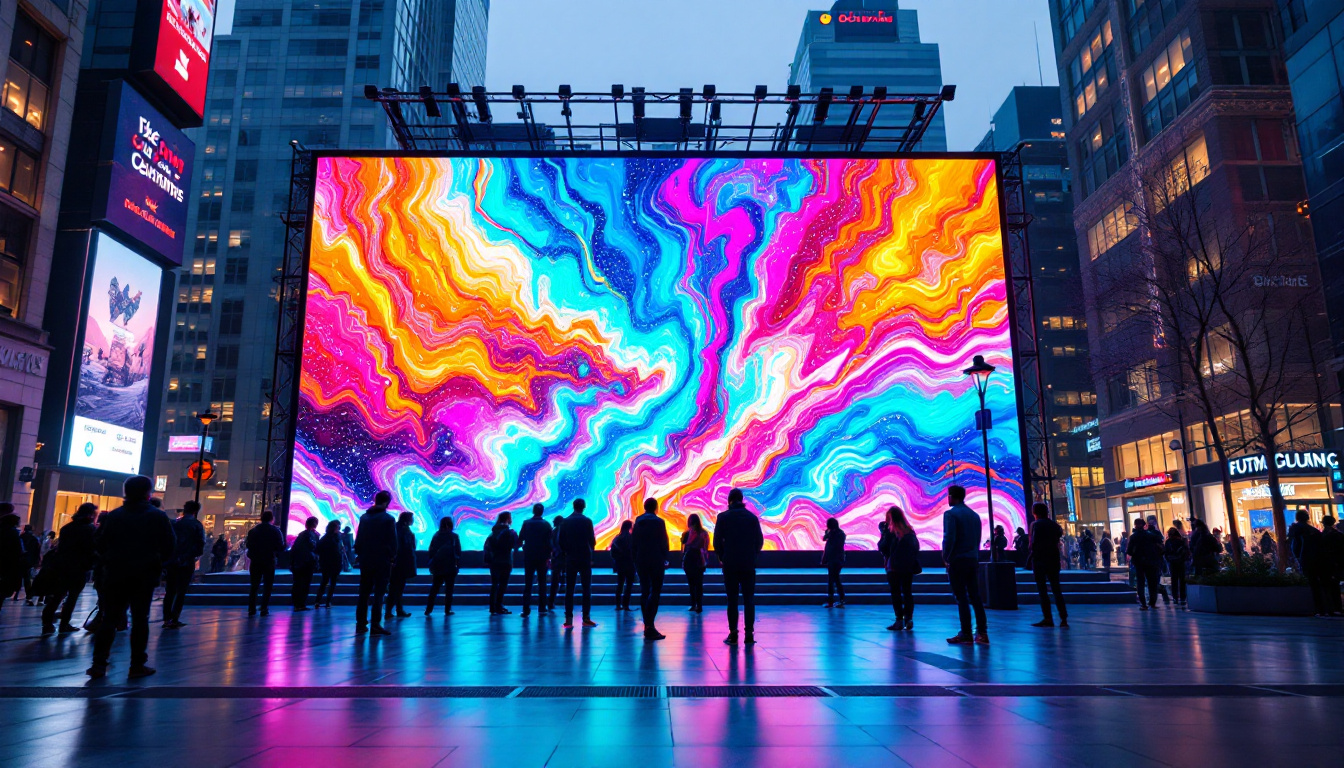
Outdoor LED billboards and indoor digital signage are powerful tools for brands to attract customers and promote products. With dynamic content capabilities, advertisers can update messages in real-time, tailor promotions to specific audiences, and create engaging visual experiences.
According to a 2023 report by the Digital Signage Federation, digital signage, including LED displays, increases customer engagement by up to 30% compared to static signs.
Sports and Entertainment Venues
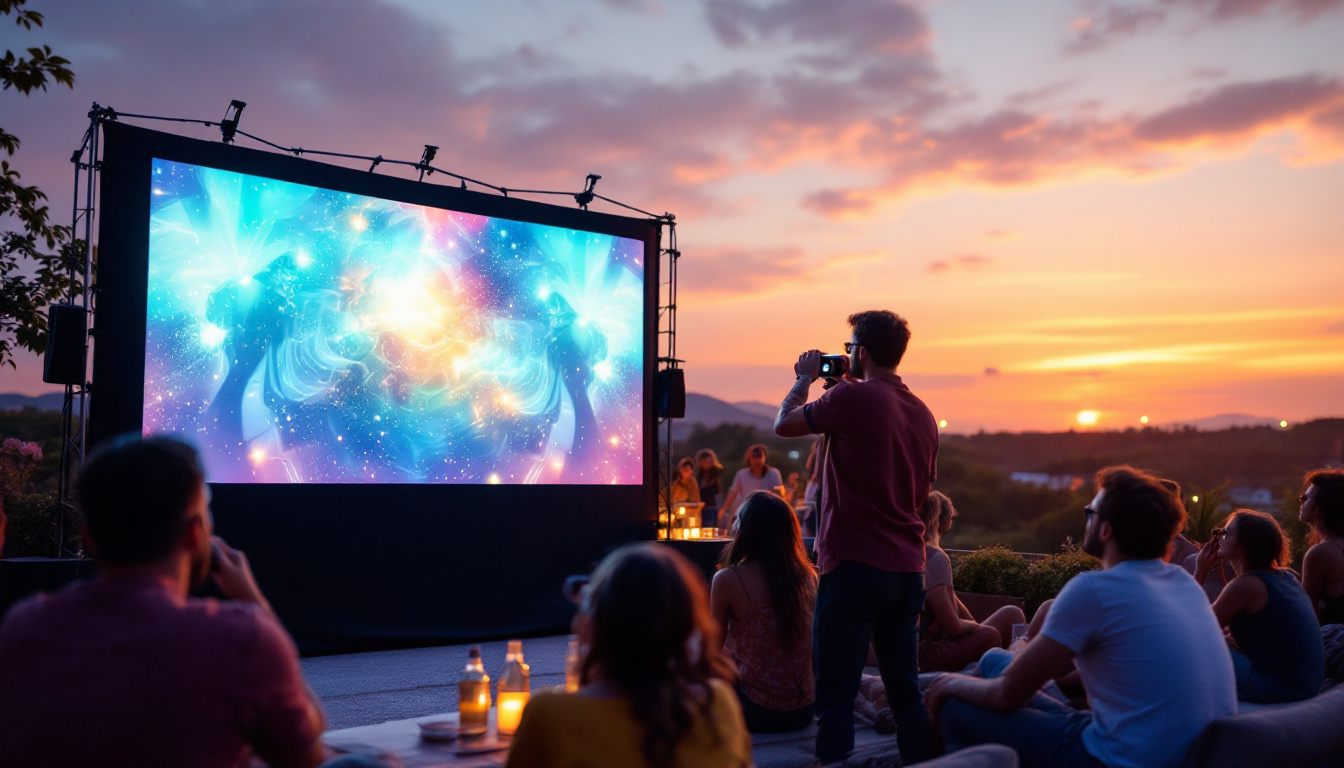
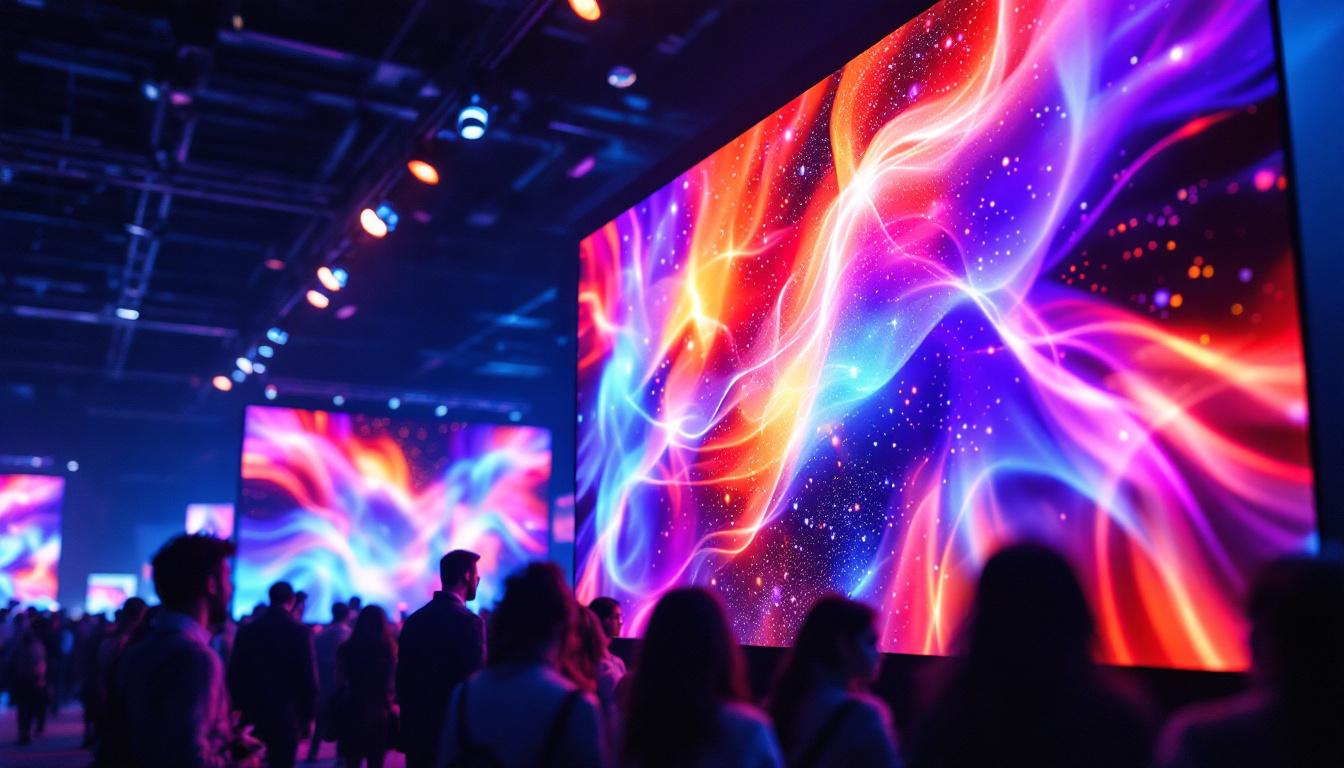
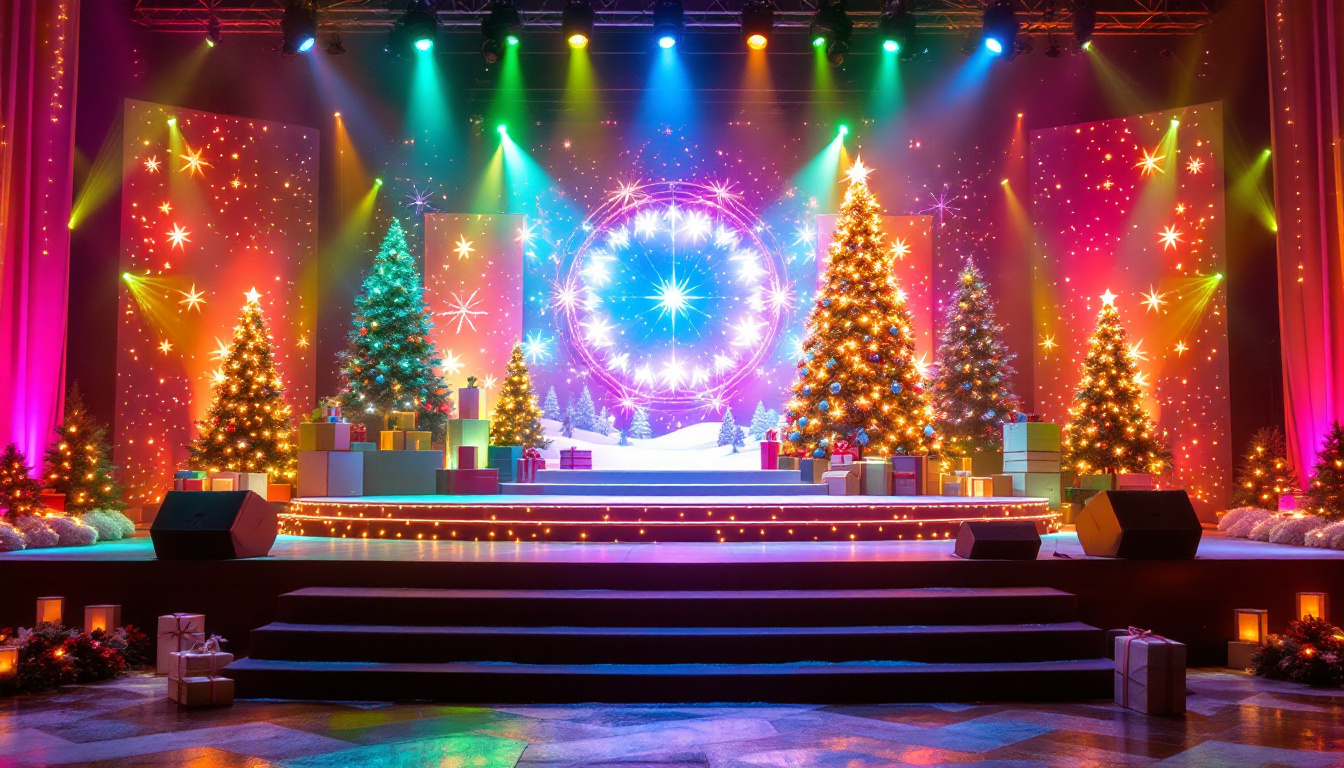
Stadiums and arenas use large LED screens to display live action, replays, scores, and advertisements. These displays enhance the spectator experience and provide additional revenue streams through sponsorships.
Transportation and Public Information
LED panels are widely used in airports, train stations, and bus terminals to provide real-time information such as arrivals, departures, and alerts. Their high visibility and reliability make them ideal for critical communication.
Corporate and Educational Settings
Companies and educational institutions utilize LED displays for presentations, conferences, and digital notice boards. The clarity and brightness of LED panels improve information dissemination and audience engagement.
Retail and Hospitality
Retailers deploy LED displays for window advertising, product promotions, and interactive kiosks. Hotels and restaurants use them for menus, event announcements, and ambient visuals, enhancing customer experience.
Choosing the Right LED Panel
Selecting the appropriate Painel de Led depends on several factors that align with the intended use and environment. Considerations include:
Pixel Pitch and Resolution
The pixel pitch, measured in millimeters, is the distance between the centers of adjacent LEDs. A smaller pixel pitch means higher resolution and better image quality at close viewing distances. For indoor use, pixel pitches between 1.2 mm and 3 mm are common, while outdoor displays typically range from 6 mm to 20 mm.
Brightness Requirements
Assess the ambient lighting conditions where the display will be installed. Outdoor environments demand higher brightness levels (5,000+ nits), whereas indoor settings require less intense illumination (around 800 to 1,500 nits).
Viewing Distance and Angle
Determine how far viewers will be from the display. Larger pixel pitches are suitable for distant viewing, while closer audiences benefit from finer pitches. Also, consider the viewing angles to ensure visibility from multiple positions.
Durability and Weather Resistance
For outdoor installations, ensure the panel has adequate ingress protection (IP rating) against dust and water. Ratings such as IP65 or higher are recommended for exposure to rain and dust.
Control and Connectivity
Modern LED panels offer various control options, including wired and wireless connections, remote content management, and integration with software platforms. Choose a system compatible with your operational needs.
Maintenance and Longevity
Proper maintenance is crucial to maximize the lifespan and performance of LED displays. Regular cleaning, inspection, and timely repairs help prevent issues such as dead pixels, color inconsistencies, or power failures.
Many manufacturers provide maintenance contracts and remote monitoring services to ensure continuous operation. Additionally, investing in high-quality components and professional installation reduces the risk of premature failures.
The Future of LED Display Technology
LED technology continues to evolve rapidly, driven by advances in materials science, electronics, and software. Emerging trends include:
MicroLED and MiniLED
MicroLED displays use microscopic LEDs to achieve even higher resolutions and brightness with lower power consumption. MiniLED technology enhances backlighting for LCD screens, improving contrast and color accuracy.
Flexible and Curved LED Panels
Innovations in flexible substrates allow LED panels to bend and curve, enabling creative installations on irregular surfaces and wearable devices.
Interactive LED Displays
Touch-sensitive and sensor-integrated LED panels open new possibilities for interactive advertising, gaming, and educational tools.
Energy Harvesting and Sustainability
Research into integrating solar cells and energy-efficient designs aims to make LED displays more sustainable and self-powered, reducing environmental impact.
Conclusion
Painel de Led technology has transformed the way businesses and organizations communicate visually. Its combination of brightness, versatility, energy efficiency, and durability makes LED displays an ideal solution for a wide range of applications, from advertising and entertainment to public information and corporate communication.
By understanding the different types of LED panels, their advantages, and how to select the right product for specific needs, users can leverage this technology to create impactful and engaging visual experiences that resonate with their audiences.
As LED technology continues to advance, the potential for more innovative and immersive displays grows, promising exciting opportunities for the future of digital communication.
Discover LumenMatrix LED Display Solutions
Ready to elevate your visual communication with the latest in LED display technology? LumenMatrix is at the forefront of innovation, offering a comprehensive range of LED display solutions tailored to your needs. From Indoor and Outdoor LED Walls to specialized displays for vehicles, sports, and even customizable options, LumenMatrix is committed to enhancing your brand’s visibility and audience engagement. Experience the future of digital signage with our cutting-edge products. Check out LumenMatrix LED Display Solutions today and transform your visual messaging with clarity and impact.