In today’s fast-paced digital world, interactive touch screen displays have become ubiquitous, transforming the way we communicate, learn, and conduct business. Among the many technologies powering these displays, LED (Light Emitting Diode) technology stands out for its brightness, efficiency, and versatility. This article delves into the fundamentals of LED displays, explores how they integrate with interactive touch screen technology, and highlights their applications and benefits across various industries.
Understanding LED Display Technology
What is an LED Display?
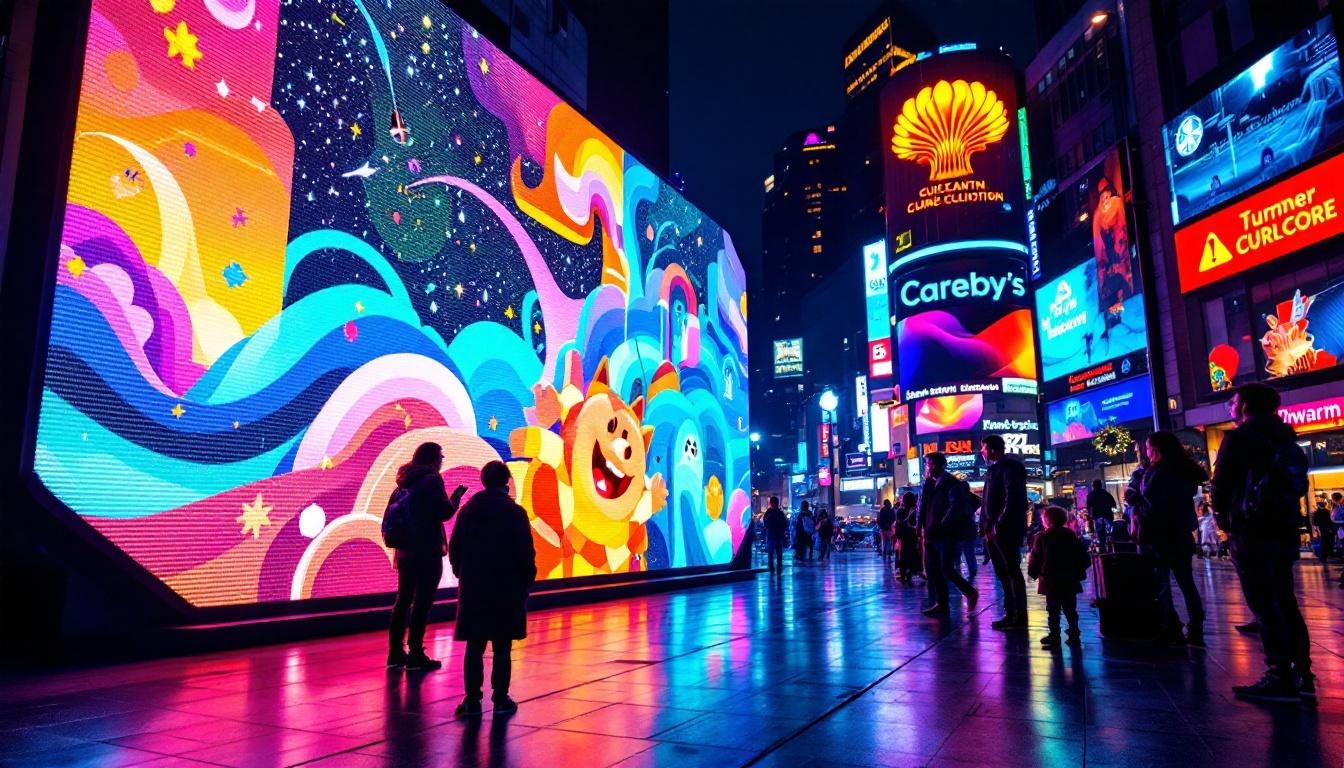
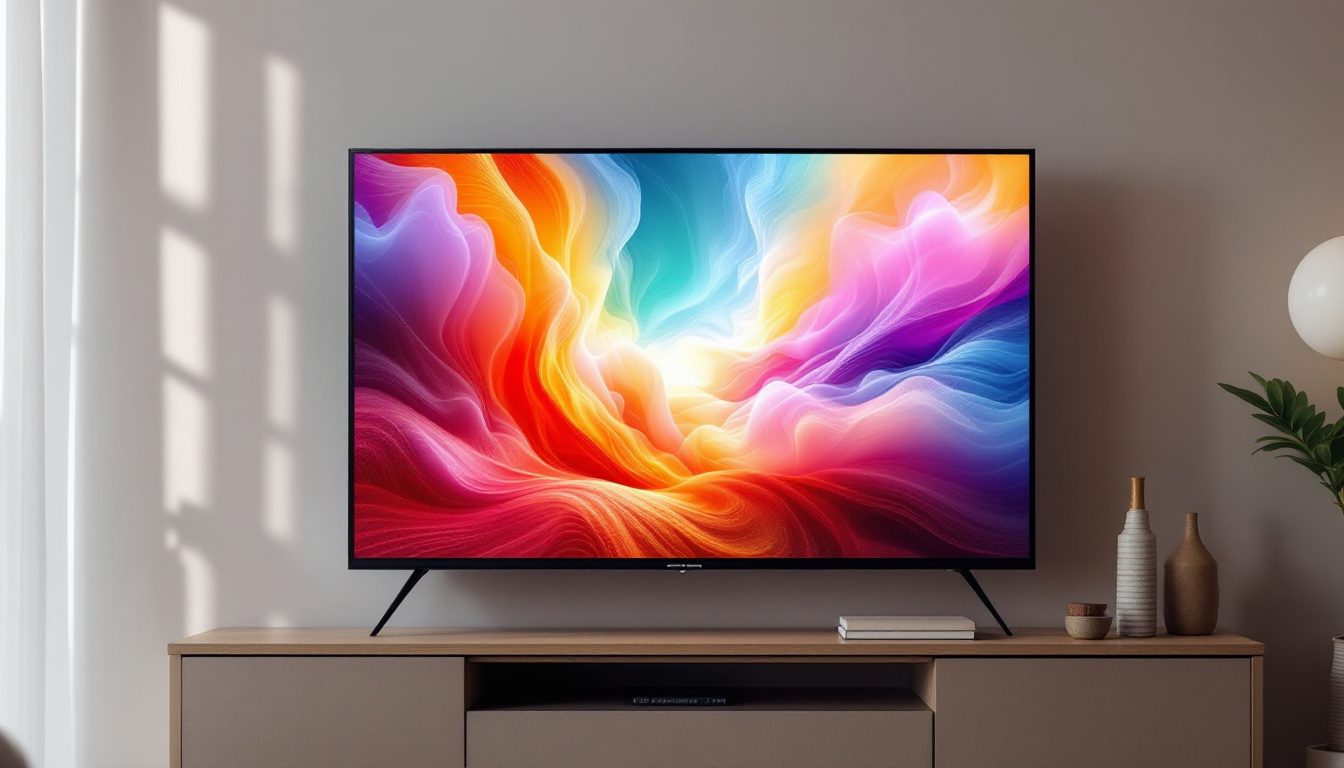
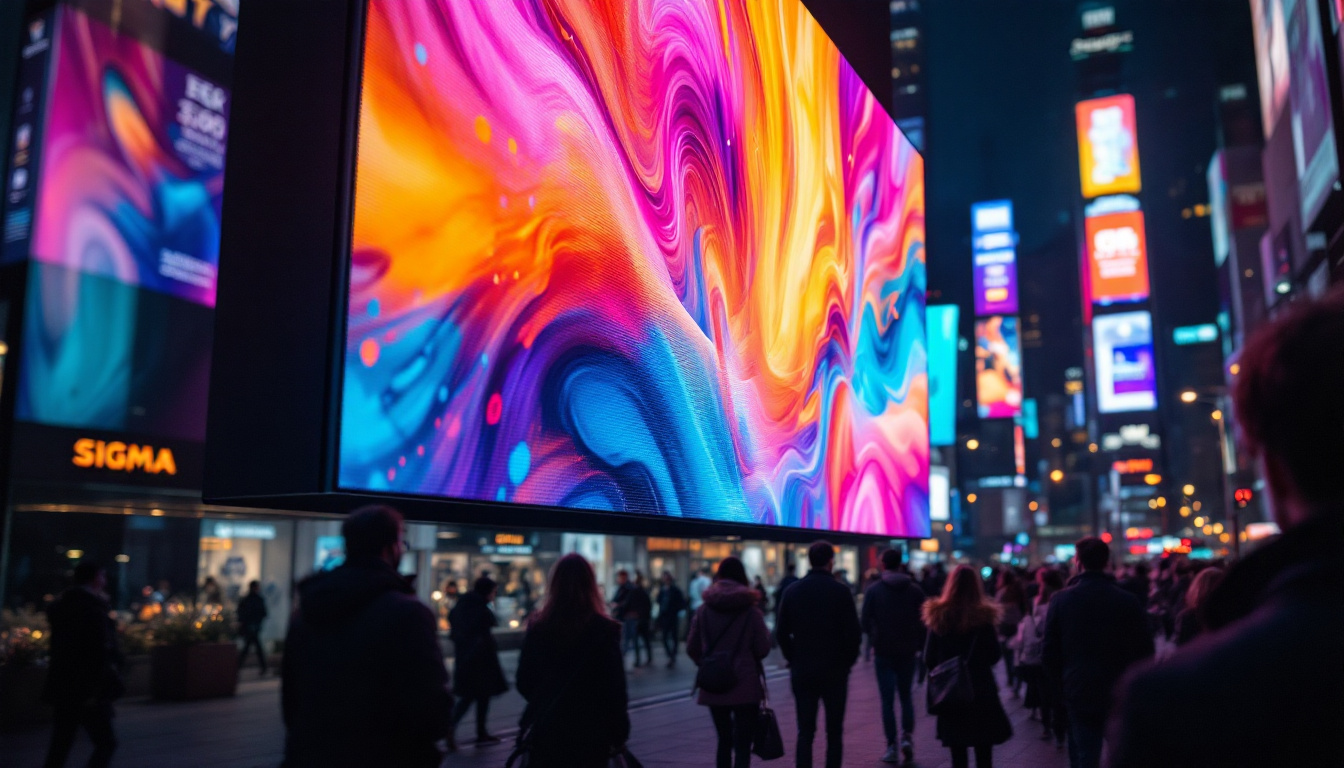
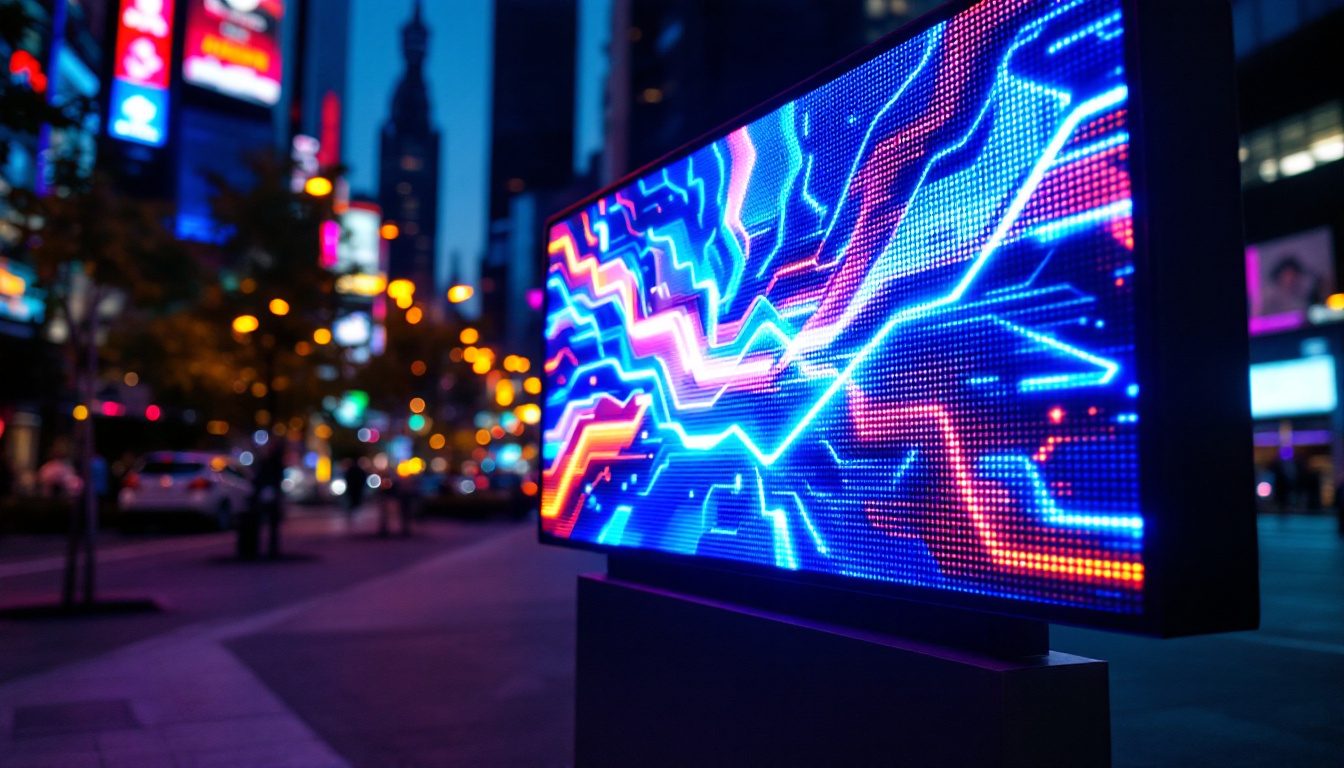
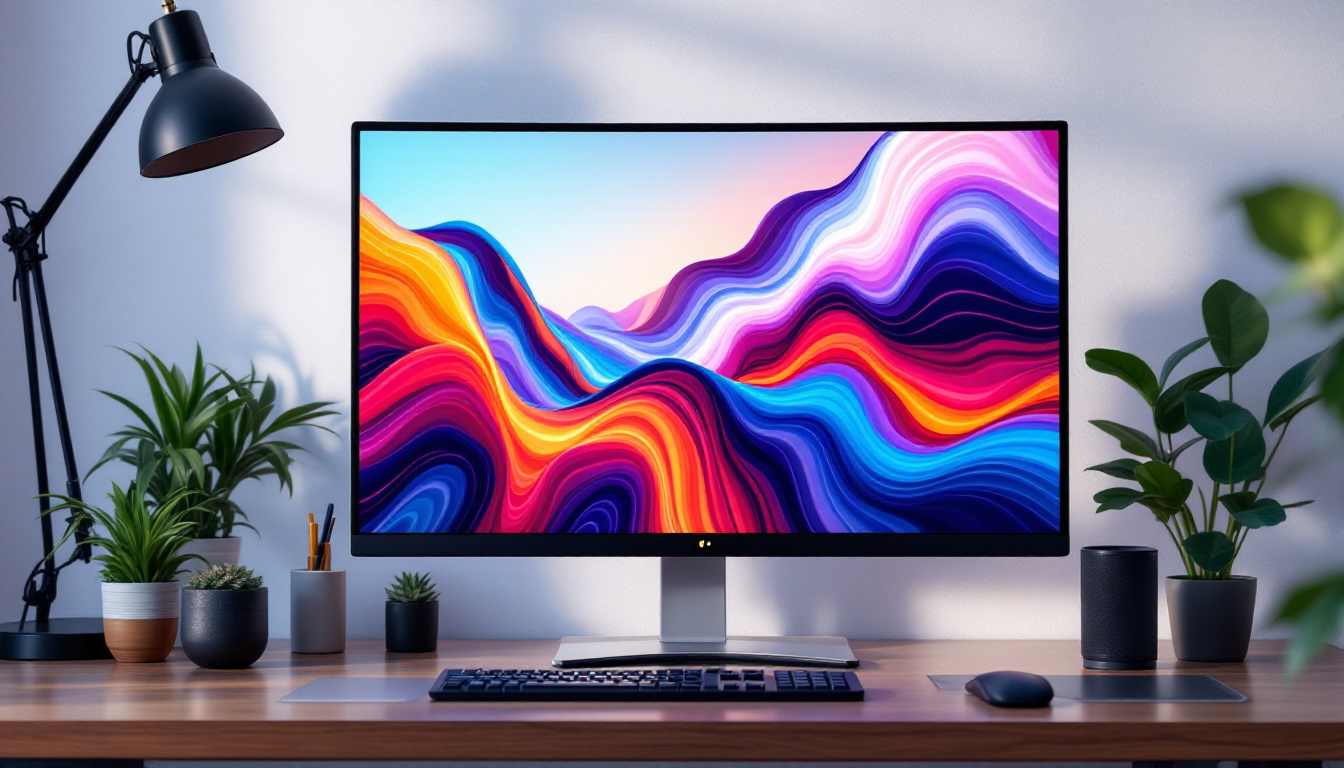
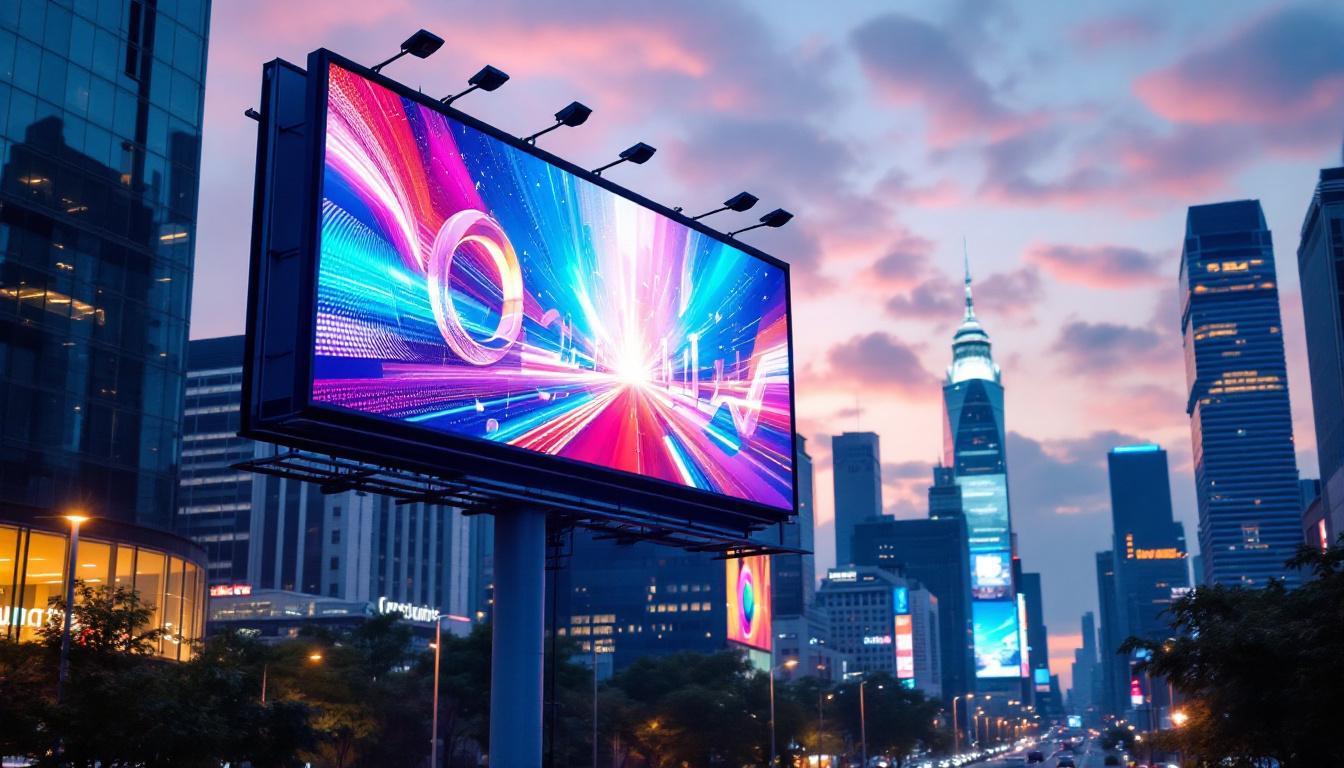
An LED display is a flat panel that uses an array of light-emitting diodes as pixels to create images, videos, or text. Unlike traditional LCD screens that rely on backlighting, LED displays emit light directly from each diode, resulting in higher brightness and contrast levels. This direct emission makes LED displays particularly effective in environments with high ambient light, such as outdoor advertising or brightly lit conference rooms. The technology has evolved significantly over the years, leading to a variety of applications ranging from large-scale billboards to small, portable displays used in personal devices.
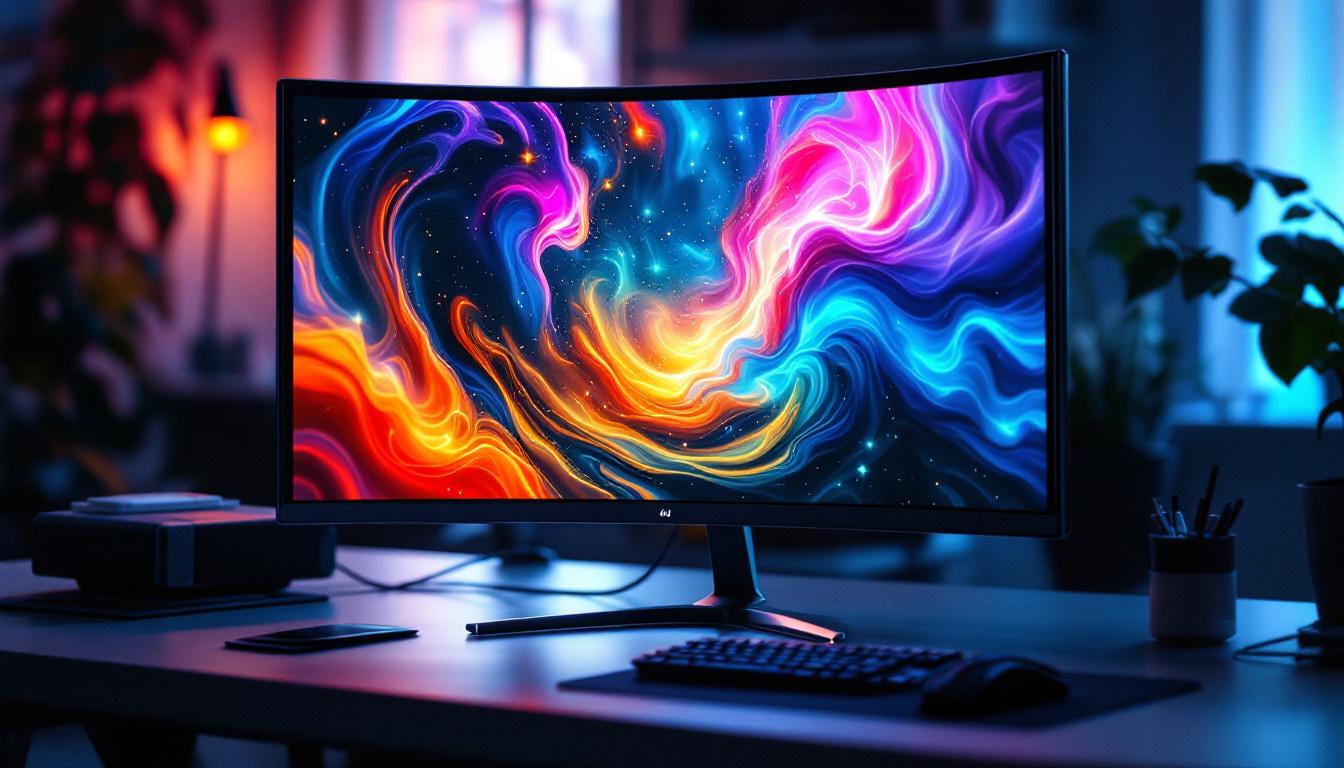
LED displays come in two primary forms: direct-view LED and LED-backlit LCD. Direct-view LED displays use individual LEDs as pixels, allowing for vibrant colors and deep blacks. On the other hand, LED-backlit LCDs use LEDs as a backlight source behind an LCD panel, improving brightness and energy efficiency compared to older CCFL-backlit LCDs. The versatility of LED technology also extends to various configurations, including curved and flexible displays, which can be tailored to fit unique spaces and artistic designs, making them a popular choice in modern architecture and event staging.
Key Advantages of LED Displays
LED technology offers several advantages that make it ideal for interactive touch screen applications:
- Brightness and Visibility: LED displays can achieve brightness levels exceeding 1,000 nits, ensuring clear visibility even in direct sunlight.
- Energy Efficiency: LEDs consume less power than traditional display technologies, reducing operational costs and environmental impact.
- Longevity: LED panels typically have a lifespan of 50,000 to 100,000 hours, minimizing maintenance requirements.
- Thin and Lightweight: The slim profile of LED panels allows for sleek, modern designs in interactive displays.
- Wide Color Gamut: LEDs can render a broad spectrum of colors with high accuracy, enhancing image quality.
In addition to these advantages, LED displays are also known for their rapid response times, which is crucial for applications that require real-time updates, such as stock tickers or live event feeds. The technology supports high refresh rates, making it suitable for displaying fast-moving content without blurring or ghosting. Furthermore, advancements in LED technology have led to the development of smart displays that can integrate with IoT devices, allowing for dynamic content management and interactive user experiences. This capability is reshaping how businesses engage with customers, providing opportunities for personalized advertising and real-time data visualization.
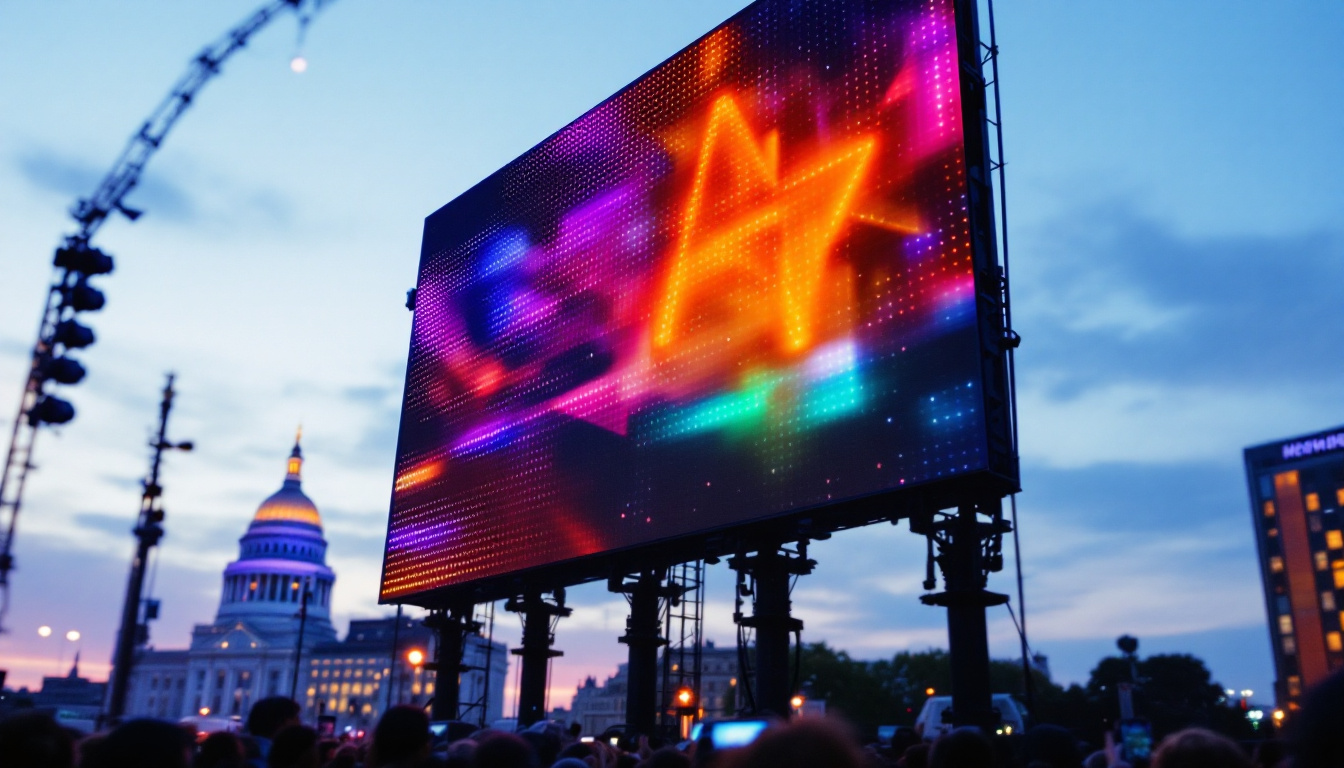
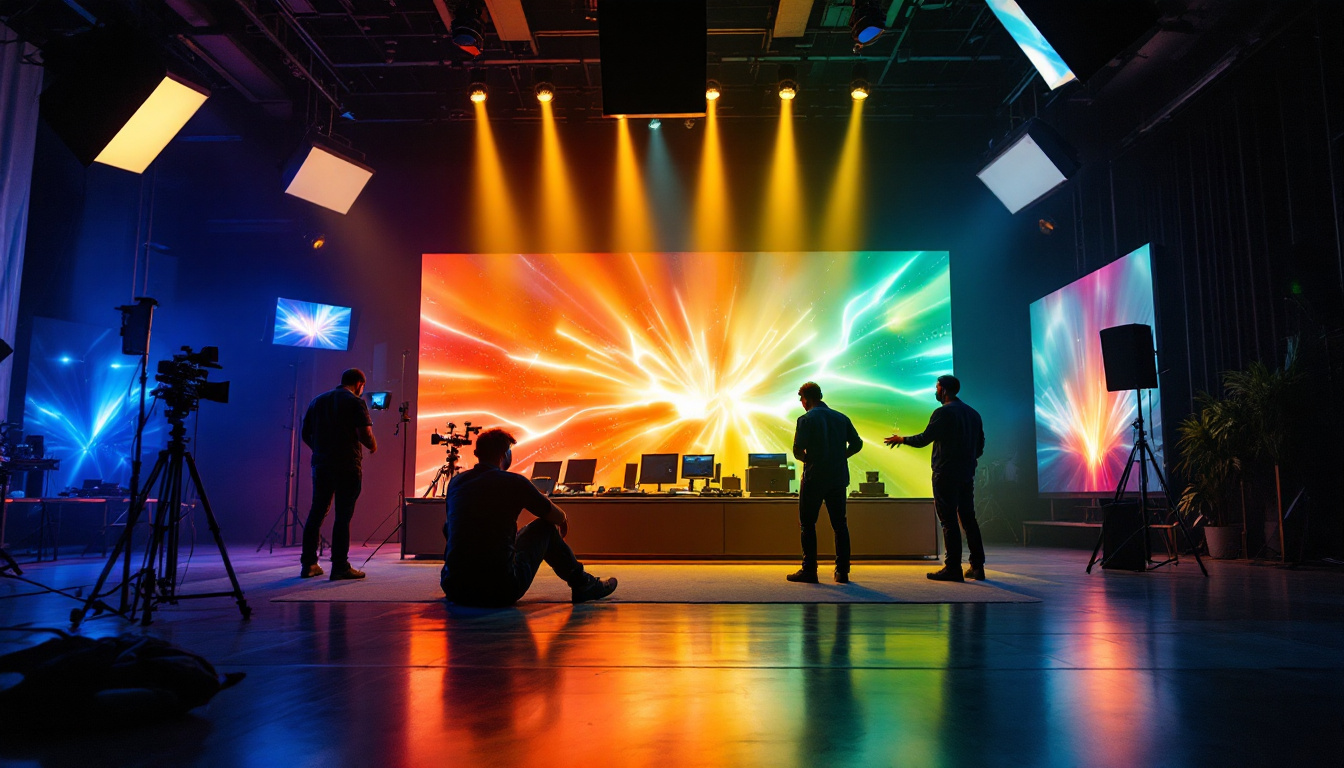
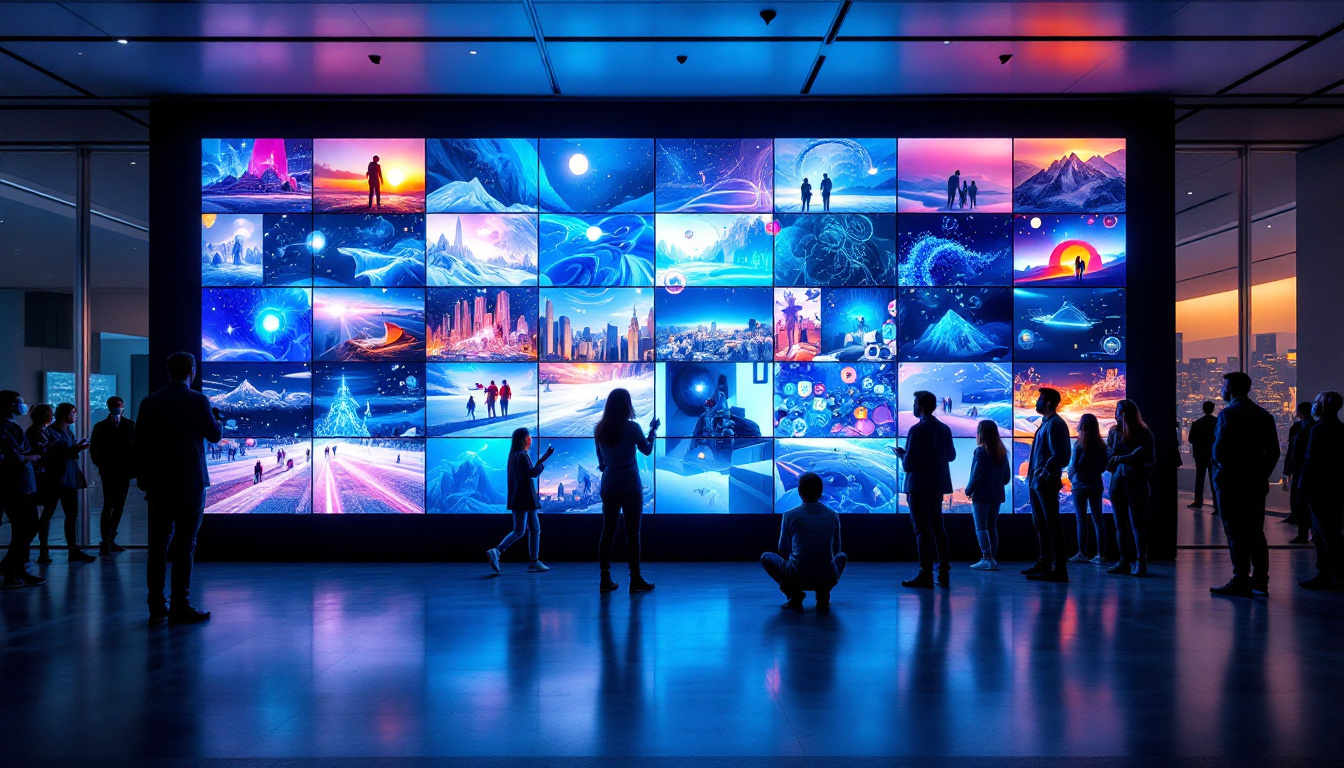
Moreover, the modular design of many LED displays allows for easy repairs and upgrades, making them a cost-effective solution for long-term use. This modularity also enables the creation of large video walls composed of multiple smaller panels, which can be customized in size and shape to fit any venue. As the demand for high-quality visual content continues to grow, LED technology is poised to remain at the forefront of display innovation, driving advancements in both commercial and consumer markets.
How Interactive Touch Screen Technology Integrates with LED Displays
Touchscreen Technologies Compatible with LED Displays
Interactive touch screens combine display technology with touch-sensitive layers that detect user input. Several touch technologies are commonly integrated with LED displays, including:
- Capacitive Touch: Utilizes the electrical properties of the human body to detect touch. It offers high sensitivity and multi-touch capabilities, making it popular in smartphones and tablets.
- Infrared (IR) Touch: Employs an array of IR LEDs and sensors around the screen edges to detect touch by interruption of the IR beams. This technology works well with larger displays and supports multi-touch.
- Surface Acoustic Wave (SAW): Uses ultrasonic waves on the glass surface. When touched, the waves are absorbed, registering the input. SAW provides excellent image clarity but is less resistant to contaminants.
- Resistive Touch: Consists of multiple layers that register touch through pressure. While cost-effective, resistive touchscreens generally lack multi-touch support and have lower clarity compared to capacitive or IR technologies.
Among these, capacitive and infrared touch technologies are most frequently paired with LED displays in interactive applications due to their responsiveness and durability.
Advantages of Combining LED Displays with Touch Technology
The fusion of LED displays with touch-sensitive interfaces creates dynamic, user-friendly solutions that enhance engagement and productivity. Some notable benefits include:
- Enhanced User Interaction: Touch capability allows users to interact directly with content, making navigation intuitive and eliminating the need for peripheral devices like keyboards or mice.
- Improved Visual Experience: The vibrant colors and high contrast of LED displays ensure that touch interactions are visually striking and easy to follow.
- Scalability: LED displays can be manufactured in large sizes without compromising image quality, ideal for collaborative environments such as classrooms, boardrooms, and public kiosks.
- Durability: LED panels paired with robust touch technologies can withstand frequent use and harsh environmental conditions, extending the lifespan of interactive installations.
Applications of Interactive LED Touch Screen Displays
Education and Training
Interactive LED touch screen displays are revolutionizing education by fostering active learning environments. Large-format LED panels enable teachers to present multimedia content with vivid clarity, while touch capabilities encourage student participation through direct interaction. For example, interactive whiteboards powered by LED displays allow multiple users to write, draw, and manipulate digital content simultaneously, enhancing collaboration and engagement.
According to a 2023 report by the EdTech Research Group, schools that implemented interactive LED displays saw a 25% increase in student engagement and a 15% improvement in learning outcomes. These displays also support remote learning by integrating with video conferencing and digital collaboration tools.
Corporate and Business Environments
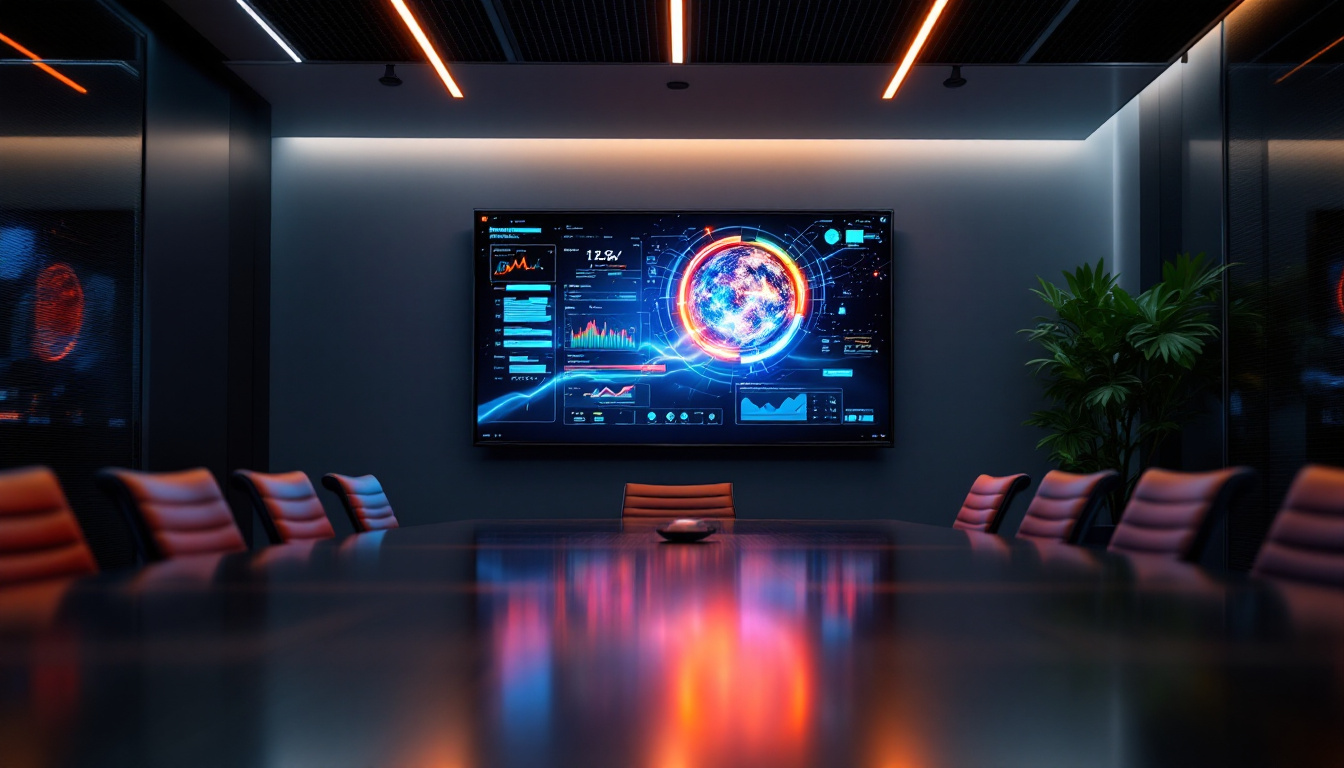
In corporate settings, interactive LED displays serve as powerful tools for presentations, brainstorming sessions, and digital signage. Their high brightness and color accuracy ensure that content remains clear in well-lit conference rooms, while multi-touch support enables seamless collaboration among team members.
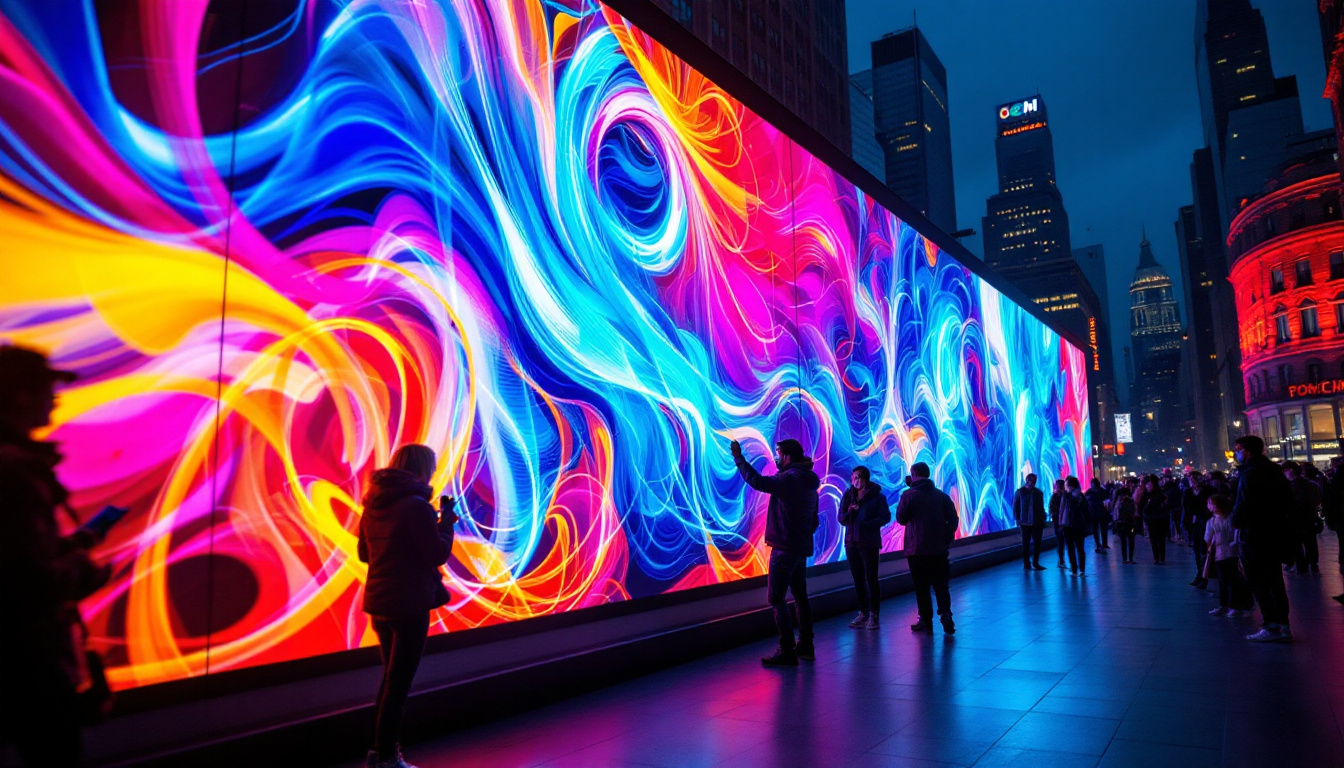
Companies are increasingly adopting interactive LED walls in lobbies and event spaces to create immersive brand experiences. For instance, retail brands use large LED touch screens to showcase product catalogs, allowing customers to explore options interactively, thereby boosting engagement and sales.
Healthcare and Medical Applications
The healthcare industry benefits from interactive LED displays in diagnostics, patient education, and telemedicine. High-resolution LED screens provide detailed imaging necessary for medical analysis, while touch capabilities facilitate intuitive interaction with complex data sets.
Interactive displays also enhance patient experiences by enabling easy access to health information and appointment scheduling. Moreover, in surgical environments, LED touch screens assist surgeons with real-time data visualization and control of medical devices.
Public Spaces and Transportation
Interactive LED touch screens are increasingly common in airports, train stations, museums, and other public venues. They serve as wayfinding kiosks, ticketing terminals, and information hubs, offering users an engaging and efficient way to access services.
For example, the deployment of interactive LED displays in major international airports has reduced passenger wait times by up to 30%, according to a 2022 study by the Transportation Technology Institute. The durability and brightness of LED displays make them well-suited for high-traffic areas exposed to varying lighting conditions.
Choosing the Right Interactive LED Touch Screen Display
Factors to Consider
Selecting the ideal interactive LED touch screen display depends on several critical factors tailored to the intended use case:
- Display Size and Resolution: Larger displays with higher resolutions provide better clarity and accommodate multiple users simultaneously, essential for collaborative environments.
- Touch Technology: Consider the environment and usage patterns. Capacitive touchscreens offer superior responsiveness for frequent use, while IR touchscreens excel in larger formats and outdoor settings.
- Brightness and Contrast: Ensure the display can maintain visibility under ambient lighting conditions typical to the installation site.
- Durability and Maintenance: Look for features like anti-glare coatings, tempered glass, and IP ratings if the display will be exposed to harsh environments.
- Connectivity and Software Compatibility: The display should support various input sources and integrate smoothly with existing software platforms for content management and collaboration.
Emerging Trends and Innovations
Advancements in LED and touch screen technologies continue to push the boundaries of interactive displays. MicroLED technology, for instance, promises even higher brightness and energy efficiency with improved color accuracy. Flexible and transparent LED displays are also gaining traction, enabling novel form factors and applications.
Artificial intelligence (AI) integration is another growing trend, with interactive LED displays incorporating facial recognition, gesture control, and personalized content delivery to enhance user experiences. These innovations are particularly impactful in retail and hospitality sectors, where tailored interactions drive customer satisfaction.
Conclusion
Interactive touch screen displays powered by LED technology represent a convergence of visual excellence and user-centric design. Their superior brightness, energy efficiency, and durability make them ideal for a wide range of applications—from education and healthcare to corporate environments and public spaces. Understanding the underlying LED technology and how it integrates with various touch sensing methods is essential for selecting the right solution tailored to specific needs.
As LED and touch technologies evolve, interactive displays will continue to transform how people engage with digital content, fostering more immersive, intuitive, and impactful experiences across industries.
Discover LumenMatrix’s Innovative LED Display Solutions
Ready to elevate your interactive display capabilities? LumenMatrix is at the forefront of LED display technology, offering a comprehensive range of solutions tailored to meet your unique needs. From Indoor and Outdoor LED Wall Displays to specialized options like Vehicle, Sports, and Floor LED Displays, our products are designed to captivate and engage. Experience the future of visual communication with our Custom, All-in-One, and Transparent LED Displays. Embrace the power of cutting-edge technology and check out LumenMatrix LED Display Solutions today to transform your space into a dynamic visual experience.