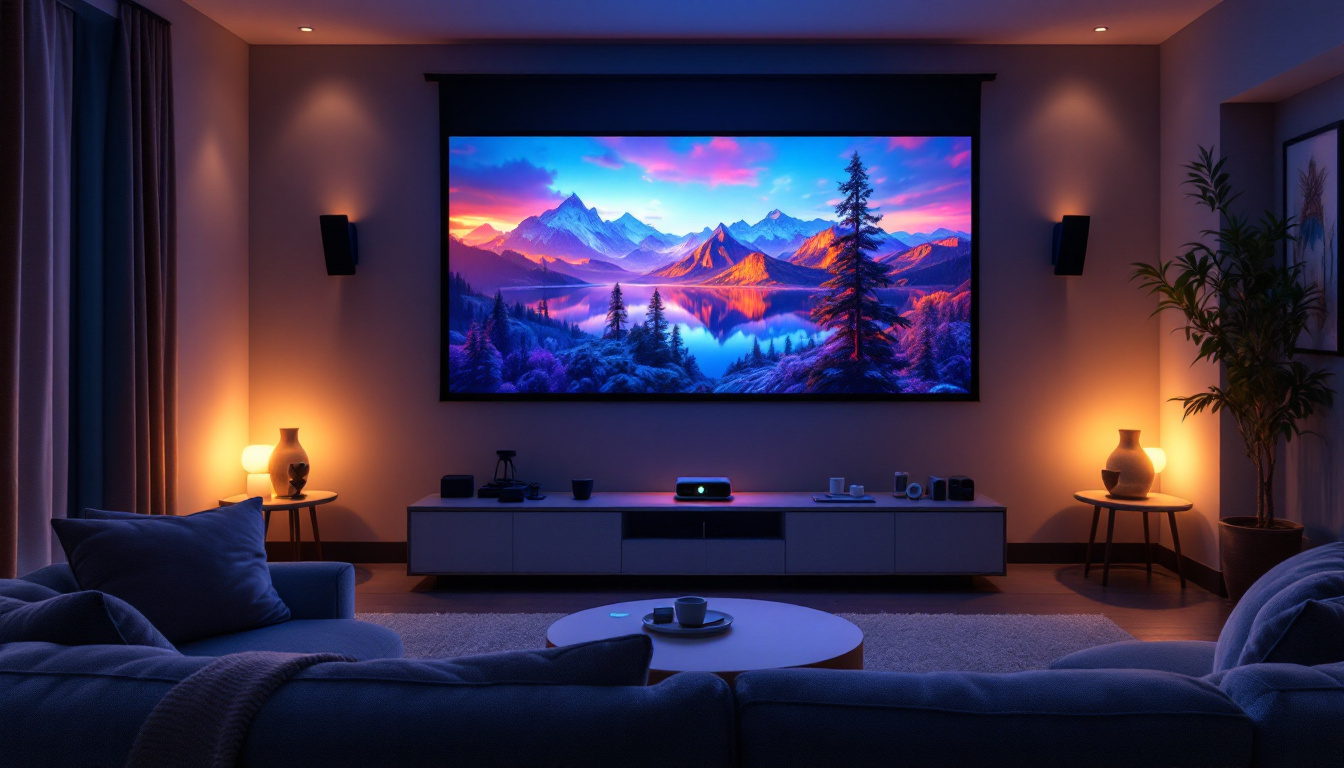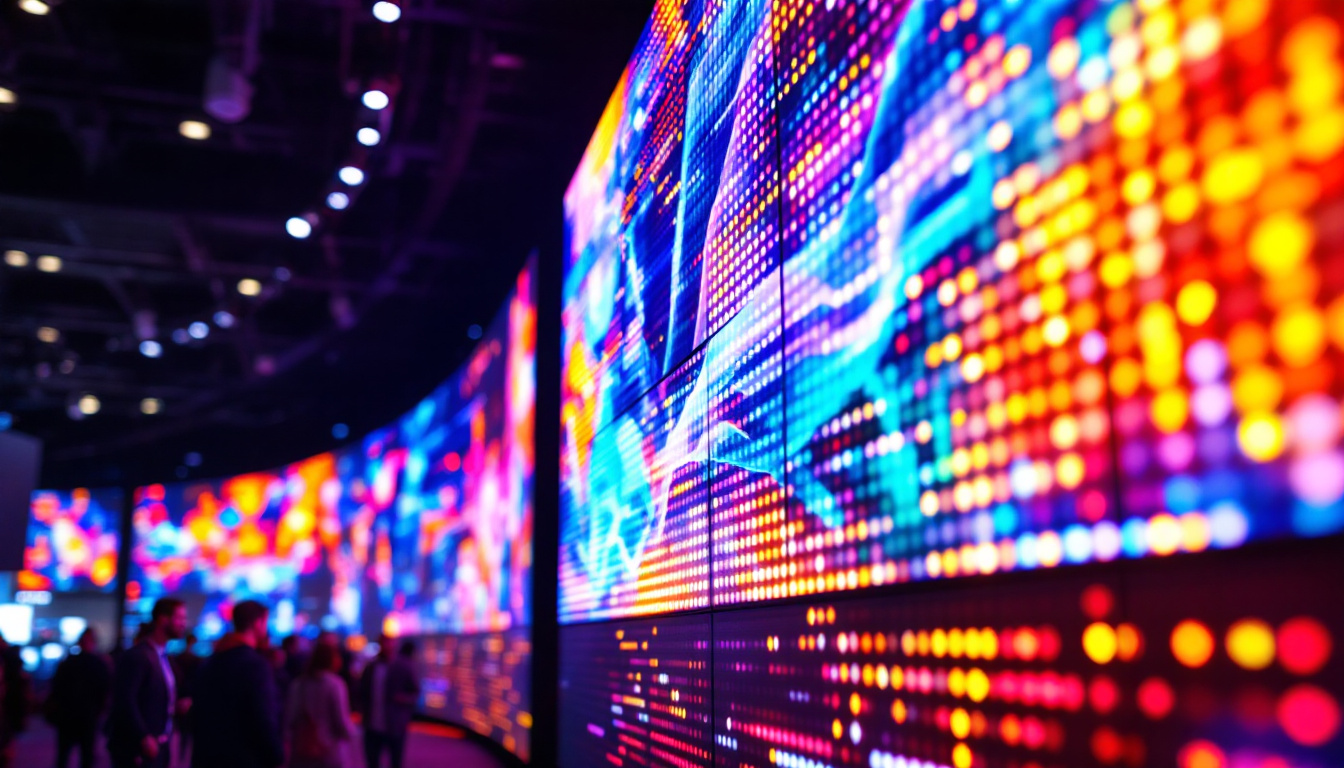
In recent years, LED display technology has revolutionized the way businesses, public spaces, and even private homes communicate visually. Among the many innovations, thin LED boards designed for wall mounting have become a standout solution, combining sleek aesthetics with powerful performance. These ultra-thin LED panels offer a modern, versatile alternative to traditional displays, enabling dynamic content presentation without compromising on space or design.
This article explores the technology behind thin LED boards for walls, their advantages, applications, and key considerations when selecting the right display for your needs. Whether you are a business owner looking to upgrade your signage, an interior designer seeking innovative decor, or a technology enthusiast curious about the latest in display technology, this comprehensive guide will provide valuable insights.
Understanding Thin LED Boards: Technology and Design
What Are Thin LED Boards?
Thin LED boards, often referred to as slim or ultra-thin LED panels, are display modules designed with minimal depth, typically ranging from just a few millimeters to a couple of centimeters thick. Unlike traditional LED displays, which can be bulky and heavy, these thin boards are engineered to be lightweight and sleek, making them ideal for wall mounting in both commercial and residential environments.
The core technology involves densely packed light-emitting diodes (LEDs) arranged on a flat circuit board. Advances in miniaturization and materials science have allowed manufacturers to reduce the thickness of these boards without sacrificing brightness, resolution, or durability. This means that even ultra-thin LED panels can deliver vibrant, high-contrast images suitable for a variety of lighting conditions.
Key Components and How They Work
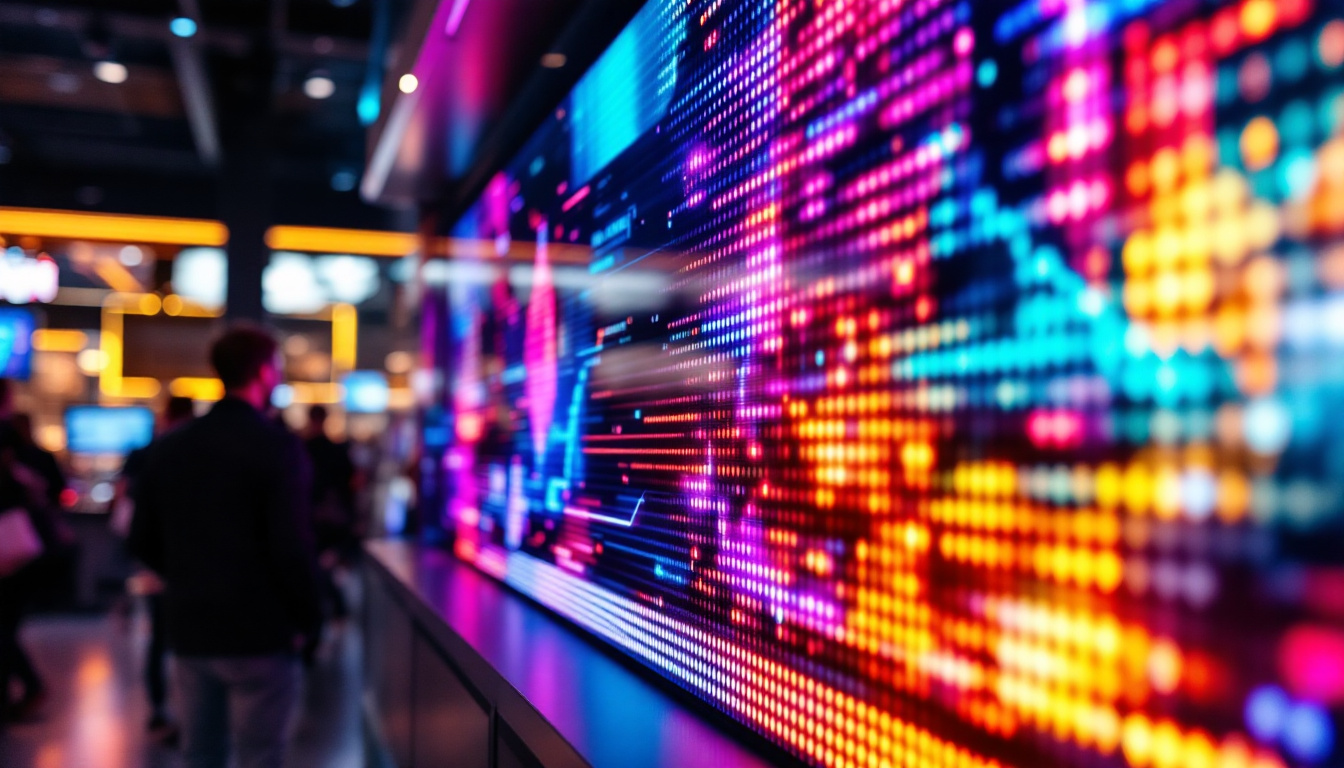
At the heart of every thin LED board is the LED pixel matrix. Each pixel consists of one or more LEDs that emit red, green, and blue light. By adjusting the intensity of these LEDs, the display can produce a full spectrum of colors. The boards are controlled by sophisticated driver circuits that manage the timing and brightness of each pixel to render images, videos, or text.
Modern thin LED boards incorporate advanced features such as:
- High refresh rates: Ensuring smooth video playback and reducing flicker.
- Wide viewing angles: Allowing content to be visible from various perspectives without color distortion.
- Energy-efficient LEDs: Reducing power consumption while maintaining brightness.
- Modular design: Enabling easy installation and scalability by connecting multiple panels seamlessly.
Advantages of Thin LED Boards for Wall Displays
Sleek Aesthetic and Space Efficiency
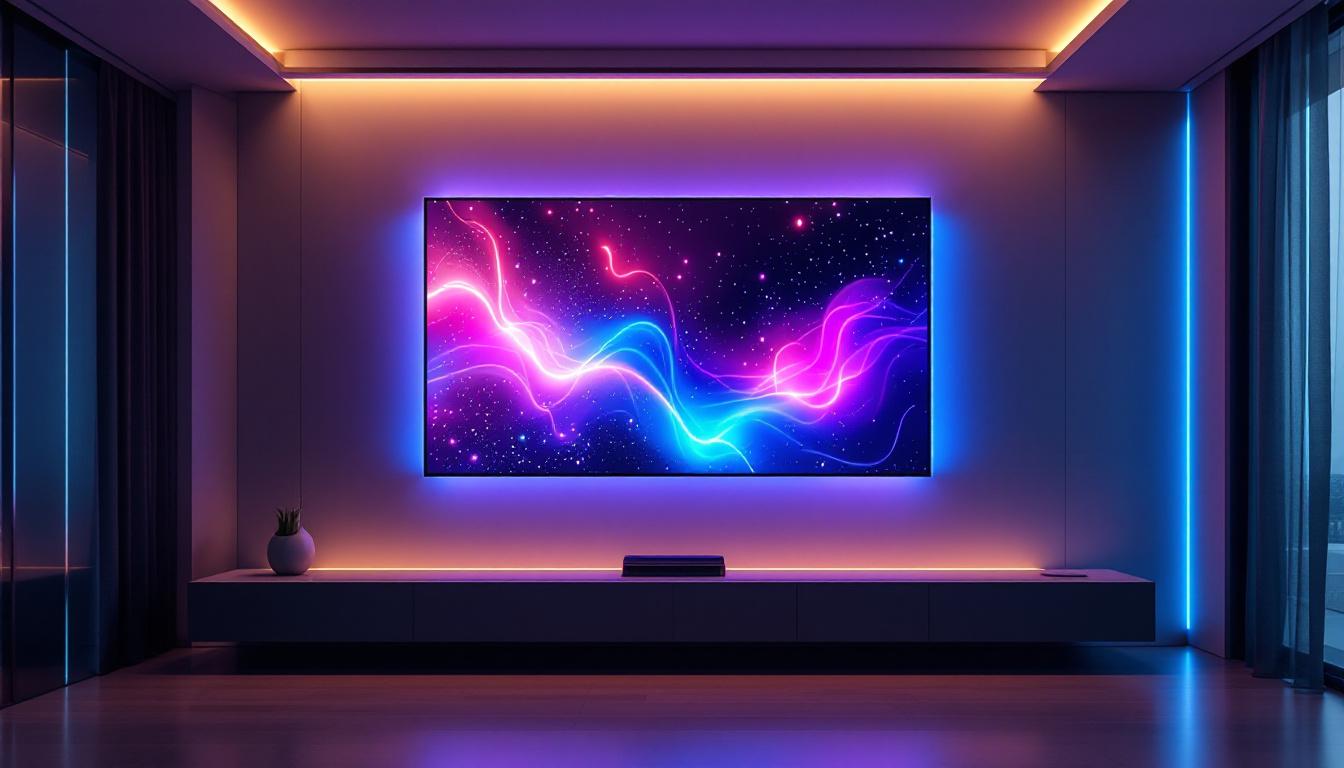
One of the most compelling benefits of thin LED boards is their minimal profile. Traditional display technologies like LCD or projection systems often require bulky frames, mounts, or significant depth behind the screen. Thin LED boards, by contrast, can be mounted flush against walls, creating a clean, modern look that integrates seamlessly with interior design.
This slim form factor is particularly valuable in environments where space is at a premium, such as retail stores, corporate offices, or public transit stations. The reduced weight also simplifies installation and minimizes structural requirements, allowing for more creative placement options.
Superior Image Quality and Brightness
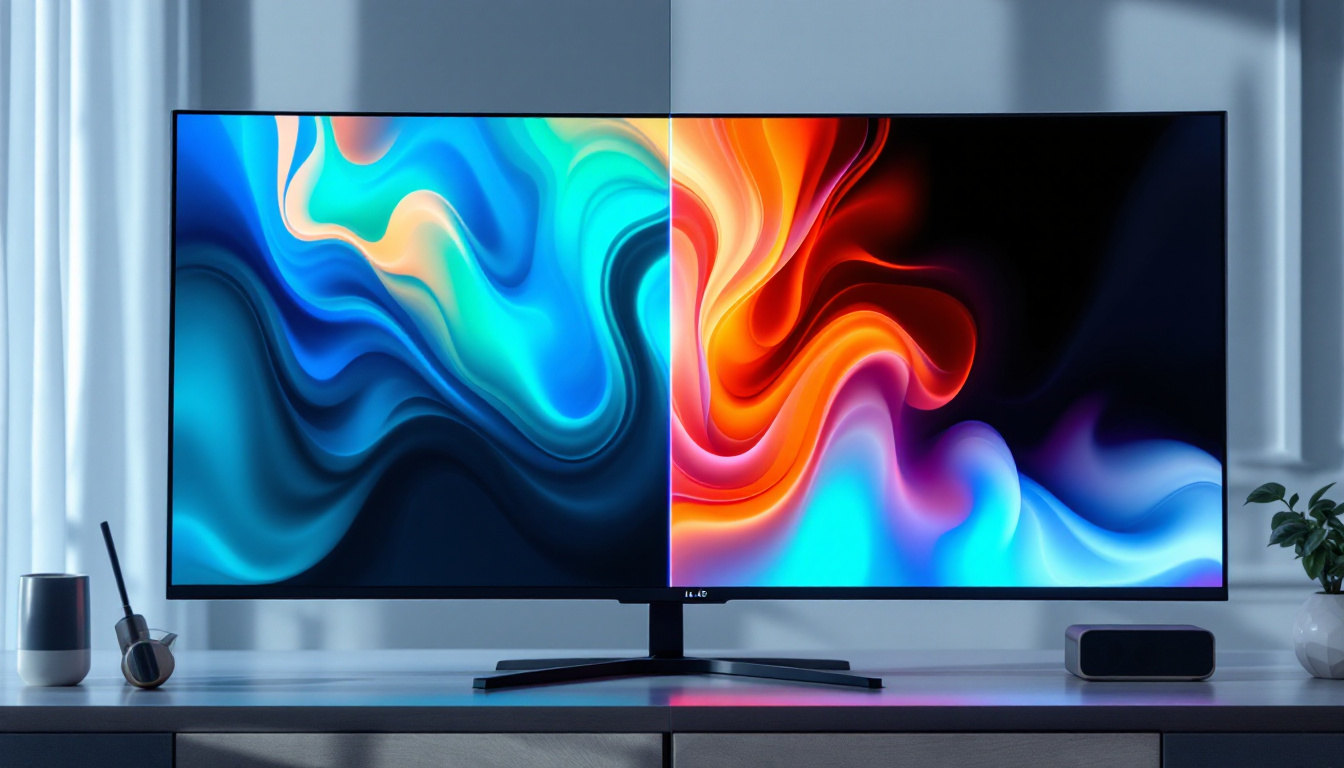
Thin LED boards excel in delivering bright, vivid images that remain clear even in well-lit environments. Unlike LCD screens, which rely on backlighting and can suffer from glare or washed-out colors, LED displays emit their own light, resulting in higher contrast ratios and more vibrant colors.
This makes them ideal for both indoor and semi-outdoor applications where ambient light levels fluctuate. For example, a retail store can use a thin LED wall display to showcase promotions that stand out even in daylight, while a conference room can benefit from crisp presentations without the need to dim the lights.
Durability and Longevity
LED technology is renowned for its durability and long lifespan. Thin LED boards are typically designed to withstand continuous operation for tens of thousands of hours, often exceeding 50,000 hours of use before brightness diminishes significantly. This longevity translates into lower maintenance and replacement costs compared to other display types.
Additionally, many thin LED panels are built with robust materials and protective coatings that resist dust, moisture, and physical impact. This makes them suitable for high-traffic areas or environments where durability is essential.
Applications of Thin LED Boards in Various Industries
Retail and Advertising
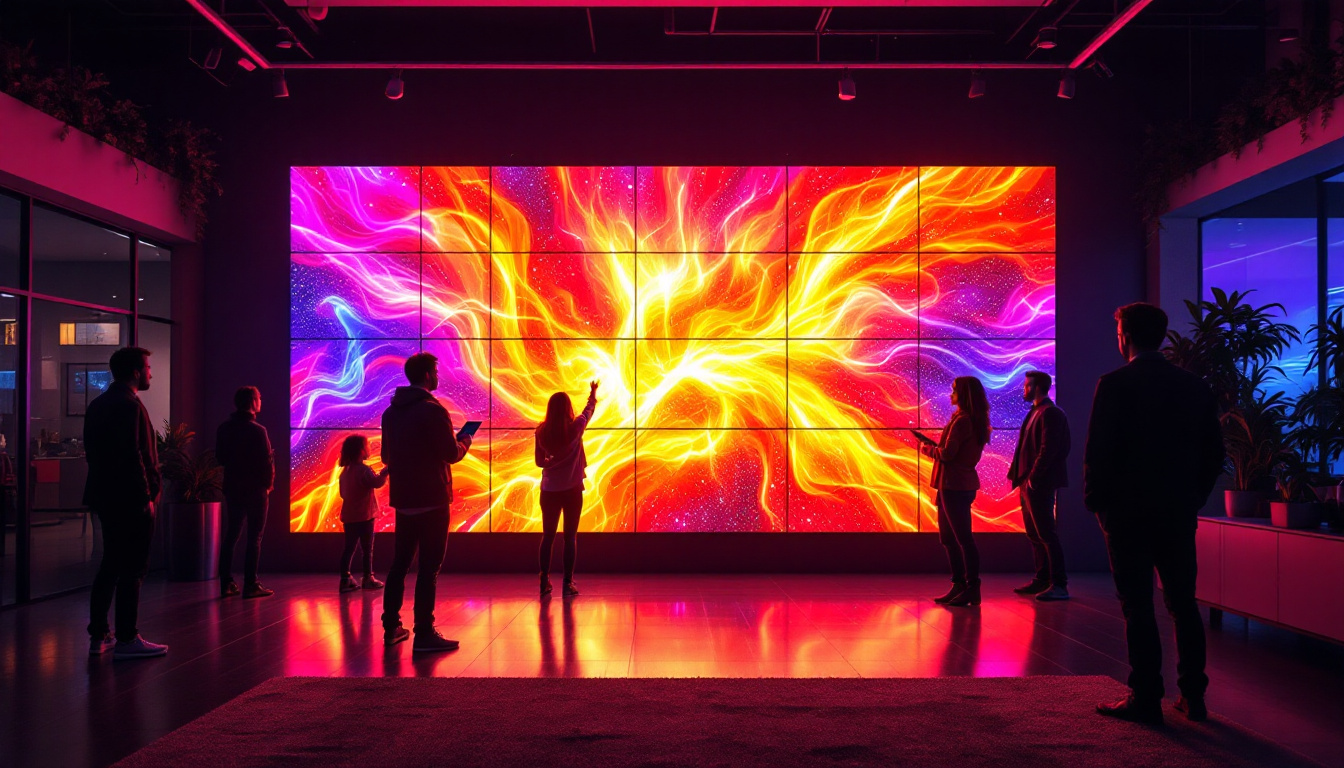
Retailers are increasingly adopting thin LED wall displays to capture customer attention and enhance the shopping experience. These displays can be used for digital signage, dynamic product promotions, or interactive content that responds to customer behavior.
According to a 2023 report by the Digital Signage Federation, stores using digital signage, including LED displays, saw an average sales increase of 31.8%, highlighting the effectiveness of engaging visual content. Thin LED boards, with their sleek design and high brightness, are particularly suited for storefront windows and in-store walls where space and aesthetics matter.
Corporate and Conference Spaces
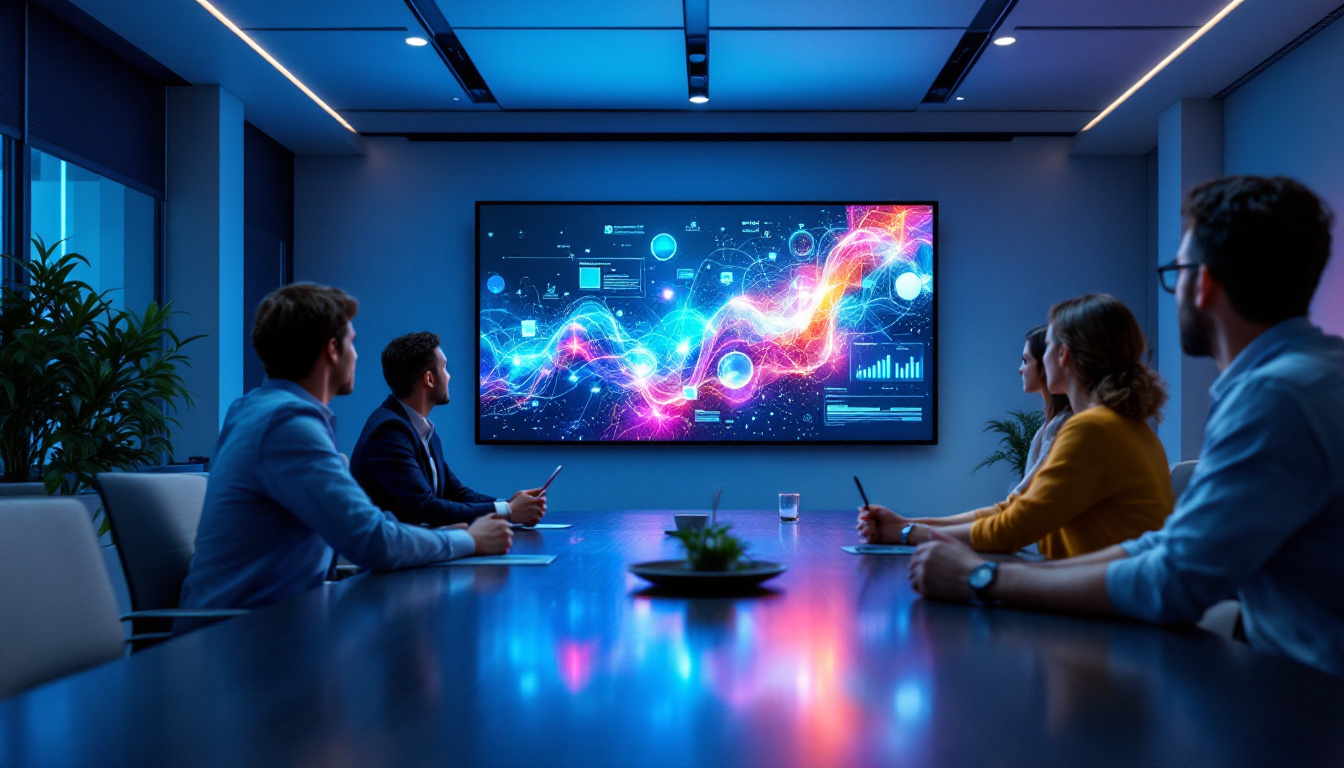
In corporate environments, thin LED walls serve as impressive presentation tools and communication hubs. They can display real-time data dashboards, video conferencing feeds, or branded messaging with clarity and professionalism.
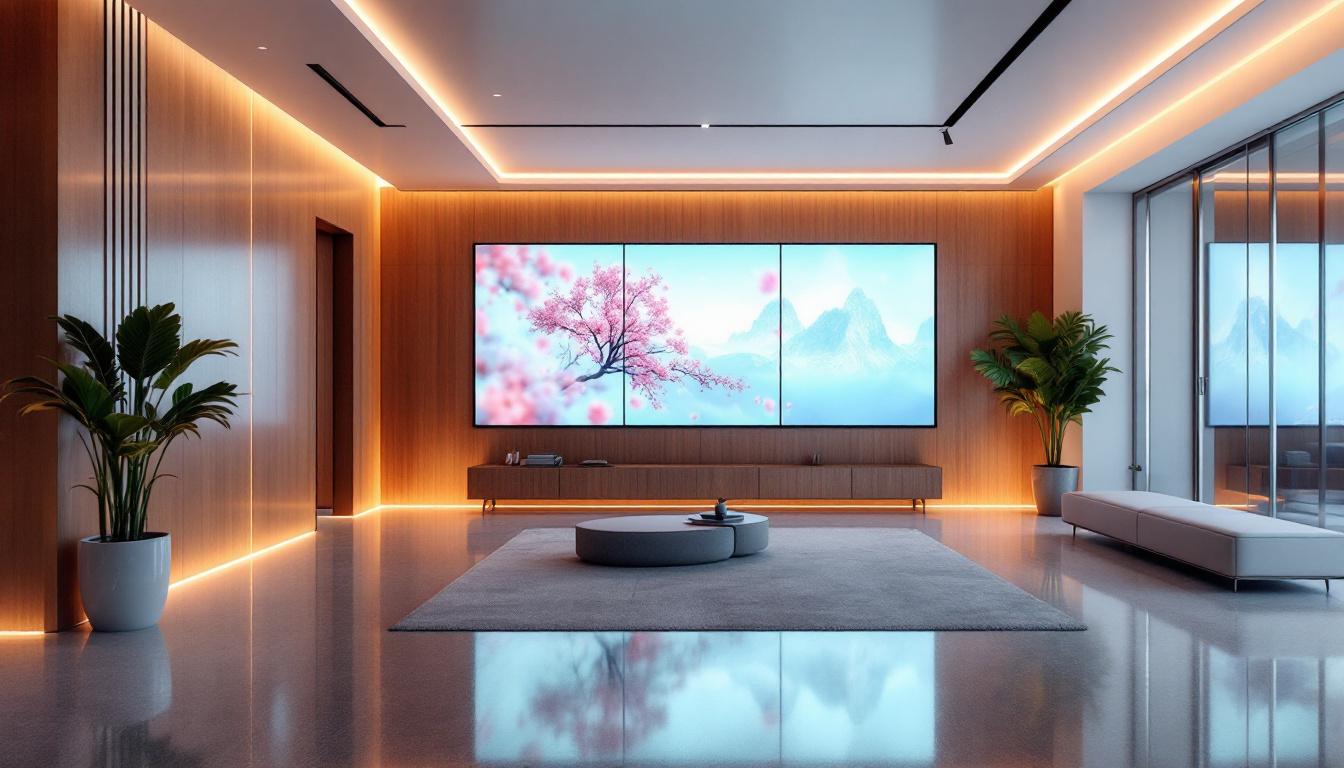
Their slim profile allows integration into modern office designs without overwhelming the space. Furthermore, the scalability of modular thin LED panels means they can be customized to fit any wall size or shape, from small meeting rooms to large auditoriums.
Hospitality and Entertainment
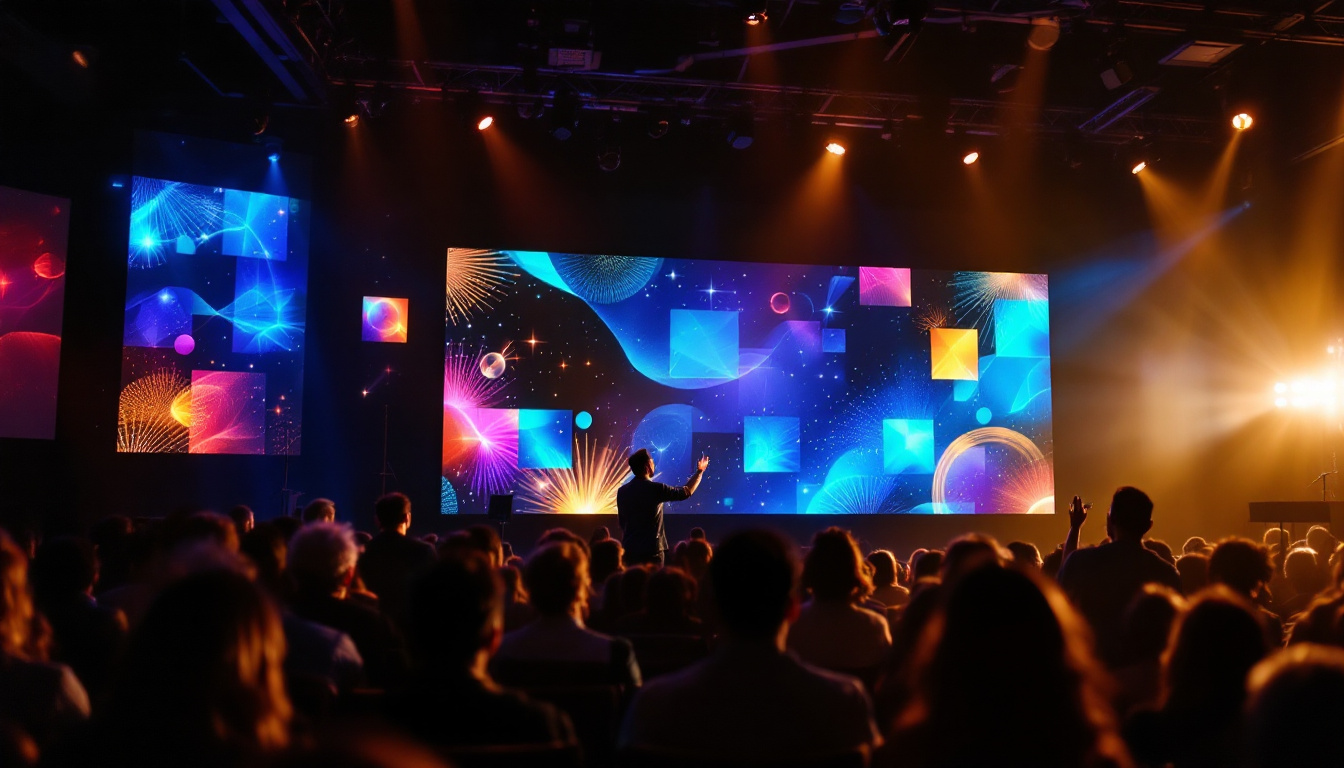
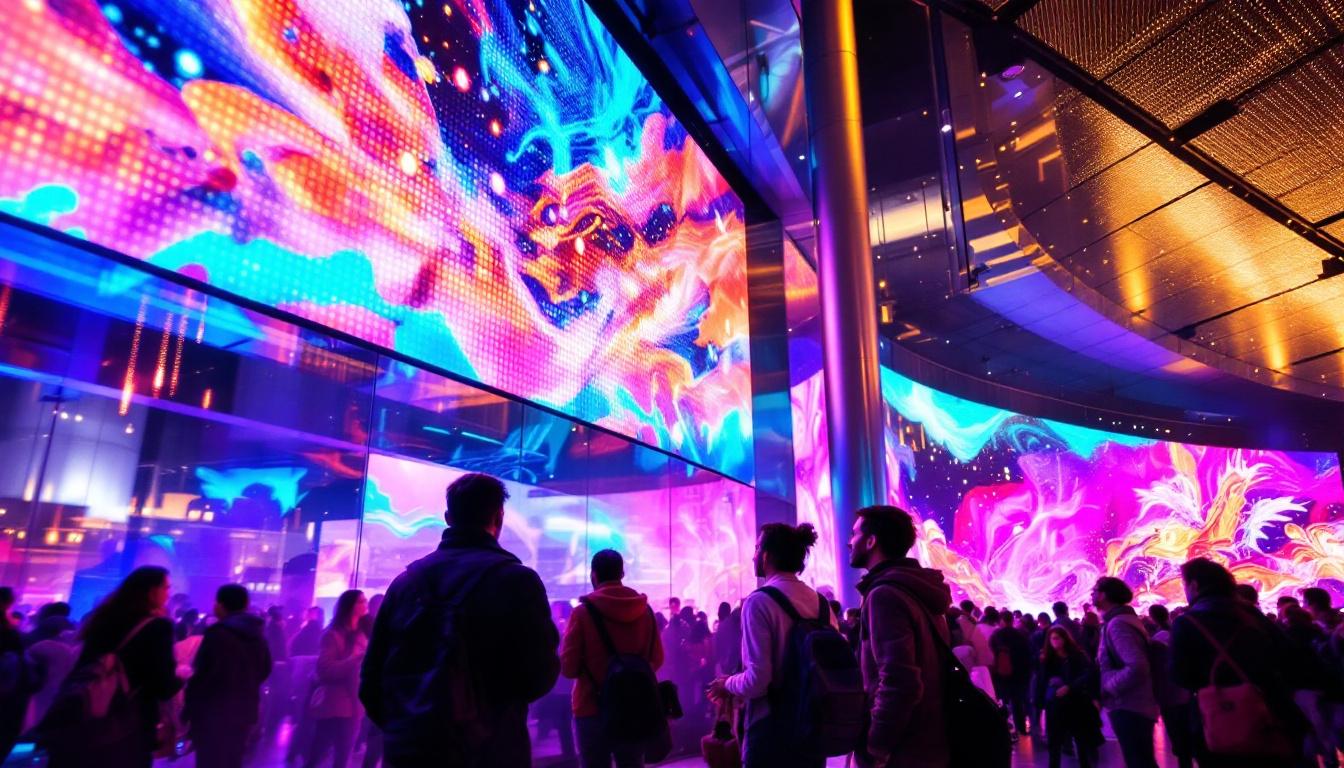
Hotels, restaurants, and entertainment venues use thin LED boards to create immersive environments. From digital art installations to dynamic menus and event announcements, these displays enhance guest engagement and provide flexible content options.
For example, a hotel lobby might feature a thin LED video wall showcasing local attractions or live social media feeds, while a nightclub could use curved or angled thin LED panels to complement lighting effects and music.
Public Spaces and Transportation
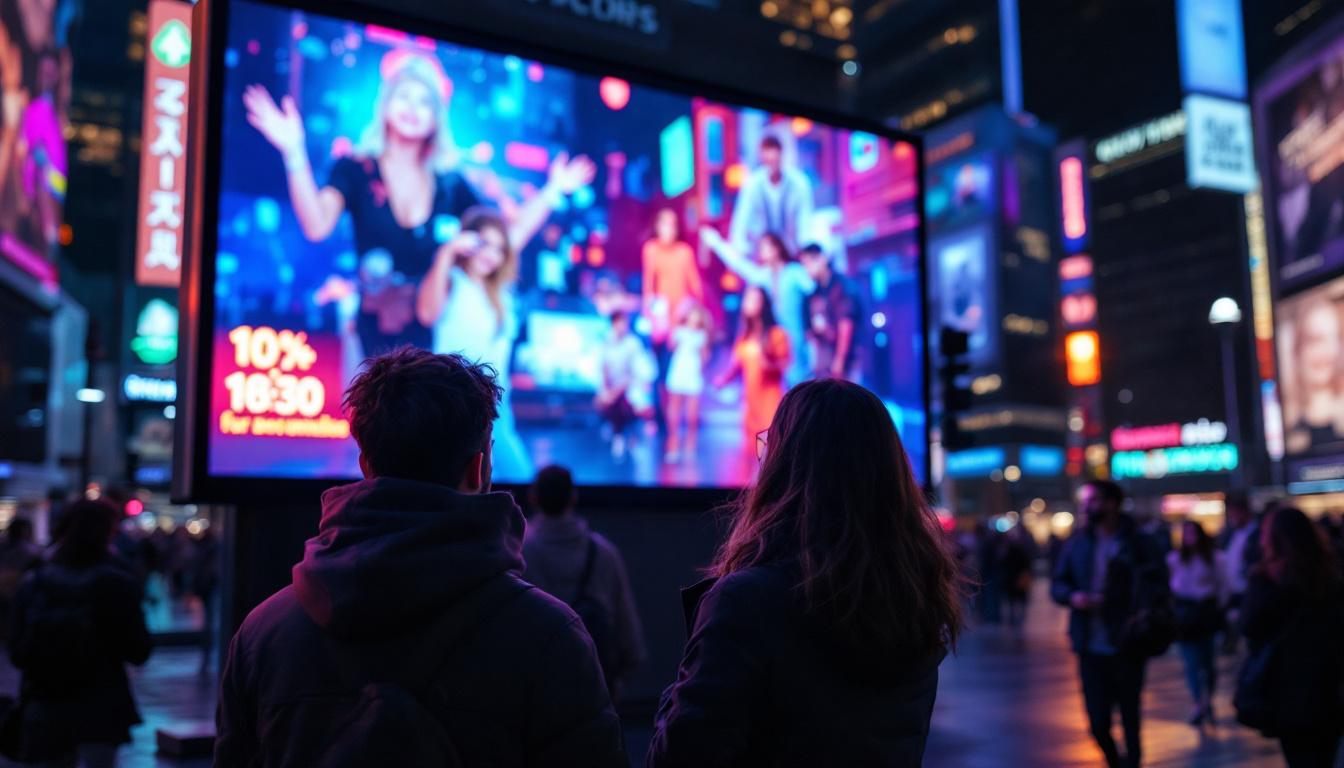
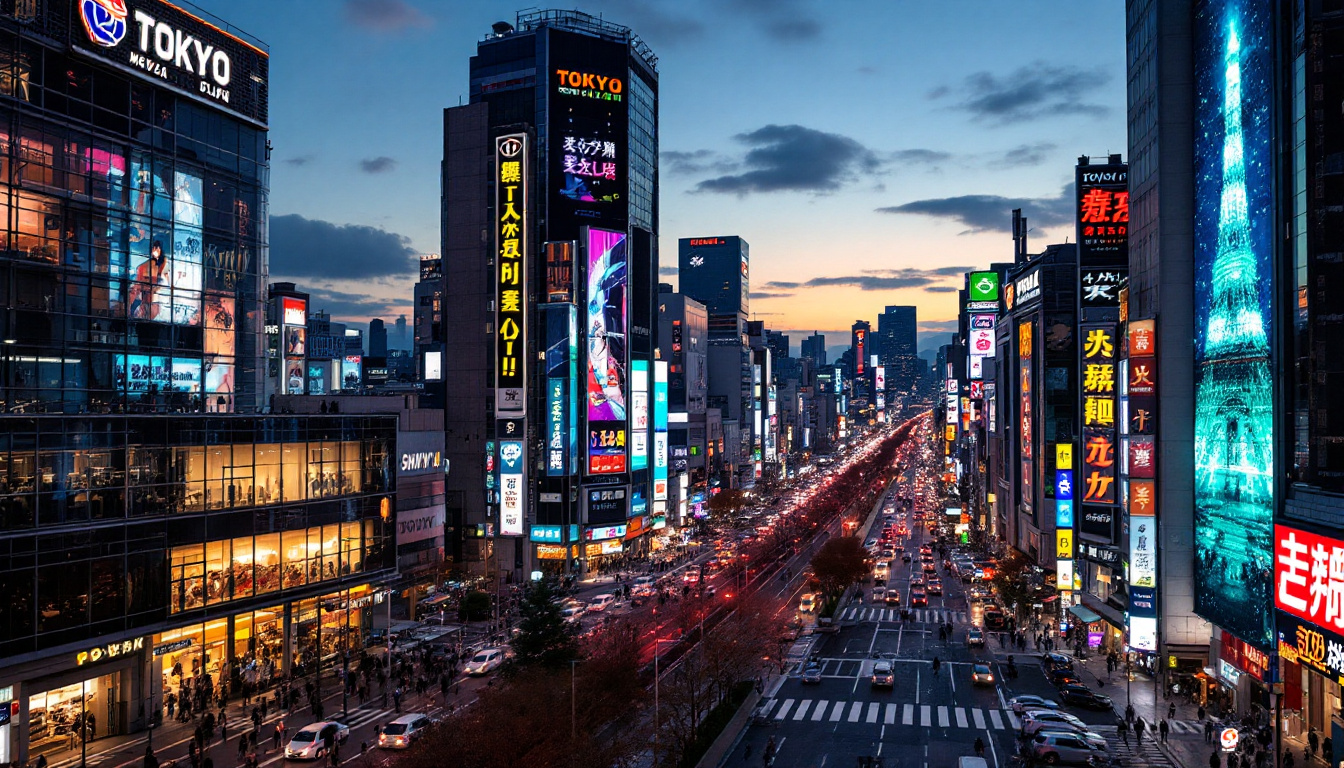
Thin LED boards are increasingly common in airports, train stations, and urban centers for wayfinding, advertising, and public information. Their durability and visibility in various lighting conditions make them ideal for environments where clear communication is critical.
In addition, the ability to update content remotely allows operators to respond quickly to changing conditions, such as delays or emergency announcements, improving passenger experience and safety.
Choosing the Right Thin LED Board for Your Wall
Resolution and Pixel Pitch
One of the most important factors when selecting a thin LED board is resolution, which is closely tied to pixel pitch — the distance between individual LED pixels. A smaller pixel pitch means higher resolution and sharper images, especially at close viewing distances.
For indoor wall displays viewed from a few feet away, pixel pitches between 1.2mm and 2.5mm are common. Larger pixel pitches may be suitable for displays intended to be viewed from greater distances, such as in lobbies or public spaces.
Brightness and Contrast Ratio
Brightness is measured in nits (cd/m²), and the ideal level depends on the ambient lighting conditions. Indoor LED boards typically range from 600 to 1,200 nits, while semi-outdoor or brightly lit environments may require up to 3,000 nits or more.
Contrast ratio, the difference between the darkest black and brightest white, affects image depth and clarity. Higher contrast ratios enhance the viewing experience, particularly for video content.
Installation and Maintenance Considerations
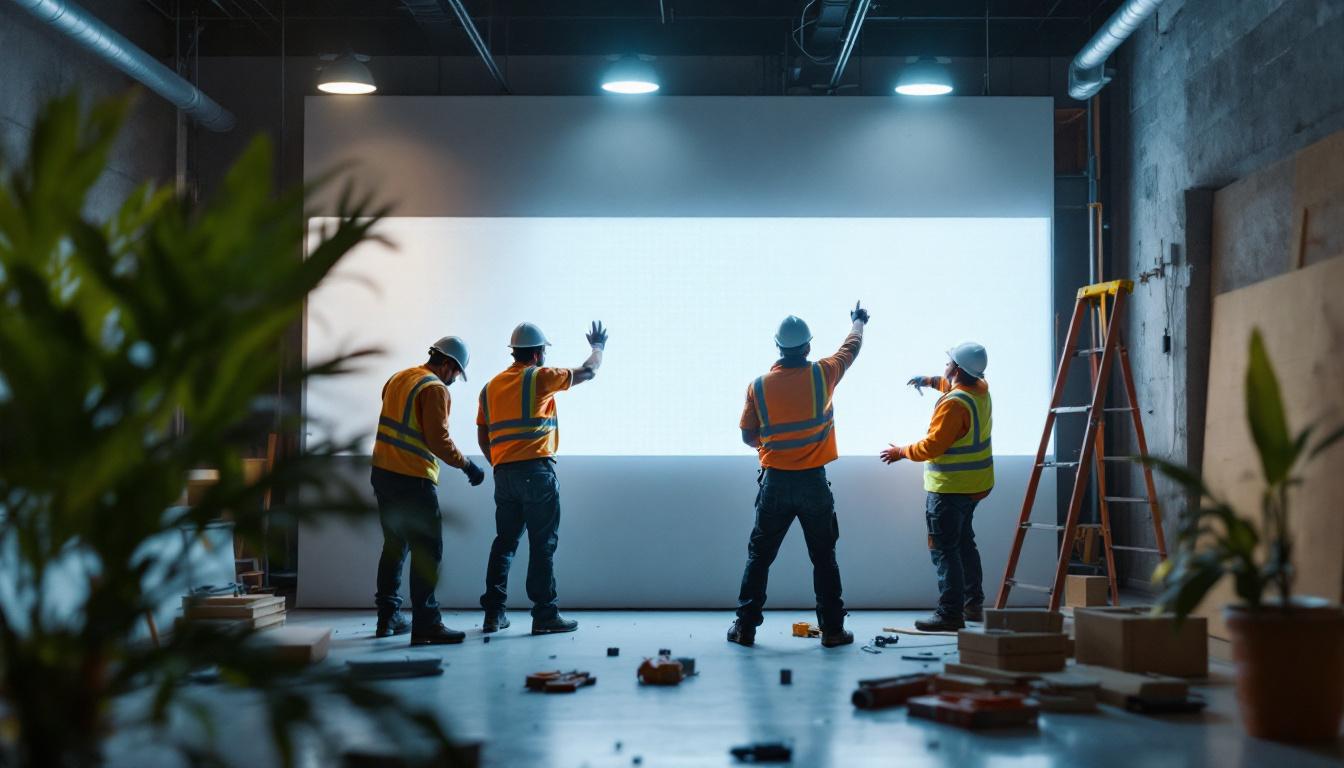
Thin LED boards are designed for easy installation, often featuring magnetic mounting systems or lightweight frames. However, it is essential to consider wall strength, accessibility for maintenance, and ventilation to prevent overheating.
Modular designs allow for individual panels to be replaced or serviced without dismantling the entire display, reducing downtime and maintenance costs.
Connectivity and Control Systems
Modern thin LED boards support a variety of input sources, including HDMI, DisplayPort, and network connections. Many come with integrated control software that enables scheduling, remote content management, and real-time monitoring.
Choosing a system with robust software support ensures flexibility and ease of use, particularly for businesses that require frequent content updates or multi-location management.
Future Trends in Thin LED Wall Displays
MicroLED and MiniLED Technologies
The evolution of LED technology continues with MicroLED and MiniLED innovations, which promise even thinner panels, higher brightness, and improved color accuracy. MicroLED, in particular, offers self-emissive pixels with superior contrast and energy efficiency, potentially rivaling OLED displays.
As production costs decrease, these technologies are expected to become more accessible, further expanding the applications of thin LED boards.
Flexible and Transparent LED Panels
Emerging flexible LED boards allow for curved or irregular wall installations, enabling creative architectural designs. Transparent LED panels, which can be integrated into glass surfaces, offer new possibilities for storefronts and interior partitions, blending digital content with physical environments.
Integration with Smart Building Systems
Integration with Internet of Things (IoT) and smart building platforms will enhance the functionality of thin LED wall displays. This includes adaptive brightness control based on ambient light, interactive touch capabilities, and synchronized content across multiple displays for immersive experiences.
Conclusion
Thin LED boards for walls represent a significant advancement in display technology, combining aesthetic appeal with high performance. Their slim profiles, vibrant image quality, and versatility make them an excellent choice for a wide range of applications, from retail and corporate environments to public spaces and entertainment venues.
Understanding the technical aspects, benefits, and use cases of thin LED boards is essential for making informed decisions when selecting a display solution. As LED technology continues to evolve, these thin wall-mounted displays will play an increasingly important role in how information and visual content are communicated in modern spaces.
For businesses and designers looking to create impactful visual experiences without sacrificing space or style, thin LED boards offer a compelling and future-proof option.
Illuminate Your Space with LumenMatrix
Ready to elevate your environment with the sleek appeal and high performance of thin LED boards? LumenMatrix is at the forefront of LED display innovation, offering a diverse range of solutions tailored to your unique needs. From captivating Indoor LED Wall Displays to dynamic Outdoor LED Wall Displays and beyond, our mission is to transform your visual communication with unparalleled clarity and engagement. Don’t miss the opportunity to enhance your brand’s visibility and create mesmerizing visual experiences. Check out LumenMatrix LED Display Solutions today and step into the future of digital signage.