Touch screen monitors have revolutionized the way users interact with computers and digital devices. Combining intuitive touch input with vibrant LED display technology, these monitors offer a seamless, engaging user experience across various applications. This article delves into the world of 15-inch touch screen monitors with LED displays, explaining their technology, benefits, and practical uses.
Understanding 15-Inch Touch Screen Monitors
A 15-inch touch screen monitor typically refers to a display with a diagonal screen size of 15 inches, equipped with touch sensitivity. This size strikes a balance between portability and usability, making it ideal for both professional and personal use. The compact form factor fits well in environments where space is limited but interactivity is essential. Whether used in a small office, a retail kiosk, or even at home for personal projects, these monitors provide an intuitive way to engage with digital content.
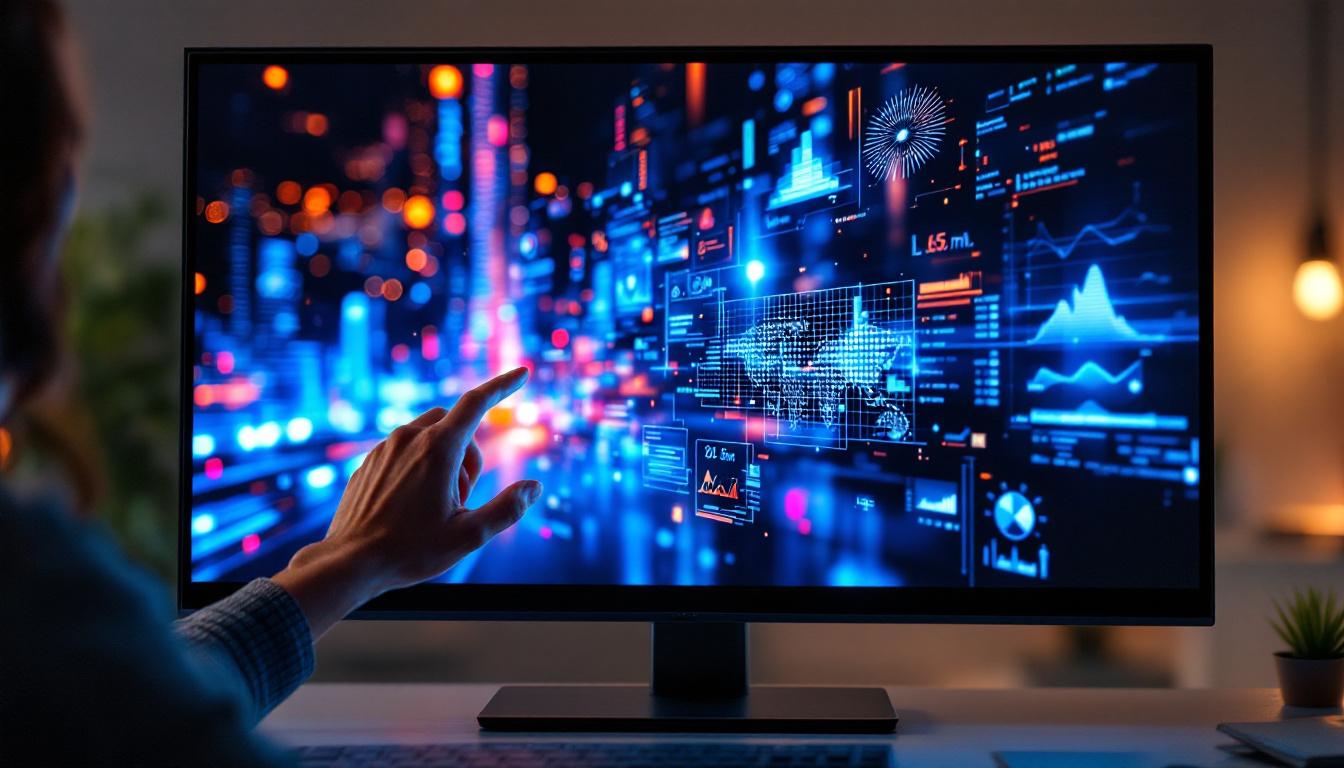
Touch screen monitors come in various sizes, but the 15-inch model is particularly popular in sectors such as retail, healthcare, industrial control, and education. The touchscreen functionality allows users to interact directly with the display using fingers or a stylus, eliminating the need for peripherals like a mouse or keyboard in many cases. This direct interaction fosters a more engaging user experience, allowing for quicker navigation and more efficient workflows, especially in fast-paced environments.
Types of Touchscreen Technologies
There are several types of touchscreen technologies used in 15-inch monitors, each with unique advantages:
- Resistive Touchscreens: These consist of multiple layers that detect pressure when the screen is touched. They are durable and work well with gloves or styluses but may lack multi-touch capability.
- Capacitive Touchscreens: These detect electrical properties of the human body, offering highly responsive, multi-touch input. They provide better clarity and are widely used in consumer devices.
- Infrared Touchscreens: Use an array of IR sensors around the screen to detect touch. They are highly durable and support multi-touch but can be more expensive.
- Surface Acoustic Wave (SAW): Utilize ultrasonic waves on the screen surface to detect touch. They offer excellent image clarity but are sensitive to contaminants like dust or water.
Among these, capacitive touchscreens are the most common in modern 15-inch LED monitors due to their responsiveness and support for gestures. This technology allows for a seamless user experience, making it easier to pinch, zoom, and swipe through applications and content. As a result, many educational institutions and businesses are increasingly adopting these monitors for interactive presentations and training sessions, where visual engagement is key to effective learning and communication.
Moreover, the versatility of 15-inch touch screen monitors extends beyond traditional applications. In the realm of digital signage, they are often used to create interactive displays that can engage customers and provide real-time information. For instance, in a retail setting, these monitors can showcase product details, promotions, or even serve as a point-of-sale system, enhancing the shopping experience. Additionally, in healthcare, they can be utilized for patient check-ins or to display important health information, streamlining processes and improving patient care. The integration of touch technology into various fields continues to evolve, making these monitors an invaluable tool in modern technology-driven environments.
The Role of LED Displays in Touch Screen Monitors
LED (Light Emitting Diode) technology has become the standard for modern displays, including touch screen monitors. Unlike older LCDs that used cold cathode fluorescent lamps (CCFL) for backlighting, LED displays use light-emitting diodes, which offer several advantages.
Advantages of LED Displays
LED displays provide superior brightness, contrast, and color accuracy compared to traditional LCDs. This results in clearer images and more vibrant visuals, which are crucial for applications requiring detailed graphics or video playback.
Energy efficiency is another significant benefit. LED backlighting consumes less power, reducing operational costs and environmental impact. Additionally, LED displays tend to be thinner and lighter, contributing to sleeker monitor designs.
Types of LED Backlighting
There are two main types of LED backlighting used in touch screen monitors:
- Edge-Lit LED: LEDs are positioned along the edges of the screen, and light is distributed via light guides. This allows for thinner displays but can sometimes result in uneven brightness.
- Direct-Lit or Full-Array LED: LEDs are placed directly behind the screen in a grid pattern, providing more uniform brightness and better contrast. This type is often found in higher-end monitors.
For 15-inch touch screen monitors, edge-lit LED displays are common due to their compactness and cost-effectiveness, though premium models may feature direct-lit LED for enhanced image quality.
Key Features of 15-Inch Touch Screen LED Monitors
When selecting a 15-inch touch screen monitor with an LED display, several features influence performance and usability. Understanding these features helps users choose the right monitor for their needs.
Resolution and Image Quality
Resolution determines the sharpness and clarity of the display. Common resolutions for 15-inch monitors include 1024×768 (XGA), 1366×768 (HD), and 1920×1080 (Full HD). Higher resolution monitors provide crisper images and more screen real estate, which is beneficial for detailed work such as graphic design or data analysis.
Color accuracy and brightness levels are also critical. A brightness level of 250 to 350 nits is typical for indoor use, ensuring visibility even in well-lit environments. Some monitors offer higher brightness for outdoor or industrial settings.
Touch Responsiveness and Multi-Touch Support
The quality of the touch interface is essential for an effective user experience. A responsive touch screen with minimal lag allows for smooth navigation and precise input. Multi-touch support enables gestures such as pinch-to-zoom, which enhances usability, especially in creative or interactive applications.
Durability and Build Quality
Many 15-inch touch screen monitors are designed for rugged environments. Features like reinforced glass (often Gorilla Glass), IP ratings for dust and water resistance, and shock-resistant casings make them suitable for industrial or outdoor use.
Connectivity Options
Modern touch screen monitors offer a variety of connectivity options to interface with computers and other devices. Typical ports include HDMI, DisplayPort, USB (for touch input), VGA, and sometimes serial ports for legacy equipment. USB-C is increasingly common, providing video, data, and power through a single cable.
Applications of 15-Inch Touch Screen LED Monitors
The versatility of 15-inch touch screen monitors with LED displays makes them suitable for a wide range of applications across different industries.
Retail and Point of Sale (POS) Systems
In retail environments, 15-inch touch screen monitors are widely used as POS terminals. Their compact size fits well on counters, and the touch interface speeds up transactions. The bright LED display ensures clear visibility under various lighting conditions, improving customer service efficiency.
Healthcare and Medical Devices
Healthcare professionals utilize touch screen monitors for patient monitoring, diagnostic equipment, and electronic health records (EHR) systems. The intuitive touch interface reduces training time, while the LED display provides clear visuals for critical data.
Industrial and Manufacturing Control
In industrial settings, touch screen monitors serve as human-machine interfaces (HMIs) for controlling machinery and monitoring processes. Rugged designs and reliable touch responsiveness are crucial in these environments, where precision and durability are paramount.
Education and Training
Interactive learning benefits from touch screen technology. A 15-inch monitor is portable enough for classrooms and training centers, allowing students and instructors to engage directly with educational content. The LED display enhances visual clarity, supporting multimedia presentations.
Creative Work and Design
Graphic designers, architects, and digital artists often use touch screen monitors for sketching, editing, and interactive design. The combination of precise touch input and high-resolution LED displays facilitates detailed work and creative expression.
Choosing the Right 15-Inch Touch Screen LED Monitor
Selecting the ideal monitor depends on specific requirements, budget, and intended use. Here are some considerations to guide the decision-making process:
Assessing Usage Environment
Determine whether the monitor will be used indoors or outdoors, in a clean office or a harsh industrial setting. Environmental factors influence the need for features like anti-glare coatings, IP ratings, or reinforced glass.
Evaluating Touch Technology
Choose the touch technology that best suits the application. For example, capacitive touchscreens are preferred for consumer-facing applications due to their responsiveness, while resistive touchscreens might be better for industrial use where gloves are worn.
Resolution and Display Quality
Higher resolution and better color accuracy are essential for creative professionals, while standard resolutions may suffice for basic data entry or POS systems.
Connectivity and Compatibility
Ensure the monitor supports the necessary inputs and is compatible with existing hardware and software. USB-C connectivity can simplify setups by reducing cable clutter.
Budget Considerations
Prices vary widely based on features and build quality. Balancing cost with required specifications ensures the best value without compromising functionality.
Future Trends in Touch Screen Monitor Technology
The touch screen monitor market continues to evolve rapidly, driven by advances in display technology and user interface design.
Integration of OLED and MicroLED Displays
While LED remains dominant, emerging technologies like OLED and MicroLED promise even better contrast ratios, color accuracy, and thinner form factors. These could soon influence the design of touch screen monitors, including 15-inch models.
Enhanced Touch and Gesture Recognition
Developments in touch technology aim to improve sensitivity and support more complex gestures. This will enable richer interactions and could expand the use of touch screens in virtual and augmented reality applications.
Flexible and Foldable Displays
Flexible touch screen monitors may offer new form factors, allowing devices to fold or bend without damage. This innovation could redefine portability and usability in compact monitors.
AI and Smart Features
Artificial intelligence integration could enable adaptive displays that adjust brightness, contrast, and touch sensitivity based on user behavior and environmental conditions, enhancing user comfort and efficiency.
Conclusion
15-inch touch screen monitors with LED displays represent a versatile and powerful tool for a wide array of applications. Their combination of compact size, responsive touch input, and vibrant LED visuals makes them suitable for retail, healthcare, industrial, educational, and creative environments.
Understanding the underlying technologies, key features, and practical considerations ensures users can select the right monitor to meet their specific needs. As display and touch technologies continue to advance, these monitors will become even more integral to interactive computing experiences.
Investing in a quality 15-inch touch screen LED monitor today means embracing a future of intuitive, efficient, and visually engaging digital interaction.
Discover the Future of Interactive Displays with LumenMatrix
Ready to elevate your interactive digital experience? LumenMatrix is at the forefront of LED display innovation, offering a diverse range of solutions tailored to bring your content to life. From immersive indoor and outdoor LED walls to dynamic vehicle and sports displays, our technology is designed to captivate and engage. Explore our cutting-edge LED Poster Displays, Floor LEDs, and Custom solutions that redefine visual storytelling. Embrace the future of visual communication with our All-in-One and Transparent LED displays. Check out LumenMatrix LED Display Solutions today and transform your space into a hub of digital interaction.