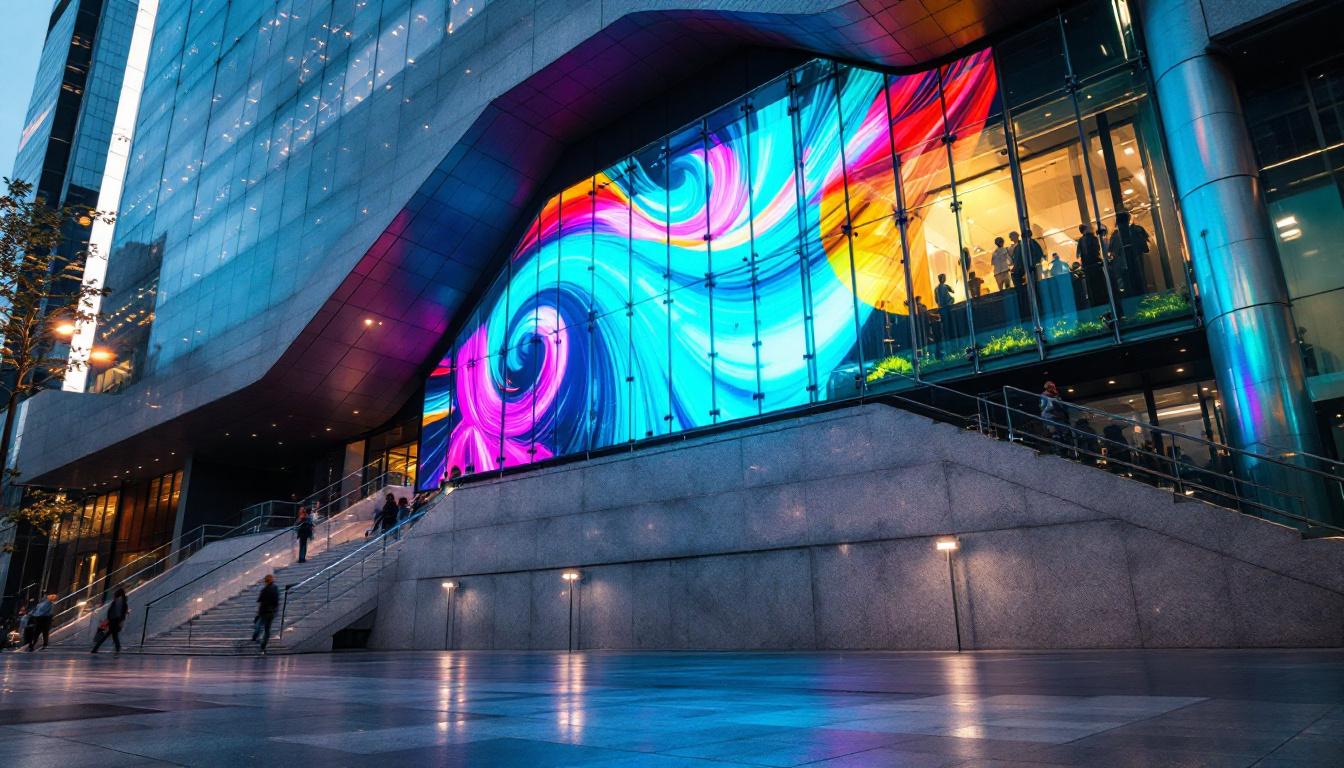
In the contemporary world of architecture and urban design, the integration of technology has transformed the way buildings communicate and interact with their surroundings. One of the most striking innovations in this domain is the use of screen walls featuring LED displays. These dynamic surfaces not only enhance the aesthetic appeal of structures but also serve functional purposes ranging from advertising to information dissemination. This article delves into the concept of screen walls architecture, focusing on LED display technology, its applications, benefits, and future trends.
Understanding Screen Walls in Architecture
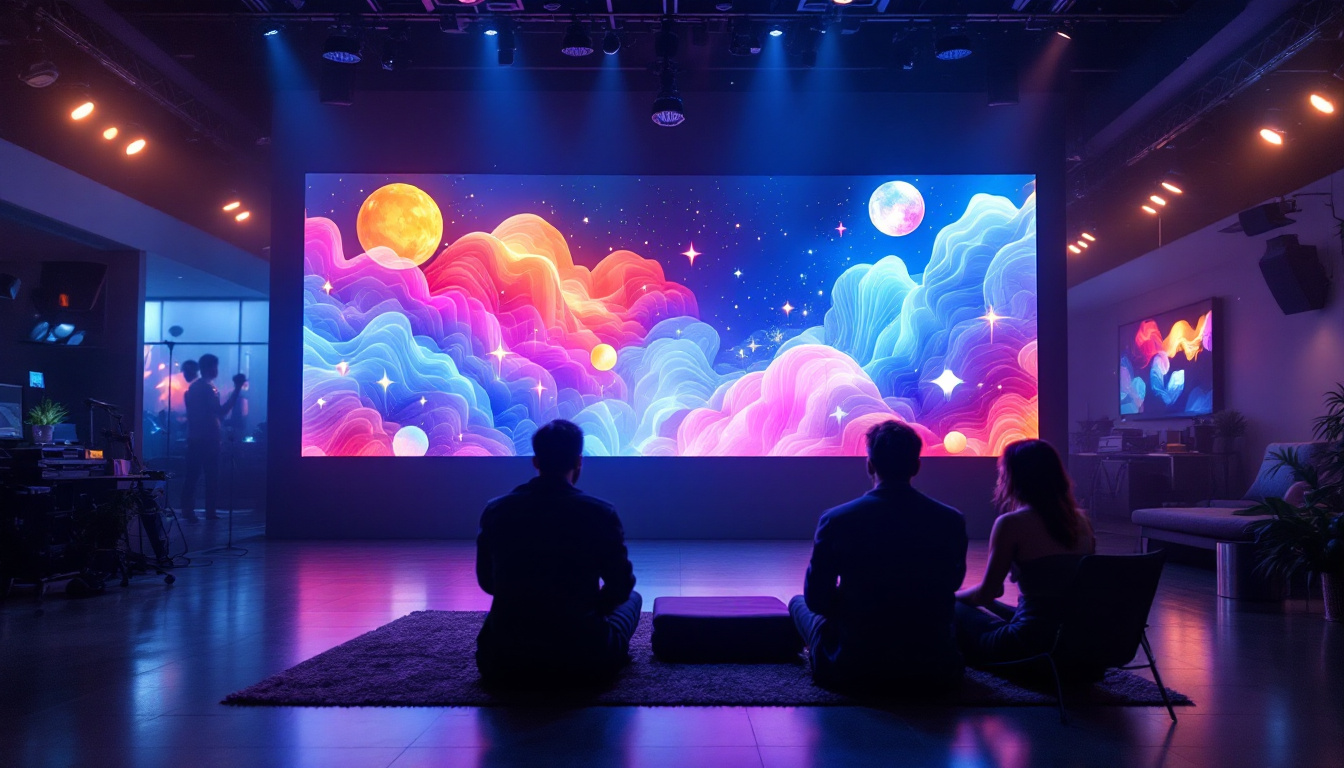
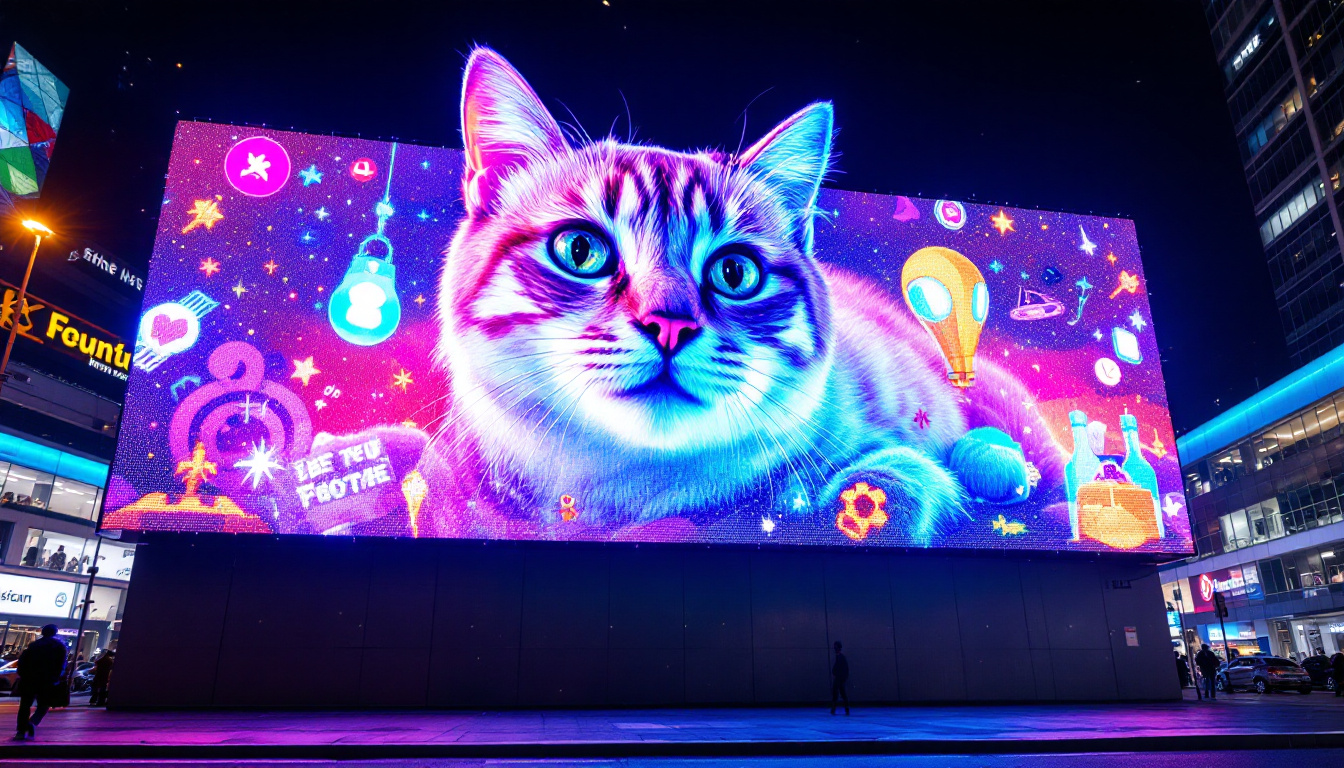
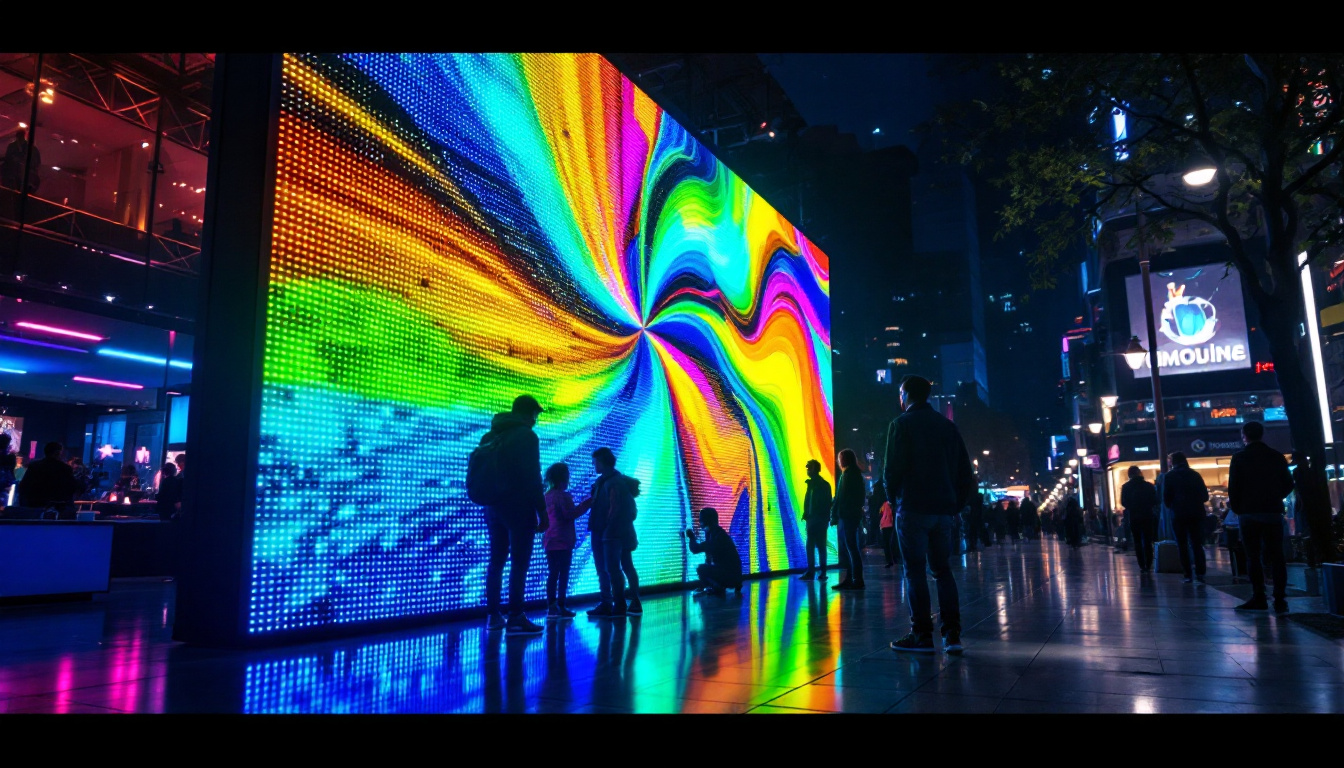
Screen walls, also known as media facades or digital facades, are architectural elements that incorporate display technology directly into the building envelope. Unlike traditional static walls, screen walls can present dynamic content such as images, videos, and animations, effectively turning a building into a large-scale digital canvas. This innovative approach not only enhances the aesthetic appeal of structures but also allows for a unique form of communication with the public, transforming the way we interact with our urban environments.
These walls are typically constructed using LED (Light Emitting Diode) panels, which are favored for their brightness, energy efficiency, and versatility. The integration of LED displays into building facades allows architects and designers to create visually compelling environments that can adapt to different contexts and purposes. For instance, during festive seasons, a screen wall can be programmed to display seasonal themes, while at other times, it can serve as a platform for community announcements or artistic expressions, fostering a sense of connection within the urban landscape.
The Evolution of Screen Walls
The concept of using buildings as media platforms dates back several decades, but it was limited by technology constraints. Early attempts involved neon signs and static billboards, which lacked flexibility and interactivity. The advent of LED technology in the late 20th century revolutionized this space, enabling high-resolution, full-color displays that could operate in various lighting conditions. As technology advanced, so did the potential applications of screen walls, leading to their integration in iconic structures around the world, such as the Burj Khalifa in Dubai and the Times Square billboards in New York City.
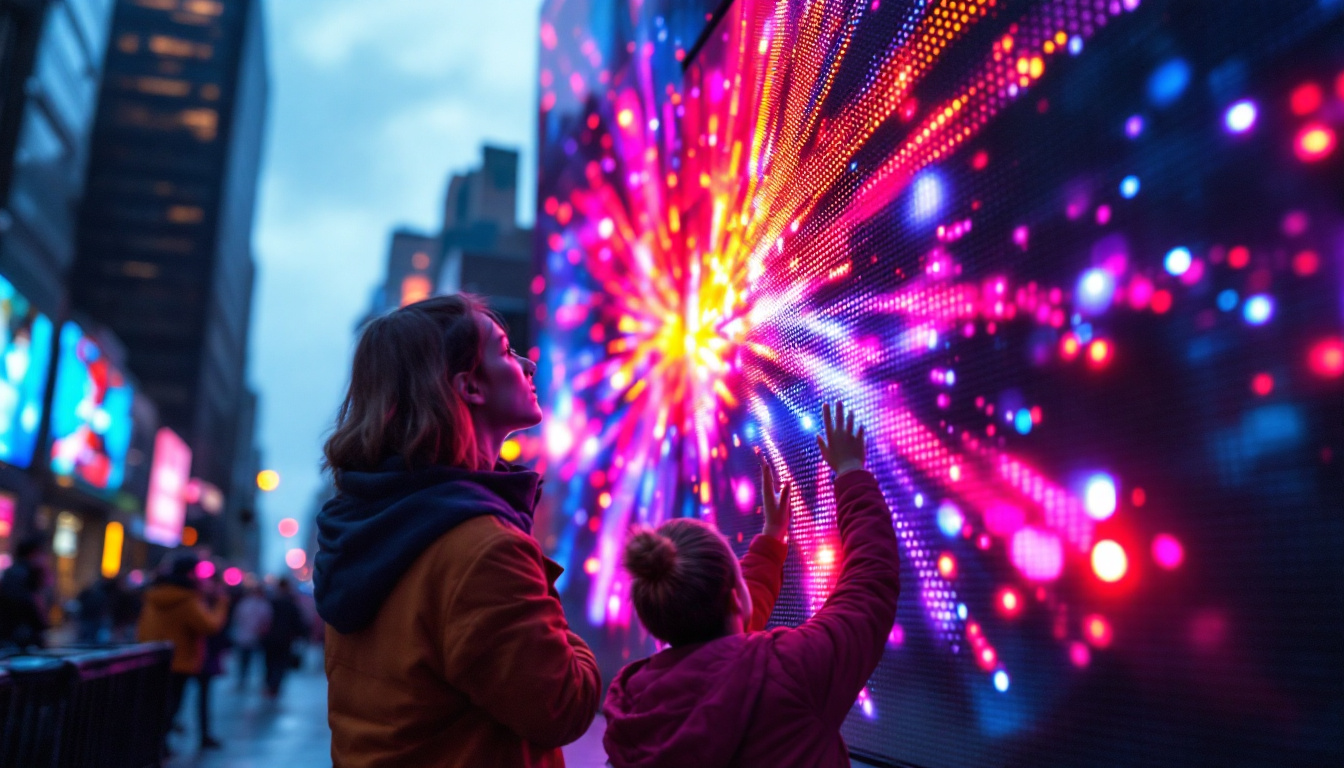
Today, screen walls have evolved into sophisticated systems capable of high-definition graphics, real-time data streaming, and even interactive features. This evolution has expanded their use beyond advertising to include public art, environmental monitoring, and urban wayfinding. For example, some screen walls are equipped with sensors that can respond to environmental changes, displaying information about air quality or weather conditions. Additionally, interactive installations allow passersby to engage with the content, creating a participatory experience that invites community involvement and enhances the vibrancy of public spaces. As urban areas continue to grow and evolve, screen walls represent a forward-thinking approach to architecture that harmonizes technology with the built environment, paving the way for future innovations in urban design.
How LED Displays Work in Screen Walls
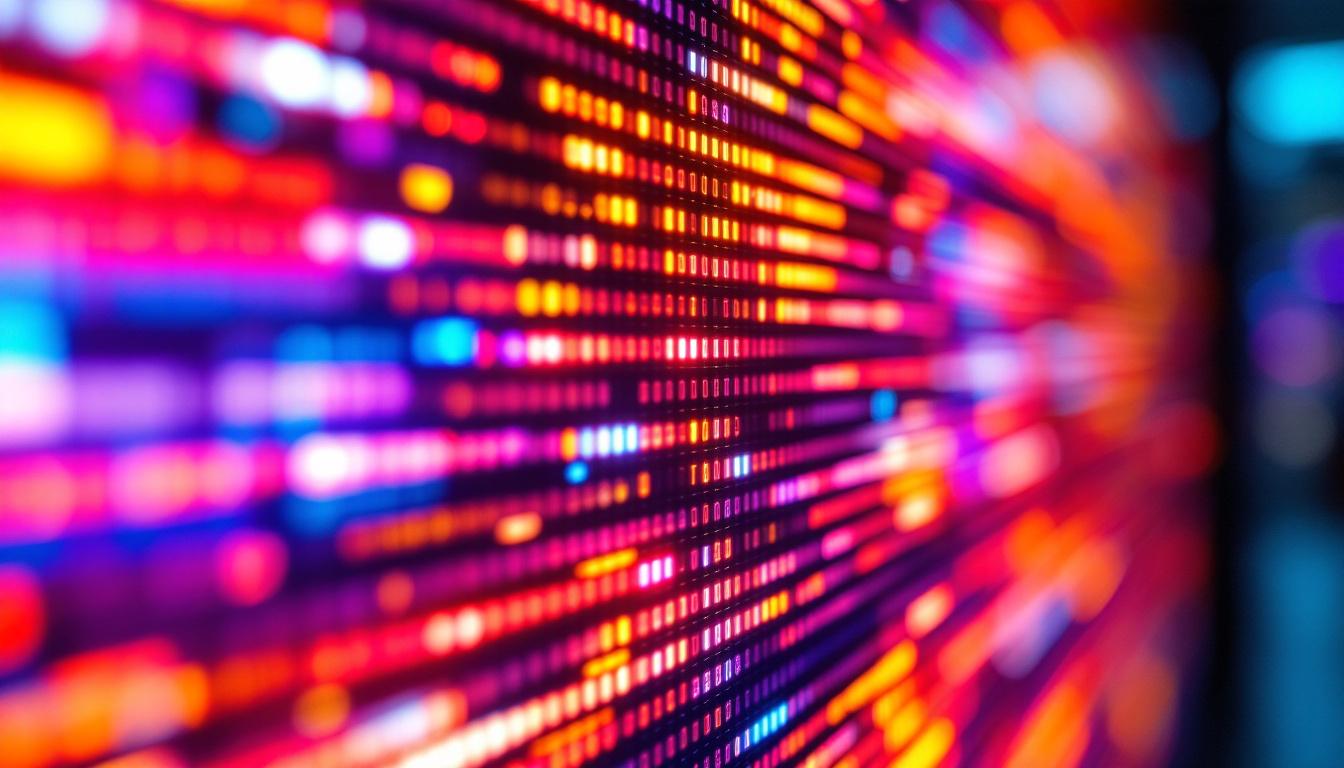
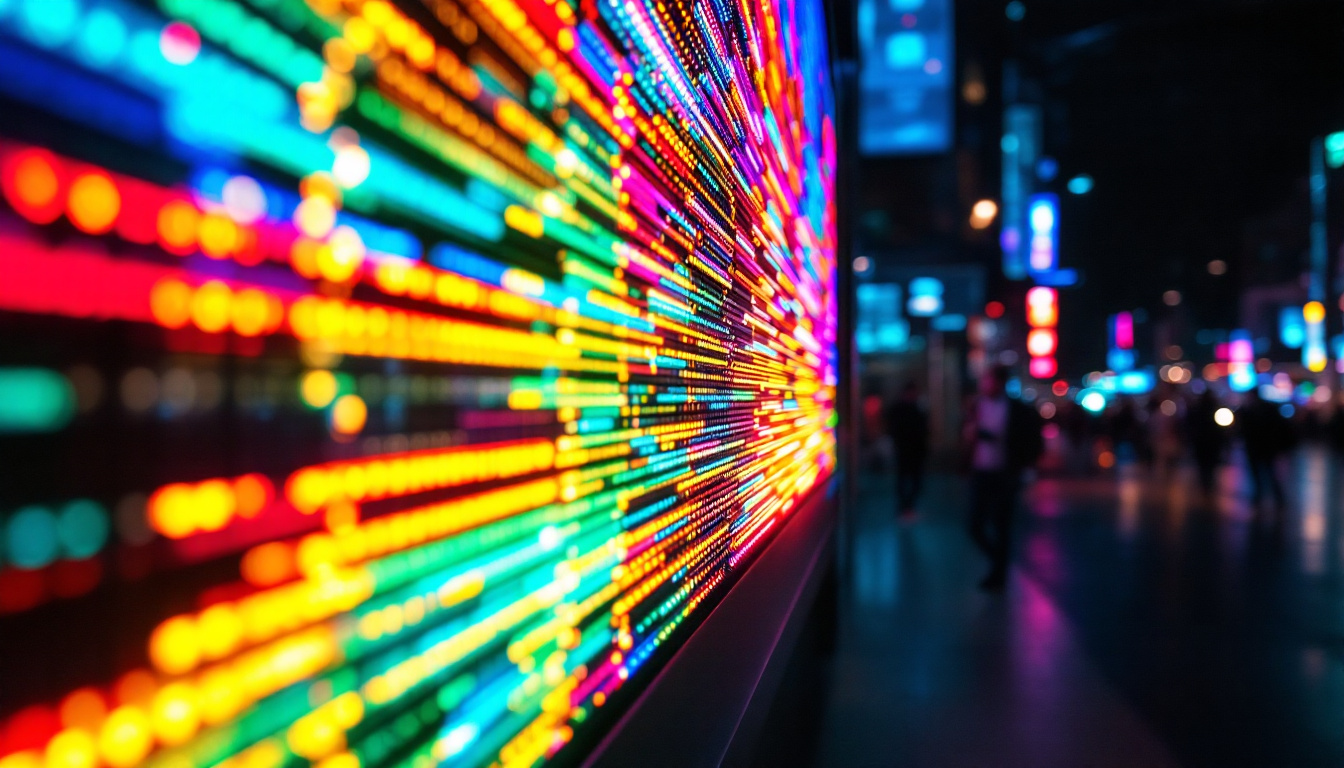
LED displays are composed of numerous tiny light-emitting diodes arranged in a grid. Each diode can emit light in red, green, or blue, and by varying the intensity of these colors, the display can produce a wide spectrum of colors. This capability allows for vivid, high-contrast images that are visible even under direct sunlight.
Key Components of LED Screen Walls
Several critical components make LED screen walls function effectively:
- LED Modules: These are the basic building blocks, consisting of clusters of LEDs mounted on circuit boards.
- Controller Systems: They manage the input signals and synchronize the display content across the entire screen.
- Power Supply Units: These provide the necessary electrical power to the LEDs and control systems.
- Protective Housing: Designed to shield the electronics from weather, dust, and mechanical damage, ensuring durability.
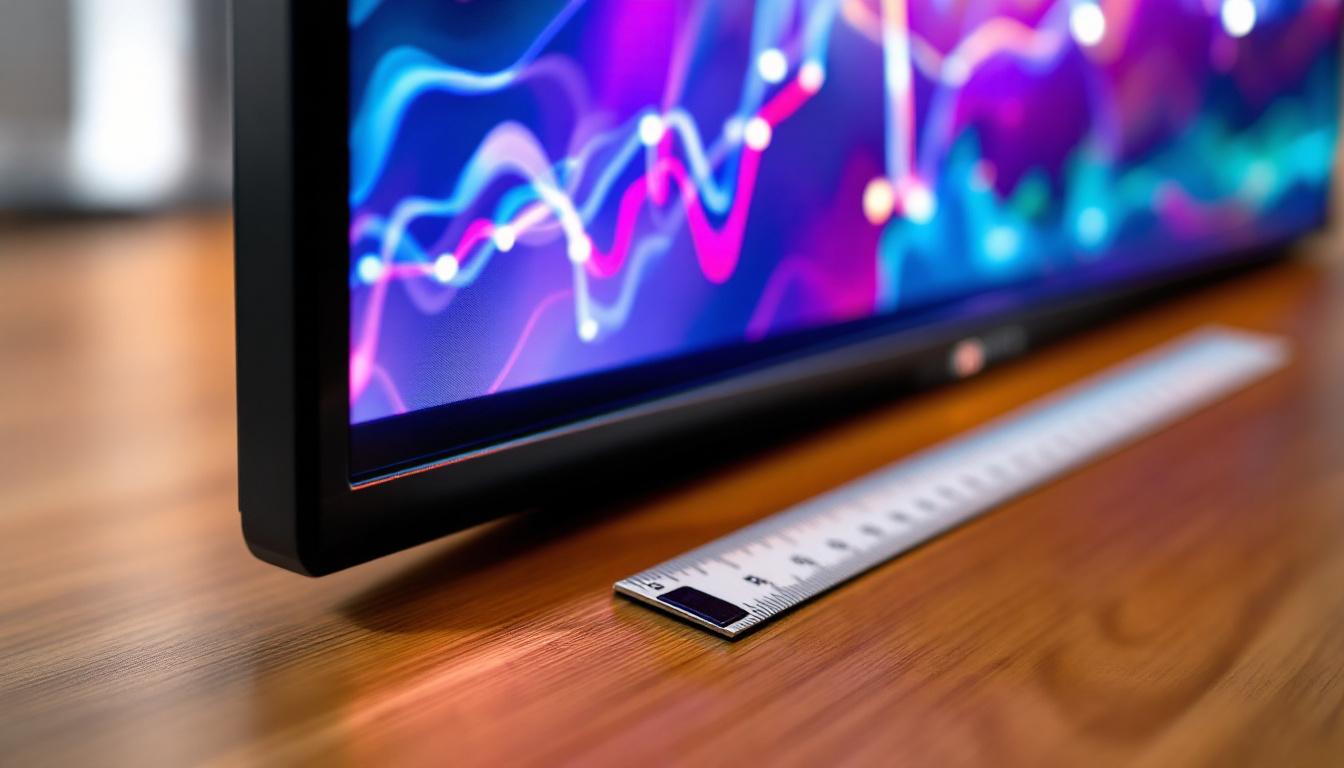
The resolution of an LED screen wall depends on the pixel pitch, which is the distance between the centers of two adjacent LEDs. Smaller pixel pitches yield higher resolution and finer image detail but come at a higher cost.
Types of LED Displays Used in Architecture
Architectural LED displays can be broadly categorized based on their installation and functionality:
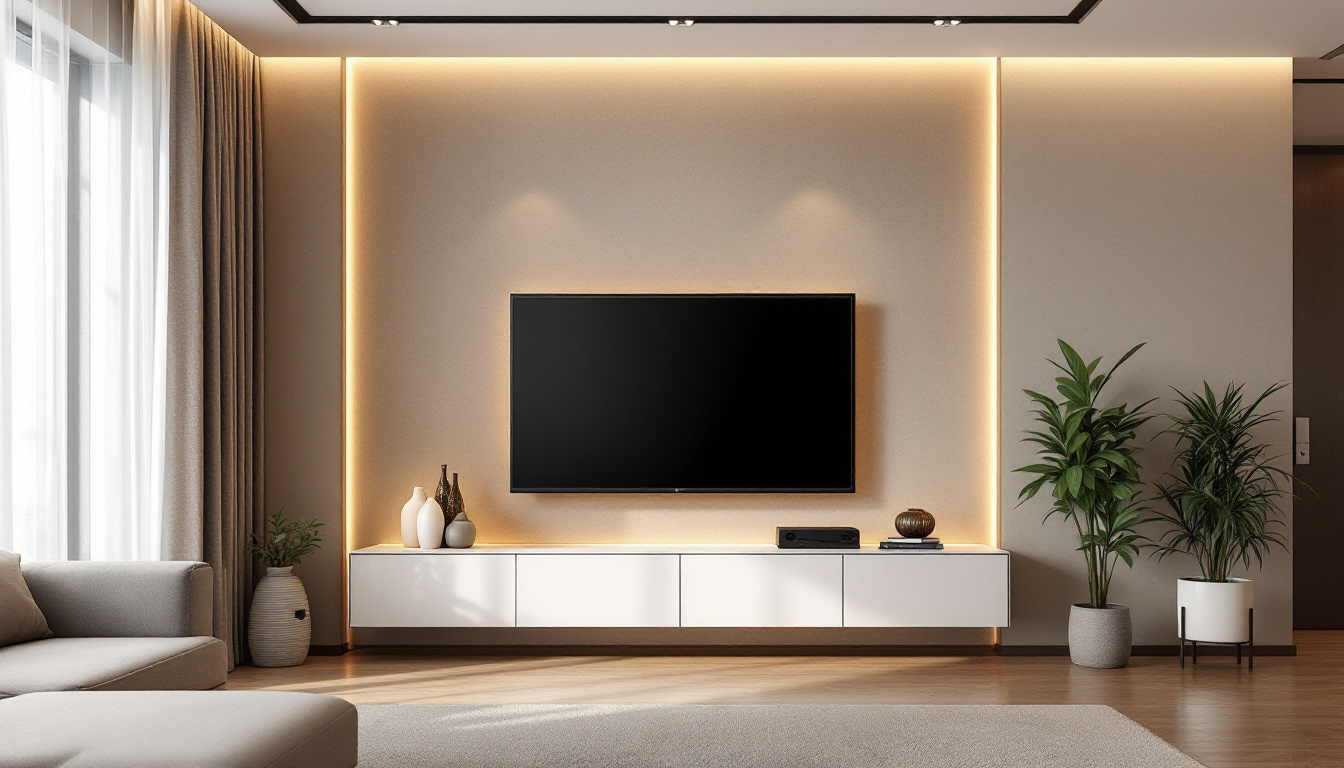
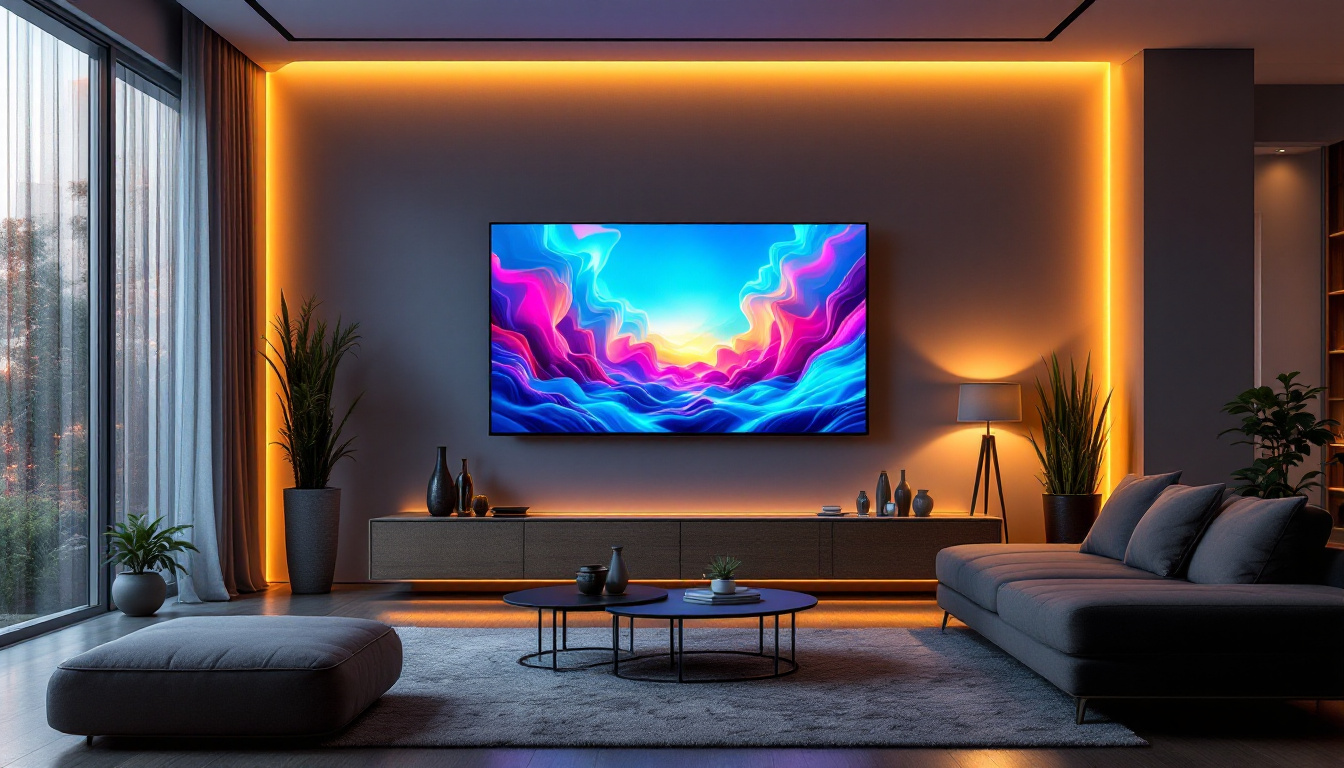
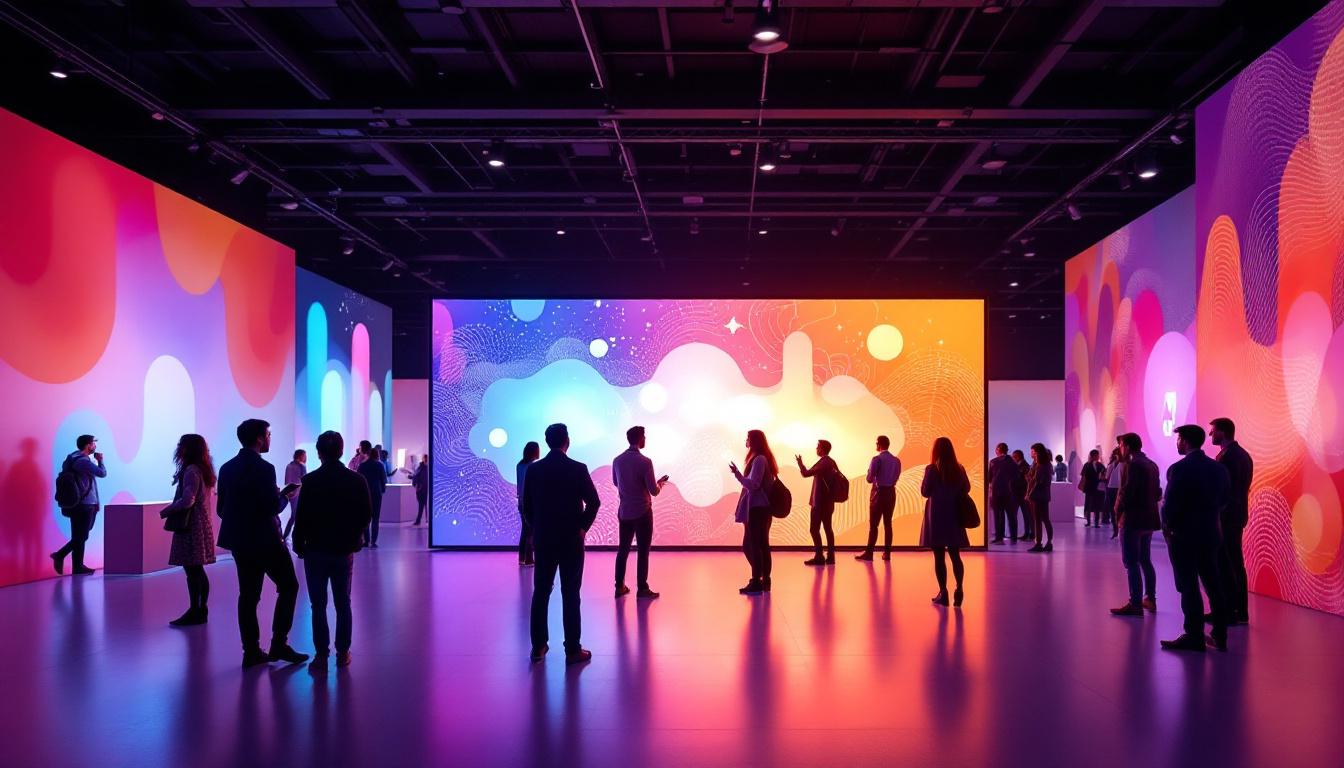
- Indoor LED Displays: These have a smaller pixel pitch and are optimized for close viewing distances, often used in lobbies or atriums.
- Outdoor LED Displays: Designed to withstand harsh weather conditions, these displays have higher brightness levels to remain visible in daylight.
- Transparent LED Screens: These allow light and air to pass through, making them suitable for glass facades without obstructing natural light.
- Flexible LED Displays: These can conform to curved surfaces, enabling creative architectural expressions.
Applications of LED Screen Walls in Architecture
The versatility of LED screen walls has led to their adoption in various sectors, each leveraging the technology to meet specific needs.
Commercial and Advertising Uses
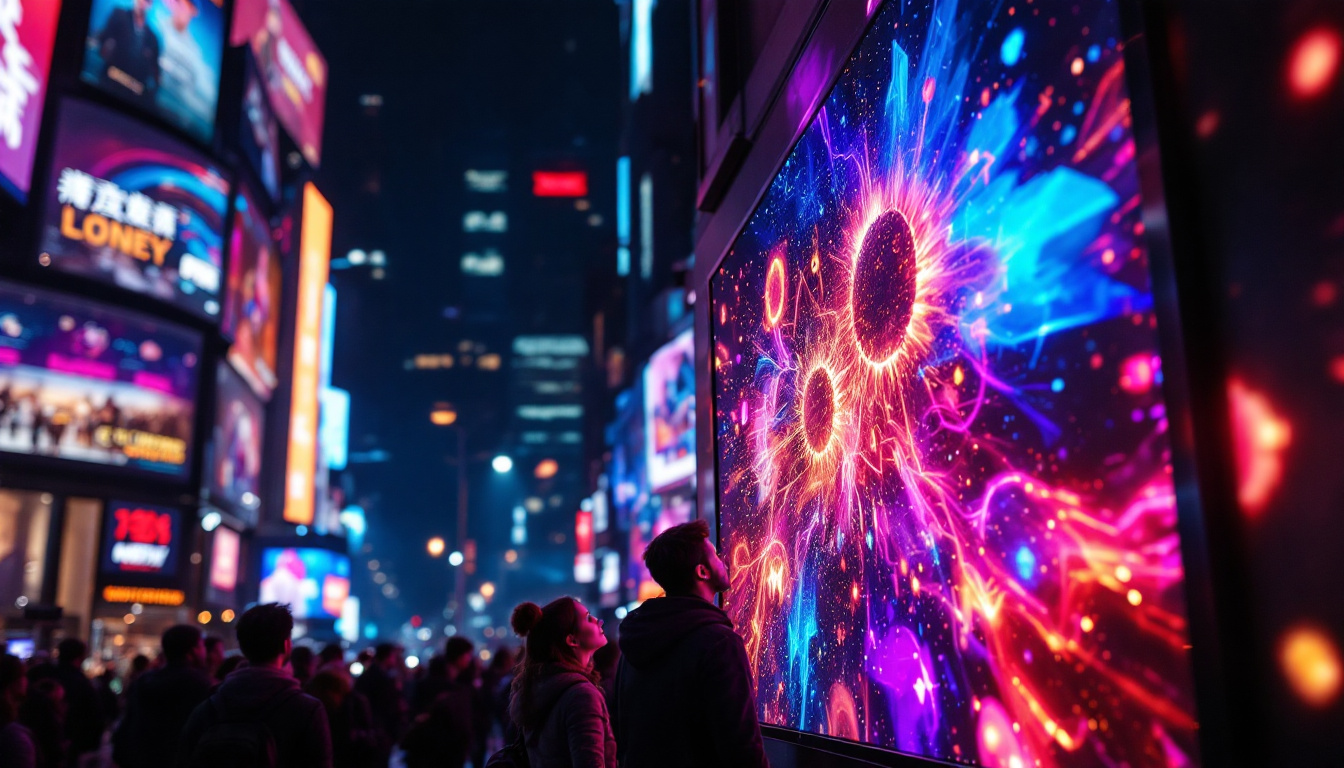
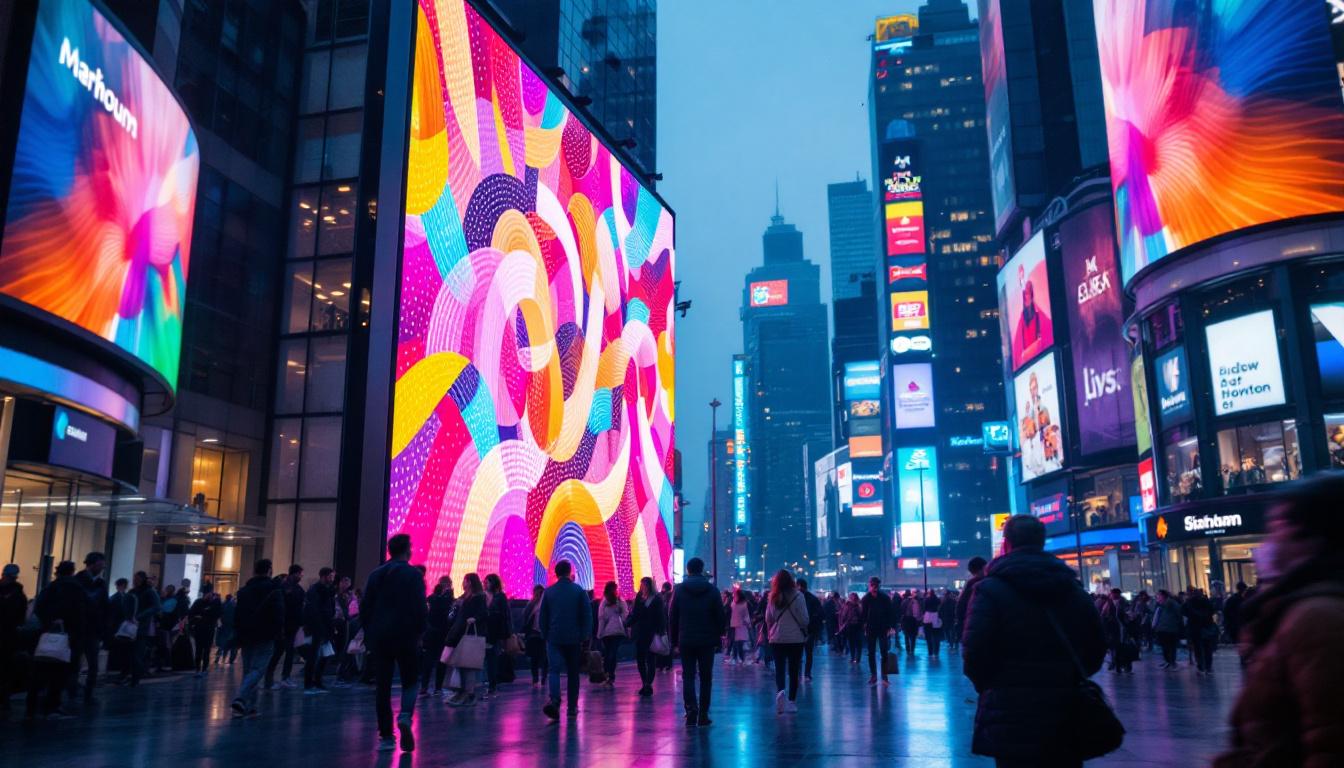
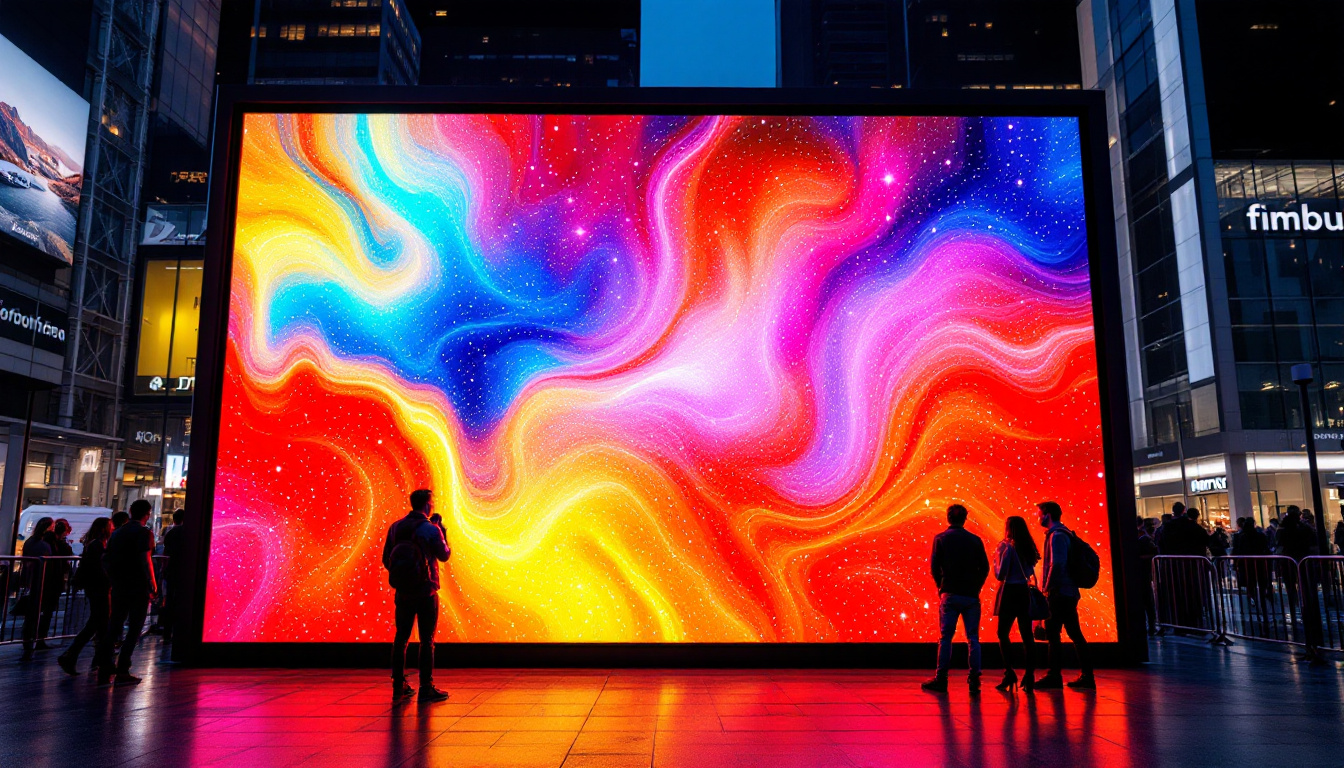
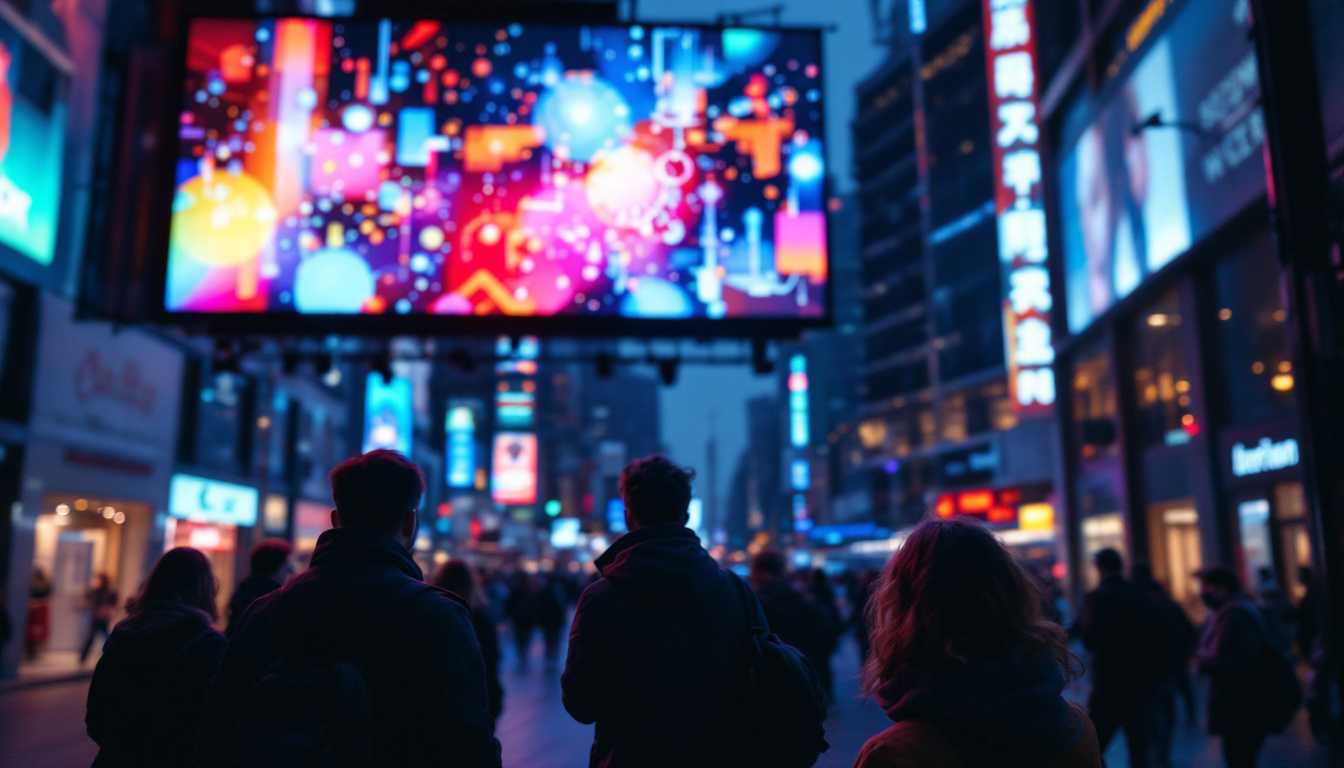
One of the most common applications of LED screen walls is in commercial architecture, particularly for advertising purposes. Iconic examples include the Times Square billboards in New York City and the Shibuya Crossing displays in Tokyo. These installations attract millions of viewers daily and generate significant advertising revenue.
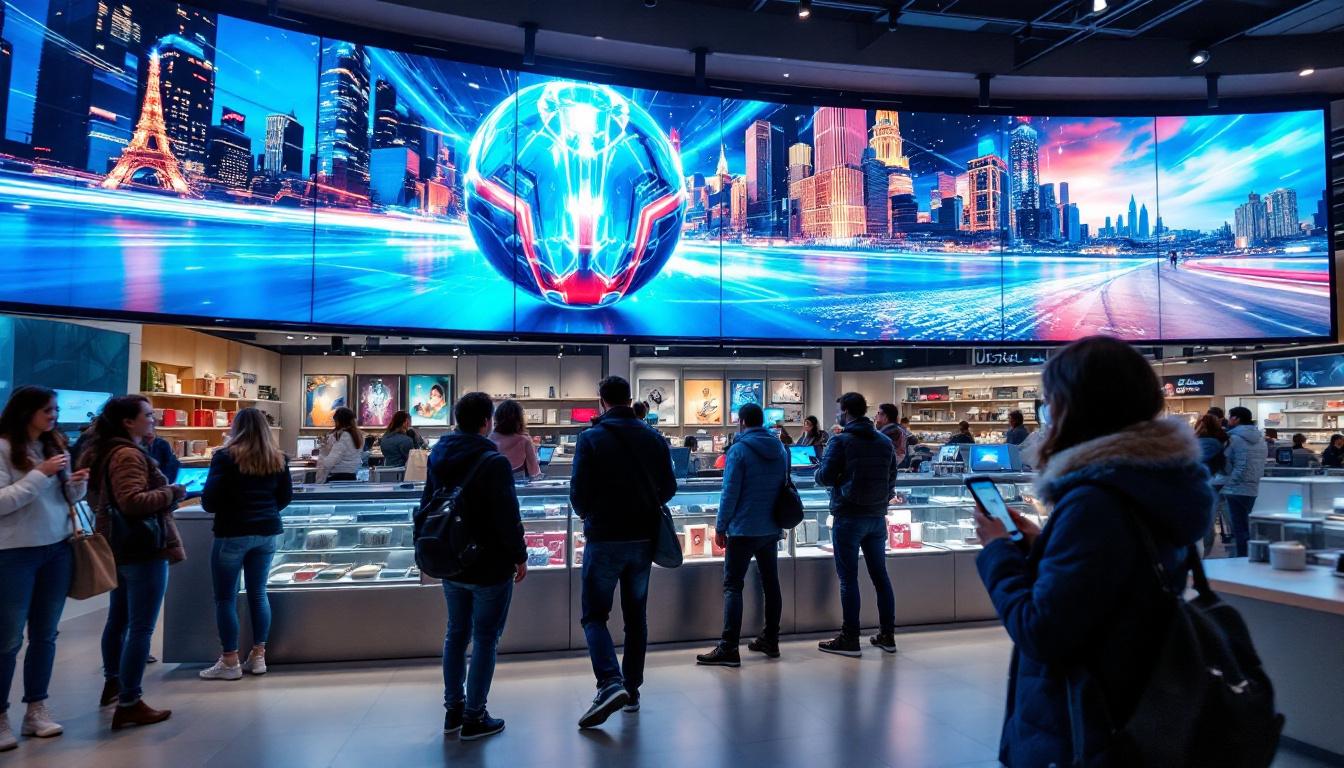
Retail centers and shopping malls also use LED facades to promote brands, announce sales, and enhance the overall shopping experience. The dynamic nature of LED displays allows for timely updates and targeted messaging, which are crucial in competitive markets.
Public Spaces and Urban Environments
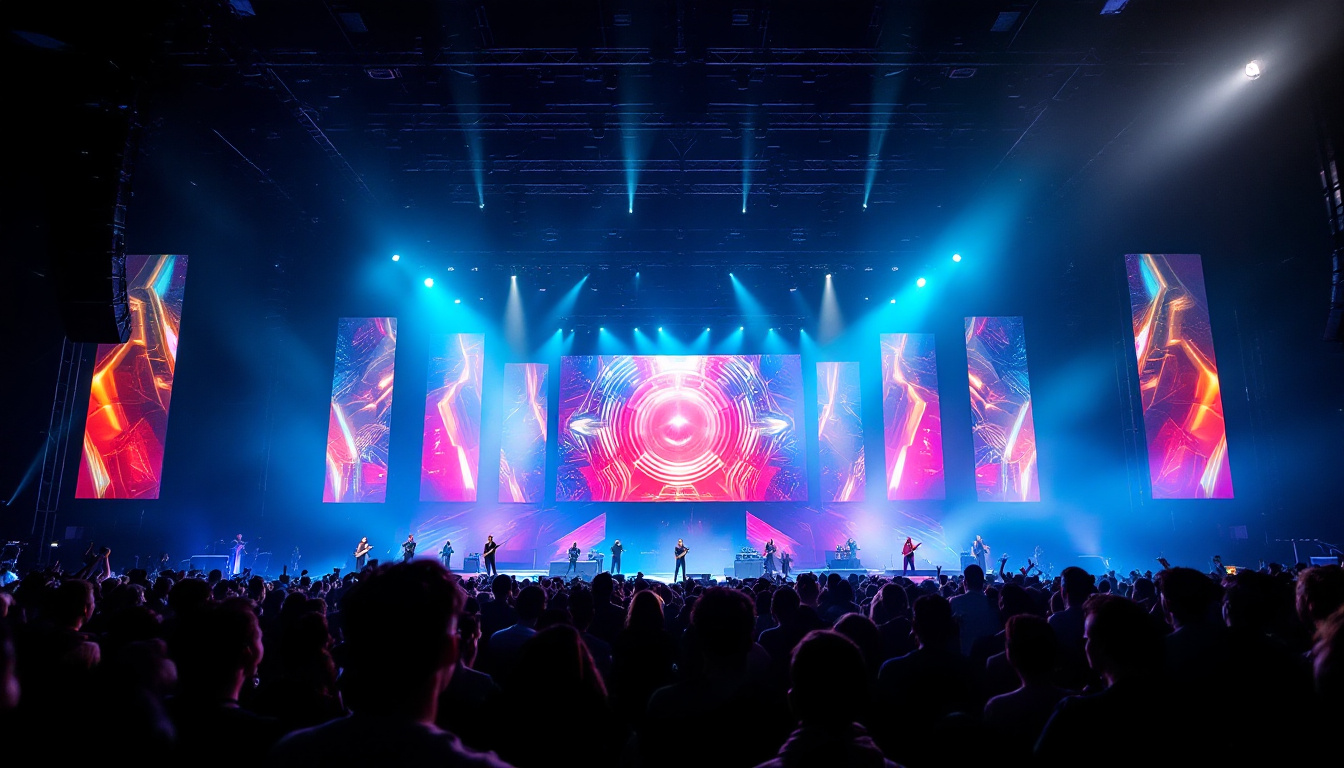
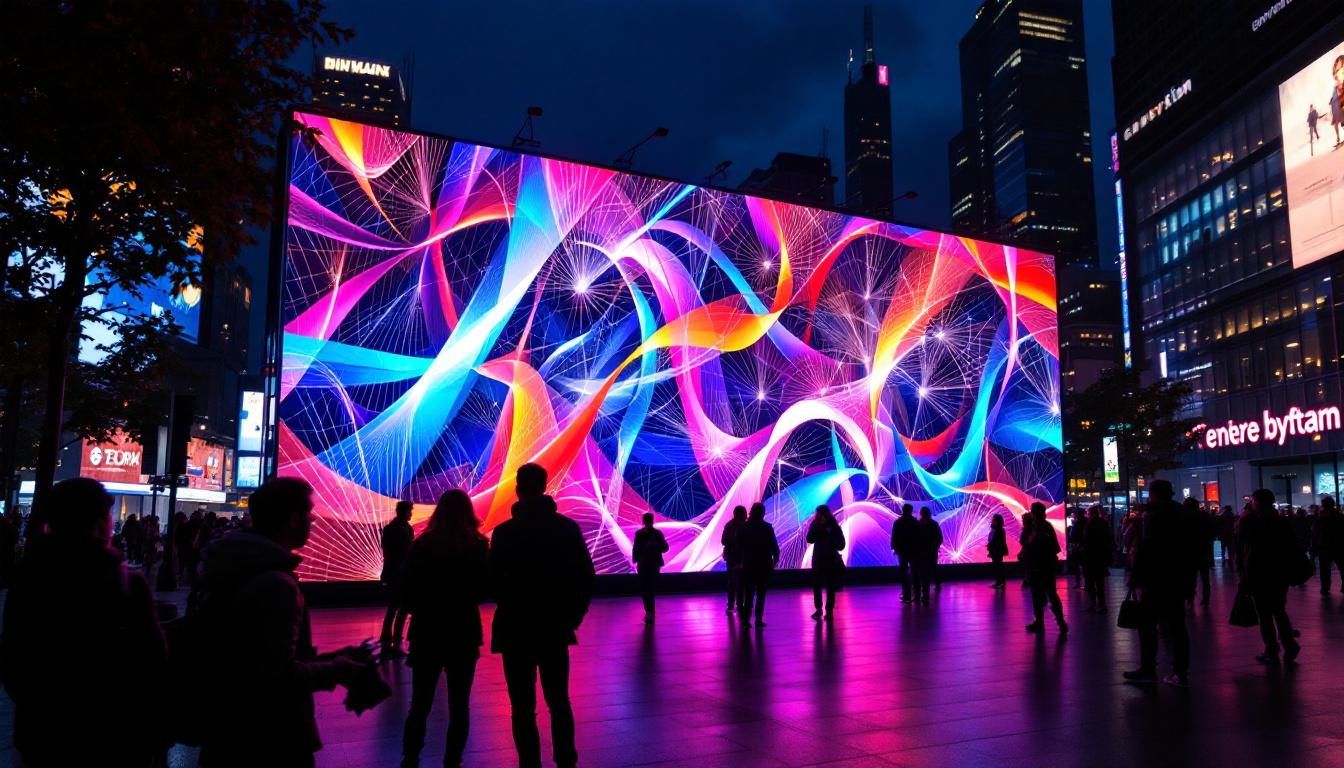
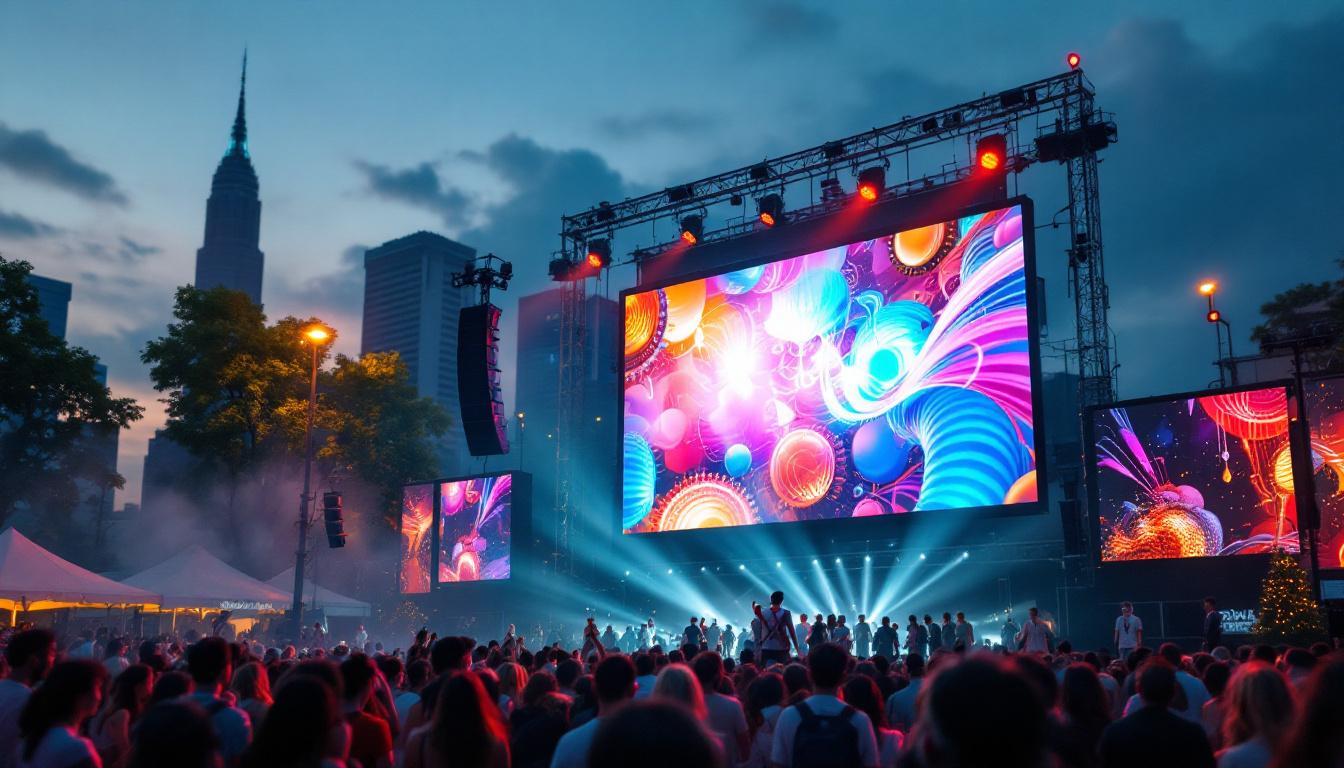
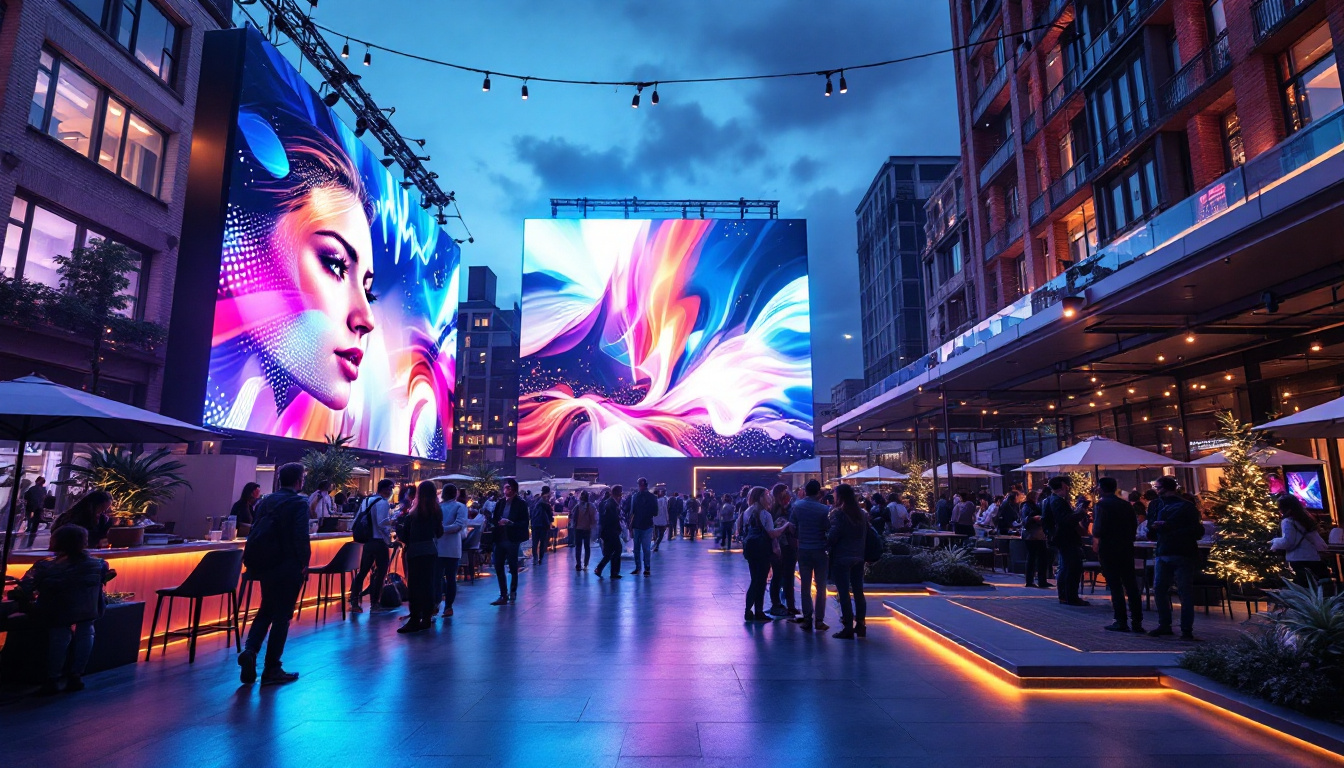
Beyond commercial uses, LED screen walls are increasingly integrated into public spaces to provide information and entertainment. City councils and urban planners use these displays for real-time updates on weather, traffic, and emergency alerts. Additionally, LED facades can host public art installations, cultural events, and interactive exhibits, fostering community engagement.
For example, the Media-TIC building in Barcelona features a dynamic LED facade that changes colors and patterns based on environmental data, creating a visually stimulating landmark that also raises awareness about sustainability.
Corporate and Institutional Buildings
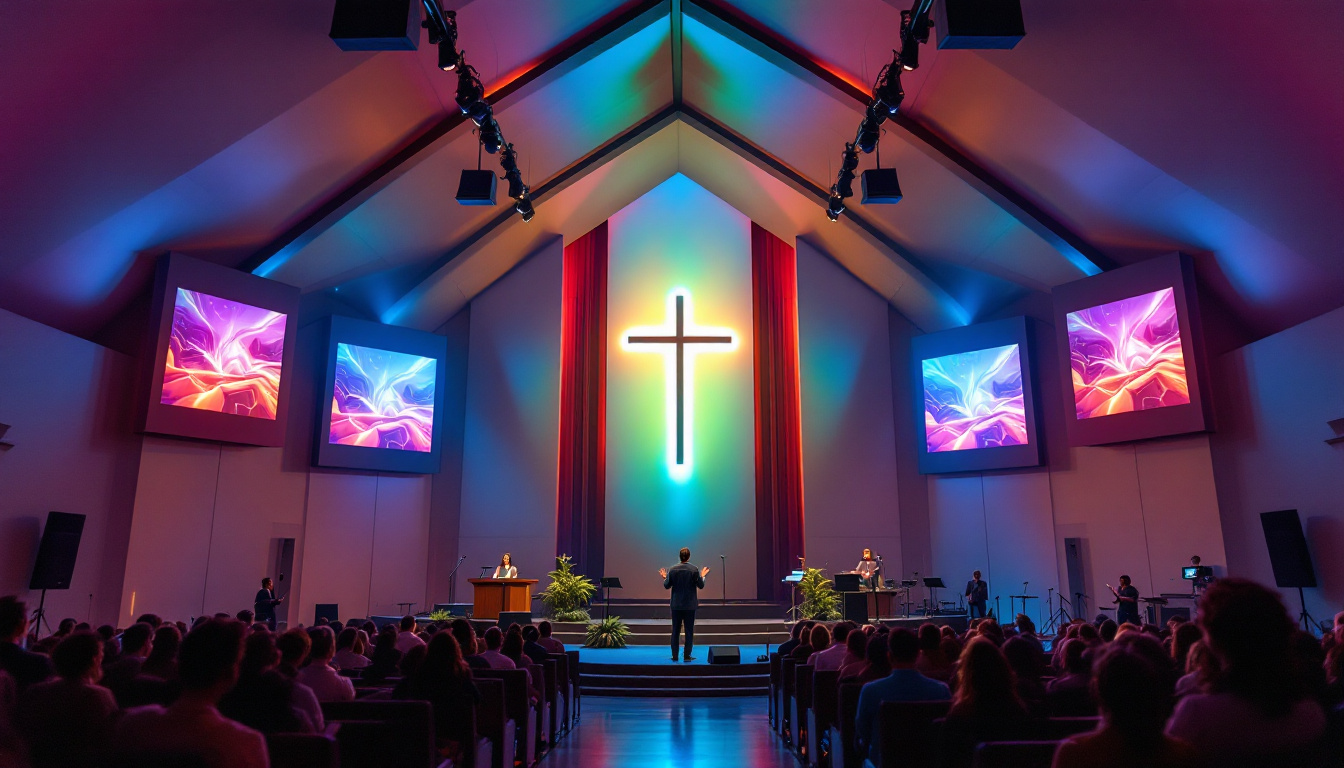
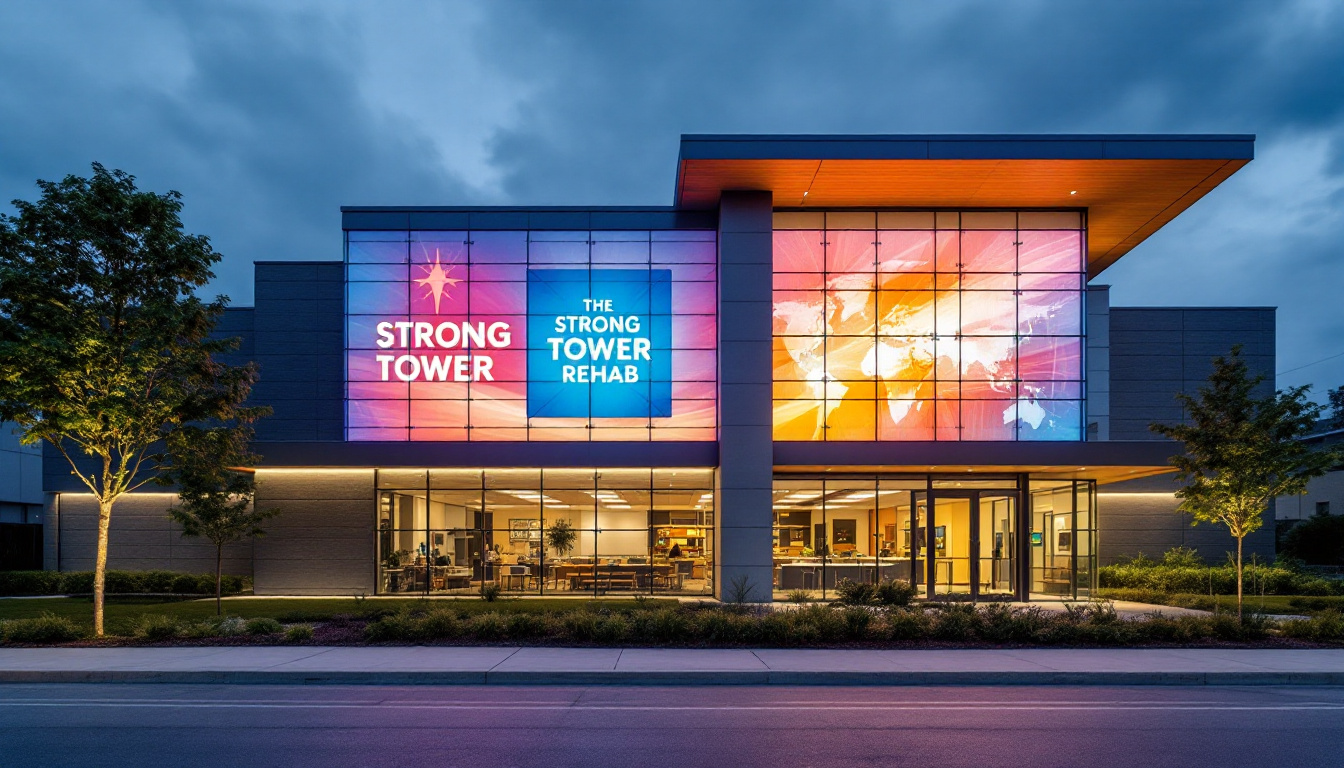
Corporate headquarters and institutional buildings utilize LED screen walls to project their brand identity and values. These displays can showcase company achievements, live social media feeds, or event highlights. In educational institutions, LED facades serve as platforms for student art, announcements, and interactive learning experiences.
Benefits of Incorporating LED Screen Walls in Architecture
The integration of LED displays into architectural design offers multiple advantages that extend beyond mere aesthetics.
Enhanced Visual Impact and Branding
LED screen walls create a strong visual presence, helping buildings stand out in crowded urban landscapes. This heightened visibility is invaluable for branding and marketing, as it captures attention and conveys messages effectively. The ability to change content dynamically means that the building’s appearance can evolve with campaigns, seasons, or events.
Energy Efficiency and Sustainability
Modern LED technology is highly energy-efficient compared to traditional lighting and display methods. LEDs consume less power, have longer lifespans, and generate less heat, contributing to reduced operational costs and environmental impact. Additionally, some LED facades are integrated with sensors that adjust brightness based on ambient light, further optimizing energy use.
Flexibility and Interactivity
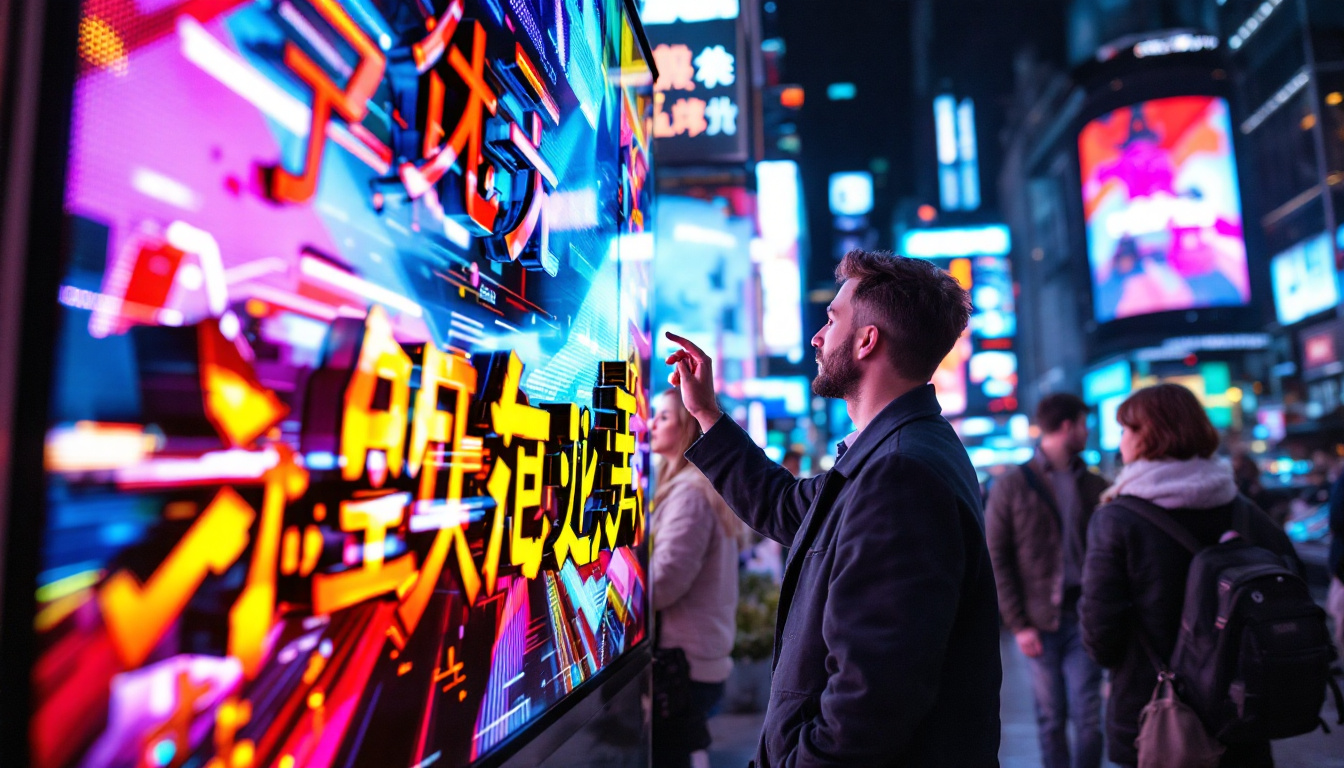
Unlike static architectural elements, LED screen walls offer unparalleled flexibility. Content can be updated remotely and in real time, allowing for responsive communication. Interactive features, such as touch sensitivity or integration with mobile devices, open new possibilities for user engagement and personalized experiences.
Improved Safety and Communication
In emergency situations, LED screen walls can serve as critical communication tools, displaying evacuation instructions, alerts, and safety messages. Their high visibility ensures that important information reaches a broad audience quickly, enhancing public safety.
Challenges and Considerations in LED Screen Wall Implementation
Despite their benefits, the deployment of LED screen walls requires careful planning and consideration of several factors.
Cost and Maintenance
The initial investment for high-quality LED screen walls can be substantial, including costs for hardware, installation, and content management systems. Ongoing maintenance is also essential to ensure consistent performance, involving cleaning, repairs, and software updates.
However, advances in LED technology and increased market competition have gradually reduced costs, making these installations more accessible to a wider range of projects.
Structural and Environmental Integration
Integrating LED displays into building facades demands collaboration between architects, engineers, and technology specialists. The screen walls must be structurally supported without compromising the building’s integrity or aesthetics. Additionally, considerations such as weatherproofing, heat dissipation, and light pollution need to be addressed.
Content Management and Legal Regulations
Managing content for LED screen walls involves not only creative and technical expertise but also compliance with local regulations. Many cities have ordinances governing the brightness, size, and content of digital displays to prevent distractions and preserve urban character. Navigating these legal frameworks is crucial for successful implementation.
The Future of Screen Walls and LED Displays in Architecture
As technology continues to advance, the potential for LED screen walls in architecture is expanding. Emerging trends point towards even more immersive and interactive experiences.
Integration with Smart Building Systems
Future LED screen walls are expected to be integrated with smart building technologies, enabling adaptive content based on environmental conditions, occupancy, and user preferences. For instance, displays could adjust brightness and imagery to optimize energy use or enhance occupant comfort.
Advancements in Display Technology
Innovations such as microLED and OLED (Organic LED) promise higher resolution, greater flexibility, and thinner profiles. These technologies could lead to seamless integration of displays into various building materials, including glass and concrete, further blurring the line between architecture and digital media.
Augmented Reality and Interactive Facades
Combining LED screen walls with augmented reality (AR) could transform urban environments into interactive experiences. Passersby might use smartphones or AR glasses to engage with building facades, accessing additional information or personalized content. This convergence of physical and digital worlds has the potential to redefine public spaces.
Conclusion
Screen walls architecture featuring LED displays represents a dynamic fusion of technology and design, offering new ways for buildings to communicate, inspire, and serve their communities. From enhancing commercial branding to enriching public spaces, LED screen walls have proven their value as versatile and impactful architectural elements.
While challenges related to cost, maintenance, and regulation exist, ongoing technological advancements and creative applications continue to push the boundaries of what is possible. As cities evolve into smarter, more connected environments, LED screen walls will undoubtedly play a pivotal role in shaping the visual and experiential fabric of urban life.
Illuminate Your Space with LumenMatrix
As you consider the transformative impact of LED screen walls in architecture, envision the possibilities with LumenMatrix. Our extensive range of LED display solutions, from Indoor and Outdoor LED Wall Displays to innovative Transparent and Custom LED Displays, is designed to elevate your architectural projects. Embrace the future of visual communication with our advanced technology that promises to captivate audiences and amplify your message. Check out LumenMatrix LED Display Solutions today and take the first step towards creating unforgettable visual experiences.