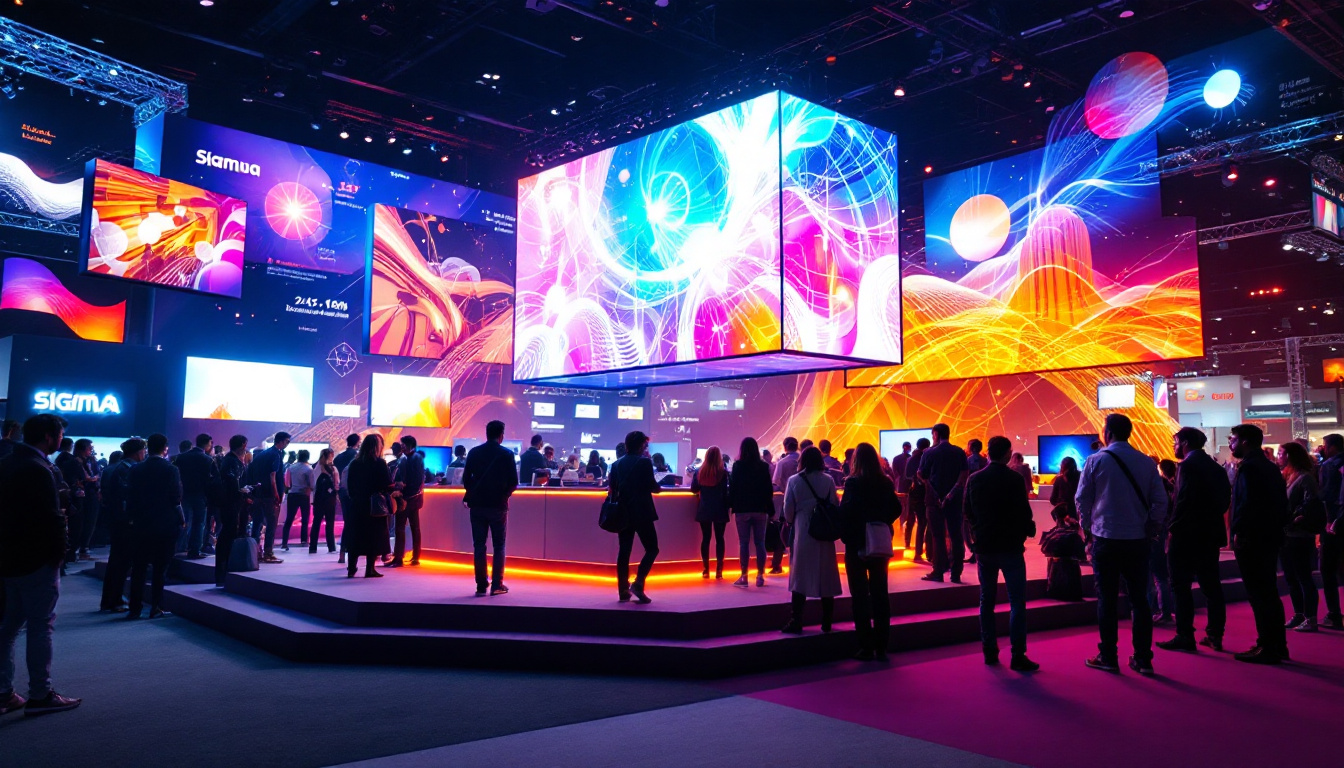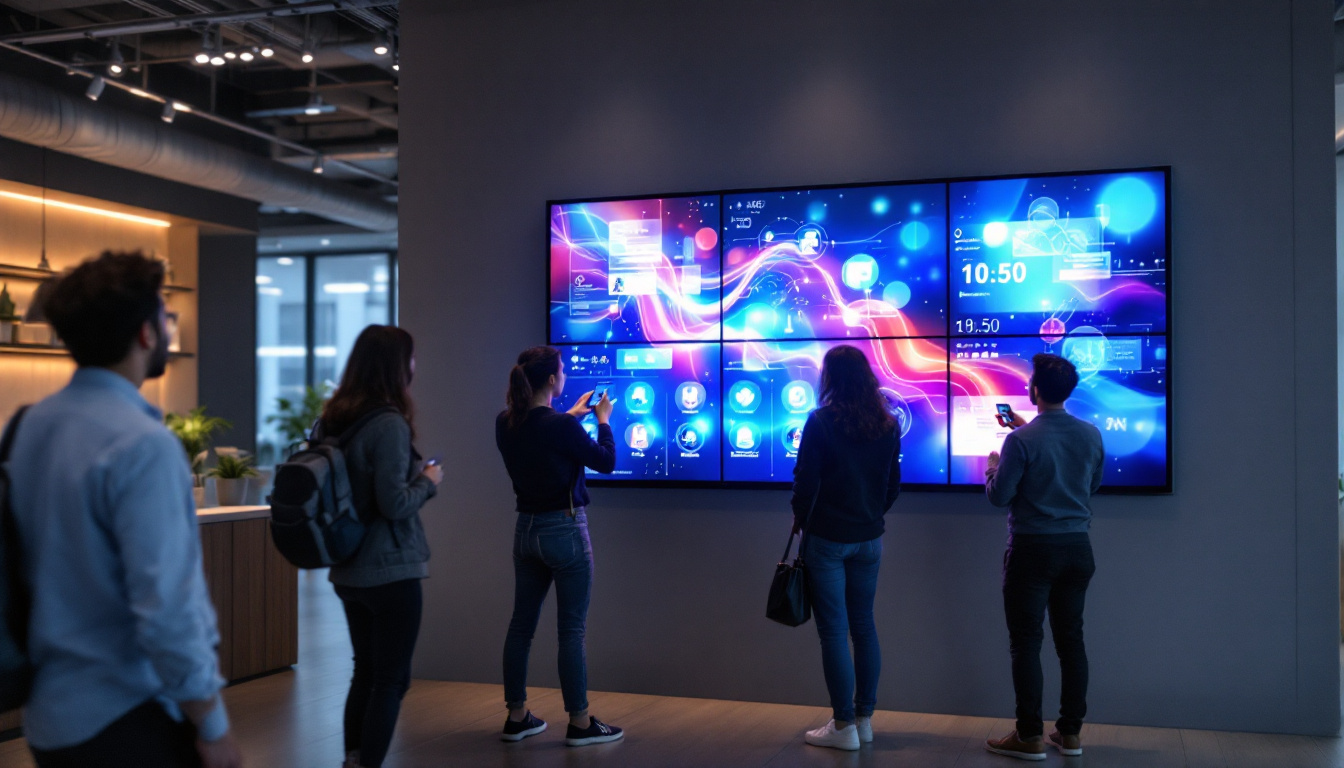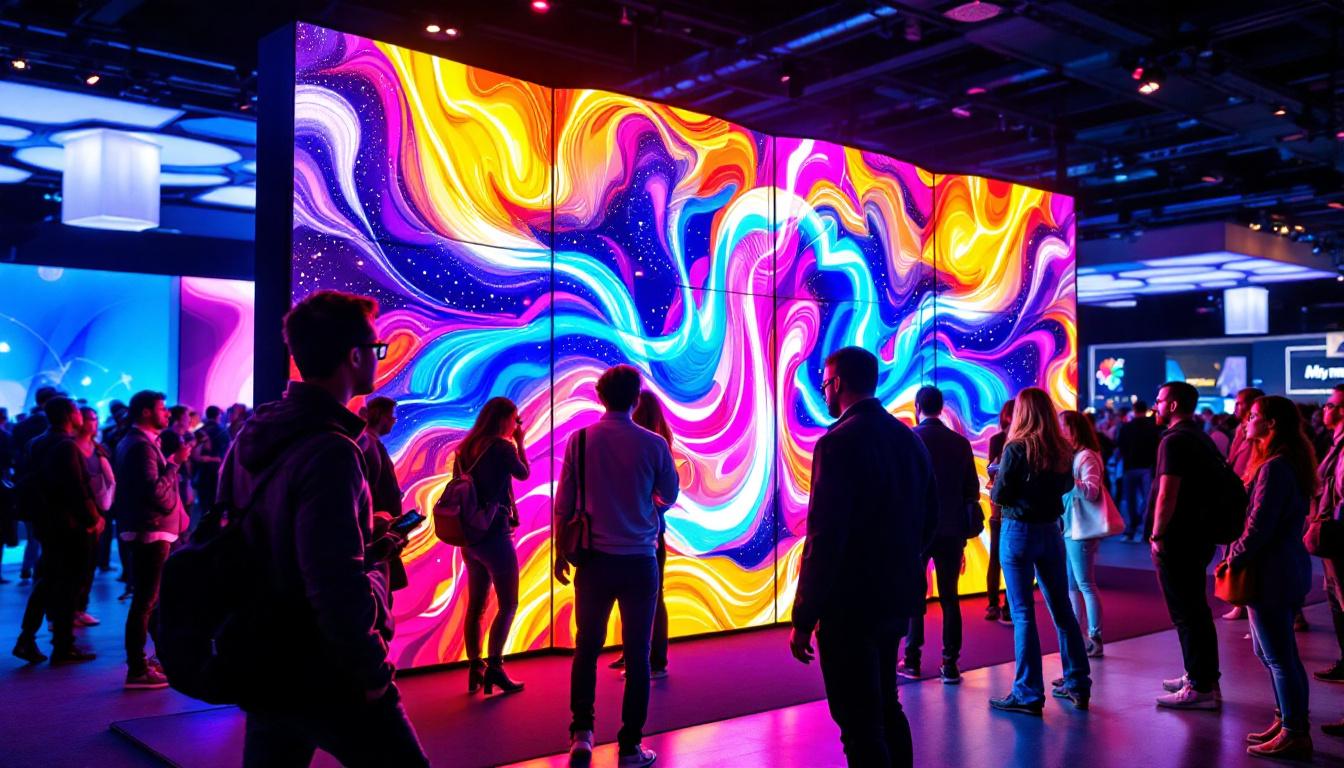
In the rapidly evolving world of digital signage and display technology, folding LED displays have emerged as a revolutionary solution, combining portability with high-quality visual performance. These innovative displays are transforming how businesses, event organizers, and advertisers approach visual communication, offering flexibility and convenience without compromising on image clarity or brightness. This article delves into the intricacies of folding LED displays, explaining their technology, applications, advantages, and considerations for potential users.
Understanding LED Display Technology
What Is an LED Display?
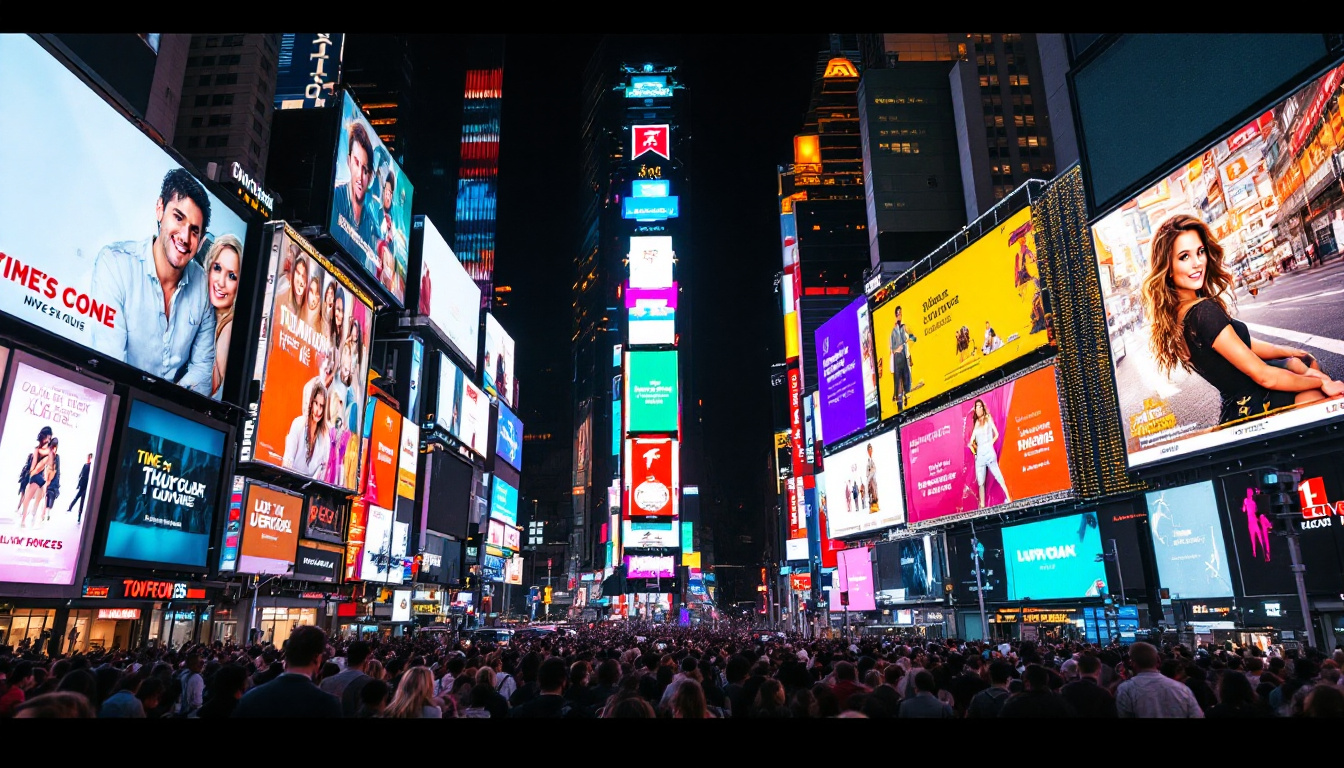
LED, or Light Emitting Diode, displays are screens composed of numerous tiny LEDs that emit light when an electric current passes through them. Unlike traditional LCD or projection screens, LED displays produce their own light, resulting in brighter images with better contrast and color accuracy. This self-illumination capability makes LED displays particularly effective for both indoor and outdoor environments, where ambient lighting can vary significantly. The ability to maintain visibility in bright sunlight or dimly lit rooms is a key advantage, making LED displays a popular choice for advertising, entertainment, and information dissemination.
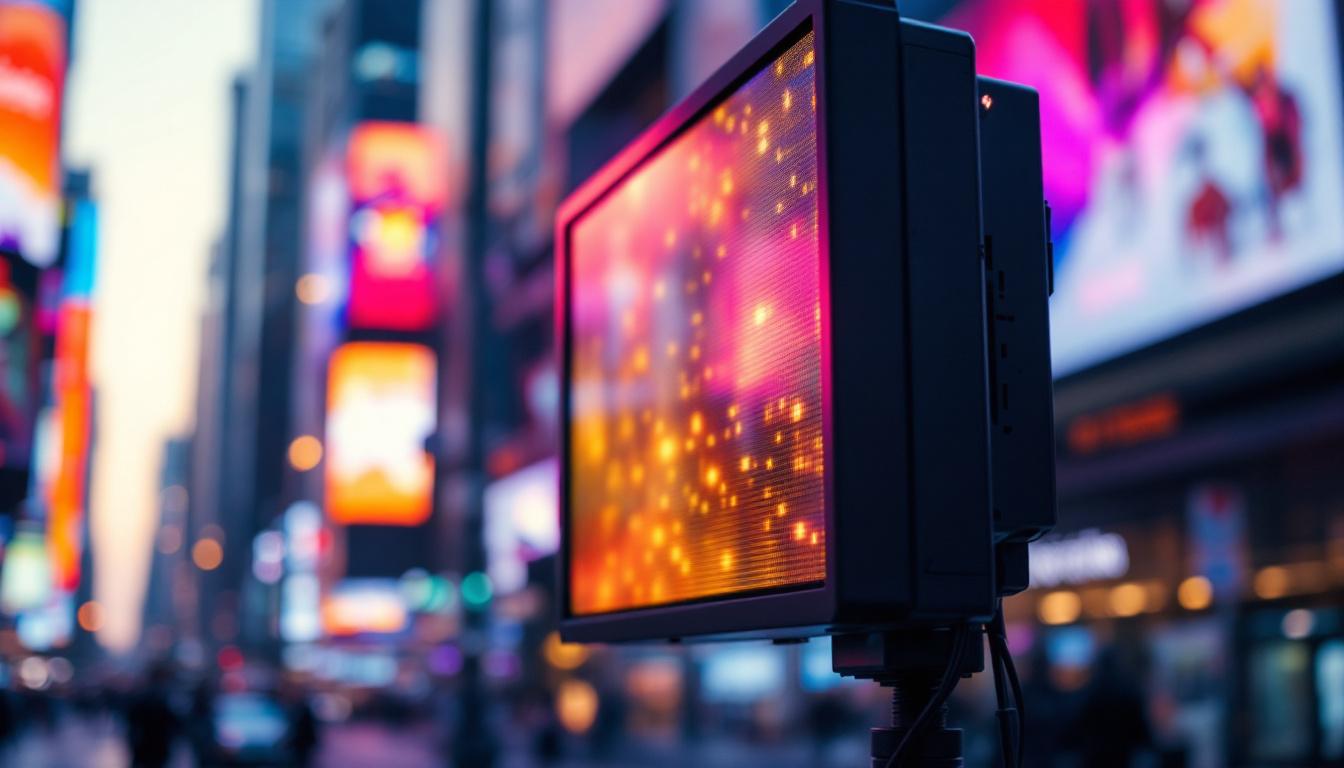
Modern LED displays are typically made up of modules or panels, each containing a grid of red, green, and blue LEDs. By adjusting the intensity of each LED, the display can render millions of colors and sharp images. The pixel pitch—the distance between the centers of two adjacent LEDs—determines the resolution and viewing distance. Smaller pixel pitches provide higher resolution and are ideal for close-up viewing, while larger pitches are suited for bigger screens viewed from afar. Additionally, advancements in technology have led to the development of high dynamic range (HDR) capabilities, which enhance the contrast and color depth, allowing for a more immersive viewing experience.
The Evolution of LED Displays
Since their inception in the late 20th century, LED displays have undergone significant advancements. Early versions were bulky and limited in resolution and size. However, technological progress has led to thinner, lighter, and more energy-efficient displays with enhanced color reproduction and durability. The integration of smart technology has also transformed LED displays, enabling features such as touch interactivity, connectivity with mobile devices, and integration with content management systems for real-time updates.
The development of flexible and folding LED technology marks a significant milestone. These displays utilize innovative materials and design techniques that allow the screen to bend or fold without damaging the LEDs or affecting image quality. This flexibility opens up new possibilities for installation and transportation, addressing many limitations of traditional rigid LED panels. For instance, curved LED displays can create a more immersive experience in venues like theaters and concert halls, while portable LED screens are revolutionizing event staging and advertising by allowing for dynamic configurations that can adapt to different environments and audience sizes. As the technology continues to evolve, we can expect even more groundbreaking applications that push the boundaries of visual communication.
What Is a Folding LED Display?
Defining Folding LED Displays
A folding LED display is a type of LED screen designed with hinges or flexible joints between modular panels, enabling the entire display to fold into a compact form. Unlike curved or flexible LED displays that bend continuously, folding LED displays typically fold along predefined lines or hinges, similar to how a folding smartphone screen operates.
This design allows for easy transportation, quick setup, and versatile deployment in various environments. Folding LED displays maintain the high brightness, color accuracy, and resolution typical of LED technology while offering enhanced portability and adaptability.
Key Components and Design Features
Folding LED displays consist of several interconnected panels, each embedded with LEDs and controlled by a central processing unit. The hinges or folding mechanisms are engineered to be durable and precise, ensuring that the panels align perfectly when unfolded to create a seamless image.
Materials used in folding LED displays are often lightweight yet robust, such as aluminum alloys for frames and flexible circuit boards for LED modules. Additionally, these displays incorporate advanced locking systems to secure the panels in place during use, preventing misalignment or damage.
Advantages of Folding LED Displays
Portability and Ease of Installation
One of the most significant benefits of folding LED displays is their portability. Traditional LED walls can be cumbersome, requiring multiple people and specialized equipment to transport and install. Folding LED displays, however, can be folded down to a fraction of their operational size, making them easier to carry and store.
This portability is particularly advantageous for event organizers, rental companies, and businesses that require frequent relocation of their displays. The reduced setup time also translates to lower labor costs and increased operational efficiency.
Versatility in Application
Folding LED displays are highly versatile, suitable for a wide range of applications. They are commonly used in:
- Events and Conferences: Providing dynamic backdrops, presentations, and live video feeds.
- Retail and Advertising: Creating eye-catching window displays and promotional signage.
- Broadcast and Studios: Offering flexible visual environments for newsrooms and productions.
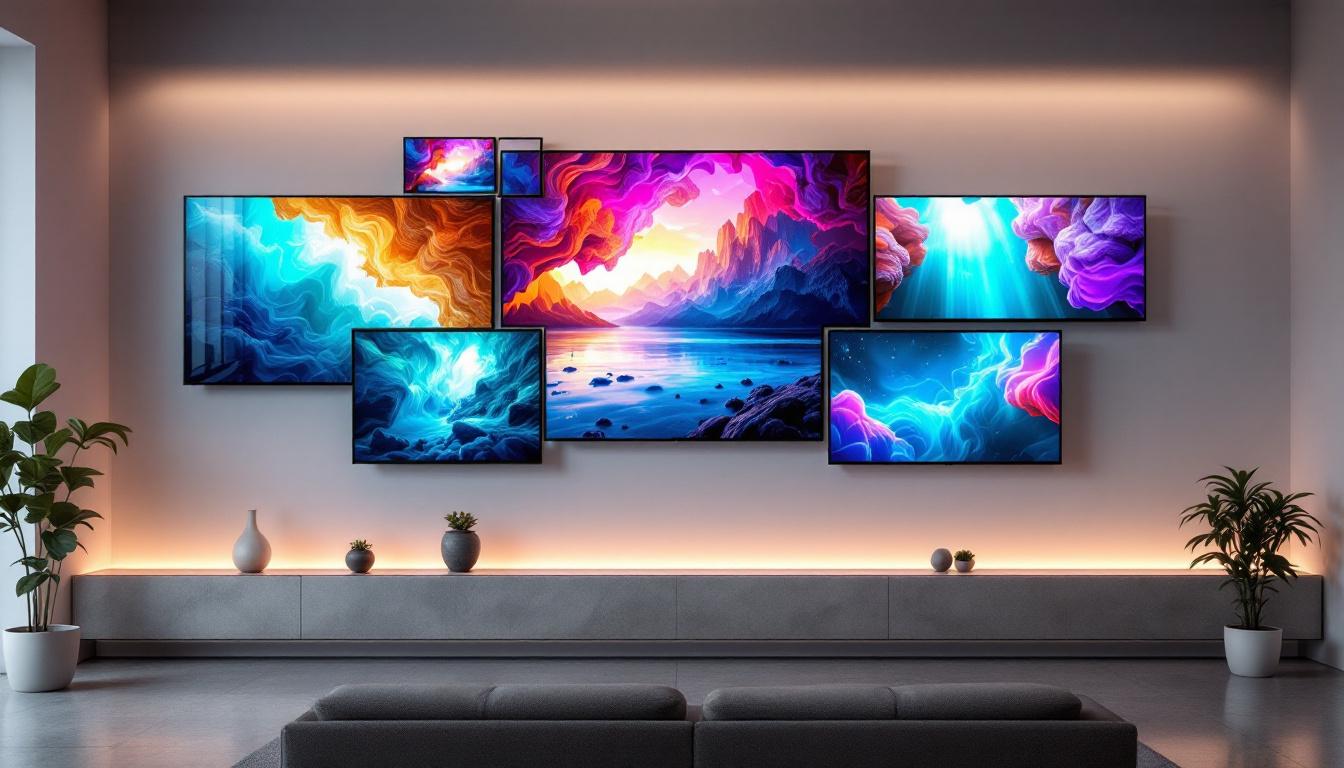
- Corporate Spaces: Enhancing meeting rooms and lobbies with engaging content.
The ability to fold and transport these displays easily means they can be deployed in unconventional or temporary locations, expanding creative possibilities.
High Image Quality and Brightness
Despite their foldable design, these LED displays do not compromise on image quality. They deliver high brightness levels—often exceeding 1,000 nits—which ensures visibility even in brightly lit environments or outdoor settings. The color gamut and contrast ratios are also comparable to rigid LED panels, enabling vivid and immersive visual experiences.
Technical Considerations When Choosing a Folding LED Display
Resolution and Pixel Pitch
When selecting a folding LED display, understanding resolution and pixel pitch is crucial. The pixel pitch affects the optimal viewing distance and image sharpness. For indoor use where viewers are close to the screen, a pixel pitch of 1.5mm to 2.5mm is ideal. Outdoor or large venue applications may use pixel pitches of 4mm or more.
Folding LED displays are available in various pixel pitches, but it is important to choose one that matches the intended use case to avoid pixelation or blurry images.
Durability and Maintenance
Given their portable nature, folding LED displays must be durable enough to withstand frequent handling and transportation. Look for displays with robust hinges, protective casing, and weather-resistant features if outdoor use is anticipated.
Maintenance is another consideration. Modular designs facilitate easier repairs since individual panels can be replaced without dismantling the entire display. Additionally, some models offer front or rear access for maintenance, enhancing serviceability.
Connectivity and Control Systems
Modern folding LED displays come equipped with advanced control systems that support various input sources such as HDMI, DVI, and wireless streaming. Integration with content management software allows users to update and schedule content remotely, a feature increasingly important for dynamic advertising and event environments.
Ensure the display supports the necessary connectivity options and control interfaces that align with your existing infrastructure or operational needs.
Applications and Use Cases
Event Production and Live Performances
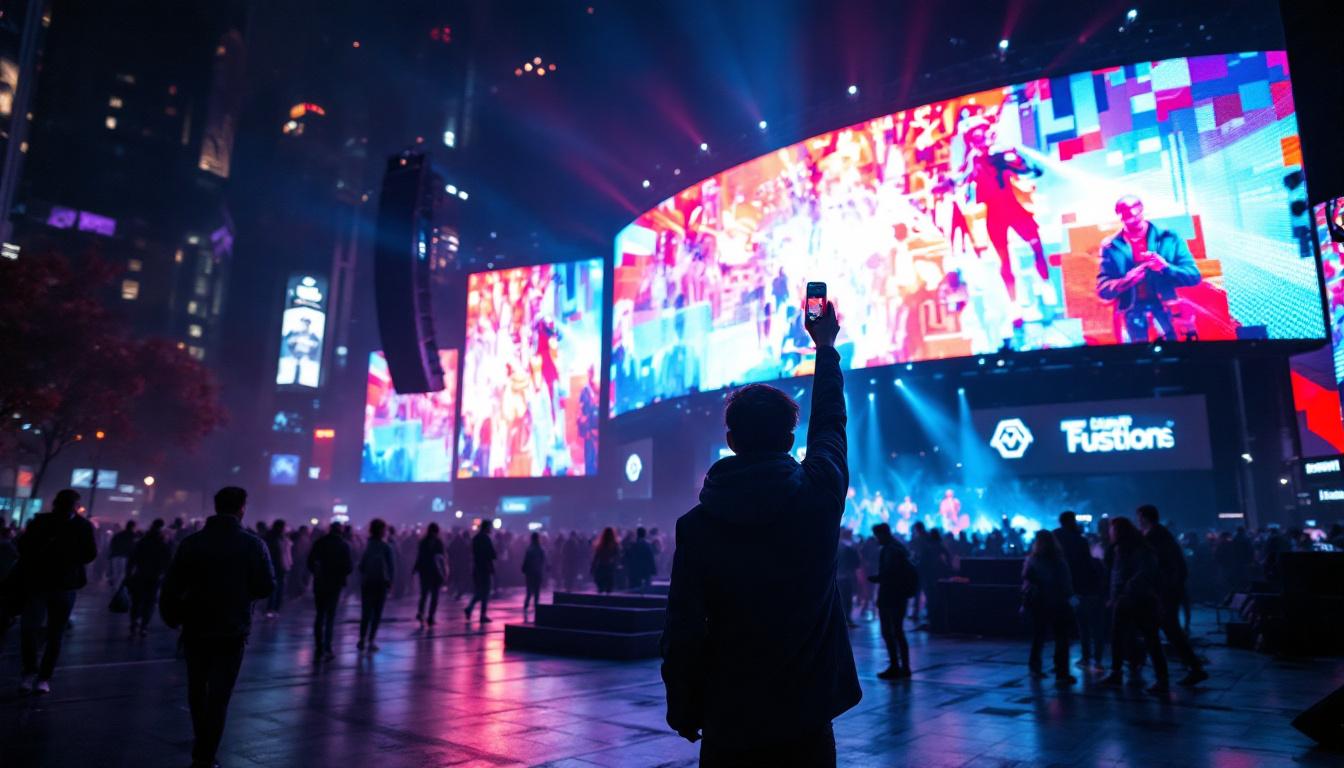
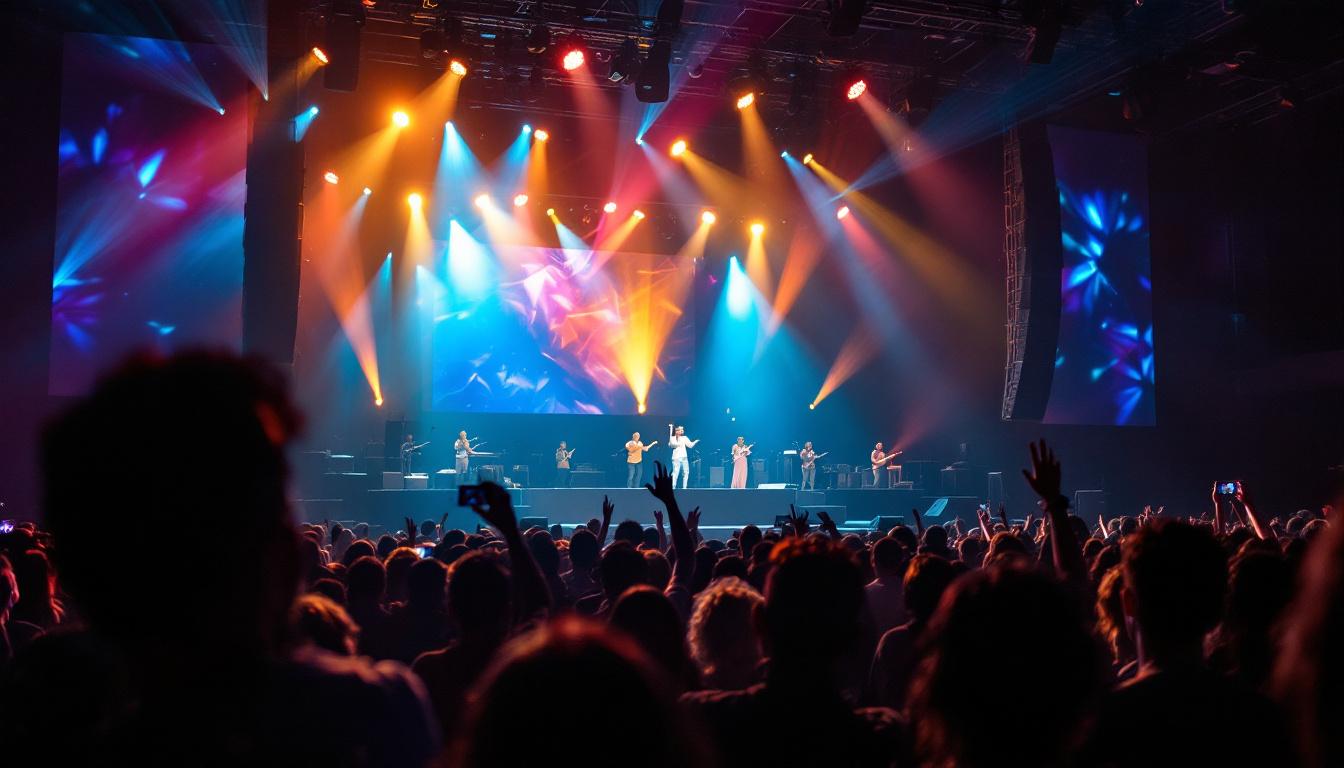
Folding LED displays have become a staple in event production due to their quick setup and high-impact visuals. Concerts, trade shows, and conferences benefit from the ability to transport large, bright screens that can be assembled on-site within minutes.
For example, a music festival might use folding LED walls as stage backdrops that can be folded and transported between venues, reducing logistical challenges and costs.
Retail and Advertising
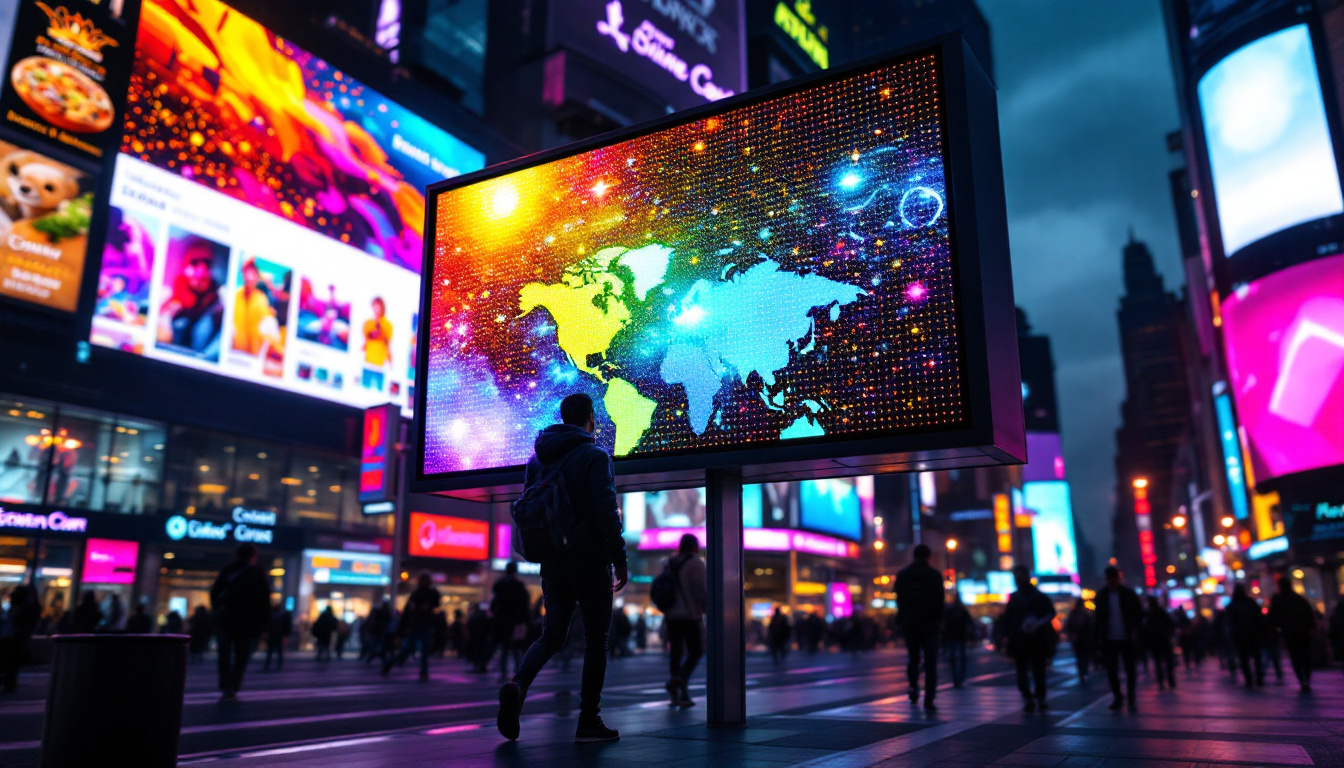
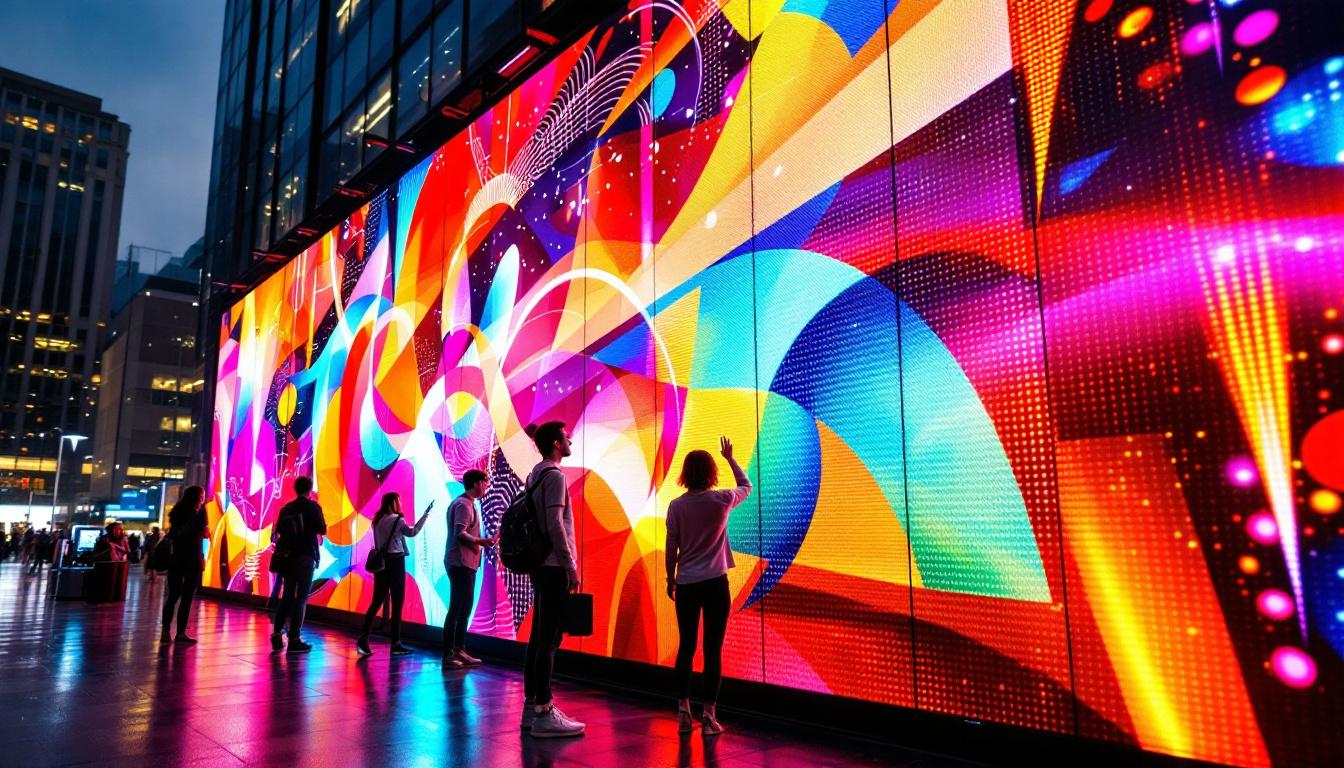
Retailers leverage folding LED displays for seasonal promotions, product launches, and window displays. Their portability allows for creative installations that can be moved or reconfigured as marketing campaigns evolve.
Advertising agencies also appreciate the flexibility to deploy these displays in pop-up locations, malls, or outdoor events, maximizing audience reach with vibrant and attention-grabbing content.
Corporate and Educational Environments
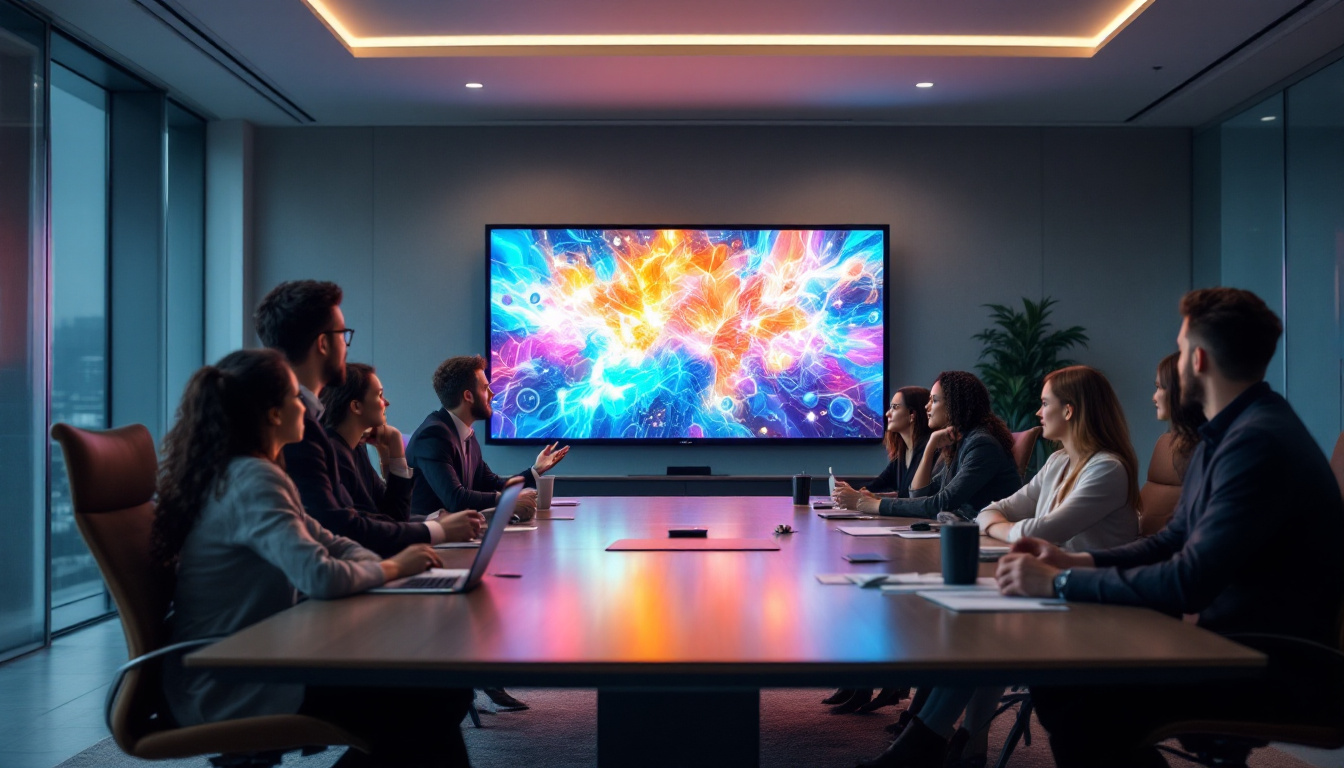
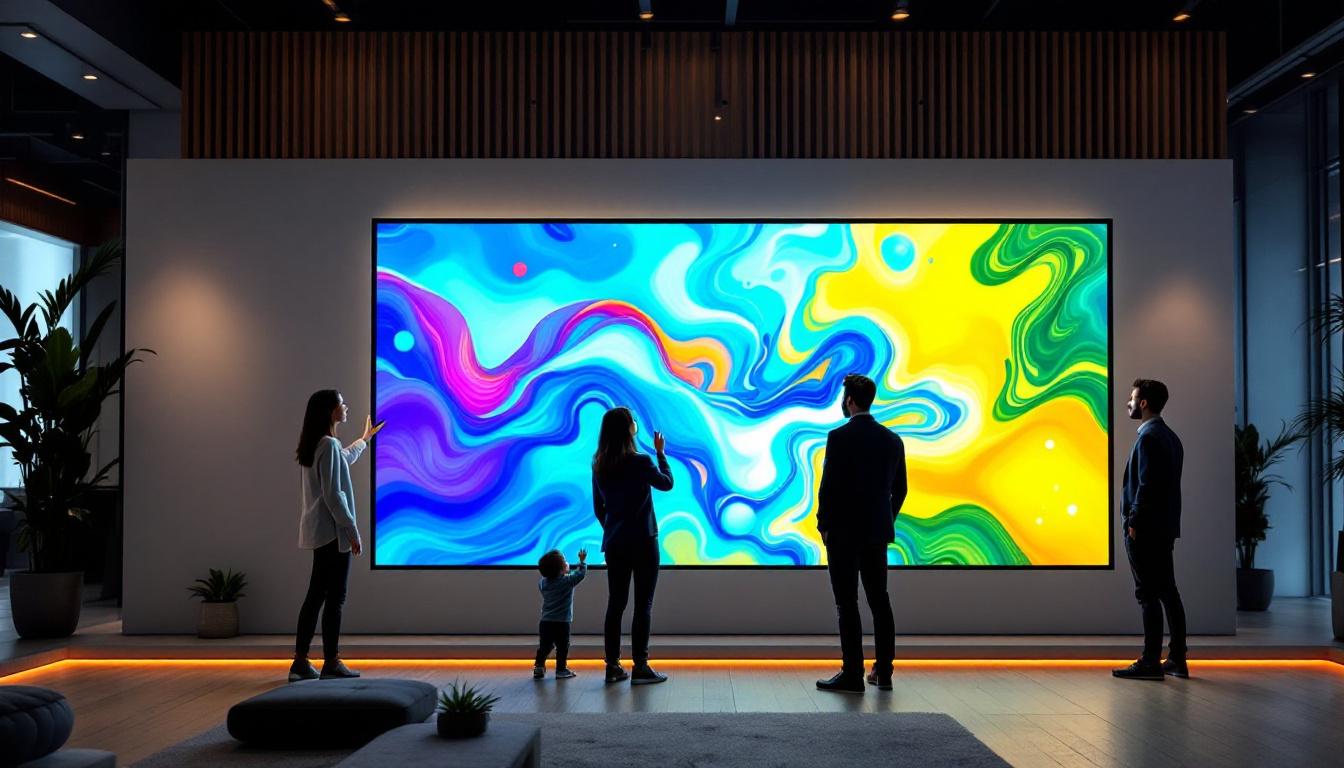
Corporations utilize folding LED displays for board meetings, training sessions, and internal communications. Their ease of setup and high resolution make them ideal for presentations and video conferencing.
Educational institutions use these displays for lectures, exhibitions, and campus events, benefiting from the ability to transport and set up screens in multiple locations.
Future Trends in Folding LED Display Technology
Advancements in Flexibility and Resolution
As materials science and LED manufacturing continue to advance, folding LED displays are expected to become even thinner, lighter, and more flexible. Emerging technologies such as micro-LED and mini-LED promise higher resolution and improved energy efficiency, enhancing the visual experience further.
Integration with Smart Technologies
Integration with IoT (Internet of Things) and AI-driven content management systems will enable smarter, more interactive folding LED displays. Real-time data analytics and automated content adjustments based on audience behavior or environmental conditions will become standard features.
Sustainability and Energy Efficiency
With growing emphasis on sustainability, manufacturers are focusing on reducing the energy consumption and environmental impact of LED displays. Folding LED displays are expected to incorporate recyclable materials and low-power components, aligning with global green initiatives.
Conclusion
Folding LED displays represent a significant innovation in digital signage, combining the superior image quality of LED technology with unprecedented portability and flexibility. Their ability to fold into compact forms without sacrificing performance makes them ideal for a wide range of applications, from live events to corporate communications and retail advertising.
When considering a folding LED display, it is essential to evaluate factors such as resolution, durability, connectivity, and maintenance to ensure the solution meets specific needs. As technology continues to evolve, these displays will become even more versatile, intelligent, and sustainable, solidifying their role as a cornerstone of modern visual communication.
For businesses and organizations looking to enhance their visual presence with dynamic, high-impact displays that are easy to transport and deploy, folding LED displays offer a compelling and future-proof option.
Discover LumenMatrix’s Innovative LED Solutions
Ready to elevate your visual communication with the latest in folding LED display technology? LumenMatrix is at the forefront of this innovation, offering a diverse range of LED display modules tailored to your unique needs. From captivating Indoor and Outdoor LED Wall Displays to versatile Vehicle and Sports LED Displays, and even specialized solutions like LED Poster, Floor, Custom, All-in-One, and Transparent Displays, LumenMatrix has you covered. Experience the transformative power of our LED solutions and take the first step towards creating unforgettable visual experiences. Check out LumenMatrix LED Display Solutions today and see your brand in a whole new light.