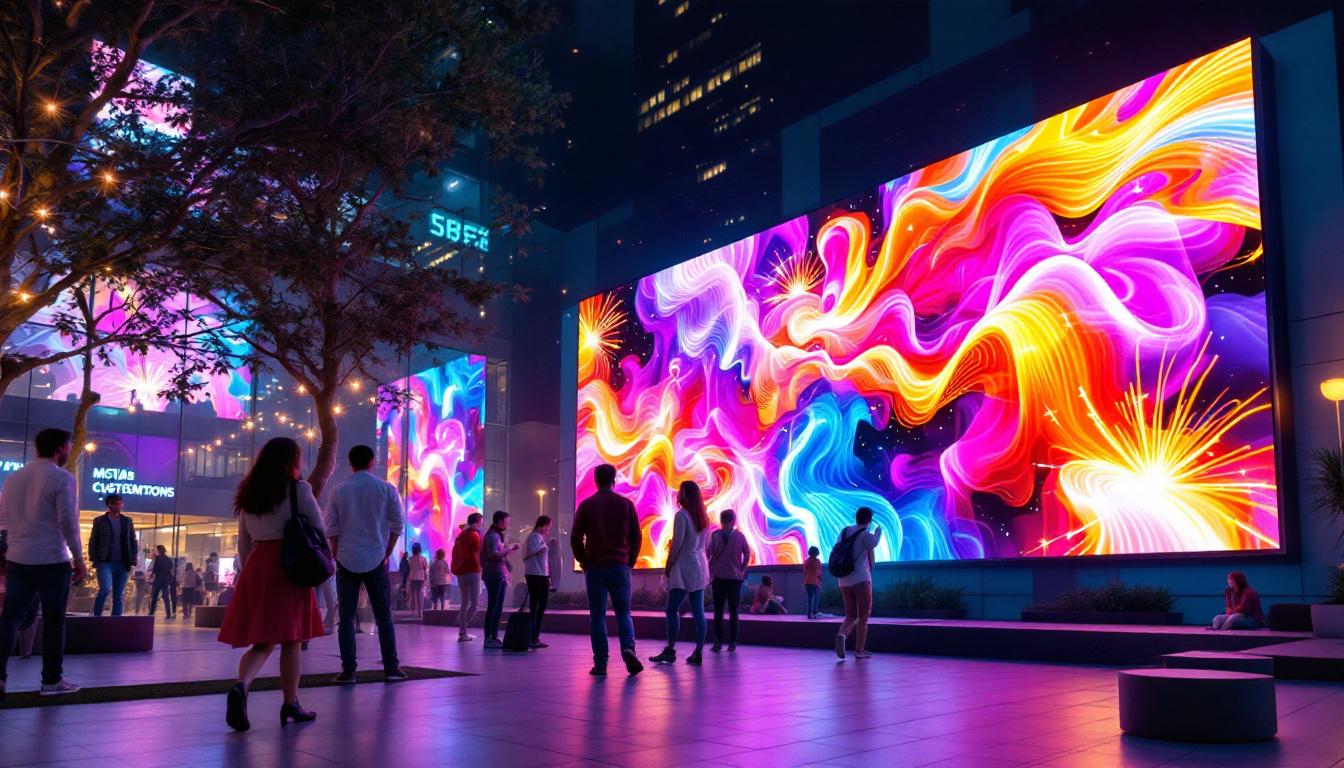
In today’s fast-paced world, capturing attention is more challenging than ever. Businesses, municipalities, and event organizers are constantly seeking innovative ways to communicate messages effectively and dynamically. One of the most powerful tools to achieve this is the exterior LED display. These vibrant, versatile screens have transformed outdoor advertising, public information dissemination, and architectural design. This article explores the fundamentals of exterior LED displays, their benefits, technological components, and practical applications, providing a comprehensive understanding for anyone considering this cutting-edge solution.
Understanding Exterior LED Displays
What Are Exterior LED Displays?
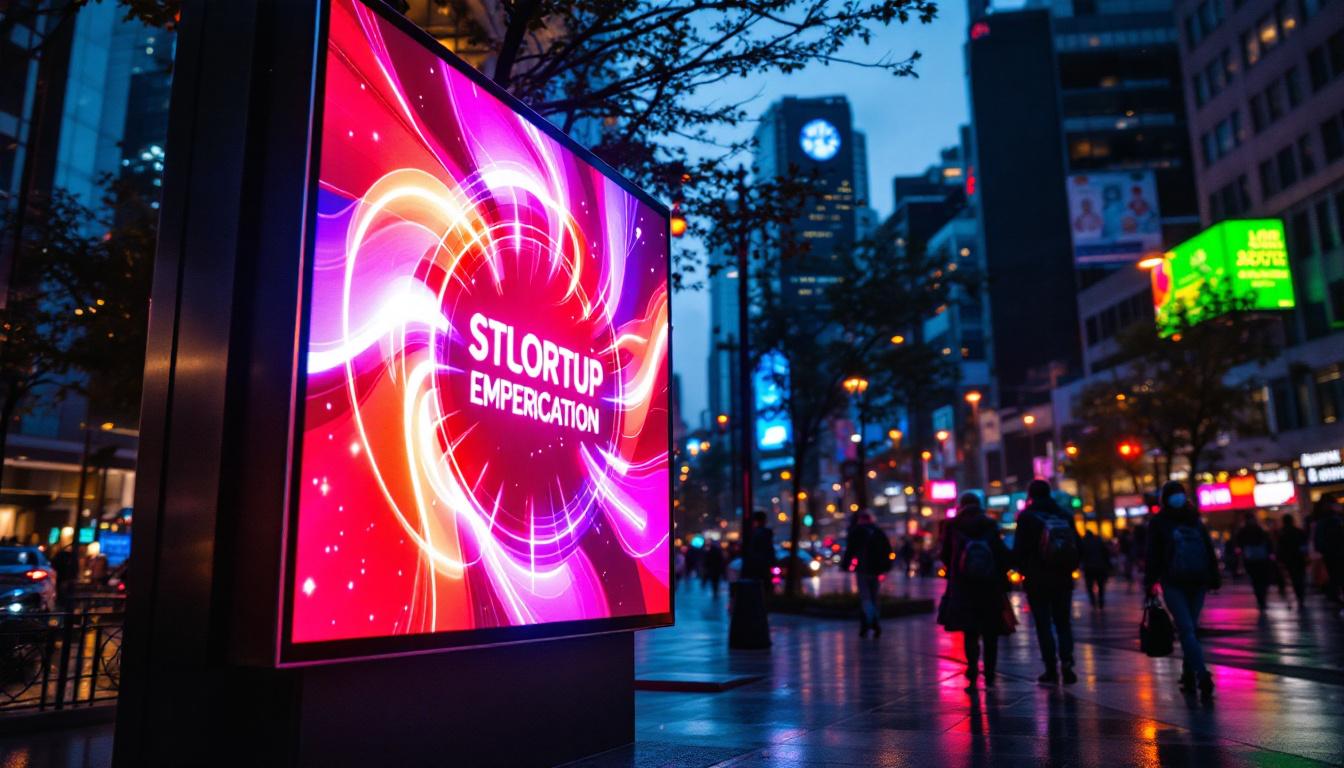
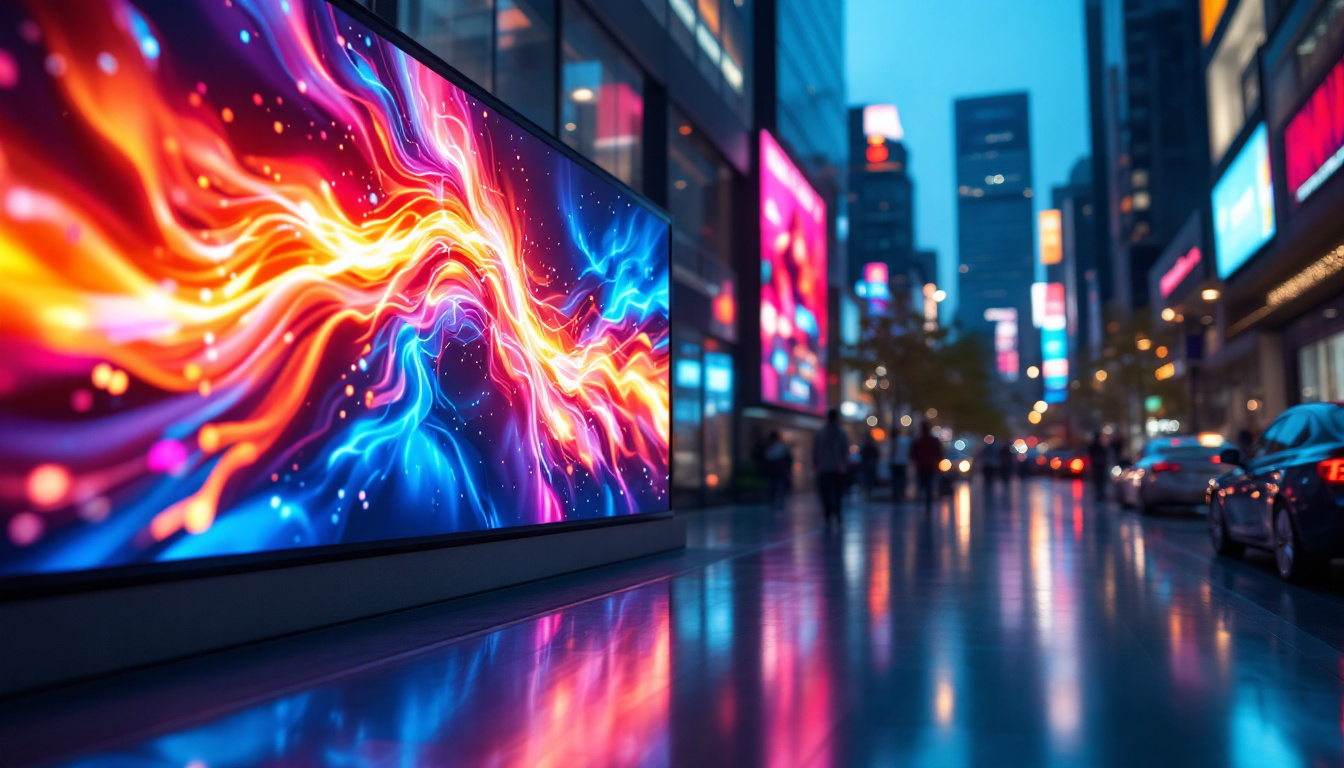
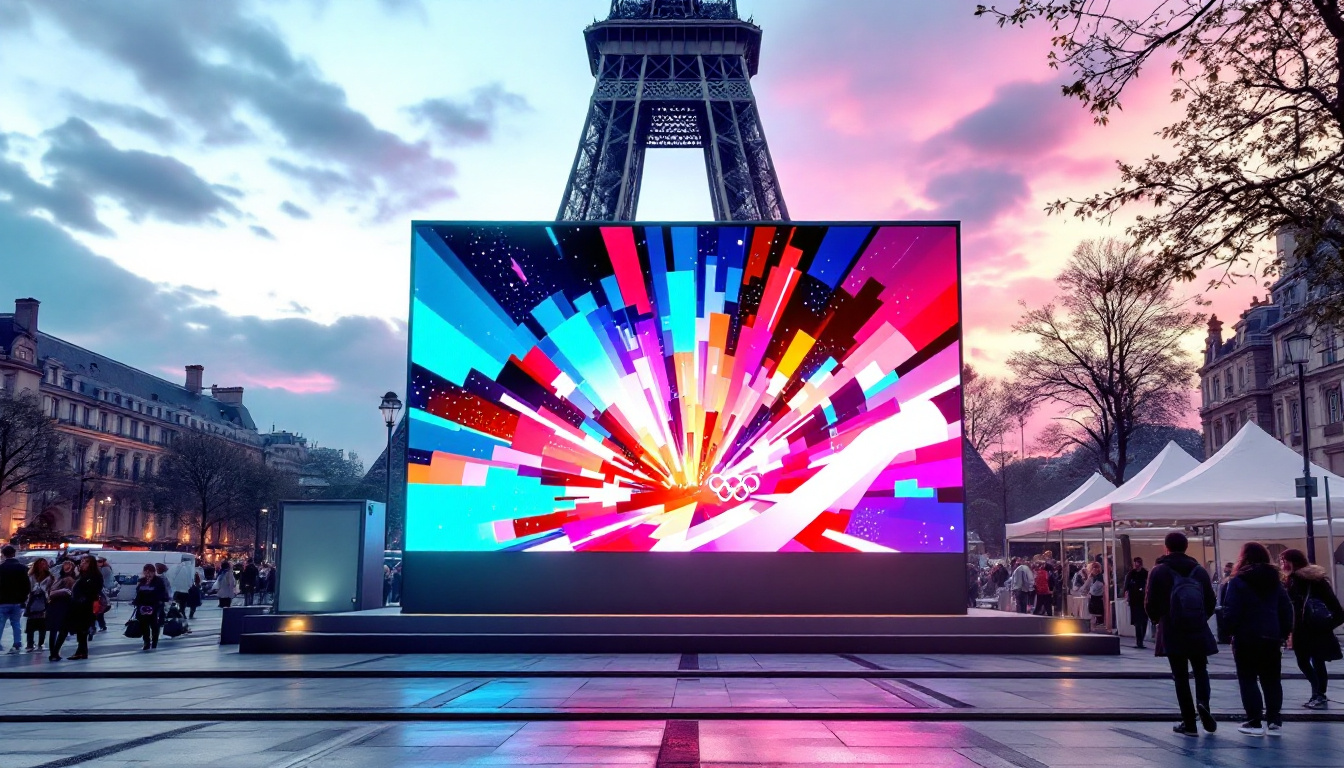
Exterior LED displays are large-scale digital screens designed specifically for outdoor use. Unlike traditional billboards or printed signage, these displays use light-emitting diodes (LEDs) to produce bright, vivid images and videos that remain visible even under direct sunlight. The term “exterior” highlights their weather-resistant construction, enabling them to withstand rain, wind, dust, and extreme temperatures. These displays are not only functional but also serve as eye-catching focal points in urban landscapes, drawing attention to advertisements, public announcements, or event promotions.
These displays come in various sizes and resolutions, from small storefront signs to massive stadium screens. Their modular design allows for custom shapes and configurations, making them adaptable to unique architectural settings or branding requirements. This versatility extends to their applications as well, where they can be found in a variety of settings, including shopping malls, sports arenas, concert venues, and even transportation hubs. As technology advances, the integration of interactive features, such as touch capabilities and real-time data feeds, is becoming increasingly common, further enhancing the user experience.
How Do They Work?
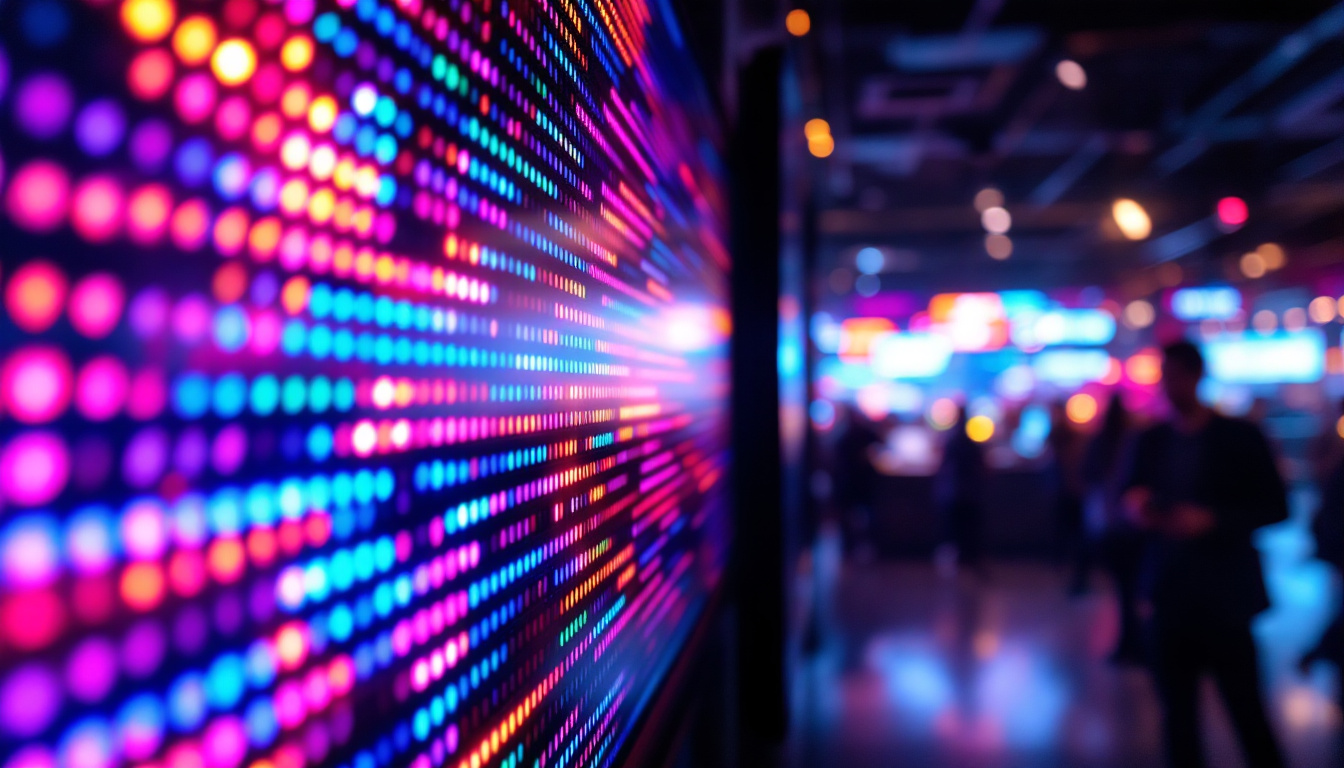
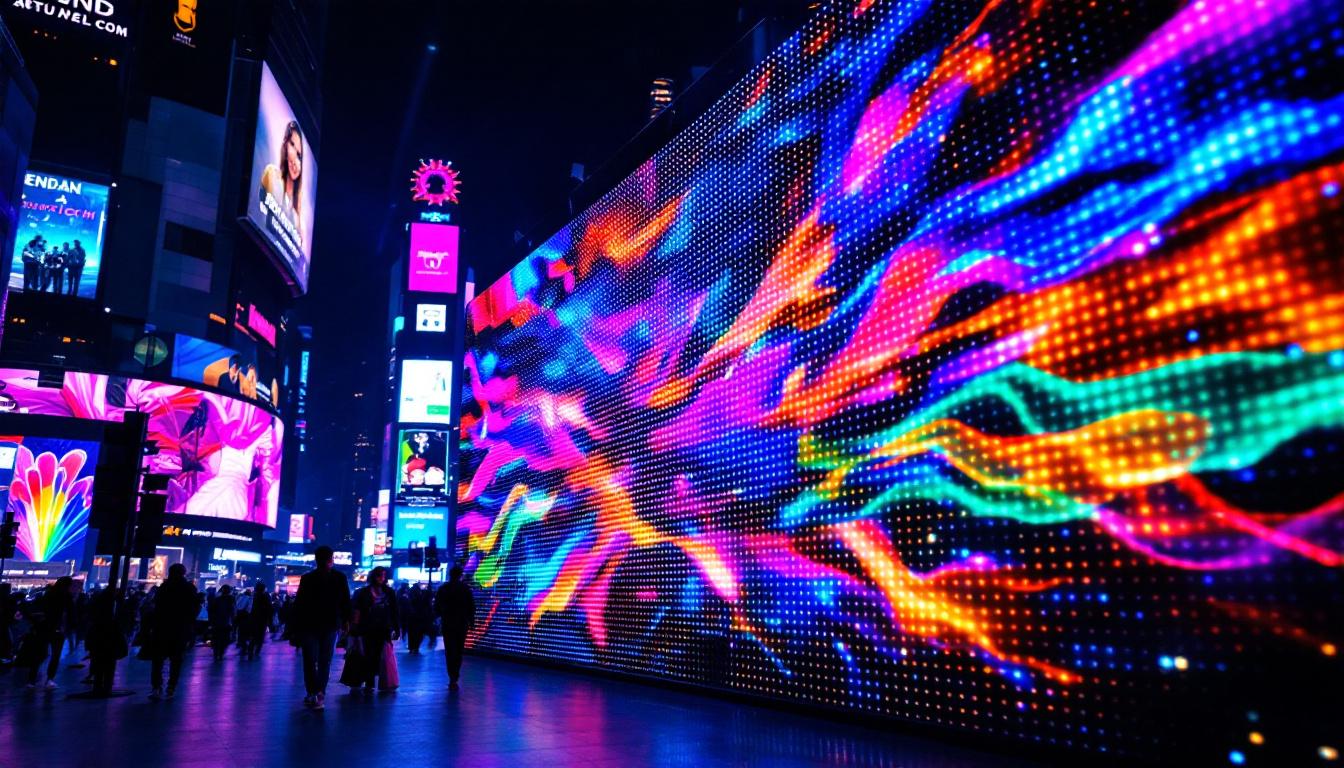
At the core of an exterior LED display is an array of tiny LEDs arranged in a grid pattern. Each LED acts as a pixel, emitting red, green, or blue light. By adjusting the intensity of these colors, the display can render a full spectrum of colors and intricate images. The resolution of the display depends on the pixel pitch—the distance between the centers of adjacent LEDs. A smaller pixel pitch means higher resolution and sharper images, but it also increases cost and power consumption. This balance between quality and affordability is a critical consideration for businesses looking to invest in outdoor advertising.
To ensure visibility in bright outdoor environments, exterior LED displays use high-brightness LEDs, often exceeding 5,000 nits (a unit measuring luminance). This brightness level is essential for readability during daylight hours. Additionally, advanced control systems manage color calibration, brightness adjustment, and content scheduling, allowing operators to optimize the display for different times of day and weather conditions. These systems can also incorporate sensors that automatically adjust brightness based on ambient light, ensuring that the content remains vibrant without being overwhelming. Furthermore, the ability to remotely update content in real-time allows businesses to respond quickly to changing marketing strategies or urgent announcements, making exterior LED displays a dynamic tool for communication and engagement.
Key Benefits of Exterior LED Displays
Unmatched Visibility and Impact
One of the primary advantages of exterior LED displays is their ability to capture attention with dynamic, eye-catching visuals. Studies show that digital signage can increase brand recall by up to 47% compared to static signs. The combination of motion, vibrant colors, and brightness makes LED displays highly effective for advertising, public announcements, and event promotions.
Moreover, LED displays offer 24/7 operation with consistent visibility regardless of ambient lighting. This continuous engagement opportunity is invaluable for businesses looking to maximize exposure and for municipalities aiming to keep citizens informed around the clock.
Flexibility and Customization
Unlike static billboards, LED displays allow for real-time content updates. This flexibility enables businesses to tailor messages based on time of day, target audience, or special events. For example, a retail store can promote morning sales, lunchtime specials, and evening events all on the same screen, switching content seamlessly.
Customization extends beyond content. Exterior LED displays can be designed to fit unique architectural features, including curved surfaces or irregular shapes. This adaptability not only enhances aesthetic appeal but also integrates the display as a cohesive element of the building or environment.
Durability and Energy Efficiency
Modern exterior LED displays are engineered to withstand harsh outdoor conditions. They feature protective enclosures with waterproof and dustproof ratings (typically IP65 or higher), corrosion-resistant materials, and temperature control systems such as fans or heaters. These features ensure longevity and reduce maintenance costs.
Energy efficiency is another critical benefit. Advances in LED technology have significantly lowered power consumption compared to older lighting methods. Many displays incorporate sensors that adjust brightness based on ambient light, further conserving energy without compromising visibility.
Technological Components and Innovations
LED Modules and Pixel Pitch
The building blocks of an exterior LED display are the LED modules, which house the individual LEDs and associated electronics. These modules are assembled into panels that form the complete screen. The pixel pitch, measured in millimeters, dictates the density of LEDs and directly impacts image clarity.
For outdoor applications where viewers are typically farther away, pixel pitches range from 6mm to 20mm or more. A 10mm pixel pitch, for example, is common for roadside billboards, balancing cost and resolution. For closer viewing distances, such as storefronts or pedestrian areas, smaller pixel pitches provide sharper images.
Control Systems and Software
Content management is facilitated by sophisticated control systems that handle data transmission, synchronization, and display calibration. These systems allow operators to schedule content, adjust brightness, and monitor performance remotely. Integration with network infrastructure enables real-time updates and interactive capabilities.
Emerging software solutions incorporate AI and data analytics to optimize content delivery based on audience demographics, weather conditions, or traffic patterns. For instance, a display might automatically switch to weather alerts during storms or highlight promotions during peak shopping hours.
Power and Connectivity
Reliable power supply and connectivity are vital for uninterrupted operation. Exterior LED displays often use redundant power sources and backup batteries to prevent downtime. Connectivity options include wired Ethernet, fiber optics, and increasingly, wireless technologies such as 5G, which facilitate faster data transfer and remote management.
Applications of Exterior LED Displays
Advertising and Brand Promotion
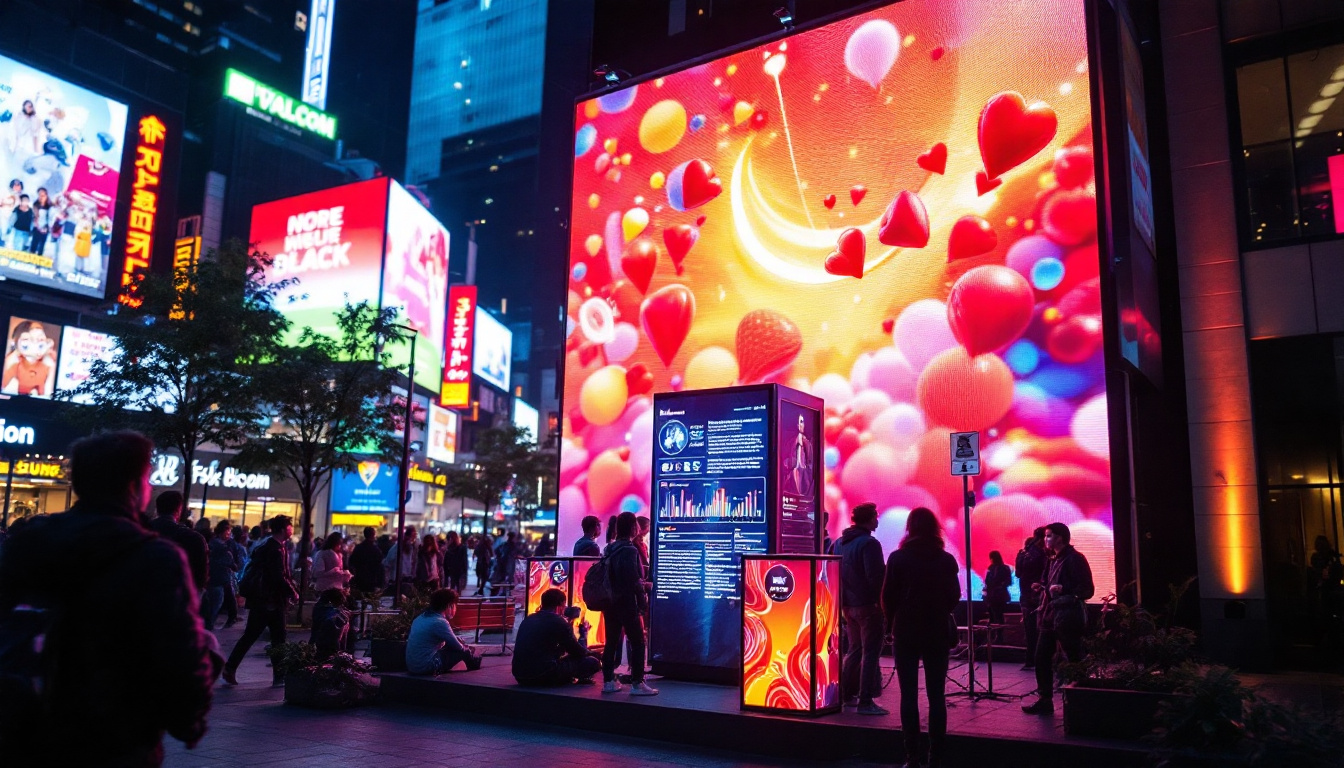
Outdoor advertising is one of the most widespread uses of exterior LED displays. Brands leverage these displays to create high-impact campaigns that engage consumers in public spaces. According to the Outdoor Advertising Association of America, digital out-of-home advertising spending reached over $4 billion in recent years, reflecting the growing demand for dynamic signage.
LED displays enable advertisers to rotate multiple ads, incorporate animations, and respond quickly to market trends. This agility enhances campaign effectiveness and provides measurable ROI through data-driven insights.
Public Information and Safety
Municipalities and transportation authorities use exterior LED displays to disseminate critical information such as traffic updates, weather warnings, and emergency alerts. These displays improve public safety by delivering timely messages that can adapt to evolving situations.
For example, during natural disasters or public health emergencies, LED displays can broadcast evacuation routes, shelter locations, or health advisories. Their high visibility ensures that messages reach a broad audience effectively.
Event and Entertainment Venues
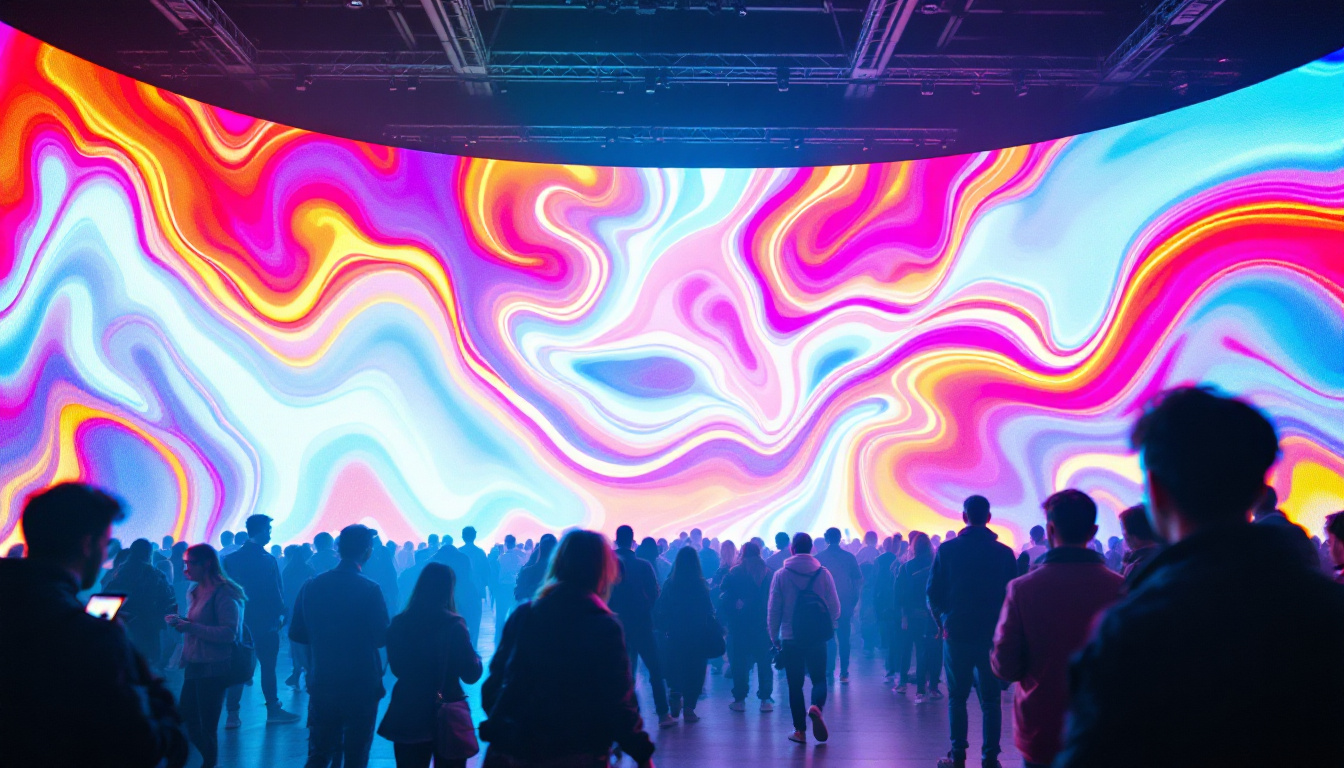
Stadiums, concert halls, and outdoor event spaces incorporate LED displays to enhance the spectator experience. Large screens provide live video feeds, replays, and interactive content that engage audiences and create immersive environments.
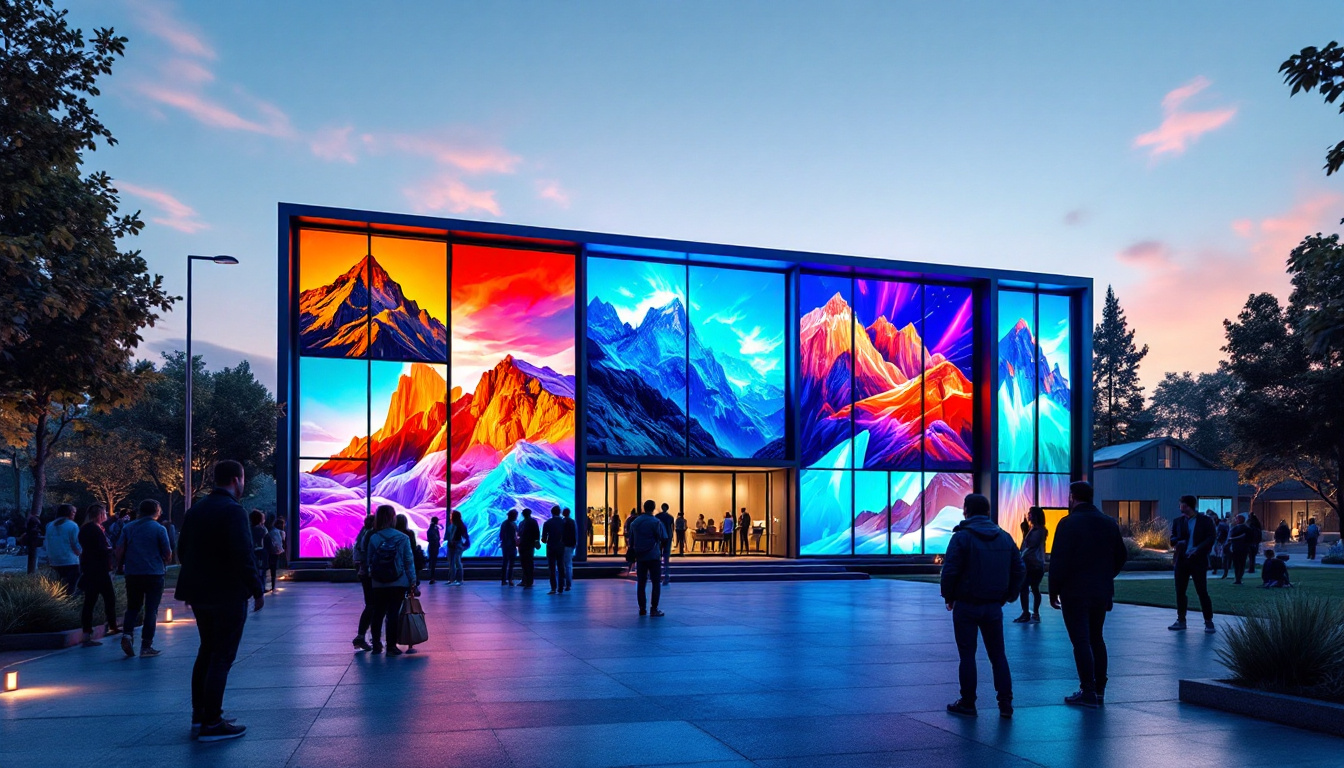
Custom LED installations also serve as architectural highlights, transforming venues into iconic landmarks. For instance, the use of curved or irregularly shaped LED displays can complement modern building designs while serving functional purposes.
Considerations When Choosing an Exterior LED Display
Assessing Environmental Conditions
One of the first steps in selecting an exterior LED display is understanding the environmental conditions it will face. Factors such as exposure to sunlight, precipitation, wind loads, and temperature extremes influence the choice of materials, brightness levels, and protective features.
For coastal locations, corrosion resistance is critical due to salt air. In colder climates, heating elements may be necessary to prevent frost buildup. Proper site analysis ensures the display’s durability and performance over time.
Determining Viewing Distance and Angle
The intended audience’s viewing distance and angle impact the optimal pixel pitch and screen size. Displays meant to be seen from highways or large plazas require larger pixel pitches and higher brightness, while those in pedestrian zones benefit from finer resolution and wider viewing angles.
Understanding traffic flow and sightlines helps maximize the display’s effectiveness and avoid visual obstructions.
Budget and Maintenance
While exterior LED displays offer significant advantages, they represent a substantial investment. Costs vary based on size, resolution, and additional features such as interactive capabilities or custom shapes. It is essential to balance initial expenditure with long-term benefits and maintenance expenses.
Regular maintenance, including cleaning, software updates, and hardware inspections, prolongs the display’s lifespan. Partnering with experienced providers who offer comprehensive support can reduce downtime and optimize performance.
Future Trends in Exterior LED Displays
Advancements in MicroLED Technology
MicroLEDs, which are smaller and more energy-efficient than traditional LEDs, are poised to revolutionize exterior displays. They offer higher brightness, better color accuracy, and longer lifespans. As production costs decrease, microLED displays will become more accessible for outdoor applications, enabling even more vivid and durable installations.
Integration with Smart City Infrastructure
Exterior LED displays are increasingly integrated into smart city ecosystems. Connected to sensors and data platforms, these displays can provide real-time information tailored to specific locations and audiences. For example, a display near a bus stop might show arrival times, weather updates, and local news, enhancing urban mobility and citizen engagement.
Interactive and Immersive Experiences
Future exterior LED solutions will incorporate interactive technologies such as touch sensitivity, augmented reality (AR), and gesture recognition. These innovations will transform passive displays into engaging platforms for marketing, education, and entertainment, fostering deeper connections between brands and audiences.
Conclusion
Exterior LED displays represent a dynamic and versatile solution for outdoor communication challenges. Their ability to deliver bright, customizable, and durable visual content makes them invaluable across industries—from advertising and public safety to entertainment and urban development. By understanding the technology, benefits, and application considerations, organizations can harness the full potential of exterior LED displays to captivate audiences and convey messages effectively in any environment.
As technology continues to evolve, these displays will become even more integrated, intelligent, and immersive, shaping the future of outdoor digital communication.
Illuminate Your Message with LumenMatrix
Ready to elevate your outdoor communication with vibrant, energy-efficient, and customizable LED displays? Discover how LumenMatrix’s innovative solutions can transform your space and captivate your audience. From bustling city centers to thrilling sports arenas, our extensive range of products, including Indoor and Outdoor LED Wall Displays, Vehicle LED Displays, and more, are designed to meet your unique needs and exceed expectations. Check out LumenMatrix LED Display Solutions today and join the revolution in visual communication.