In the rapidly evolving world of digital technology, LED displays have become a cornerstone of modern visual communication. From the vibrant billboards that light up cityscapes to the high-definition screens on smartphones and televisions, LED technology plays a pivotal role in delivering crisp, bright, and energy-efficient images. This article delves deep into the intricacies of LED displays, exploring their technology, applications, advantages, and future trends.
Understanding LED Display Technology
At its core, an LED display is a flat panel display that uses light-emitting diodes (LEDs) as pixels to create images. Unlike traditional LCD screens that rely on backlighting, LED displays use individual LEDs to emit light, which results in superior brightness and contrast. This technology has revolutionized the way we experience visual media, providing vibrant colors and sharp images that enhance everything from advertising to entertainment.
How LEDs Work
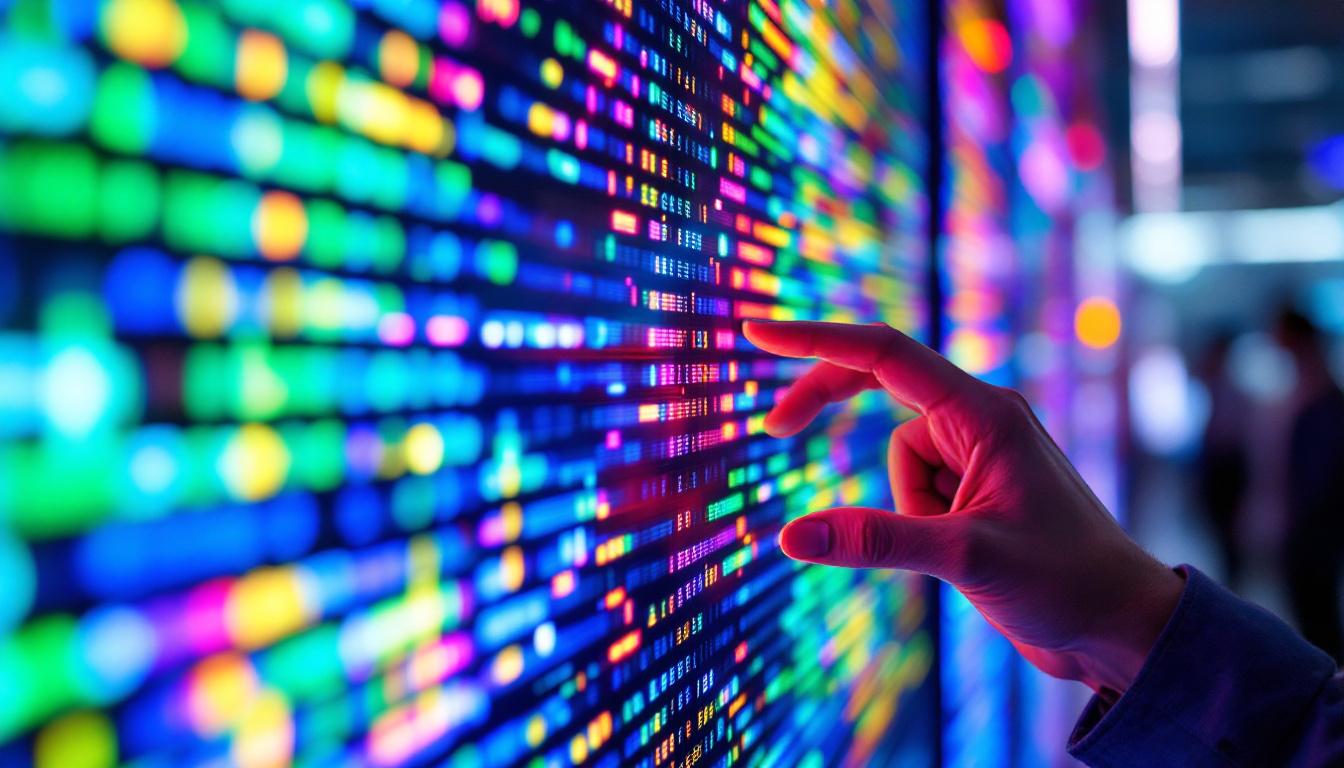
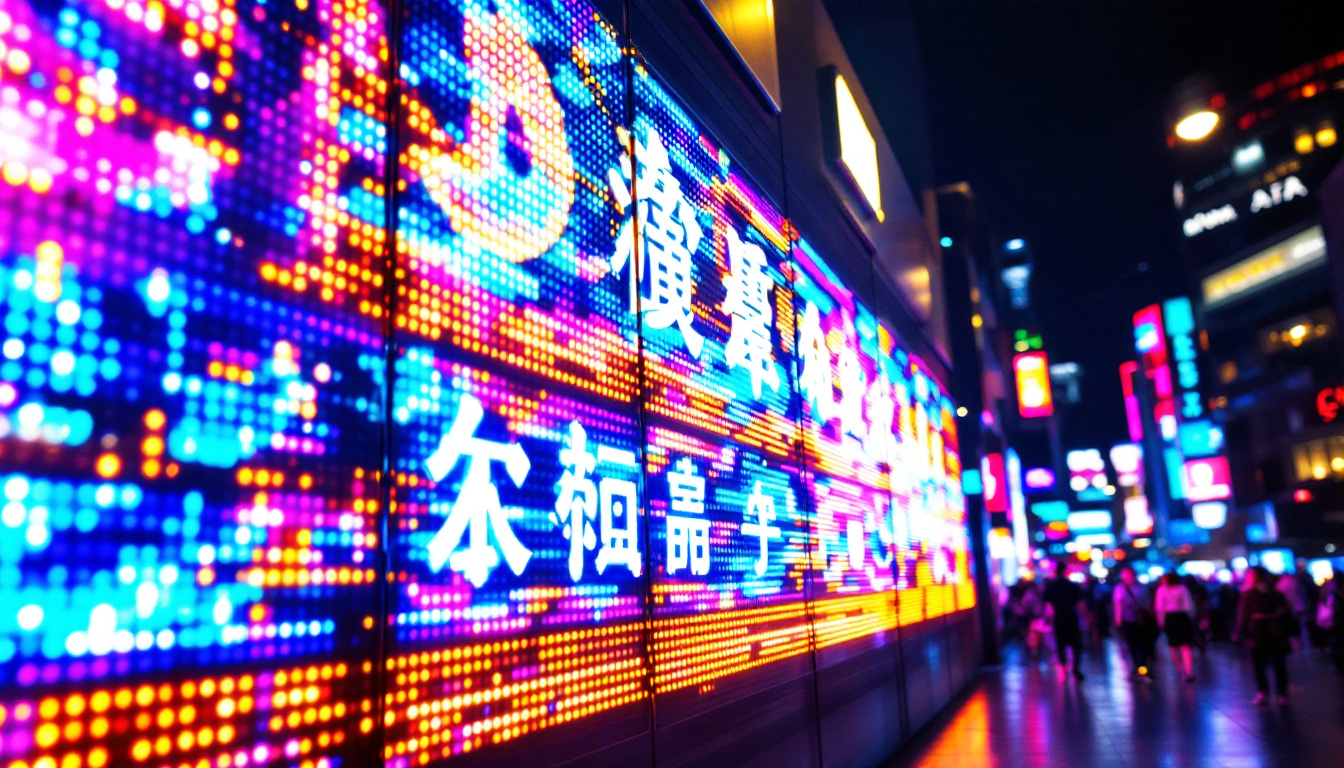
LEDs are semiconductor devices that emit light when an electric current passes through them. The color of the light depends on the semiconductor material used. In LED displays, millions of tiny LEDs are arranged in a matrix to form images. Each LED acts as a single pixel or part of a pixel, and by controlling the intensity and color of each LED, the display can produce a full spectrum of colors and detailed images. This capability allows for dynamic content that can change in real-time, making LED displays particularly effective for live events and interactive installations.
Types of LED Displays
There are primarily two categories of LED displays: direct view LED displays and LED-backlit LCD displays.
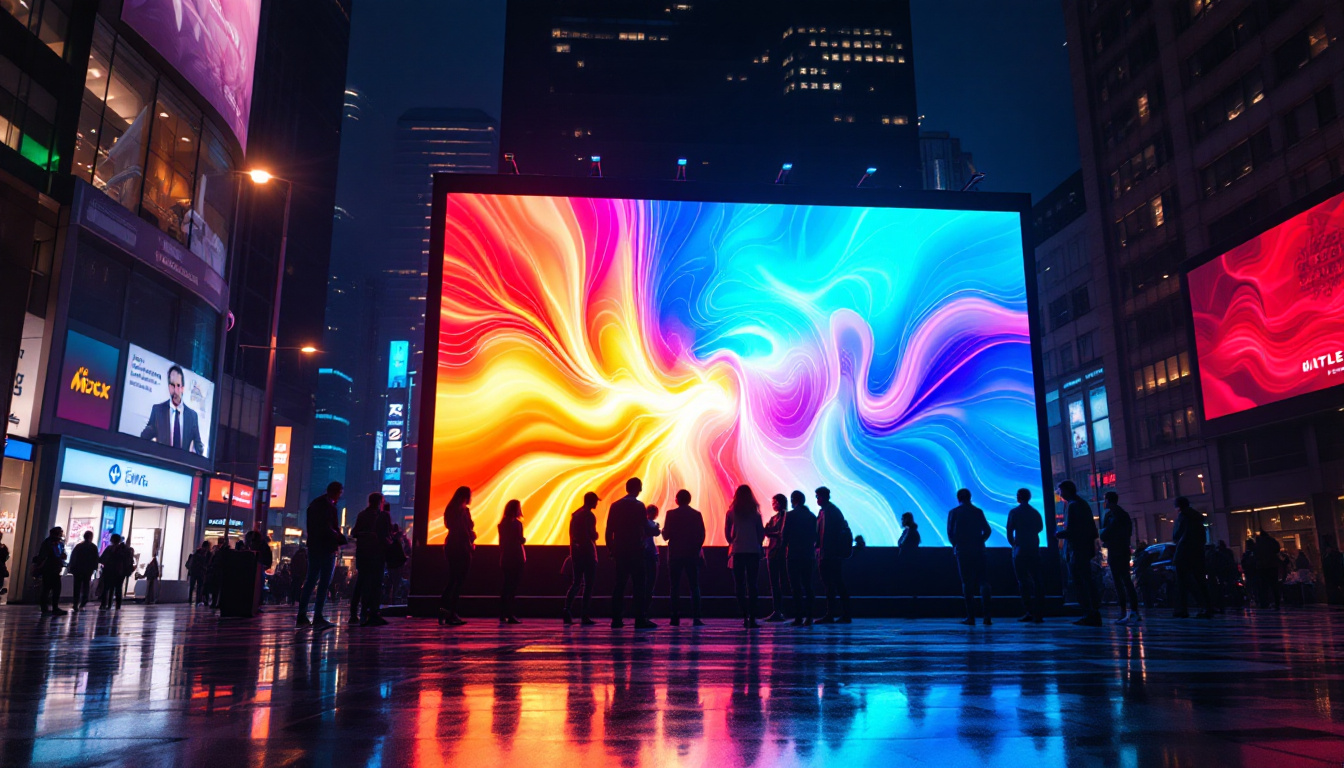
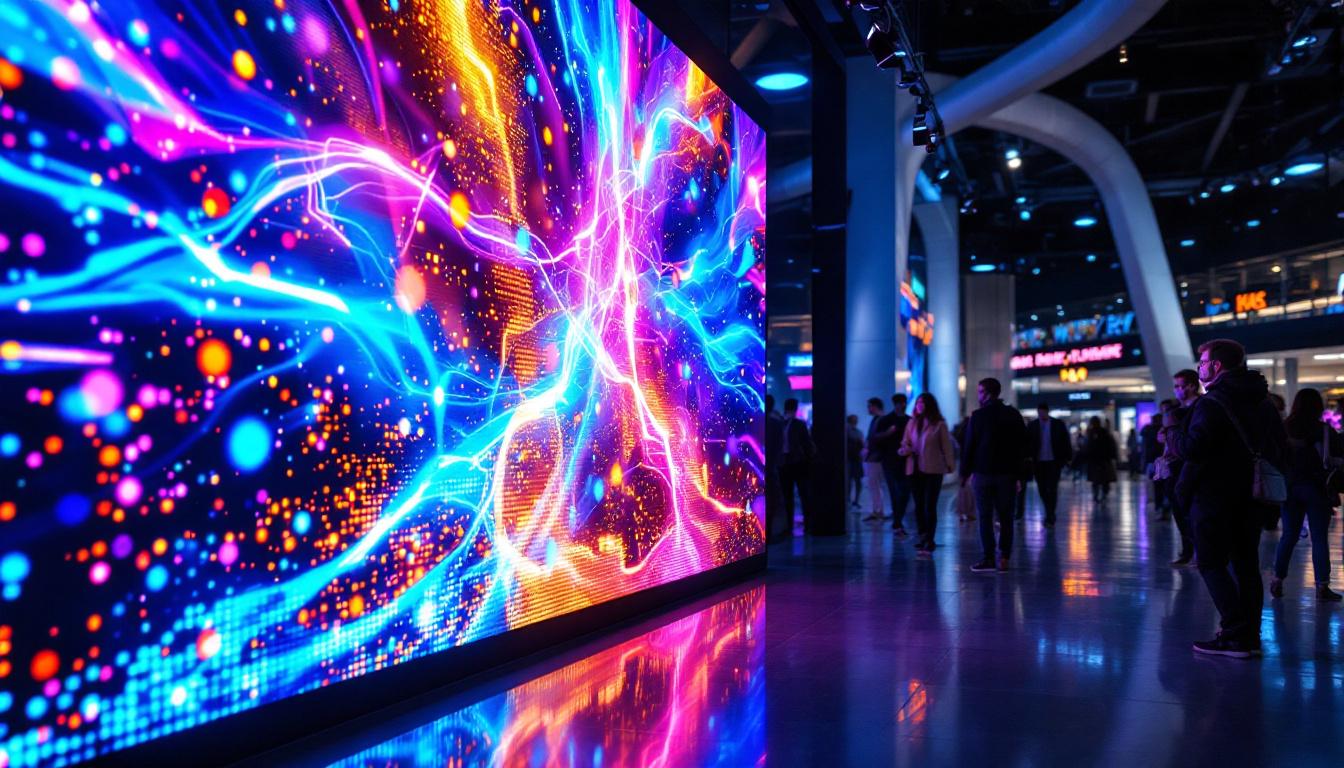
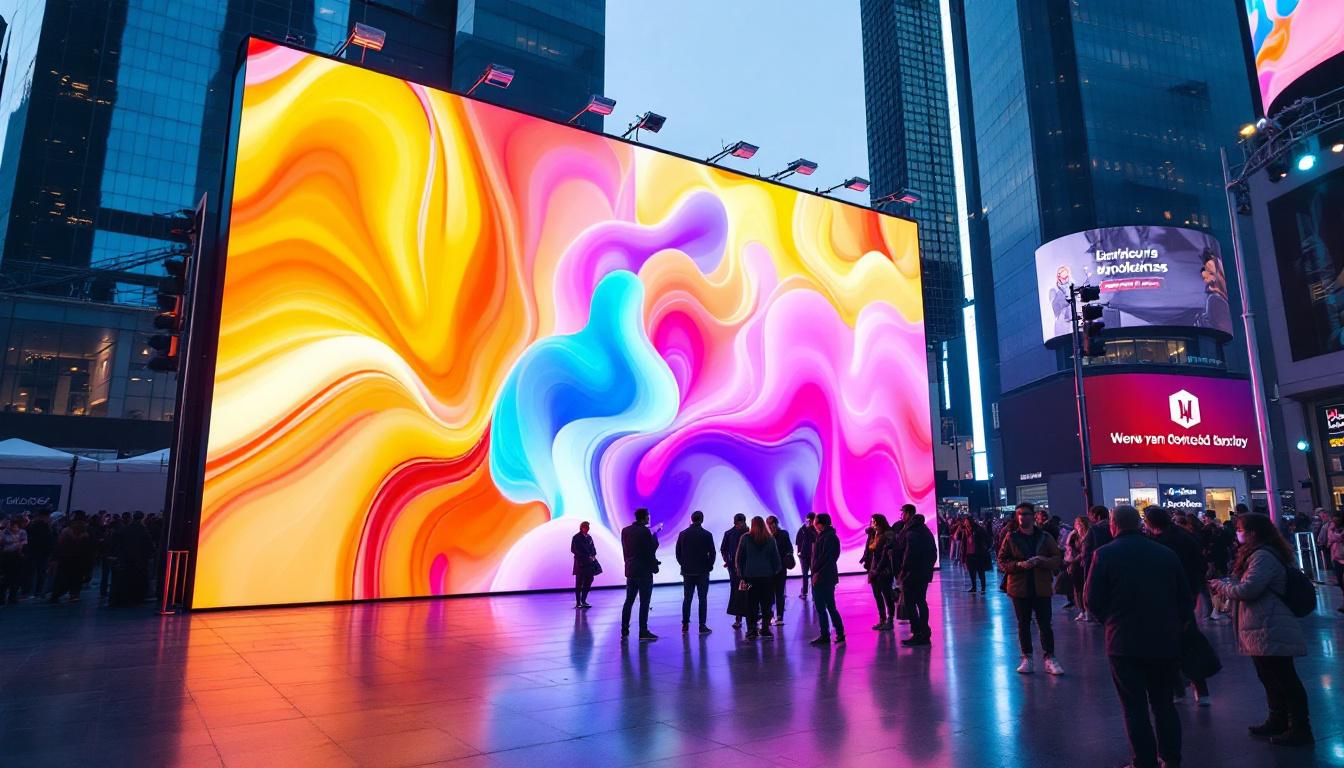
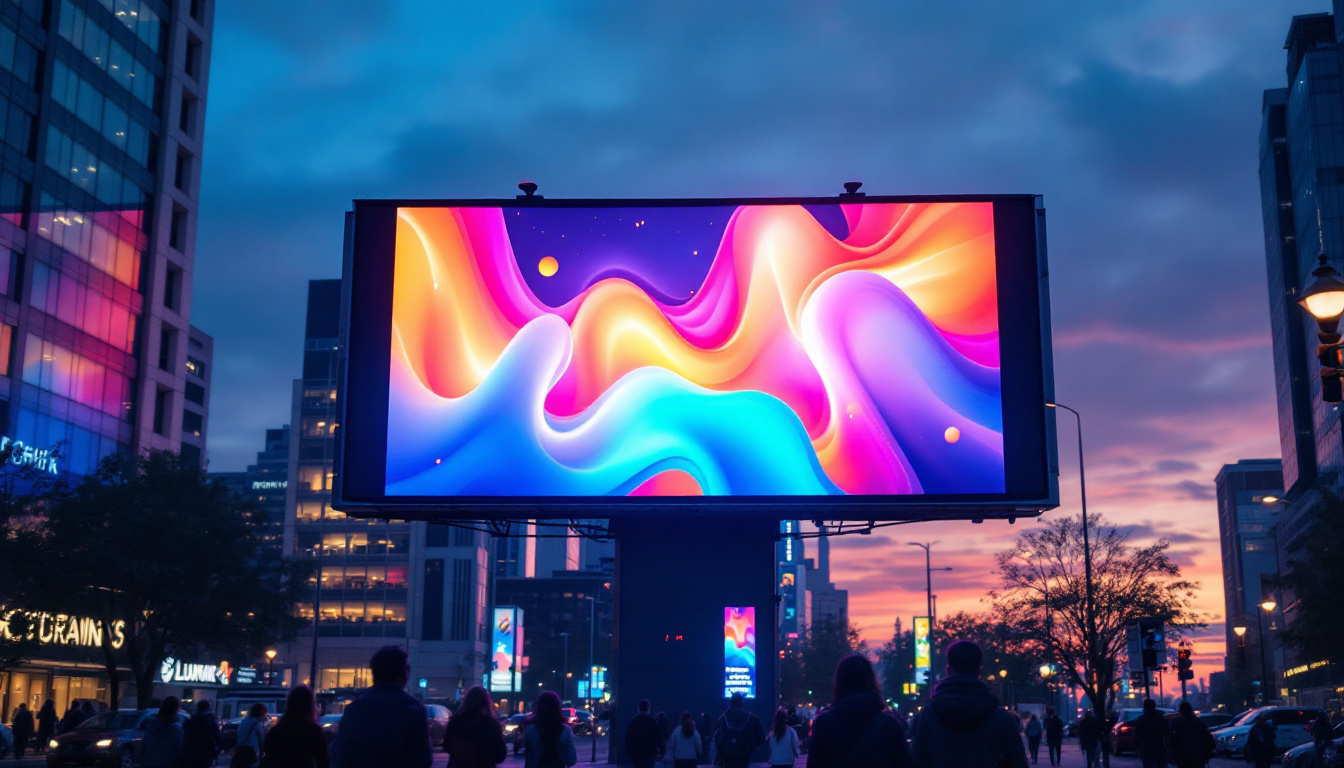
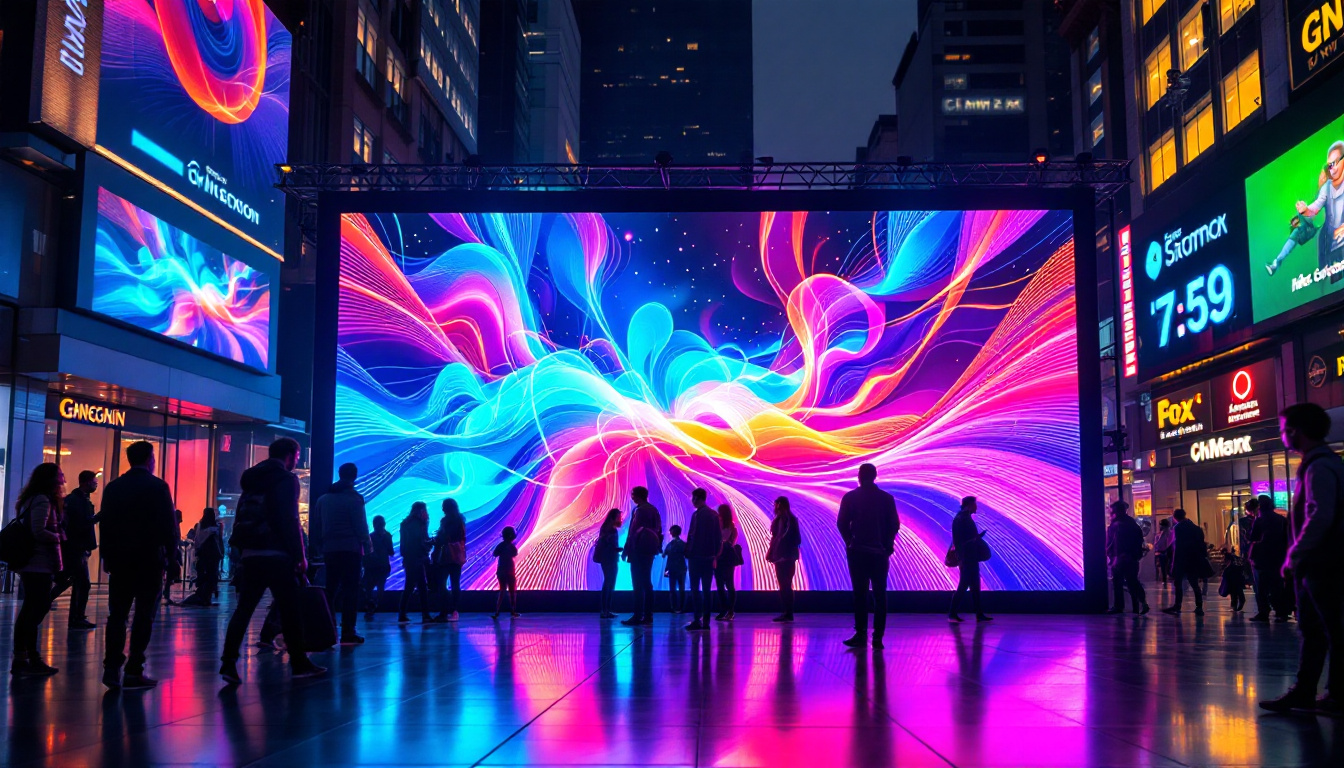
Direct View LED Displays: These displays consist of LEDs that are directly visible to the viewer. They are commonly used in large outdoor screens, stadium displays, and digital billboards. Their high brightness and durability make them ideal for environments with varying lighting conditions. Additionally, direct view LED displays can be configured in various shapes and sizes, allowing for creative installations that can capture audience attention from great distances. The modular nature of these displays also means they can be easily scaled up or down depending on the specific requirements of a project.
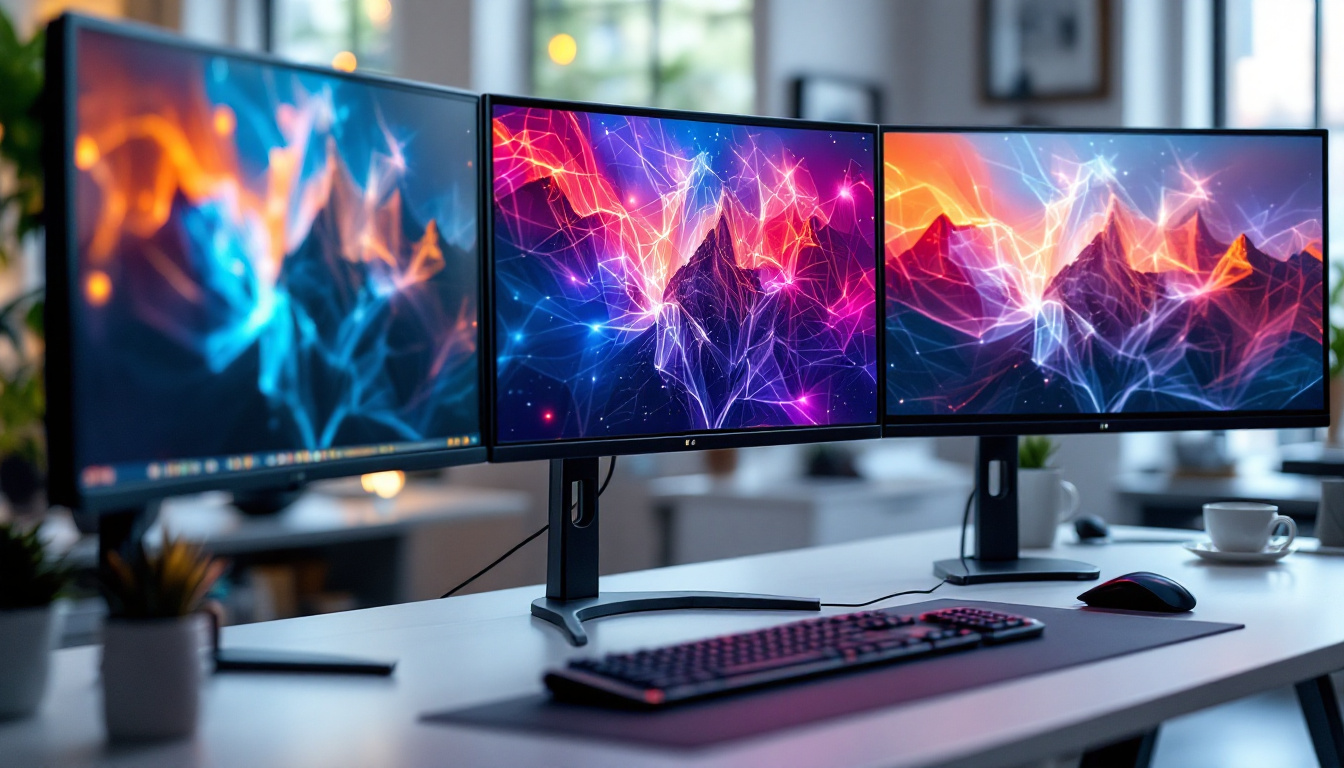
LED-backlit LCD Displays: These are LCD screens that use LEDs as a backlight source instead of traditional cold cathode fluorescent lamps (CCFLs). This technology is prevalent in televisions, computer monitors, and smartphones, offering improved energy efficiency and better color accuracy. The use of LED backlighting allows for thinner designs and lighter devices, making them more portable and user-friendly. Furthermore, advancements in local dimming technology have enabled these displays to achieve deeper blacks and enhanced contrast ratios, elevating the viewing experience for movies and gaming. As manufacturers continue to innovate, we can expect to see even more sophisticated features, such as HDR (High Dynamic Range) capabilities, which further enhance the visual quality by providing a wider range of colors and brightness levels.
Applications of LED Displays
LED displays have permeated various sectors, revolutionizing the way information and entertainment are presented. Their versatility and performance have made them a preferred choice across multiple industries.
Advertising and Public Information
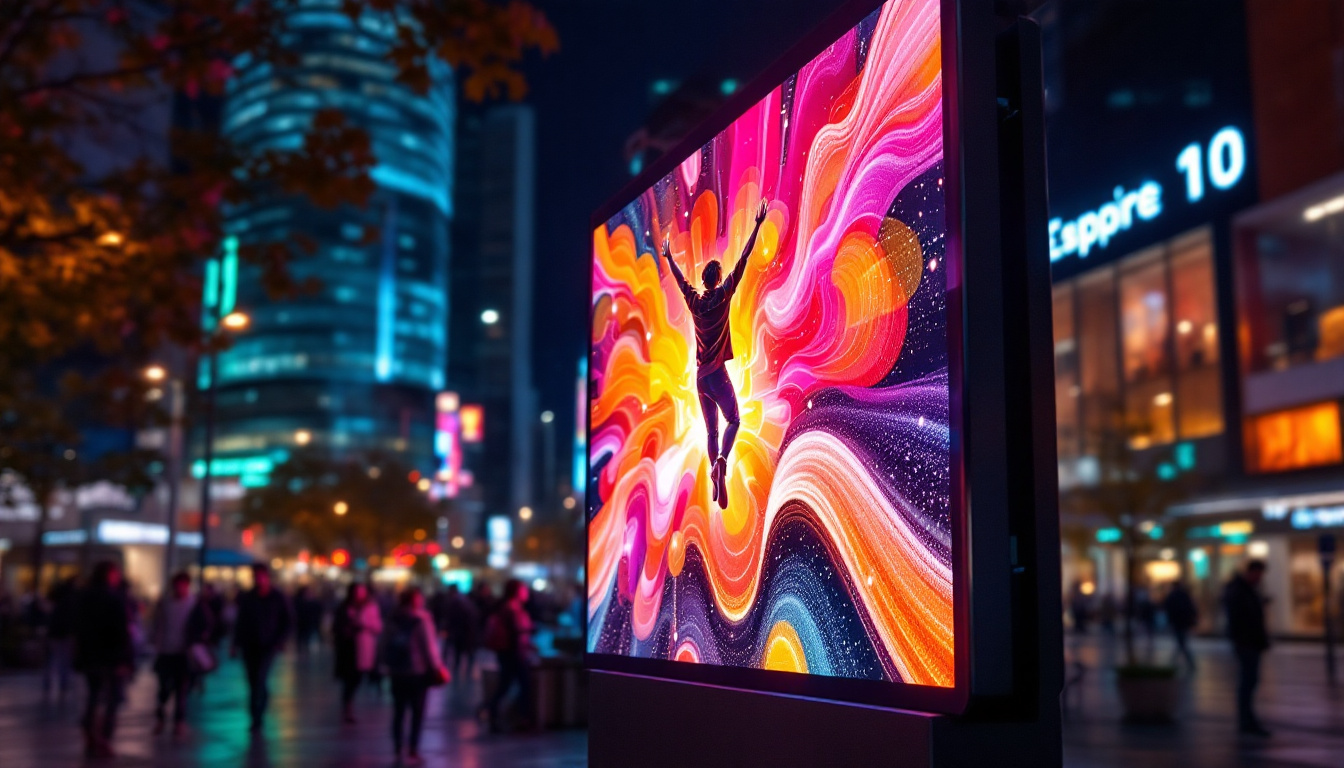
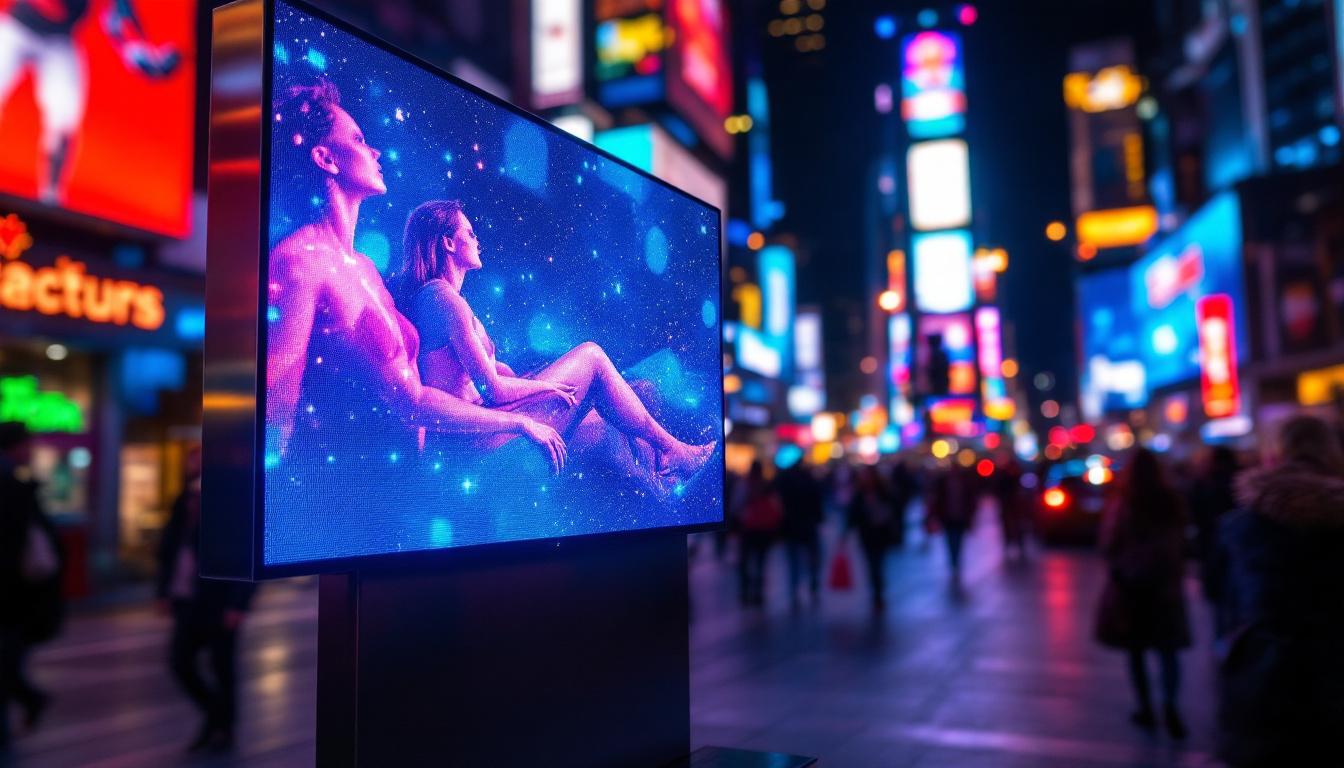
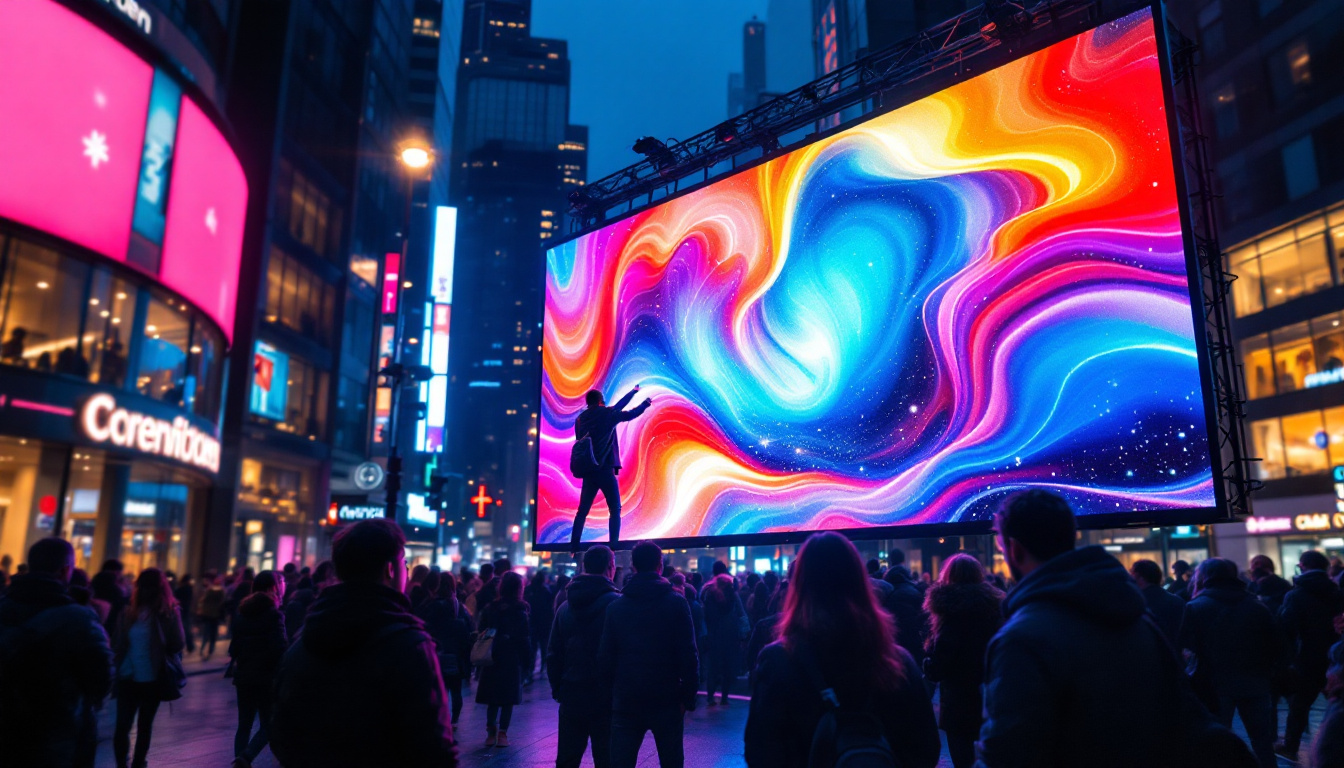
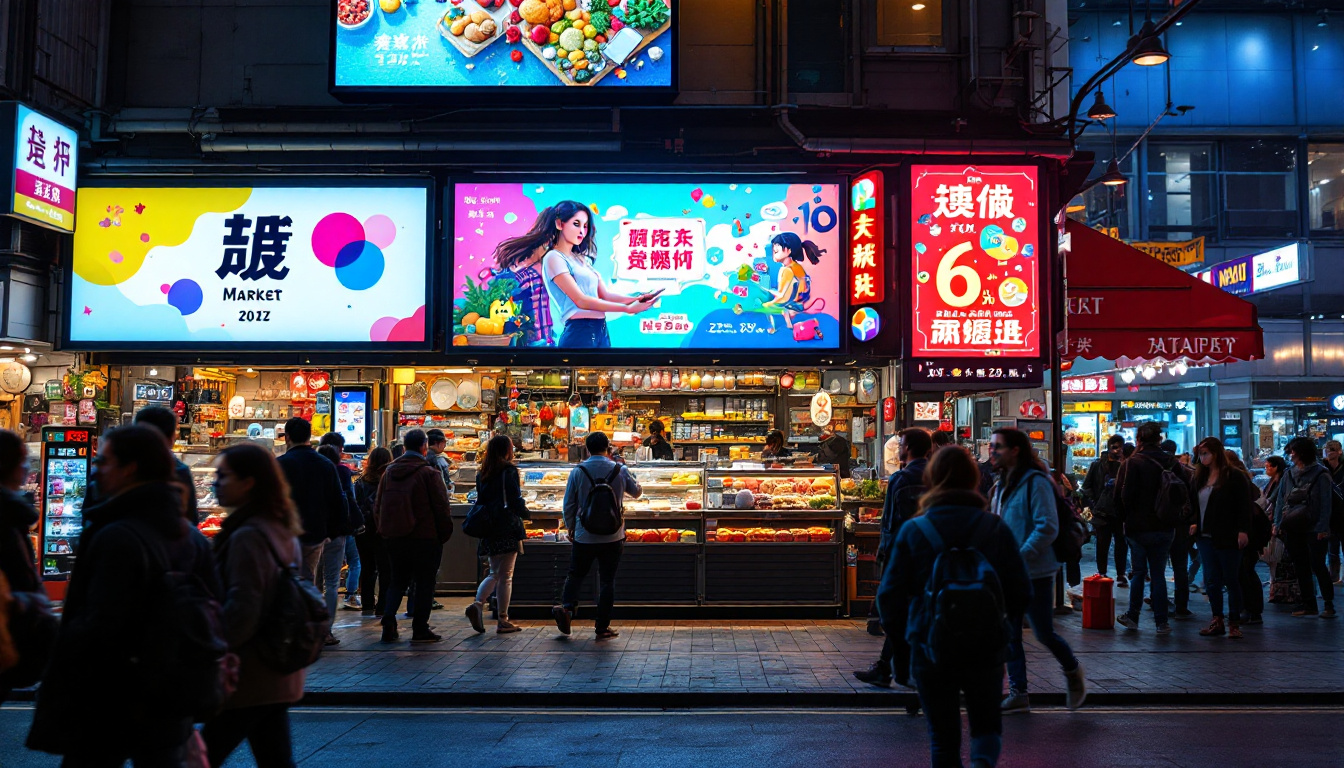
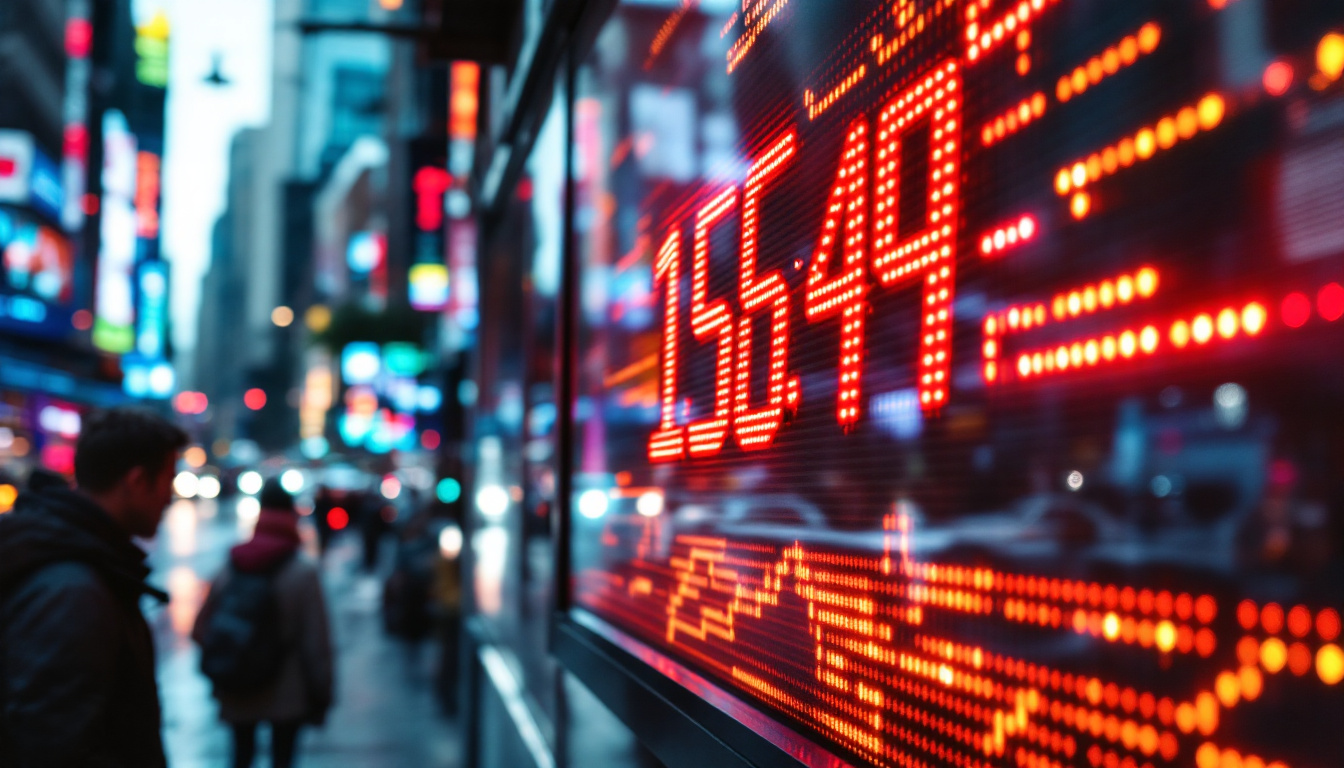
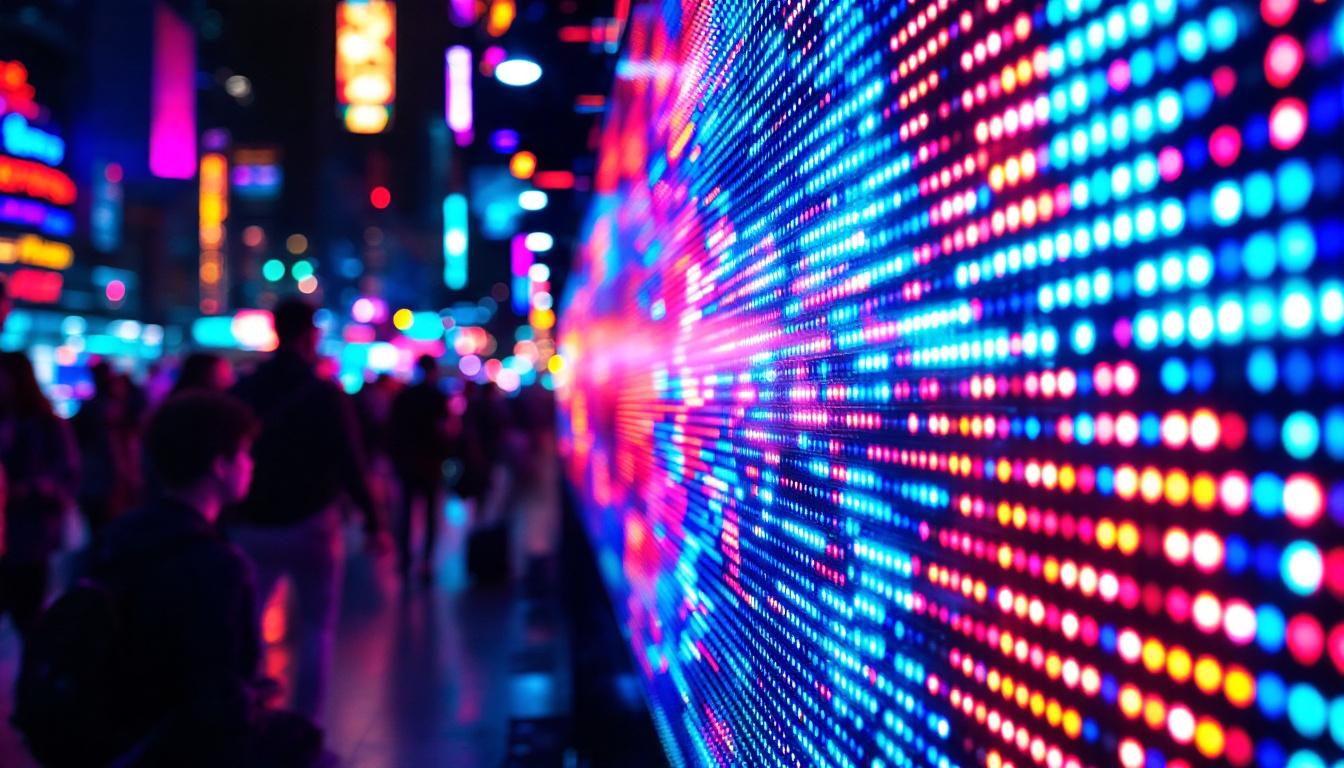
One of the most visible uses of LED displays is in outdoor advertising. Digital billboards equipped with high-resolution LED panels can display dynamic content that captures attention more effectively than static signs. Cities worldwide use LED displays for public information, such as traffic updates, emergency alerts, and event announcements, leveraging their brightness and visibility even under direct sunlight. Moreover, the ability to change content in real-time allows advertisers to tailor messages based on time of day, weather conditions, or local events, creating a more personalized experience for viewers. This adaptability not only maximizes the impact of advertising campaigns but also enhances public safety by providing timely information to pedestrians and drivers alike.
Consumer Electronics
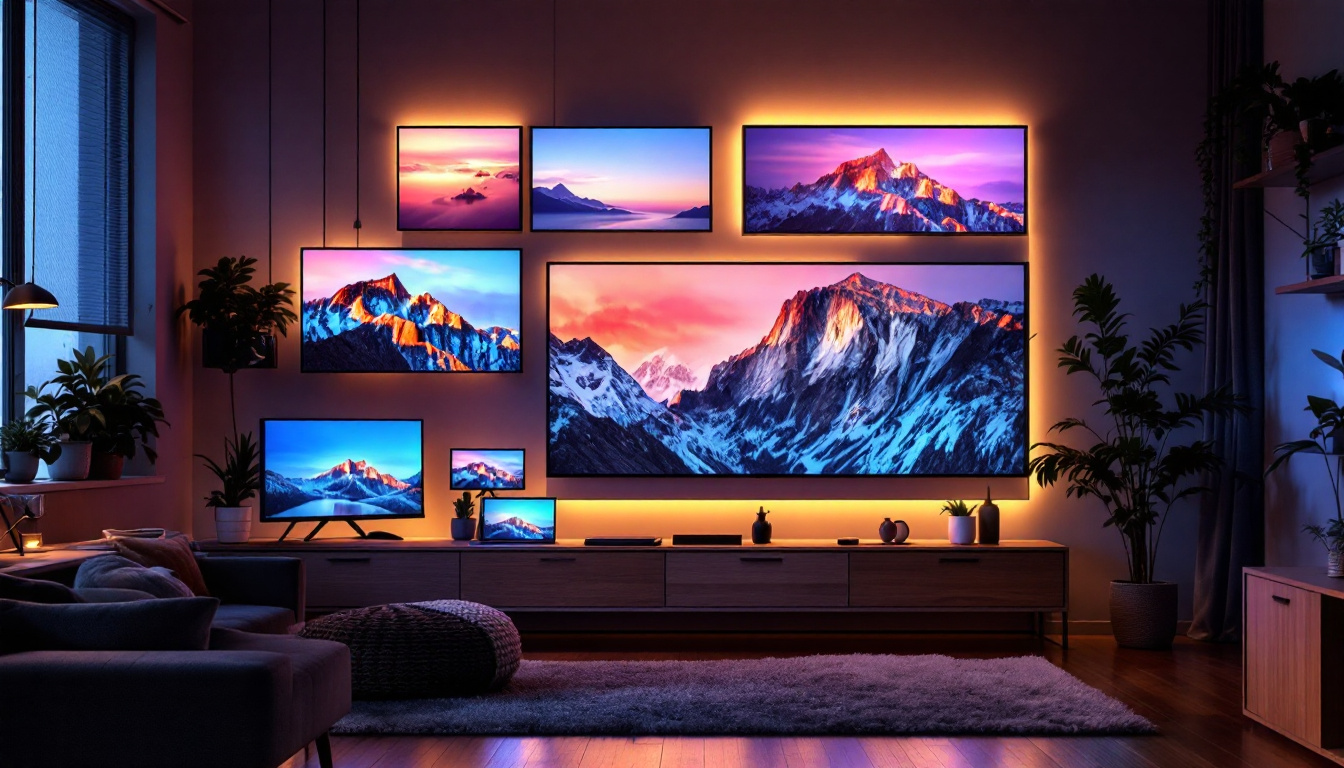
In consumer electronics, LED technology is integral to the screens of smartphones, tablets, laptops, and televisions. The shift from LCD to OLED (Organic LED) displays in high-end devices has further enhanced image quality, offering deeper blacks and more vibrant colors. This advancement has significantly improved the user experience in gaming, video streaming, and virtual reality applications. Additionally, the energy efficiency of LED displays contributes to longer battery life in portable devices, making them more appealing to consumers. As manufacturers continue to innovate, we are witnessing the emergence of flexible and transparent LED screens, which promise to open up new possibilities in product design and functionality, allowing for devices that can seamlessly integrate into our daily lives.
Sports and Entertainment Venues
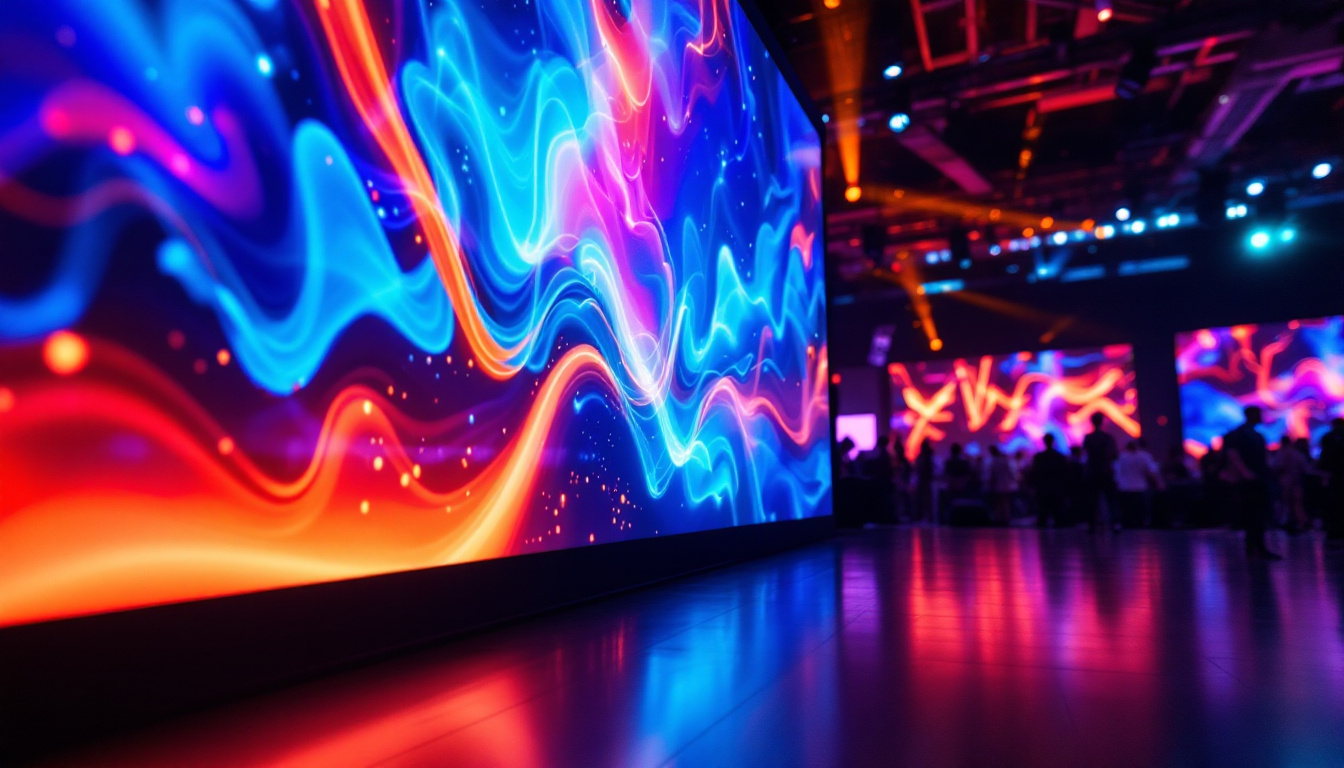
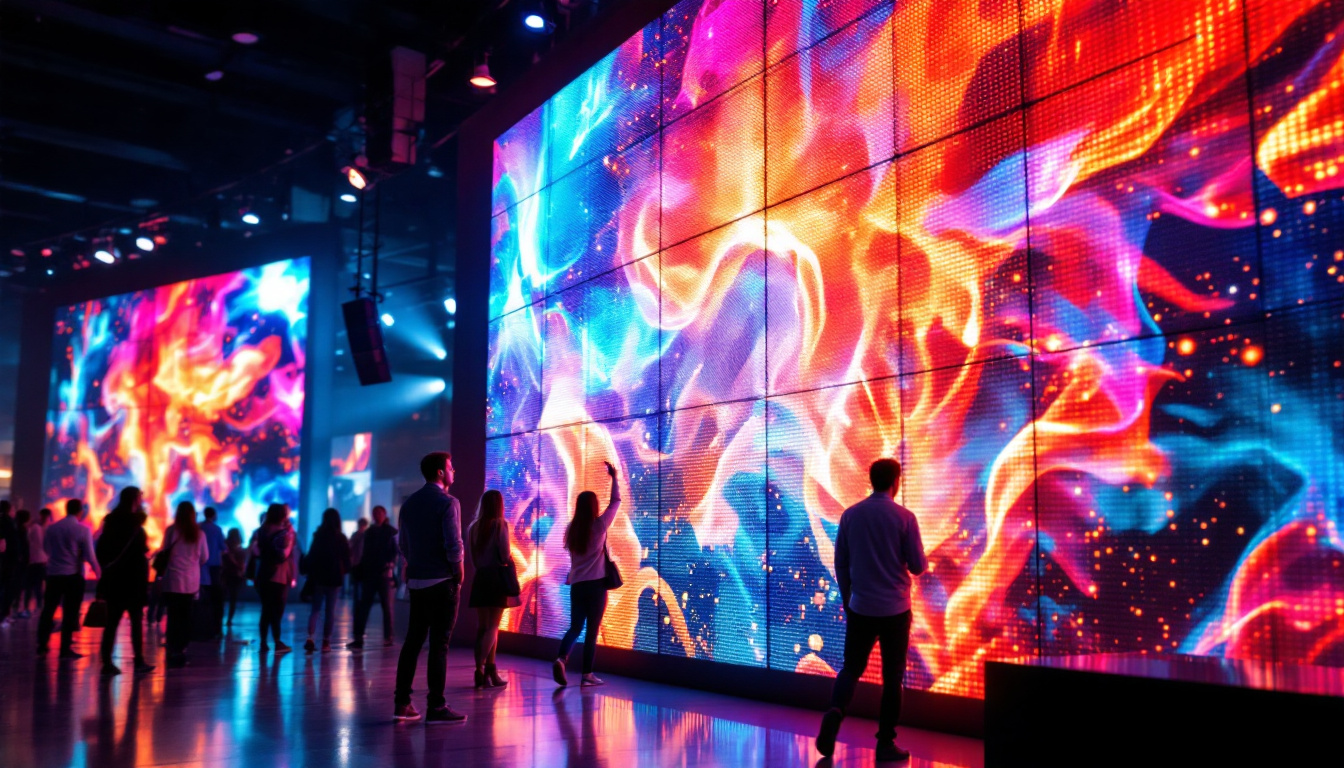
Stadiums and concert venues utilize massive LED screens to provide spectators with live action replays, scores, and interactive content. The scalability of LED displays allows for the creation of immersive environments that enhance audience engagement. Additionally, LED walls are increasingly used in film and television production as dynamic backdrops, replacing traditional green screens and enabling real-time visual effects. These advancements not only elevate the overall production quality but also allow for more creative storytelling techniques, as filmmakers can manipulate backgrounds and settings on the fly. Furthermore, the integration of LED technology in sports arenas has led to the development of augmented reality experiences, where fans can interact with digital content through their smartphones, adding a new layer of excitement to live events.
Advantages of LED Displays Over Other Technologies
LED displays offer several benefits that have contributed to their widespread adoption. Understanding these advantages helps explain why LED technology continues to dominate the display market.
Superior Brightness and Contrast
LED displays can achieve brightness levels far exceeding those of traditional LCDs, making them easily viewable in bright environments. Their ability to turn individual pixels on and off results in exceptional contrast ratios, producing deep blacks and vivid colors that enhance image clarity.
Energy Efficiency
Compared to CCFL-backlit LCDs, LED displays consume significantly less power. This energy efficiency translates to lower operating costs and reduced environmental impact, which is especially important for large-scale installations such as digital billboards and video walls.
Longer Lifespan and Durability
LEDs have a longer operational lifespan than many other display technologies, often exceeding 50,000 hours of use. Their solid-state nature makes them more resistant to shock and vibration, which is crucial for outdoor and mobile applications.
Thin and Lightweight Design
The compact size of LEDs allows manufacturers to produce thinner and lighter displays. This design flexibility enables sleeker consumer devices and easier installation of large-format screens.
Technical Considerations When Choosing an LED Display
Selecting the right LED display requires careful evaluation of several technical factors to ensure optimal performance for the intended application.
Resolution and Pixel Pitch
Resolution refers to the number of pixels in a display, while pixel pitch is the distance between the centers of adjacent pixels. A smaller pixel pitch means higher resolution and sharper images, which is critical for close viewing distances. For example, indoor LED displays typically have a pixel pitch ranging from 1 to 4 millimeters, whereas outdoor displays may have pitches of 10 millimeters or more due to the greater viewing distance.
Brightness and Viewing Angle
Brightness is measured in nits (cd/m²) and determines how well the display performs under various lighting conditions. Outdoor LED displays often exceed 5,000 nits to combat sunlight glare. Viewing angle is equally important, ensuring the image remains clear and color-accurate when viewed from different positions.
Refresh Rate and Color Depth
The refresh rate, measured in hertz (Hz), indicates how many times per second the display updates its image. Higher refresh rates reduce flicker and motion blur, enhancing the viewing experience, especially for video content. Color depth defines the number of colors the display can reproduce, with 10-bit or higher panels offering smoother gradients and more lifelike images.
Durability and Environmental Resistance
For outdoor installations, LED displays must withstand harsh weather conditions, including rain, dust, and extreme temperatures. Look for displays with appropriate IP (Ingress Protection) ratings, such as IP65, which ensures protection against water jets and dust ingress.
Emerging Trends and the Future of LED Displays
The LED display industry continues to innovate, driven by advancements in materials science, manufacturing techniques, and user demands. Several trends are shaping the future landscape of LED technology.
MicroLED and MiniLED Technologies
MicroLED displays consist of microscopic LEDs that offer even higher resolution and brightness than traditional LEDs, with improved energy efficiency and longevity. MiniLED technology, which uses smaller LEDs for backlighting, enhances contrast and local dimming capabilities in LCDs. Both technologies are gaining traction in premium TVs, monitors, and mobile devices.
Flexible and Transparent LED Displays
Flexible LED panels enable curved, foldable, or rollable screens, expanding design possibilities for wearable devices, automotive displays, and architectural installations. Transparent LED displays allow images to be projected onto glass surfaces without obstructing views, creating innovative advertising and retail experiences.
Integration with Smart Technologies
LED displays are increasingly integrated with IoT (Internet of Things) and AI (Artificial Intelligence) systems to enable dynamic content management, real-time analytics, and personalized advertising. Smart LED signage can adapt content based on audience demographics, weather conditions, or time of day, maximizing engagement and effectiveness.
Conclusion
LED display technology has revolutionized how visual content is presented across various industries, offering unparalleled brightness, efficiency, and versatility. As innovations like MicroLED and flexible displays continue to mature, the potential applications and capabilities of LED screens will only expand. Whether for advertising, entertainment, or personal devices, understanding the fundamentals and technical nuances of LED displays empowers consumers and businesses to make informed decisions and harness the full power of this transformative technology.
Discover LumenMatrix’s Innovative LED Display Solutions
Ready to elevate your visual communication with cutting-edge technology? Look no further than LumenMatrix, a leader in LED display innovation. From captivating Indoor and Outdoor LED Wall Displays to dynamic Vehicle and Sports LED Displays, LumenMatrix offers a comprehensive range of solutions tailored to your needs. Experience the future of digital signage with our Custom, All-in-One, and Transparent LED Displays, designed to engage and captivate your audience. Don’t miss the opportunity to transform your brand’s visibility. Check out LumenMatrix LED Display Solutions today and step into a world of unparalleled brightness, efficiency, and versatility.