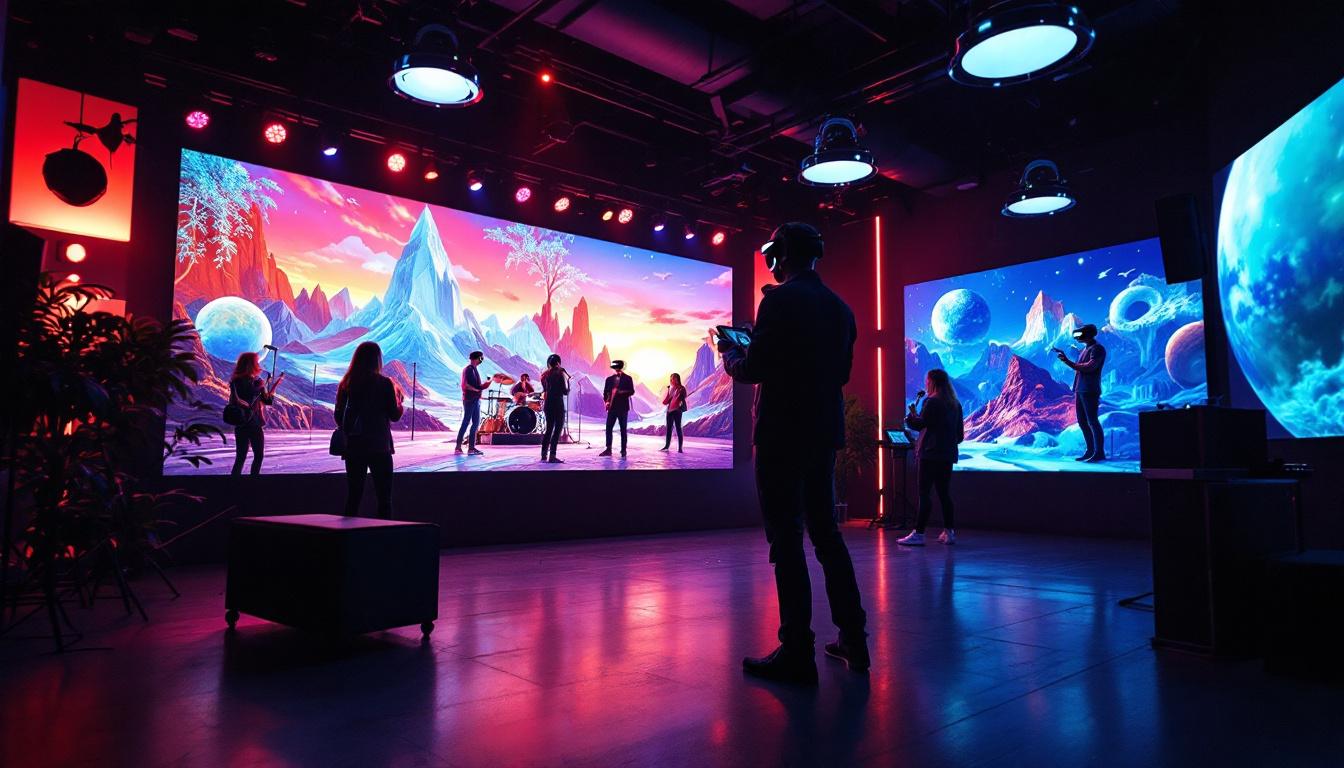
In recent years, the entertainment and media industries have witnessed a transformative shift in how visual content is created and produced. XR virtual production, particularly through the use of LED display technology, has emerged as a game-changer, enabling filmmakers, broadcasters, and content creators to blend real and virtual environments seamlessly. This article delves into the intricacies of XR virtual production using LED displays, explaining the technology, its applications, and why it is revolutionizing the creative process.
Understanding XR Virtual Production
Extended Reality (XR) is an umbrella term that encompasses Virtual Reality (VR), Augmented Reality (AR), and Mixed Reality (MR). XR virtual production leverages these technologies to create immersive environments where physical and digital elements coexist in real time. Unlike traditional green screen techniques, XR virtual production uses LED walls or volumes to display digital backgrounds and interactive environments directly on set.
This approach allows actors and crew to interact with the virtual environment naturally, improving performance authenticity and production efficiency. The real-time rendering of backgrounds on LED displays also means lighting and reflections on actors and objects match the virtual scene, creating a more cohesive and believable image.
The Evolution from Green Screens to LED Displays
For decades, green screen technology has been the standard for compositing digital backgrounds in post-production. While effective, it often posed challenges such as unnatural lighting, reflections, and difficulties in visualizing the final scene during filming. LED display technology addresses many of these limitations by projecting the virtual environment on large, high-resolution LED panels surrounding the set.
This shift allows for immediate visual feedback, enabling directors and cinematographers to see the final composite live. It also reduces post-production time and costs, as much of the visual effects work is integrated into the filming process itself. Moreover, the use of XR virtual production opens up new creative possibilities, allowing filmmakers to design and manipulate environments in real time. For instance, a director can adjust the time of day or weather conditions on the fly, providing a dynamic and responsive filming experience that was previously unimaginable.
The versatility of XR technology also extends to various genres and formats, from feature films to live events and even video games. As this technology continues to evolve, it is becoming increasingly accessible to independent filmmakers and smaller production teams, democratizing the filmmaking process. This accessibility encourages innovation and experimentation, as creators explore new storytelling methods and engage audiences in more interactive and immersive ways. As the industry adapts to these advancements, we can expect to see a significant transformation in how stories are told and experienced on screen.
How LED Displays Work in XR Virtual Production
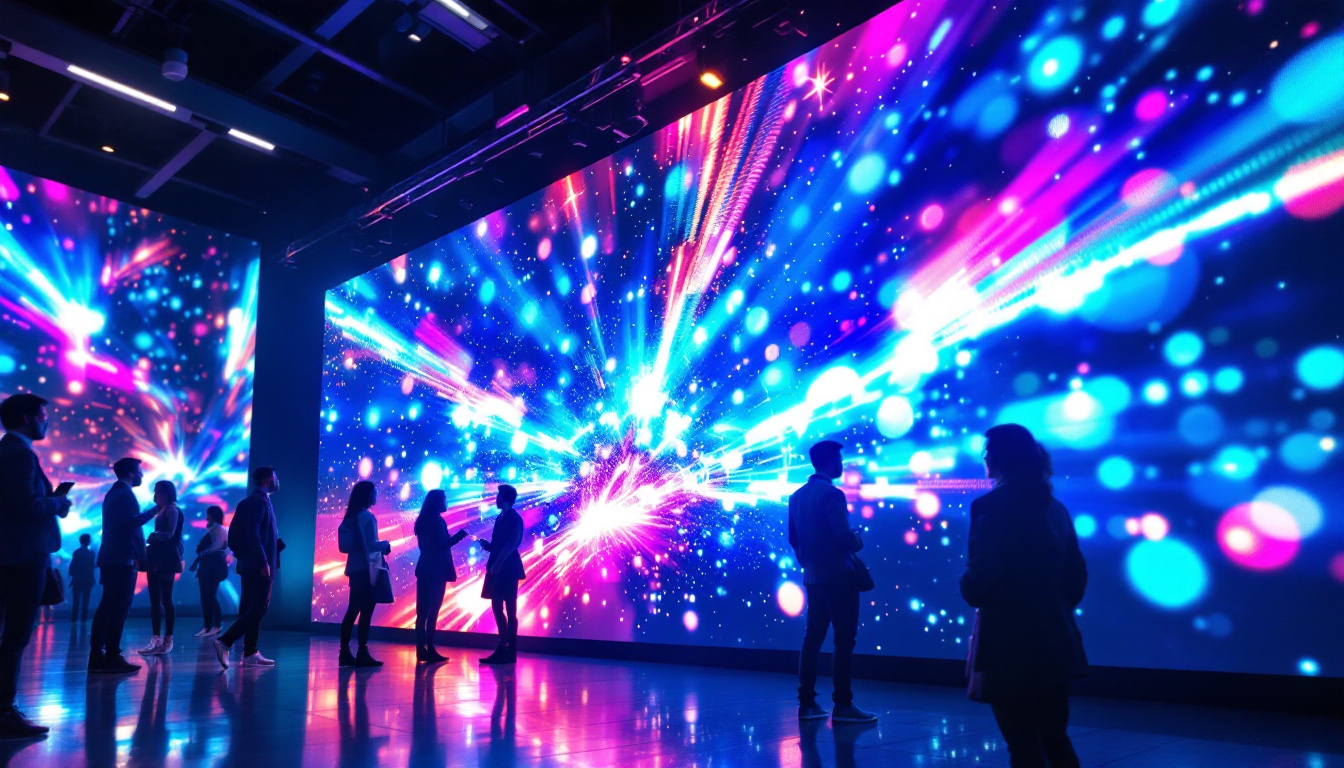
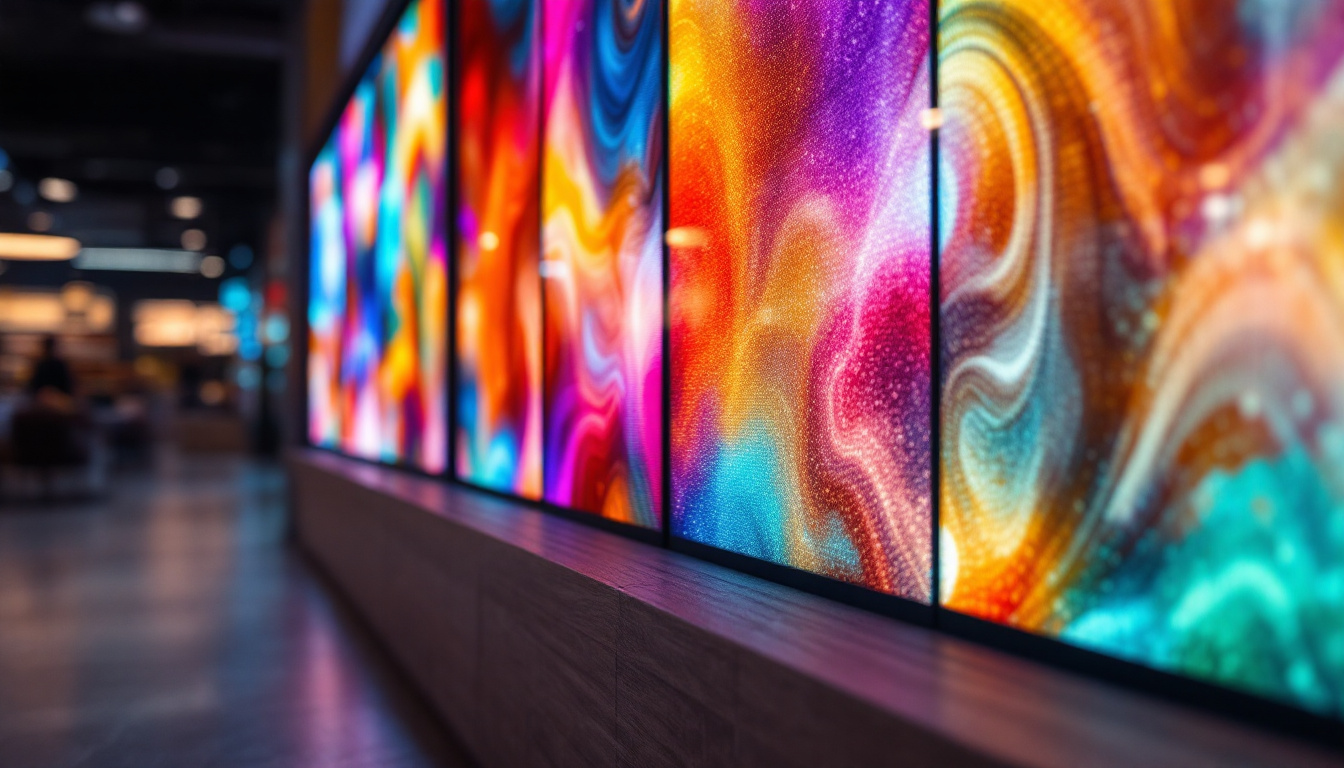
At the core of XR virtual production is the LED display, which serves as a dynamic backdrop and lighting source. These LED walls are composed of thousands of tiny light-emitting diodes that can display high-definition images and videos with vibrant colors and deep contrast.
Technical Components of LED Volumes
An LED volume typically consists of several key components:
- LED Panels: Modular, high-resolution panels that can be arranged to form walls and ceilings, creating an immersive environment.
- Real-Time Rendering Engines: Software such as Unreal Engine or Unity generates the virtual environment in real time, responding dynamically to camera movements and scene changes.
- Camera Tracking Systems: Motion capture and tracking technologies monitor the position and orientation of cameras, ensuring the virtual background perspective aligns perfectly with the live-action footage.
- Lighting Integration: The LED walls emit light that naturally interacts with actors and physical props, enhancing realism.
Synchronization and Real-Time Interaction
One of the most critical aspects of XR virtual production is the synchronization between the LED display content and the physical camera movements. Advanced tracking systems feed positional data into the rendering engine, which adjusts the background imagery in real time to maintain proper perspective and parallax effects. This creates a convincing illusion of depth and space, allowing the camera to move freely within the virtual environment.
Moreover, the LED walls provide dynamic lighting that changes according to the scene, illuminating actors and objects with colors and intensities consistent with the virtual setting. This integration significantly reduces the need for additional lighting setups and complex post-production compositing.
The seamless integration of these technologies allows filmmakers to visualize their scenes in ways that were previously unimaginable. For instance, directors can adjust the virtual environment on the fly, experimenting with different settings and moods without the logistical challenges of traditional set changes. This flexibility not only enhances creativity but also streamlines production schedules, enabling teams to achieve more in less time.
Additionally, the use of LED displays in XR virtual production opens up new avenues for storytelling. By immersing actors in a fully realized environment, performances can be more authentic and emotionally resonant. The ability to see and interact with the virtual world in real time allows actors to respond naturally to their surroundings, creating a more compelling narrative experience for audiences. As technology continues to evolve, the potential for innovative storytelling through XR virtual production will only expand, pushing the boundaries of what is possible in film and television.
Applications of XR Virtual Production with LED Displays
The versatility and immersive capabilities of LED-based XR virtual production have led to its adoption across various sectors beyond traditional filmmaking.
Film and Television Production
Major studios and productions have embraced LED volume stages to create complex, visually rich scenes without the constraints of location shooting. For example, the groundbreaking use of LED volumes in the production of the television series The Mandalorian demonstrated how virtual sets could deliver cinematic quality while streamlining production schedules and budgets.
By enabling directors to see the final composite during filming, creative decisions can be made on the spot, improving storytelling and reducing costly reshoots.
Live Events and Broadcasts
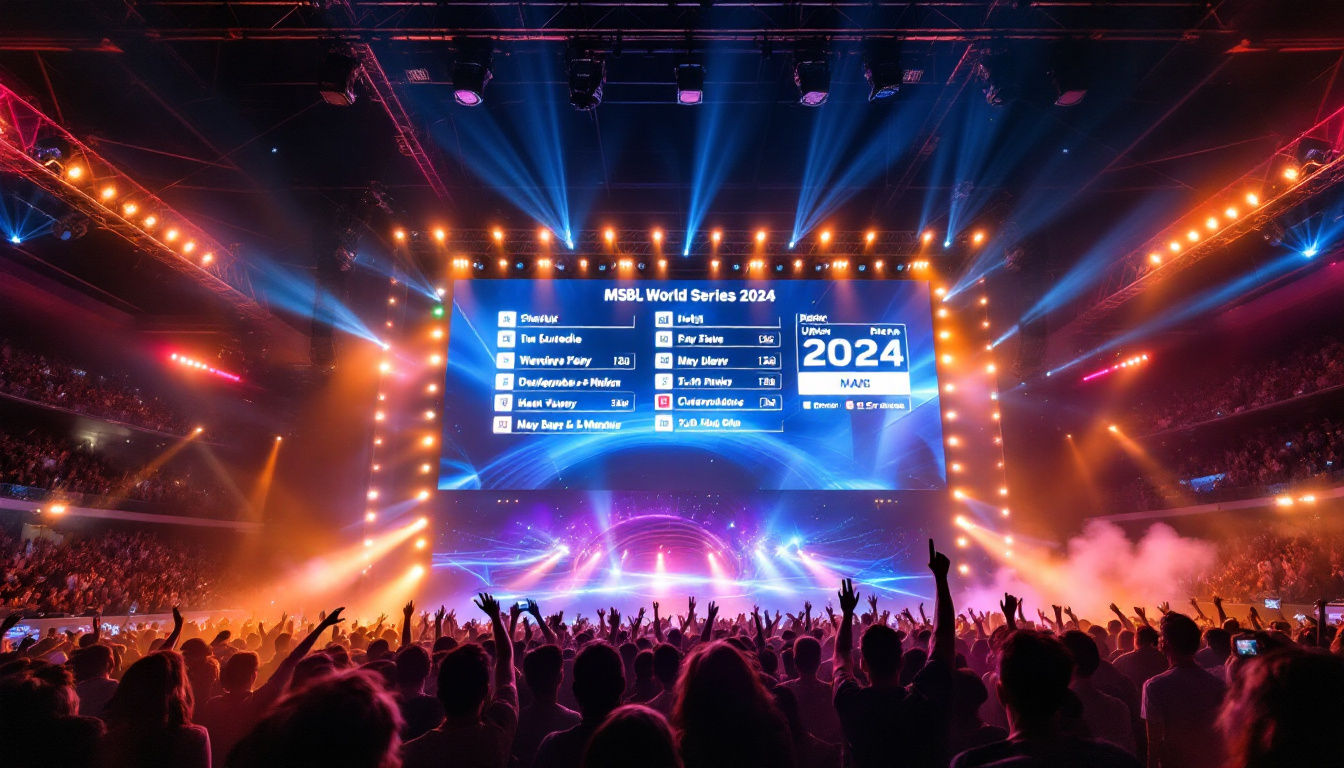
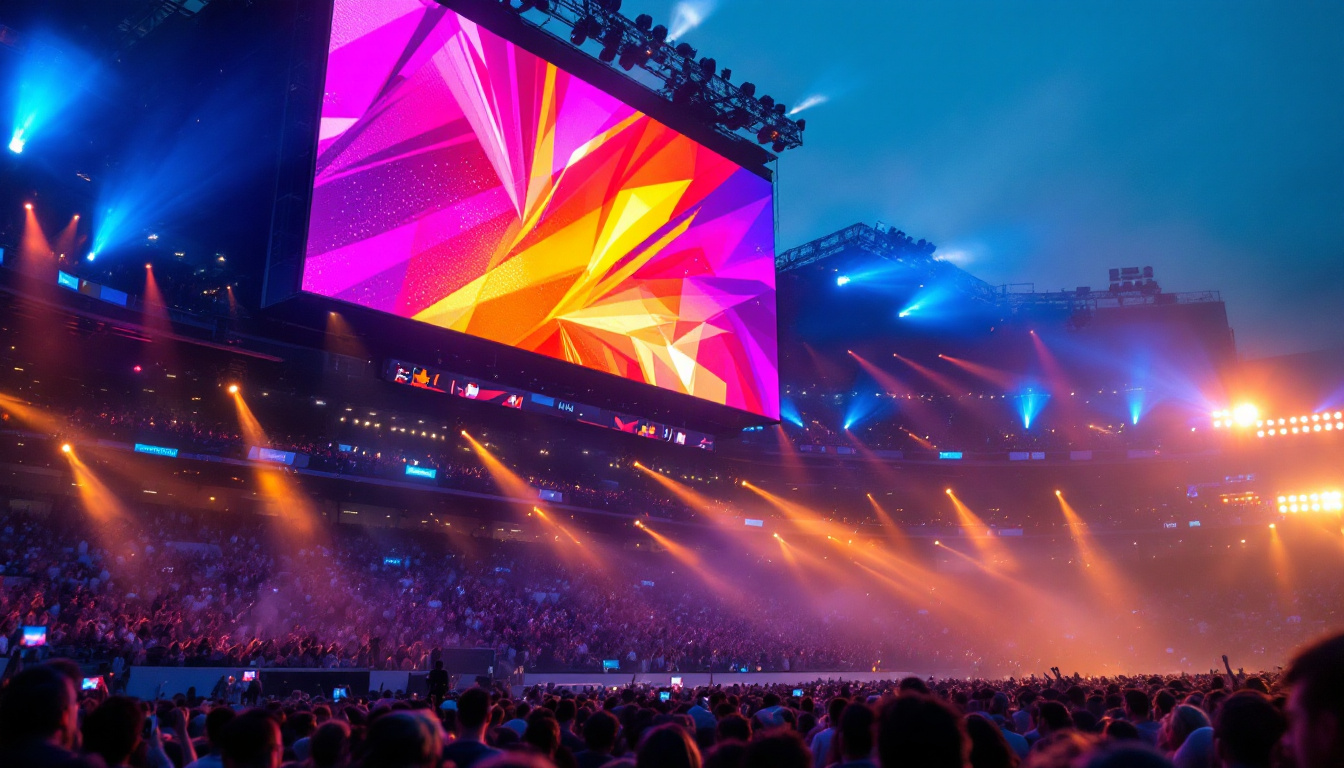
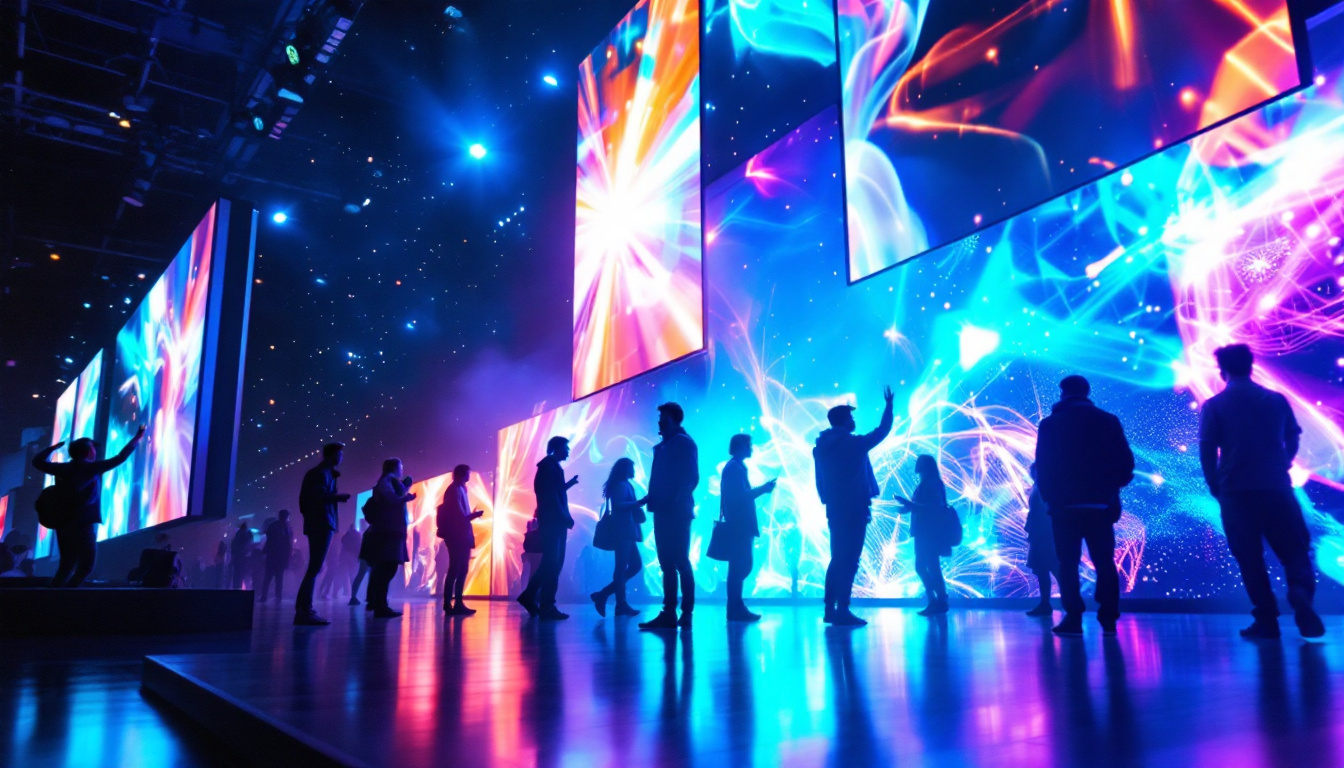
XR virtual production is increasingly used in live broadcasts, concerts, and events to create immersive stage environments. LED walls can transform venues instantly, displaying interactive graphics, virtual backgrounds, and augmented reality elements that engage audiences in new ways.
Broadcasters benefit from the flexibility to change scenes quickly without physical set changes, enhancing the visual appeal and production value of live shows.
Advertising and Marketing
Brands are leveraging XR virtual production to produce high-impact commercials and experiential marketing campaigns. The ability to place products in imaginative virtual settings allows for creative storytelling that captures consumer attention.
Additionally, the reduced need for location shoots and physical sets lowers production costs and environmental impact, aligning with sustainable marketing goals.
Training and Simulation
Beyond entertainment, XR virtual production with LED displays is used in training simulations for industries such as aviation, military, and healthcare. Realistic virtual environments provide safe, controlled settings for skill development and scenario practice.
The immersive nature of LED volumes enhances situational awareness and engagement, leading to more effective training outcomes.
Advantages of Using LED Displays in XR Virtual Production
The adoption of LED display technology in XR virtual production offers numerous benefits compared to traditional methods.
Enhanced Realism and Immersion
LED volumes provide natural lighting and reflections that integrate seamlessly with live-action elements, creating a more convincing final image. This realism enhances audience immersion and supports more authentic performances from actors who can see and interact with their environment.
Increased Production Efficiency
By combining filming and visual effects into a single process, productions can reduce the time and cost associated with post-production compositing. Immediate visual feedback enables faster creative decisions and reduces the risk of costly reshoots.
Creative Flexibility
Virtual environments displayed on LED walls can be changed instantly, allowing directors to experiment with different settings and lighting conditions without physical set alterations. This flexibility fosters innovation and supports complex storytelling techniques.
Environmental Sustainability
Reducing the need for physical sets, location travel, and extensive post-production workflows lowers the carbon footprint of productions. LED-based XR virtual production aligns with growing industry efforts to adopt greener practices.
Challenges and Considerations
While LED displays offer significant advantages, there are also challenges that productions must address to maximize their potential.
High Initial Investment
Setting up an LED volume stage requires substantial capital investment in LED panels, tracking systems, and rendering hardware. Smaller productions may find these costs prohibitive, though the technology is becoming more accessible as it matures.
Technical Complexity
Operating XR virtual production environments demands specialized skills in real-time rendering, camera tracking, and LED calibration. Teams must be trained to manage these systems effectively to avoid technical issues during filming.
Resolution and Pixel Pitch Limitations
While LED technology has advanced rapidly, the resolution and pixel pitch of panels can affect image quality, especially in close-up shots. Careful planning is required to ensure the LED display meets the visual demands of the production.
Content Creation and Asset Management
Producing high-quality virtual environments requires skilled artists and significant computing resources. Managing and updating digital assets to match creative needs can be resource-intensive.
The Future of XR Virtual Production with LED Displays
The trajectory of XR virtual production suggests continued innovation and broader adoption across industries. Advances in LED technology, such as higher pixel density, improved color accuracy, and flexible form factors, will enhance visual fidelity and creative possibilities.
Integration with artificial intelligence and machine learning may automate aspects of content generation and camera tracking, further streamlining production workflows. Additionally, as costs decrease and expertise spreads, smaller studios and independent creators will gain access to these powerful tools.
Ultimately, XR virtual production with LED displays is poised to redefine how stories are told, enabling creators to push the boundaries of imagination while maintaining efficiency and sustainability.
Conclusion
XR virtual production using LED displays represents a significant leap forward in visual storytelling technology. By merging live-action footage with real-time rendered virtual environments displayed on LED volumes, productions achieve unprecedented realism, flexibility, and efficiency.
From blockbuster films and television shows to live events, advertising, and training simulations, this technology is reshaping the creative landscape. While challenges remain, ongoing advancements promise to make XR virtual production an accessible and indispensable tool for content creators worldwide.
As the industry continues to evolve, understanding the capabilities and implications of LED display technology in XR virtual production will be essential for professionals seeking to stay at the forefront of innovation.
Discover the Future of Storytelling with LumenMatrix
As you explore the vast possibilities of XR virtual production, consider the power of cutting-edge LED display technology to bring your creative visions to life. LumenMatrix, a pioneer in LED display innovation, offers an extensive range of solutions designed to elevate your projects. From immersive Indoor LED Wall Displays to dynamic Outdoor LED Wall Displays, and from versatile Vehicle LED Displays to engaging LED Sports Displays, LumenMatrix has the tools to transform your visual storytelling. Experience the future of visual communication with LumenMatrix’s advanced LED display modules. Check out LumenMatrix LED Display Solutions and join the revolution in creating captivating visual experiences that resonate with audiences worldwide.