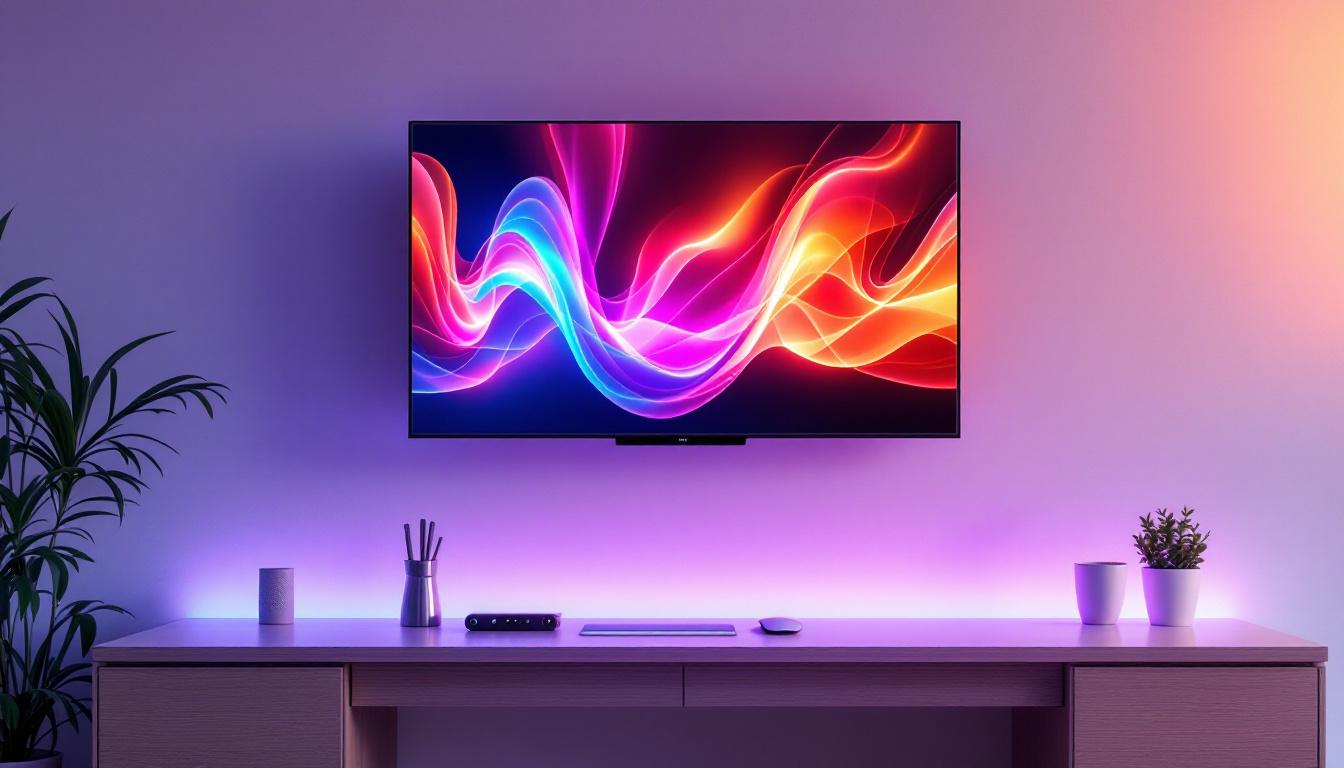
In today’s fast-paced digital environment, the way we interact with screens has evolved dramatically. Wall mounting monitors, especially those featuring LED displays, have become a staple in offices, homes, retail spaces, and public venues. Their sleek design, space-saving benefits, and superior display quality make them an attractive solution for a variety of applications.
This article delves into the world of wall mounting monitors with LED displays, explaining how they work, their advantages, installation considerations, and the latest trends shaping their use. Whether you’re a business owner looking to upgrade your digital signage or a tech enthusiast curious about display technology, this comprehensive guide will provide valuable insights.
Understanding LED Displays in Wall Mounted Monitors
What is an LED Display?
LED stands for Light Emitting Diode, a semiconductor device that emits light when an electric current passes through it. In the context of monitors, LED displays use these tiny diodes as the light source behind the screen. This technology has largely replaced older display types like CCFL (Cold Cathode Fluorescent Lamp) backlighting due to its efficiency and image quality.
Unlike traditional LCDs that rely on fluorescent backlighting, LED displays offer better brightness, contrast, and color accuracy. This makes them ideal for environments with varying lighting conditions, such as brightly lit offices or retail storefronts. The ability to produce vibrant colors and sharp images enhances the viewer’s experience, making LED displays a popular choice for both personal and professional use. Furthermore, LED technology is more energy-efficient, which translates to lower electricity bills and a reduced carbon footprint, an increasingly important consideration in today’s eco-conscious world.
Types of LED Displays Used in Wall Mounting Monitors
There are primarily two types of LED displays used in wall mounted monitors: edge-lit and direct-lit (or full-array) LED displays.
- Edge-lit LED: LEDs are placed along the edges of the screen, and light is distributed across the display using light guides. This design allows for thinner monitors but may have less uniform brightness. Edge-lit displays are often more affordable and are suitable for applications where space is a premium, such as in home theaters or small conference rooms.
- Direct-lit LED: LEDs are placed directly behind the screen in a grid pattern. This provides more uniform brightness and better local dimming capabilities, resulting in improved contrast and deeper blacks. Direct-lit displays are favored in professional settings where image quality is paramount, such as in graphic design studios or high-end retail displays.
For wall mounting monitors, the choice between these types depends on the desired image quality, thickness, and budget. Additionally, advancements in LED technology have led to the emergence of newer display types, such as OLED (Organic Light Emitting Diode) and Mini-LED, which offer even greater color accuracy and contrast ratios. These innovations are pushing the boundaries of what is possible in display technology, providing consumers with a wider array of options tailored to their specific needs. As the market continues to evolve, understanding these differences becomes crucial for making informed decisions about wall mounted monitors.
Benefits of Wall Mounting Monitors with LED Displays
Space Efficiency and Aesthetics
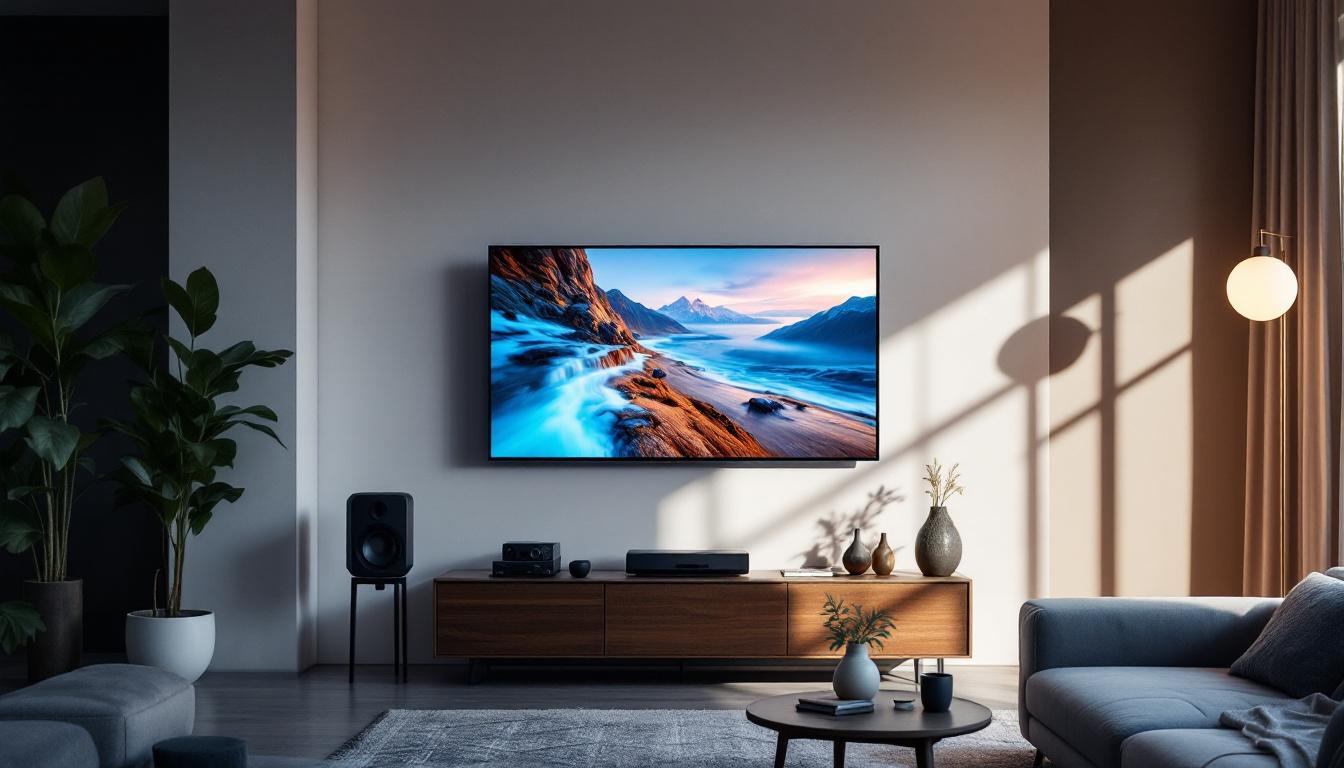
One of the most obvious benefits of wall mounting monitors is the space they save. By eliminating the need for bulky stands or desks, wall mounted monitors free up valuable workspace. This is particularly beneficial in small offices, conference rooms, or home setups where desk space is at a premium. With the rise of remote work and the need for multifunctional spaces, wall-mounted solutions allow for a more organized and efficient use of available areas.
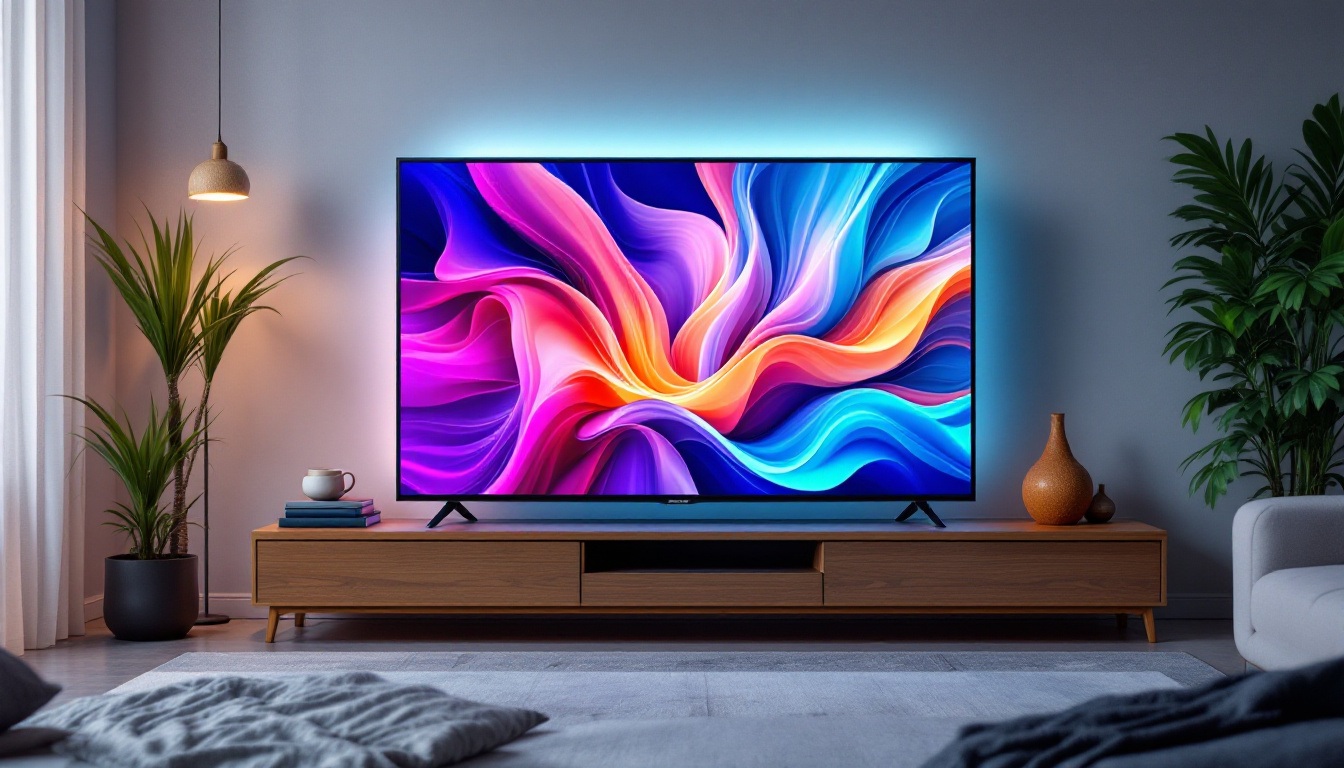
Moreover, LED monitors tend to be slim and lightweight, making them ideal candidates for wall mounting. Their sleek profiles contribute to a modern, clean aesthetic that enhances the overall environment. Wall-mounted displays can also be integrated into the design of the room, serving as a focal point or complementing existing decor. For instance, some homeowners choose to frame their monitors or mount them in a way that they blend seamlessly with the wall, creating a gallery-like effect that showcases digital art or family photos when not in use.
Enhanced Viewing Experience
LED displays provide superior image quality compared to older technologies. Their high brightness levels, vibrant colors, and sharp contrast ratios ensure that content is clear and engaging from various viewing angles. This is crucial for wall mounted monitors, which are often viewed from different positions around a room. The ability to enjoy consistent image quality from multiple perspectives makes them ideal for collaborative work environments, where teams gather to discuss projects and share ideas.
Additionally, many LED monitors support high dynamic range (HDR), which further enhances color depth and contrast, providing a more lifelike viewing experience. This feature is particularly advantageous for creative professionals who rely on precise color representation, such as graphic designers and video editors. The immersive quality of HDR can also elevate the experience of watching movies or playing video games, making wall-mounted setups a popular choice for home entertainment systems.
Energy Efficiency and Longevity
LED technology is known for its energy efficiency. Compared to traditional LCDs with fluorescent backlighting, LED displays consume less power, translating into lower electricity bills and a reduced environmental footprint. This makes them an attractive choice for businesses aiming to improve sustainability. Many organizations are now prioritizing eco-friendly practices, and opting for energy-efficient monitors can significantly contribute to their overall green initiatives.
Furthermore, LED monitors typically have longer lifespans, often exceeding 50,000 hours of use. This durability reduces the need for frequent replacements, offering cost savings over time. In addition to their longevity, many LED monitors come with advanced features such as adaptive brightness and energy-saving modes, which further optimize power consumption based on ambient light conditions. This not only enhances the user experience but also aligns with corporate responsibility goals by minimizing waste and promoting resource conservation.
Key Considerations for Wall Mounting LED Monitors
Choosing the Right Size and Resolution
When selecting a wall mounted LED monitor, size and resolution are critical factors. The size should be appropriate for the viewing distance and the space available on the wall. For instance, a 32-inch monitor may suffice for a small office, while a 55-inch or larger display might be necessary for conference rooms or public areas.
Resolution impacts image clarity. Full HD (1920×1080) is standard for many applications, but 4K UHD (3840×2160) monitors are becoming increasingly affordable and offer exceptional detail, especially for presentations, design work, or digital signage.
Mounting Hardware and Installation
Proper mounting hardware is essential for safety and optimal viewing angles. Most wall mounting monitors use VESA (Video Electronics Standards Association) compatible mounts, which standardize the mounting hole patterns on the back of monitors.
It’s important to ensure that the wall can support the monitor’s weight and that the mount allows for tilt, swivel, or rotation if needed. Professional installation is recommended for larger or heavier monitors to avoid damage or injury.
Connectivity and Integration
Wall mounted LED monitors often serve as hubs for presentations, digital signage, or interactive displays. Therefore, connectivity options such as HDMI, DisplayPort, USB, and wireless capabilities are important considerations.
Some monitors also support daisy-chaining multiple displays or integrating with control systems, which can be useful in complex setups like video walls or multi-room presentations.
Applications of Wall Mounting LED Monitors
Corporate and Educational Environments
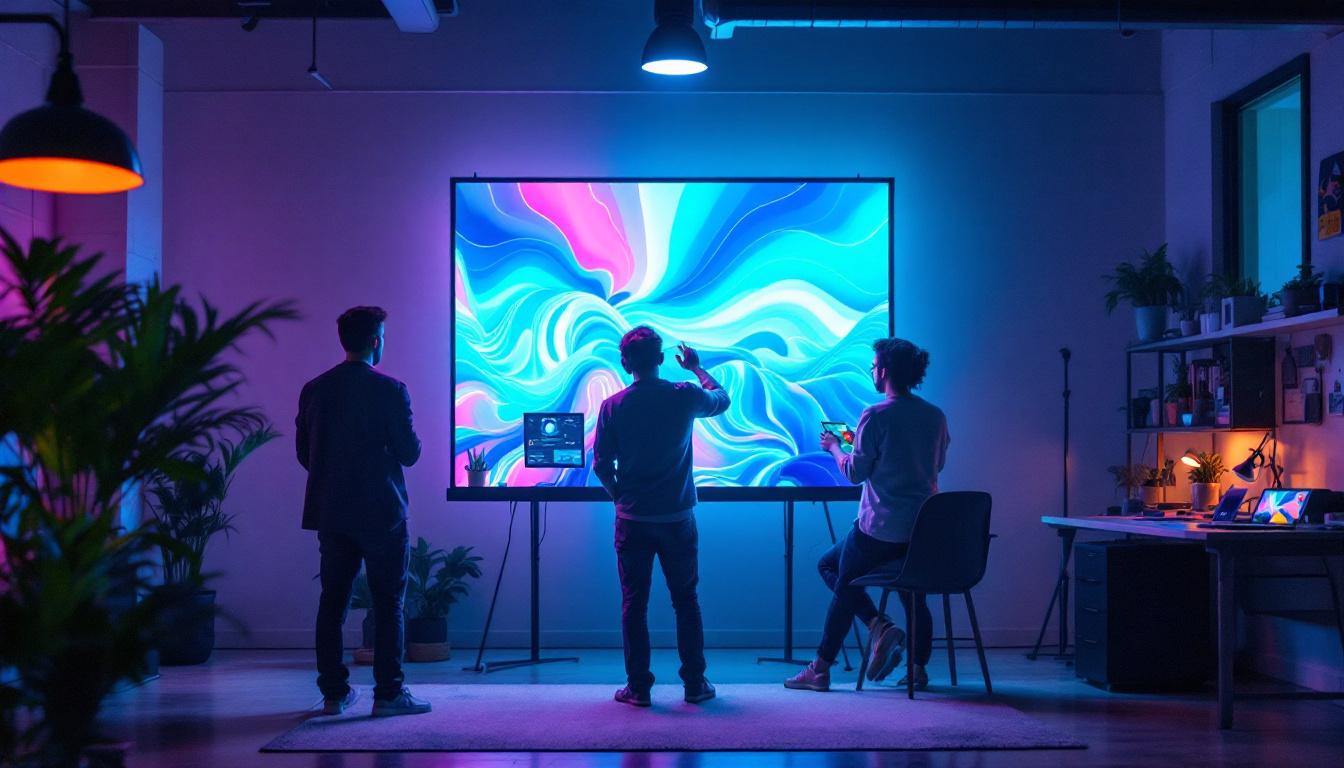
In offices and classrooms, wall mounted LED monitors facilitate collaboration and communication. They are used for video conferencing, presentations, and digital whiteboards. Their clear visuals and flexible mounting options make them ideal for diverse settings, from small huddle rooms to large lecture halls.
Additionally, the ability to mount these monitors at eye level helps reduce neck strain and improve ergonomics for users.
Retail and Advertising
Retailers increasingly rely on wall mounted LED monitors for digital signage to attract customers and promote products. The bright, vivid displays perform well even in well-lit storefronts, capturing attention and enhancing brand visibility.
Interactive touch-enabled LED monitors also allow customers to browse catalogs, check prices, or customize products, creating an engaging shopping experience.
Public Spaces and Hospitality
Airports, hotels, and restaurants use wall mounted LED monitors for wayfinding, information display, and entertainment. Their durability and energy efficiency make them suitable for continuous operation in high-traffic areas.
In hospitality, these monitors can display menus, event schedules, or promotional content, improving guest experience and operational efficiency.
Emerging Trends in Wall Mounted LED Displays
Ultra-Thin and Flexible Displays
Recent advancements have led to ultra-thin LED panels that are easier to mount and blend seamlessly with walls. Some manufacturers are even developing flexible LED displays that can curve around corners or wrap around surfaces, opening new possibilities for creative installations.
Smart and Interactive Features
Integration of smart technology is transforming wall mounted monitors into interactive hubs. Features like voice control, gesture recognition, and AI-powered content management systems are enhancing usability and personalization.
For example, in corporate settings, smart monitors can automatically adjust brightness based on ambient light or switch inputs based on user presence, improving convenience and energy savings.
Higher Refresh Rates and HDR Support
While traditionally associated with gaming monitors, higher refresh rates are becoming more common in professional wall mounted LED displays. This results in smoother motion rendering, beneficial for video playback and dynamic content.
Enhanced HDR support also continues to improve, delivering richer colors and contrast that make digital content more vibrant and engaging.
Conclusion: Why Choose Wall Mounting LED Monitors?
Wall mounting monitors with LED displays offer a compelling combination of aesthetics, performance, and practicality. Their superior image quality, energy efficiency, and space-saving design make them suitable for a wide range of environments—from corporate offices and educational institutions to retail stores and public venues.
By understanding the technology behind LED displays, considering key factors like size, resolution, and mounting options, and staying informed about emerging trends, users can make informed decisions that maximize the benefits of these versatile displays.
As LED technology continues to evolve, wall mounted monitors will undoubtedly play an increasingly important role in how people consume and interact with digital content in both professional and personal settings.
Discover LumenMatrix’s Innovative LED Display Solutions
Ready to elevate your space with the latest in LED display technology? LumenMatrix offers a comprehensive range of LED display modules designed to transform any environment. From captivating Indoor and Outdoor LED Wall Displays to dynamic Vehicle and Sports LED Displays, our solutions are crafted to engage and impress. Experience the future of visual communication with our All-in-One LED Displays, LED Transparent Displays, and more. Embrace the power of cutting-edge digital signage with LumenMatrix and create visual experiences that resonate. Check out LumenMatrix LED Display Solutions today and see your vision come to life.