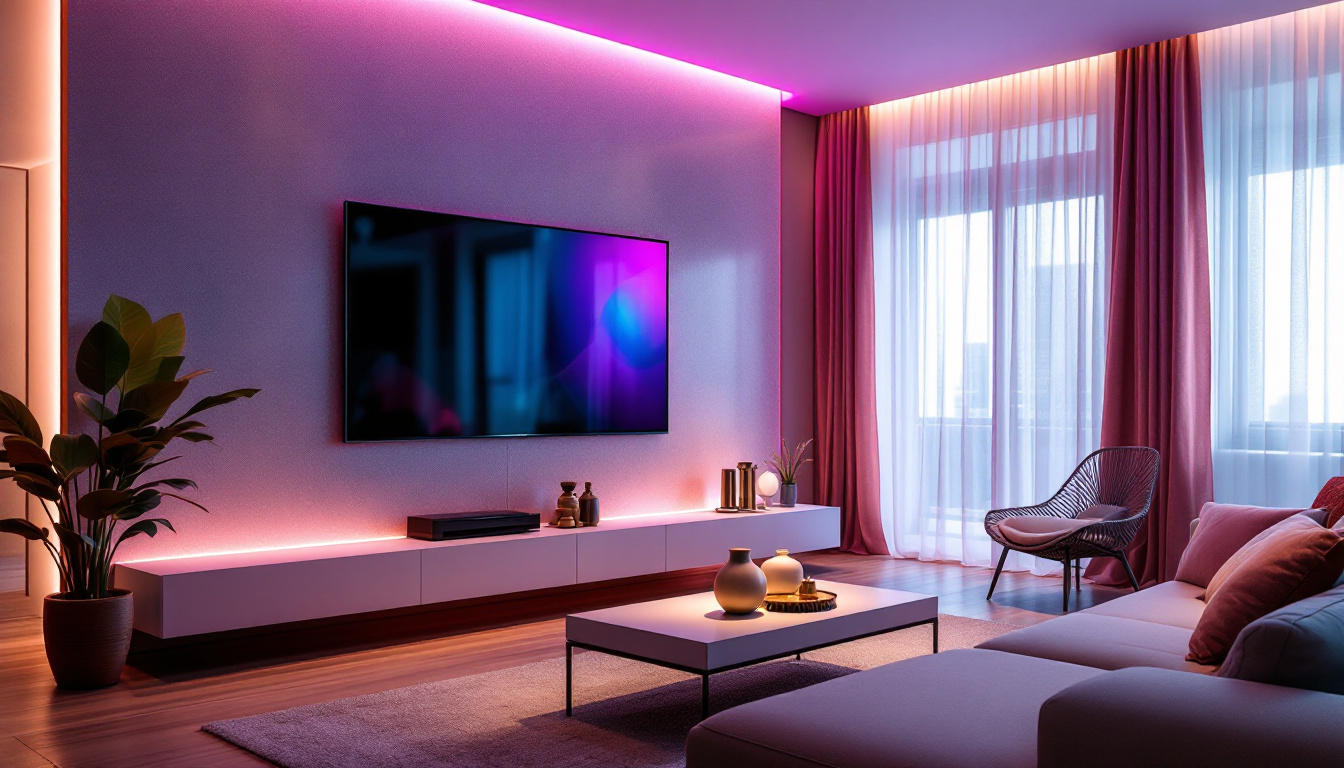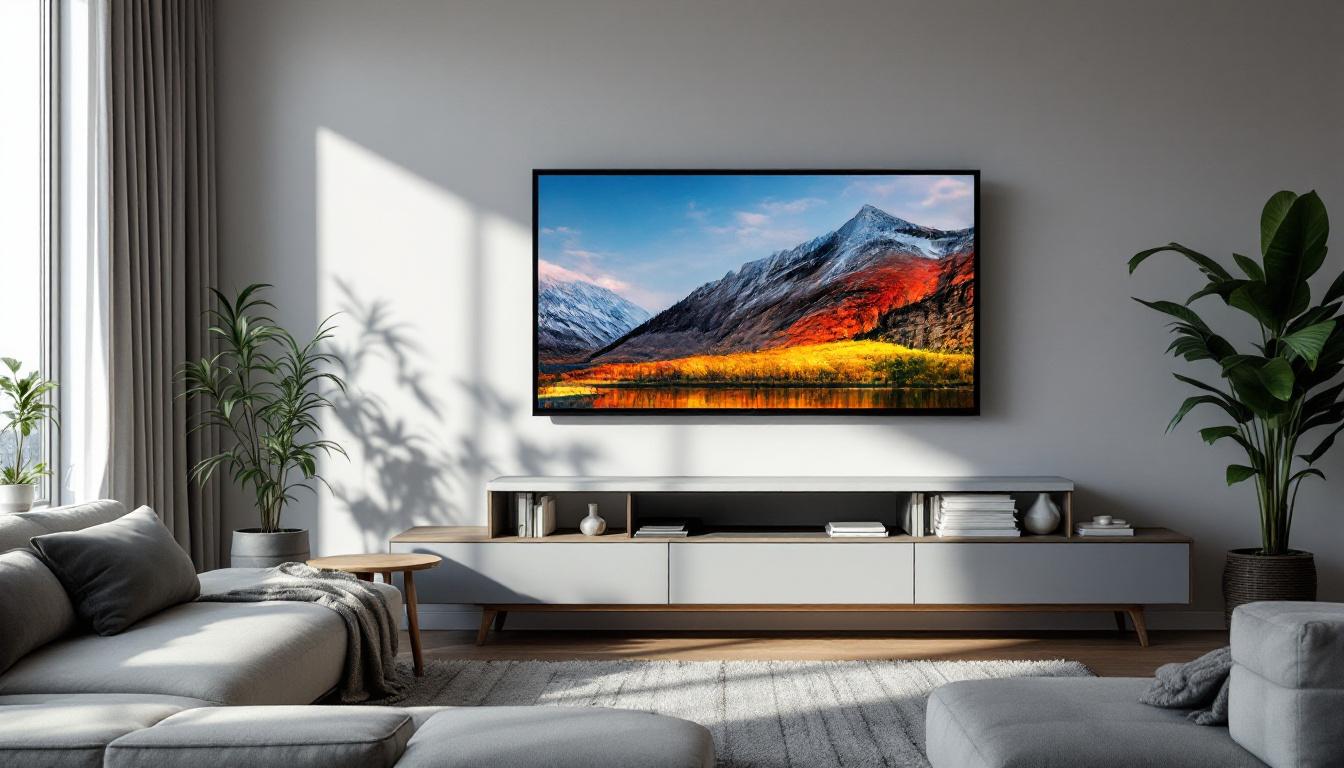
In today’s world of home entertainment, the television is more than just a screen—it’s a centerpiece of the living room, a gateway to immersive experiences, and a reflection of cutting-edge technology. Among the various display technologies available, LED TVs have become a dominant choice for consumers seeking vibrant colors, sharp images, and energy efficiency. However, understanding what makes LED displays unique, especially when mounted on a wall, can be complex. This article delves into the intricacies of LED TV displays, their technology, advantages, and the best practices for wall mounting to optimize your viewing experience.
Understanding LED Display Technology
What is an LED TV?
LED TV stands for Light Emitting Diode Television, a type of LCD (Liquid Crystal Display) TV that uses LED backlighting instead of the older CCFL (Cold Cathode Fluorescent Lamp) technology. The key difference lies in how the screen is illuminated. While the LCD panel itself controls the image by manipulating liquid crystals, the light source behind it determines the brightness, contrast, and overall picture quality.
LED backlighting offers several benefits over traditional fluorescent lighting, including thinner panels, lower power consumption, and improved brightness. This technology emerged around the late 2000s and quickly became the industry standard, replacing older LCD TVs and competing with plasma and OLED displays.
Types of LED Backlighting
There are primarily three types of LED backlighting used in modern LED TVs:
- Edge-lit LED: LEDs are placed along the edges of the screen, and light is diffused across the display. This design allows for ultra-thin TVs but can sometimes result in uneven brightness or contrast.
- Direct-lit LED: LEDs are positioned directly behind the LCD panel, offering better uniformity in brightness but generally resulting in thicker panels.
- Full-array LED with local dimming: This is the premium option where LEDs are spread evenly across the back and divided into zones that can dim or brighten independently. This technology enhances contrast ratios and black levels, providing a more dynamic and vivid picture.
Understanding these types is essential when choosing an LED TV, especially if you plan to mount it on the wall where thickness and heat dissipation become important considerations.
Advantages of LED TVs for Wall Mounting
Sleek and Slim Design
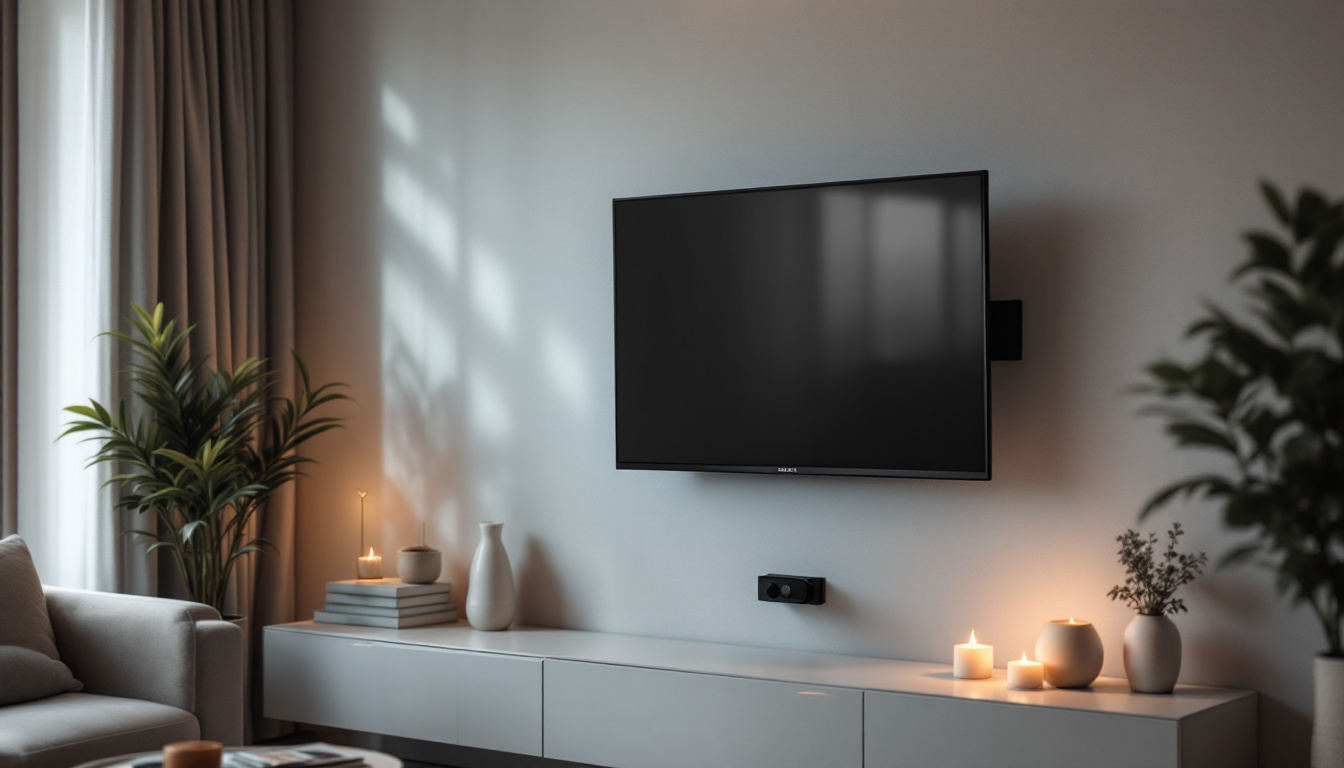
One of the most significant benefits of LED TVs is their slim profile. Thanks to LED backlighting, these TVs can be manufactured with incredibly thin panels, some measuring less than an inch thick. This sleek design makes them ideal for wall mounting, where a low-profile setup is aesthetically pleasing and space-saving.
Compared to older CRT or plasma TVs, which were bulky and heavy, LED TVs can be mounted flush against the wall, creating a modern, minimalist look. This is particularly advantageous in smaller rooms or apartments where maximizing floor space is crucial.
Energy Efficiency and Heat Management
LED TVs consume significantly less power than their plasma or older LCD counterparts. According to the U.S. Department of Energy, LED TVs can be up to 30-50% more energy-efficient, which translates to lower electricity bills and a smaller environmental footprint.
When mounted on a wall, heat dissipation becomes an important factor. LED TVs generate less heat, reducing the risk of overheating in enclosed spaces or tight mounts. Proper ventilation behind the TV is still necessary, but the lower heat output of LED technology makes wall mounting safer and more reliable.
Enhanced Picture Quality for Viewing Comfort
Modern LED TVs offer high resolutions, including 4K and even 8K, combined with HDR (High Dynamic Range) capabilities. This results in sharper images, richer colors, and better contrast—qualities that enhance the viewing experience whether you’re watching movies, sports, or gaming.
When mounted on a wall at the correct height and angle, LED TVs provide an optimal viewing position that reduces glare and eye strain. This setup is especially important in living rooms or home theaters where comfort during extended viewing sessions is a priority.
Choosing the Right Wall Mount for Your LED TV
Types of Wall Mounts
Not all wall mounts are created equal, and selecting the right one depends on your TV’s size, weight, and how you want to position it.
- Fixed Mounts: These mounts keep the TV flat against the wall with no movement. They are ideal for rooms where the viewing angle is fixed and the TV will not need to be adjusted frequently.
- Tilting Mounts: These allow the TV to tilt up or down, which helps reduce glare from windows or lights and improves viewing angles when the TV is mounted higher than eye level.
- Full-motion or Articulating Mounts: These mounts offer the most flexibility, allowing the TV to swivel, extend, and tilt. They are perfect for rooms with multiple seating areas or where the TV needs to be adjusted frequently.
Weight and Size Compatibility
Before purchasing a wall mount, it is crucial to check the TV’s weight and size specifications. LED TVs vary widely, from compact 32-inch models to massive 85-inch displays. Mounts are rated for specific weight limits and VESA (Video Electronics Standards Association) hole patterns, which correspond to the mounting holes on the back of the TV.
Using a mount that doesn’t support your TV’s weight or size can lead to dangerous situations, including the risk of the TV falling. Always consult the manufacturer’s guidelines and consider professional installation if you are unsure.
Wall Type and Installation Considerations
The type of wall where the TV will be mounted also influences the choice of mount and installation method. Drywall, concrete, brick, and wood studs each require different anchors and hardware to ensure a secure fit.
For drywall installations, it is essential to mount the bracket directly into studs rather than just the drywall to support the TV’s weight. In masonry walls, specialized anchors and drills are needed. Professional installers have the tools and expertise to handle these variations safely.
Optimizing Your LED TV Setup on the Wall
Ideal Viewing Height and Distance
Ergonomics play a vital role in enjoying your LED TV mounted on the wall. The ideal height for mounting a TV is generally considered to be at eye level when seated, which reduces neck strain and provides the best viewing comfort.
For most people, this means the center of the screen should be approximately 42 inches from the floor, but this can vary depending on your seating height. Viewing distance also matters; a common recommendation is to sit at a distance that is about 1.5 to 2.5 times the diagonal size of the TV. For example, a 55-inch TV should be viewed from roughly 6.5 to 11.5 feet away.
Managing Cables and Connectivity
Wall-mounted TVs often require careful cable management to maintain a clean, uncluttered look. HDMI cables, power cords, and other connections can be hidden using in-wall cable management kits or raceways that run along the wall.
Wireless solutions, such as Bluetooth speakers or Wi-Fi-enabled streaming devices, can further reduce cable clutter. Planning your setup ahead of time ensures easy access to ports and prevents damage to cables when adjusting the TV.
Sound Considerations
While LED TVs provide excellent picture quality, their built-in speakers may not always deliver the best audio experience, especially in larger rooms. Wall mounting can sometimes muffle sound if the TV is too close to the wall.
To enhance audio, consider adding a soundbar or a surround sound system. Many modern soundbars are designed to be mounted directly below the TV or placed on a nearby shelf, complementing the sleek look of a wall-mounted LED TV without compromising sound quality.
Common Myths and Misconceptions About LED TVs and Wall Mounting
Myth: LED TVs Are Fragile and Unsuitable for Wall Mounting
Some consumers worry that LED TVs are too delicate to be safely mounted on walls. In reality, LED TVs are designed to be robust and durable. When mounted correctly using appropriate hardware, they are secure and stable.
Ensuring proper installation and following manufacturer guidelines eliminates risks related to damage or accidents. It’s always advisable to hire professional installers if you lack experience with mounting electronics.
Myth: Wall Mounting Reduces TV Longevity
Another common misconception is that wall mounting negatively impacts the lifespan of an LED TV. However, mounting itself does not affect the TV’s internal components or durability.
What matters more is ensuring adequate ventilation and avoiding exposure to excessive heat or moisture. LED TVs typically have built-in cooling mechanisms, and a well-ventilated wall mount installation supports their longevity.
Myth: LED TVs Are Inferior to OLED or QLED Displays
While OLED and QLED technologies offer certain advantages, such as deeper blacks or brighter colors, LED TVs remain highly competitive and often more affordable. Advances in full-array local dimming and HDR have narrowed the gap significantly.
For many users, especially those prioritizing size, energy efficiency, and budget, LED TVs provide excellent value and performance. The choice depends on specific needs and preferences rather than a strict hierarchy of technology.
Future Trends in LED TV Displays and Wall Mounting
Mini-LED and Micro-LED Innovations
The LED TV market continues to evolve with emerging technologies like Mini-LED and Micro-LED. Mini-LED uses thousands of tiny LEDs for backlighting, improving contrast and brightness beyond traditional full-array LED TVs. Micro-LED takes this further by creating self-emissive pixels similar to OLED but with higher brightness and longevity.
These innovations promise even thinner panels, better energy efficiency, and superior picture quality, making wall-mounted TVs more impressive than ever.
Smart Integration and Voice Control
Modern LED TVs increasingly integrate with smart home ecosystems, offering voice control, AI-driven picture optimization, and seamless connectivity with other devices. Wall-mounted TVs are becoming hubs for entertainment and smart home control, blending technology and convenience.
Enhanced Mounting Solutions
Future wall mounts are also evolving, with motorized and app-controlled mounts that adjust the TV’s position automatically based on user preferences or room lighting. These innovations will make wall-mounted LED TVs more adaptable and user-friendly.
Conclusion
LED TVs have revolutionized home entertainment with their vibrant displays, energy efficiency, and sleek designs. Understanding the technology behind LED displays and the best practices for wall mounting can help consumers make informed decisions that enhance their viewing experience.
From selecting the right type of LED backlighting to choosing the appropriate wall mount and optimizing placement for comfort and aesthetics, every detail matters. As technology advances, LED TVs will continue to offer exciting possibilities for immersive, stylish, and smart home entertainment setups.
Whether upgrading an existing setup or designing a new home theater, LED TVs mounted on the wall represent a perfect blend of form and function, delivering stunning visuals and a modern look that complements any living space.
Explore the Future of Visual Entertainment with LumenMatrix
Ready to elevate your home theater experience with the latest in LED display technology? LumenMatrix is at the forefront of innovation, offering a wide array of LED display solutions that bring your entertainment to life. From the comfort of your sleek, wall-mounted LED TV to the dynamic engagement of an Indoor LED Wall Display, our products are designed to captivate and impress. Discover how our Outdoor LED Wall Displays, Vehicle LED Displays, and more can transform your visual communication. Don’t wait to revolutionize your space—check out LumenMatrix LED Display Solutions today and step into a world where clarity and impact go hand in hand.