Carbon Fiber Background: LED Display Explained
In the rapidly evolving world of display technology, LED displays have become a cornerstone of modern visual communication. From advertising billboards to cutting-edge digital art installations, LED displays offer vibrant colors, high brightness, and remarkable versatility. One intriguing aspect gaining attention is the use of carbon fiber backgrounds in LED display setups. This combination not only enhances aesthetic appeal but also improves performance and durability.
This article delves into the fundamentals of LED displays, explores the role of carbon fiber backgrounds, and explains why this pairing is becoming increasingly popular across various industries. Whether you are a technology enthusiast, a professional in the display industry, or simply curious about the latest innovations, this comprehensive guide will illuminate the subject with clarity and depth.
Understanding LED Display Technology
What is an LED Display?
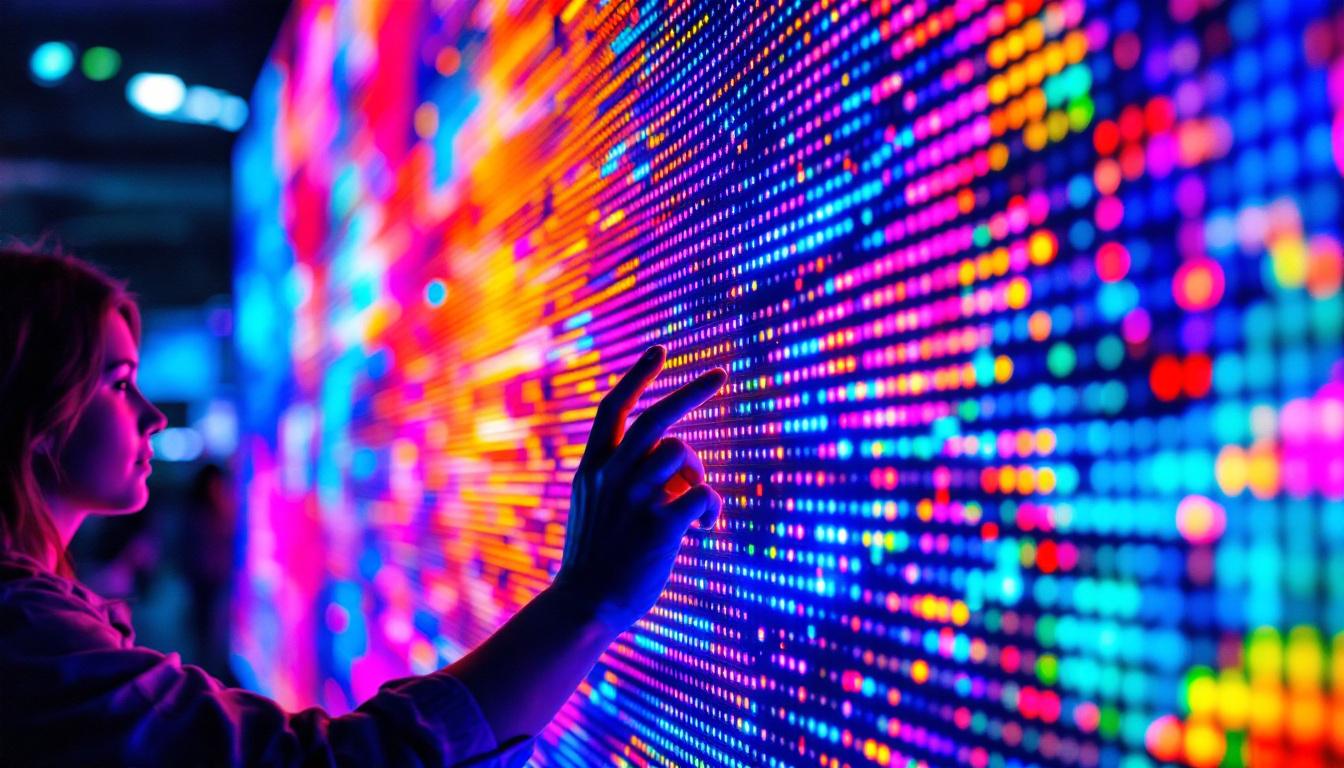
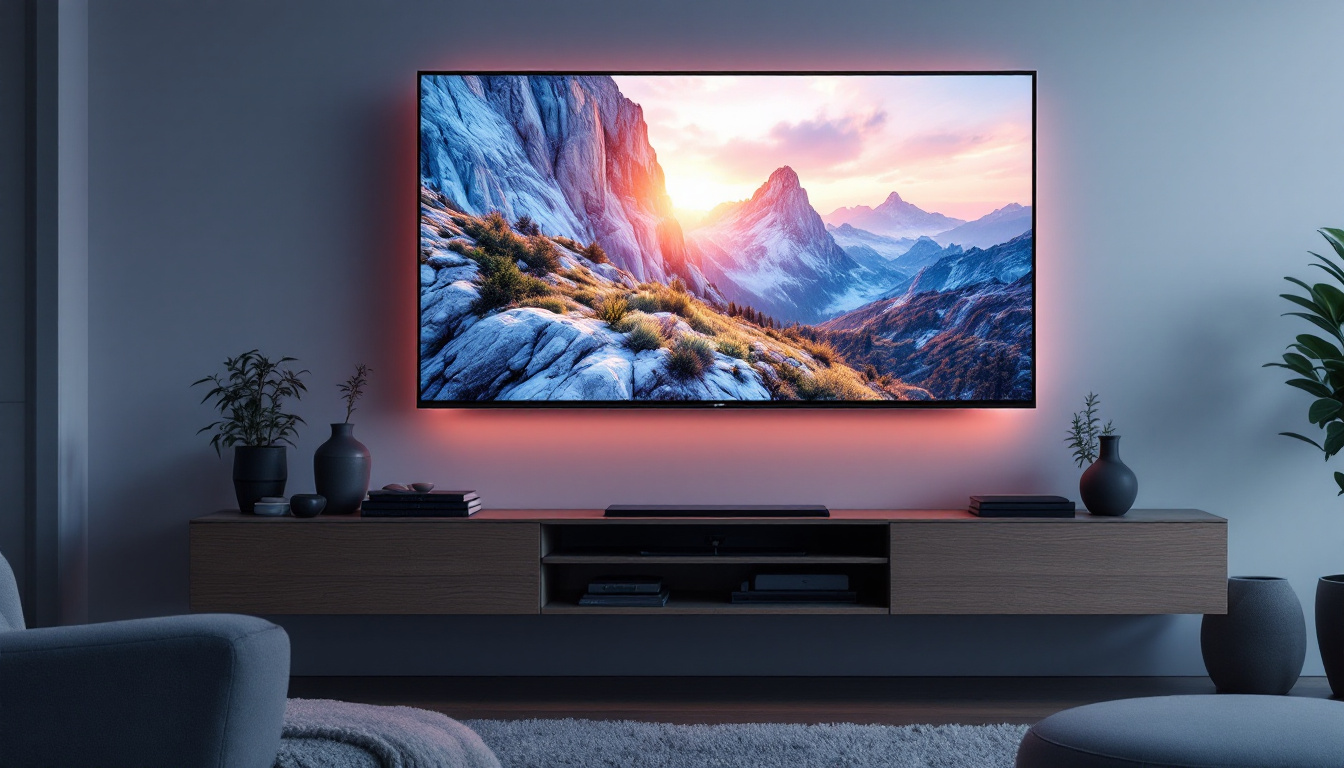
LED, or Light Emitting Diode, displays are screens that use tiny light-emitting diodes as pixels to create images. Unlike traditional LCD or plasma screens, LED displays produce their own light, resulting in higher brightness, better contrast, and more vivid colors. This self-illumination capability makes LED displays ideal for both indoor and outdoor applications, where visibility under various lighting conditions is crucial. The technology has evolved significantly over the years, leading to the development of high-definition and ultra-high-definition displays that can showcase intricate details and vibrant visuals.
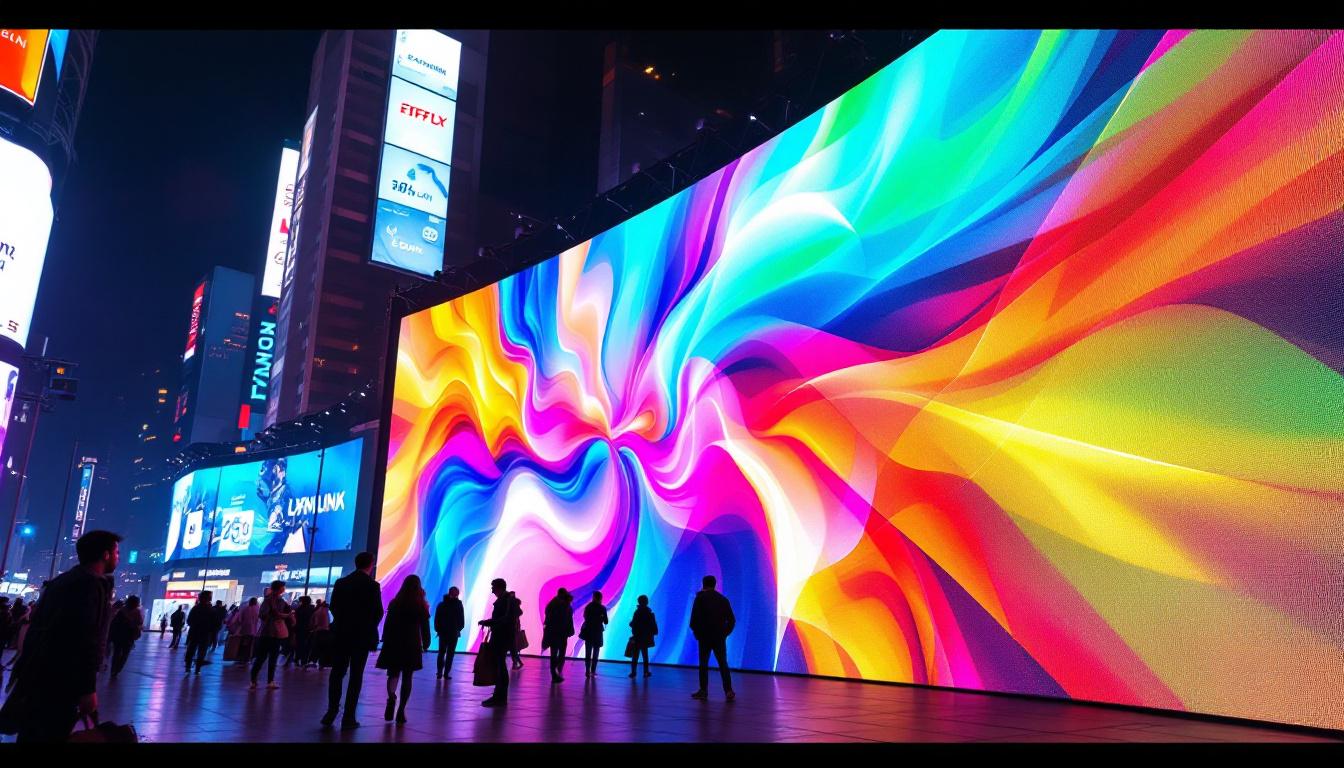
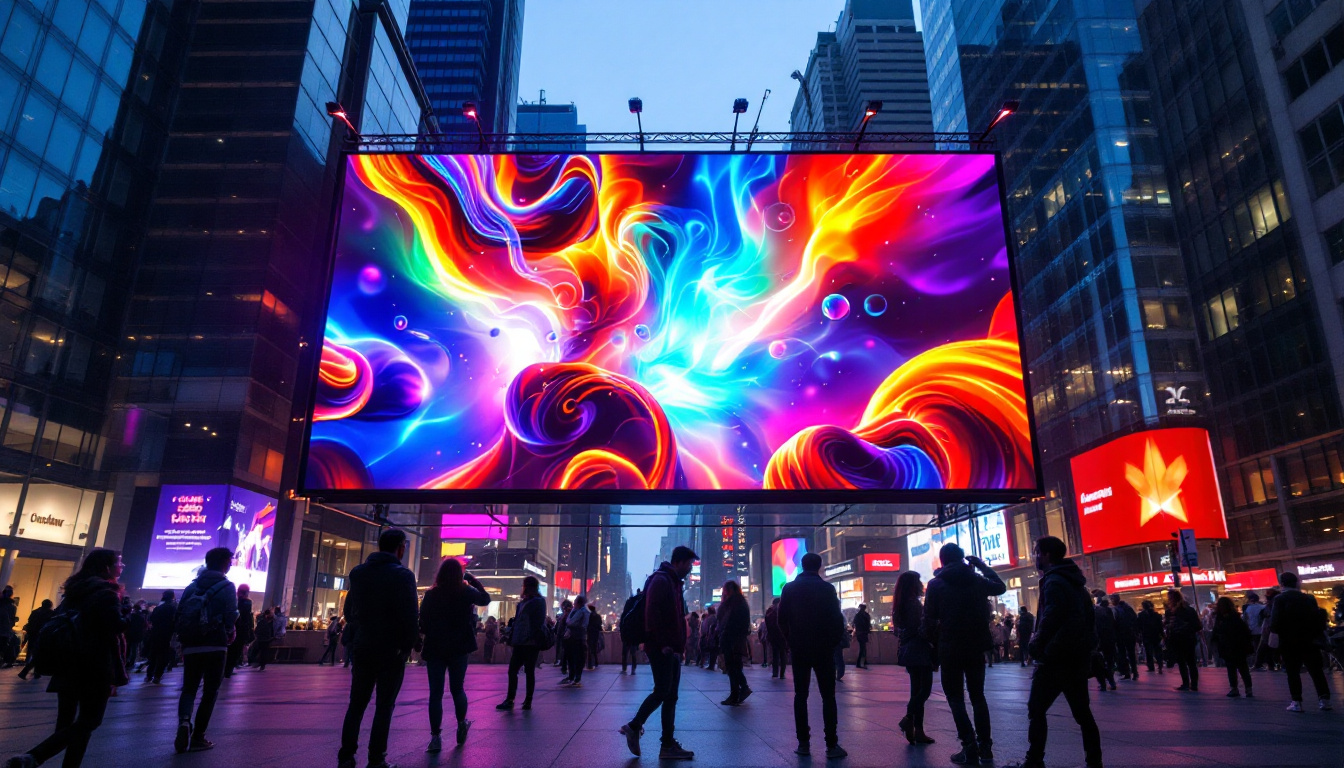
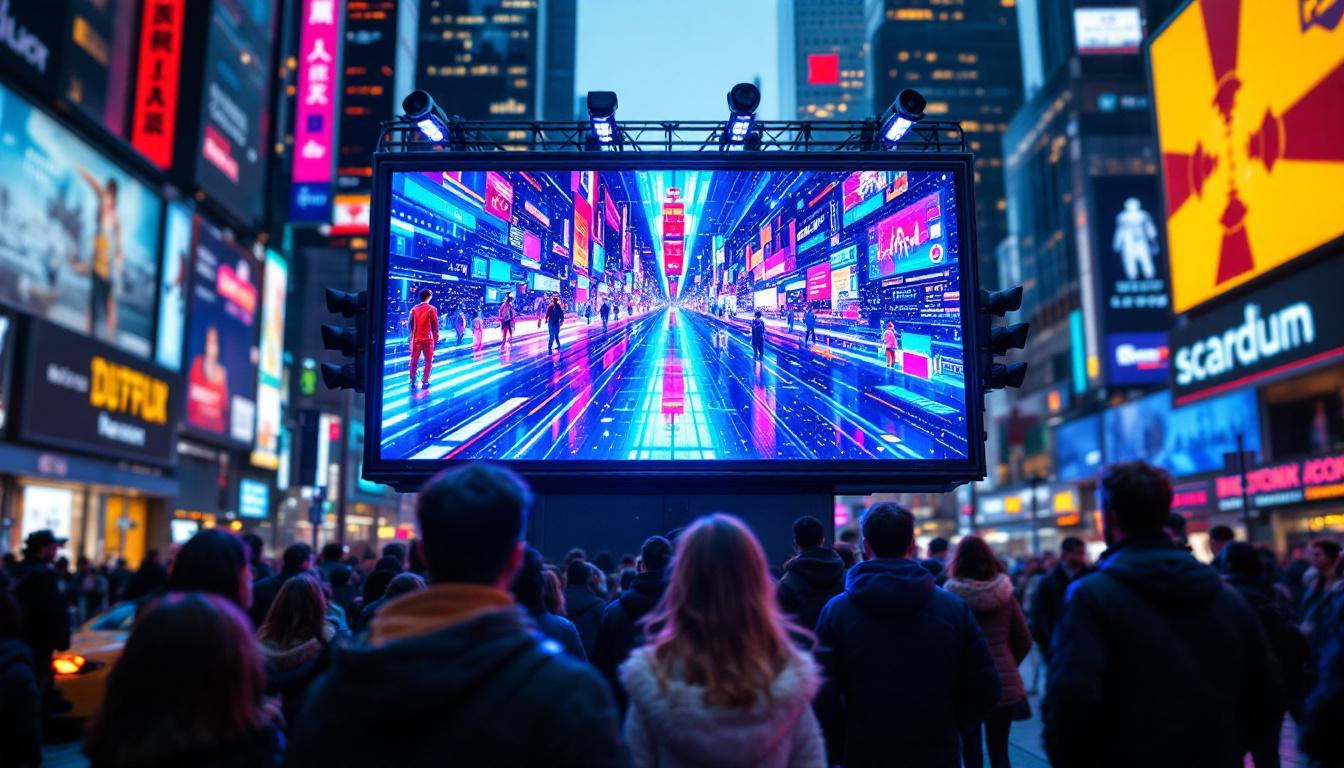
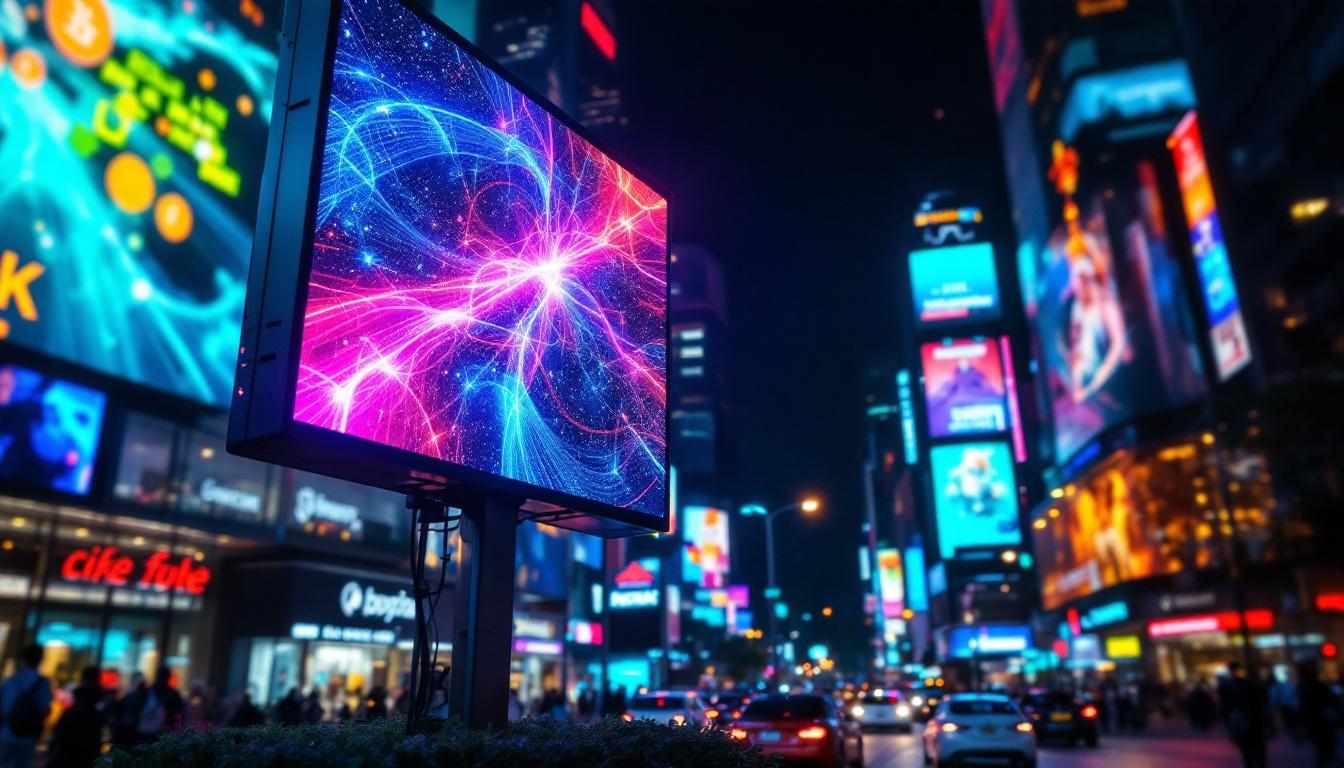
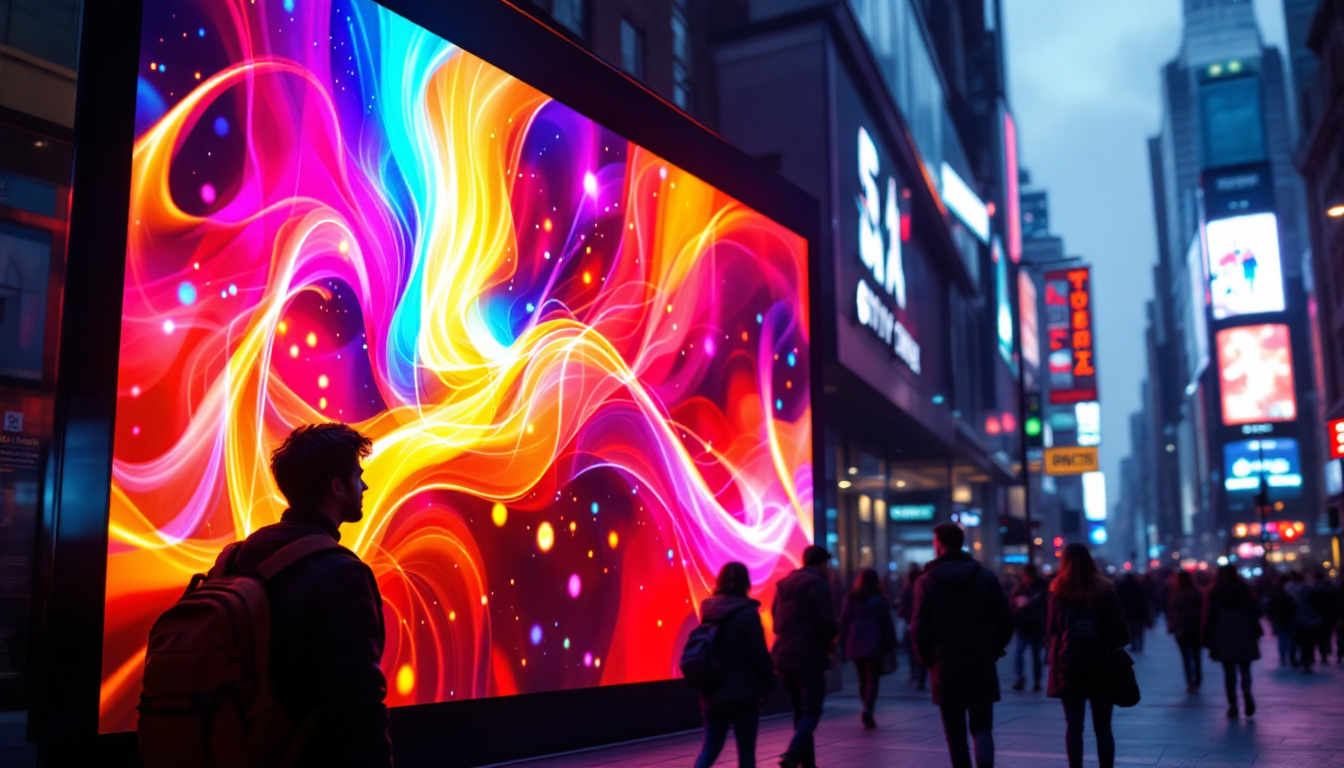
LED displays come in various forms, including direct-view LED panels, LED video walls, and flexible LED screens. Each type serves different purposes, from large-scale advertising billboards to intricate stage backdrops. The modular nature of LED panels allows for scalable and customizable screen sizes, making them highly adaptable to different environments. For instance, flexible LED screens can be curved or shaped to fit unique architectural designs, providing creative solutions for installations in unconventional spaces. This versatility not only enhances aesthetic appeal but also opens up new possibilities for artistic expression in public spaces and events.
Key Advantages of LED Displays
Several factors contribute to the widespread adoption of LED displays:
- Brightness and Visibility: LED displays can reach brightness levels exceeding 5,000 nits, ensuring clear visibility even in direct sunlight.
- Energy Efficiency: LEDs consume less power compared to traditional lighting and display technologies, reducing operational costs.
- Durability and Longevity: LEDs have a long lifespan, often exceeding 100,000 hours, and are resistant to shock and vibration.
- Color Accuracy and Contrast: The ability to control each diode individually allows for precise color rendering and deep blacks.
In addition to these advantages, LED displays are also known for their rapid response times, which make them particularly effective for displaying fast-moving content, such as sports events or dynamic advertisements. This capability ensures that viewers experience smooth transitions and minimal motion blur, enhancing the overall viewing experience. Furthermore, advancements in LED technology have led to the creation of transparent LED displays, which can blend seamlessly into their surroundings while still delivering high-quality visuals. This innovation is paving the way for new applications in retail and architecture, where maintaining an open and inviting atmosphere is essential while still capturing the audience’s attention.
Another noteworthy benefit of LED displays is their environmental impact. As the world increasingly focuses on sustainability, LED technology stands out due to its lower energy consumption and reduced carbon footprint compared to older display technologies. Many manufacturers are now incorporating eco-friendly materials and processes in their production, further enhancing the appeal of LED displays for environmentally conscious consumers and businesses. This commitment to sustainability not only meets regulatory standards but also aligns with the growing consumer preference for brands that prioritize environmental responsibility.
The Role of Carbon Fiber Backgrounds in LED Displays
What is Carbon Fiber?
Carbon fiber is a high-strength, lightweight material composed of thin strands of carbon atoms bonded together in a crystalline formation. Known for its exceptional strength-to-weight ratio, carbon fiber is widely used in aerospace, automotive, and sporting goods industries. Its unique properties make it an attractive choice for innovative applications in display technology. The manufacturing process of carbon fiber involves spinning strands of carbon into fibers, which are then woven into a fabric or combined with resin to create a composite material. This intricate process contributes to its remarkable tensile strength and flexibility, enabling it to withstand significant stress while remaining lightweight.
Why Use Carbon Fiber as a Background?
In LED display setups, the background or substrate plays a crucial role in supporting the LED panels and influencing the overall performance. Carbon fiber backgrounds offer several advantages:
- Lightweight Strength: Carbon fiber provides robust structural support without adding significant weight, facilitating easier installation and transportation of large LED displays.
- Thermal Management: Efficient heat dissipation is vital for LED longevity and performance. Carbon fiber’s thermal conductivity helps in managing heat generated by LED modules.
- Enhanced Aesthetics: The sleek, modern appearance of carbon fiber adds a premium look to LED installations, especially in high-end commercial or artistic environments.
- Durability and Weather Resistance: Carbon fiber is resistant to corrosion and environmental degradation, making it suitable for both indoor and outdoor LED displays.
Moreover, carbon fiber’s ability to be molded into various shapes allows for greater design flexibility, enabling creators to push the boundaries of traditional display formats. This adaptability is particularly beneficial in creating custom installations that fit unique architectural designs or artistic visions. As the demand for visually striking and innovative display solutions continues to rise, carbon fiber’s role in enhancing the functionality and aesthetic appeal of LED displays becomes increasingly significant.
Case Study: Carbon Fiber in Outdoor LED Billboards
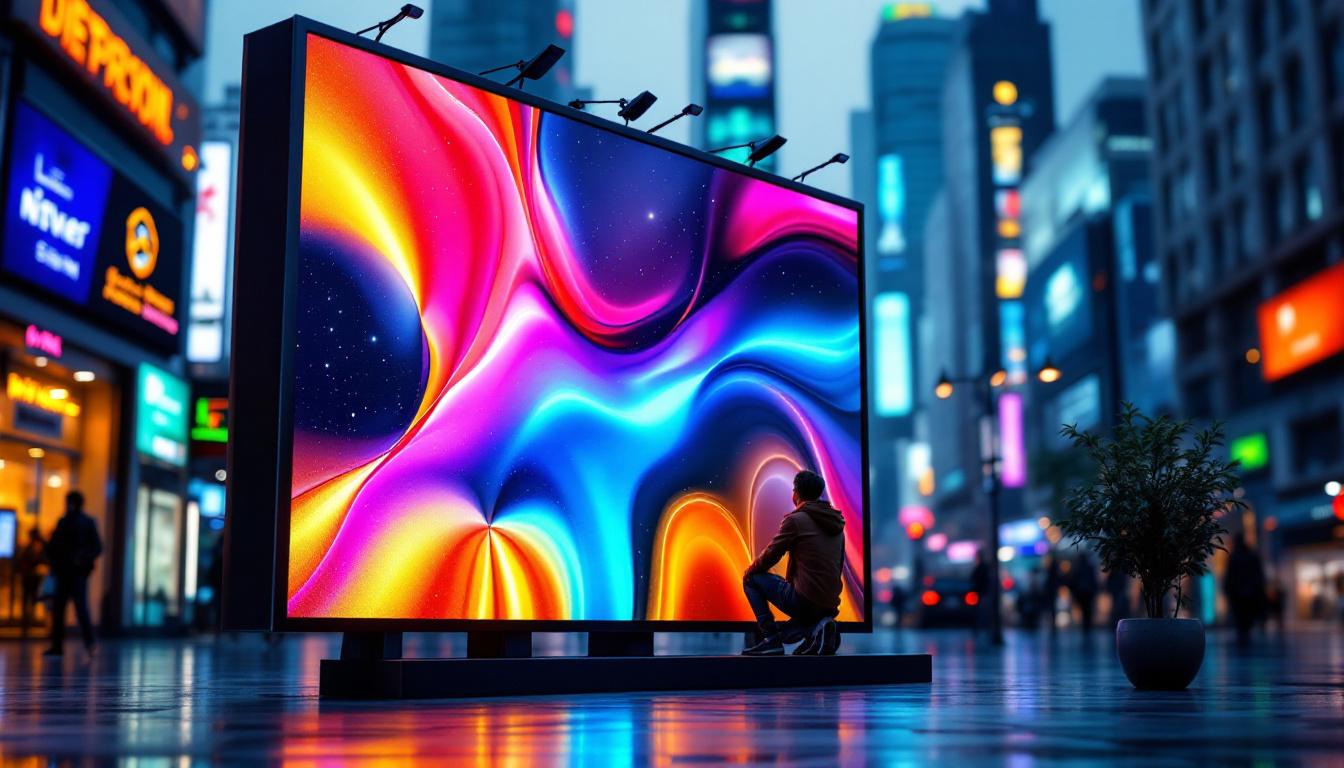
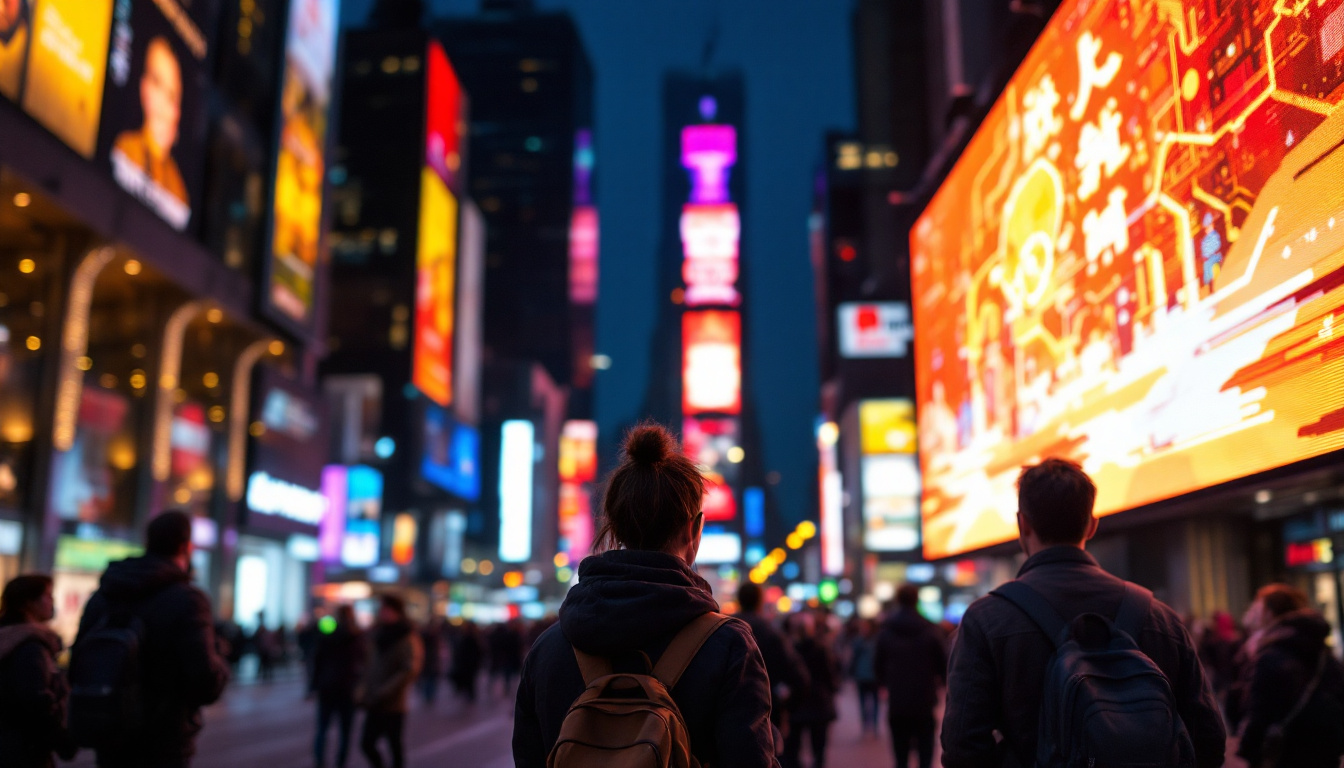
Outdoor LED billboards face challenges such as exposure to harsh weather, temperature fluctuations, and mechanical stress. Incorporating carbon fiber backgrounds into the billboard’s structure has shown to improve durability and reduce maintenance costs. For example, a leading advertising company reported a 30% reduction in structural repairs after switching to carbon fiber substrates for their LED billboards in coastal regions, where salt and moisture typically accelerate corrosion. This transition not only resulted in cost savings but also extended the lifespan of the billboards, allowing advertisers to maintain vibrant and eye-catching displays without frequent interruptions for repairs.
Additionally, the use of carbon fiber in these billboards has enabled the implementation of larger and more intricate designs, as the lightweight nature of the material supports greater surface area without compromising structural integrity. This has opened new avenues for creativity in outdoor advertising, allowing brands to create immersive experiences that capture the attention of passersby. As technology evolves and the demand for high-quality visual displays increases, the integration of carbon fiber backgrounds in LED displays is likely to become more prevalent, paving the way for future innovations in the field.
Technical Considerations for Combining Carbon Fiber and LED Displays
Heat Dissipation and Thermal Management
LED modules generate heat during operation, which can affect performance and lifespan if not properly managed. Carbon fiber’s thermal properties contribute to effective heat dissipation, but it is not as conductive as metals like aluminum or copper. Therefore, designers often integrate carbon fiber with additional heat sinks or cooling systems to optimize thermal management.
Advanced composite designs may include carbon fiber layers combined with metallic inserts or conductive coatings to enhance heat transfer. This hybrid approach balances the lightweight benefits of carbon fiber with the superior thermal conductivity of metals.
Structural Integration and Mounting
Mounting LED panels on carbon fiber backgrounds requires precision engineering to ensure stability and alignment. Carbon fiber’s rigidity helps maintain flatness and prevents warping over time, which is critical for seamless image display across multiple LED modules.
Manufacturers use specialized adhesives and mechanical fasteners compatible with carbon fiber composites to secure LED panels. Additionally, the modular nature of LED displays allows for easy replacement or repair of individual panels without compromising the carbon fiber substrate.
Electrical Insulation and Safety
Carbon fiber is electrically conductive, which poses challenges in LED display applications where electrical insulation is necessary to prevent short circuits and ensure user safety. To address this, carbon fiber backgrounds are often coated with insulating layers or combined with non-conductive materials to isolate electrical components.
Proper grounding and shielding techniques are also implemented to mitigate electromagnetic interference (EMI), which can affect display quality and nearby electronic devices.
Applications and Future Trends
High-End Commercial Displays
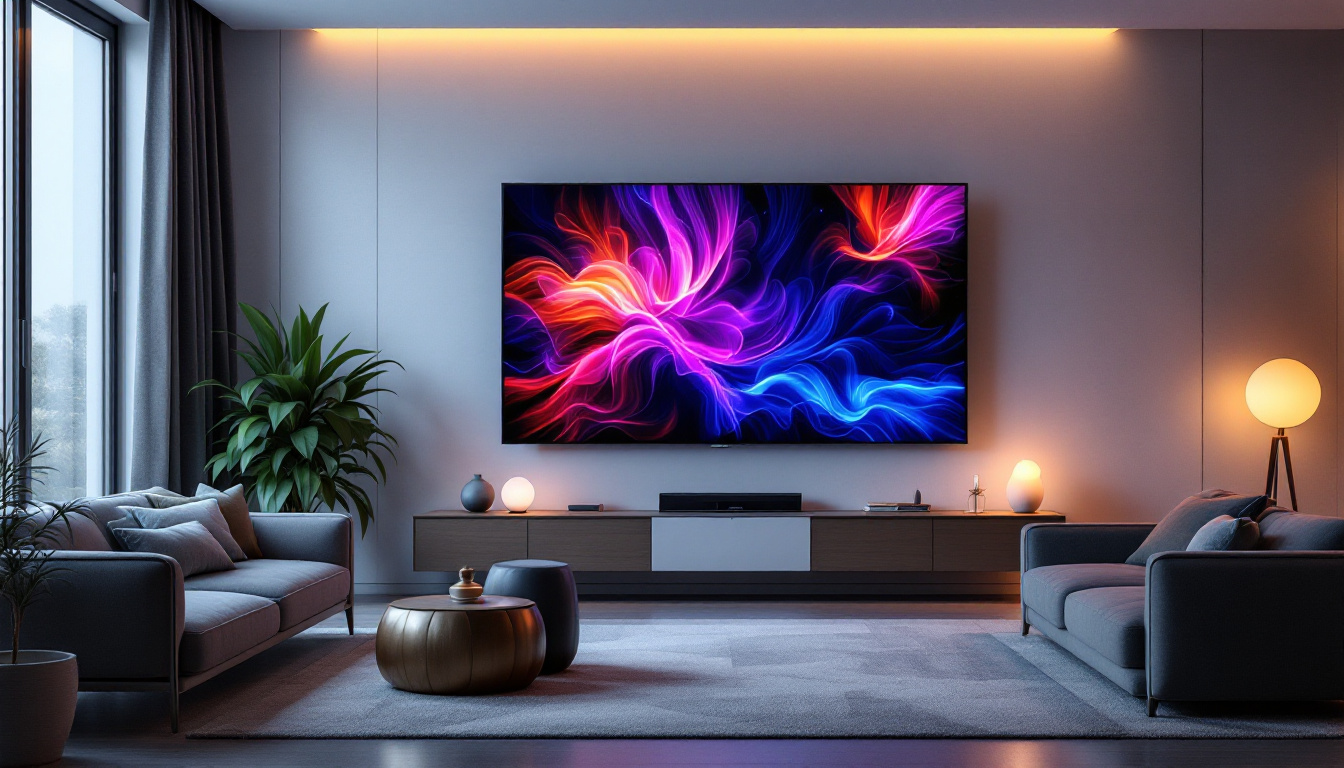
Luxury retail stores, automotive showrooms, and corporate lobbies increasingly use LED displays with carbon fiber backgrounds to create striking visual experiences. The combination allows for ultra-thin, lightweight installations that can be curved or shaped to fit unique architectural designs.
For instance, a luxury car brand recently unveiled a showroom featuring a curved LED video wall mounted on carbon fiber panels, delivering immersive advertising content with a futuristic aesthetic.
Entertainment and Events
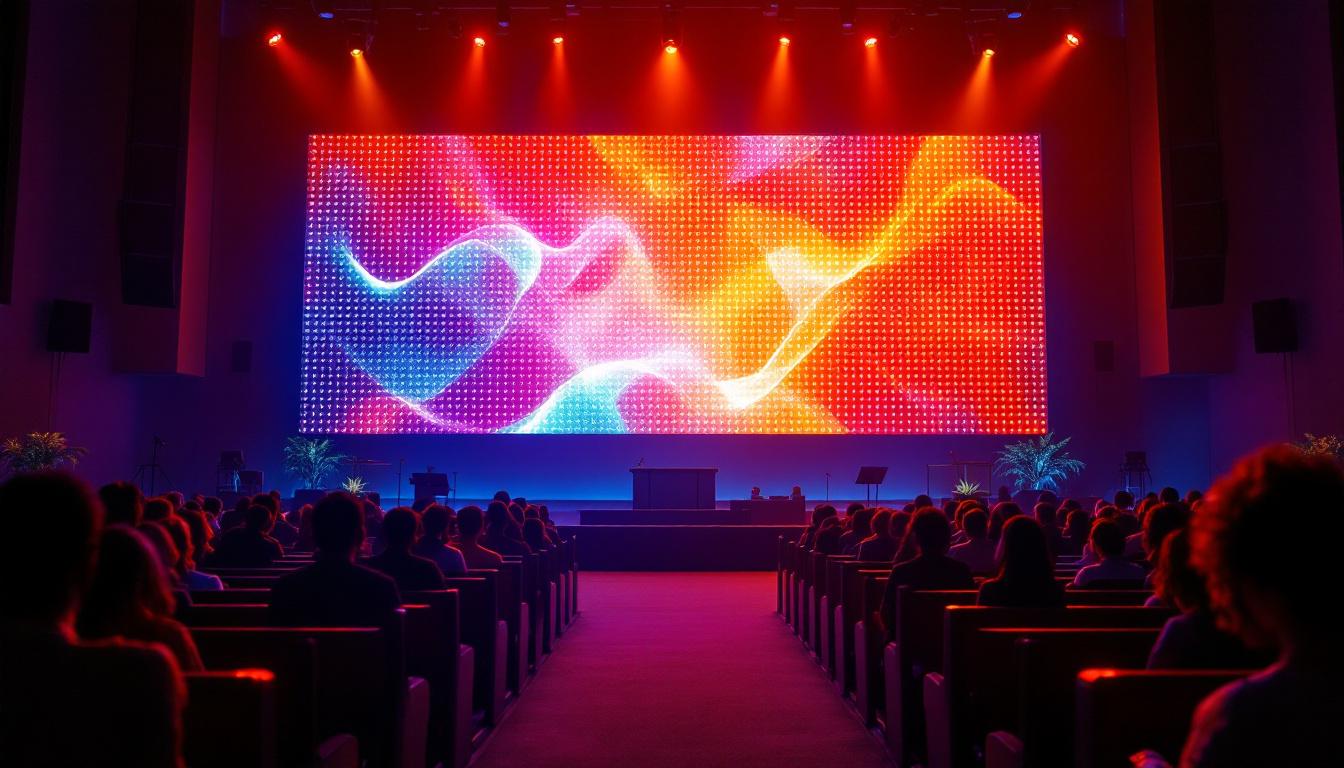
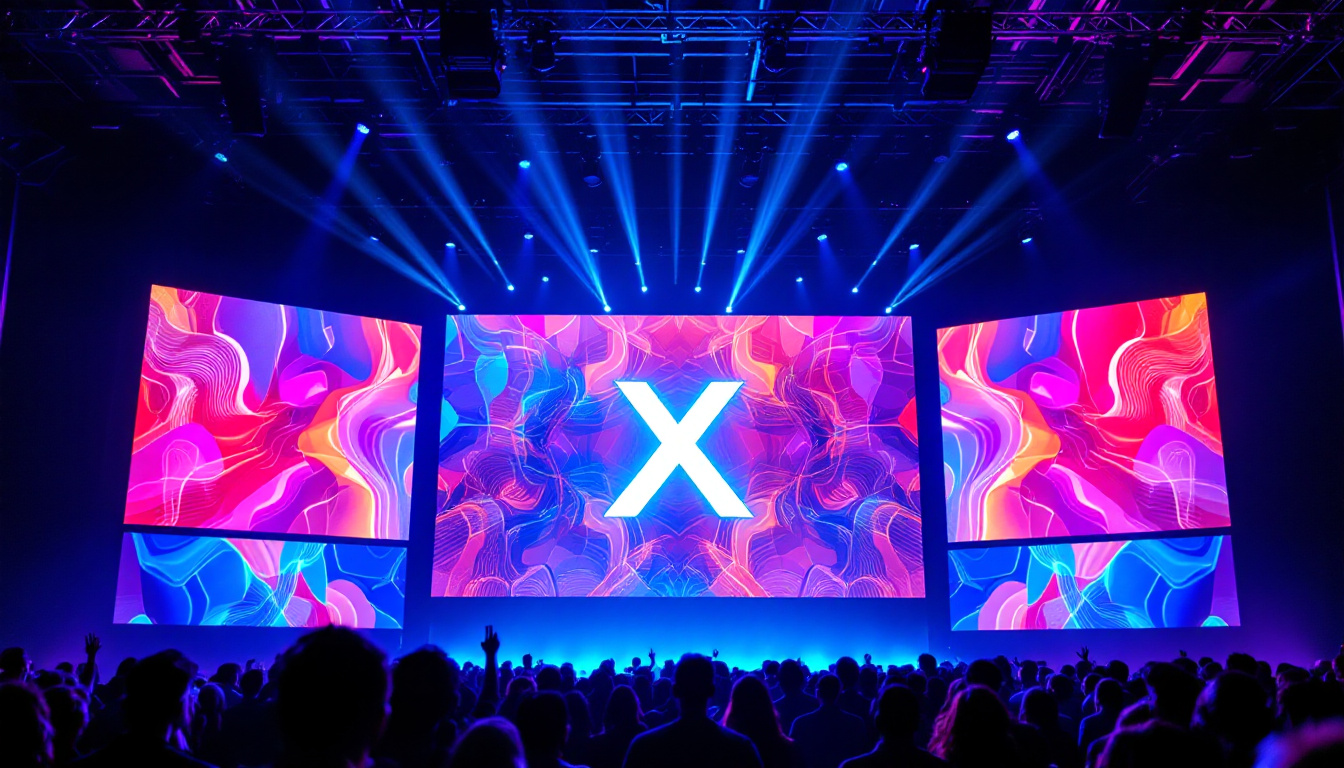
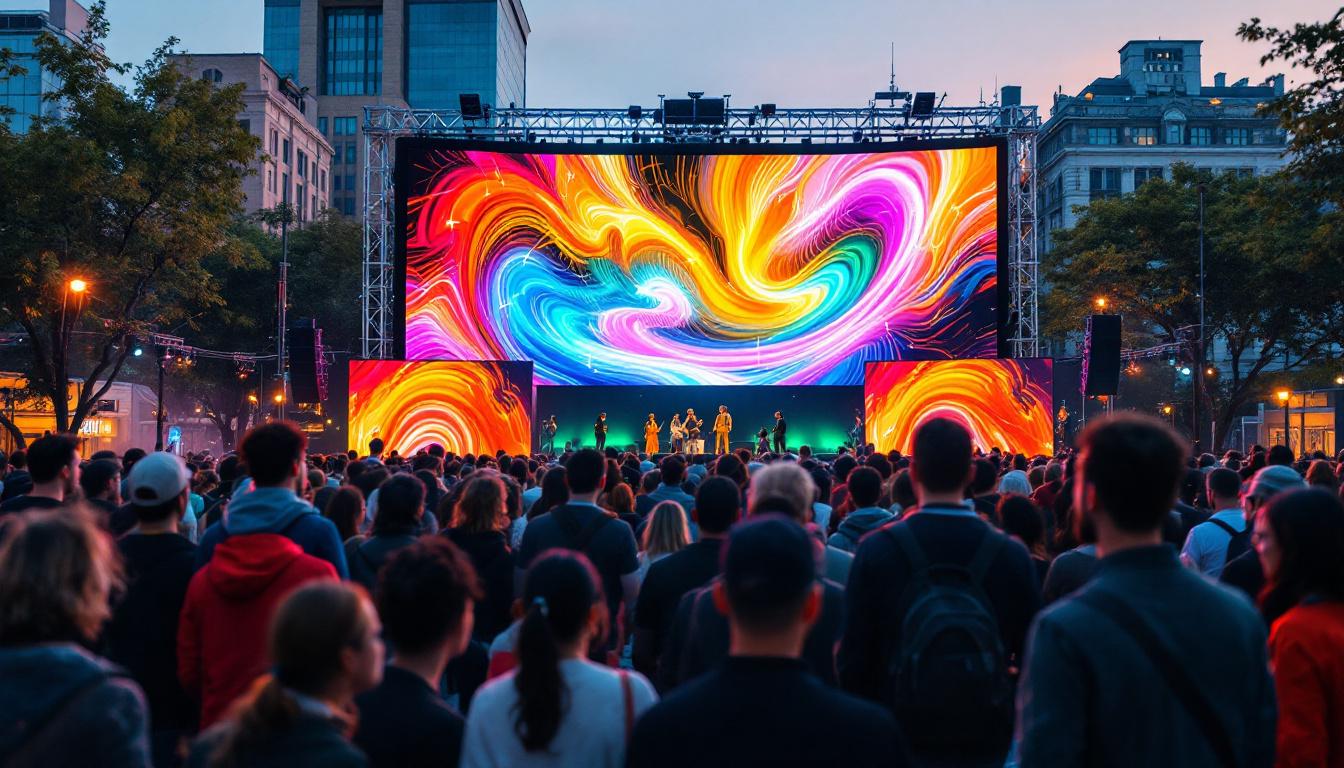
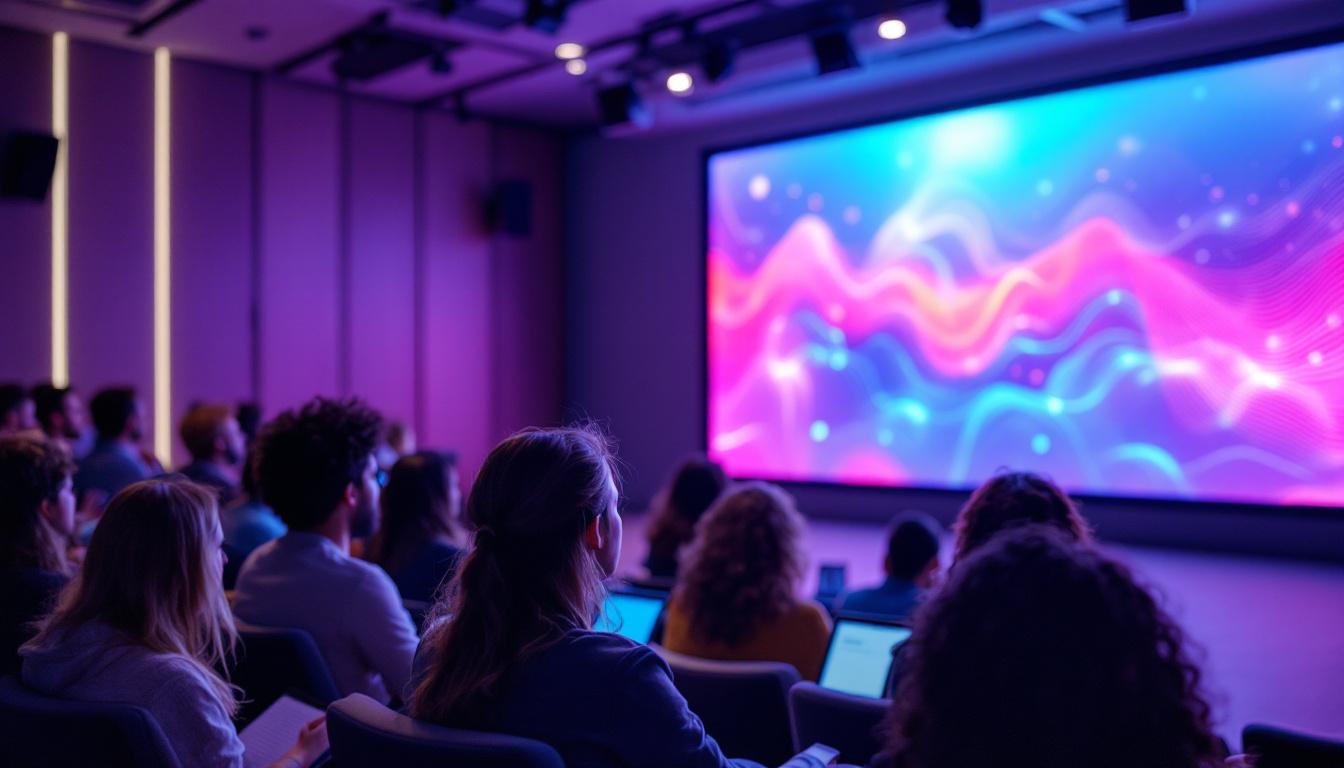
Concerts, exhibitions, and live events benefit from portable and durable LED display setups. Carbon fiber-backed LED panels reduce the weight of transport cases and rigging structures, enabling faster setup and teardown.
Event production companies report that carbon fiber substrates improve the reliability of LED walls under demanding conditions, such as outdoor festivals or touring concerts, where equipment endures frequent handling and environmental exposure.
Emerging Innovations: Flexible and Transparent LED Displays
Research into flexible and transparent LED displays is advancing rapidly. Carbon fiber’s flexibility and strength could play a pivotal role in supporting these next-generation screens. Its ability to maintain structural integrity while bending or curving opens new possibilities for wearable displays, automotive interiors, and architectural glass installations.
Moreover, integrating carbon fiber with transparent conductive materials may lead to hybrid substrates that combine mechanical strength with optical clarity, pushing the boundaries of LED display design.
Conclusion: The Synergy of Carbon Fiber and LED Technology
The integration of carbon fiber backgrounds in LED display technology represents a significant step forward in achieving high-performance, durable, and visually stunning display solutions. By leveraging carbon fiber’s unique mechanical and thermal properties, manufacturers and designers can create LED installations that are not only lightweight and robust but also aesthetically sophisticated.
As LED technology continues to evolve, the role of advanced materials like carbon fiber will become increasingly important in meeting the demands of diverse applications—from outdoor advertising and entertainment to cutting-edge architectural designs. Understanding the interplay between these technologies enables stakeholders to make informed decisions and capitalize on the full potential of modern LED displays.
For businesses and creatives seeking to push the envelope in visual communication, exploring carbon fiber-backed LED displays offers exciting opportunities for innovation and excellence.
Discover the Future of Visual Displays with LumenMatrix
Ready to elevate your visual communication with the latest in LED display technology? LumenMatrix is at the forefront of innovation, offering a diverse range of LED display solutions that cater to your unique needs. From immersive indoor and outdoor LED walls to dynamic vehicle displays and beyond, our mission is to transform your brand’s visibility with captivating and engaging digital signage. Experience the synergy of carbon fiber and LED technology with LumenMatrix and take the first step towards revolutionizing your visual presence. Check out LumenMatrix LED Display Solutions and join the visual revolution today.