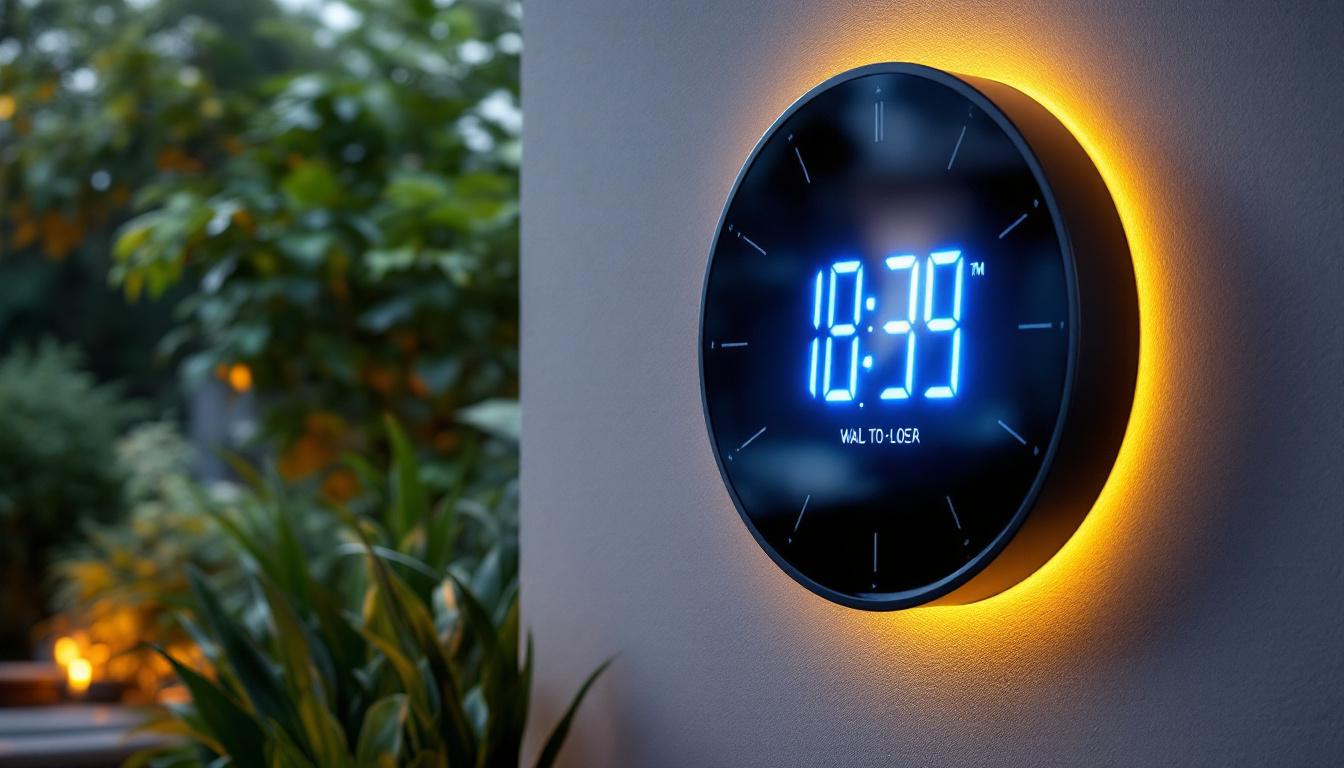
In today’s fast-paced world, outdoor wall clocks have evolved from simple time-telling devices into sophisticated, multifunctional tools. Among the most popular innovations is the large LED display outdoor wall clock, which combines visibility, durability, and modern technology to meet the needs of public spaces, businesses, and residential areas alike. This article delves into the features, benefits, and technical aspects of large LED display outdoor wall clocks, explaining why they have become a preferred choice for many.
The Rise of Large Outdoor Wall Clocks with LED Displays
Outdoor clocks have been a staple in public squares, train stations, and schools for centuries. Traditionally, these clocks featured analog faces with hands and numbers, often made from weather-resistant materials. However, the advent of LED technology has transformed the design and functionality of outdoor clocks, especially those intended for large spaces.
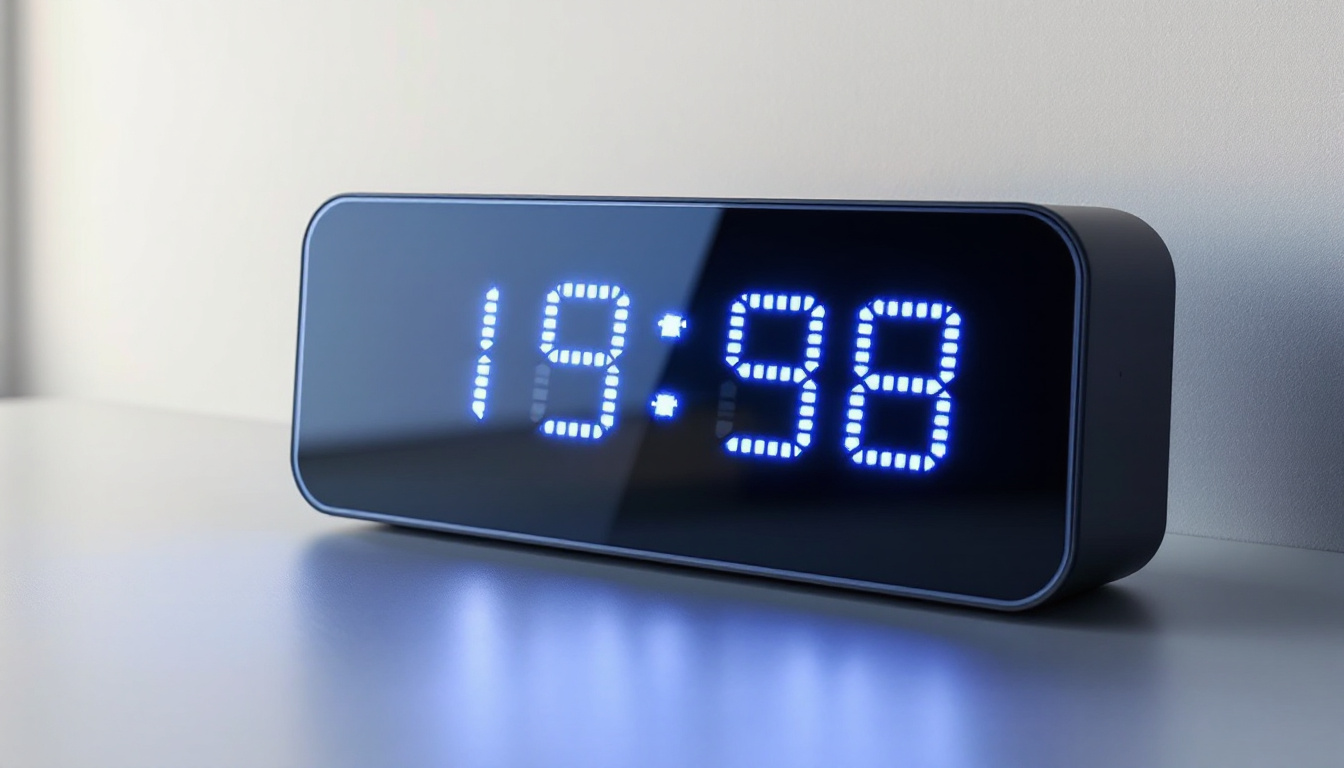
LED (Light Emitting Diode) displays offer several advantages over traditional clock faces. Their brightness and clarity ensure that time is easily readable from a distance, even in poor lighting or adverse weather conditions. This is particularly important in busy environments where quick, accurate time checks are necessary.
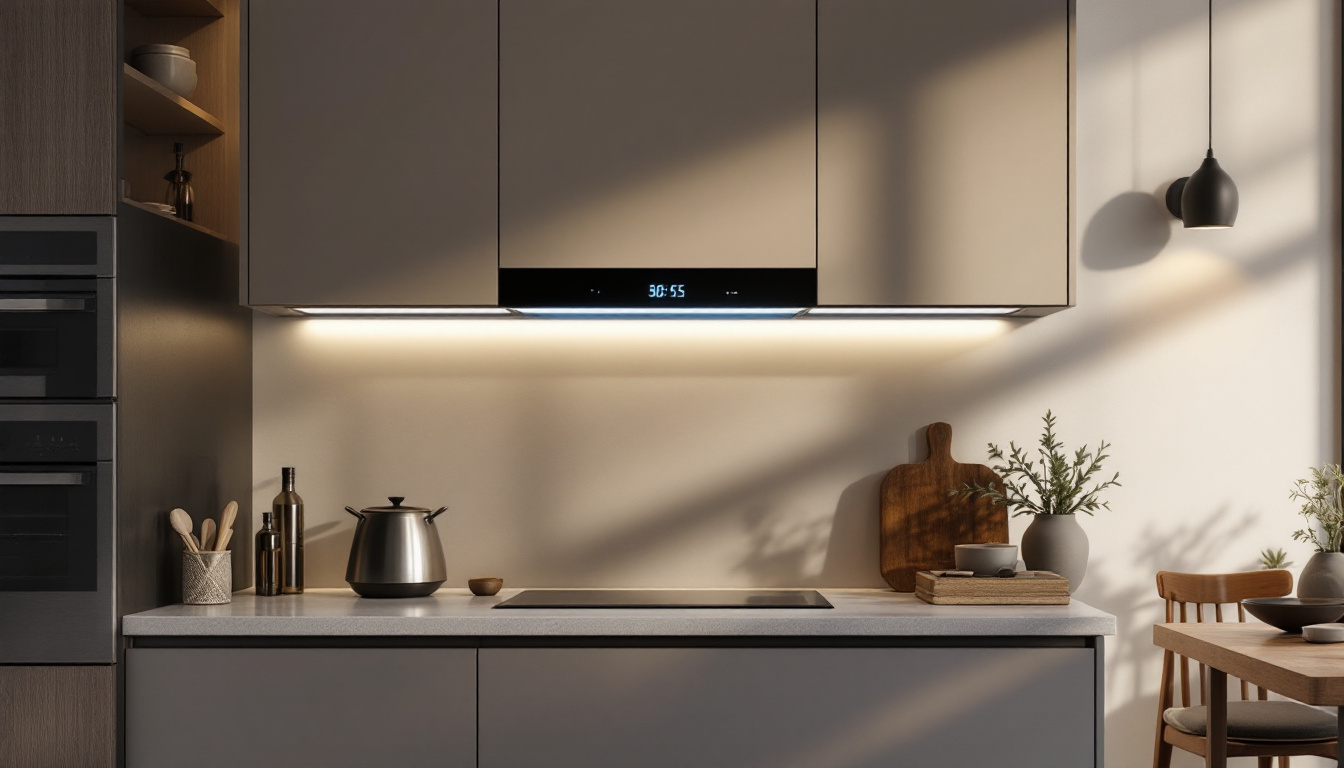
Moreover, LED displays allow for greater customization. Beyond simply showing the time, many large outdoor LED clocks can display additional information such as temperature, humidity, date, and even messages or alerts. This versatility has expanded their use beyond mere timekeeping to becoming integral parts of outdoor information systems.
Statistics Highlighting the Popularity of LED Outdoor Clocks
Recent market studies indicate a steady increase in demand for outdoor LED clocks. According to a 2023 report by MarketWatch, the global outdoor digital signage market, which includes LED clocks, is projected to grow at a compound annual growth rate (CAGR) of 7.5% over the next five years. This growth is driven by urbanization, smart city initiatives, and increasing investments in public infrastructure.
Furthermore, a survey conducted by the American Time Association found that 68% of public institutions and commercial businesses prefer LED digital clocks for outdoor installations due to their reliability and ease of maintenance.
Key Features of Large LED Display Outdoor Wall Clocks
Visibility and Brightness
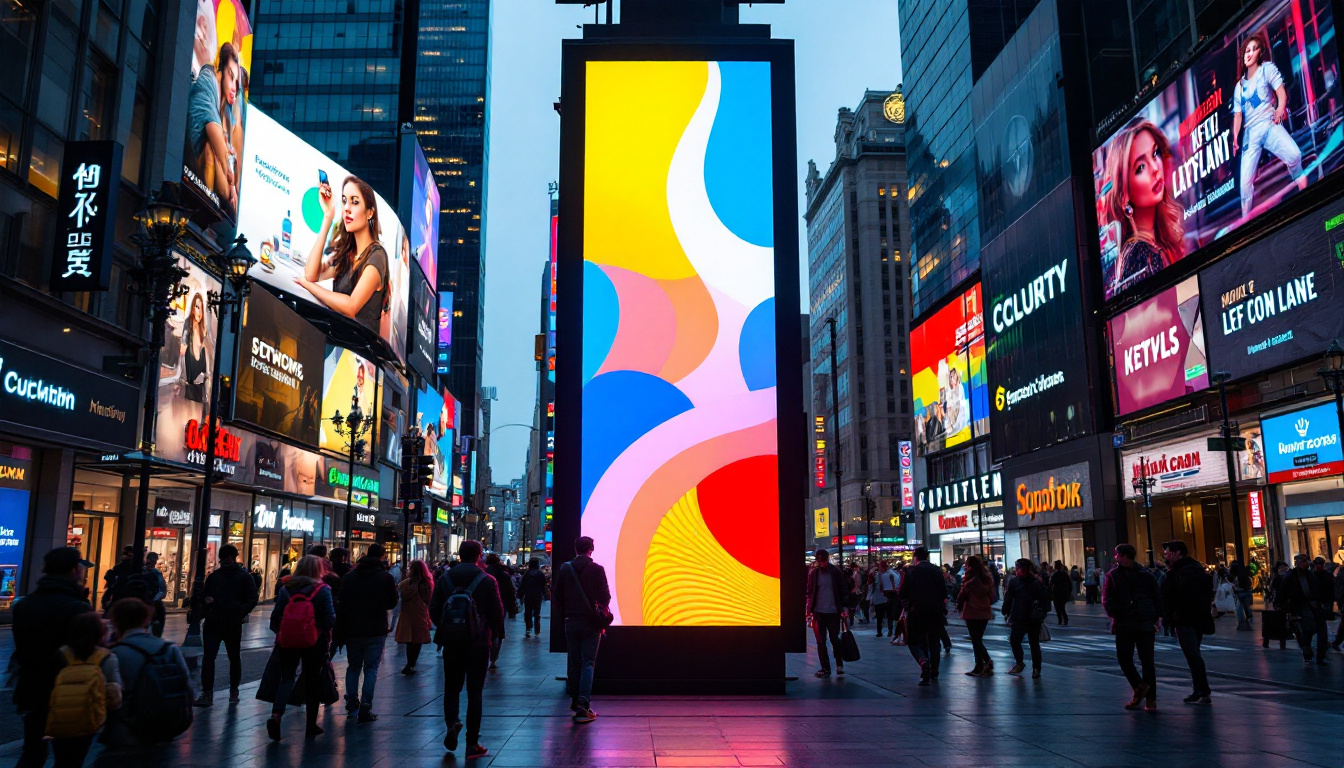
One of the defining features of large outdoor LED clocks is their exceptional visibility. The LED technology allows for bright, vibrant displays that remain clear under direct sunlight and at night. Many models come with automatic brightness adjustment sensors that dim the display during nighttime to prevent glare while maintaining readability.
Visibility is crucial in outdoor settings such as sports arenas, transportation hubs, and commercial districts where people need to quickly glance at the time without straining their eyes. Large digits, often measuring several inches in height, ensure that the time can be read from distances exceeding 100 feet.
Durability and Weather Resistance
Outdoor clocks must withstand a variety of environmental conditions, including rain, snow, extreme temperatures, and dust. High-quality LED outdoor clocks are typically encased in weatherproof housings made from materials like aluminum or stainless steel, combined with tempered glass or polycarbonate covers.
IP (Ingress Protection) ratings are commonly used to indicate the level of protection against water and dust. For outdoor clocks, an IP rating of at least IP65 is recommended, ensuring the device is dust-tight and protected against water jets from any direction. This guarantees long-term performance without frequent repairs or replacements.
Power Efficiency and Longevity
LED technology is inherently energy-efficient compared to traditional lighting methods. Large LED clocks consume relatively low power even when operating continuously outdoors. Many models incorporate energy-saving features such as motion sensors or scheduled on/off cycles to further reduce electricity consumption.
Additionally, LEDs have a long operational life, often exceeding 50,000 hours. This means that outdoor LED clocks can function reliably for many years with minimal maintenance, making them a cost-effective choice for municipalities and businesses.
Additional Functionalities
Modern large LED outdoor clocks often include smart features such as wireless synchronization, GPS time-setting, and remote control via smartphone apps or web interfaces. These capabilities ensure that the clock always displays accurate time without manual adjustments, even after power outages or daylight saving changes.
Some models integrate environmental sensors to display real-time weather data or air quality indices, providing added value to passersby. Others can be programmed to show custom messages, event countdowns, or emergency alerts, making them versatile communication tools.
Choosing the Right Large LED Display Outdoor Wall Clock
Assessing Location and Viewing Distance
The first consideration when selecting an outdoor LED clock is the installation environment. Factors such as the distance from which the clock will be viewed, ambient lighting conditions, and potential obstructions influence the size and brightness requirements.
For example, a clock intended for a sports stadium or large plaza needs much larger digits and higher brightness levels than one installed outside a small storefront. Manufacturers typically provide guidelines on optimal viewing distances based on digit height, helping buyers make informed decisions.
Understanding Display Types and Color Options
LED clocks come in various display configurations, including single-color (usually red or green), bi-color, and full RGB color displays. Single-color displays are more energy-efficient and cost-effective, suitable for basic time and temperature readouts.
Full-color RGB displays offer greater flexibility for showing dynamic content and graphics but tend to be more expensive and consume more power. The choice depends on the intended use — for instance, a public transportation hub might benefit from colorful alerts, while a residential community might prefer a simpler design.
Evaluating Power Sources and Installation Requirements
Power supply options vary from direct AC connections to solar-powered units. Solar-powered LED clocks are gaining popularity in remote or off-grid locations due to their sustainability and ease of installation.
Installation complexity also differs based on the clock’s size, weight, and mounting system. Some models come with wall brackets or pole mounts, while others require custom fixtures. It’s essential to ensure that the mounting surface can support the clock’s weight and that the installation complies with local building codes.
Maintenance and Longevity of Outdoor LED Wall Clocks
Routine Cleaning and Inspection
Maintaining an outdoor LED clock involves periodic cleaning to remove dust, dirt, and bird droppings that can obscure the display. Using soft cloths and non-abrasive cleaners is recommended to avoid scratching the protective cover.
Regular inspections should check for signs of water ingress, corrosion, or loose connections. Early detection of issues can prevent costly repairs and extend the clock’s lifespan.
Software Updates and Time Synchronization
Many modern LED clocks feature firmware that can be updated remotely to improve functionality or add new features. Keeping the software current ensures compatibility with synchronization protocols and enhances security against cyber threats.
Accurate timekeeping is maintained through synchronization methods such as Network Time Protocol (NTP) or GPS signals. Ensuring these systems are functioning properly is vital for the clock’s reliability.
Common Troubleshooting Tips
Typical problems with outdoor LED clocks include dim or flickering displays, incorrect time, or unresponsive controls. These issues often stem from power supply interruptions, damaged LEDs, or software glitches.
Consulting the manufacturer’s troubleshooting guide or contacting technical support can resolve most problems quickly. In some cases, replacing individual LED modules or control boards may be necessary.
Applications and Benefits of Large LED Display Outdoor Wall Clocks
Public Spaces and Transportation Hubs
Large LED outdoor clocks are invaluable in public spaces such as parks, city squares, train stations, and airports. Their high visibility ensures that commuters and visitors can easily keep track of time, reducing missed connections and improving overall punctuality.
In transportation hubs, integrated clocks often synchronize with schedules and announcements, providing a cohesive information system that enhances user experience.
Commercial and Industrial Settings
Businesses benefit from large LED clocks by improving time management and operational efficiency. Warehouses, factories, and office complexes use these clocks to coordinate shifts, breaks, and deadlines.
Additionally, the ability to display messages or safety alerts makes these clocks useful tools for workplace communication and compliance.
Residential and Recreational Areas
In residential communities, large outdoor LED clocks serve both functional and aesthetic purposes. They can be installed in common areas, clubhouses, or poolside locations to keep residents informed and enhance the environment.
Recreational areas such as golf courses, sports fields, and campgrounds also utilize these clocks to help visitors manage their schedules and enjoy activities without concern for time.
Future Trends in Outdoor LED Wall Clocks
The future of large outdoor LED clocks is closely tied to advancements in smart city technologies and the Internet of Things (IoT). Emerging models are expected to feature enhanced connectivity, allowing integration with traffic systems, environmental sensors, and emergency networks.
Artificial intelligence may also play a role in adaptive display content, tailoring information based on time of day, weather conditions, or crowd density. Energy harvesting technologies like improved solar panels and kinetic energy converters could further reduce reliance on traditional power sources.
As LED technology continues to advance, expect outdoor clocks to become even more versatile, reliable, and integral to urban infrastructure.
Conclusion
Large outdoor wall clocks with LED displays represent a significant leap forward in public timekeeping and communication. Their superior visibility, durability, and multifunctionality make them ideal for a wide range of applications, from public spaces to commercial environments and residential communities.
Understanding the technical features, installation considerations, and maintenance requirements is essential for selecting the right LED clock to meet specific needs. As technology evolves, these clocks will continue to offer innovative solutions that enhance convenience, safety, and connectivity in outdoor settings.
Investing in a large LED display outdoor wall clock is not just about telling time—it’s about embracing a modern, efficient, and engaging way to communicate and manage time in the public realm.
Discover LumenMatrix LED Display Solutions
Ready to elevate your public space with a large outdoor wall clock that offers unmatched visibility and robust features? LumenMatrix is at the forefront of LED display technology, providing innovative solutions that transform environments and captivate audiences. From vibrant outdoor LED walls to dynamic vehicle displays and beyond, our products are designed to deliver your message with exceptional clarity and impact. Embrace the future of visual communication with LumenMatrix and check out our LED display solutions today.