In today’s world, outdoor commercial spaces are evolving rapidly, integrating advanced audio and visual technologies to create immersive experiences. Among these, outdoor commercial speakers paired with LED displays have become a cornerstone in sectors ranging from retail and hospitality to public venues and transportation hubs. Understanding how these two technologies work together—and the key considerations for their implementation—can significantly enhance the effectiveness of outdoor advertising, public announcements, and entertainment.
The Intersection of Outdoor Commercial Speakers and LED Displays
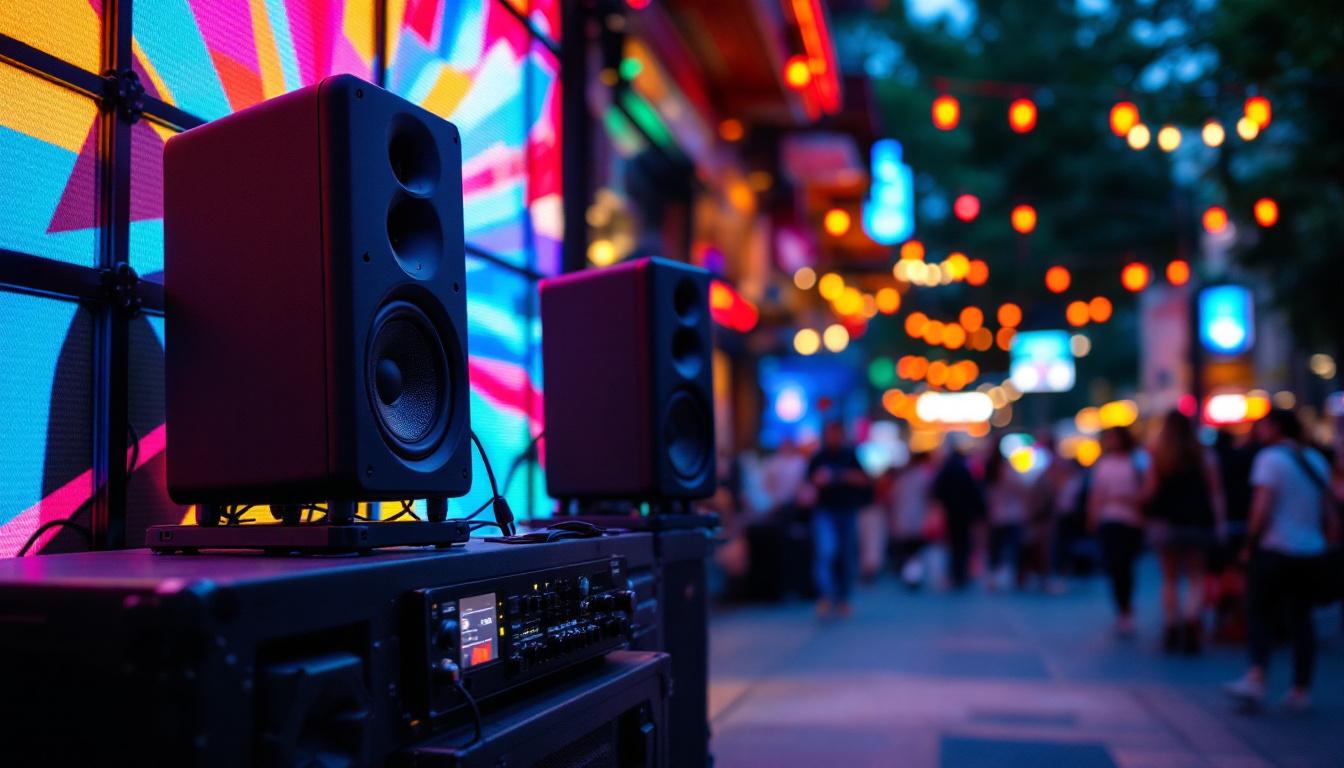
Outdoor commercial speakers and LED displays serve complementary roles in engaging audiences. While LED displays capture attention through vibrant, dynamic visuals, outdoor speakers deliver clear, impactful sound that reinforces messaging and atmosphere. This combination is particularly powerful in environments where visibility and audibility are challenged by weather, ambient noise, and distance. The technology behind both elements has evolved significantly, allowing for enhanced performance even in challenging conditions. For instance, modern LED displays are designed to be weather-resistant and maintain high visibility in direct sunlight, while outdoor speakers are equipped with advanced sound dispersion technology to ensure that audio reaches every corner of a venue.
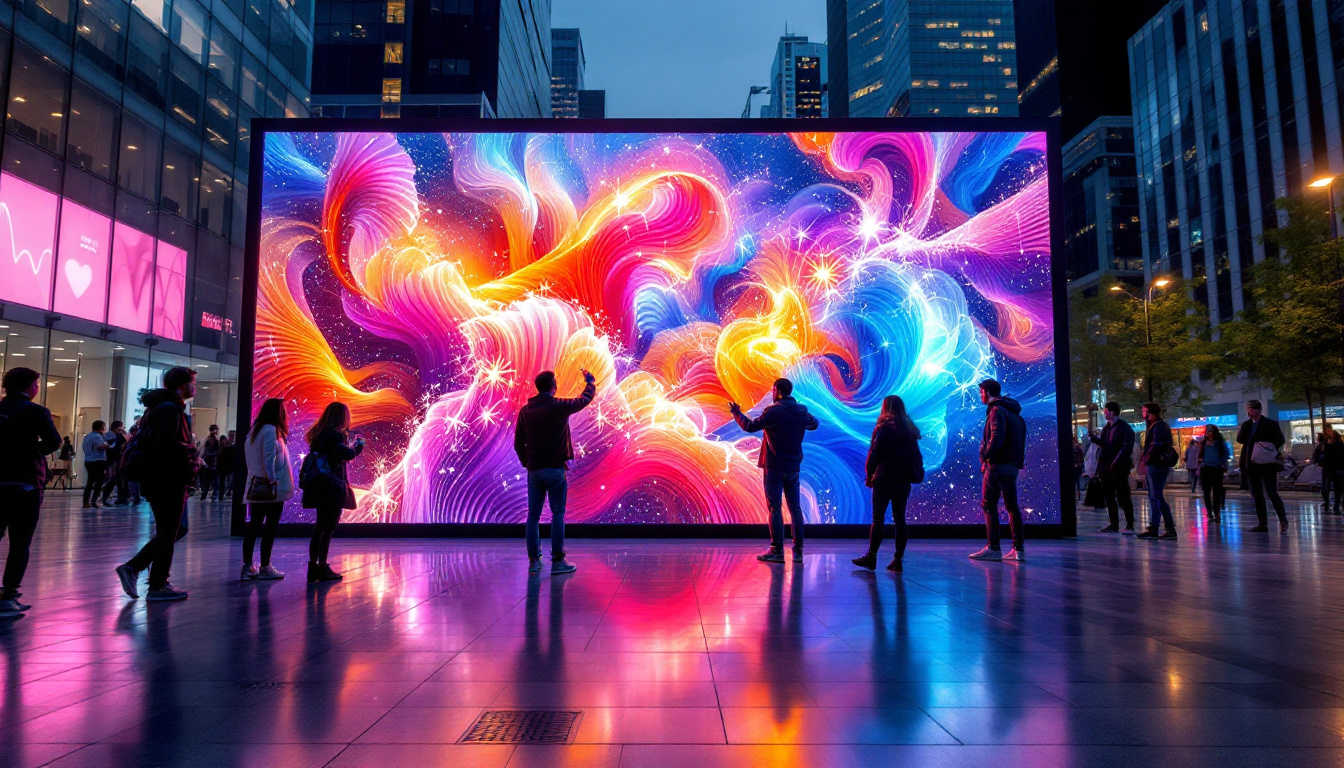
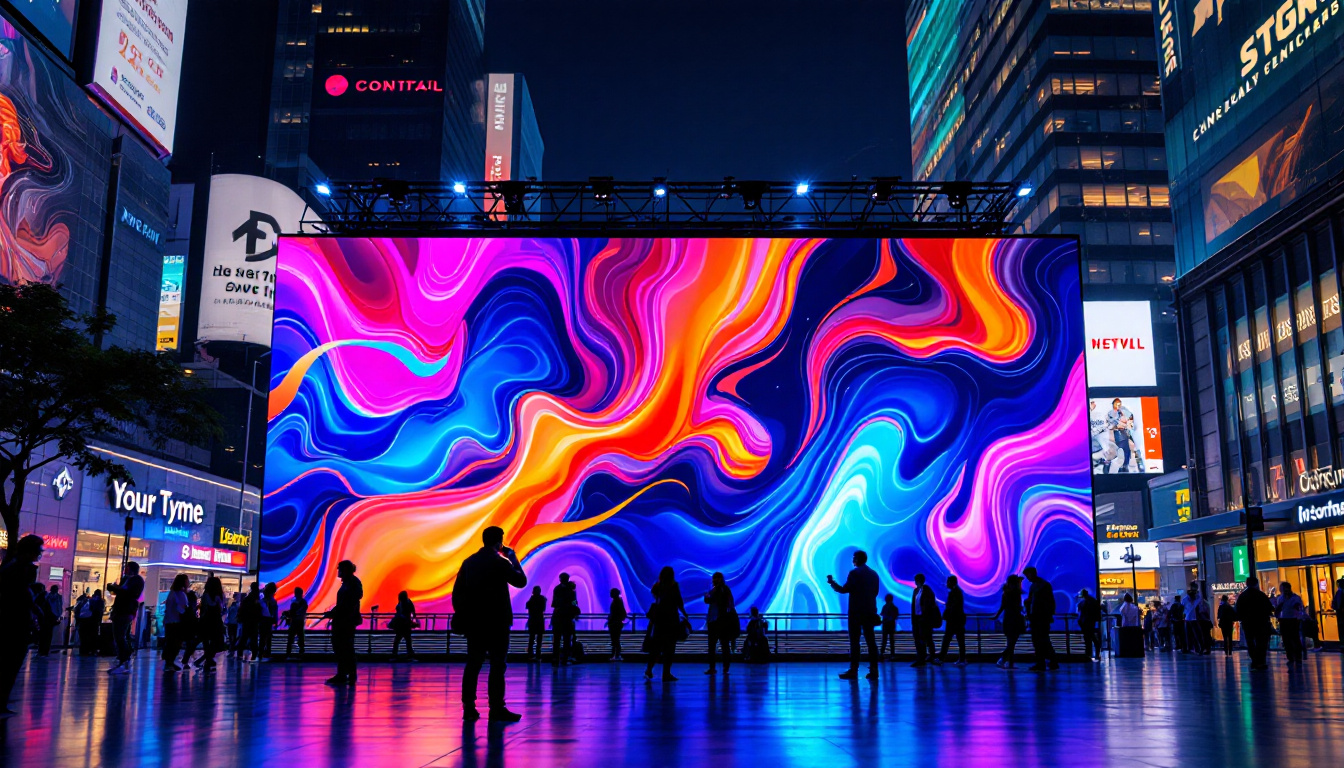
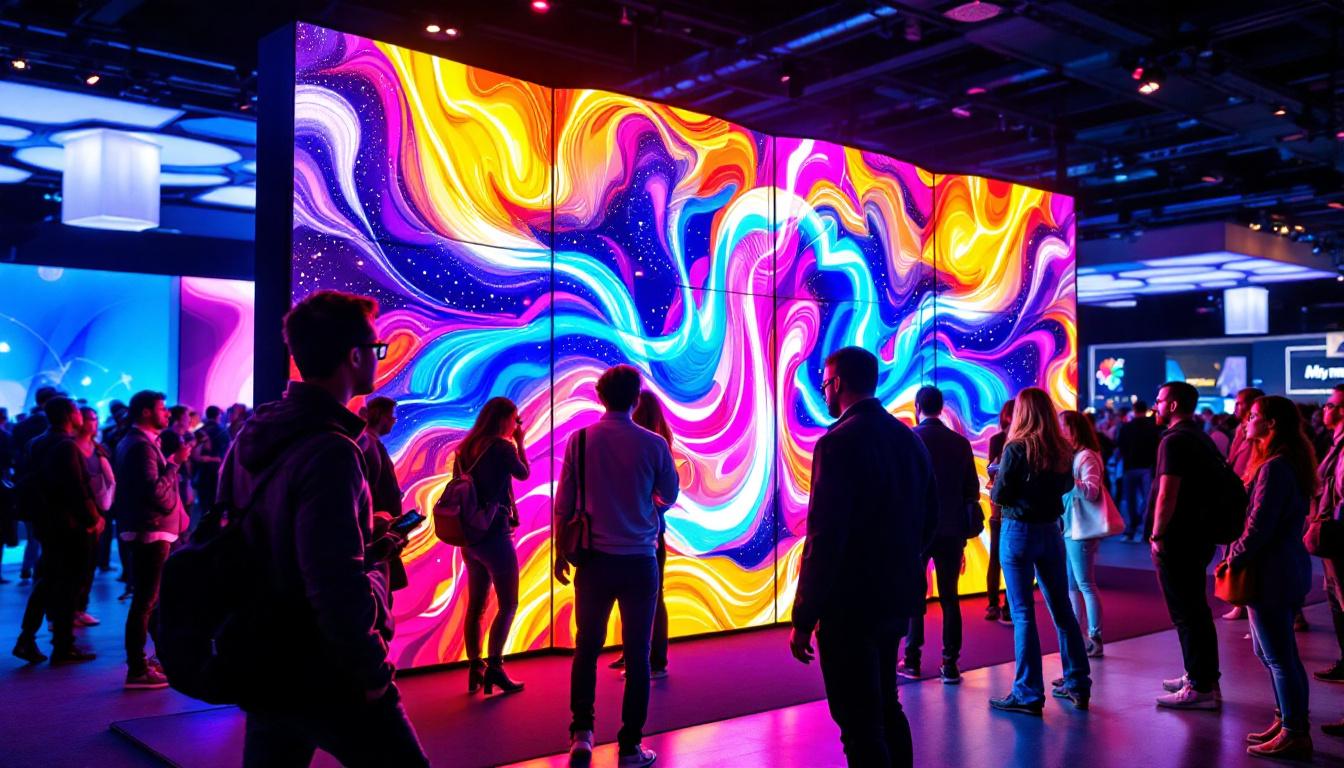
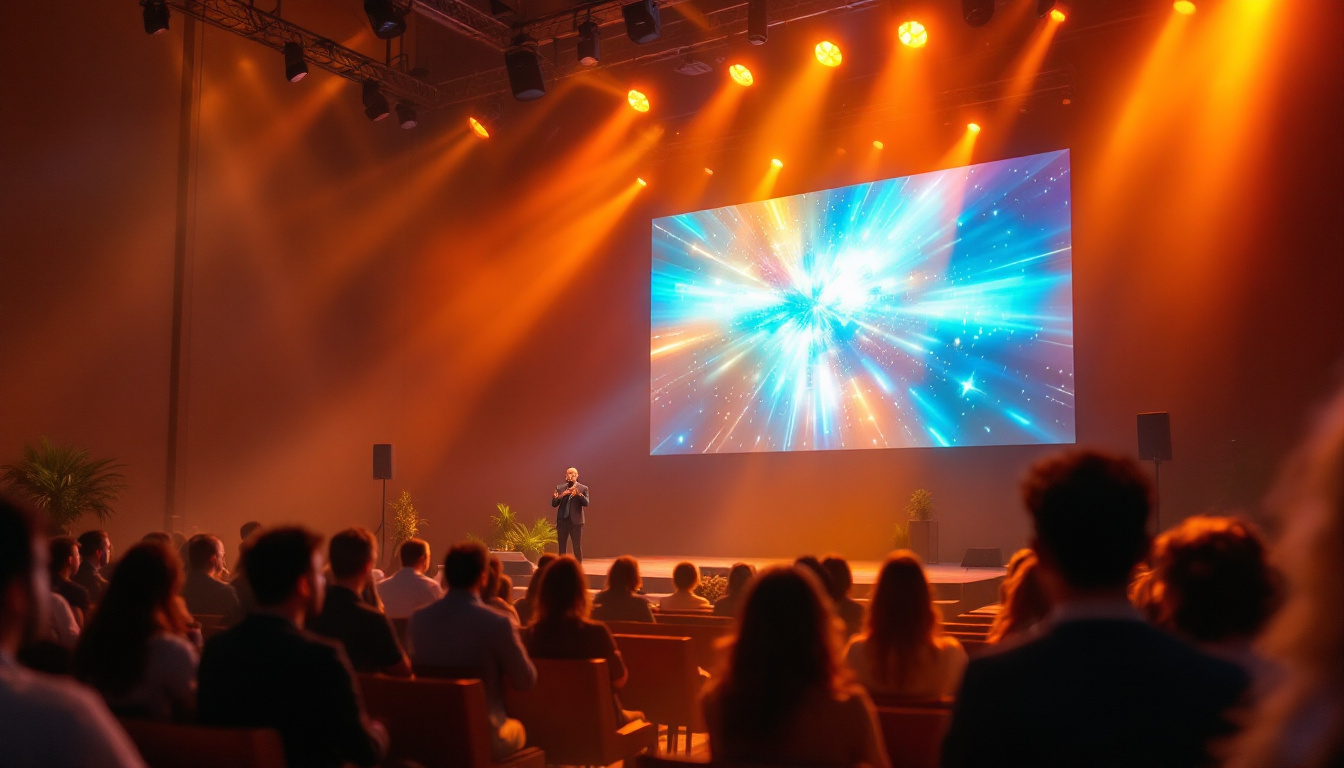
For example, a bustling outdoor shopping mall may use large LED screens to showcase promotions and events, while strategically placed commercial speakers broadcast announcements or music to create an inviting ambiance. The interplay between sight and sound can transform a simple shopping trip into an engaging experience, encouraging longer visits and increased spending. Similarly, stadiums and public squares rely on this synergy to provide spectators with real-time updates and immersive audio-visual experiences. In these settings, the combination of synchronized audio and visual elements not only enhances entertainment value but also fosters a sense of community as attendees share in the excitement of live events.
Why Integrate Audio with Visual Displays?
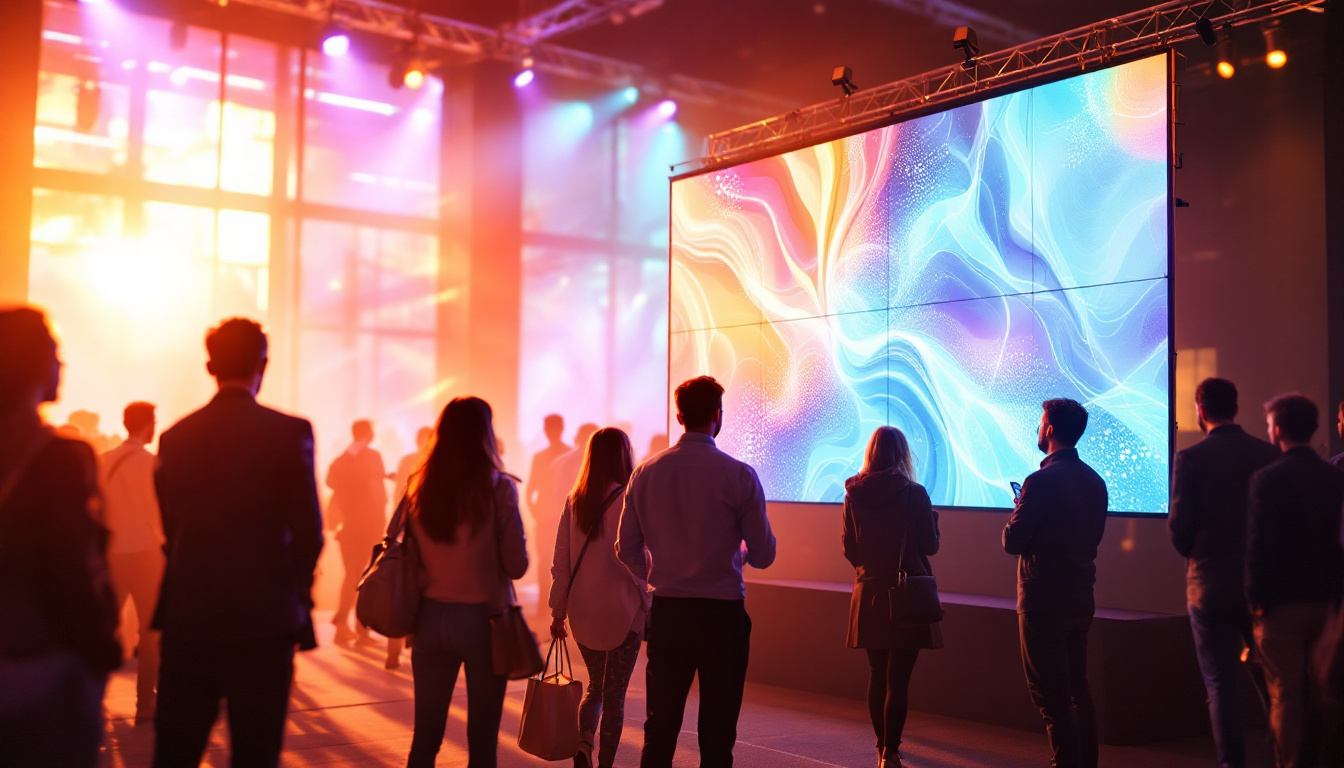
Integrating audio with visual displays enhances communication effectiveness. According to a study by the Outdoor Advertising Association of America (OAAA), campaigns that combine sound and visuals see a 30% increase in audience engagement compared to visual-only displays. Sound captures attention and conveys emotion, while visuals provide context and detail. This is particularly important in settings like festivals or outdoor concerts, where the atmosphere is already charged with energy. The right combination of music and visuals can elevate the overall experience, making it memorable for attendees and encouraging them to share their experiences on social media.
Moreover, in noisy outdoor environments, relying solely on visual displays may limit message reach. Audio ensures that announcements, advertisements, or entertainment content are accessible even when viewers are not directly facing the screen. This multimodal approach caters to diverse audience preferences and environmental conditions. For instance, during a sporting event, the excitement of the crowd can drown out visual messages, but a well-timed audio announcement can capture attention and convey critical information. Additionally, integrating audio with visuals allows for creative storytelling, where sound effects and music can enhance the narrative presented on the LED screen, creating a more immersive experience for the audience.
Key Features of Outdoor Commercial Speakers
Outdoor commercial speakers are designed to withstand environmental challenges while delivering high-quality sound. Their features differ significantly from indoor speakers, focusing on durability, weather resistance, and sound projection.
Weatherproof and Durable Construction
Outdoor speakers must endure rain, dust, temperature fluctuations, and UV exposure. Typically, they are built with rugged materials such as marine-grade plastics, stainless steel, or aluminum alloys. IP (Ingress Protection) ratings provide a standardized measure of resistance; for outdoor use, speakers with an IP65 rating or higher are recommended, ensuring protection against water jets and dust ingress.
Sound Quality and Coverage
Effective outdoor speakers deliver clear audio over wide areas without distortion. They often feature horn-loaded tweeters and high-power woofers to project sound efficiently. Directional sound technology helps focus audio toward target areas, minimizing noise pollution and enhancing listener experience.
Power and Connectivity Options
Outdoor commercial speakers may be powered through traditional wired connections or via wireless systems, including Bluetooth or Wi-Fi. For large-scale installations, integration with centralized audio management systems allows synchronized control across multiple speakers. Power handling capabilities vary, but commercial-grade speakers typically support 50 to 200 watts or more, suitable for large venues.
Understanding LED Displays for Outdoor Use
LED (Light Emitting Diode) displays have revolutionized outdoor advertising and information dissemination. Their brightness, durability, and flexibility make them ideal for commercial environments exposed to sunlight and weather.
Brightness and Visibility
Outdoor LED displays must be significantly brighter than indoor screens to remain visible under direct sunlight. Typical outdoor LED panels offer brightness levels ranging from 5,000 to 10,000 nits, compared to 300 to 500 nits for indoor displays. High brightness ensures content is clear and legible even on the brightest days.
Pixel Pitch and Resolution
Pixel pitch—the distance between individual LED pixels—affects image clarity and viewing distance. Outdoor displays often use larger pixel pitches (e.g., 6mm to 20mm) because viewers are typically farther away. A smaller pixel pitch provides higher resolution but increases cost and power consumption. Selecting the right pixel pitch balances clarity with budget and installation requirements.
Durability and Weather Resistance
Similar to outdoor speakers, LED displays must withstand harsh conditions. They are usually encased in weatherproof cabinets with IP65 or higher ratings. Additionally, features like anti-glare coatings and temperature regulation systems (fans or heaters) help maintain performance and longevity.
Designing an Integrated Outdoor Audio-Visual System
Combining outdoor commercial speakers with LED displays requires careful planning to optimize performance and user experience. Several factors influence the design and installation process.
Site Assessment and Environmental Considerations
Understanding the physical environment is critical. Factors such as ambient noise levels, lighting conditions, weather patterns, and audience movement patterns inform equipment selection and placement. For instance, in a windy or rainy location, speakers and displays must have enhanced protection and secure mounting.
Ambient noise analysis helps determine speaker power and directional requirements. In areas with heavy traffic or crowd noise, higher wattage and focused audio beams ensure messages are heard clearly without contributing to noise pollution.
Placement and Orientation
Optimal placement of speakers and LED displays maximizes visibility and audibility. LED screens should be positioned at eye level or higher, angled to minimize glare and maximize viewing angles. Speakers are typically mounted near the display or distributed throughout the area to provide even sound coverage.
Directional speakers can target specific zones, reducing sound spillover into adjacent areas. This is especially important in mixed-use environments where noise control is essential.
Synchronization and Control Systems
Modern outdoor audio-visual systems benefit from integrated control platforms that synchronize content across speakers and LED displays. This ensures cohesive messaging and timing, enhancing audience engagement. Centralized management software allows operators to adjust volume, brightness, and content remotely, adapting to changing conditions or events.
Applications and Benefits of Outdoor Commercial Speakers with LED Displays
The combination of outdoor speakers and LED displays unlocks numerous opportunities across industries, delivering tangible benefits.
Retail and Advertising
Retailers use outdoor LED displays to showcase promotions, new products, and brand messaging. When paired with speakers, they can broadcast announcements, music, or interactive audio content that draws customers into stores or events. According to a Nielsen study, outdoor digital advertising with audio elements increases recall rates by up to 47% compared to silent displays.
Public Spaces and Transportation Hubs
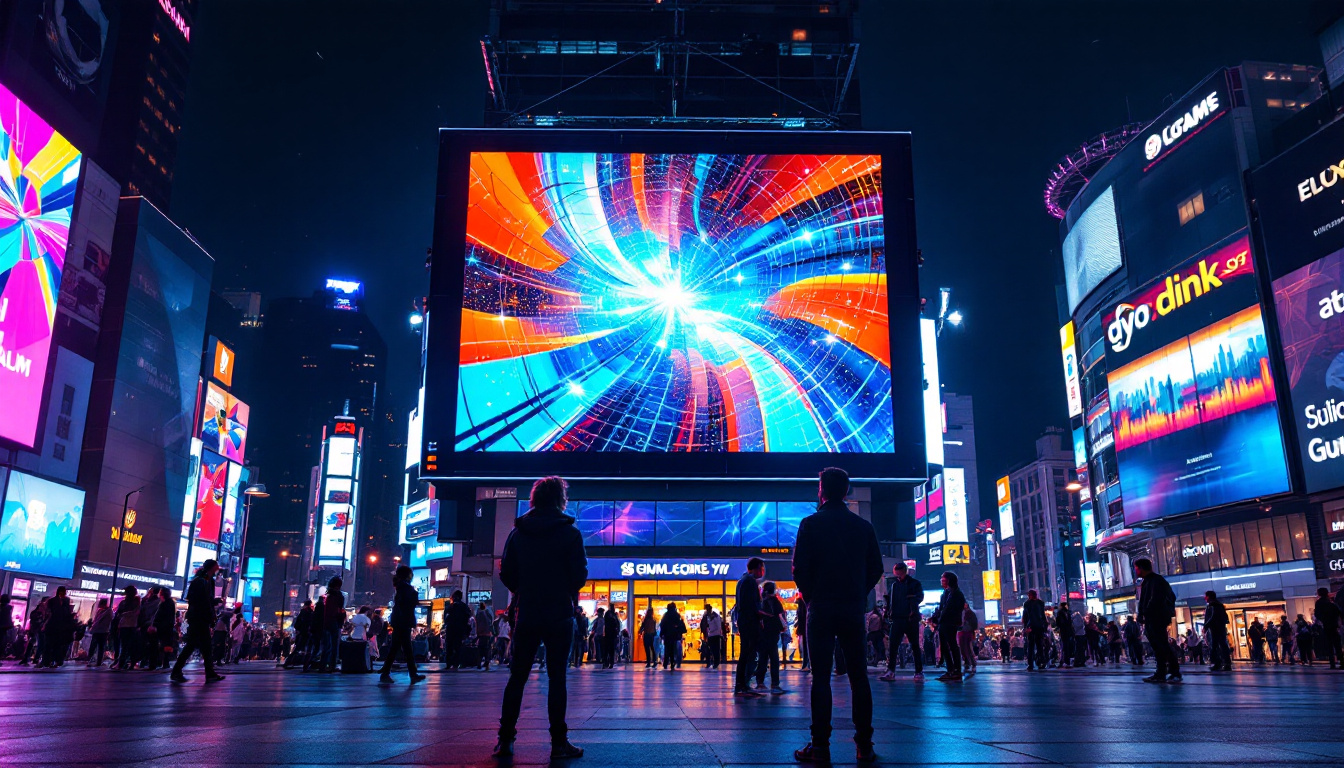
In airports, train stations, and city squares, integrated audio-visual systems provide real-time information, safety announcements, and entertainment. Clear audio ensures messages reach all visitors, including those with visual impairments or those not directly facing the displays.
Hospitality and Entertainment Venues
Outdoor restaurants, bars, and event spaces leverage these technologies to create ambiance and enhance guest experiences. Coordinated sound and visuals support live events, digital menus, and promotional content, contributing to increased customer satisfaction and dwell time.
Challenges and Best Practices
While outdoor commercial speakers and LED displays offer significant advantages, several challenges must be addressed to ensure successful deployment.
Weather and Environmental Impact
Exposure to elements can degrade equipment over time. Regular maintenance, including cleaning, inspection, and firmware updates, extends lifespan. Selecting components with appropriate IP ratings and corrosion-resistant materials mitigates risk.
Power Consumption and Sustainability
High-brightness LED displays and powerful speakers consume substantial energy. Implementing energy-efficient technologies, such as LED panels with adaptive brightness and speakers with power-saving modes, reduces operational costs and environmental impact. Solar-powered or hybrid energy solutions are emerging trends in sustainable outdoor installations.
Noise Pollution and Regulatory Compliance
Excessive outdoor sound can lead to complaints and legal issues. Adhering to local noise ordinances and employing directional audio technologies help maintain compliance. Engaging with community stakeholders during planning fosters goodwill and minimizes conflicts.
Future Trends in Outdoor Audio-Visual Technologies
Advancements in technology continue to shape the landscape of outdoor commercial speakers and LED displays.
Smart and Interactive Displays
Integration of sensors, cameras, and AI enables interactive LED displays that respond to audience behavior. Coupled with spatial audio systems, these setups create personalized experiences, increasing engagement and data collection opportunities.
Wireless and Networked Audio Solutions
Emerging wireless audio technologies simplify installation and maintenance, allowing for flexible system configurations. Networked speakers can be controlled remotely, facilitating dynamic content delivery and rapid response to environmental changes.
Enhanced Durability and Energy Efficiency
Materials science innovations are producing more resilient components, while energy-efficient LEDs and amplifiers reduce power consumption. These improvements lower total cost of ownership and environmental footprint.
Conclusion
Outdoor commercial speakers paired with LED displays represent a powerful combination for delivering engaging, effective communication in outdoor environments. Their integration enhances visibility, audibility, and audience interaction across a wide range of applications. By understanding the technical features, design considerations, and emerging trends, businesses and public entities can create compelling outdoor experiences that stand out in today’s competitive landscape.
Investing in high-quality, weather-resistant audio and visual equipment, along with thoughtful system design and maintenance, ensures long-term success and maximizes return on investment. As technology continues to advance, the possibilities for outdoor commercial audio-visual solutions will only expand, offering exciting opportunities for innovation and audience engagement.
Discover LumenMatrix’s Innovative LED Display Solutions
Ready to elevate your outdoor commercial space with the latest in LED display technology? Look no further than LumenMatrix, a pioneer in crafting LED display modules that not only boost your brand’s visibility but also captivate your audience with mesmerizing visual experiences. From vibrant Outdoor LED Wall Displays to dynamic Vehicle LED Displays and beyond, LumenMatrix offers a comprehensive range of solutions tailored to your unique needs. Embrace the future of visual communication and check out LumenMatrix LED Display Solutions today to transform your message into an unforgettable visual journey.