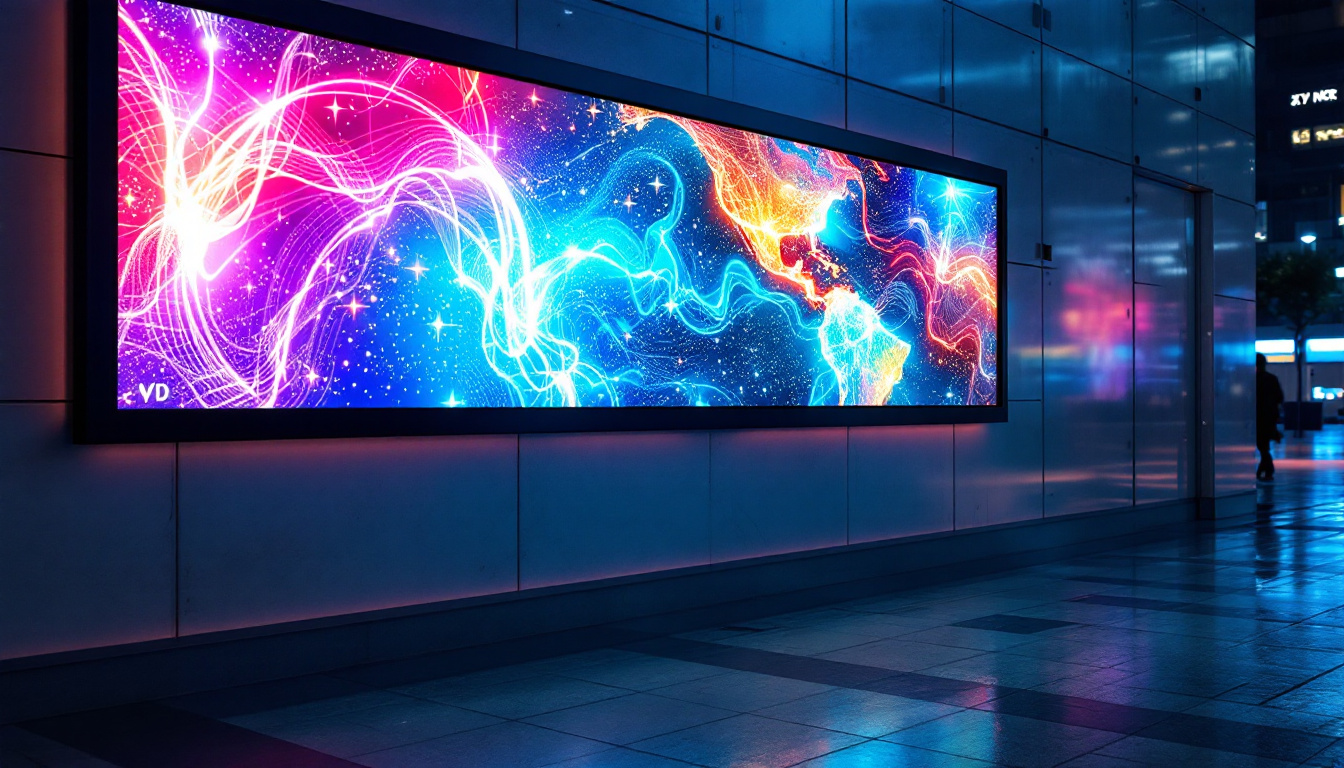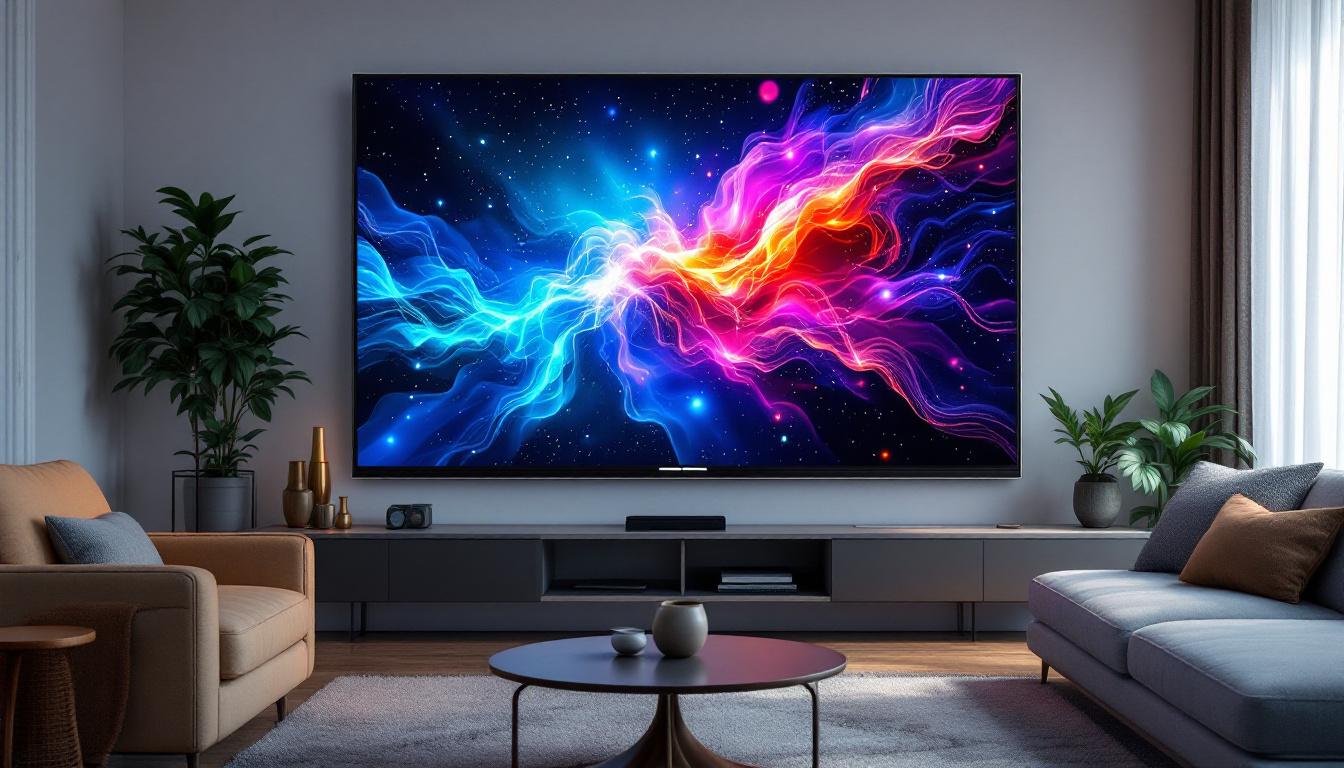
In today’s fast-evolving digital landscape, wall mount monitors have become an integral part of both professional and personal environments. From corporate offices and control rooms to retail spaces and home entertainment setups, these displays offer versatility, space-saving benefits, and aesthetic appeal. Among the various types of display technologies, LED (Light Emitting Diode) displays stand out as a popular choice due to their superior image quality, energy efficiency, and durability.
This article delves into the world of wall mount monitors with LED displays, explaining their technology, advantages, applications, and key factors to consider when selecting the right monitor for your needs.
Understanding LED Display Technology
What is an LED Display?
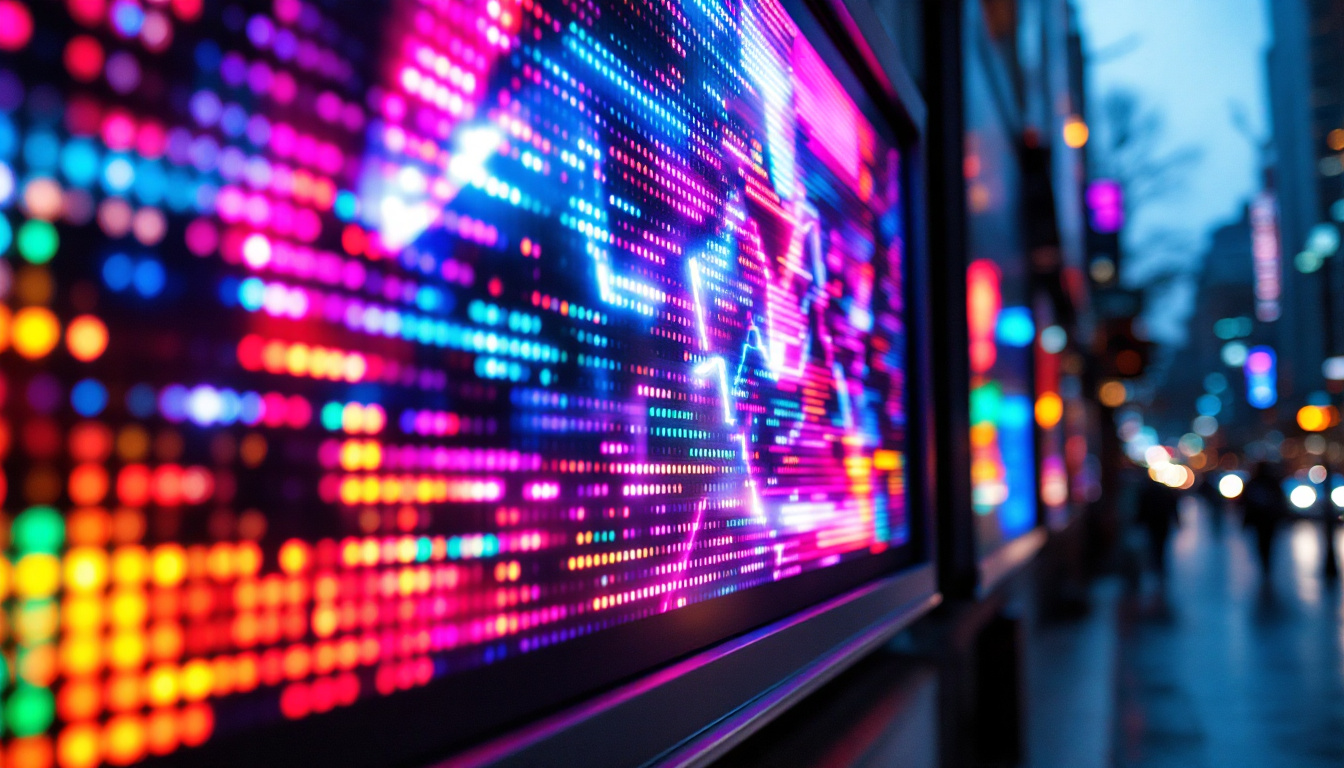
LED displays use light-emitting diodes as their primary light source to produce images. Unlike traditional LCD monitors that rely on fluorescent backlighting, LED displays employ an array of LEDs to illuminate the screen, either directly behind the panel (Direct LED) or along its edges (Edge-lit LED). This technology allows for better control over brightness, contrast, and color accuracy.
LED displays can be found in various forms, including standard monitors, large video walls, and digital signage. Their adaptability makes them suitable for wall mounting, where space constraints and viewing angles are critical considerations. Additionally, many modern LED displays incorporate advanced features such as touch sensitivity, enabling interactive applications that enhance user engagement in settings like retail and education.
Furthermore, the versatility of LED displays extends to their ability to be configured in various shapes and sizes, catering to diverse environments. From sleek, ultra-thin designs for home entertainment systems to robust, weather-resistant models for outdoor advertising, LED technology continues to evolve, pushing the boundaries of visual communication.
How LED Displays Differ from Other Technologies
While LCD and OLED are common display technologies, LED displays offer a unique blend of benefits. LCD monitors with LED backlighting provide improved brightness and energy efficiency compared to older CCFL (cold cathode fluorescent lamp) backlit screens. OLED displays, on the other hand, offer exceptional contrast and color but tend to be more expensive and less common in large wall-mounted formats.
LED displays strike a balance by delivering vibrant visuals with relatively low power consumption and long lifespan. This makes them particularly attractive for commercial environments where displays may operate continuously for extended periods. Moreover, LED technology has advanced to include features like high dynamic range (HDR) and 4K resolution, which enhance the viewing experience by providing deeper blacks and more vivid colors. These advancements have made LED displays the preferred choice for applications ranging from broadcasting and live events to immersive gaming experiences.
Additionally, the modular nature of many LED displays allows for easy repairs and upgrades, which is a significant advantage in fast-paced industries. This means that businesses can adapt to changing technologies without needing to replace entire systems, ultimately leading to cost savings and reduced waste. As the demand for high-quality visual content grows, LED displays are poised to remain at the forefront of display technology, continually innovating to meet the needs of various sectors.
Advantages of Wall Mount LED Monitors
Space Efficiency and Aesthetic Appeal
One of the primary reasons to choose a wall mount LED monitor is the efficient use of space. By mounting the monitor on a wall, desks and floors remain uncluttered, creating a cleaner and more organized environment. This is especially valuable in small offices, conference rooms, and retail spaces where maximizing usable area is essential.
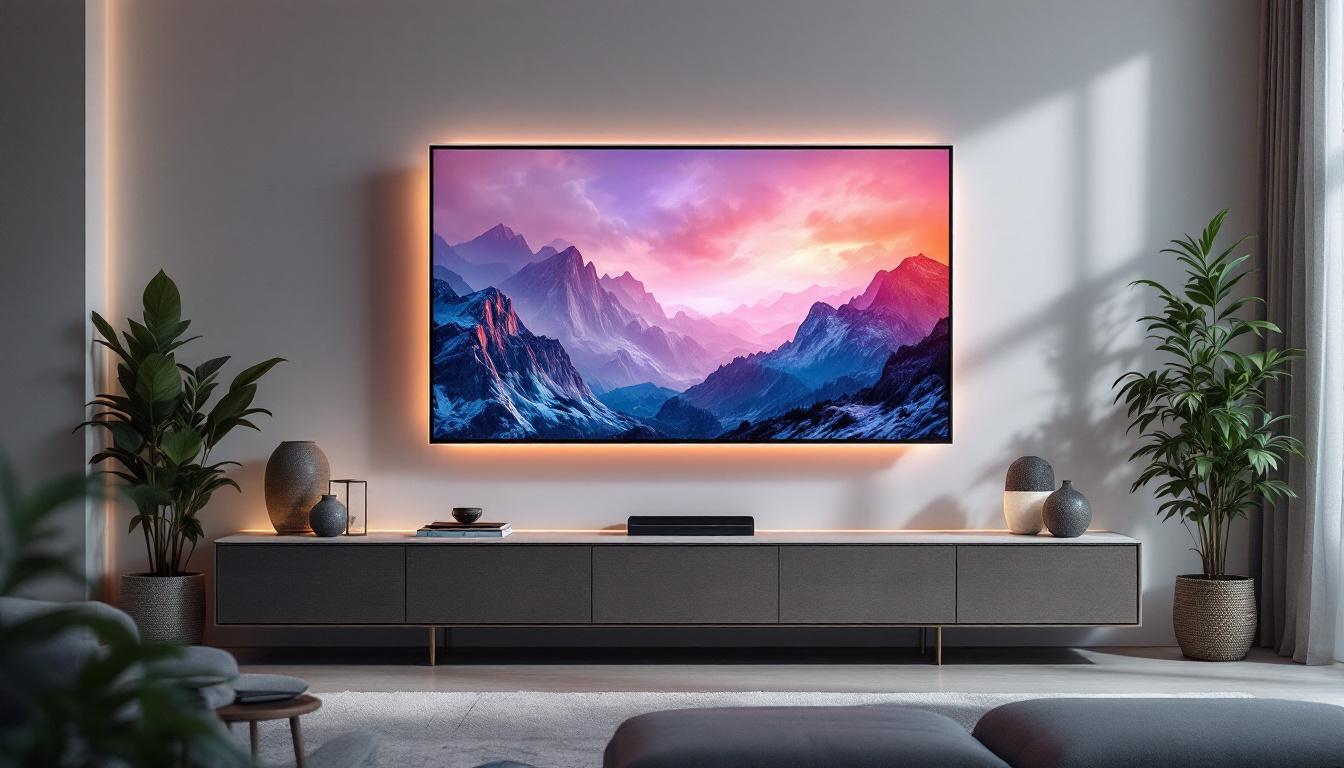
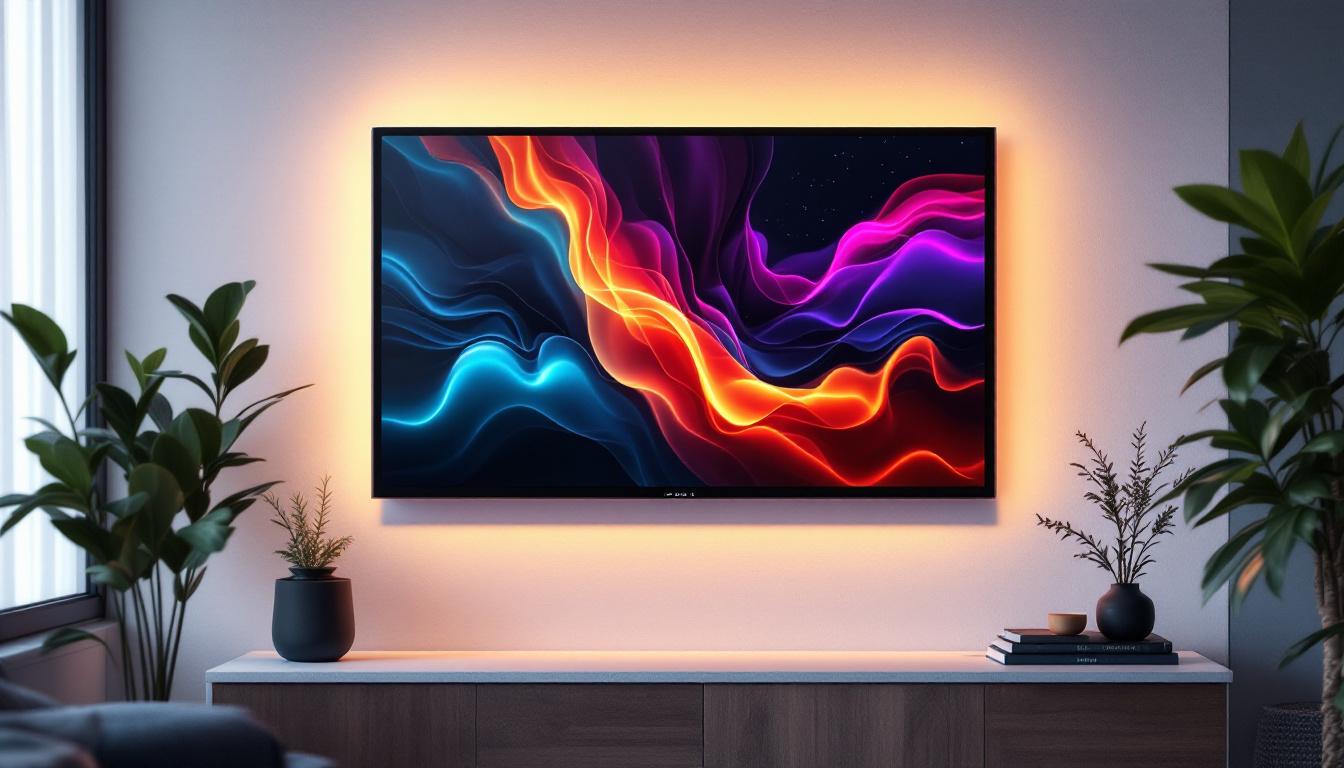
Moreover, wall-mounted LED displays contribute to a modern and professional aesthetic. They can be seamlessly integrated into interior designs, enhancing the overall ambiance without the bulkiness of traditional monitors or TVs. The sleek design of these monitors allows them to blend into various styles, from minimalist to industrial, making them a versatile choice for any setting. Additionally, many models come with customizable mounting options that allow for tilt and swivel adjustments, further enhancing the viewing experience while maintaining a stylish appearance.
Superior Image Quality and Viewing Experience
LED technology delivers bright, sharp images with excellent color reproduction. Many wall mount LED monitors support high resolutions, including Full HD, 4K, and even 8K, ensuring crisp visuals for presentations, videos, or detailed data analysis.
Additionally, LED displays often feature wide viewing angles, allowing multiple viewers to see the screen clearly from different positions. This is particularly important in collaborative settings such as meeting rooms or public information kiosks. The high contrast ratios and vibrant colors not only make the content more engaging but also reduce eye strain during extended viewing periods, making them ideal for environments where people spend significant time in front of screens. Furthermore, many modern LED monitors come equipped with advanced technologies such as HDR (High Dynamic Range) support, which enhances the depth and realism of images, making them perfect for creative professionals who require precise color accuracy.
Energy Efficiency and Longevity
Compared to older display technologies, LED monitors consume significantly less power. According to the U.S. Department of Energy, LED-backlit LCDs can be up to 40% more energy-efficient than CCFL-backlit counterparts. This translates into lower electricity bills and reduced environmental impact.
LEDs also have a longer operational lifespan, often rated for 50,000 hours or more. This durability reduces maintenance costs and downtime, making them a cost-effective choice for businesses and institutions. In addition, many wall-mounted LED monitors are designed with eco-friendly features, such as energy-saving modes that automatically adjust brightness based on ambient light conditions. This not only conserves energy but also extends the life of the monitor. As businesses increasingly prioritize sustainability, opting for energy-efficient technologies like LED monitors aligns with green initiatives, showcasing a commitment to environmental responsibility while enjoying the benefits of modern display technology.
Common Applications of Wall Mount LED Monitors
Corporate and Educational Environments
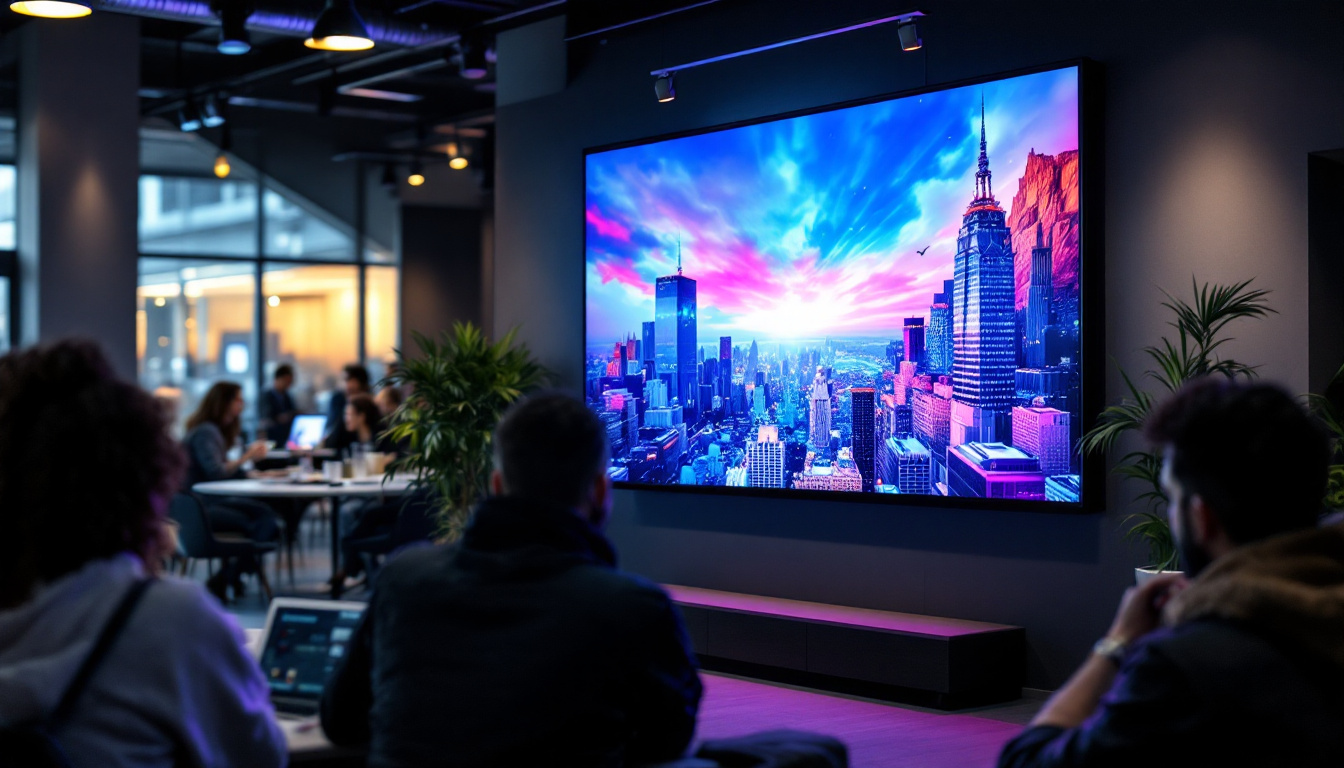
In offices and educational institutions, wall mount LED monitors are widely used for presentations, video conferencing, digital whiteboards, and information displays. Their ability to deliver high-quality visuals helps enhance communication and engagement during meetings or lectures.
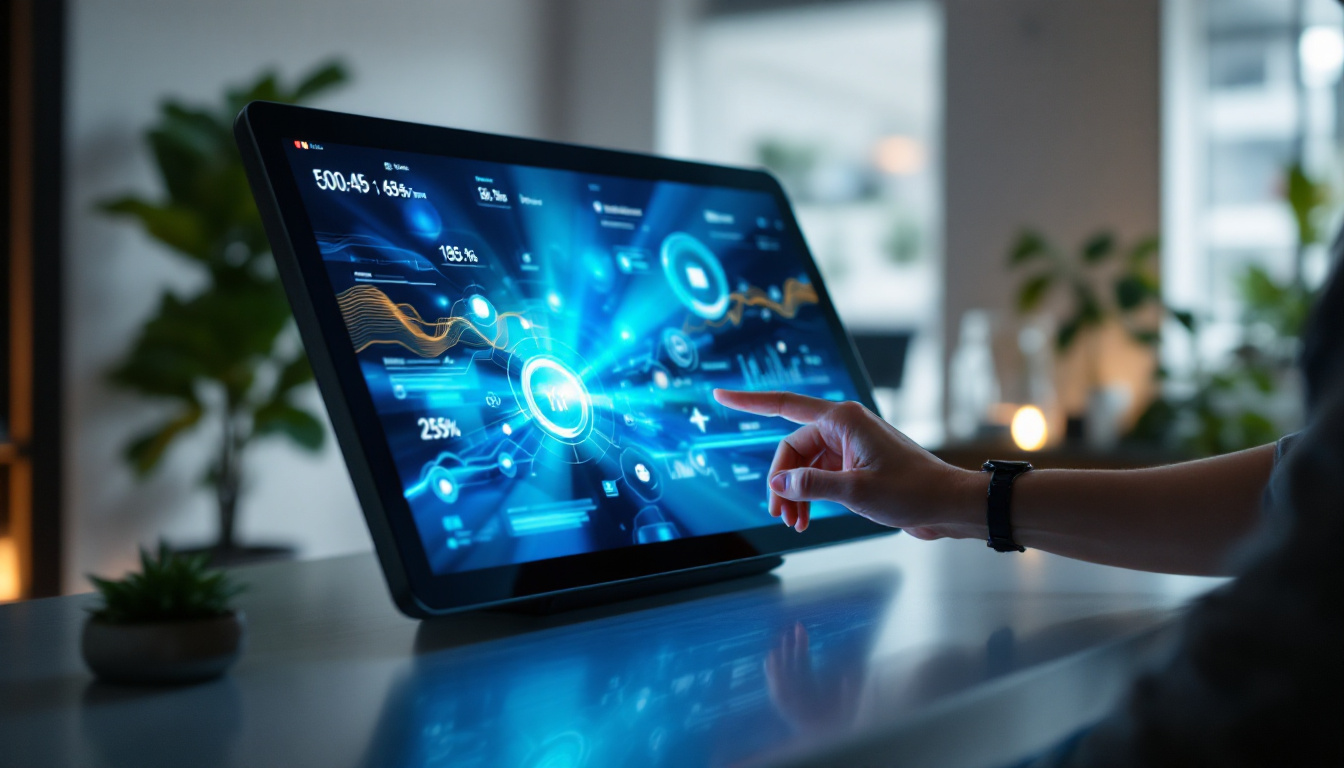
Many organizations integrate these monitors with interactive touch capabilities, enabling dynamic collaboration and real-time feedback. The wall-mounted setup also ensures that the display is visible to all participants without obstructing workspace.
Retail and Hospitality Sectors
Retail stores and hospitality venues utilize wall mount LED monitors to attract customers and provide information. Digital signage powered by LED displays can showcase promotions, menus, event schedules, or wayfinding instructions with vivid clarity.
These displays can be updated remotely and frequently, allowing businesses to adapt content quickly to changing needs or marketing strategies. The bright and eye-catching nature of LED screens helps capture attention even in brightly lit environments.
Control Rooms and Public Spaces
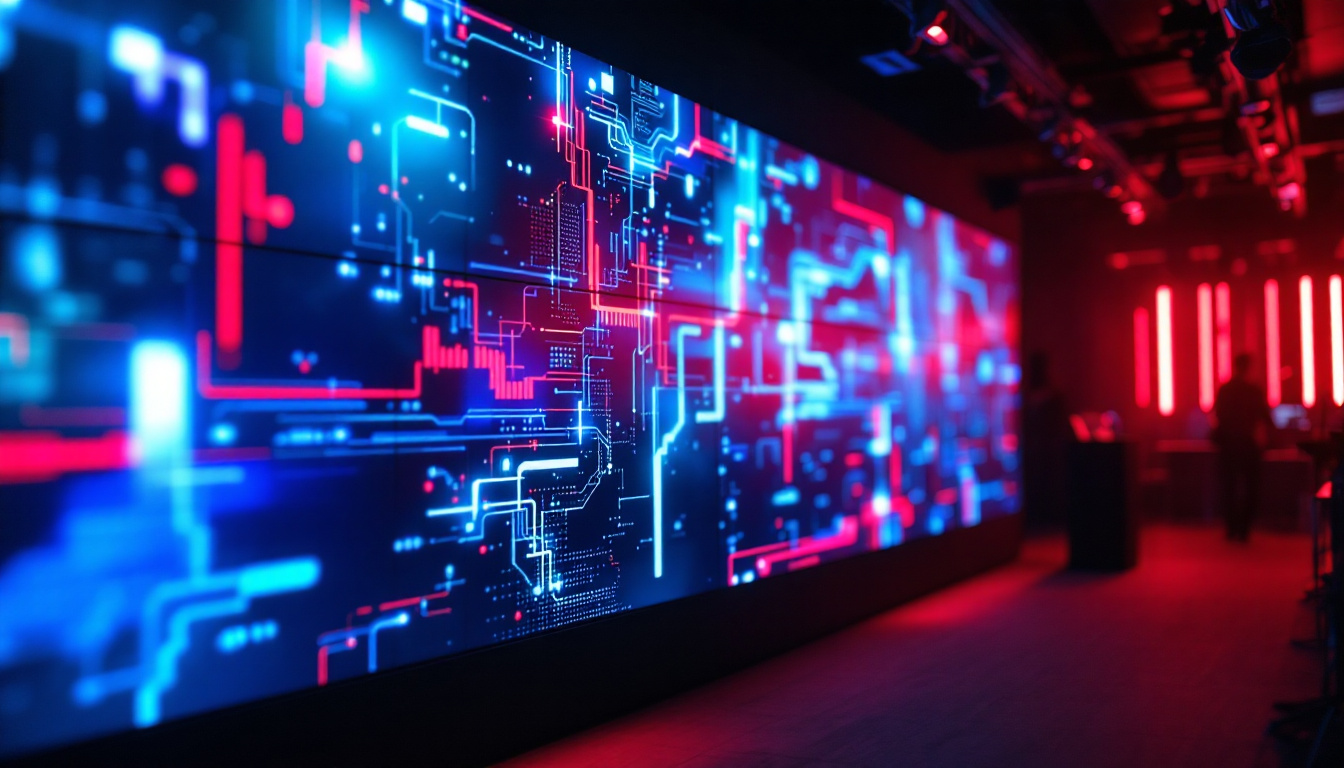
Control rooms in industries such as transportation, utilities, and security rely heavily on wall mount LED monitors for monitoring and data visualization. The high resolution and reliability of LED displays ensure critical information is presented clearly and without interruption.
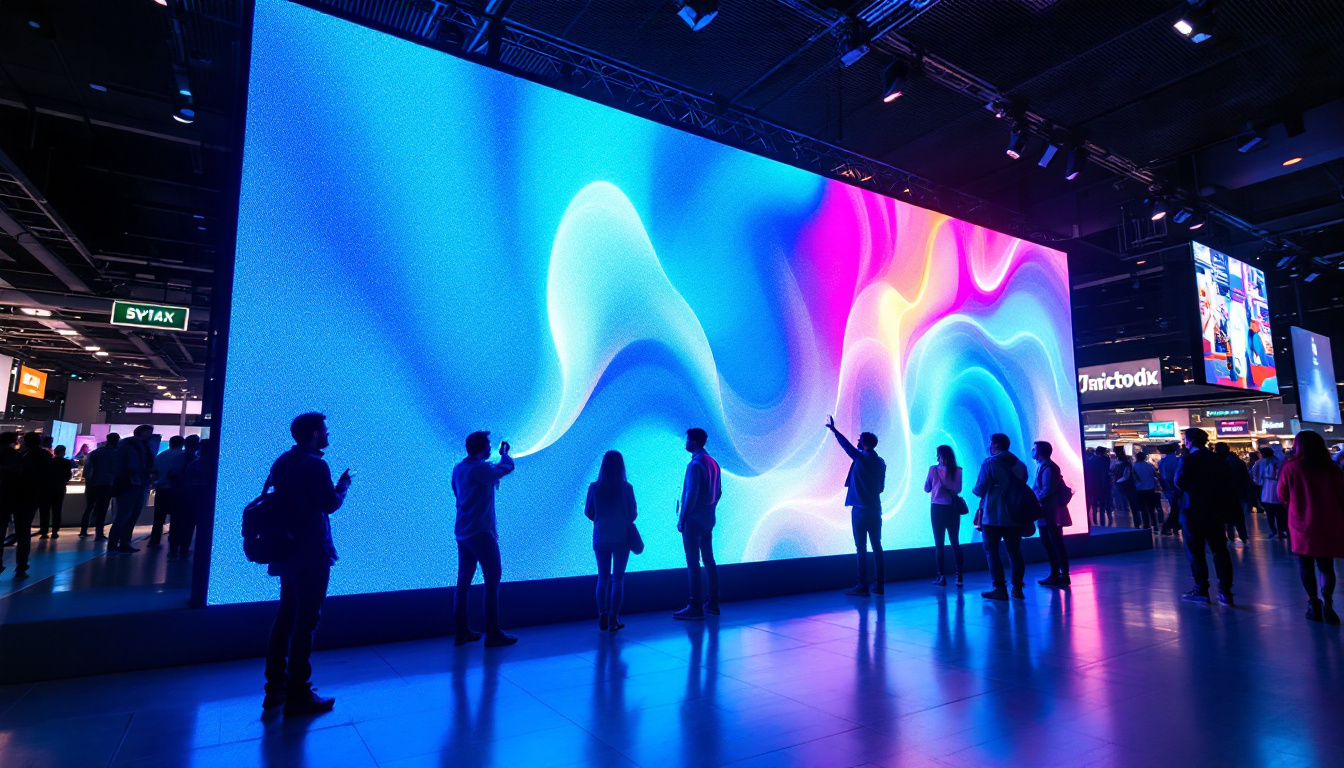
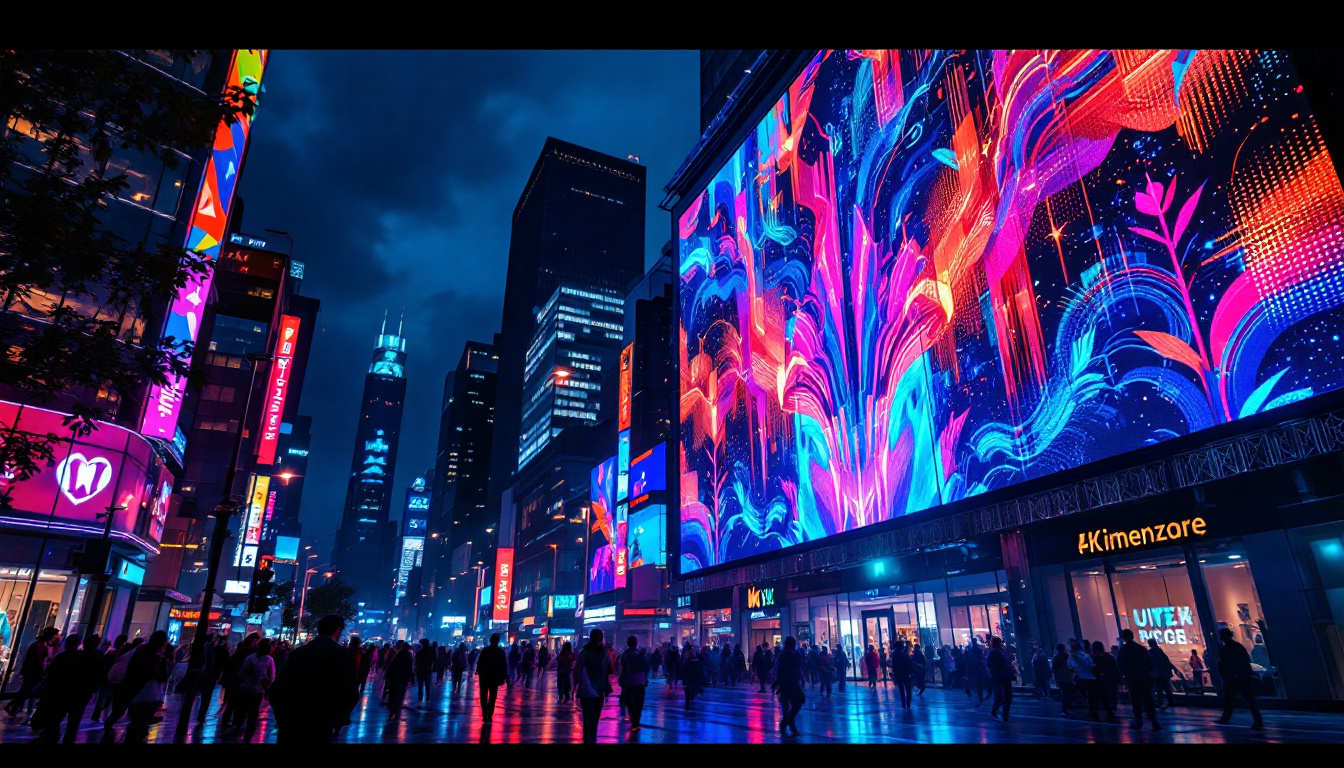
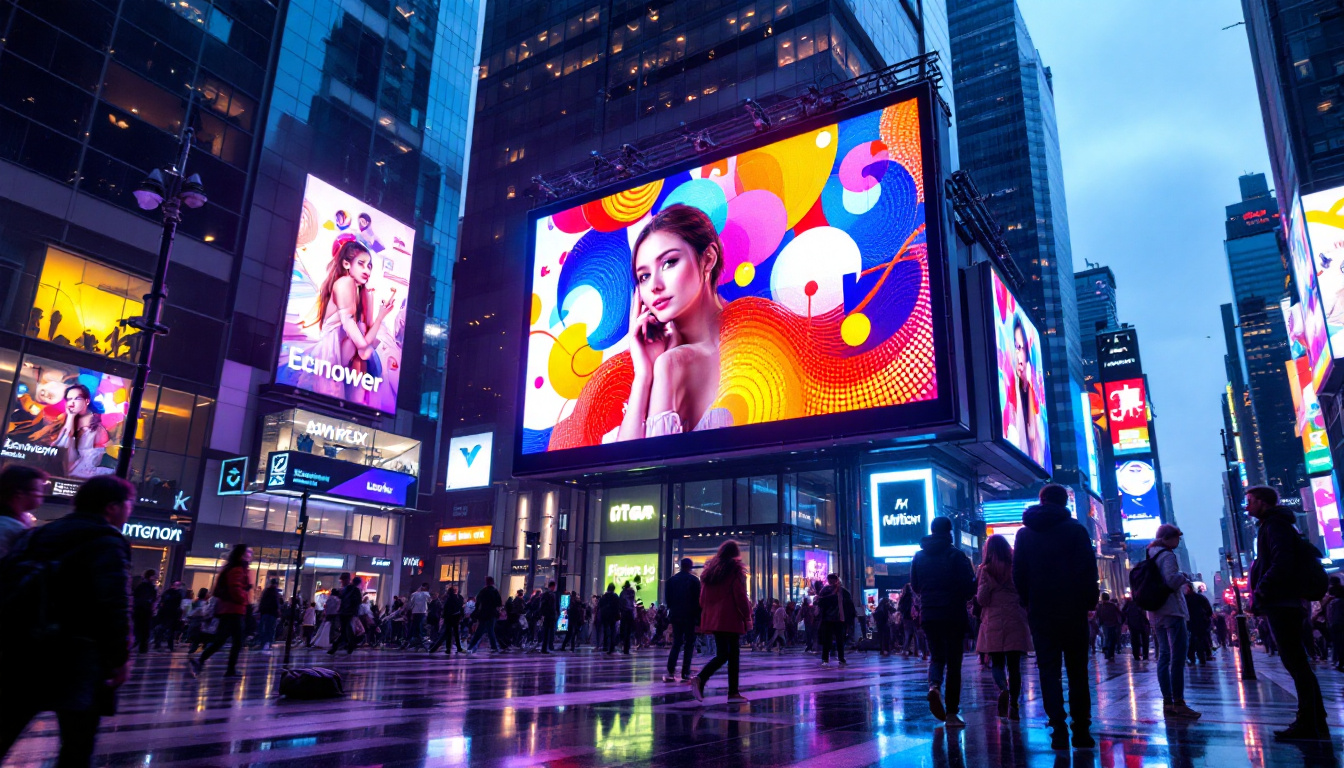
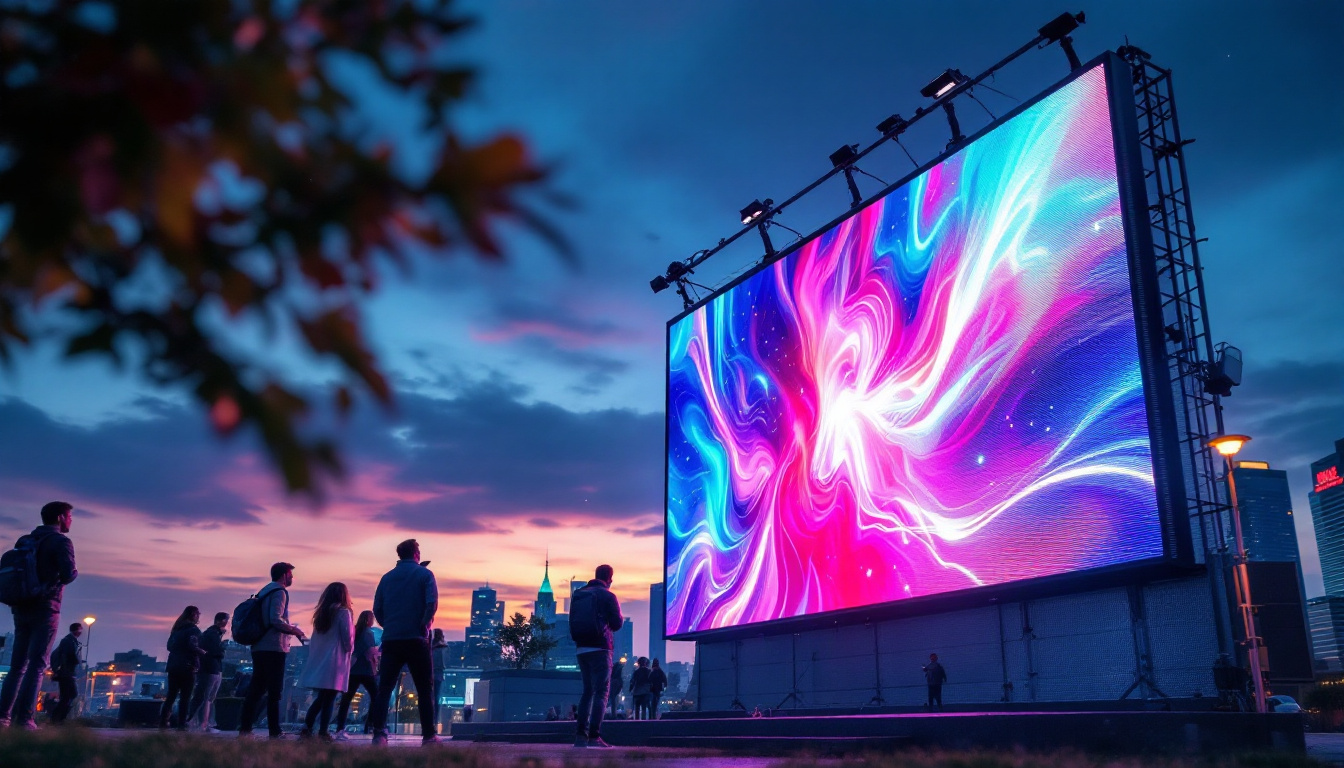
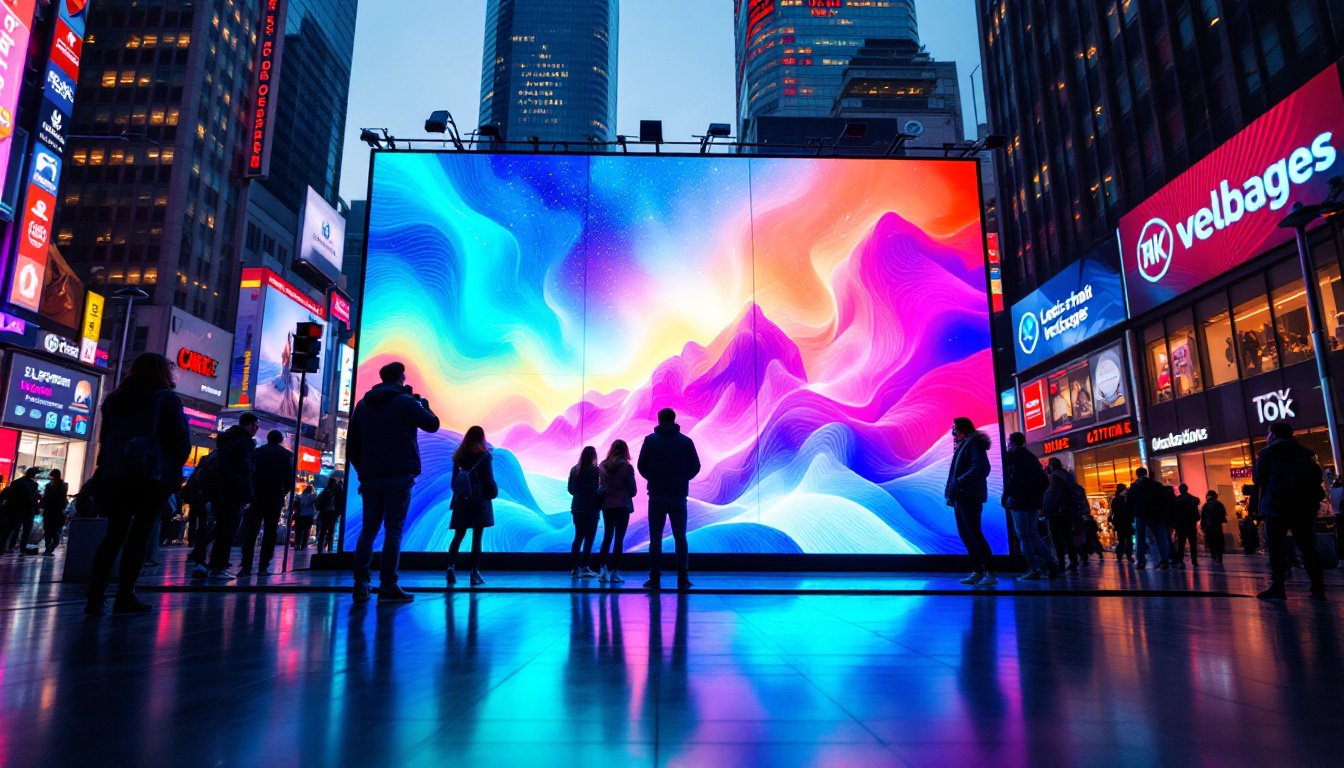
Similarly, public spaces like airports, train stations, and stadiums use large LED video walls to communicate schedules, alerts, and advertisements to large audiences efficiently.
Key Factors to Consider When Choosing a Wall Mount LED Monitor
Screen Size and Resolution
The size of the monitor should correspond to the viewing distance and the amount of detail required. For example, a 32-inch monitor may suffice for a small conference room, while a 55-inch or larger display is better suited for spacious areas or group viewing.
Resolution is equally important; higher resolutions such as 4K provide sharper images and more screen real estate for multitasking or detailed visuals. However, higher resolution monitors typically come at a premium price, so balancing budget and needs is essential.
Brightness and Contrast Ratios
Brightness, measured in nits, determines how well the display performs in various lighting conditions. For environments with abundant ambient light, such as retail stores or outdoor kiosks, higher brightness levels (500 nits or more) are recommended to maintain visibility.
Contrast ratio affects the depth and richness of the image. A higher contrast ratio ensures better differentiation between dark and light areas, enhancing overall picture quality.
Connectivity and Compatibility
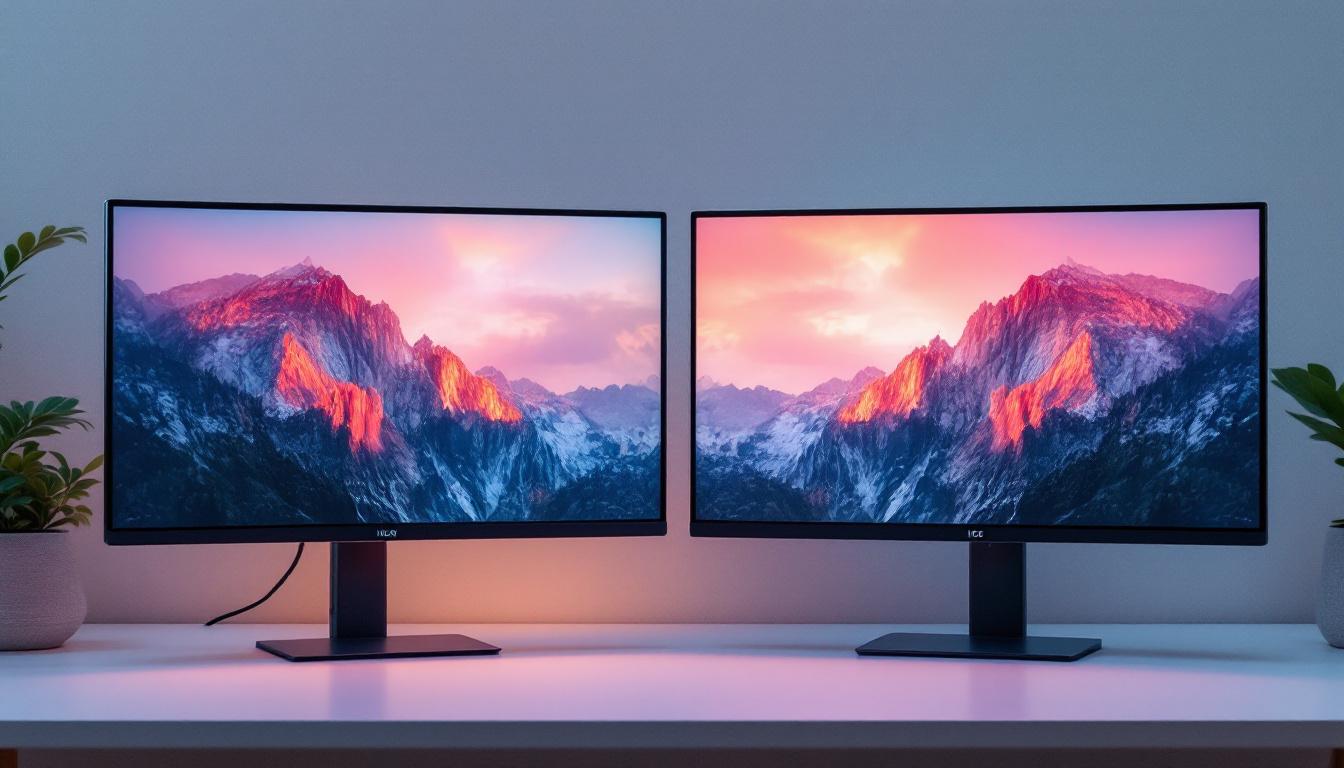
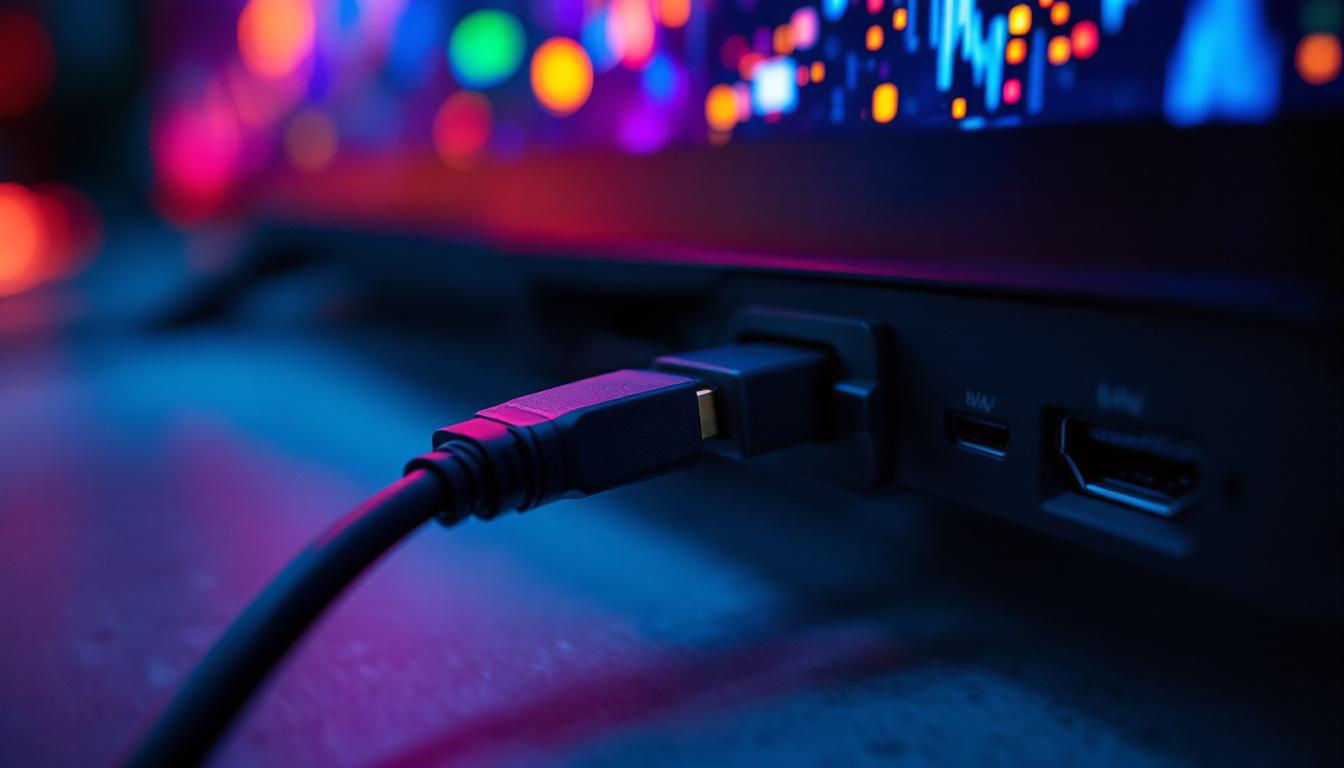
Modern wall mount LED monitors come with a variety of input options, including HDMI, DisplayPort, USB-C, and VGA. Selecting a monitor with the appropriate ports ensures compatibility with existing devices such as computers, media players, or video conferencing systems.
Some monitors also support wireless connectivity and smart features, enabling easier content management and integration with networked systems.
Mounting Options and Ergonomics
Wall mount monitors should be compatible with standard mounting brackets, such as VESA mounts, to simplify installation. Adjustable mounts that allow tilting, swiveling, or height changes can improve viewing comfort and reduce glare.
Ensuring the wall structure can support the monitor’s weight is also critical for safety and stability.
Future Trends in Wall Mount LED Displays
Advancements in Mini-LED and Micro-LED Technologies
Emerging technologies like Mini-LED and Micro-LED promise to revolutionize wall mount displays by offering even better brightness, contrast, and energy efficiency. Mini-LED uses thousands of tiny LEDs as backlighting, enabling finer control over local dimming zones and improved HDR performance.
Micro-LED takes this further by using microscopic LEDs as individual pixels, delivering OLED-like contrast without the risk of burn-in and with longer lifespan. These innovations are expected to become more accessible in the coming years, expanding the possibilities for high-end wall-mounted displays.
Integration with Smart and IoT Systems
Wall mount LED monitors are increasingly becoming part of smart environments, integrated with Internet of Things (IoT) networks. This allows for automated content updates, remote diagnostics, and interactive features controlled via smartphones or centralized management platforms.
Such integration enhances user experience and operational efficiency, especially in commercial and public applications.
Conclusion
Wall mount monitors with LED displays offer a compelling combination of visual excellence, energy efficiency, and space-saving design. Their versatility makes them suitable for a wide range of environments, from corporate offices and educational institutions to retail spaces and control centers.
Understanding the underlying LED technology, along with key considerations such as size, resolution, brightness, and connectivity, empowers buyers to make informed decisions tailored to their specific needs. As display technologies continue to evolve, wall mount LED monitors will remain at the forefront of digital visualization solutions, delivering impactful and engaging experiences.
Discover LumenMatrix’s Innovative LED Display Solutions
Ready to elevate your space with the latest in LED display technology? Explore LumenMatrix’s comprehensive range of products, from Indoor and Outdoor LED Wall Displays to specialized solutions like Vehicle LED Displays and LED Sports Displays. Whether you’re looking to create a dynamic retail environment, an interactive educational space, or a captivating home entertainment setup, LumenMatrix has the cutting-edge technology to bring your vision to life. Check out LumenMatrix LED Display Solutions today and experience the future of visual communication.