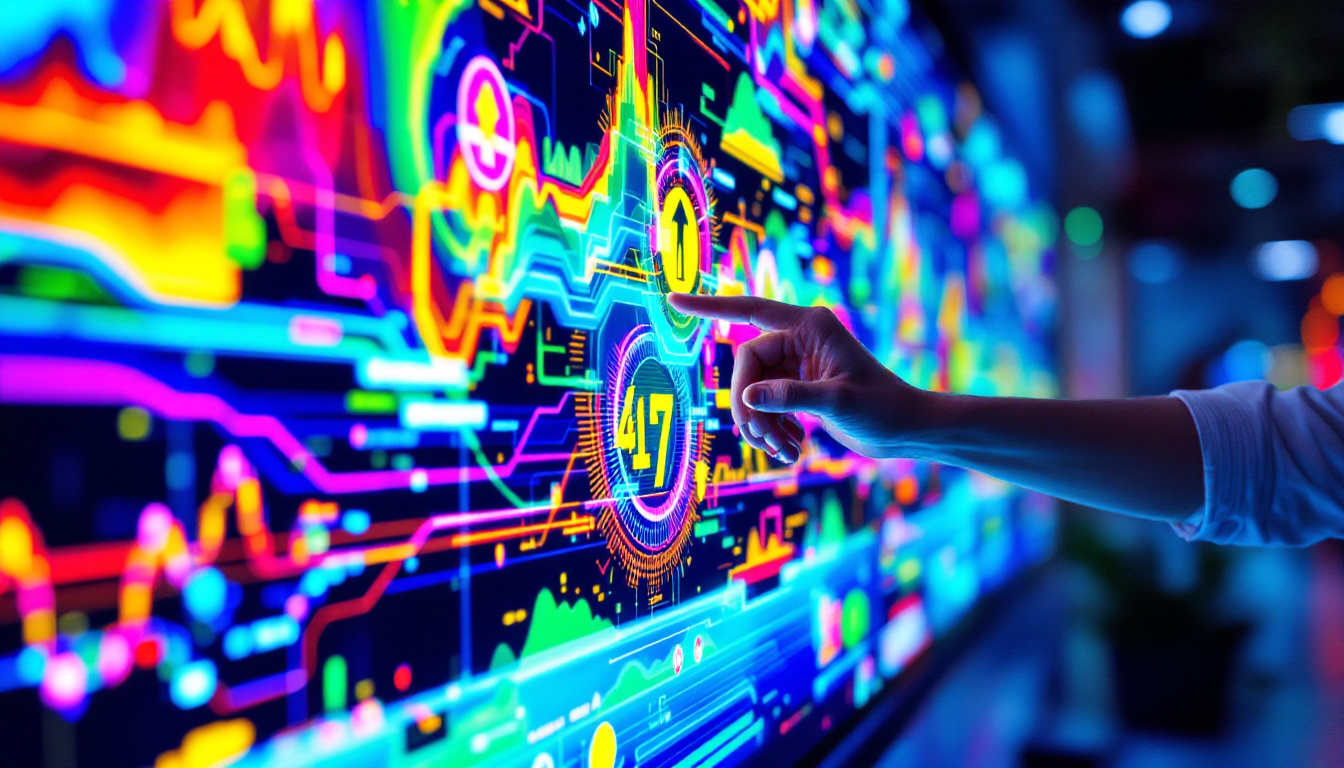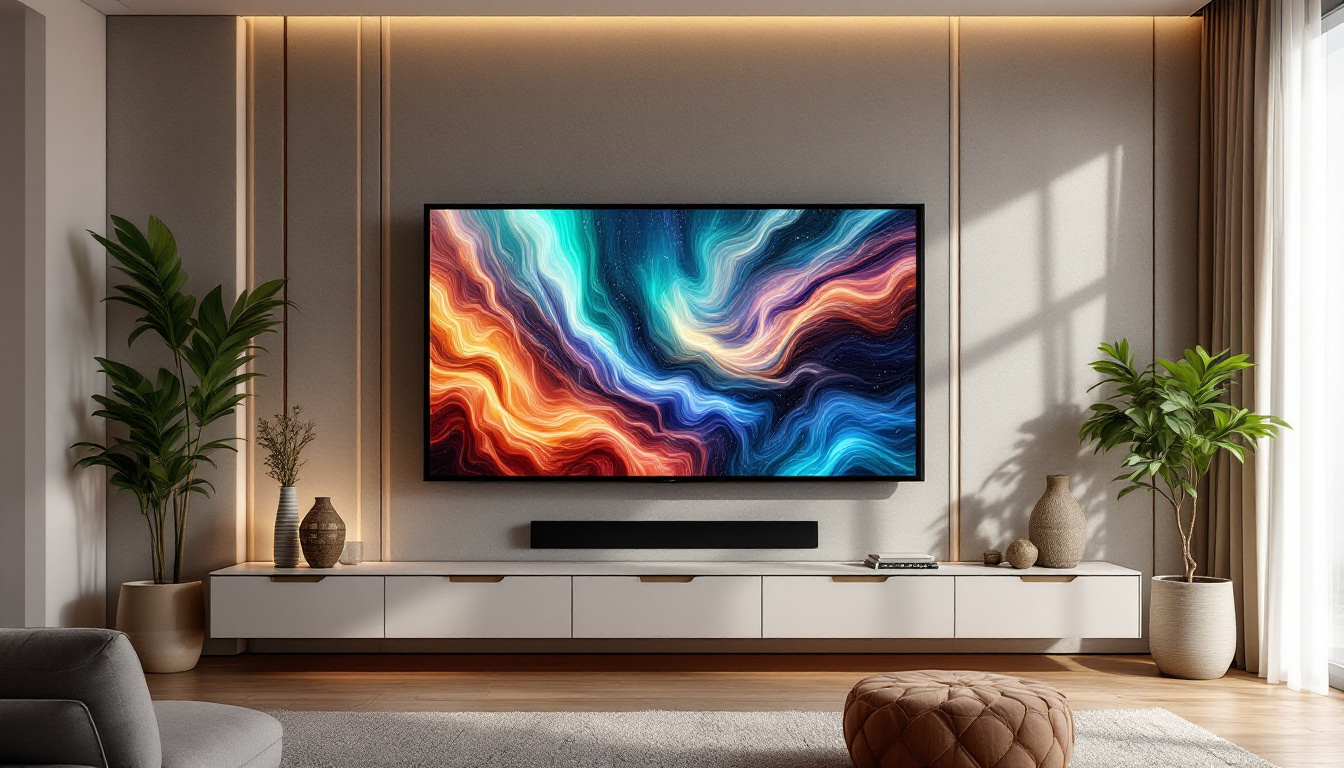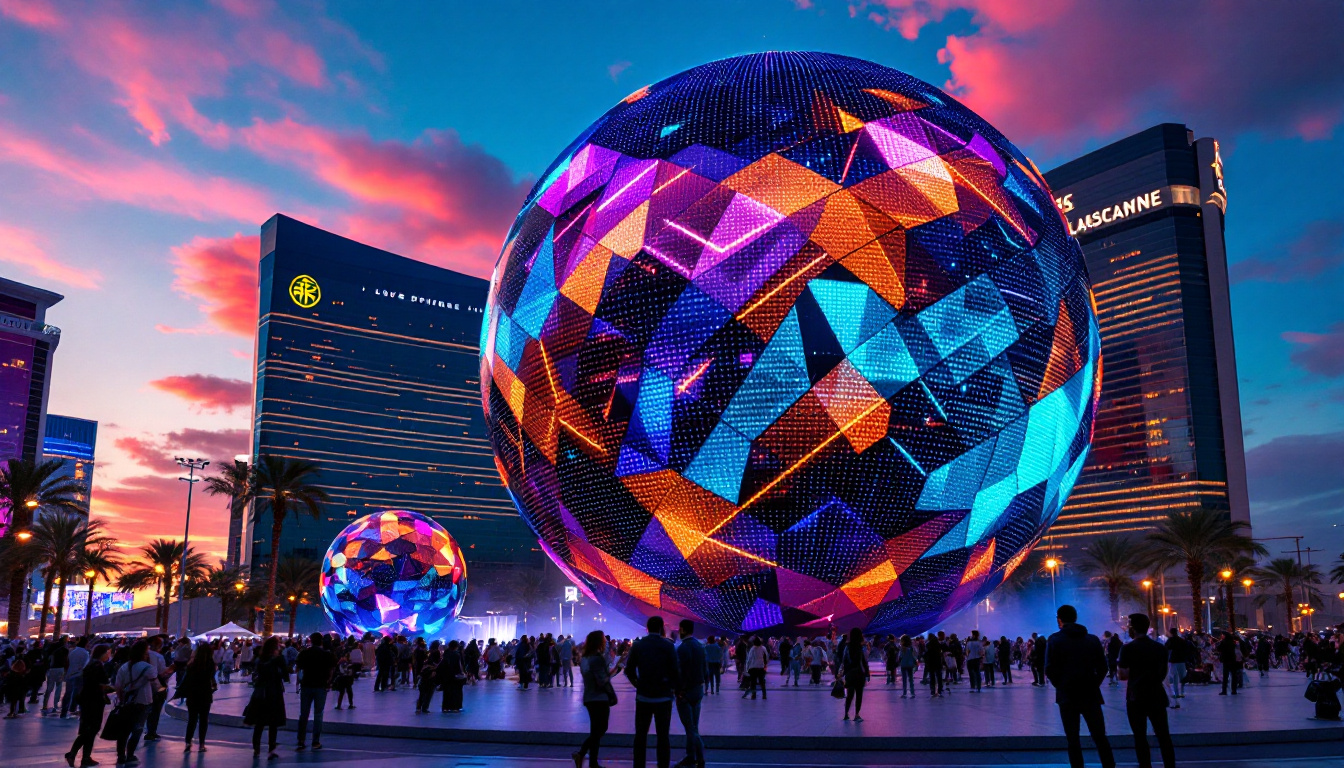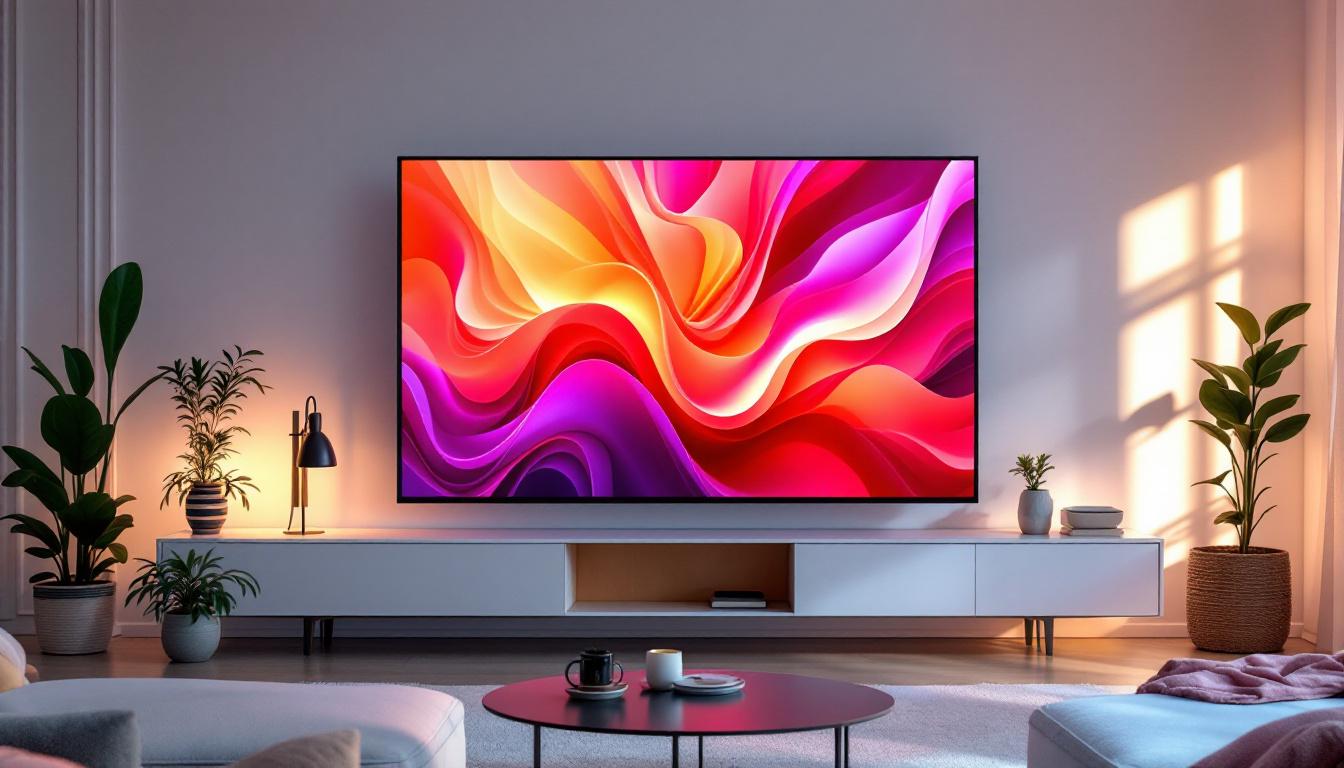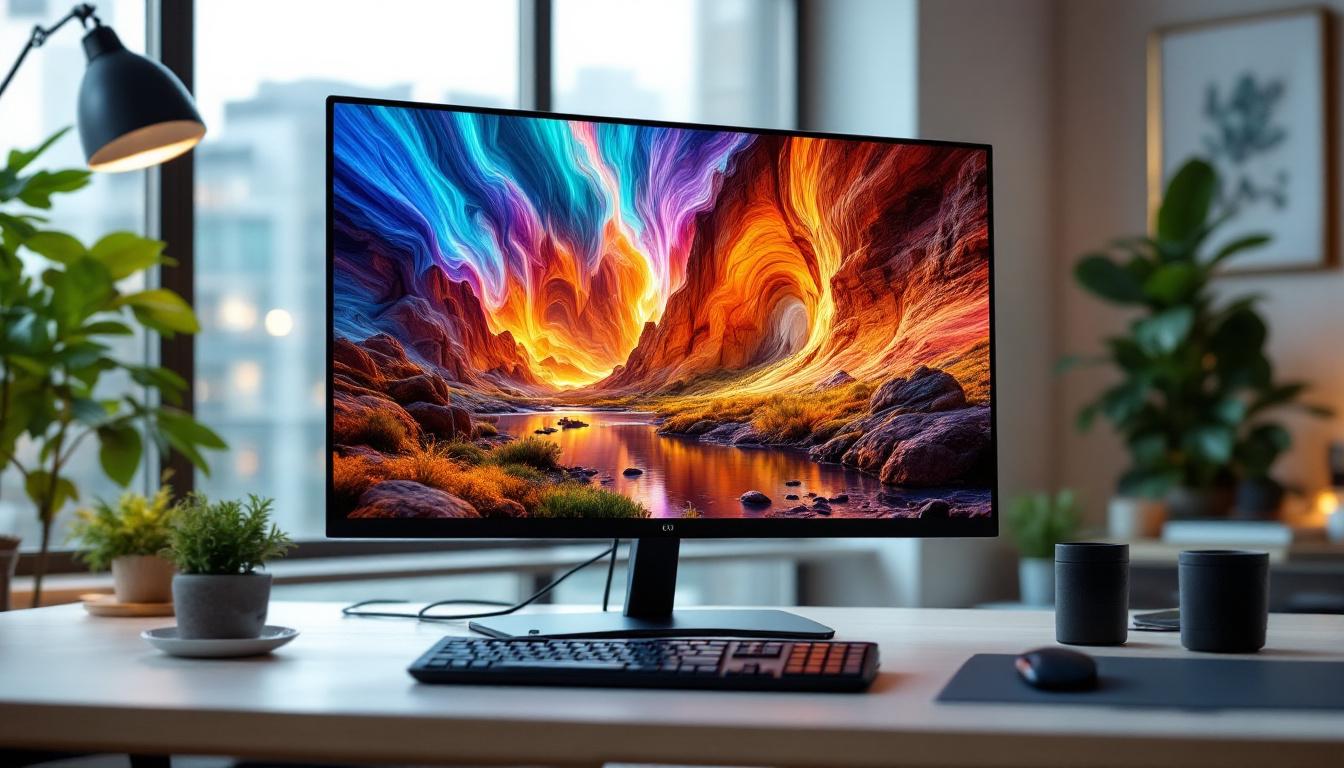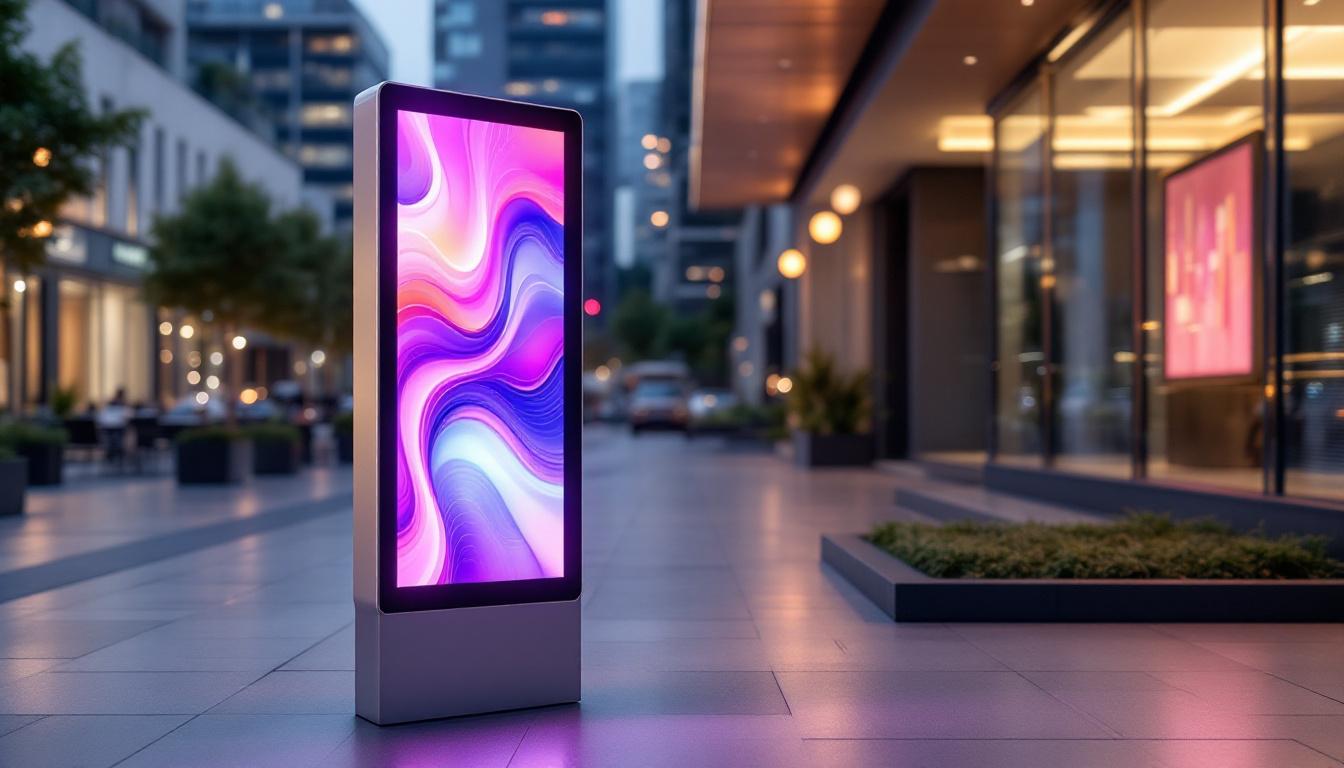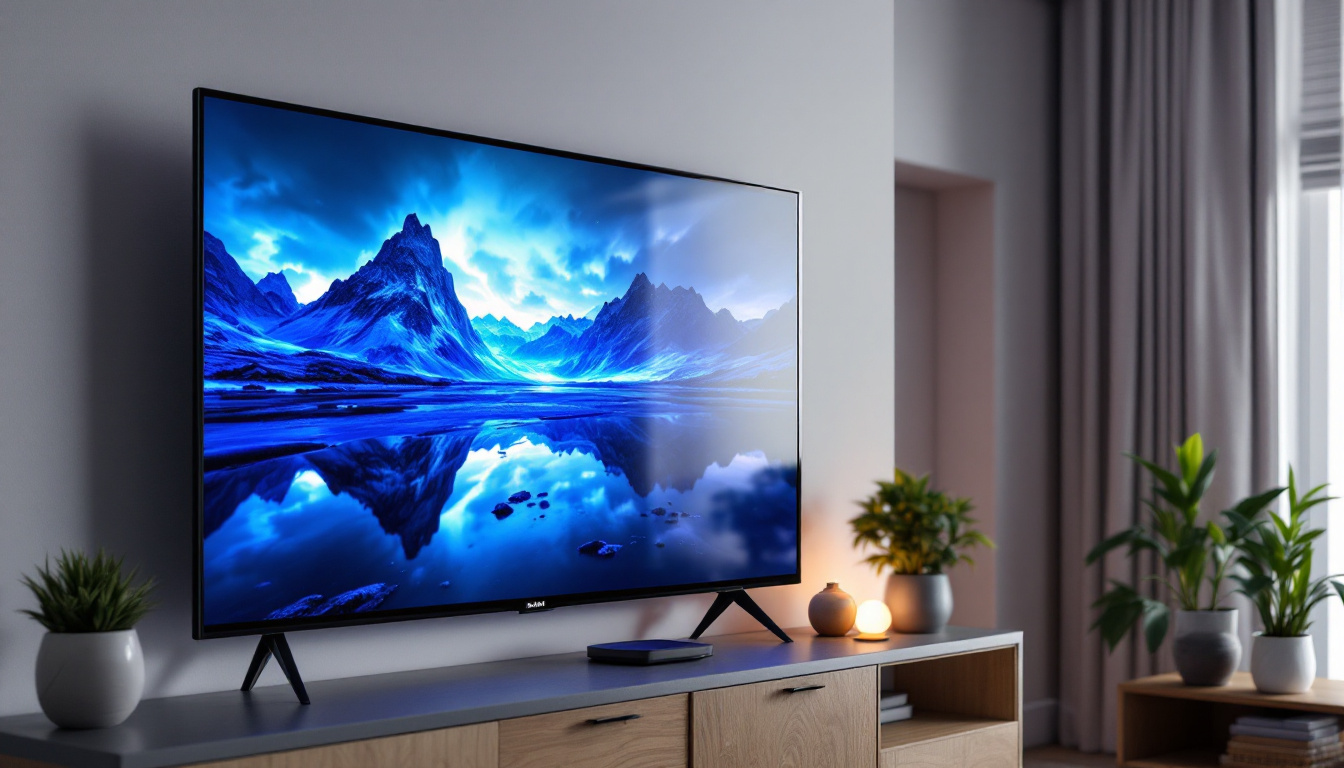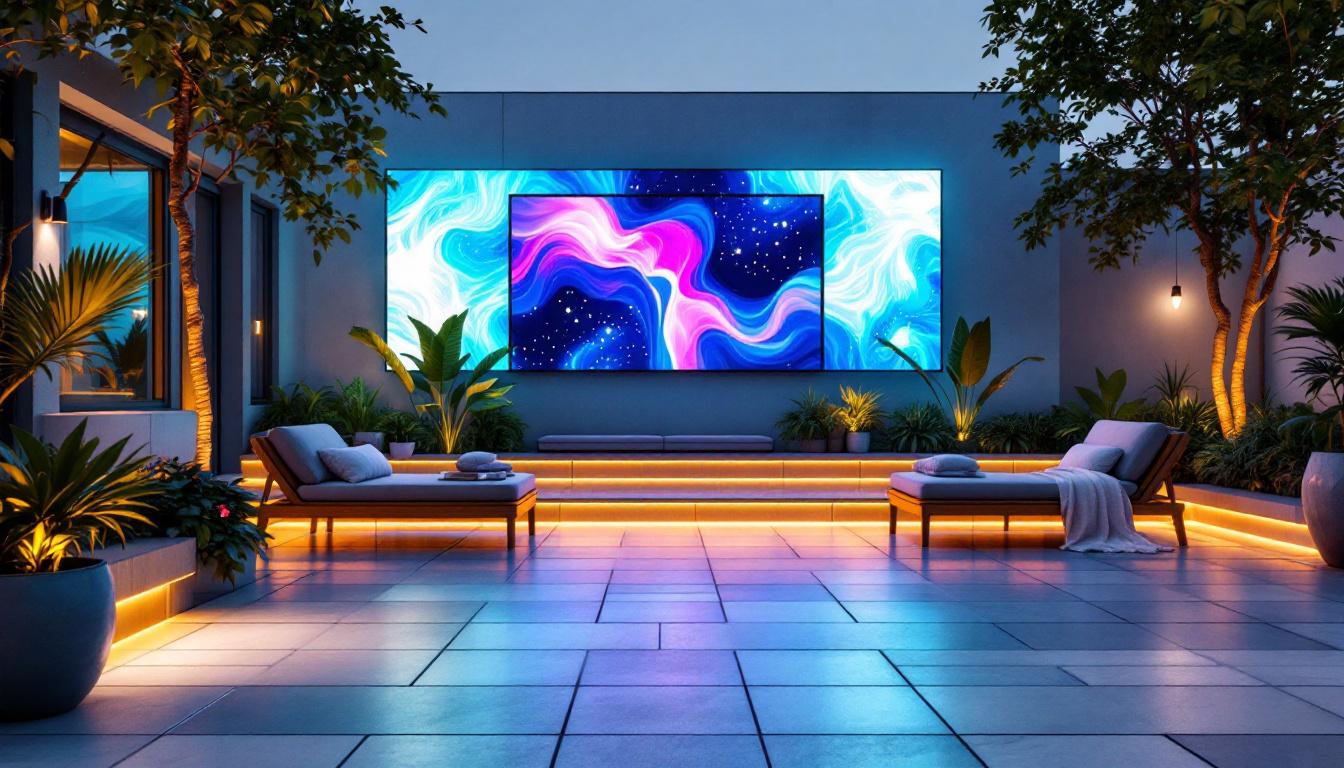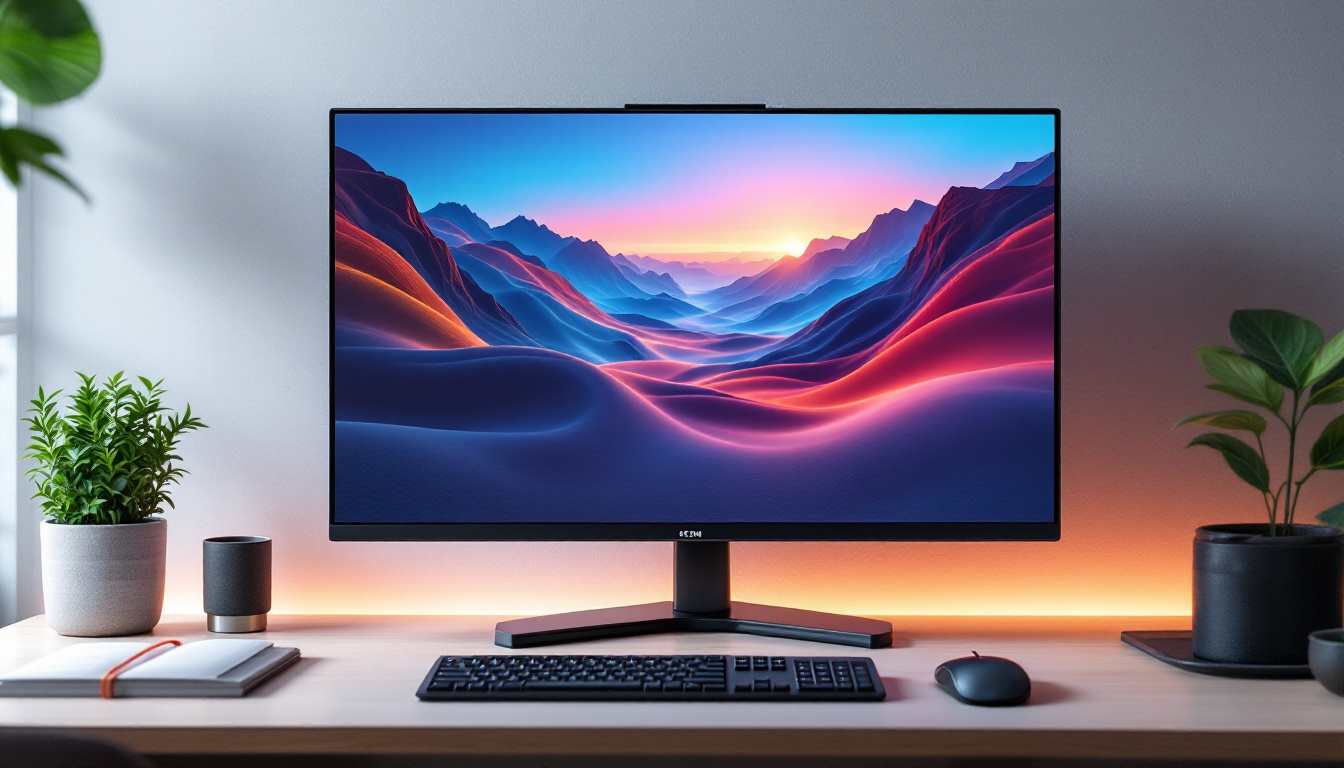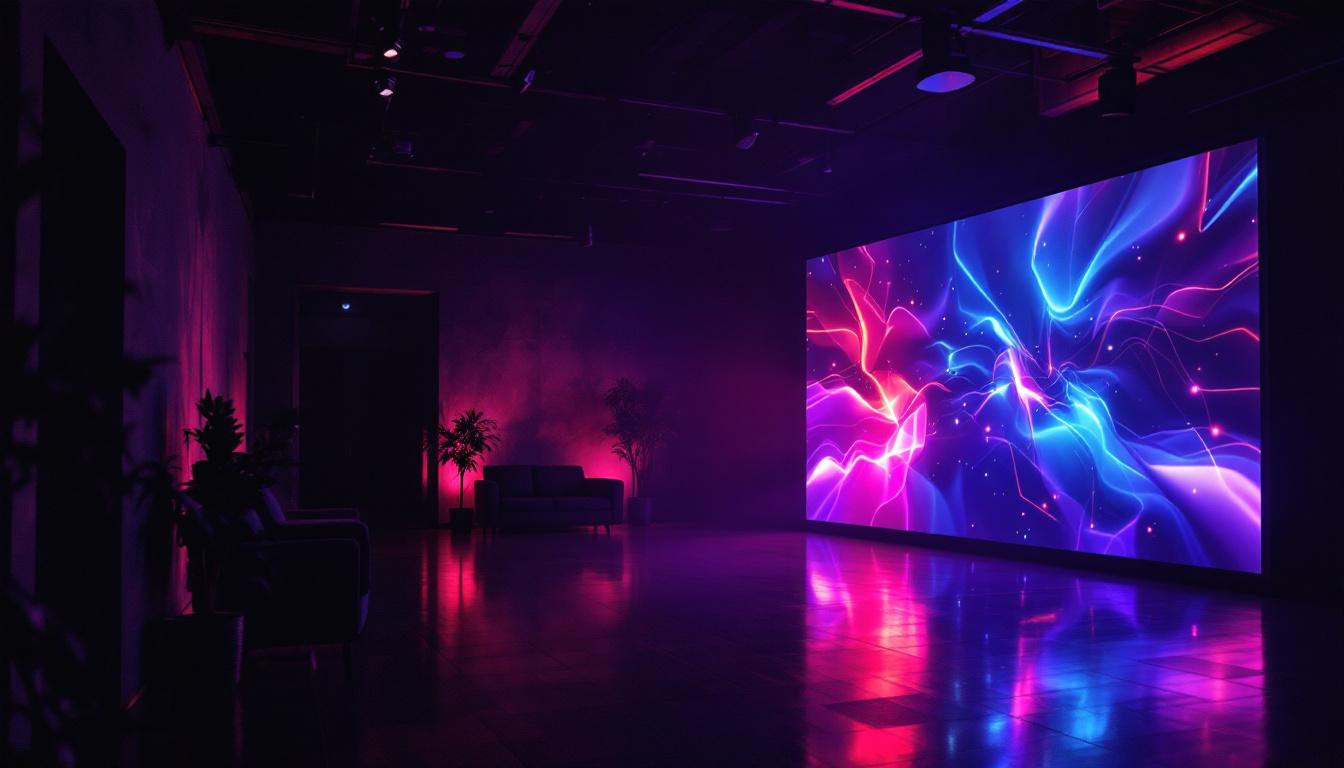
In recent years, LED technology has revolutionized the way we illuminate spaces and present visual content. Among the many innovations, wall panel LED lights have emerged as a versatile and dynamic solution for both residential and commercial environments. This article explores what wall panel LED lights are, how LED displays work, and why they have become an essential component in modern lighting and display systems.
What Are Wall Panel LED Lights?
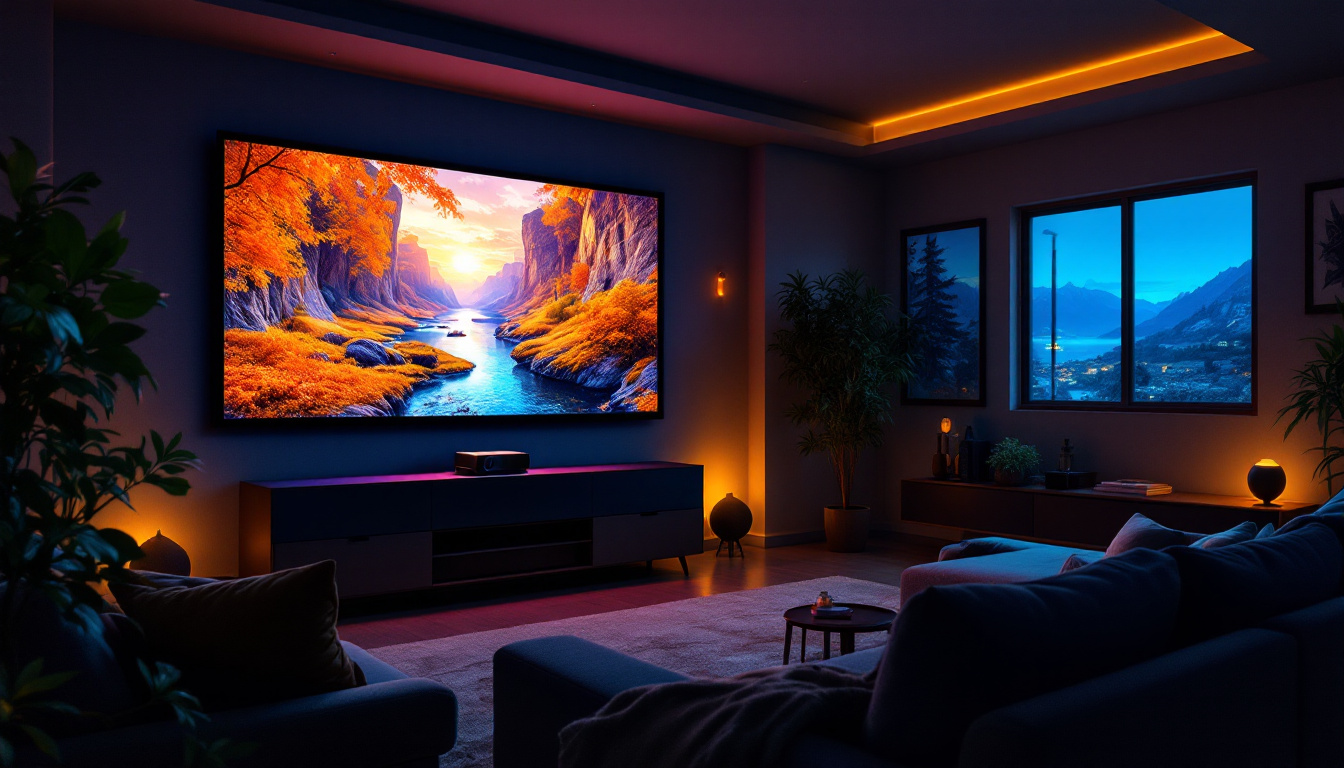
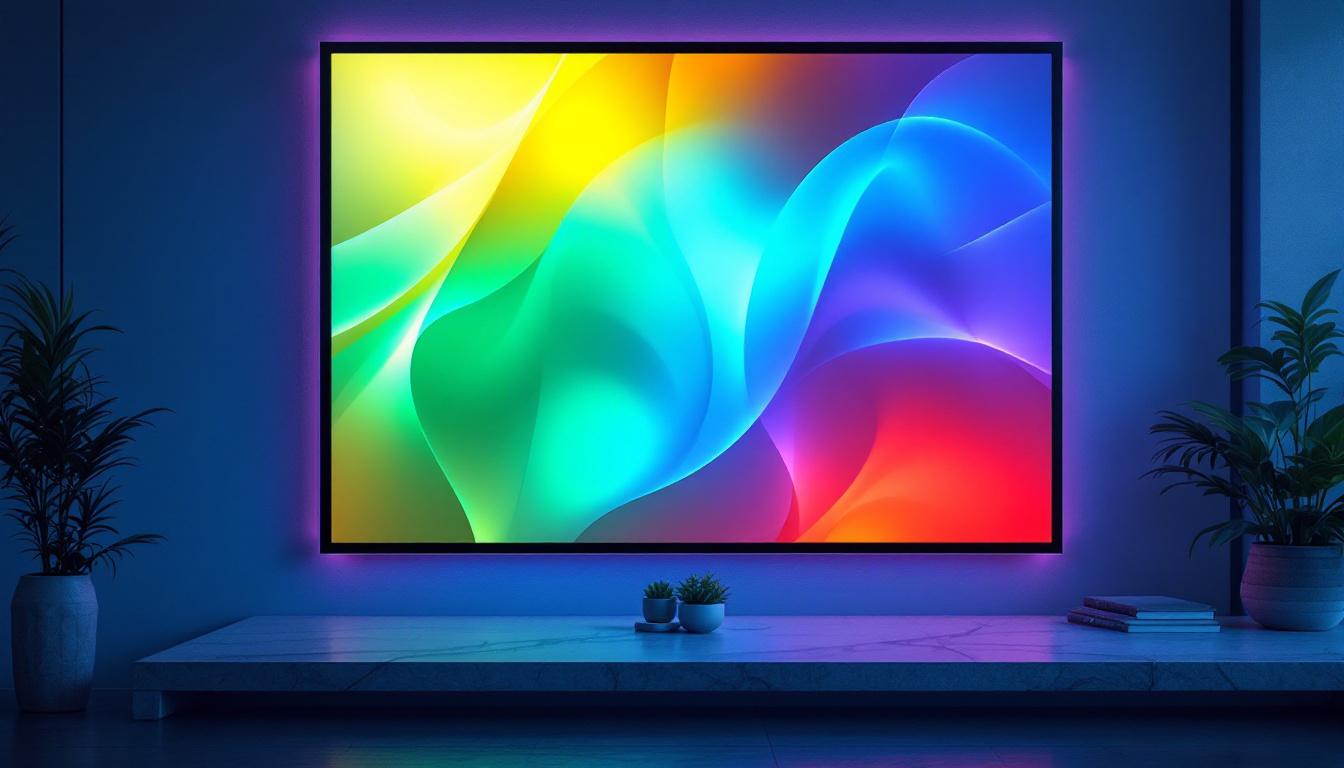
Wall panel LED lights are flat, rectangular lighting fixtures that use light-emitting diodes (LEDs) arranged in a grid or matrix to provide uniform illumination or display visual content. Unlike traditional lighting panels, these LED panels can be integrated seamlessly into walls, ceilings, or other surfaces, offering a sleek and modern aesthetic.
These panels come in various sizes and configurations, ranging from simple backlit panels used for ambient lighting to complex, high-resolution LED displays capable of showing images, videos, and animations. Their slim profile and energy efficiency make them a popular choice for architects, interior designers, and business owners looking to combine lighting with visual communication. Additionally, many wall panel LED lights are designed with smart technology, allowing users to control brightness, color temperature, and even specific lighting scenes through mobile apps or voice commands, enhancing user experience and convenience.
Applications of Wall Panel LED Lights
Wall panel LED lights serve multiple purposes across different sectors. In residential settings, they are often used for ambient lighting, accent lighting, or as decorative elements that enhance the room’s atmosphere. In commercial environments, these panels are frequently utilized for advertising, informational displays, and interactive installations.
For example, retail stores use LED wall panels to showcase promotional content and attract customers, while corporate offices employ them to display branding messages or real-time data. Public spaces such as airports, train stations, and stadiums also benefit from large-scale LED wall panels that provide clear and dynamic information to visitors. Moreover, educational institutions are increasingly adopting these panels in classrooms and auditoriums, where they can facilitate engaging presentations and interactive learning experiences. The versatility of wall panel LED lights extends to healthcare facilities as well, where they can be used to create calming environments in patient rooms or to display important information in waiting areas, ultimately contributing to improved patient experiences and outcomes.
Understanding LED Display Technology
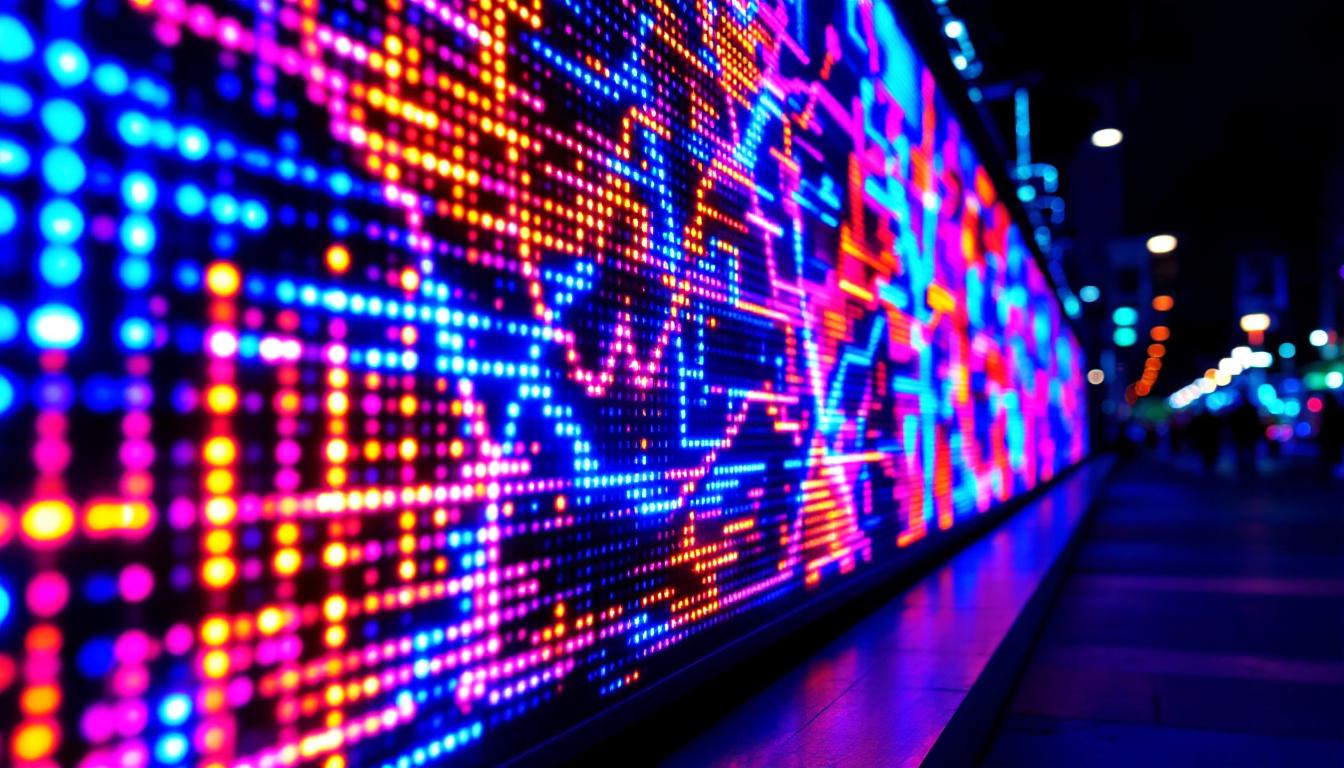
To appreciate the capabilities of wall panel LED lights, it is essential to understand the underlying LED display technology. At its core, an LED display consists of numerous tiny LEDs that emit light when an electrical current passes through them. These LEDs can be individually controlled to produce a wide range of colors and brightness levels, enabling the creation of detailed images and videos. The versatility of LED technology has revolutionized the way we interact with visual media, from advertising to entertainment, making it a staple in modern visual communication.
Types of LEDs Used in Displays
There are primarily two types of LEDs used in wall panel displays: surface-mount device (SMD) LEDs and discrete LEDs. SMD LEDs are compact and house red, green, and blue diodes within a single package, allowing for high pixel density and excellent color mixing. This makes them ideal for indoor displays where clarity and color accuracy are paramount. The compact design of SMD LEDs also contributes to thinner display panels, which are increasingly popular in contemporary interior designs.
Discrete LEDs, on the other hand, consist of separate red, green, and blue LEDs arranged closely together. These are typically used in larger, outdoor displays where brightness and durability are more critical than pixel density. The robustness of discrete LEDs allows them to withstand harsh environmental conditions, making them suitable for billboards and large-scale advertising installations. Additionally, advancements in weatherproofing technologies have further enhanced the longevity and performance of outdoor LED displays, ensuring they remain vibrant and effective in various climates.
Pixel Pitch and Resolution
One of the key factors determining the quality of an LED display is the pixel pitch, which is the distance between the centers of two adjacent pixels. A smaller pixel pitch means higher resolution and sharper images, making it suitable for close viewing distances. For instance, a pixel pitch of 1.5mm is common in high-end indoor LED panels, enabling crisp visuals even when viewed up close. This level of detail is particularly beneficial in environments such as control rooms, broadcast studios, and high-end retail spaces, where visual fidelity is essential.
Conversely, outdoor LED panels often have larger pixel pitches (e.g., 10mm or more) because they are viewed from greater distances. Choosing the right pixel pitch is crucial to balancing cost, resolution, and viewing distance requirements. Moreover, as technology advances, manufacturers are continuously developing new pixel pitch options that cater to various applications, including ultra-high-definition displays that can deliver stunning visuals even in expansive outdoor settings. This innovation not only enhances the viewing experience but also opens up new possibilities for creative advertising and public displays, allowing for dynamic content that captures attention and engages audiences effectively.
Advantages of Wall Panel LED Lights
Wall panel LED lights offer several advantages over traditional lighting and display solutions. Their combination of energy efficiency, versatility, and visual impact makes them a compelling choice for many applications.
Energy Efficiency and Longevity
LED technology is renowned for its low power consumption compared to incandescent or fluorescent lighting. Wall panel LED lights consume significantly less energy while providing the same or higher levels of brightness. This efficiency translates into lower electricity bills and a reduced carbon footprint.
Additionally, LEDs have a longer operational lifespan, often exceeding 50,000 hours. This durability reduces maintenance costs and the frequency of replacements, which is particularly beneficial for commercial installations where downtime can be costly.
Design Flexibility and Customization
The modular nature of LED panels allows for extensive customization in size, shape, and functionality. Panels can be tiled together to create large video walls or designed as standalone units for subtle accent lighting. This flexibility enables creative freedom in architectural and interior design projects.
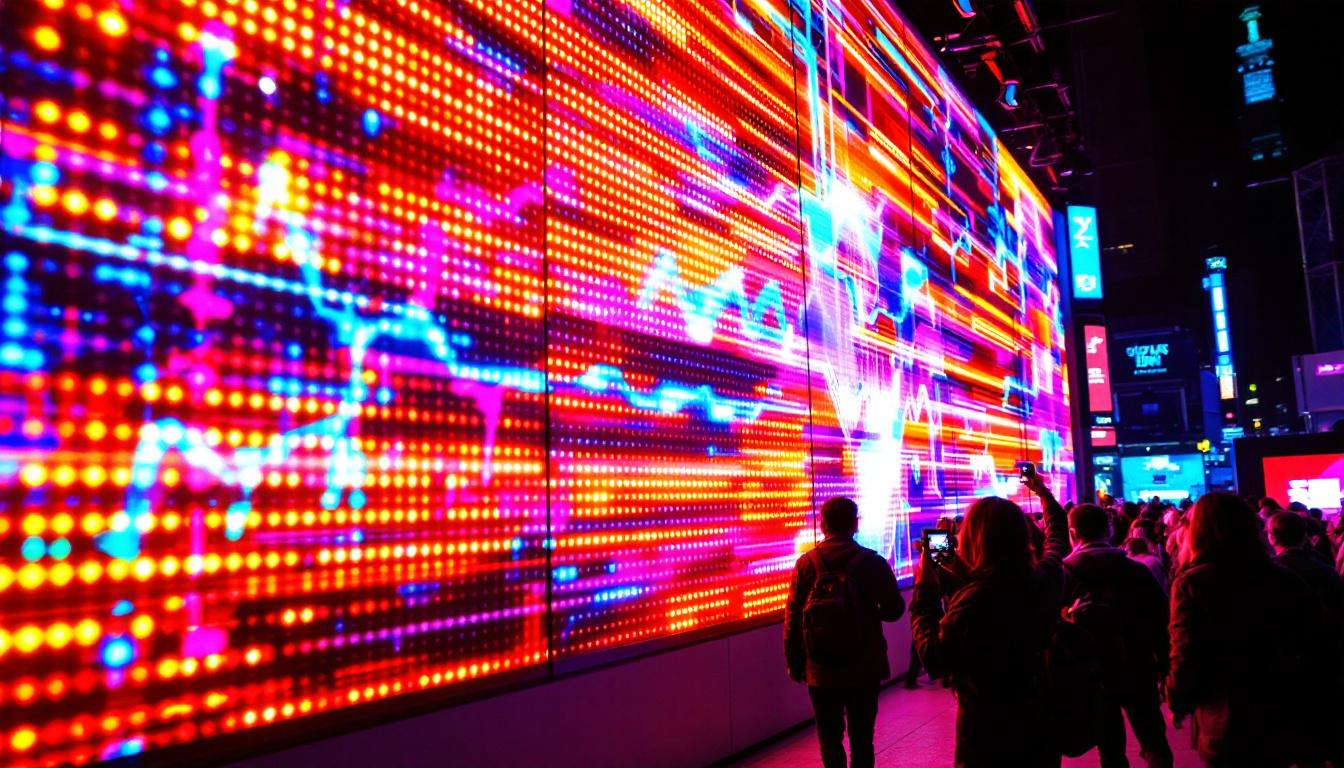
Moreover, LED panels can be programmed to display dynamic content, including animations, videos, and real-time data feeds. This capability transforms static walls into engaging digital canvases that capture attention and convey messages effectively.
Improved Visual Quality
Modern LED panels offer high brightness levels and excellent color reproduction, ensuring visibility even in brightly lit environments. Their ability to produce vibrant colors and deep blacks enhances the overall viewing experience, making them ideal for advertising, entertainment, and informational displays.
Installation and Maintenance Considerations
While wall panel LED lights offer numerous benefits, proper installation and maintenance are critical to maximizing their performance and lifespan.
Installation Best Practices
Installing LED wall panels requires careful planning to ensure structural support, electrical safety, and optimal viewing angles. It is essential to work with experienced professionals who understand the technical specifications and can integrate the panels seamlessly into the existing architecture.
Factors such as ambient lighting conditions, viewing distance, and content type should guide the selection of panel size, pixel pitch, and brightness. Additionally, adequate ventilation and access for maintenance should be considered during installation to prevent overheating and facilitate repairs.
Maintenance and Troubleshooting
LED panels generally require minimal maintenance, but routine inspections can help identify potential issues early. Common maintenance tasks include cleaning the panel surface to remove dust and debris, checking electrical connections, and monitoring software updates for content management systems.
In the event of pixel failures or color inconsistencies, modular panel designs allow for easy replacement of individual sections without dismantling the entire installation. This modularity reduces downtime and maintenance costs, ensuring continuous operation.
Future Trends in Wall Panel LED Technology
The LED display industry continues to evolve rapidly, driven by advances in materials, manufacturing processes, and digital technologies. Several trends are shaping the future of wall panel LED lights, promising even greater capabilities and applications.
MicroLED and MiniLED Innovations
MicroLED and MiniLED technologies represent the next generation of LED displays, offering higher brightness, improved contrast ratios, and enhanced energy efficiency. MicroLEDs, in particular, consist of microscopic LEDs that can be densely packed to achieve ultra-high resolutions suitable for large-format displays and even wearable devices.
These innovations are expected to reduce costs and improve the durability of LED panels, making them accessible for a broader range of uses, from consumer electronics to expansive public installations.
Integration with Smart Technologies
Smart integration is becoming increasingly important in LED display systems. Wall panel LED lights are now being equipped with sensors, IoT connectivity, and AI-driven content management. This enables dynamic adaptation to environmental conditions, personalized messaging, and interactive user experiences.
For example, retail environments can use sensor data to tailor advertisements based on customer demographics or foot traffic patterns, enhancing engagement and sales effectiveness.
Sustainability and Eco-Friendly Designs
As sustainability becomes a priority across industries, LED manufacturers are focusing on eco-friendly materials, recyclable components, and energy-saving features. Wall panel LED lights with reduced environmental impact align with corporate social responsibility goals and regulatory requirements, appealing to environmentally conscious consumers and businesses.
Conclusion
Wall panel LED lights represent a significant advancement in both lighting and display technology. Their ability to combine efficient illumination with high-quality visual content makes them an invaluable asset in modern architectural and commercial applications. Understanding the technology behind LED displays, their advantages, and future trends enables informed decisions when selecting and implementing these innovative panels.
As LED technology continues to progress, wall panel LED lights will undoubtedly play an increasingly prominent role in transforming spaces, enhancing communication, and creating immersive visual experiences.
Illuminate Your Space with LumenMatrix
Ready to elevate your environment with the latest in LED display technology? LumenMatrix is at the forefront of innovation, offering a diverse range of LED display solutions tailored to your needs. From mesmerizing Indoor LED Wall Displays to robust Outdoor LED Wall Displays, and from dynamic Vehicle LED Displays to sleek LED Poster Displays, our products are designed to transform your space and captivate your audience. Discover the full potential of LED displays with LumenMatrix and take the first step towards revolutionizing your visual communication. Check out LumenMatrix LED Display Solutions today and see your vision come to life.