The world of digital displays is constantly evolving, with LED technology at the forefront of this transformation. Among the many technical aspects that influence display quality, the representation of black color plays a crucial role in image clarity and viewer experience. This article delves into the intricacies of black color in JPEG images as displayed on LED screens, exploring how LED technology handles black, the challenges involved, and the implications for various applications.
Understanding Black Color in JPEG Images
JPEG (Joint Photographic Experts Group) is one of the most widely used image formats globally, prized for its balance between image quality and file size. When it comes to black color in JPEG images, it’s important to recognize that JPEG compression can affect how blacks are rendered, especially on different display technologies like LEDs.
Black in digital images is typically represented by the RGB value (0, 0, 0), which means no light is emitted from any of the red, green, or blue channels. However, due to JPEG compression algorithms, subtle variations can occur, sometimes resulting in near-black shades rather than pure black. These variations can become more apparent depending on the display technology and its ability to reproduce true black.
JPEG Compression and Black Color Fidelity
JPEG compression works by reducing redundant data, which can sometimes smooth out sharp contrasts or dark areas. This can lead to “black crush,” where details in dark regions are lost, or “blocking artifacts,” which appear as pixelation in shadowy areas. On LED displays, these compression artifacts can be more or less visible depending on the display’s contrast ratio and black level performance.
For photographers and graphic designers, understanding how JPEG compression affects black tones is vital to ensure their images maintain the intended depth and detail when viewed on LED screens. The perception of black can also be influenced by the surrounding colors and lighting conditions. For instance, a pure black object may appear differently when placed against a bright background compared to a darker one, due to the phenomenon known as simultaneous contrast. This effect can further complicate the representation of black in JPEG images, as the viewer’s perception is not solely based on the color itself but also on its context within the composition.
Moreover, the choice of color space can significantly impact how black is rendered in JPEG images. The sRGB color space, commonly used for web images, has a limited range of colors compared to Adobe RGB, which can capture deeper blacks and richer colors. When converting images from one color space to another, especially during the JPEG compression process, it’s crucial to monitor how these changes affect the black levels. A well-calibrated monitor can help in assessing these differences, ensuring that the final output retains the desired visual integrity across various devices.
How LED Displays Handle Black Color
LED displays, including both direct-view LED panels and LCDs with LED backlighting, have distinct ways of rendering black. The ability of an LED display to produce deep, true black significantly influences overall image quality, contrast, and color accuracy.
Direct-View LED Displays
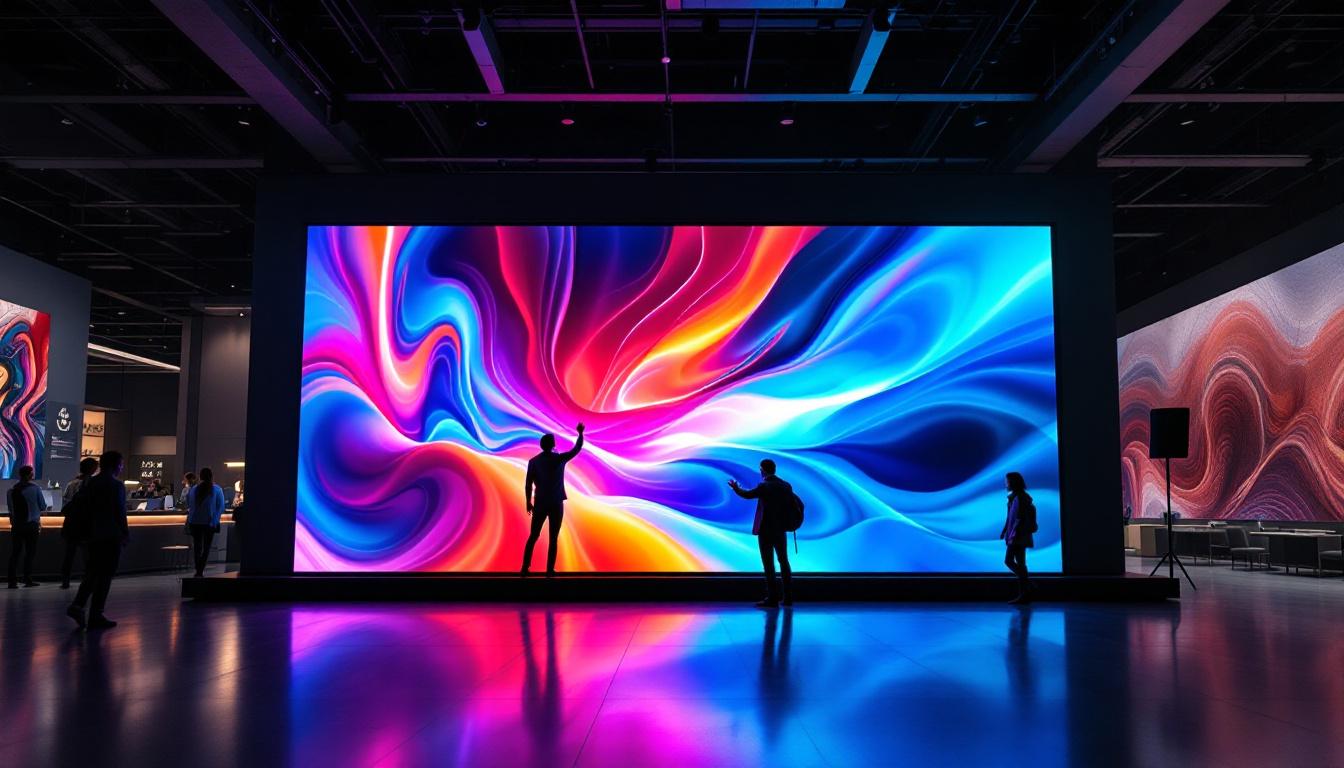
Direct-view LED (Light Emitting Diode) displays consist of tiny LEDs that emit light individually. Each pixel is made up of red, green, and blue LEDs that combine to produce a wide range of colors. For black, the ideal scenario is that all three LEDs are turned off, resulting in no light emission and a pure black appearance.
One of the key advantages of direct-view LED displays is their ability to achieve near-perfect black levels because individual LEDs can be completely turned off. This results in an infinite contrast ratio, which is highly desirable for displaying images with deep blacks and vibrant colors. Furthermore, the absence of light bleed enhances the viewing experience, particularly in dark scenes where shadow details are crucial. This capability makes direct-view LED displays particularly popular in professional settings, such as film production and high-end gaming, where color fidelity and contrast are paramount.
LED-Backlit LCD Displays
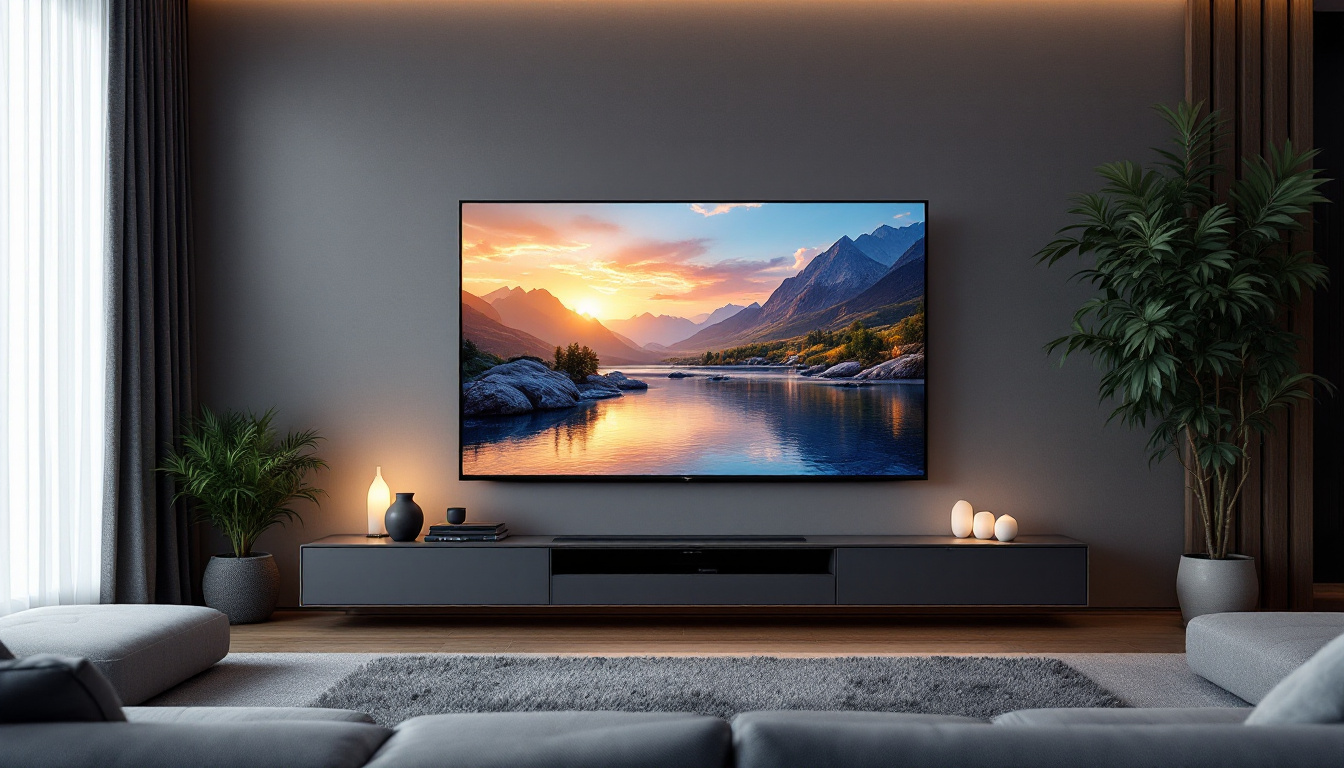
Most consumer screens, such as TVs and monitors, use LCD panels with LED backlighting. In these displays, the LCD layer controls light passage, while the LED backlight provides illumination. However, since the backlight is always on to some extent, achieving true black is more challenging.
Local dimming technology helps improve black levels by dimming or turning off LEDs in specific zones behind the LCD panel. While this enhances contrast and black depth, it cannot match the perfect black levels of direct-view LED displays due to light leakage and the physical limitations of LCD technology. Additionally, advancements in local dimming techniques, such as full-array local dimming (FALD), have made significant strides in reducing halo effects around bright objects on dark backgrounds, thereby improving the visual experience. This technology allows for more precise control over the backlighting, creating a more immersive viewing experience, especially in cinematic content where shadow detail plays a vital role in storytelling.
Challenges in Displaying Black on LED Screens
Despite technological advances, several challenges remain in accurately displaying black on LED screens. These challenges impact industries ranging from entertainment to advertising, where image quality is paramount.
Light Bleed and Glow
One common issue in LED-backlit LCDs is light bleed, where light from the backlight leaks through dark areas, causing blacks to appear grayish or washed out. This is particularly noticeable in dark scenes or images with large black areas, such as night skies or shadowed objects. The phenomenon of light bleed can be exacerbated by the type of content being displayed; for instance, a high-contrast movie scene may reveal these flaws more than a brightly lit commercial. As a result, filmmakers and content creators often face the challenge of ensuring their work translates well across various display technologies.
Even in direct-view LED displays, slight glow can occur around bright objects adjacent to black areas due to the physical spacing between LEDs, known as pixel pitch. Smaller pixel pitches help reduce this effect, but it remains a consideration in display design. Manufacturers are continually innovating to create displays with finer pixel pitches and improved light control technologies, such as local dimming, which allows specific areas of the screen to dim independently, enhancing the depth of blacks and overall contrast. However, these advancements can lead to increased production costs, which may affect pricing and accessibility for consumers.
Color Accuracy and Calibration
Accurate black reproduction is closely tied to overall color calibration. Without proper calibration, blacks can appear tinted (e.g., blueish or greenish), which detracts from image realism. Professional LED displays often undergo rigorous calibration to ensure color fidelity, especially in environments like broadcast studios and digital signage. This process involves using specialized equipment to measure and adjust the display’s output, ensuring that colors, including black, are rendered as intended. The importance of calibration cannot be overstated, as even slight deviations can lead to significant differences in viewer perception, impacting everything from film production to art exhibitions.
Viewing Environment and Ambient Light
The perception of black on LED displays is also influenced by ambient lighting conditions. In brightly lit environments, even displays with excellent black levels may appear less contrasty. Conversely, in dark rooms, imperfections in black reproduction become more noticeable. This variability highlights the importance of considering the viewing environment when selecting a display for specific applications. For instance, a display intended for use in a dimly lit theater will require different specifications compared to one designed for a bustling retail space. Furthermore, advancements in adaptive brightness technology aim to automatically adjust screen brightness based on surrounding light levels, helping to mitigate some of these challenges and enhance the viewing experience.
Moreover, the choice of materials and coatings used on the screen can also play a significant role in how blacks are perceived. Anti-reflective coatings can help reduce glare from ambient light, allowing for deeper blacks and improved contrast in bright settings. As manufacturers continue to explore new materials and technologies, the quest for the perfect black on LED screens remains a dynamic field, pushing the boundaries of what is possible in visual display technology.
Applications and Importance of Black Color in LED Displays
The ability to display deep blacks accurately is critical across various applications, impacting user experience, content quality, and even energy efficiency.
Entertainment and Cinematic Displays
In home theaters and cinemas, LED displays with excellent black performance enhance the viewing experience by delivering immersive visuals with rich contrast. This is particularly important for movies with dark scenes or high dynamic range (HDR) content, where subtle shadow details contribute to storytelling.
Digital Signage and Advertising
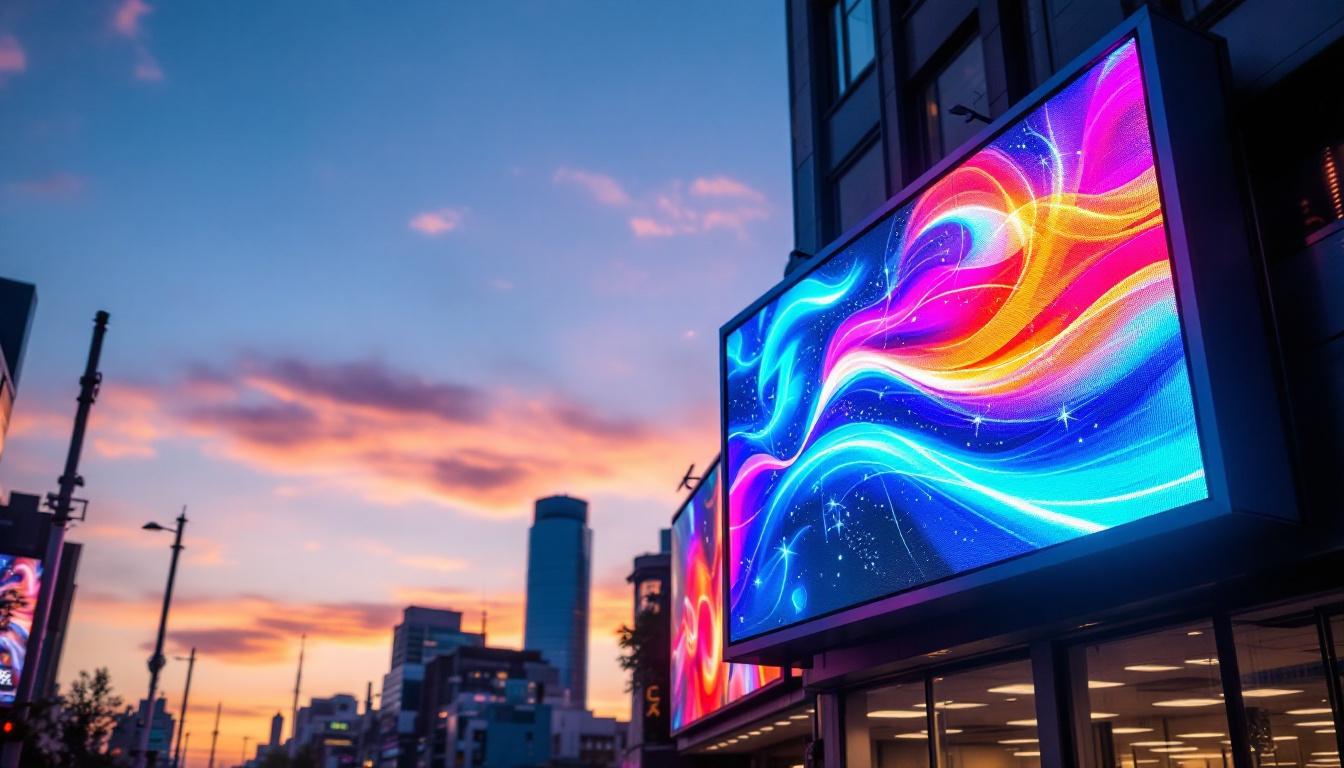
For digital signage, especially in outdoor environments, LED displays must maintain image clarity and color vibrancy under varying lighting conditions. Accurate black reproduction ensures that text and graphics stand out sharply, improving readability and visual impact.
Professional and Medical Imaging
In professional fields such as medical imaging and graphic design, precise black levels are essential for accurate interpretation of images. LED displays used in these sectors often feature advanced calibration and high contrast ratios to meet stringent requirements.
Future Trends in Black Color Representation on LED Displays
As LED technology continues to advance, new innovations promise to further improve black color representation and overall display performance.
MicroLED Technology
MicroLED displays, which use microscopic LEDs as individual pixels, offer the potential for even better black levels and contrast ratios than current direct-view LEDs. Because each microLED can be turned off independently, these displays can achieve true blacks with minimal light bleed.
Additionally, MicroLEDs provide higher brightness, longer lifespan, and improved energy efficiency, making them a promising technology for future high-end displays.
Quantum Dot Enhancements
Quantum dot technology, often combined with LED backlighting, enhances color accuracy and brightness. While primarily focused on color gamut expansion, quantum dots also contribute to better black performance by improving the precision of light emission and reducing halo effects around dark areas.
Advanced Local Dimming Algorithms
Software innovations in local dimming control continue to refine how LED-backlit LCDs manage black levels. By dynamically adjusting backlight zones with greater precision, these algorithms reduce light bleed and improve contrast, narrowing the gap with direct-view LED displays.
Conclusion
The representation of black color in JPEG images on LED displays is a complex interplay of image compression, display technology, and environmental factors. While JPEG compression can subtly affect black fidelity, the capabilities of LED displays—especially direct-view LEDs—play a decisive role in how blacks are perceived.
Understanding the nuances of black color reproduction is essential for professionals in photography, digital signage, entertainment, and other fields where image quality matters. With ongoing advancements like MicroLED and quantum dot technologies, the future holds exciting possibilities for even more accurate and vivid black color representation on LED displays.
Ultimately, the quest for perfect black is not just about aesthetics; it enhances visual storytelling, improves readability, and elevates the overall digital experience across countless applications.
Discover the Future of Black Color Representation with LumenMatrix
As you seek to understand and utilize the deepest blacks and most vivid colors in your LED displays, LumenMatrix stands at the forefront of innovation. Our extensive range of LED display solutions, from Indoor and Outdoor LED Walls to specialized options like Vehicle, Sports, and Floor LED Displays, is designed to meet the diverse needs of modern visual storytelling. Embrace the cutting-edge technology that LumenMatrix offers to enhance engagement and captivate your audience. Check out LumenMatrix LED Display Solutions today and experience the unparalleled clarity and impact that only our displays can deliver.