In today’s digital age, LED displays have become ubiquitous, transforming the way information and visuals are presented across industries. From vibrant billboards in Times Square to high-resolution screens in stadiums and retail stores, LED technology powers some of the most dynamic visual experiences worldwide. This article delves into the fundamentals of LED displays, exploring how they work, their advantages, applications, and the future trends shaping this exciting technology.
Understanding LED Display Technology
LED stands for Light Emitting Diode, a semiconductor device that emits light when an electric current passes through it. LED displays are composed of thousands to millions of these tiny diodes arranged in a matrix to form images, videos, and text. Unlike traditional display technologies such as LCD or plasma, LEDs produce their own light, resulting in brighter images and better contrast. This self-illuminating property allows LED displays to achieve higher brightness levels, making them particularly effective in outdoor environments where sunlight can wash out other types of screens.
How Do LED Displays Work?
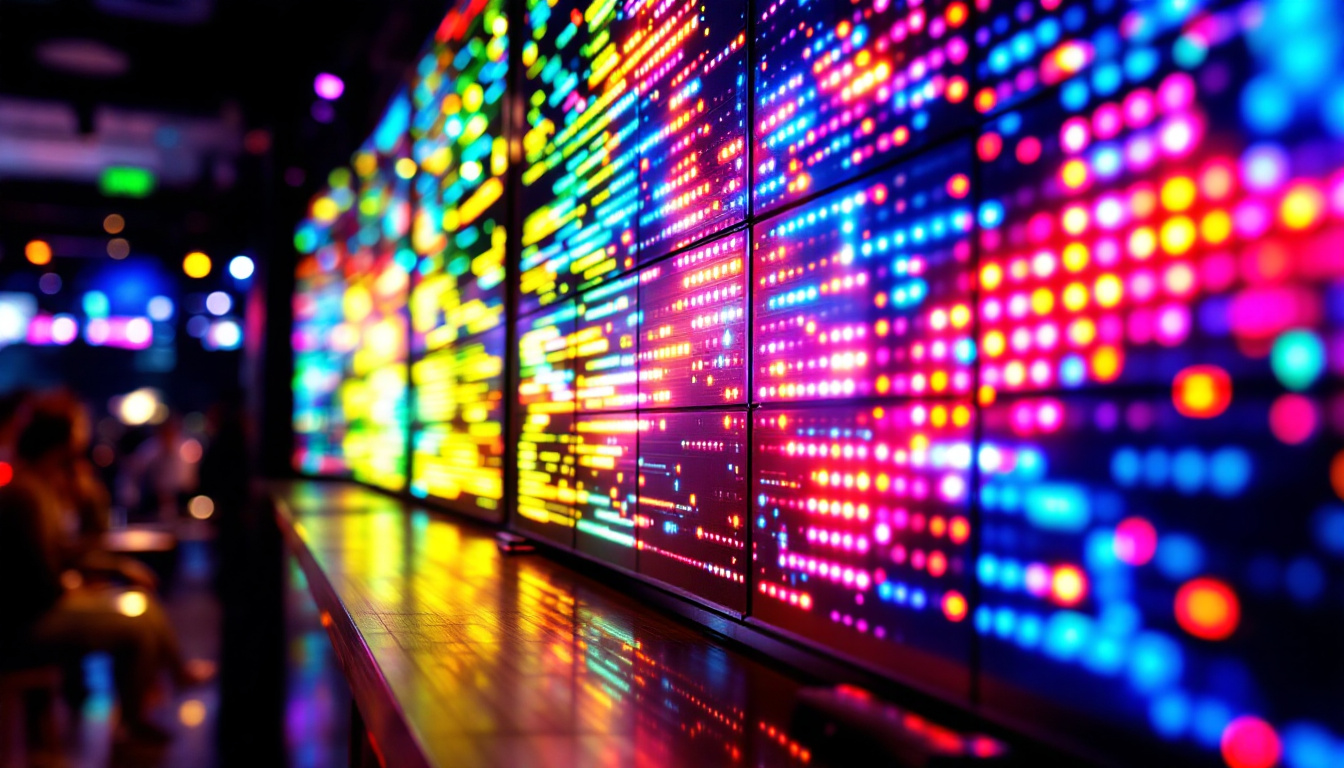
At the core of an LED display are individual pixels, each made up of red, green, and blue LEDs. By varying the intensity of these three colors, the display can produce a wide spectrum of colors through a process called additive color mixing. The control system sends signals to each pixel to adjust the brightness and color, creating the desired image. This precise control over color and brightness not only enhances the viewing experience but also allows for dynamic content, such as animations and transitions, to be displayed seamlessly.
There are two primary types of LED displays: direct view LED and LED-backlit LCD. Direct view LED displays use LEDs as the actual pixels, ideal for large-scale outdoor screens. In contrast, LED-backlit LCDs use LEDs as a backlight behind an LCD panel, common in televisions and computer monitors. The former is often used in advertising billboards and sports arenas, where visibility from various angles and distances is crucial, while the latter is prevalent in consumer electronics, providing a balance of performance and cost-effectiveness.
Key Components of an LED Display
Several critical components work together to make an LED display function:
- LED Modules: These are the building blocks containing clusters of LEDs arranged in pixels.
- Driver ICs: Integrated circuits that manage the power and control signals for each LED.
- Power Supply: Provides the necessary voltage and current to the LEDs and control circuits.
- Control System: Includes processors and software that interpret video signals and control the display output.
- Cabinet or Frame: Houses the modules and protects the display from environmental factors.
In addition to these components, the thermal management system is vital for maintaining optimal performance and longevity of the display. LEDs generate heat, and without proper dissipation, this can lead to reduced brightness and color accuracy over time. Advanced LED displays often incorporate heat sinks and fans to ensure that temperatures remain within safe limits. Furthermore, many modern LED displays are designed with modularity in mind, allowing for easy repairs and upgrades, which is particularly beneficial for large installations that require ongoing maintenance.
Another significant aspect of LED display technology is its energy efficiency. Compared to traditional display technologies, LEDs consume less power while delivering superior brightness and color quality. This efficiency not only reduces operational costs but also minimizes environmental impact, making LED displays a more sustainable choice for businesses and organizations. As technology continues to evolve, innovations such as organic LEDs (OLEDs) and microLEDs are emerging, promising even greater advancements in display quality and energy efficiency.
Advantages of LED Displays Over Other Technologies
LED displays offer several benefits that have made them the preferred choice for many applications. Their unique characteristics provide advantages in brightness, energy efficiency, durability, and versatility.
Superior Brightness and Visibility
One of the most significant advantages of LED displays is their exceptional brightness. LEDs can achieve brightness levels exceeding 5,000 nits, making them easily visible even in direct sunlight. This attribute is particularly important for outdoor advertising and public information displays where ambient light conditions vary greatly. The ability to maintain visibility in bright conditions not only enhances advertising effectiveness but also ensures that critical information, such as traffic updates or emergency alerts, can be seen clearly by the public at all times.
Energy Efficiency and Longevity
Compared to traditional incandescent or fluorescent lighting, LEDs consume significantly less power. This energy efficiency translates into lower operating costs, especially for large-scale installations that run continuously. Additionally, LEDs have a longer lifespan, often exceeding 50,000 hours, reducing maintenance and replacement expenses. This longevity means that businesses can invest in LED technology without the constant worry of frequent replacements, allowing them to allocate resources to other critical areas of their operations. Furthermore, the reduced energy consumption contributes to a smaller carbon footprint, making LED displays a more environmentally friendly option.
High Contrast and Color Accuracy
Because LEDs emit light directly, they provide better contrast ratios than LCDs, resulting in deeper blacks and more vivid colors. This enhances the viewing experience, making content more engaging and easier to read from a distance. The color accuracy of LED displays is particularly beneficial in applications such as digital signage and broadcasting, where true-to-life color representation is essential. With advancements in technology, some LED displays now also support a wider color gamut, allowing for a more immersive visual experience that captivates audiences and delivers content with stunning realism.
Durability and Weather Resistance
LED displays are designed to withstand harsh environmental conditions, including rain, wind, dust, and temperature fluctuations. Many outdoor LED screens come with IP65 or higher ratings, ensuring protection against water and dust ingress, which is crucial for reliable operation in public spaces. This durability not only extends the life of the display but also minimizes downtime, as they require less frequent repairs or replacements. In addition to environmental resilience, LED displays are often built with robust materials that can endure physical impacts, making them suitable for high-traffic areas where they may be subject to accidental bumps or knocks. This combination of durability and weather resistance makes LED technology a smart investment for both temporary and permanent installations.
Applications of LED Displays Across Industries
The versatility of LED display technology has led to its adoption in a wide range of sectors. Each application leverages specific features of LEDs to meet unique requirements.
Advertising and Digital Signage
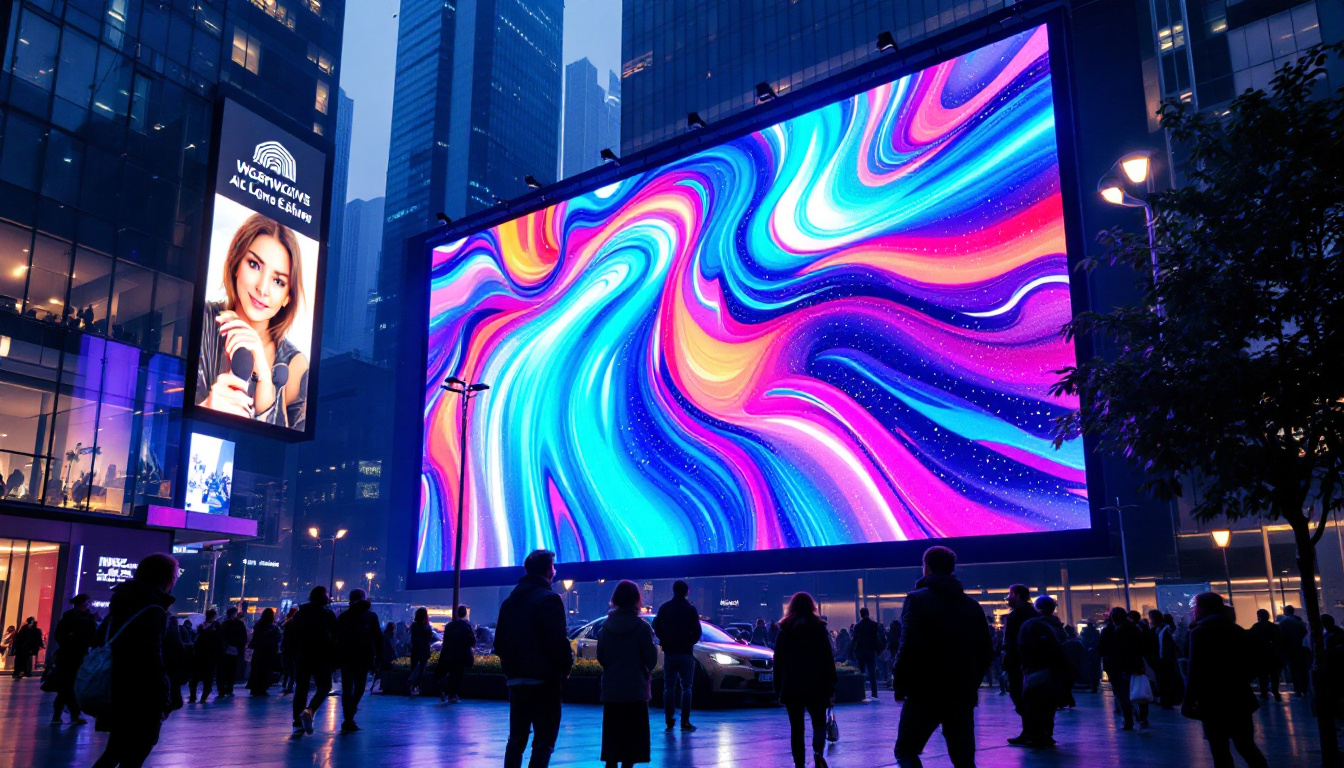
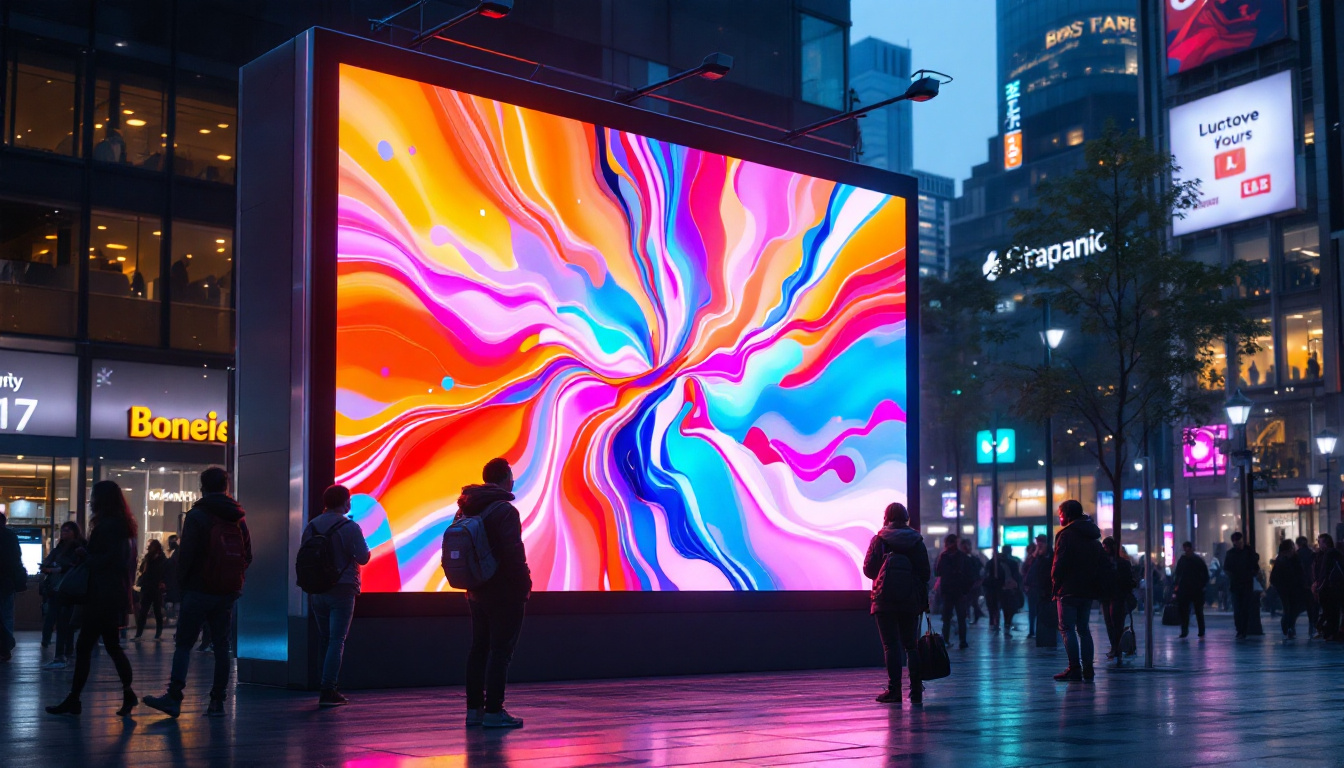
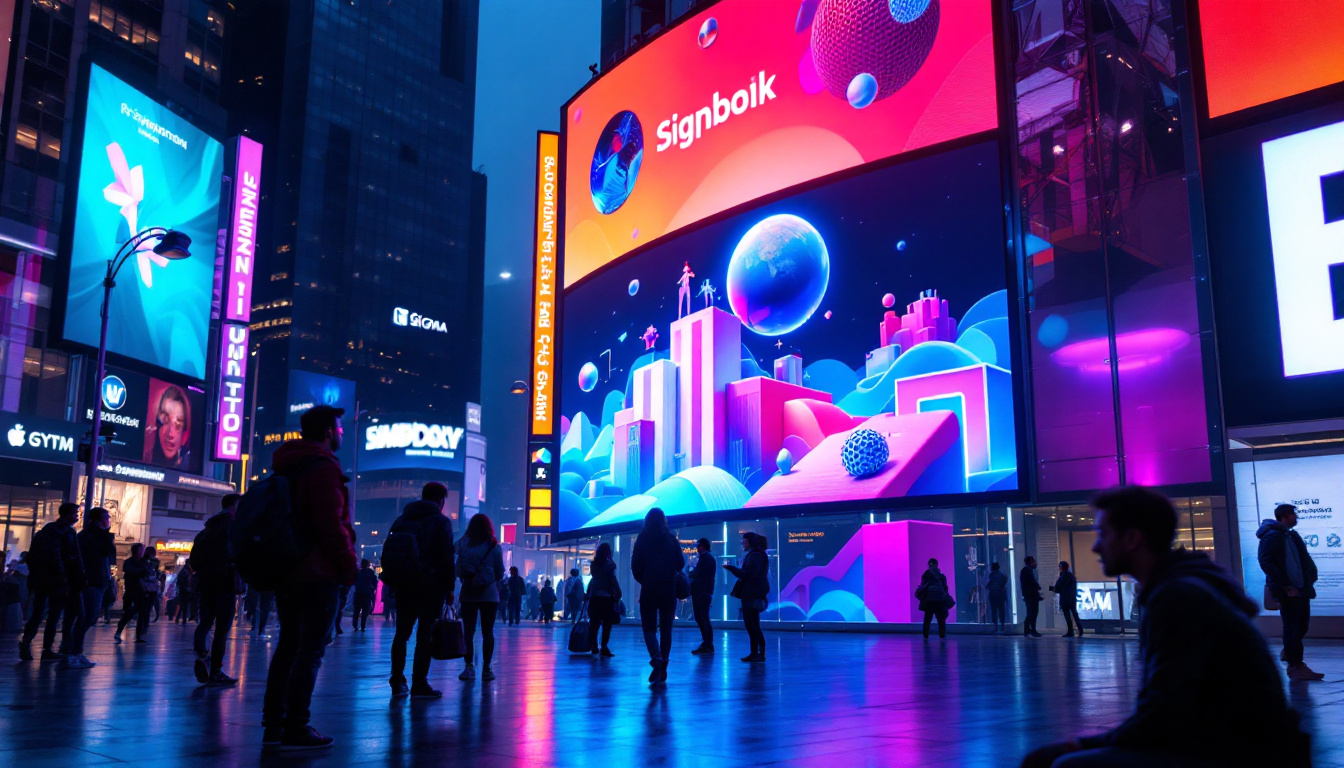
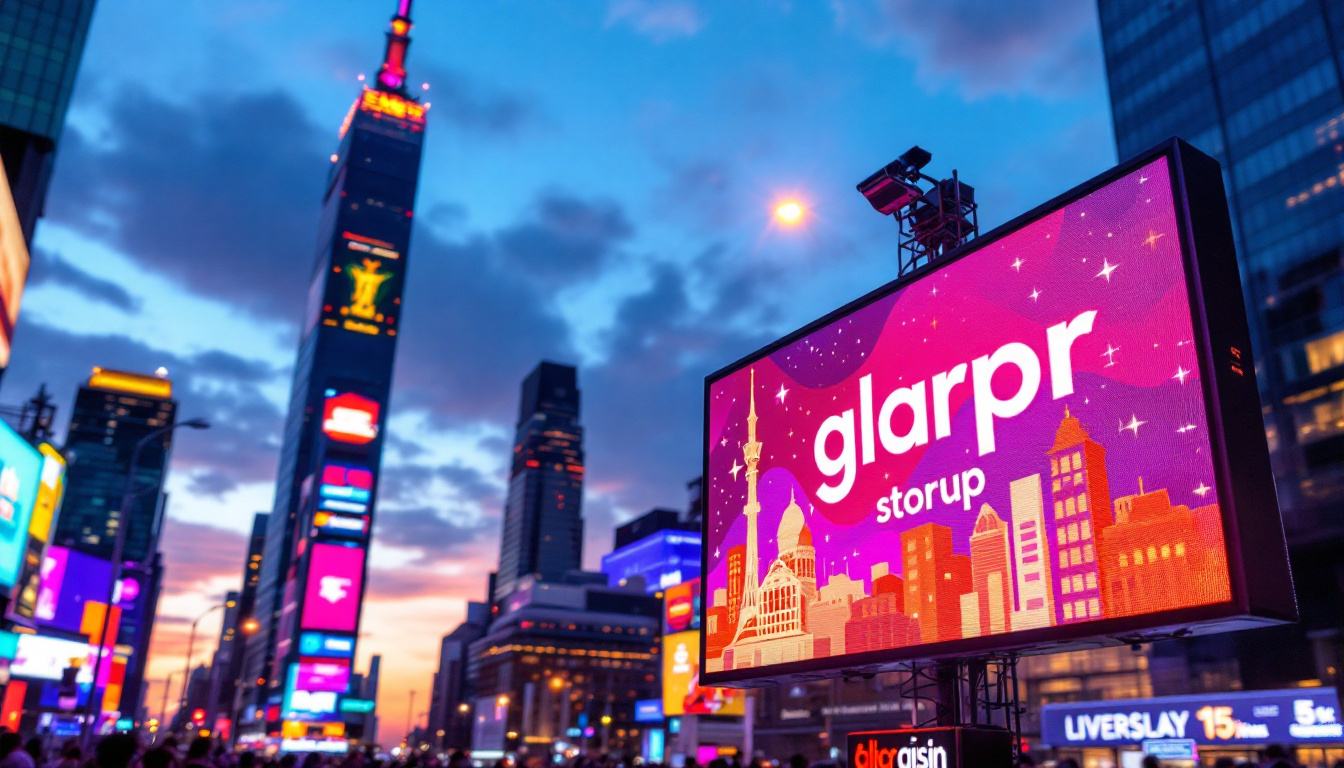
Outdoor advertising is one of the most visible uses of LED displays. Digital billboards and signage allow advertisers to update content in real-time, target specific audiences, and display dynamic multimedia content. According to a 2023 report by Grand View Research, the global digital signage market is expected to reach $32.84 billion by 2028, driven largely by LED technology.
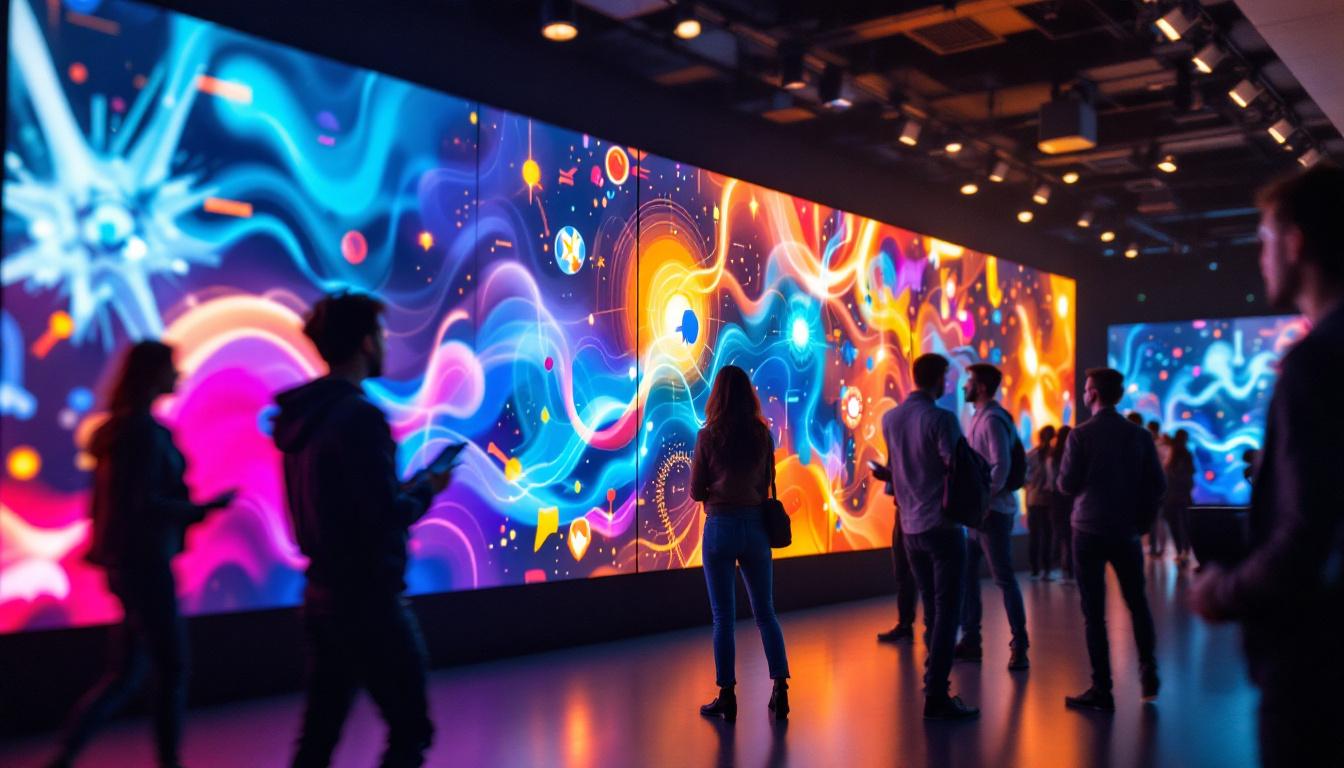
Indoor LED displays are also popular in retail environments, enhancing customer engagement through interactive and eye-catching visuals.
Sports and Entertainment Venues
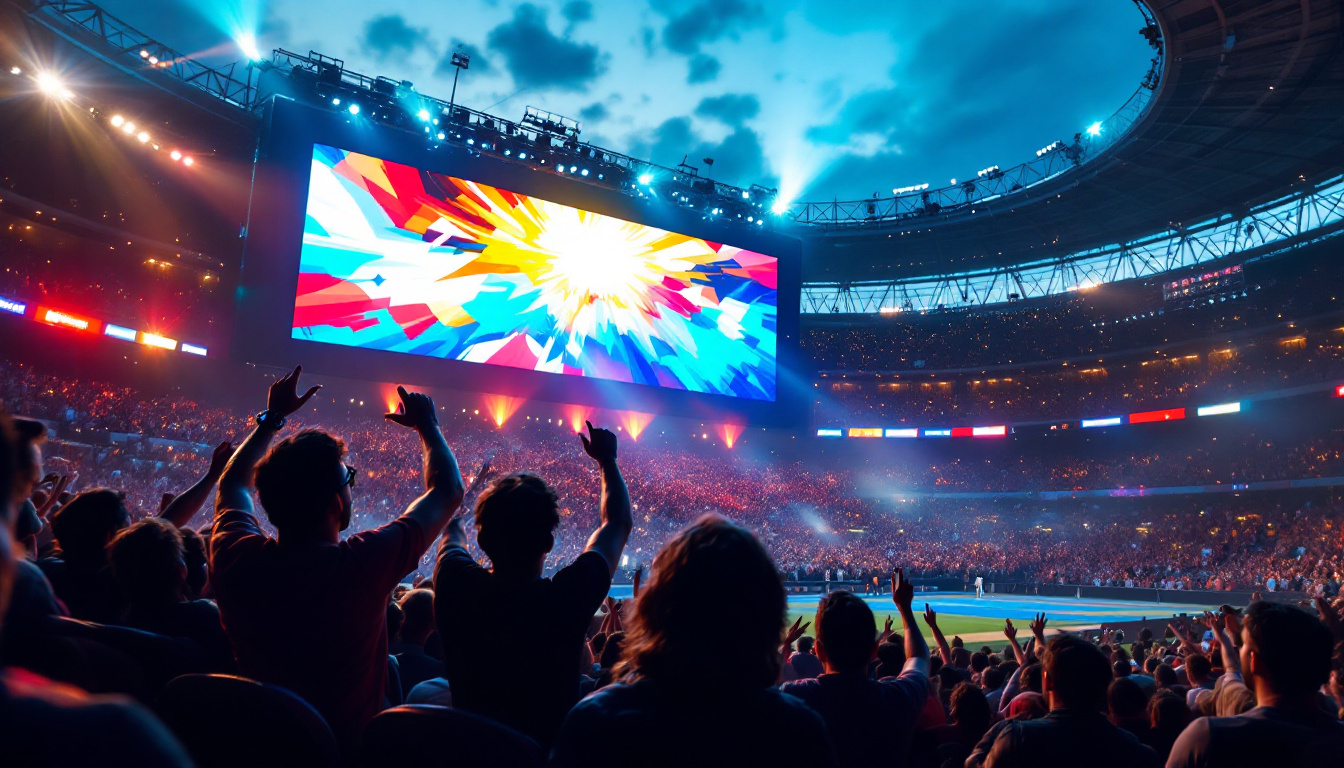
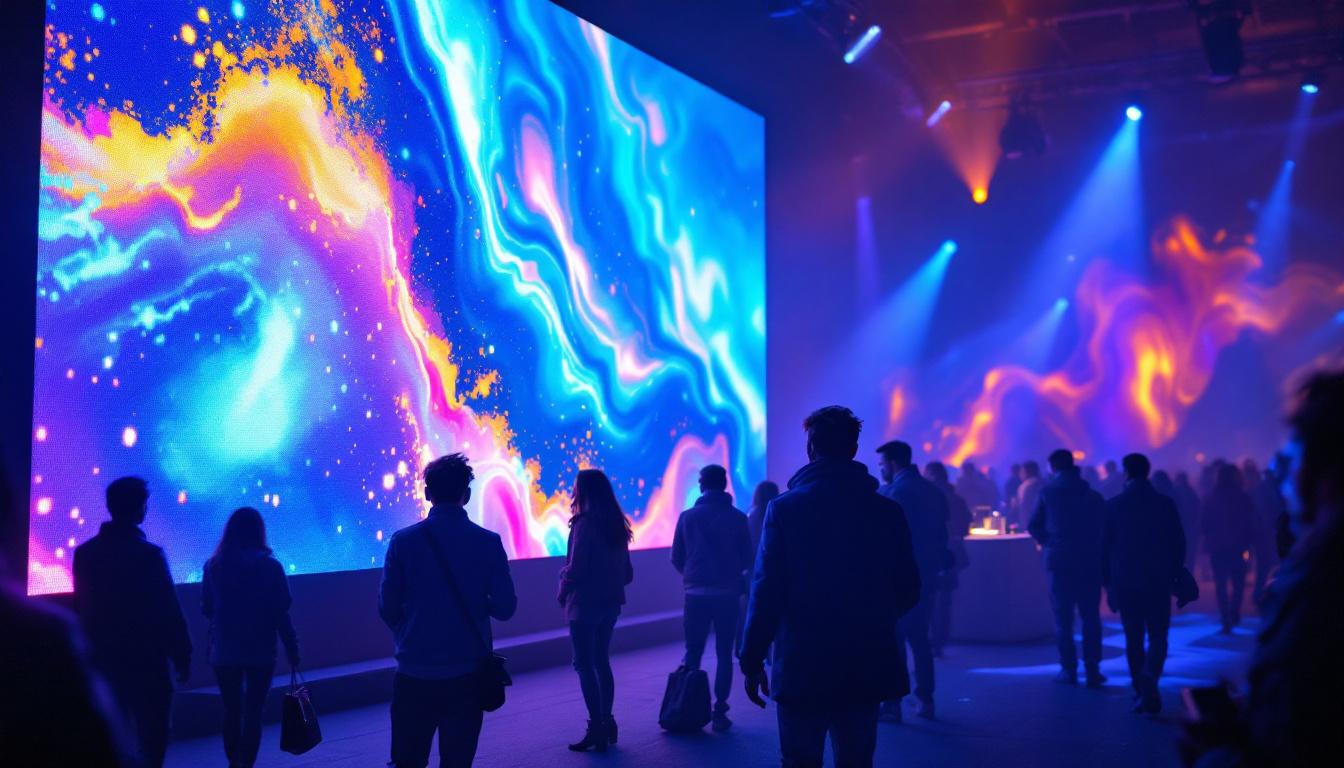
Stadiums and arenas use massive LED screens to provide spectators with live game footage, replays, and interactive content. The ability to display high-resolution video in bright outdoor conditions improves the fan experience. For example, the AT&T Stadium in Texas features one of the largest high-definition LED video boards in the world, measuring 160 feet wide and 72 feet tall.
Transportation and Public Information
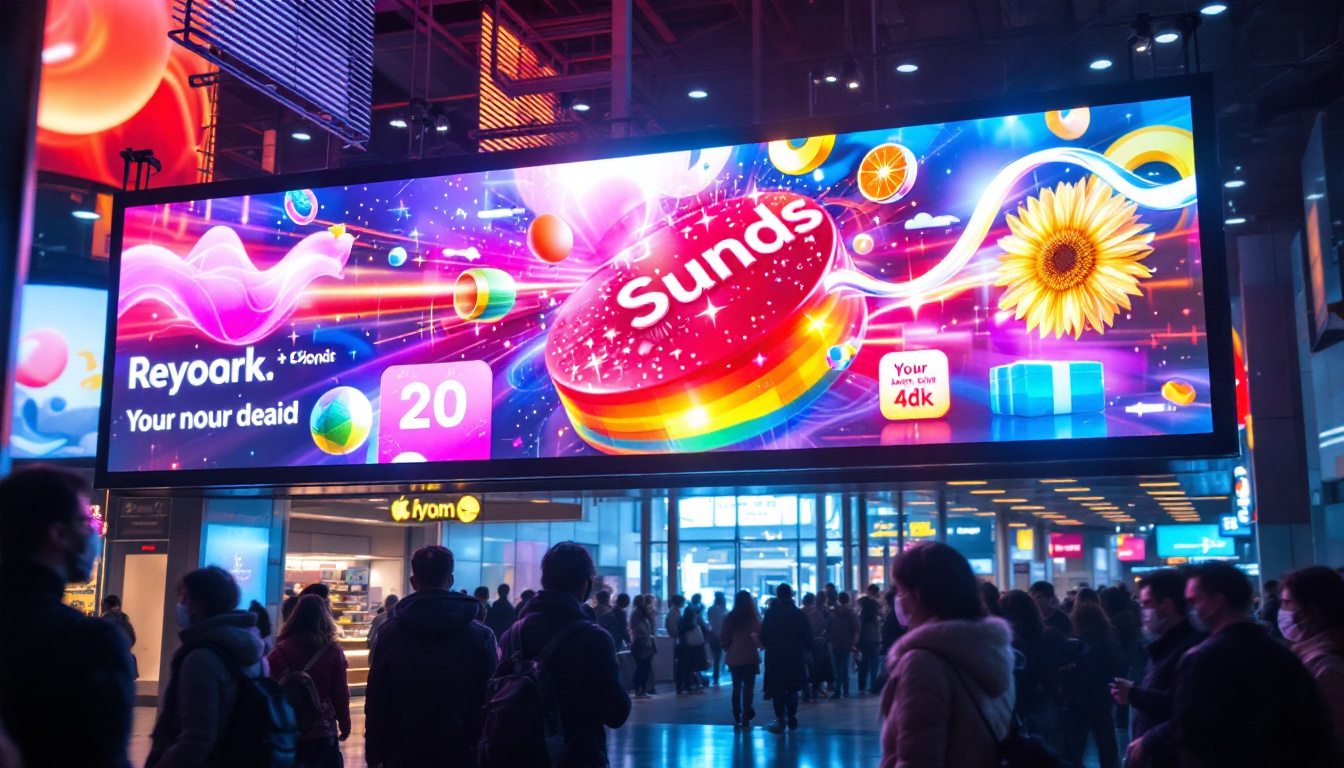
LED displays are widely used in transportation hubs such as airports, train stations, and bus terminals to provide real-time schedules, alerts, and wayfinding information. Their high visibility and reliability make them ideal for critical communication in public spaces.
Corporate and Educational Environments
In corporate settings, LED video walls are used for presentations, video conferencing, and digital branding. Educational institutions utilize LED displays for lectures, events, and digital noticeboards, enhancing communication and engagement.
Choosing the Right LED Display: Factors to Consider
Selecting an LED display that meets specific needs requires understanding several technical and practical factors. These considerations ensure optimal performance, cost-effectiveness, and longevity.
Pixel Pitch and Resolution
Pixel pitch refers to the distance between the centers of two adjacent pixels, typically measured in millimeters. A smaller pixel pitch means higher resolution and better image clarity, especially at close viewing distances. For example, a 1.5mm pixel pitch is suitable for indoor displays viewed from a few feet away, while a 10mm pitch is common for large outdoor billboards viewed from hundreds of feet.
Brightness and Contrast Requirements
The intended environment heavily influences brightness needs. Outdoor displays require higher brightness levels to combat sunlight, whereas indoor displays can operate at lower brightness to reduce eye strain and power consumption. Contrast ratio affects image quality and readability, especially for text and fine details.
Viewing Distance and Angle
Understanding the typical distance and angle from which the display will be viewed helps determine pixel pitch and screen size. LED displays offer wide viewing angles, often up to 160 degrees horizontally and vertically, ensuring consistent image quality from various positions.
Environmental and Installation Considerations
Outdoor installations must consider weatherproofing, temperature tolerance, and mounting options. Indoor installations may focus more on aesthetics, integration with existing infrastructure, and ease of maintenance.
Emerging Trends and the Future of LED Displays
LED display technology continues to evolve, driven by advancements in materials, manufacturing, and digital integration. Several trends are shaping the future landscape of LED solutions.
MicroLED and MiniLED Technologies
MicroLED and MiniLED represent the next generation of LED displays, offering even higher resolution, improved brightness, and better energy efficiency. MicroLEDs are microscopic LEDs that can be individually controlled, enabling displays with exceptional contrast and color accuracy. These technologies are beginning to appear in premium televisions and wearable devices.
Flexible and Transparent LED Displays
Innovations in flexible substrates allow LED displays to bend and curve, opening new possibilities for creative installations on irregular surfaces. Transparent LED displays enable screens to be integrated into glass windows and storefronts without obstructing views, blending digital content with physical environments seamlessly.
Integration with AI and IoT
Smart LED displays equipped with AI can adapt content dynamically based on audience demographics, weather, or time of day. Integration with the Internet of Things (IoT) allows displays to interact with other devices and systems, enhancing interactivity and data-driven decision-making.
Conclusion
LED display technology has revolutionized visual communication by offering bright, energy-efficient, and versatile solutions across numerous industries. Understanding the underlying technology, advantages, and application-specific considerations is essential for selecting the right LED display and maximizing its impact. As the technology continues to advance with innovations like MicroLED and smart integration, LED displays will remain at the forefront of delivering compelling visual experiences well into the future.
Discover LumenMatrix LED Display Solutions
Ready to elevate your visual communication with the latest in LED display technology? Look no further than LumenMatrix, a pioneer in crafting LED display modules designed to amplify your brand’s presence and captivate your audience. Whether you’re in need of an Indoor LED Wall Display, a vibrant Outdoor LED Wall Display, or specialized solutions like Vehicle LED Displays, LED Sports Displays, or even Custom LED Displays, LumenMatrix has you covered. Embrace the future of digital signage and create unforgettable visual experiences with our comprehensive range of LED display solutions. Check out LumenMatrix LED Display Solutions today and transform the way you communicate with your audience.