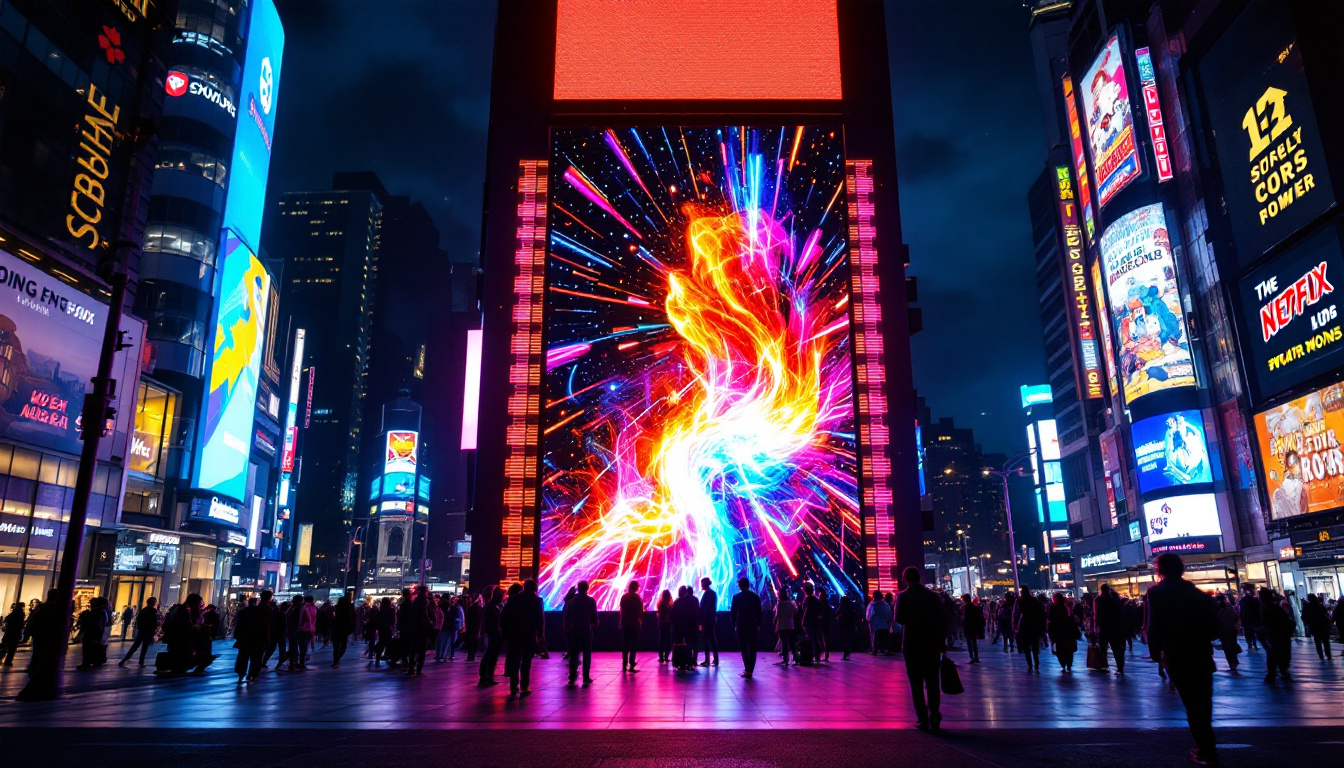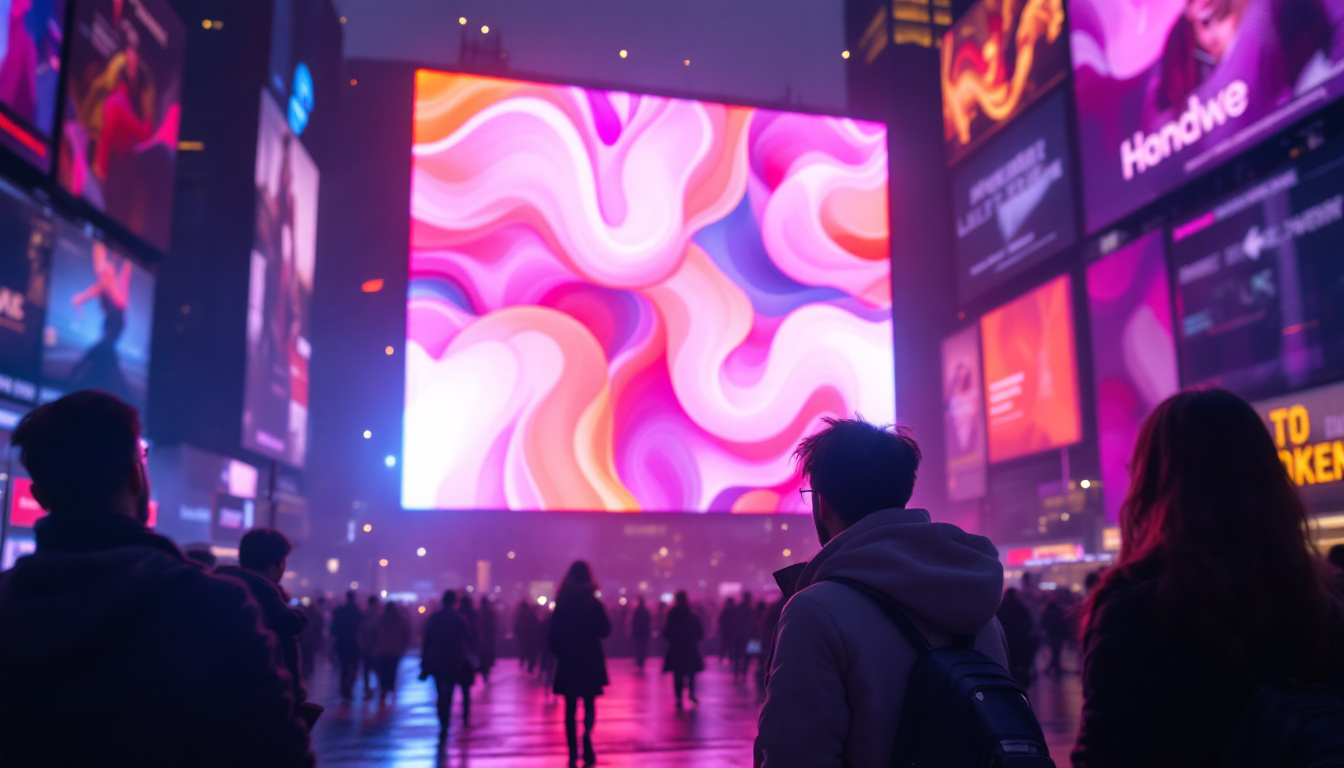
Outdoor wall art has evolved dramatically over the past decade, blending creativity with technology to transform ordinary spaces into captivating visual experiences. Among the most exciting innovations in this field is the use of LED displays to create lighted outdoor wall art. These installations not only enhance aesthetic appeal but also offer dynamic and customizable visual storytelling opportunities for homes, businesses, and public spaces.
This article explores the world of lighted outdoor wall art with a focus on LED display technology—how it works, its benefits, design considerations, and practical applications. Whether you’re a property owner, an artist, or a designer, understanding LED outdoor wall art can open up new possibilities for vibrant, long-lasting, and energy-efficient installations.
Understanding LED Technology in Outdoor Wall Art
What Are LEDs and How Do They Work?
LED stands for Light Emitting Diode, a semiconductor device that emits light when an electric current passes through it. Unlike traditional incandescent bulbs, LEDs produce light through electroluminescence, which makes them highly energy-efficient and long-lasting. This technology has revolutionized lighting across numerous industries, including outdoor art installations. The lifespan of an LED can exceed 25,000 hours, significantly reducing the need for frequent replacements and maintenance, which is particularly advantageous for installations in hard-to-reach outdoor locations.
In outdoor wall art, LEDs are arranged in panels or strips that can be programmed to display colors, patterns, and animations. The ability to control each LED individually allows for intricate designs and dynamic effects that were previously impossible with static lighting. This programmability not only enhances the artistic expression but also allows artists to create immersive experiences that can change with the time of day or season, captivating audiences and encouraging repeat visits to the installation.
Types of LED Displays Used in Outdoor Art
There are several types of LED displays commonly used for outdoor wall art, each offering different advantages:
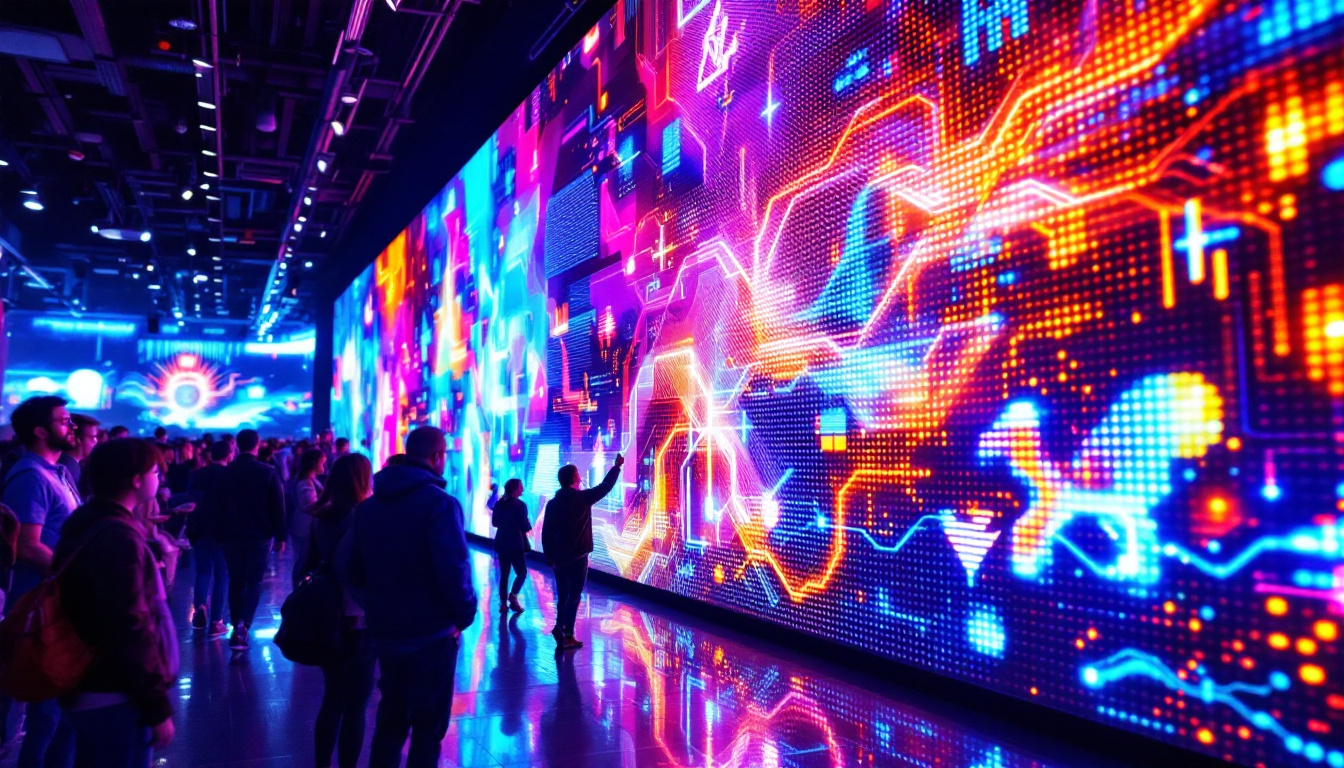
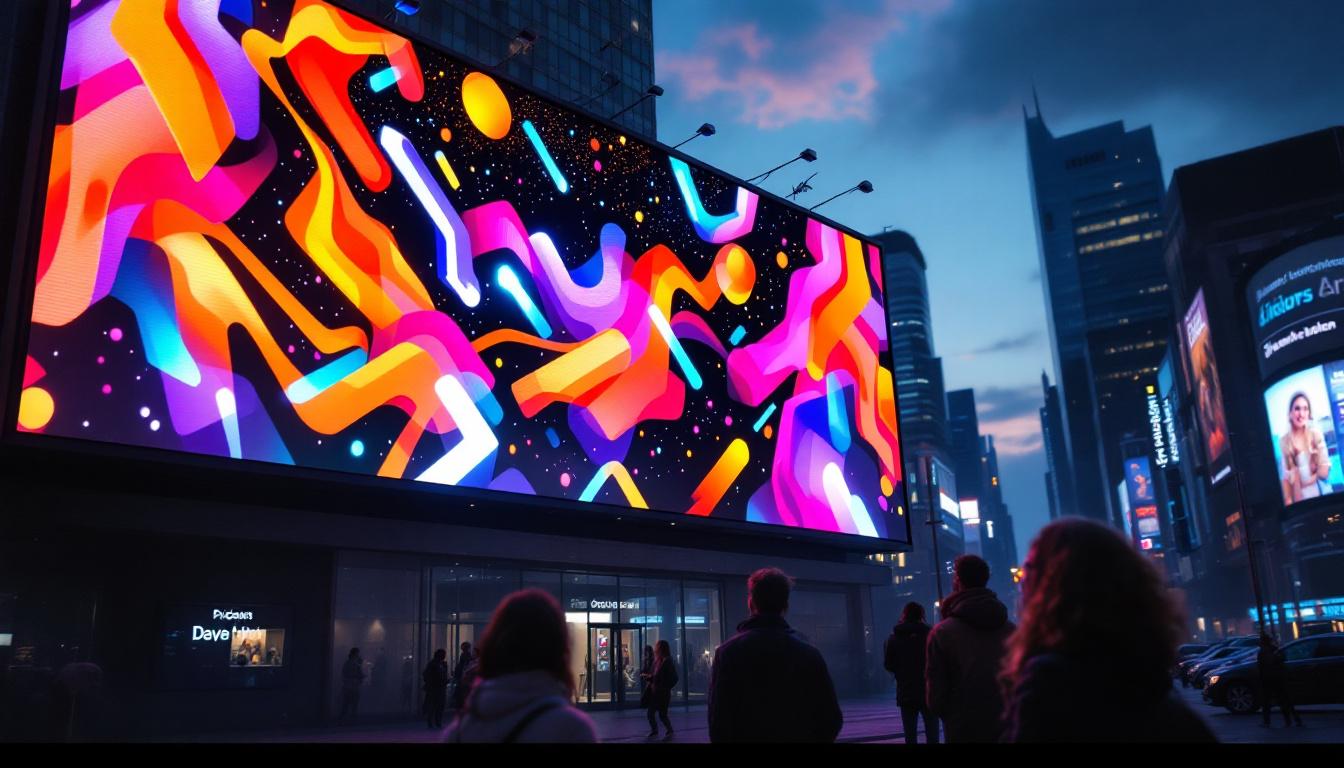
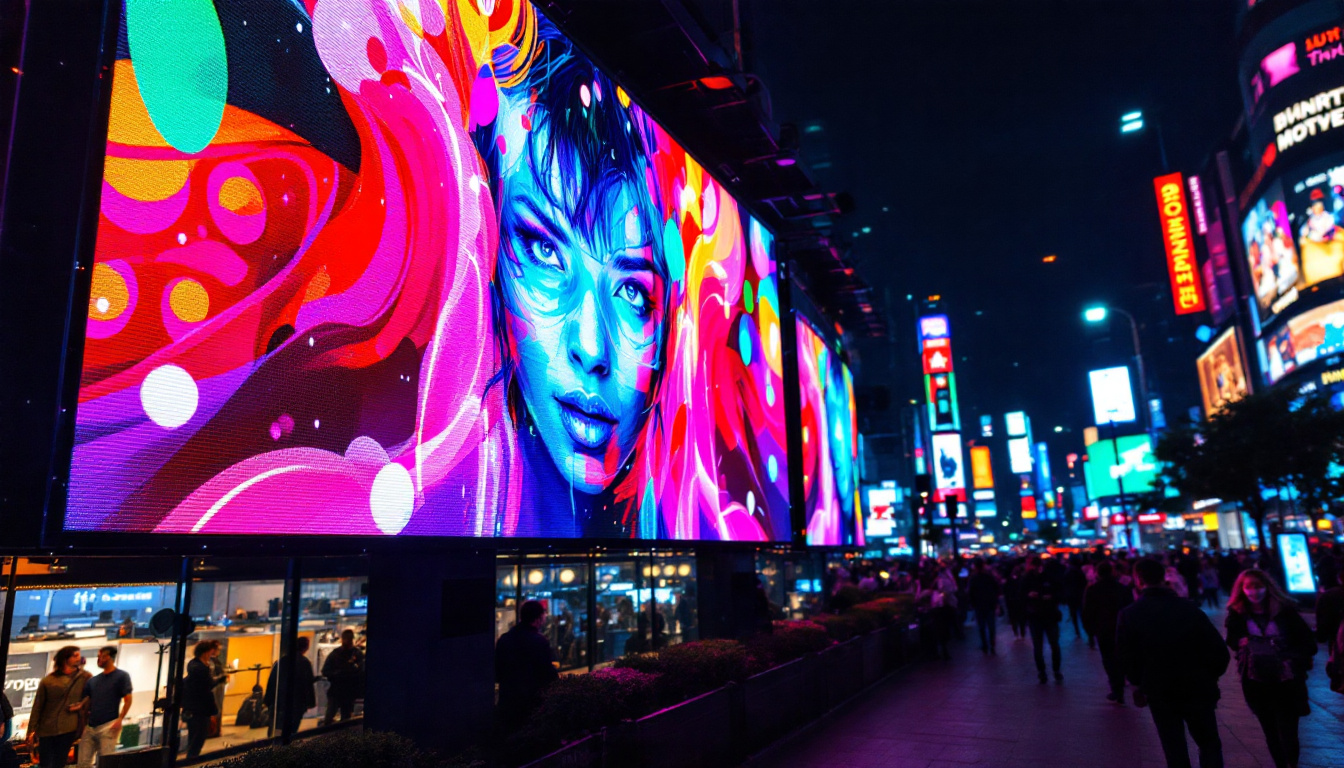
- LED Matrix Panels: Composed of a grid of LEDs that can be programmed to create images or animations. These panels are popular for large-scale murals and digital signage, often seen in urban environments where they can transform blank walls into vibrant canvases.
- LED Strip Lights: Flexible strips of LEDs that can be bent and shaped to fit various contours. Ideal for outlining architectural features or creating linear designs, these strips can also be integrated into sculptures or installations to provide a subtle glow or dramatic highlights.
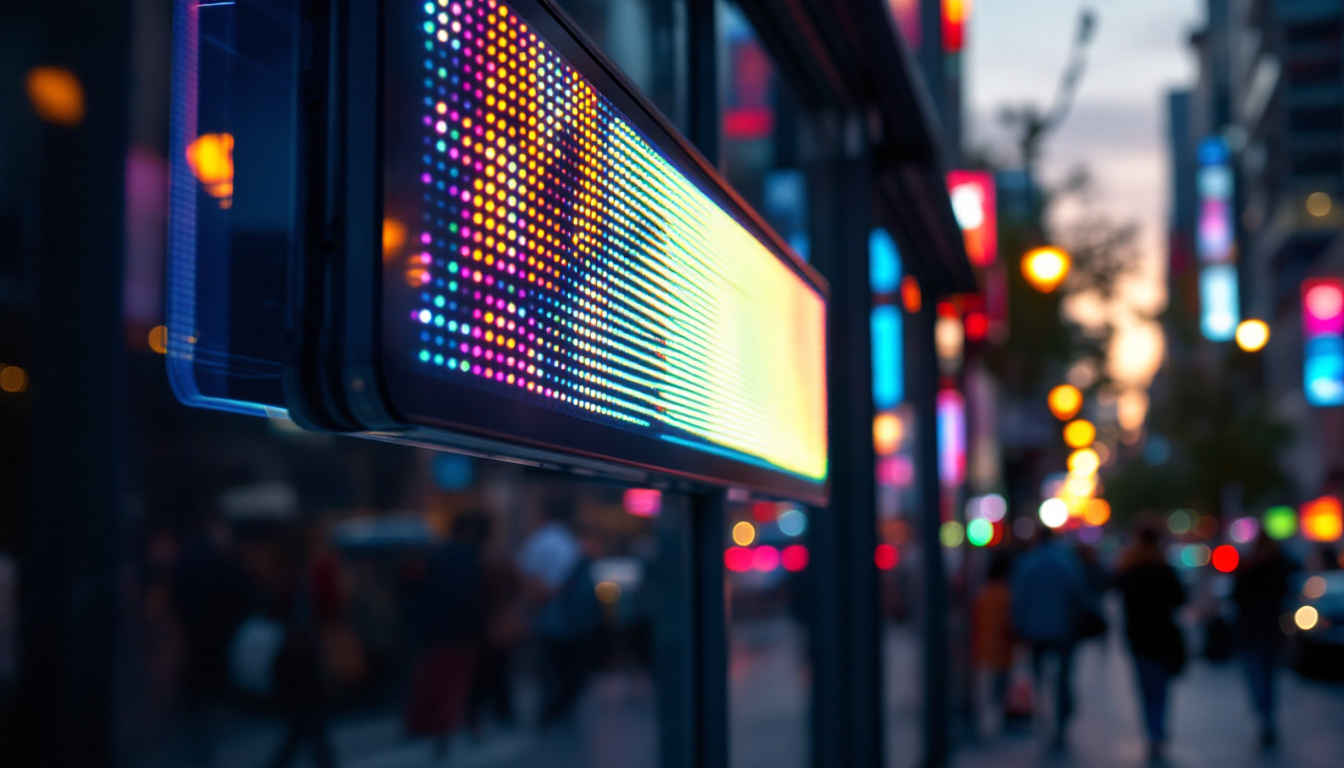
- Pixel LEDs: Individual LEDs that can be controlled independently, enabling highly detailed and colorful displays. This type allows artists to create stunning visual effects, such as flowing animations or intricate patterns that respond to music or environmental changes.
The choice of LED type depends on the desired visual effect, installation surface, and environmental conditions. For instance, installations in areas with high ambient light may require brighter LEDs or specific color temperatures to ensure visibility. Additionally, the durability of the materials used in outdoor installations is crucial, as they must withstand weather elements such as rain, wind, and UV exposure. Many artists and designers are now opting for weatherproof LED solutions that not only enhance the longevity of their work but also maintain the vibrancy of colors over time, ensuring that the art remains as captivating as the day it was installed.
Benefits of Using LED Displays for Outdoor Wall Art
Energy Efficiency and Longevity
One of the primary advantages of LED technology is its energy efficiency. LEDs consume up to 80% less energy than traditional lighting methods, which translates into lower operating costs and reduced environmental impact. For outdoor wall art installations that often remain illuminated for extended periods, this efficiency is crucial.
Additionally, LEDs have an impressive lifespan, typically lasting between 50,000 to 100,000 hours. This durability minimizes maintenance and replacement costs, making LED displays a sustainable choice for outdoor art projects.
Vibrant Colors and Dynamic Visuals
LEDs can produce a wide spectrum of colors with high brightness levels, ensuring that outdoor art remains vivid and eye-catching even in daylight. Advanced LED controllers allow artists and designers to program complex animations, color transitions, and interactive effects, creating engaging experiences for viewers.
Dynamic lighted wall art can respond to environmental cues such as sound, motion, or time of day, adding an interactive dimension that static art cannot offer.
Weather Resistance and Durability
Outdoor LED displays are designed to withstand harsh weather conditions, including rain, snow, heat, and UV exposure. Most LED modules used in outdoor art are rated with an IP65 or higher ingress protection, meaning they are dust-tight and protected against water jets.
This resilience ensures that lighted outdoor wall art remains functional and visually appealing over time, regardless of the climate.
Design Considerations for LED Outdoor Wall Art
Surface and Mounting Options
The choice of mounting surface significantly influences the design and installation of LED wall art. Common surfaces include brick, concrete, metal panels, and wood. Each material requires specific mounting hardware and installation techniques to ensure stability and safety.
For example, perforated metal panels can be used to house LED modules while allowing airflow to prevent overheating, whereas solid surfaces may require waterproof sealing around fixtures.
Brightness and Viewing Distance
Brightness levels must be carefully calibrated based on the installation location and typical viewing distance. Outdoor LED displays often need to be brighter than indoor ones to compete with ambient daylight. Typical brightness for outdoor LED art ranges from 5,000 to 10,000 nits, depending on exposure.
Designers also consider the pixel pitch—the distance between individual LEDs—which affects image resolution and clarity. A smaller pixel pitch provides higher resolution but can increase cost and complexity.
Power Supply and Wiring
Reliable power supply is essential for continuous operation. Outdoor LED installations often require weatherproof power units and wiring conduits to protect against moisture and physical damage. Additionally, integrating backup power solutions such as battery packs or solar panels can enhance reliability, especially in remote locations.
Control Systems and Programming
Modern LED wall art installations use sophisticated controllers that enable remote programming and management. These systems can be connected via Wi-Fi, Ethernet, or cellular networks, allowing real-time updates and scheduling.
Software platforms offer user-friendly interfaces for artists and operators to design visual content, adjust brightness, and monitor system health. Some installations incorporate sensors and AI to adapt visuals based on environmental data or audience interaction.
Applications and Examples of LED Lighted Outdoor Wall Art
Urban Beautification and Public Art
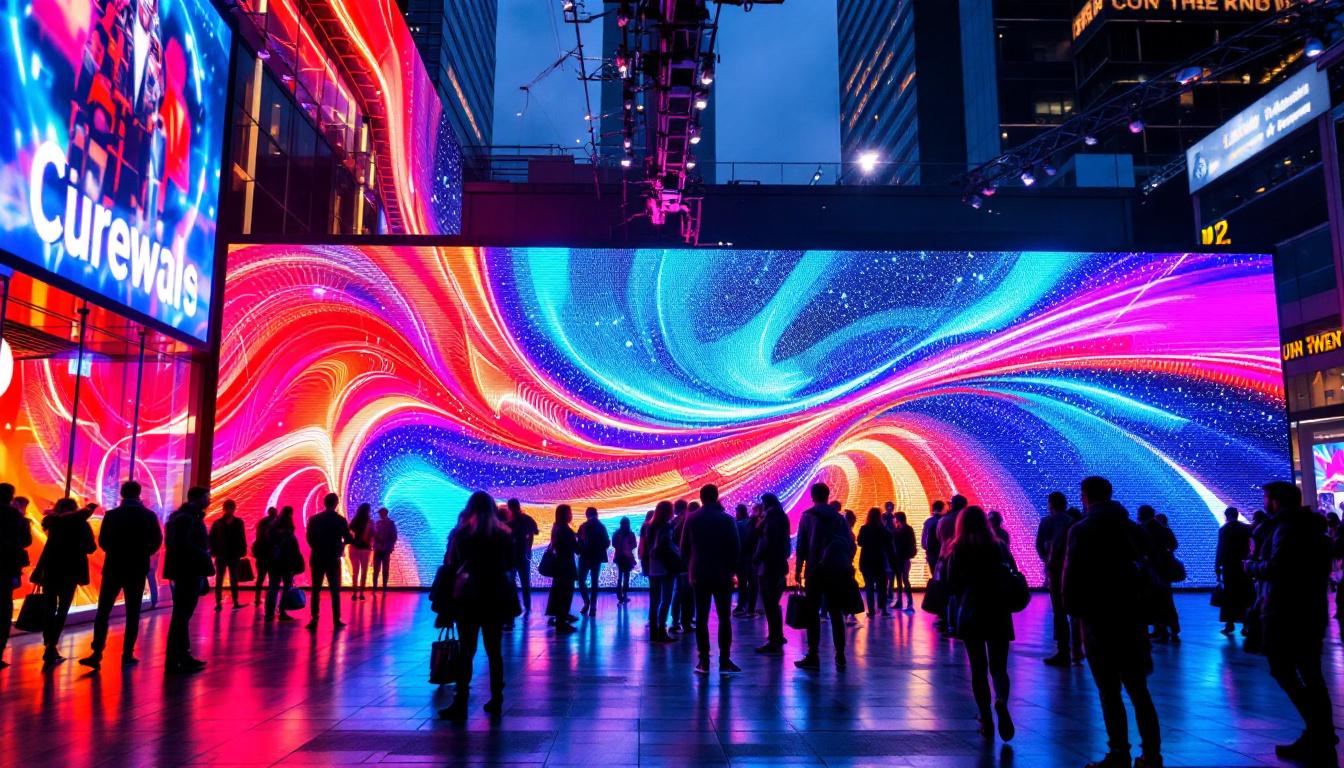
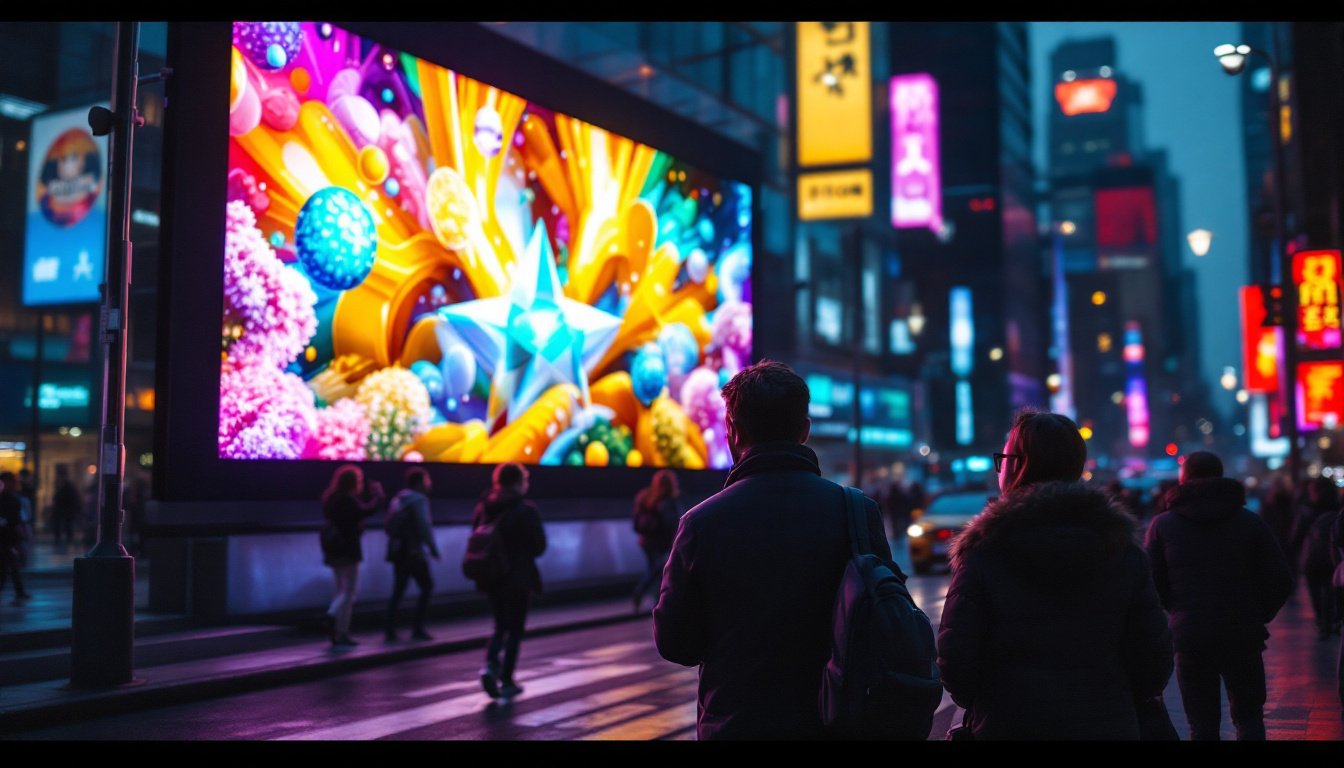
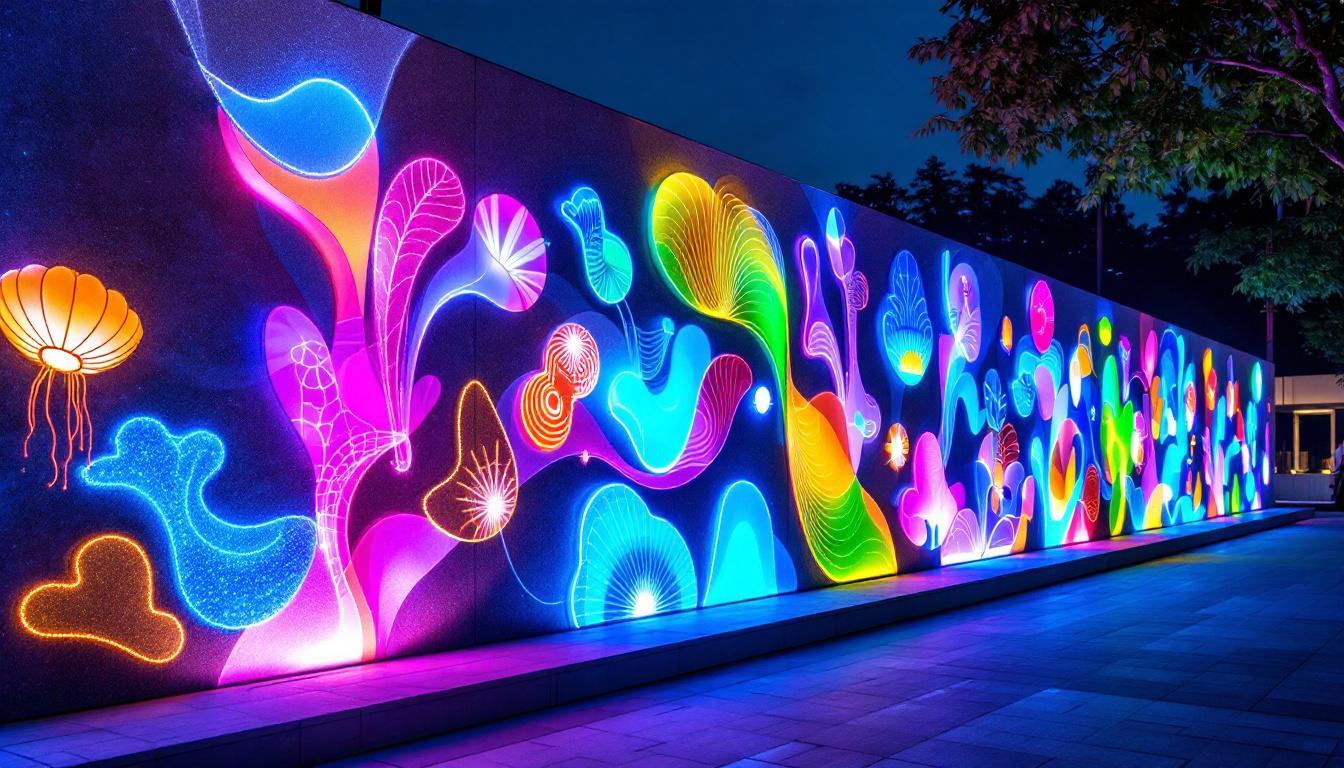
Cities worldwide are embracing LED outdoor wall art to enhance urban environments. These installations transform blank walls into vibrant canvases that celebrate local culture, history, or community values. For instance, LED murals in public parks or transit stations can tell stories through changing images and animations, engaging residents and visitors alike.
Examples include interactive LED walls that respond to pedestrian movement, creating immersive experiences that foster social interaction and promote tourism.
Commercial and Branding Uses
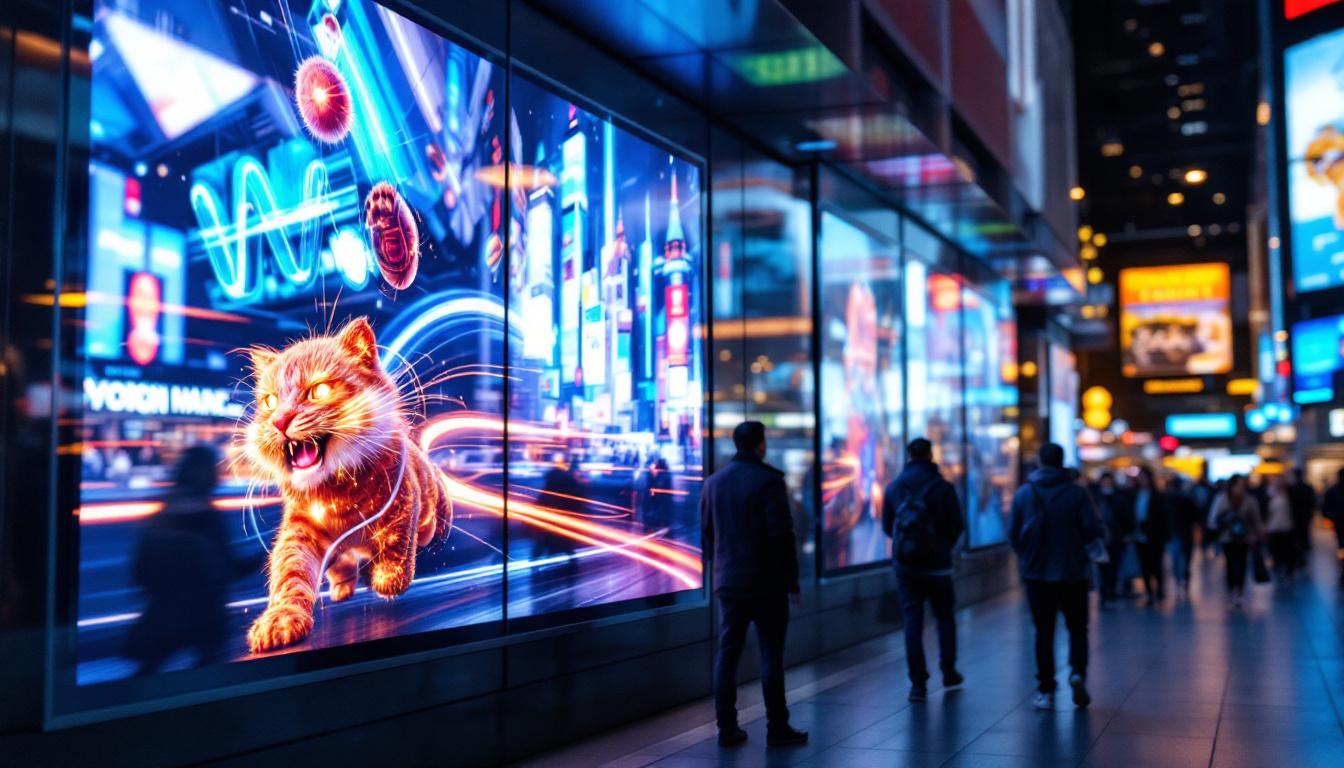
Businesses leverage LED outdoor wall art to attract attention and reinforce brand identity. Retail stores, restaurants, and entertainment venues use LED displays to showcase promotions, event announcements, or themed visuals that complement their brand aesthetics.
Dynamic LED art can also serve as a landmark feature, differentiating a business in competitive urban landscapes. The ability to update content frequently ensures relevance and freshness in marketing efforts.
Residential and Private Spaces
Homeowners and architects are increasingly incorporating LED lighted wall art into residential designs. From subtle accent lighting to bold statement pieces, LED installations can enhance outdoor living areas, patios, and garden walls.
Customizable colors and patterns allow residents to tailor the ambiance for different occasions, such as parties or quiet evenings. Moreover, energy efficiency and low maintenance make LED art a practical choice for private properties.
Challenges and Future Trends in LED Outdoor Wall Art
Addressing Light Pollution and Energy Use
While LED technology is energy-efficient, large-scale outdoor lighting can contribute to light pollution, affecting local ecosystems and human health. Designers must balance brightness and operational hours to minimize negative impacts.
Innovations like adaptive lighting systems that dim or turn off LEDs during low-traffic periods help reduce unnecessary energy consumption and light spill.
Integration with Smart City Infrastructure
As smart city initiatives expand, LED outdoor wall art is becoming part of interconnected urban networks. Future installations may incorporate sensors that gather environmental data, traffic flow information, or social media feeds to create responsive and context-aware displays.
This integration enhances functionality beyond aesthetics, contributing to public safety, environmental monitoring, and community engagement.
Advancements in Materials and Sustainability
Research into more sustainable materials and manufacturing processes is shaping the future of LED outdoor art. Biodegradable substrates, recyclable components, and low-impact production methods aim to reduce the ecological footprint of installations.
Additionally, combining solar power with energy storage solutions can enable off-grid LED art, expanding possibilities for remote or temporary projects.
Conclusion
Lighted outdoor wall art using LED displays represents a fusion of artistry and technology that transforms public and private spaces into vibrant, dynamic environments. Its energy efficiency, durability, and versatility make it a compelling choice for a wide range of applications—from urban beautification and branding to residential design.
Understanding the technical aspects and design considerations is essential for creating successful LED installations that captivate audiences while addressing practical challenges like weather resistance and light pollution. As technology advances and sustainability becomes increasingly important, LED outdoor wall art will continue to evolve, offering exciting new opportunities for creative expression and community engagement.
Illuminate Your Space with LumenMatrix
Ready to elevate your environment with the vibrant, dynamic artistry of LED displays? LumenMatrix is at the forefront of LED display technology, offering a diverse range of solutions tailored to bring your space to life. From the immersive Outdoor LED Wall Display to the innovative LED Transparent Display, our products are designed to captivate and engage. Discover how LumenMatrix can transform your visual communication and create unforgettable experiences. Check out LumenMatrix LED Display Solutions and start your journey towards illuminated excellence today.