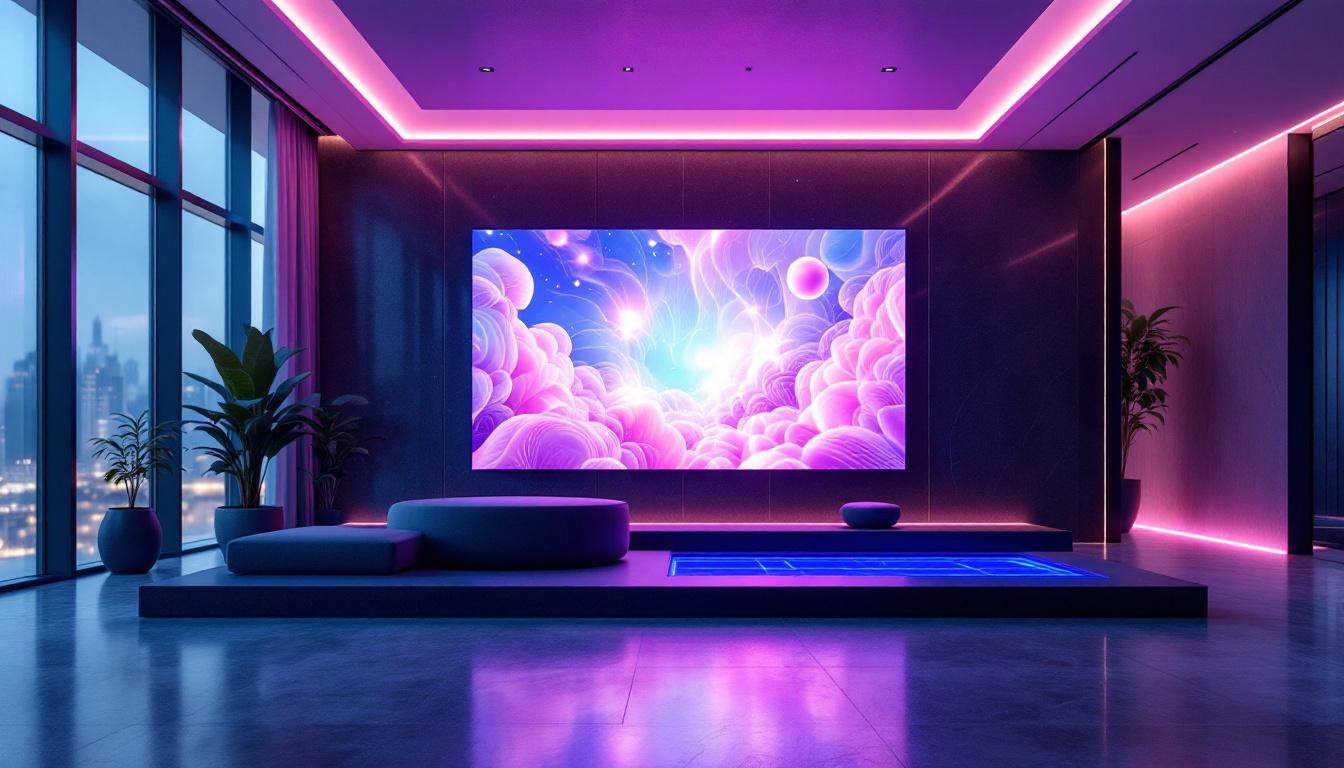
In today’s rapidly evolving digital landscape, LED displays have become a cornerstone of modern advertising, information dissemination, and architectural design. Among the many innovations in this field, waterproof LED walls stand out as a game-changer, enabling vibrant visual experiences in environments previously deemed challenging due to exposure to moisture and harsh weather conditions. This article delves into the technology behind waterproof LED walls, their applications, benefits, and considerations for businesses and designers looking to harness their potential.
Understanding Waterproof LED Walls
Waterproof LED walls are large-scale digital displays designed to operate flawlessly in wet or humid environments without damage or performance degradation. Unlike traditional indoor LED screens, these displays incorporate advanced sealing techniques and materials to prevent water ingress, ensuring durability and reliability outdoors or in moisture-prone areas. This makes them an ideal choice for various applications, from outdoor advertising and event staging to permanent installations in locations like aquariums and water parks.
How Waterproofing Works in LED Displays
The key to waterproofing LED walls lies in the meticulous design of the display’s enclosure and the use of specialized components. Each LED module is sealed with gaskets and silicone to create a tight barrier against water and dust. Additionally, the entire assembly is often rated with an IP (Ingress Protection) code, such as IP65 or higher, indicating its resistance to water jets and dust particles. This rating system helps consumers understand the level of protection offered and choose the right display for their specific needs.
For example, an IP65 rating means the display is protected against low-pressure water jets from any direction, making it suitable for outdoor installations where rain or splashes are common. Higher ratings like IP67 or IP68 offer even greater protection, including temporary immersion in water, which is crucial for installations in extreme weather conditions or near bodies of water. This level of protection not only extends the lifespan of the display but also ensures that the visual performance remains consistent, even in challenging environments.
Key Components Ensuring Waterproof Performance
Several components contribute to the waterproof nature of these LED walls:
- Sealed LED Modules: Each LED pixel is encapsulated to prevent moisture damage.
- Water-Resistant Power Supplies: Power units are housed in waterproof casings to avoid short circuits.
- Corrosion-Resistant Materials: Frames and mounts are often made from aluminum or stainless steel treated to resist rust and corrosion.
- Protective Coatings: Conformal coatings on circuit boards shield sensitive electronics from humidity.
Moreover, the design of waterproof LED walls often includes features like drainage systems to channel away any accumulated water, preventing pooling that could lead to damage. Additionally, manufacturers frequently conduct rigorous testing under various environmental conditions to ensure that their products meet the high standards required for outdoor use. This commitment to quality not only enhances the reliability of these displays but also provides peace of mind for businesses and organizations that invest in this technology for their advertising and communication needs.
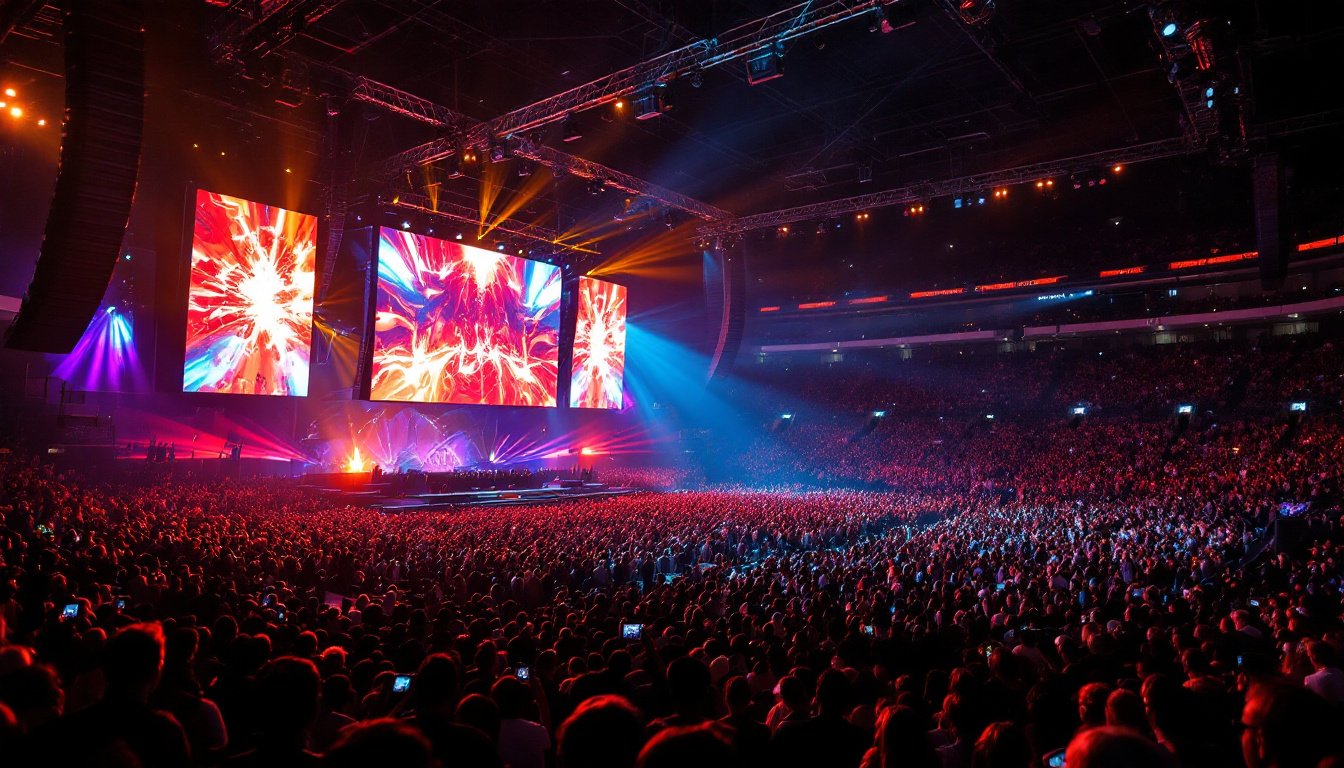
Furthermore, the versatility of waterproof LED walls allows them to be used in a variety of settings, including concerts, festivals, and sporting events, where they can withstand the elements while delivering stunning visuals. Their ability to maintain brightness and clarity in direct sunlight or during rainstorms makes them a popular choice for event organizers looking to create an immersive experience for audiences. As technology continues to advance, we can expect even more innovative features and improvements in waterproof LED display designs, further expanding their potential applications.
Applications of Waterproof LED Walls
The versatility of waterproof LED walls has led to widespread adoption across various industries. Their ability to deliver high-impact visuals in challenging environments opens up numerous creative and functional possibilities.
Outdoor Advertising and Digital Billboards
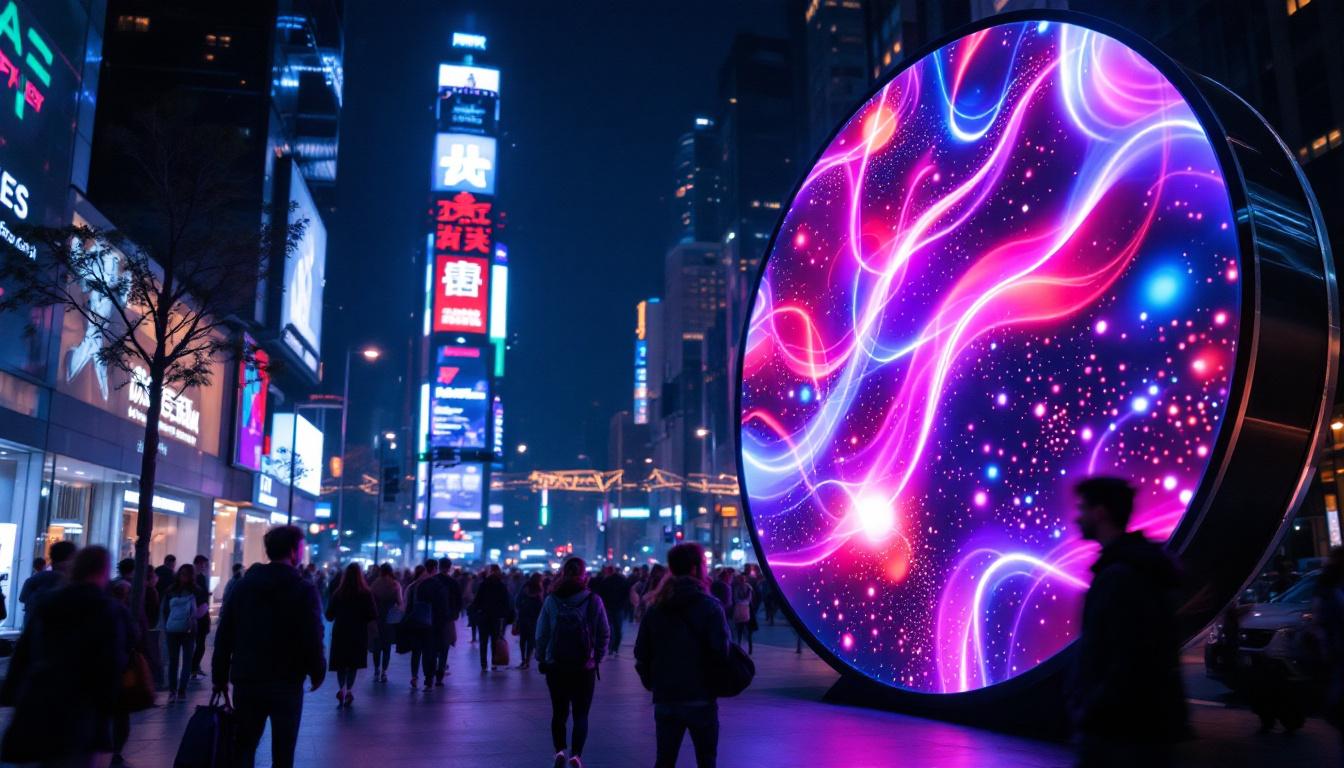
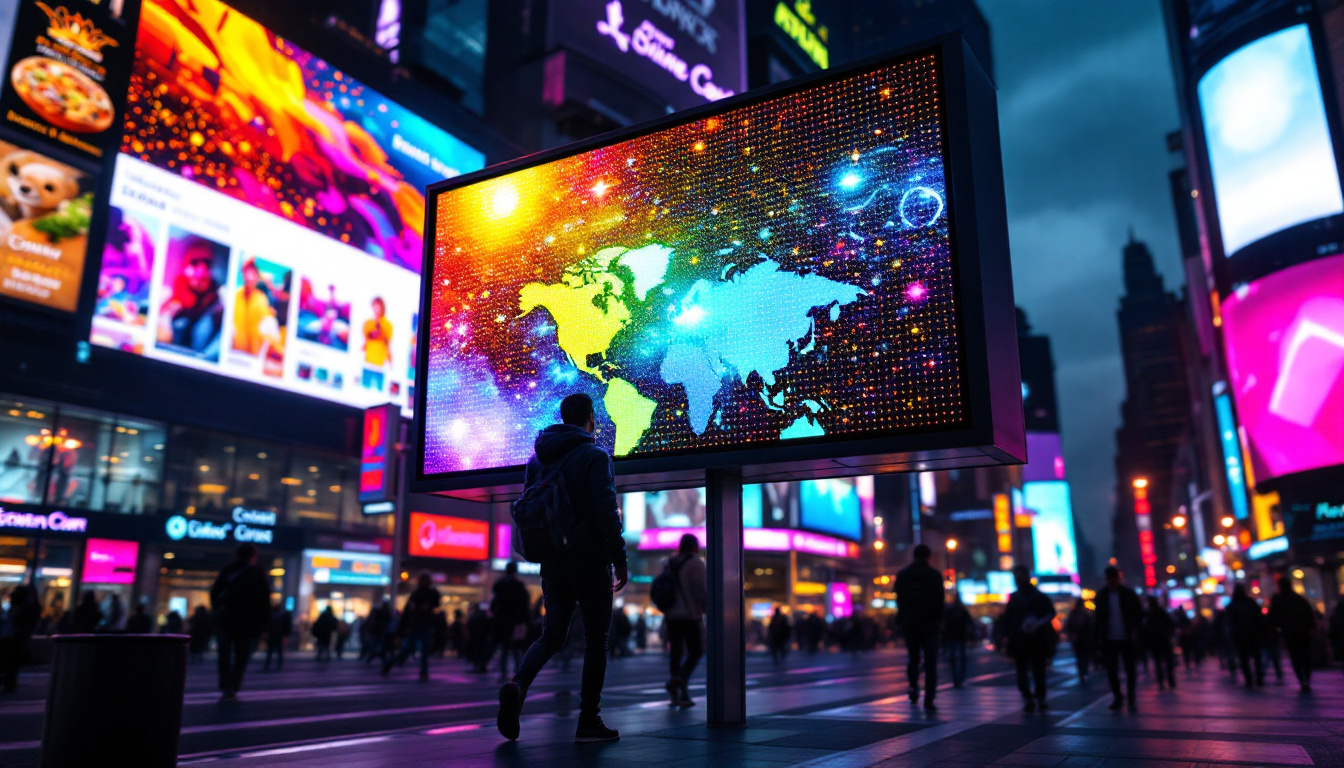
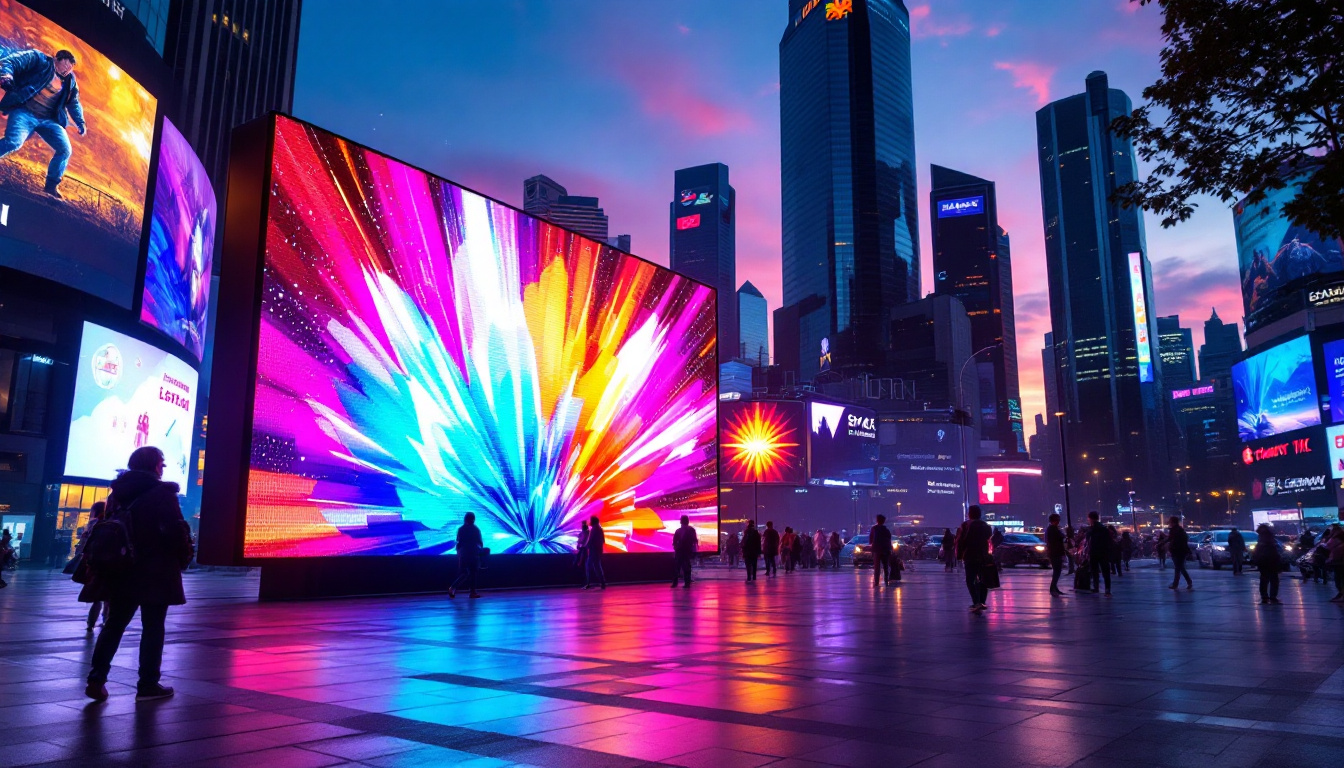
One of the most prominent uses of waterproof LED walls is in outdoor advertising. Digital billboards equipped with waterproof LED technology can withstand rain, snow, and dust, providing advertisers with a reliable platform to reach audiences around the clock. According to a 2023 report by Grand View Research, the global digital billboard market is expected to grow at a CAGR of 10.2% from 2023 to 2030, driven largely by advancements in waterproof LED technology.
These displays enable dynamic content updates, interactive campaigns, and real-time messaging, which are impossible with traditional static billboards. For instance, major cities like New York and London have integrated waterproof LED walls into their urban landscapes, transforming public spaces into vibrant advertising hubs.
Sports Arenas and Event Venues
Waterproof LED walls are integral to sports arenas and outdoor event venues, where exposure to rain or humidity is common. These displays provide clear, bright visuals for scoreboards, live feeds, and advertisements, enhancing the spectator experience regardless of weather conditions.
For example, the 2022 FIFA World Cup stadiums featured state-of-the-art waterproof LED screens that delivered crisp images even during heavy rain, ensuring uninterrupted viewing for millions of fans worldwide.
Architectural and Decorative Installations
Beyond advertising and events, waterproof LED walls are increasingly used in architectural projects to create immersive environments. Facades of buildings, public art installations, and interactive museum exhibits utilize these displays to merge technology with design seamlessly.
Waterproofing is essential in these contexts to maintain aesthetic appeal and functionality, especially in outdoor or semi-outdoor locations exposed to the elements. The ability to display vibrant, changing visuals on building exteriors has become a hallmark of modern urban design.
Benefits of Waterproof LED Walls
Investing in waterproof LED walls offers numerous advantages that make them a compelling choice for businesses and designers alike.
Durability and Longevity
Waterproof LED walls are engineered to endure harsh environmental conditions, significantly extending their lifespan compared to non-waterproof alternatives. This durability translates to lower maintenance costs and fewer replacements, providing excellent return on investment over time.
Enhanced Visual Performance
These displays maintain high brightness levels and color accuracy even in direct sunlight or wet conditions. The waterproof design ensures that moisture does not interfere with the LEDs’ performance, resulting in consistent image quality and reliability.
Flexible Installation Options
Waterproof LED walls can be installed in a wide range of locations, from building exteriors to outdoor stages and public squares. This flexibility allows for creative applications that were previously limited by environmental constraints.
Energy Efficiency
Modern waterproof LED walls incorporate energy-efficient LEDs and smart power management systems, reducing operational costs while delivering superior brightness and color fidelity. This efficiency is particularly important for large-scale outdoor installations where energy consumption can be significant.
Considerations When Choosing Waterproof LED Walls
While waterproof LED walls offer many benefits, selecting the right product requires careful consideration of several factors to ensure optimal performance and value.
IP Rating and Environmental Conditions
Choosing an LED wall with an appropriate IP rating is critical. For example, an IP65-rated display is sufficient for areas exposed to rain but not for installations prone to flooding or submersion. Understanding the specific environmental challenges of the installation site will guide the selection of the correct waterproofing level.
Pixel Pitch and Resolution
The pixel pitch—the distance between individual LEDs—affects the display’s resolution and viewing distance. Outdoor waterproof LED walls typically have larger pixel pitches (e.g., 6mm to 20mm) to balance visibility and cost. For applications requiring close-up viewing, finer pixel pitches are preferable but may increase costs.
Brightness and Contrast Ratios
Outdoor environments demand high brightness levels, often exceeding 5,000 nits, to ensure visibility in daylight. Contrast ratios also impact image clarity, especially in varying lighting conditions. Selecting displays with adjustable brightness and high contrast enhances visual impact.
Maintenance and Serviceability
Waterproof LED walls should be designed for easy maintenance, with modular components that can be replaced or serviced without dismantling the entire structure. Access to technical support and warranty coverage are additional factors to consider.
Cost and Budget Constraints
While waterproof LED walls can be more expensive upfront than indoor models, their durability and performance often justify the investment. It’s essential to balance initial costs with long-term benefits and potential revenue generation from advertising or enhanced user engagement.
Future Trends in Waterproof LED Wall Technology
The field of waterproof LED displays continues to evolve, driven by advances in materials science, electronics, and digital content management.
Improved Waterproofing Standards
Emerging sealing technologies and nanocoatings promise even higher levels of water resistance without compromising weight or flexibility. These innovations will expand the range of possible installations, including curved and flexible LED walls in outdoor environments.
Integration with Smart Technologies
Waterproof LED walls are increasingly integrated with IoT (Internet of Things) sensors and AI-driven content management systems. This integration enables real-time environmental monitoring, adaptive brightness control, and personalized advertising based on audience analytics.
Sustainability and Energy Efficiency
Manufacturers are focusing on eco-friendly materials and energy-saving designs to reduce the environmental impact of large-scale LED installations. Solar-powered LED walls and recyclable components are becoming more common, aligning with global sustainability goals.
Conclusion
Waterproof LED walls represent a significant advancement in digital display technology, unlocking new possibilities for outdoor advertising, event production, and architectural design. Their robust construction, high visual performance, and adaptability make them an invaluable asset in environments where exposure to moisture and weather is unavoidable.
As technology continues to improve, these displays will become even more versatile, efficient, and integrated with smart systems, offering exciting opportunities for businesses and creatives alike. Understanding the technical aspects, applications, and considerations outlined in this article will help stakeholders make informed decisions and fully leverage the potential of waterproof LED walls.
Explore Cutting-Edge Waterproof LED Solutions with LumenMatrix
Ready to elevate your space with the latest in waterproof LED display technology? Discover LumenMatrix’s innovative solutions tailored to meet your needs. From dynamic outdoor advertising to immersive event production and beyond, our LED displays are designed to captivate and engage. Experience the difference in visual communication with our range of products, including Indoor and Outdoor LED Walls, Vehicle Displays, LED Posters, Sports Displays, and more. Check out LumenMatrix LED Display Solutions today and transform your brand’s visibility with unparalleled clarity and impact.