In the rapidly evolving world of television technology, understanding the components that contribute to picture quality and design is essential for making informed purchasing decisions. One such component that often goes unnoticed but plays a significant role in the viewing experience is the bezel of an LED TV. This article delves into what a bezel is, the technology behind LED displays, and why the bezel matters in today’s television market.
What Is a Bezel in LED TVs?
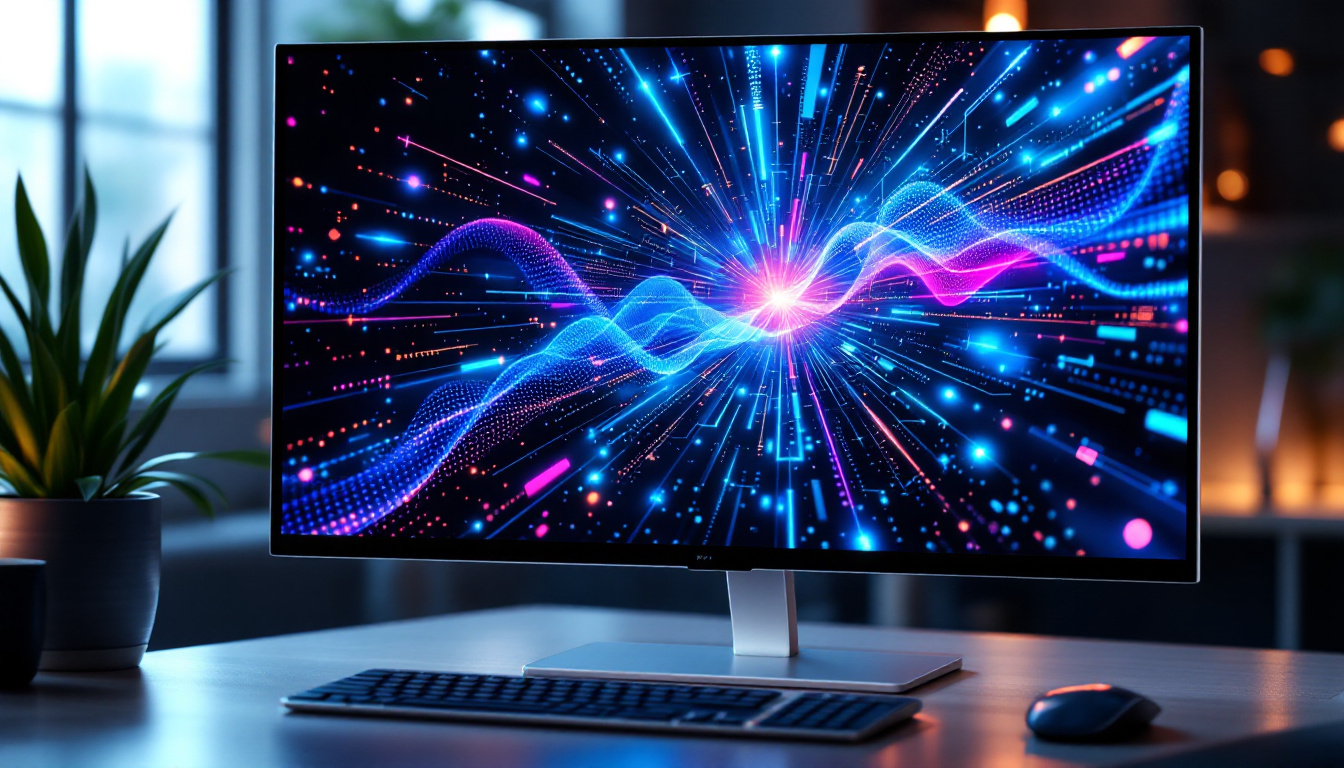
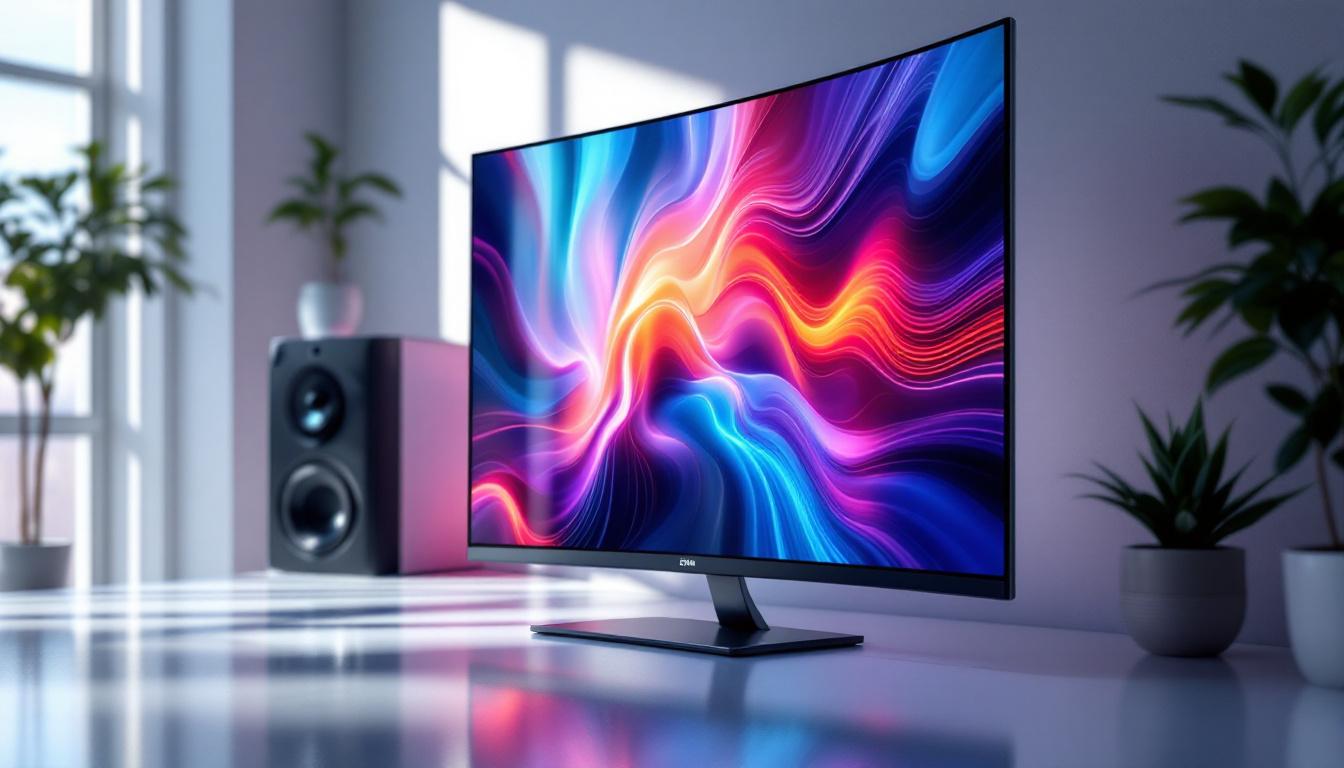
The bezel refers to the frame or border surrounding the screen of a television. In LED TVs, this frame encases the LED panel and other internal components, providing structural integrity and aesthetic appeal. While it might seem like a minor detail, the bezel affects both the design and functionality of the TV.
Traditionally, bezels were quite thick, often several centimeters wide. This was due to limitations in manufacturing and the need to house electronic components safely. However, as technology has advanced, manufacturers have been able to produce much thinner bezels, leading to a sleeker and more immersive viewing experience.
Why Bezel Size Matters
One of the main reasons bezel size is important is because it impacts the screen-to-body ratio of the TV. A thinner bezel means a higher screen-to-body ratio, which translates to more screen space within the same physical dimensions. This is particularly valuable in multi-screen setups or wall-mounted installations where maximizing display area is a priority.
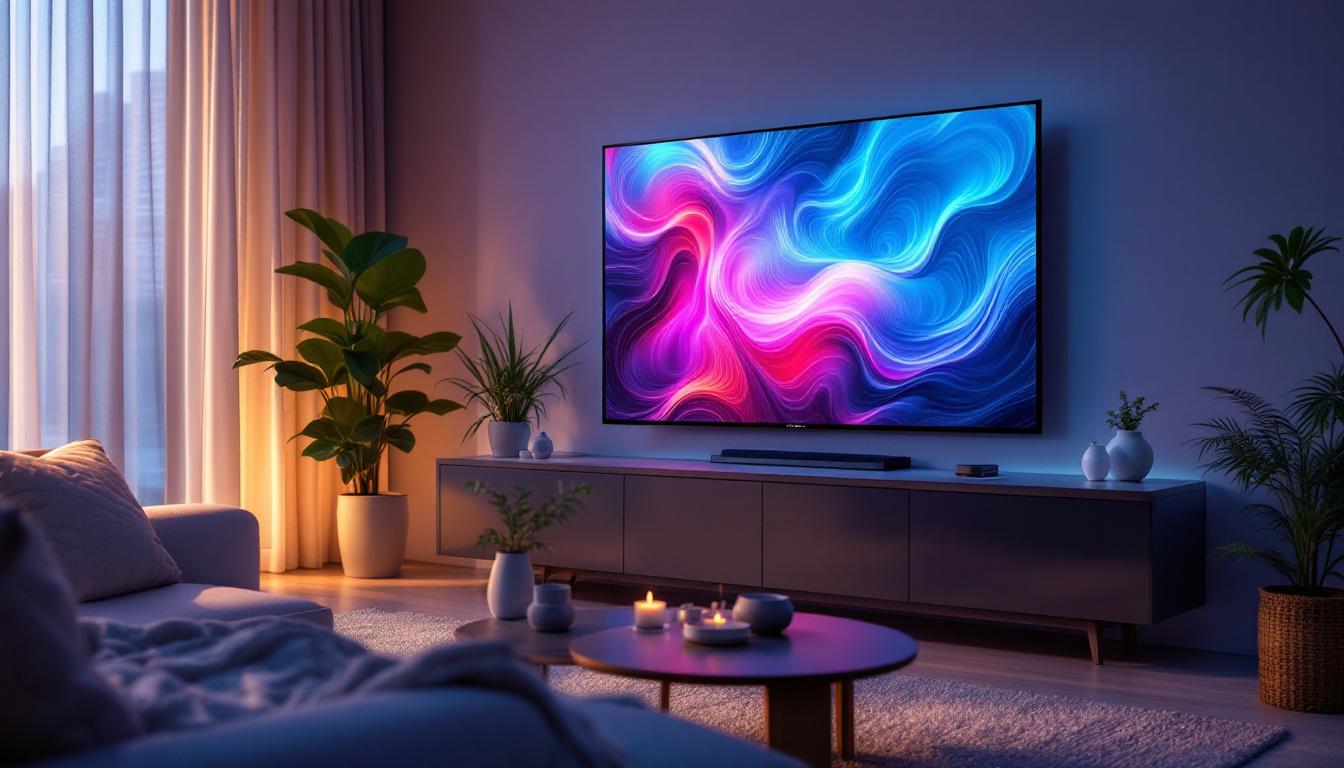
Moreover, a slim bezel enhances the aesthetic appeal of a television. Modern consumers often seek minimalist designs that blend seamlessly with their living spaces. A bulky bezel can detract from the overall look and feel of a room, making the TV appear outdated or less sophisticated.
In addition to aesthetics, the bezel also plays a role in the functionality of smart TVs. Many modern televisions come equipped with features like touch-sensitive controls or integrated speakers that are often housed within the bezel. A well-designed bezel can enhance these features, providing easy access without compromising the sleekness of the overall design. Furthermore, some manufacturers are experimenting with bezel-less designs, where the screen appears to float in mid-air, creating an even more immersive experience for viewers. This innovation not only elevates the visual appeal but also invites viewers to focus entirely on the content being displayed, free from any distractions that a thicker frame might impose.
Additionally, the materials used for bezels have also evolved. While plastic was once the standard, many high-end models now utilize metal or glass finishes that not only enhance durability but also contribute to a premium look and feel. These materials can also affect the weight and balance of the TV, which is an important consideration for wall mounting. As consumers become more discerning about the quality of their home entertainment systems, the bezel’s material and design will continue to play a crucial role in their purchasing decisions.
Understanding LED Display Technology
LED, or Light Emitting Diode, technology is a popular choice for television displays due to its energy efficiency, brightness, and color accuracy. However, LED TVs are not a single technology but rather a category that includes various types of backlighting methods used in LCD panels.
LED vs. LCD: Clearing the Confusion
It’s important to clarify that LED TVs are essentially LCD TVs with LED backlighting. The screen itself is made of liquid crystals that do not emit light on their own. Instead, LEDs provide the light source behind or along the edges of the screen, illuminating the liquid crystals to create images.
This distinction is crucial because it explains why LED TVs can have thinner profiles and better energy efficiency compared to older LCD TVs that used fluorescent backlighting. The use of LEDs allows for more precise control of brightness and contrast, improving overall picture quality. Additionally, advancements in LED technology have led to the development of features such as HDR (High Dynamic Range), which enhances the viewing experience by offering a broader range of colors and increased contrast between the brightest and darkest parts of an image.
Types of LED Backlighting
There are two primary types of LED backlighting used in modern TVs:
- Edge-Lit LED: LEDs are placed along the edges of the screen. This design enables ultra-thin displays but can sometimes lead to uneven brightness or “hot spots” in the picture.
- Full-Array LED: LEDs are distributed uniformly across the back of the screen. This arrangement allows for better control of local dimming zones, resulting in improved contrast and deeper blacks.
Understanding these backlighting types helps consumers appreciate the trade-offs between design aesthetics, picture quality, and price. Furthermore, some manufacturers have introduced variations like Mini-LED technology, which uses smaller LEDs to create more local dimming zones, significantly enhancing contrast and color performance while maintaining a slim profile. This innovation is particularly beneficial for viewers who enjoy watching movies in dark environments, as it minimizes light bleed and enhances the overall cinematic experience.
In addition to backlighting methods, the integration of Quantum Dot technology in some LED TVs has further revolutionized the display landscape. Quantum Dots are tiny semiconductor particles that emit specific colors when illuminated by a light source. When combined with LED backlighting, they can produce a wider color gamut and improved brightness, making images appear more vibrant and lifelike. This technology is especially appealing to gamers and movie enthusiasts looking for the most immersive viewing experience possible, as it allows for a richer palette of colors and finer details in fast-paced scenes.
The Role of Bezel in Viewing Experience and Display Performance
While the bezel is primarily a design element, it also influences the overall viewing experience and performance of an LED TV.
Impact on Immersion and Multi-Screen Setups
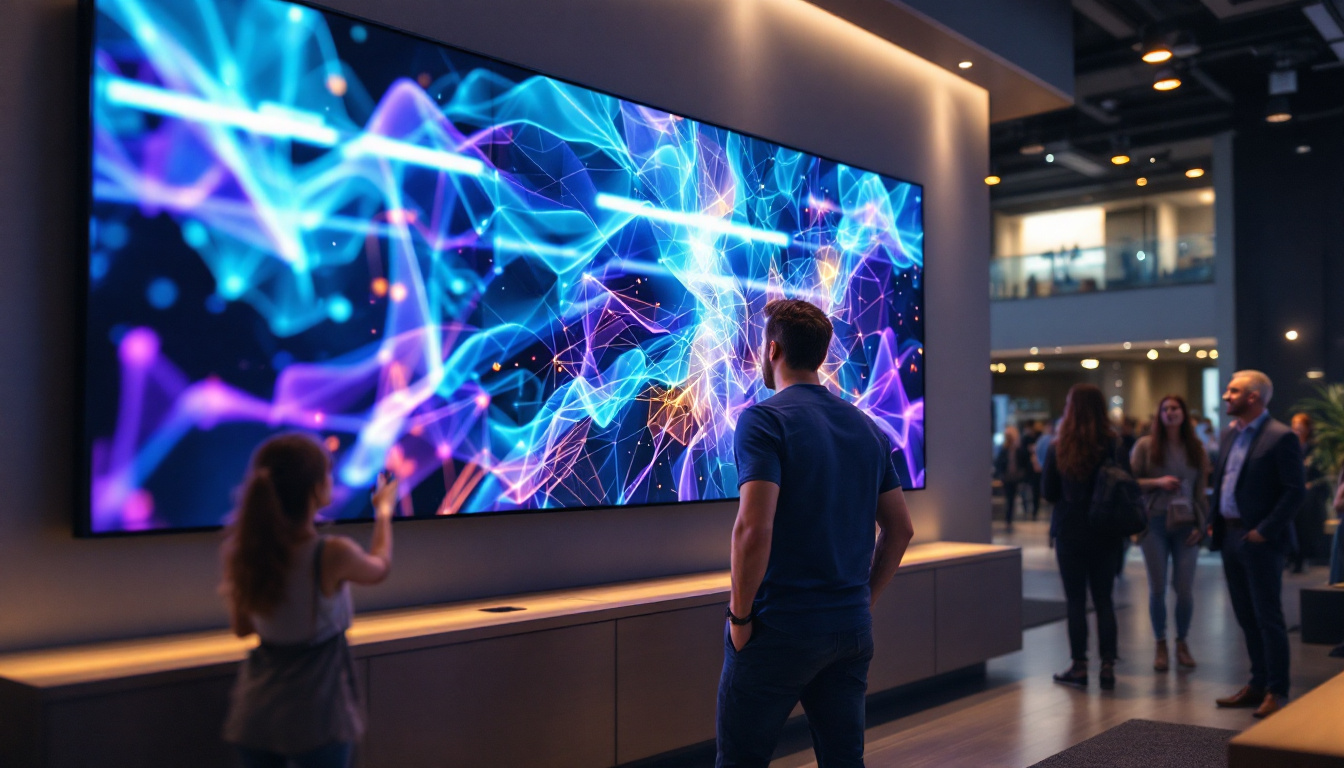
For viewers who prioritize immersion, such as gamers or movie enthusiasts, a thin bezel is essential. It minimizes distractions and creates a more seamless image, making the content feel more engaging. In professional settings like trading floors or control rooms, where multiple screens are arranged side-by-side, thin bezels reduce the visual gaps between displays, enhancing workflow and data visualization.
Structural and Durability Considerations
The bezel also serves a protective function. It shields the edges of the delicate LED panel from physical damage and helps dissipate heat generated by internal components. Manufacturers must balance the desire for ultra-thin bezels with the need for durability and heat management to ensure the longevity of the TV.
Bezel and Screen Reflection
Another subtle but important factor is how the bezel affects screen reflections. Some bezels are designed with matte finishes or anti-reflective coatings to reduce glare from ambient light sources. This can improve viewing comfort, especially in brightly lit rooms.
Current Trends in Bezel and LED TV Design
Recent years have seen significant innovations in both bezel design and LED display technology, driven by consumer demand for larger screens, better picture quality, and sleek aesthetics.
Infinity and Borderless Displays
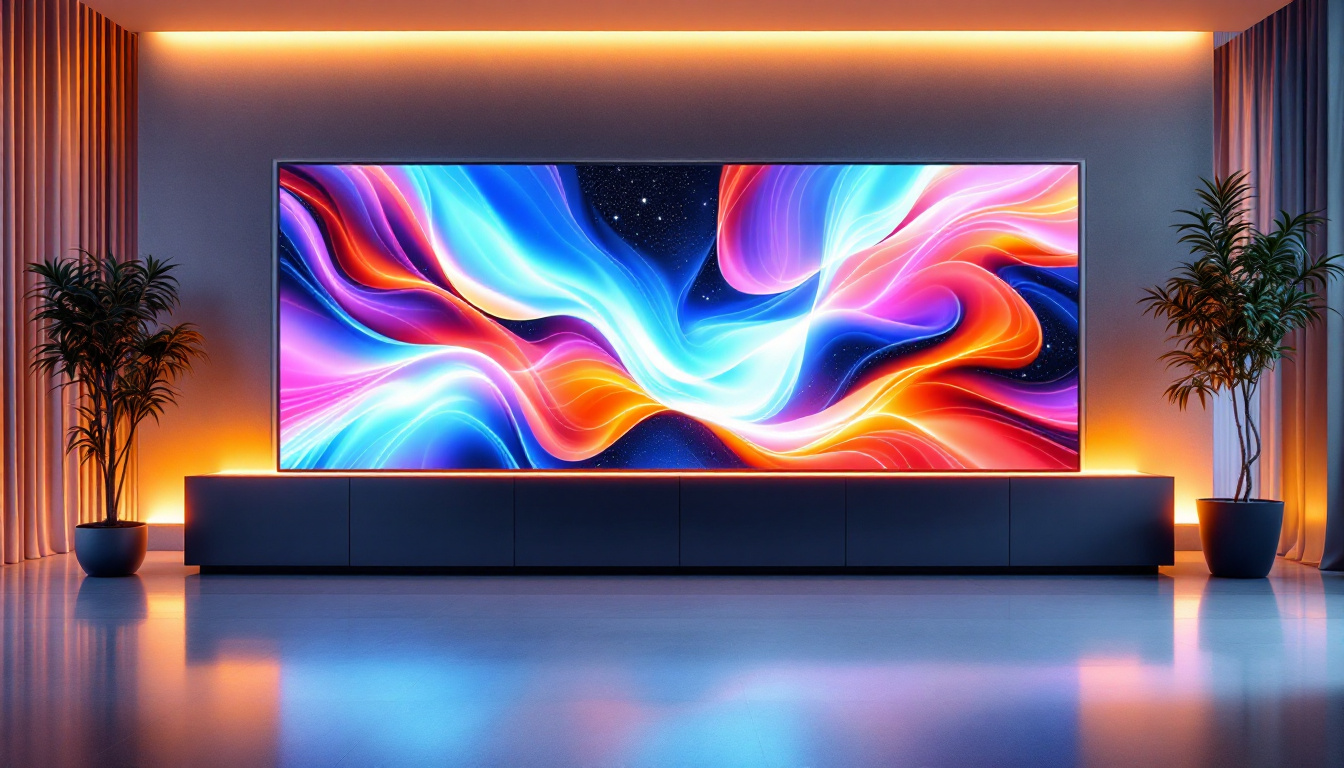
Many high-end LED TVs now feature “infinity” or “borderless” designs, where the bezel is virtually invisible. This is achieved through advanced manufacturing techniques and materials that allow the screen to extend almost to the edges of the device. These designs create a striking visual effect and are particularly popular in premium models.
Integration with Smart Home and Ambient Modes
Modern LED TVs often incorporate smart features that interact with bezel design. For instance, some models use the bezel area to house sensors, microphones, and cameras for voice control and gesture recognition. Additionally, ambient modes allow the TV to display artwork or blend with the room’s décor when not in use, making bezel aesthetics even more critical.
Environmental and Energy Efficiency Considerations
As sustainability becomes a priority, manufacturers are exploring eco-friendly materials for bezels and improving LED backlighting efficiency. This not only reduces the environmental impact of production but also lowers energy consumption during use, benefiting consumers with reduced electricity bills.
Choosing the Right LED TV: Bezel and Display Factors to Consider
When shopping for an LED TV, understanding bezel and display technology can help buyers select a model that best fits their needs and preferences.
Assessing Bezel Size and Design
Consumers should consider how the bezel size aligns with their intended use. For example, if the TV will be part of a multi-screen setup or mounted in a minimalist living room, a thin bezel is preferable. However, if durability and protection are priorities, a slightly thicker bezel might offer added security.
Evaluating Display Quality
Beyond bezel aesthetics, the type of LED backlighting significantly affects picture quality. Full-array LED TVs with local dimming generally provide superior contrast and black levels compared to edge-lit models. Potential buyers should also examine other features such as HDR support, refresh rate, and color accuracy.
Considering Price and Brand Reputation
While bezel and display quality are important, they should be balanced against budget constraints. Premium models with ultra-thin bezels and advanced LED technology tend to be more expensive. Researching brand reputation and customer reviews can provide insights into long-term performance and satisfaction.
Conclusion
The bezel of an LED TV, though often overlooked, plays a crucial role in both the aesthetic appeal and functional performance of the device. Advances in LED display technology and bezel design have transformed televisions into sleek, immersive, and energy-efficient entertainment centers. Understanding these elements empowers consumers to make smarter decisions, ensuring they select a TV that not only looks great but also delivers outstanding picture quality and durability.
As the market continues to innovate, keeping an eye on bezel trends and LED advancements will remain essential for anyone looking to invest in the best possible viewing experience.
Discover the Future of LED Displays with LumenMatrix
Ready to elevate your viewing experience with the latest in LED display technology? Look no further than LumenMatrix, a pioneer in crafting visually stunning and technologically advanced LED display solutions. From immersive Indoor LED Wall Displays to dynamic Outdoor LED Wall Displays, and from versatile Vehicle LED Displays to innovative Custom LED Displays, LumenMatrix offers a wide range of products designed to captivate and engage. Embrace the future of visual communication with our cutting-edge LED displays that promise to transform any space into a vibrant canvas. Check out LumenMatrix LED Display Solutions today and witness how we bring your vision to life with clarity and impact.