In the fast-paced world of sports, delivering an immersive and engaging fan experience is paramount. One of the most transformative technologies in achieving this is the LED display. From stadium scoreboards to dynamic advertising boards and interactive fan zones, LED displays have revolutionized how sports organizations connect with their audiences. This article delves into the intricacies of LED display technology tailored for sports environments, exploring its benefits, technical considerations, and future trends.
Understanding LED Display Technology in Sports
LED, or Light Emitting Diode, displays consist of numerous tiny diodes that emit light when an electric current passes through them. Unlike traditional display technologies such as LCD or projection systems, LEDs produce their own light, resulting in brighter images, higher contrast, and superior visibility—even under direct sunlight. This inherent brightness and clarity make LED displays particularly suitable for outdoor sports venues, where natural lighting can often diminish the effectiveness of other display types.
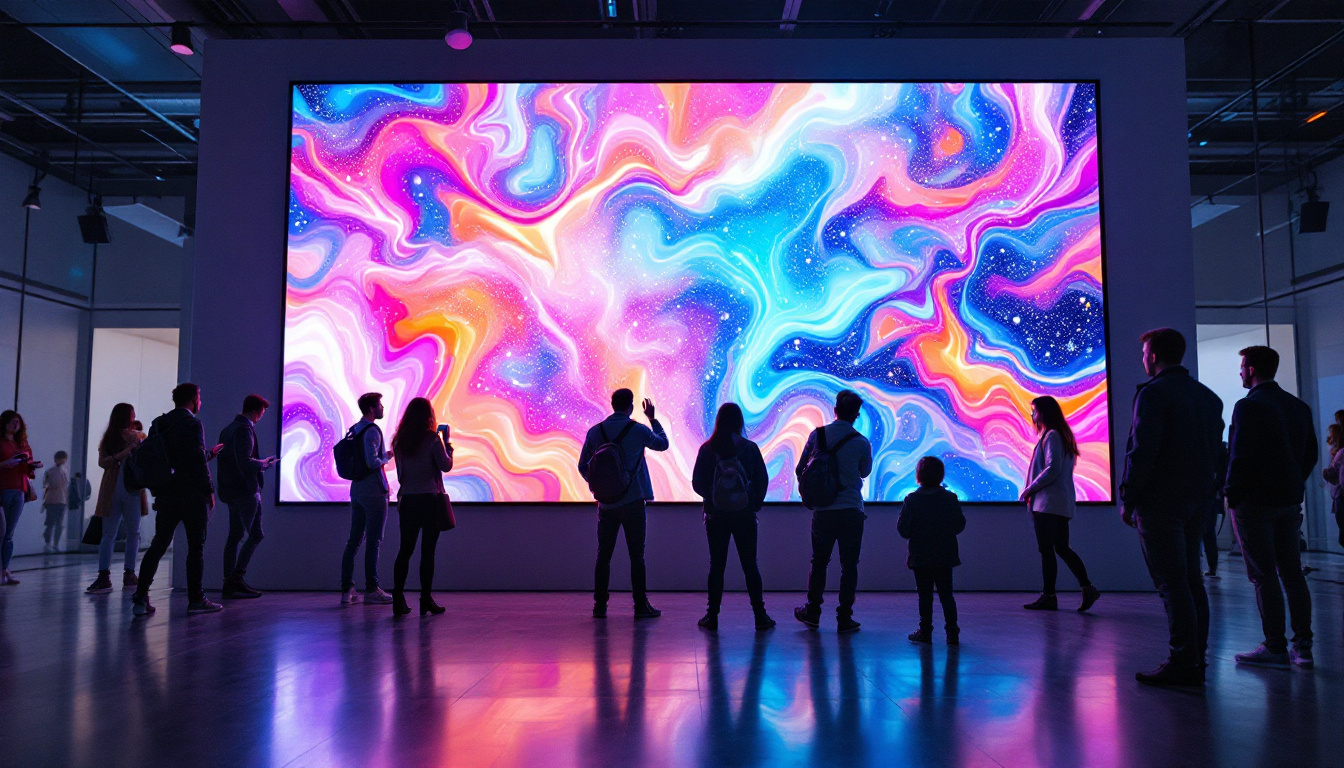
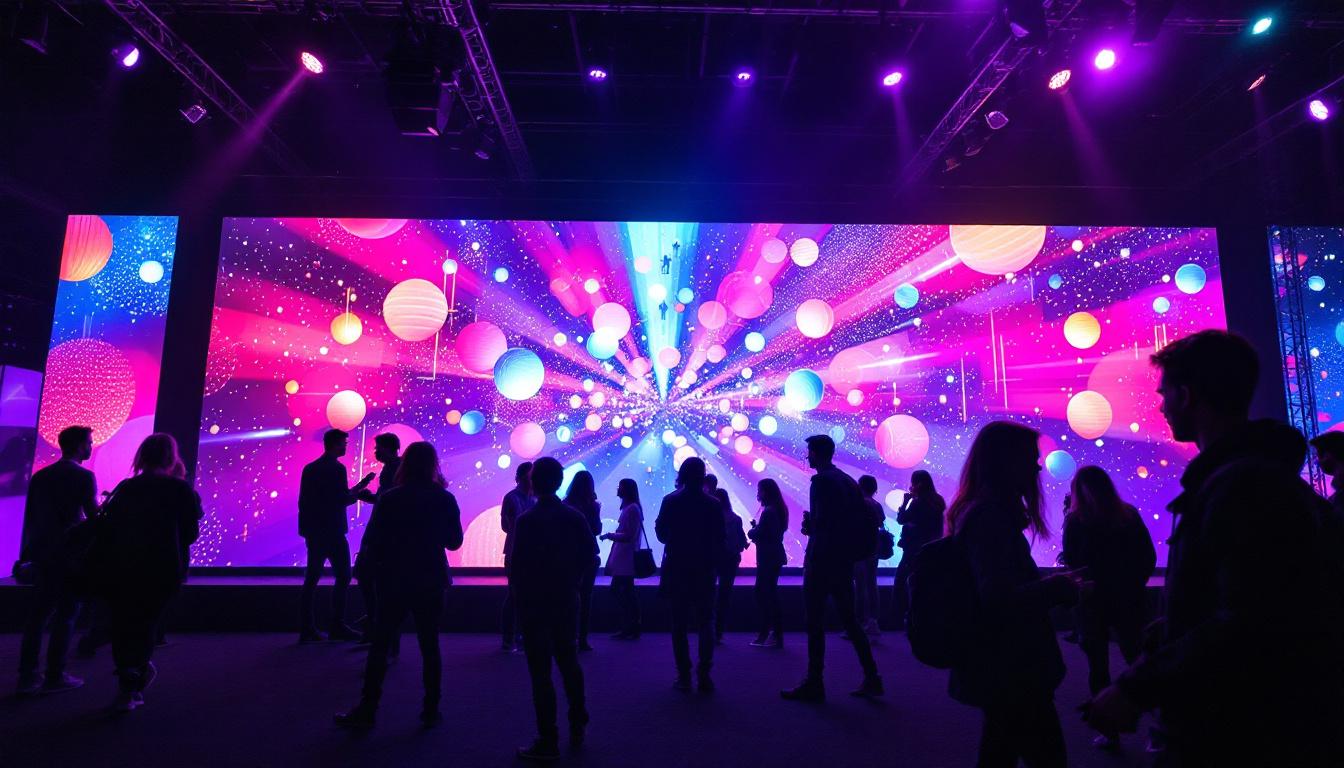
In sports venues, LED displays are not just screens; they are dynamic communication tools. They showcase scores, live game footage, replays, advertisements, player statistics, and even interactive content. The ability to customize content in real time makes LED displays indispensable for enhancing the fan experience and maximizing commercial opportunities. For instance, during a critical moment in a game, the display can instantly switch to highlight player achievements or significant statistics, keeping fans engaged and informed. Additionally, the integration of social media feeds allows fans to see their posts displayed on the big screen, fostering a sense of community and participation.
Types of LED Displays Used in Sports Venues
Sports venues typically employ several types of LED displays, each serving different purposes:
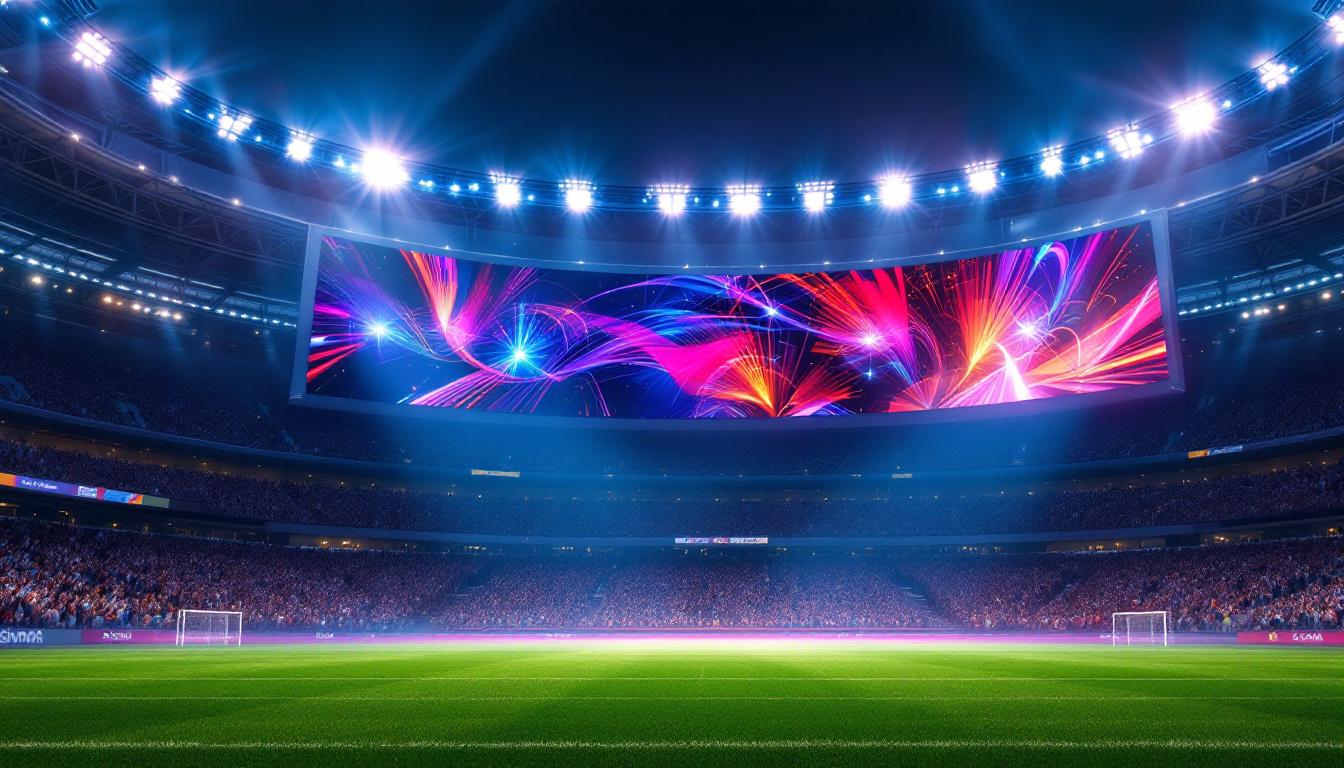
- Jumbotron and Scoreboards: Large-scale LED screens that provide live game updates, replays, and entertainment during breaks. These screens often feature high-definition resolution, ensuring that even the smallest details are visible to fans seated far from the action.
- Ribbon Boards: Long, narrow LED strips encircling stadium tiers, ideal for displaying scrolling scores, stats, and advertisements. These boards are particularly effective in creating a continuous stream of information that keeps fans engaged throughout the event.
- Advertising Boards: LED perimeter boards around the field that offer vibrant, changeable ads to capture audience attention. Their flexibility allows for targeted advertising, where brands can tailor messages based on the audience demographic present at the event.
- Interactive Fan Displays: Smaller LED installations in fan zones or concourses enabling interactive content and social media integration. These displays often feature games, polls, or contests that encourage fan participation, making the overall experience more immersive.
Moreover, the technology behind LED displays continues to evolve, with advancements such as flexible LED screens that can be shaped to fit unique architectural designs in modern stadiums. This innovation allows for creative installations that enhance the aesthetic appeal of the venue while providing functional display capabilities. Additionally, energy-efficient LED technology is becoming increasingly important as venues strive to reduce their carbon footprint and operational costs, making these displays not only a visual asset but also an environmentally friendly choice.
Key Benefits of LED Displays in Sports Environments
The adoption of LED displays in sports venues offers numerous advantages that extend beyond simple content presentation.
Enhanced Visibility and Brightness
One of the standout benefits of LED technology is its exceptional brightness. High-quality LED displays can reach brightness levels of over 5,000 nits, ensuring clear visibility even in direct sunlight. This is critical for outdoor stadiums where ambient light conditions can vary dramatically throughout the day. Enhanced visibility ensures that fans never miss a crucial moment, whether it’s a last-second goal or an important announcement. Furthermore, the vibrant colors and sharp contrast provided by LED screens enhance the overall viewing experience, making every play more exciting and memorable for spectators both in the stands and at home.
Dynamic and Real-Time Content Delivery
LED displays enable instant content updates, allowing sports organizations to adapt messaging on the fly. Whether it’s updating scores, displaying player stats, or running time-sensitive advertisements, the flexibility of LED technology supports real-time engagement. This dynamic capability is especially valuable during live events where every second counts. Additionally, the ability to showcase instant replays and highlight reels on these screens enhances the excitement of the game, providing fans with a comprehensive view of the action and keeping them engaged throughout the event.
Energy Efficiency and Longevity
Compared to older display technologies, LEDs consume significantly less power while offering higher brightness and better color accuracy. This energy efficiency translates into lower operating costs for stadiums and arenas. Additionally, LED displays have a longer lifespan, often exceeding 100,000 hours of operation, reducing maintenance and replacement expenses. This durability not only benefits the venues financially but also contributes to a more sustainable approach to sports event management, as fewer displays need to be manufactured and disposed of over time, thereby minimizing environmental impact.
Improved Fan Engagement
Modern LED displays can integrate with mobile apps, social media platforms, and interactive technologies to create immersive fan experiences. For example, fans can participate in live polls, share photos displayed on the big screen, or receive personalized messages. These interactive elements foster a deeper connection between the audience and the event, boosting overall satisfaction and loyalty. Moreover, the integration of augmented reality (AR) features can elevate the experience even further, allowing fans to interact with virtual elements during the game, such as viewing player stats or accessing exclusive content through their smartphones. This blend of technology not only enhances the live experience but also encourages fans to remain engaged long after the event has concluded, creating a lasting relationship with the team and venue.
Technical Considerations for Custom LED Solutions in Sports
Designing and implementing LED displays in sports venues requires careful planning and technical expertise to ensure optimal performance and durability.
Pixel Pitch and Resolution
Pixel pitch—the distance between individual LED diodes—directly affects image clarity and viewing distance. Smaller pixel pitches provide higher resolution and are suitable for close-up viewing areas such as fan zones or indoor arenas. Larger pixel pitches are more cost-effective for massive outdoor displays viewed from a distance, like stadium scoreboards.
Choosing the appropriate pixel pitch involves balancing resolution needs, budget constraints, and viewing distance to deliver crisp, legible content.
Weather Resistance and Durability
Outdoor sports venues expose LED displays to harsh environmental conditions, including rain, wind, dust, and temperature extremes. Custom LED solutions must incorporate weatherproof enclosures, corrosion-resistant materials, and advanced cooling systems to maintain performance and longevity.
IP65 or higher ratings are typically required for outdoor installations to ensure protection against water ingress and dust.
Brightness and Contrast Ratios
To maintain visibility under varying lighting conditions, LED displays must offer high brightness and contrast ratios. Adjustable brightness controls allow displays to adapt to nighttime games or overcast days, enhancing viewer comfort and reducing glare.
Integration with Venue Infrastructure
Custom LED solutions must seamlessly integrate with existing stadium infrastructure, including power supply, mounting systems, and control rooms. Additionally, compatibility with broadcast equipment and content management systems ensures smooth operation during live events.
Case Studies: Successful LED Display Implementations in Sports
Examining real-world examples highlights the transformative impact of custom LED solutions in sports venues.
MetLife Stadium: A Cutting-Edge Fan Experience
Home to the New York Giants and New York Jets, MetLife Stadium features one of the largest center-hung LED displays in the NFL, measuring approximately 10,000 square feet. This colossal screen delivers crystal-clear replays, live game stats, and interactive content, significantly enhancing the fan experience.
The stadium also employs LED ribbon boards and perimeter advertising, enabling dynamic content changes that maximize sponsorship revenue. The integration of high-resolution LED technology has set a new standard for stadium displays.
Wembley Stadium: Versatility and Visual Impact
Wembley Stadium in London utilizes custom LED solutions to cater to a diverse range of events, from football matches to concerts. The stadium’s LED displays are designed for quick content switching and high durability, accommodating different lighting and environmental conditions.
The use of modular LED panels allows for flexible configurations, ensuring optimal visibility regardless of the event type or audience size.
Future Trends in Sports LED Display Technology
The landscape of LED display technology continues to evolve, driven by innovations that promise even greater engagement and operational efficiency.
MicroLED and MiniLED Technologies
Emerging MicroLED and MiniLED technologies offer higher pixel densities and improved color accuracy compared to traditional LEDs. These advancements enable ultra-high-definition displays with better energy efficiency and longer lifespans. Sports venues adopting these technologies can deliver unparalleled visual experiences to fans.
Augmented Reality (AR) Integration
Combining LED displays with AR technologies opens new possibilities for interactive fan engagement. For example, AR overlays on LED screens can provide real-time player stats, tactical insights, or immersive replays, enriching the viewing experience both in-stadium and via broadcast.
AI-Driven Content Personalization
Artificial intelligence can analyze audience demographics and preferences to tailor LED display content dynamically. Personalized advertisements, targeted promotions, and customized fan messages can increase engagement and generate additional revenue streams.
Conclusion: Maximizing Impact with Custom LED Solutions
LED displays have become indispensable in modern sports venues, offering unparalleled brightness, flexibility, and interactivity. Custom solutions tailored to the unique needs of each stadium or arena ensure optimal performance, durability, and fan engagement.
As technology advances, sports organizations that invest in cutting-edge LED display systems will continue to captivate audiences, enhance operational efficiency, and unlock new commercial opportunities. Understanding the technical nuances and strategic benefits of LED displays is essential for stakeholders aiming to elevate the sports experience to new heights.
Discover the Future of Fan Engagement with LumenMatrix
Ready to transform your sports venue into a beacon of innovation and excitement? LumenMatrix is at the forefront of LED display technology, offering a wide array of solutions that bring your brand to life and captivate your audience. From the roar of the crowd in a packed stadium to the personalized touch of interactive fan zones, our LED Sports Display, Custom LED Display, and other specialized modules are designed to create unforgettable visual experiences. Don’t just keep up with the times—set the pace. Check out LumenMatrix LED Display Solutions today and redefine the way fans interact with your sports environment.