In today’s fast-paced commercial environment, digital signage has become a cornerstone of effective communication and advertising. Among the various technologies available, LED displays stand out for their brightness, durability, and versatility. Whether you are a business owner, marketing professional, or facility manager, understanding LED digital signage is crucial for making an informed purchase that maximizes impact and return on investment.
What Is an LED Display?
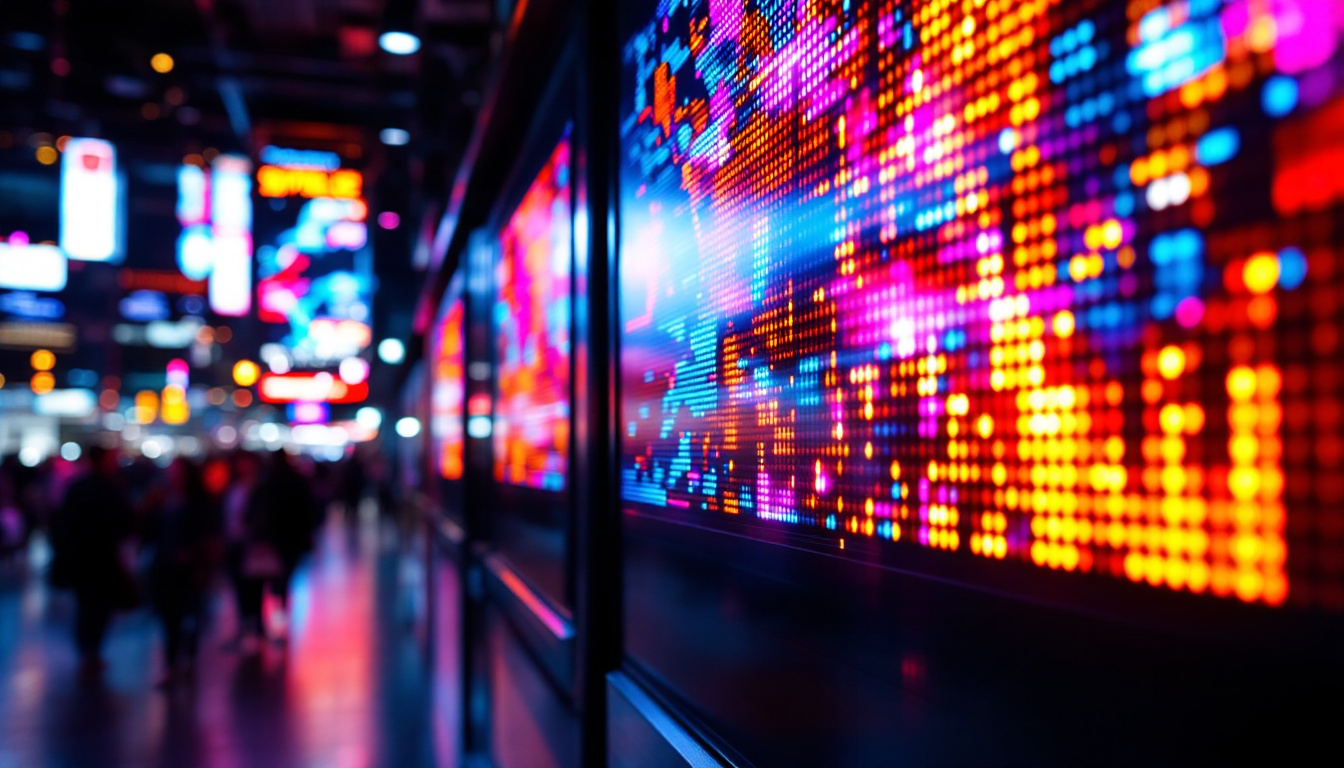
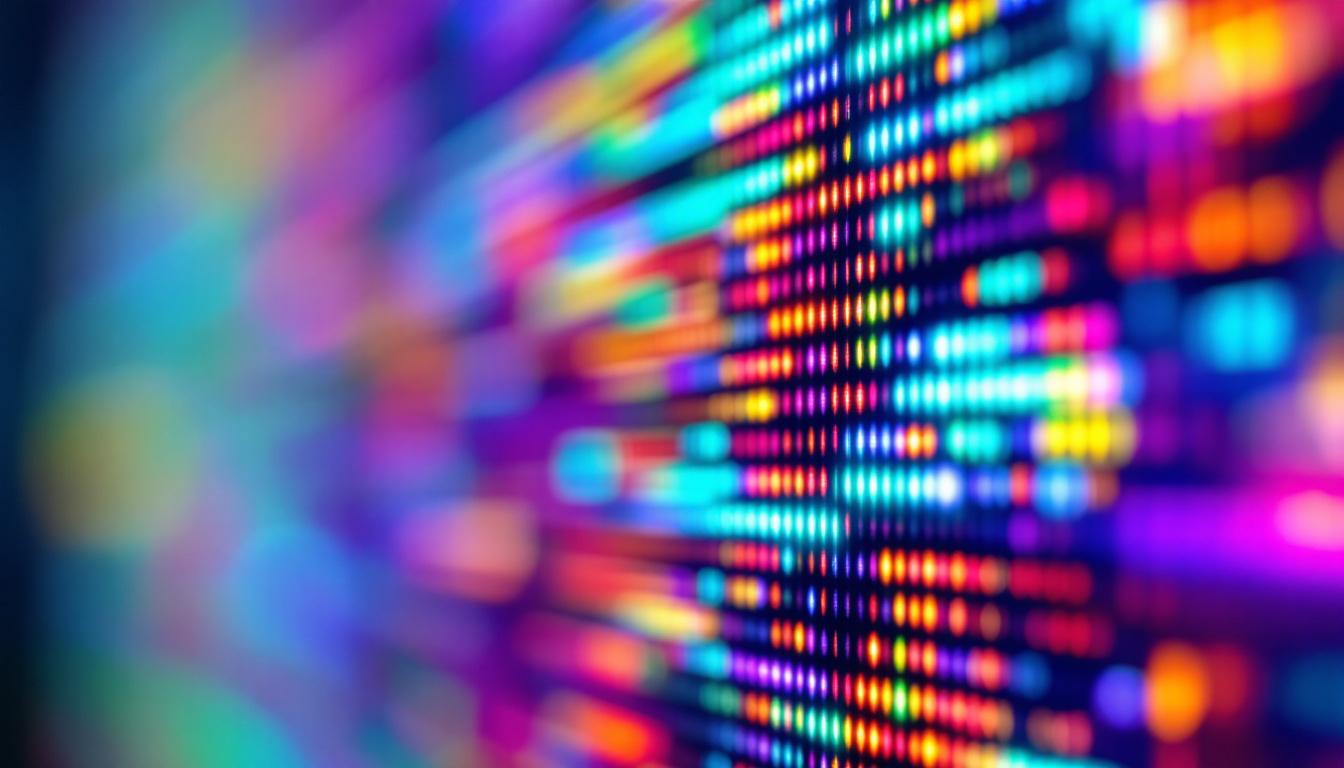
LED stands for Light Emitting Diode, a semiconductor device that emits light when an electric current passes through it. LED displays use thousands—or even millions—of these tiny diodes arranged in a matrix to create images, videos, and text. Unlike traditional LCD or projection displays, LED screens are self-illuminating, meaning each diode produces its own light without the need for a backlight.
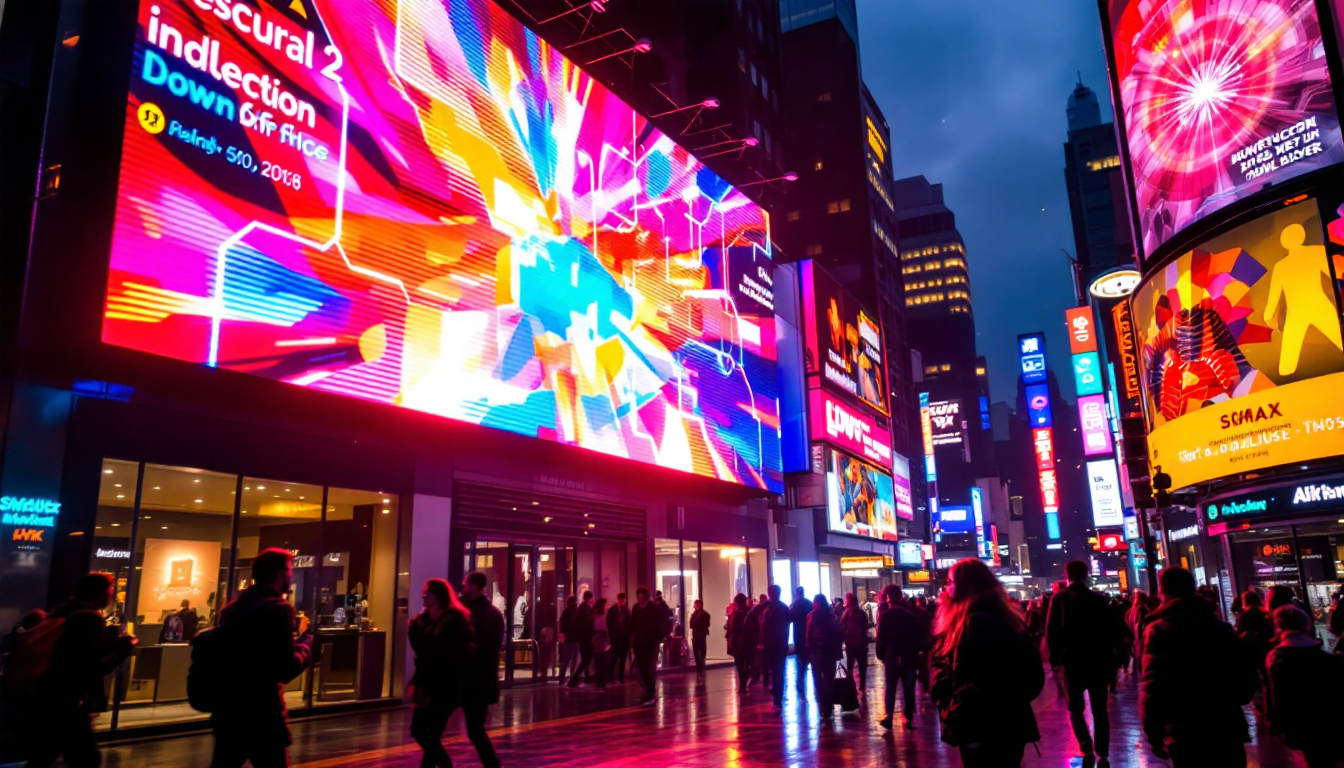
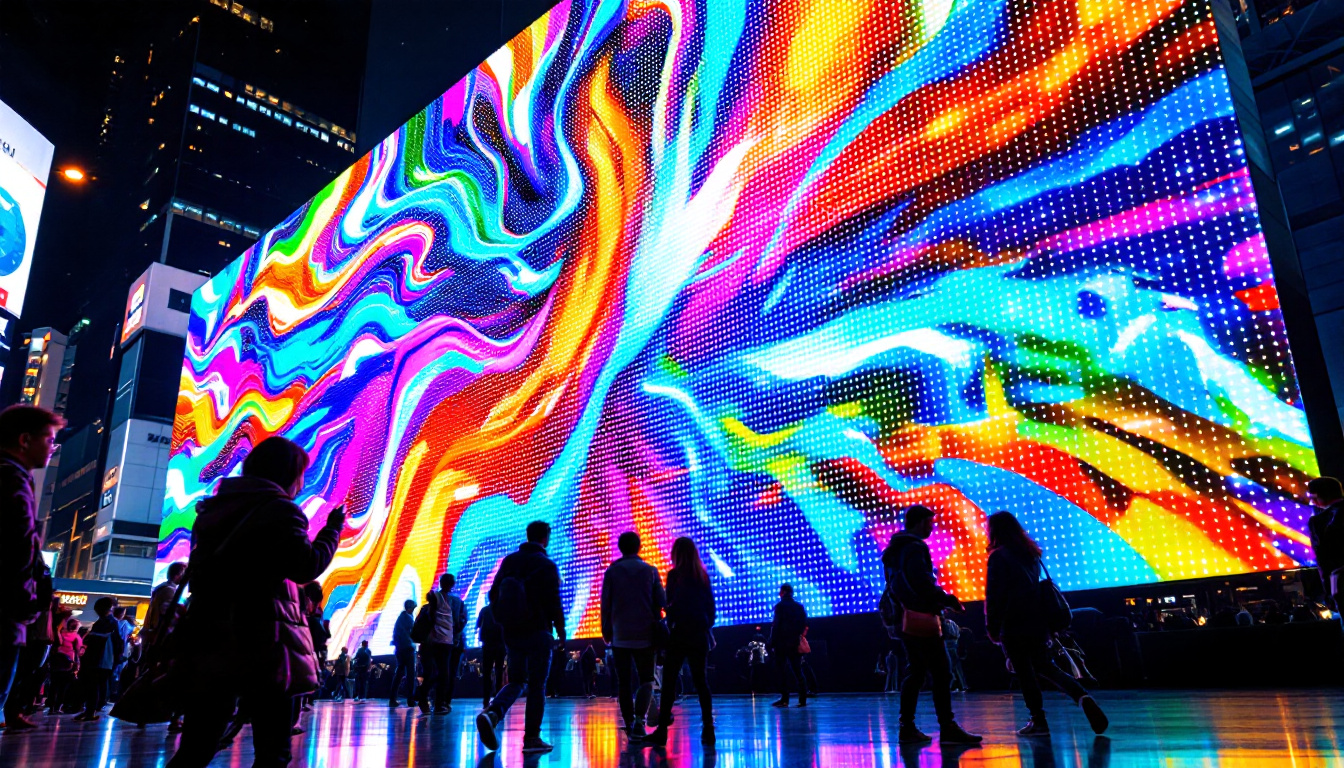
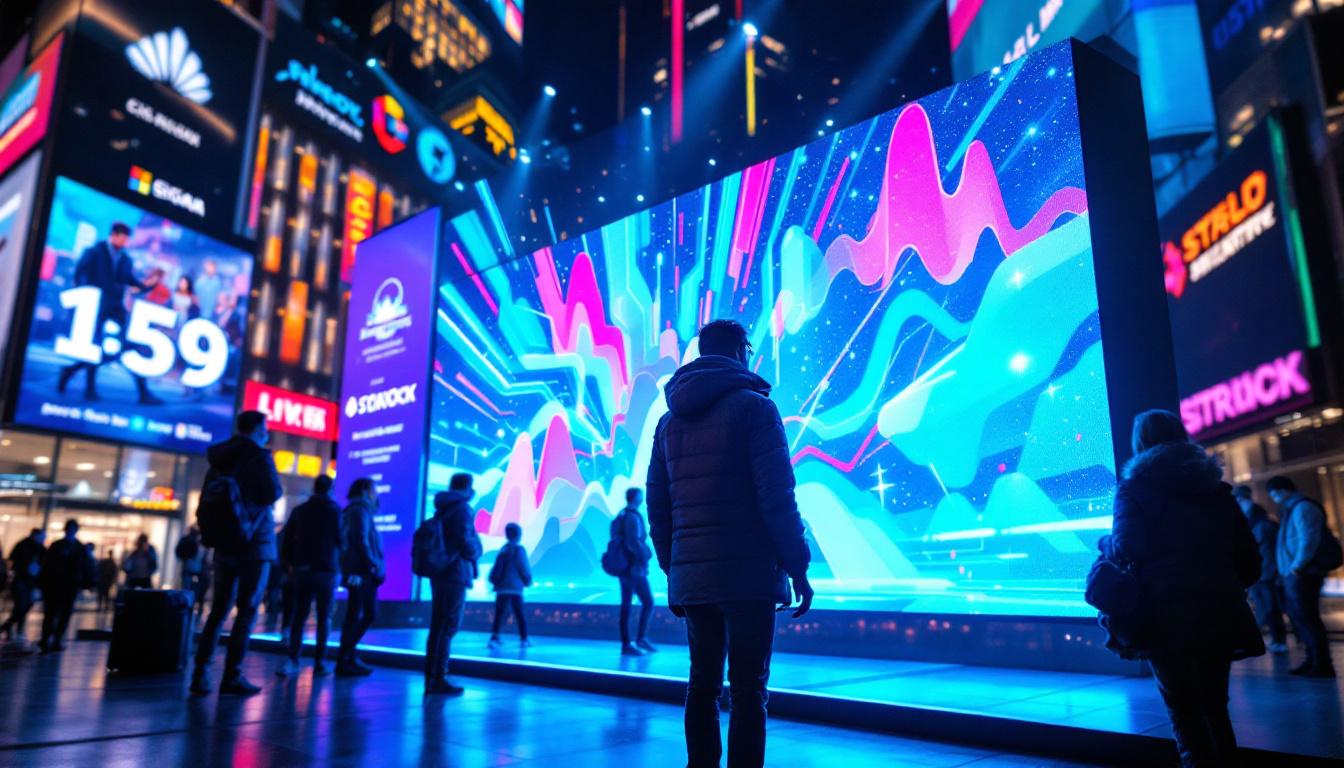
This fundamental difference allows LED displays to deliver exceptional brightness and contrast, making them highly visible even in direct sunlight. This characteristic is one reason why LED signage is especially popular for outdoor advertising, stadiums, and public spaces. The ability to maintain clarity and vibrancy in various lighting conditions enhances the effectiveness of advertisements, ensuring that messages reach their intended audience regardless of the environment.
Moreover, LED technology has evolved significantly over the years, resulting in displays that not only consume less power but also have a longer lifespan compared to older technologies. This energy efficiency is particularly appealing for businesses looking to reduce operational costs while maintaining high-quality visual displays. As a result, many organizations are transitioning to LED technology, recognizing the long-term benefits it provides in terms of sustainability and cost savings.
Types of LED Displays
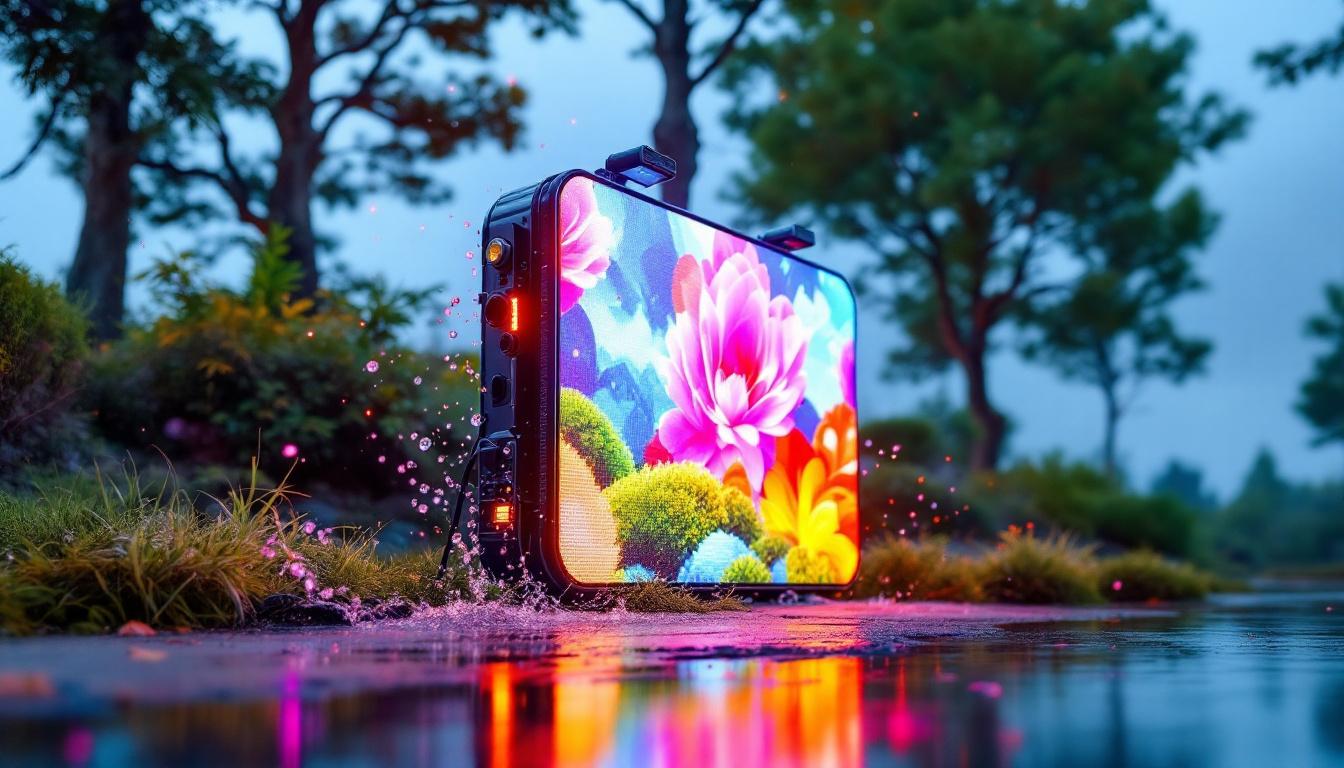
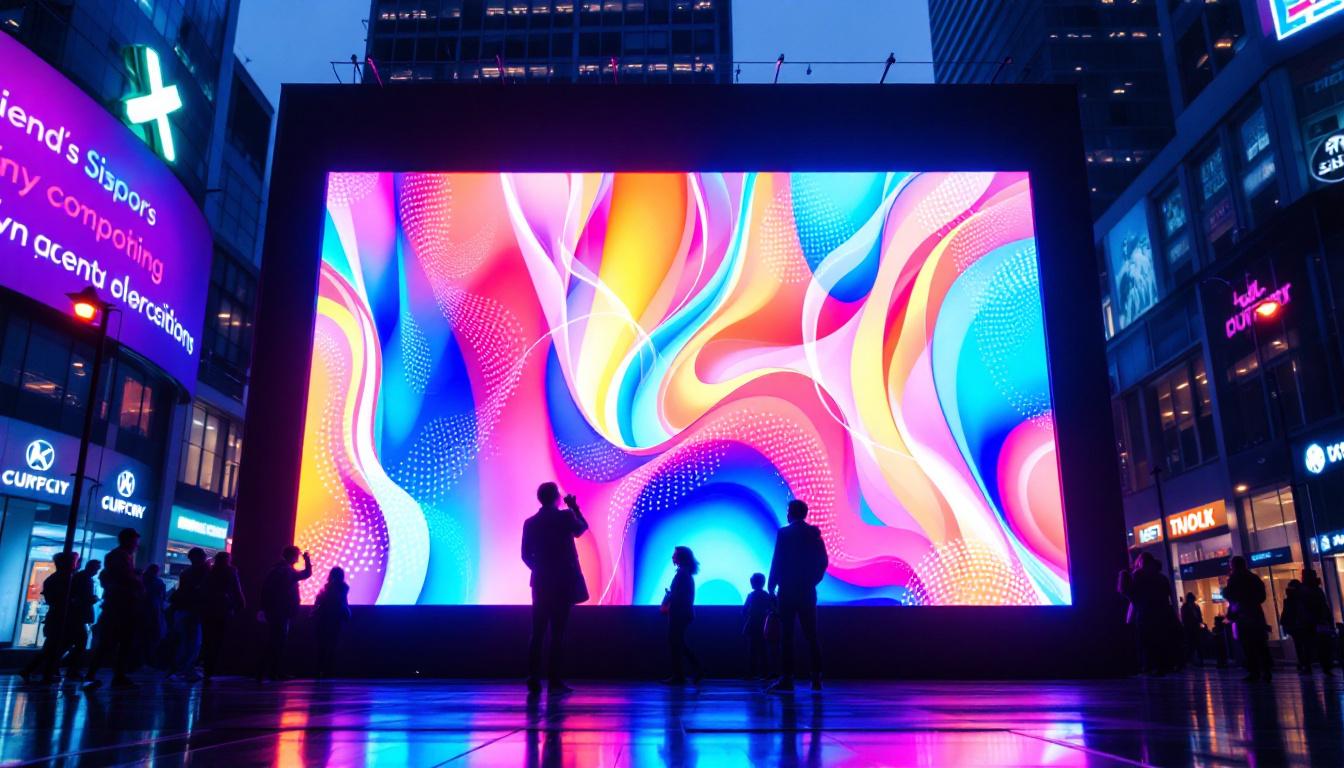
There are primarily two types of LED displays used in digital signage: indoor and outdoor. Indoor LED displays are designed with finer pixel pitches, meaning the LEDs are closer together to provide higher resolution at shorter viewing distances. Outdoor LED displays, on the other hand, have larger pixel pitches to accommodate longer viewing distances and are built to withstand weather conditions. These outdoor displays often come with protective features such as waterproofing and UV resistance, ensuring they remain functional and visually appealing despite exposure to the elements.
Additionally, LED displays can be categorized based on their configuration:
- Direct View LED (DVLED): The most common form, where the diodes themselves form the image directly.
- LED-backlit LCD: Uses LEDs as a backlight for LCD panels, offering improved brightness and energy efficiency over traditional CCFL backlighting.
Another interesting variant is the flexible LED display, which allows for creative installations that can bend and shape around various surfaces. This flexibility opens up new possibilities for artistic displays and innovative advertising solutions, enabling brands to capture attention in unique ways. Additionally, advancements in pixel technology have led to the development of microLED displays, which promise even higher resolutions and improved color accuracy, further pushing the boundaries of what LED technology can achieve in visual communications.
Why Choose LED Digital Signage?
When selecting a digital signage solution, LED displays offer several advantages that make them a compelling choice for many applications.
Superior Brightness and Visibility
LED displays can achieve brightness levels of up to 5,000 nits or more, compared to around 300-500 nits for typical LCD screens. This makes LED signage highly effective in environments with high ambient light, such as outdoor billboards or retail storefronts exposed to sunlight. The vibrant colors and high contrast ratio also enhance readability and viewer engagement.
Energy Efficiency and Longevity
LED technology is known for its energy efficiency. LEDs consume significantly less power than traditional display technologies, which can translate into lower operating costs over time. Furthermore, LED displays have a long operational lifespan, often exceeding 100,000 hours before brightness diminishes noticeably. This durability reduces maintenance and replacement expenses.
Flexibility and Scalability
LED modules can be assembled into virtually any size or shape, allowing for highly customized installations. From small menu boards to massive video walls spanning entire building facades, LED signage adapts to diverse spatial and design requirements. Additionally, modular construction simplifies repairs and upgrades.
Wide Viewing Angles and Fast Refresh Rates
LED displays offer wide viewing angles, typically around 160 to 180 degrees horizontally and vertically, ensuring that content is visible from multiple perspectives without color distortion. Fast refresh rates eliminate flicker and motion blur, which is particularly important for dynamic video content and live broadcasts.
Key Considerations When Buying an LED Display
Purchasing an LED digital signage solution involves more than just selecting the brightest or largest screen. Several technical and practical factors should guide your decision to ensure the display meets your specific needs.
Pixel Pitch and Resolution
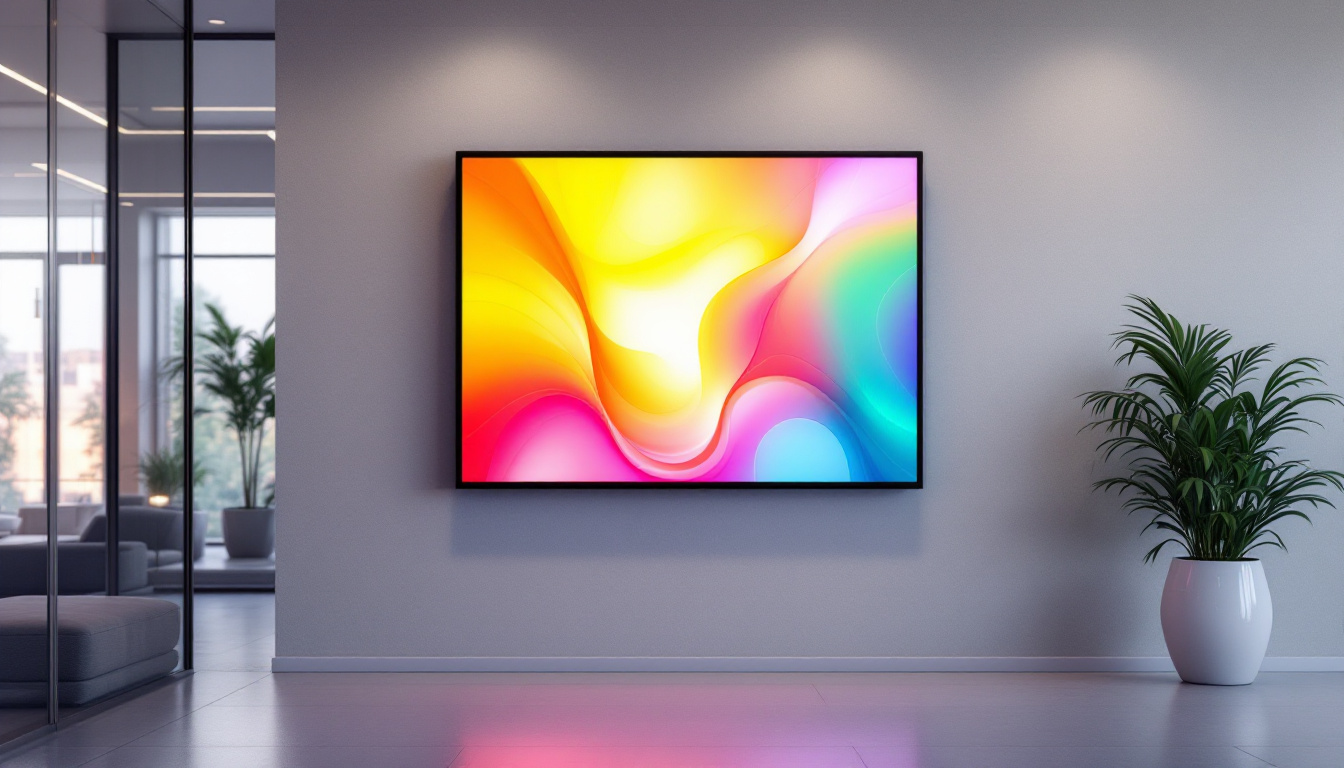
Pixel pitch refers to the distance between the centers of two adjacent LEDs, measured in millimeters. It directly affects the display’s resolution and optimal viewing distance. A smaller pixel pitch means higher resolution and sharper images at close range, which is ideal for indoor environments like retail stores or corporate lobbies.
Conversely, outdoor LED signs typically have larger pixel pitches—ranging from 4mm to 20mm or more—since viewers are usually farther away. Choosing the right pixel pitch balances image clarity with cost, as finer pitches tend to be more expensive.
Brightness and Contrast Ratio
Brightness is measured in nits, and the ideal level depends on the installation environment. For indoor use, 800 to 1,500 nits are generally sufficient, while outdoor displays require at least 3,000 nits to remain visible in daylight. Contrast ratio—the difference between the darkest black and brightest white—also influences image quality and legibility.
Durability and Weather Resistance
Outdoor LED displays must be rugged enough to withstand rain, wind, dust, and temperature extremes. Look for displays with an IP65 or higher rating, which indicates protection against water jets and dust ingress. Anti-glare coatings and temperature control systems also enhance performance and longevity.
Connectivity and Control Systems
Modern LED signage integrates with content management systems (CMS) that allow remote control and scheduling. Consider displays that support standard connectivity options such as HDMI, DVI, and Ethernet, as well as wireless capabilities. A user-friendly CMS simplifies content updates and ensures your messaging stays fresh and relevant.
Installation and Maintenance
Installation complexity varies depending on display size, location, and mounting method. Some LED displays require professional installation and structural reinforcement, especially large outdoor units. Modular designs facilitate easier maintenance by allowing individual panels to be replaced without dismantling the entire screen.
Applications of LED Digital Signage
LED displays are versatile tools that enhance communication and engagement across numerous sectors. Understanding their applications helps buyers align technology choices with business objectives.
Retail and Advertising
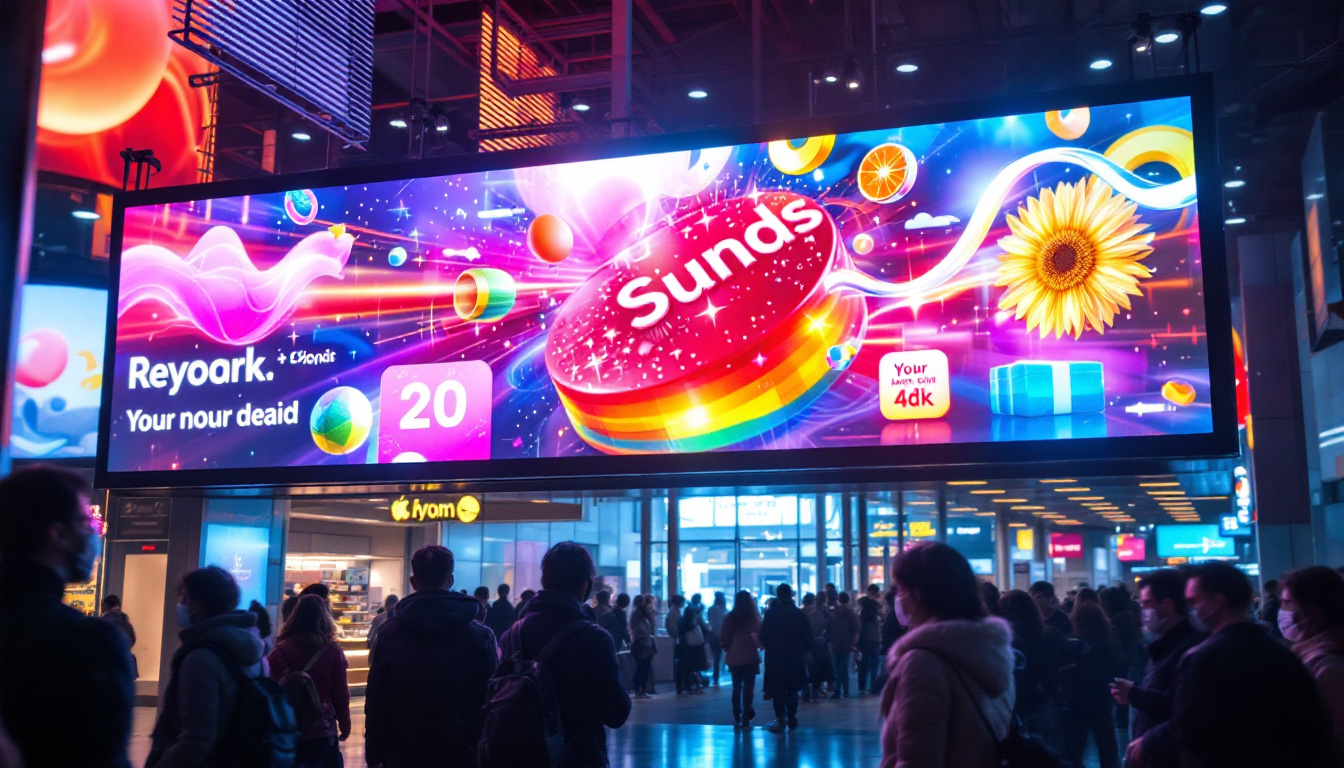
Retailers use LED signage to attract customers, promote sales, and create immersive brand experiences. Dynamic content can highlight new products, flash time-sensitive offers, or display interactive wayfinding. According to a 2023 study by the Digital Signage Federation, digital signage can increase in-store sales by up to 30%, with LED displays being a primary driver due to their visual impact.
Transportation Hubs
Airports, train stations, and bus terminals rely on LED displays for real-time information dissemination. High brightness ensures visibility in large, open spaces, while fast refresh rates enable timely updates of schedules, alerts, and advertisements.
Sports and Entertainment Venues
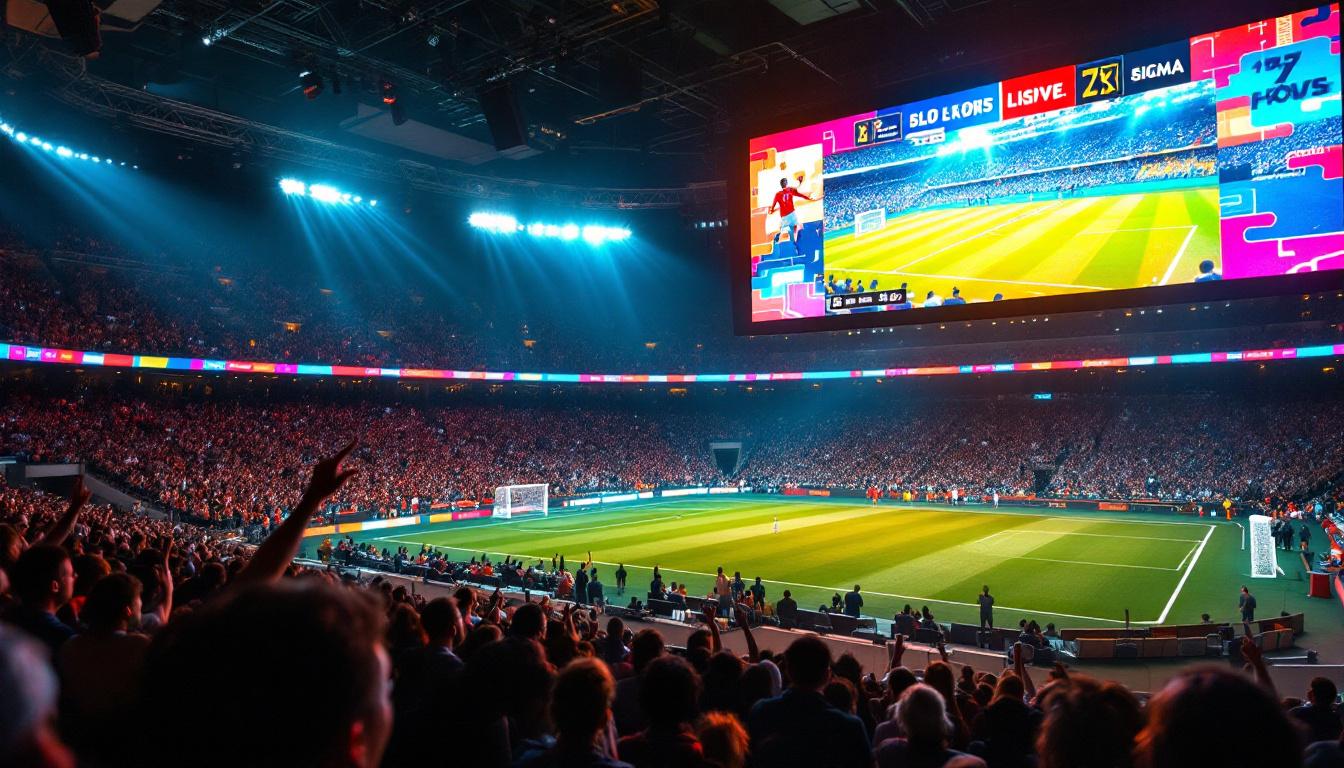
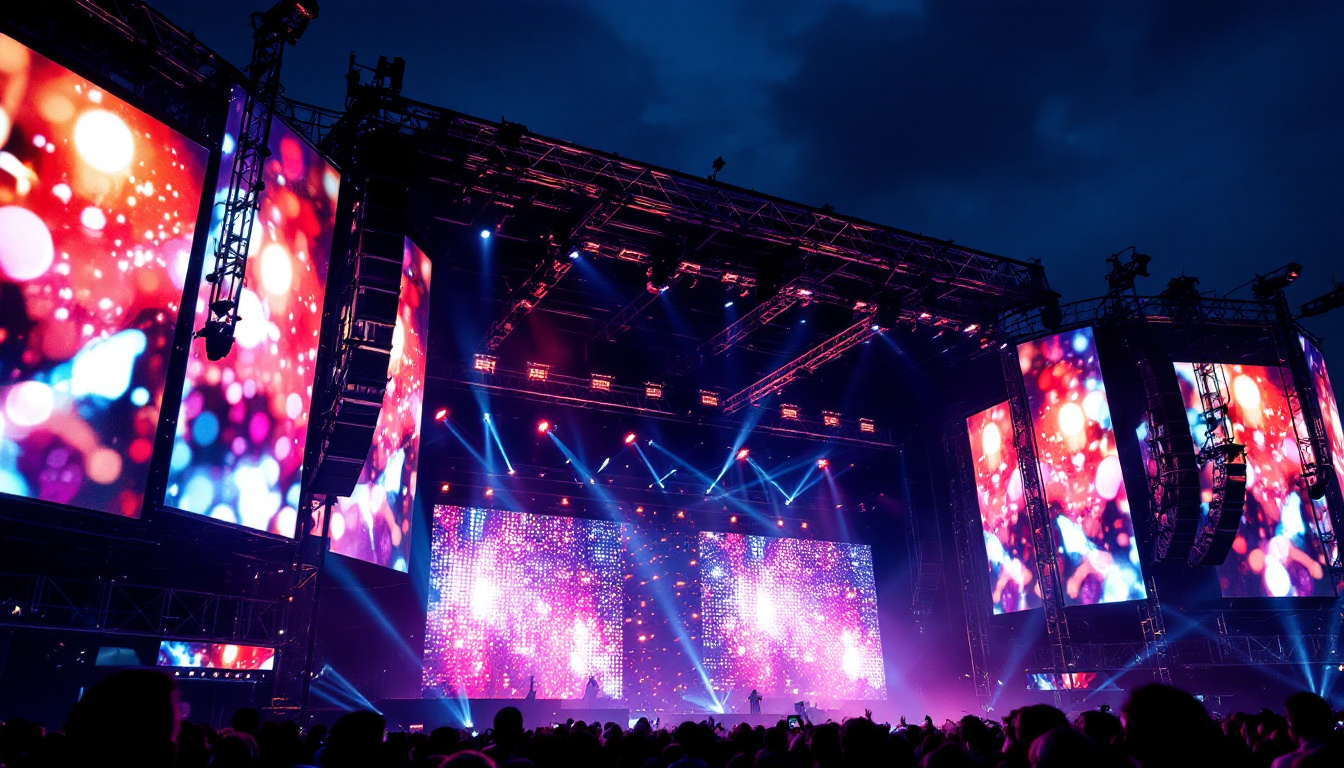
Stadiums and arenas use massive LED video walls to enhance spectator experience with live game footage, replays, and interactive content. These displays must be weatherproof and capable of producing vivid images visible from long distances.
Corporate and Educational Environments
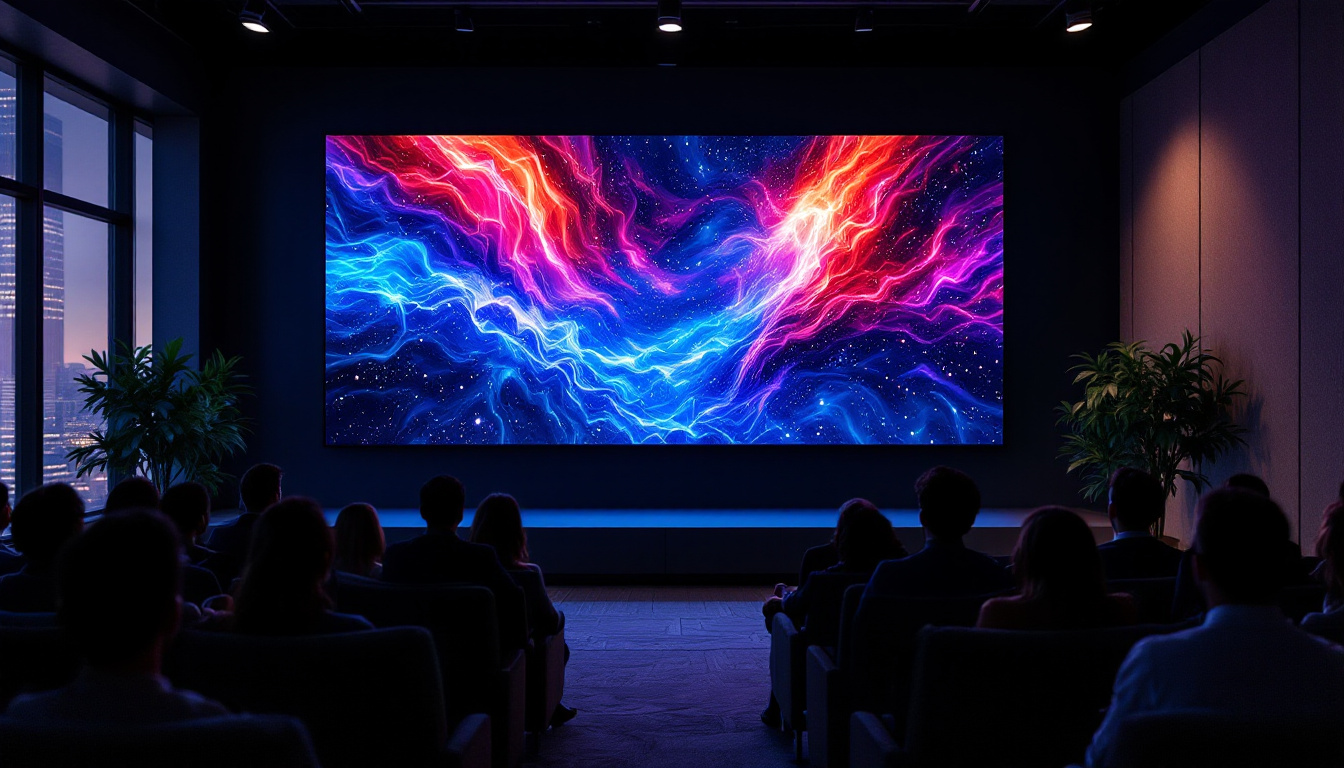
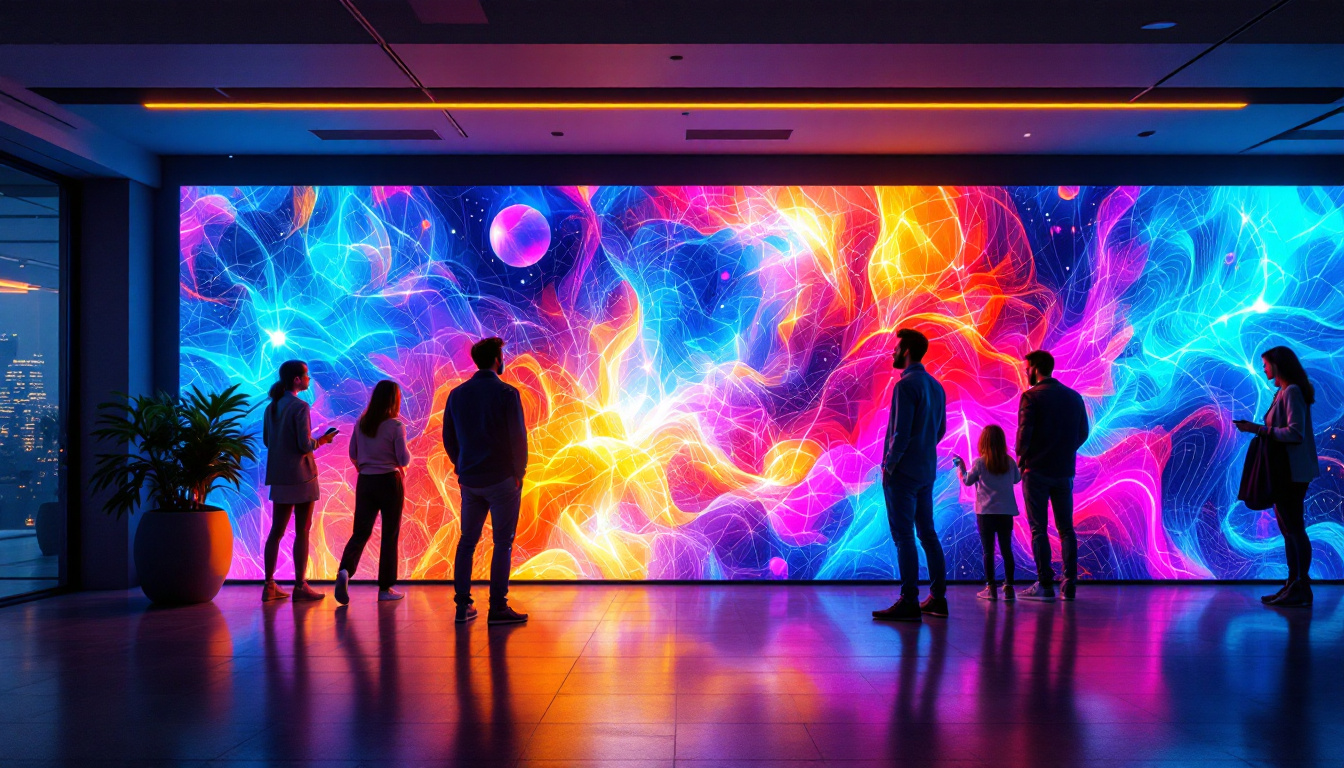
Companies and universities deploy LED signage for internal communications, event promotion, and wayfinding. The ability to customize size and shape allows integration into modern architectural designs, supporting branding and operational needs.
Cost Factors and Budgeting
Understanding the cost components of LED digital signage helps buyers plan effectively and avoid unexpected expenses.
Initial Purchase Price
The cost of an LED display depends on size, pixel pitch, brightness, and additional features such as weatherproofing and control systems. Prices can range from a few thousand dollars for small indoor units to several hundred thousand dollars for large outdoor video walls.
Installation and Infrastructure
Installation costs include mounting hardware, structural support, electrical wiring, and labor. Outdoor installations may require permits or specialized equipment, adding to expenses.
Operating Costs
Energy consumption, maintenance, and content management are ongoing costs. LED displays are energy-efficient, but larger screens naturally consume more power. Modular designs reduce maintenance costs by enabling targeted repairs.
Content Creation and Management
Effective digital signage requires compelling content. Budgeting for professional content creation, software licenses, and staff training ensures the display delivers value beyond the hardware investment.
Future Trends in LED Digital Signage
The digital signage industry continues to evolve rapidly, with LED technology at the forefront of innovation.
MicroLED and MiniLED Technologies
Emerging microLED and miniLED displays offer even higher resolution, improved color accuracy, and greater energy efficiency. These advancements promise to enhance indoor signage and premium outdoor installations.
Integration with Artificial Intelligence
AI-powered digital signage can deliver personalized content based on audience demographics, behavior, and environmental conditions. This capability increases engagement and advertising effectiveness.
Interactive and Immersive Experiences
Combining LED displays with touchscreens, augmented reality (AR), and sensors creates interactive environments that captivate audiences and provide valuable data insights.
Conclusion
LED digital signage represents a powerful medium for communication, advertising, and engagement across diverse industries. Its superior brightness, flexibility, and durability make it an excellent investment for businesses looking to enhance their visual presence. By carefully considering pixel pitch, brightness, durability, and budget, buyers can select an LED display that aligns with their specific needs and goals.
As technology advances, LED signage will continue to offer new possibilities, making it essential to stay informed about the latest developments. Whether upgrading existing displays or embarking on a new digital signage project, understanding the fundamentals of LED technology ensures a successful and impactful outcome.
Discover LumenMatrix LED Display Solutions
Ready to elevate your visual communication strategy with cutting-edge LED technology? Explore LumenMatrix’s comprehensive range of LED display solutions tailored to meet your specific needs. From vibrant Indoor LED Wall Displays to robust Outdoor LED Wall Displays, and from versatile Vehicle LED Displays to innovative LED Transparent Displays, LumenMatrix is committed to revolutionizing your brand’s presence. Don’t miss the opportunity to create captivating visual experiences that engage and inspire. Check out LumenMatrix LED Display Solutions today and transform the way you connect with your audience.