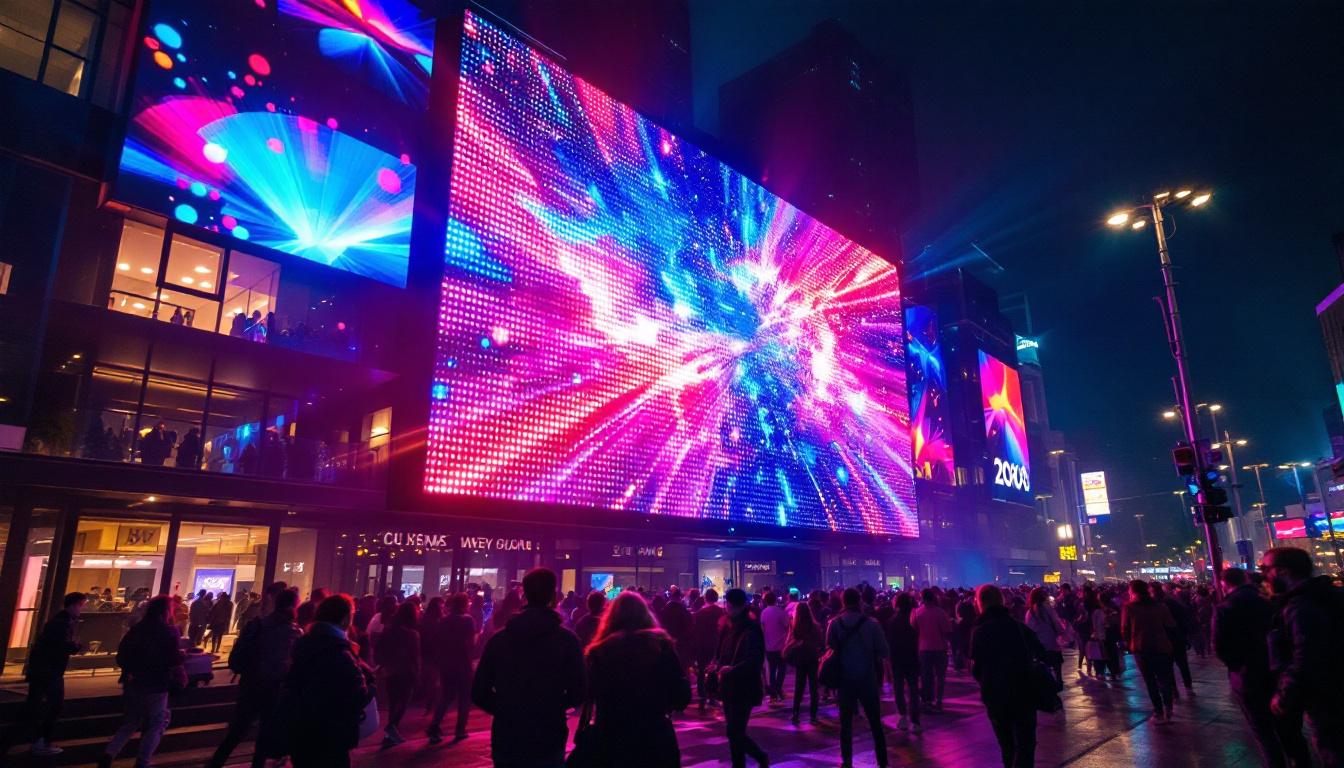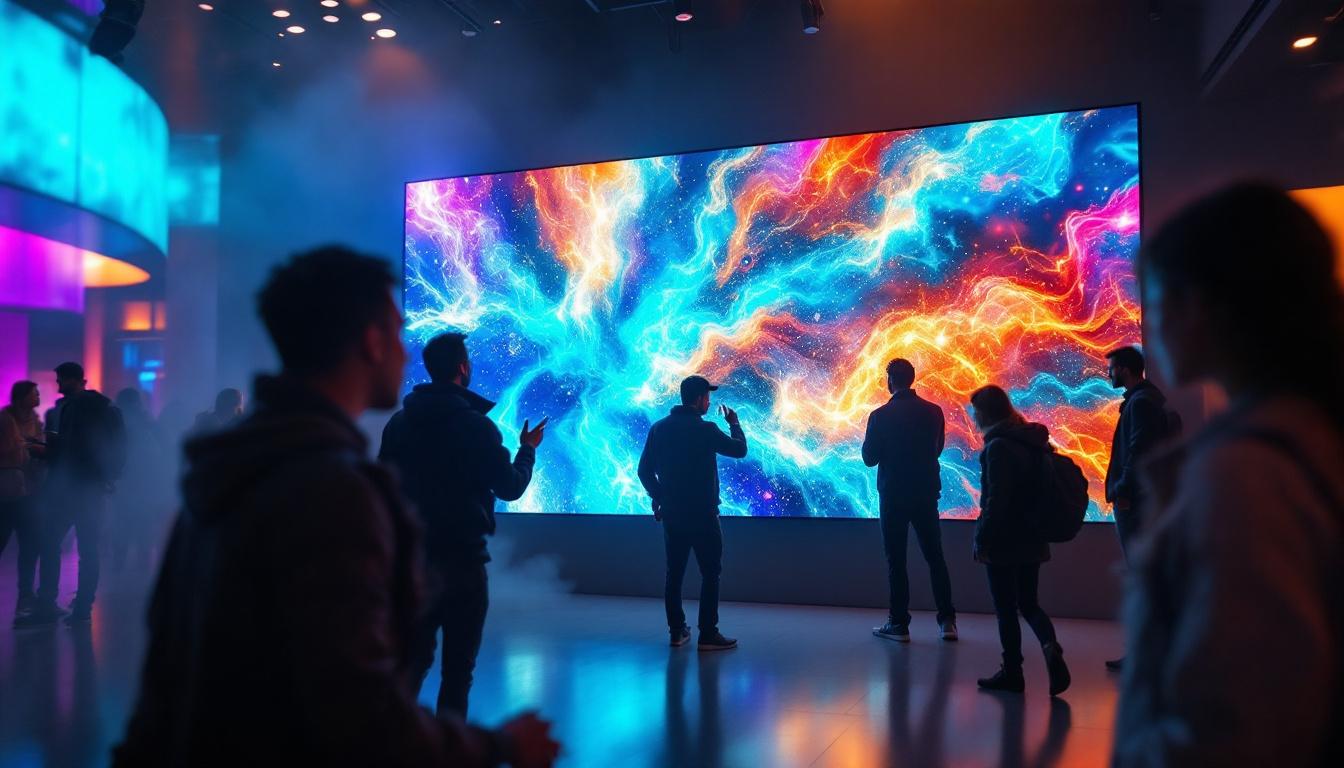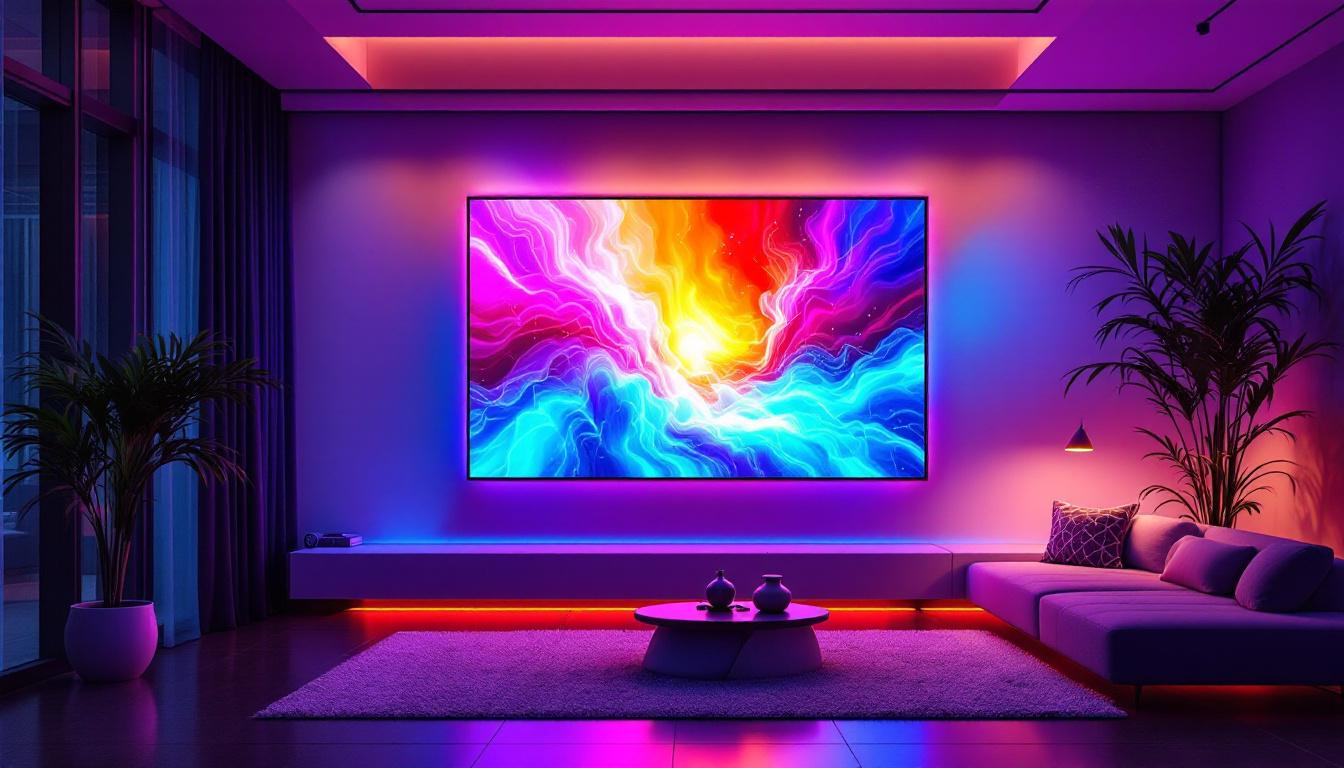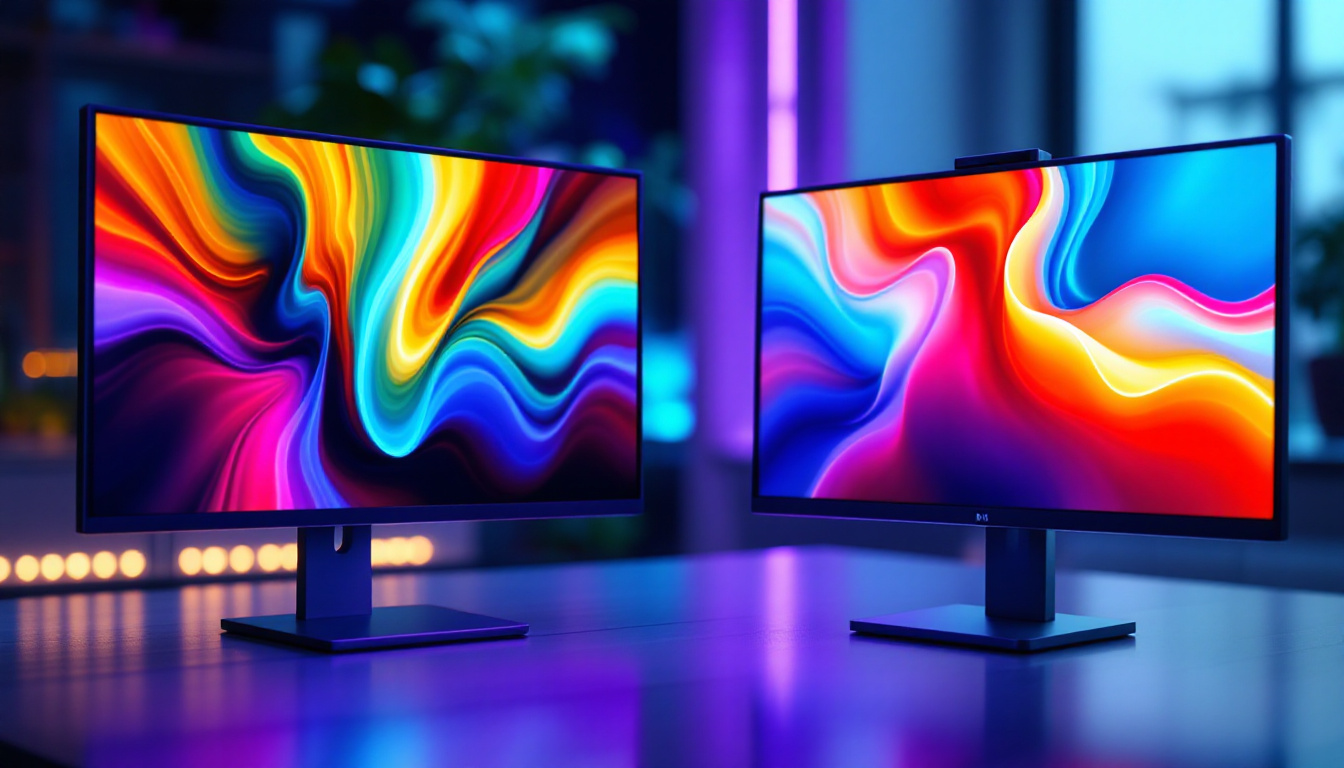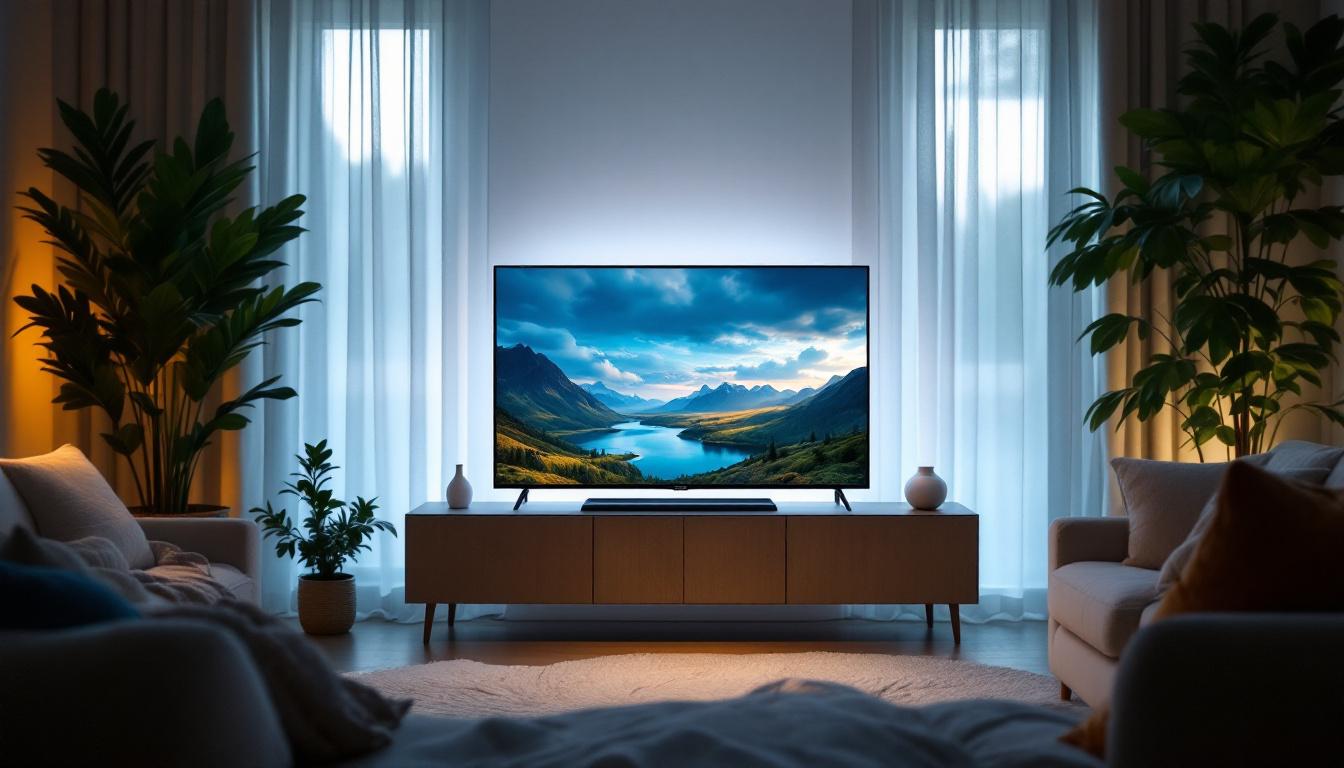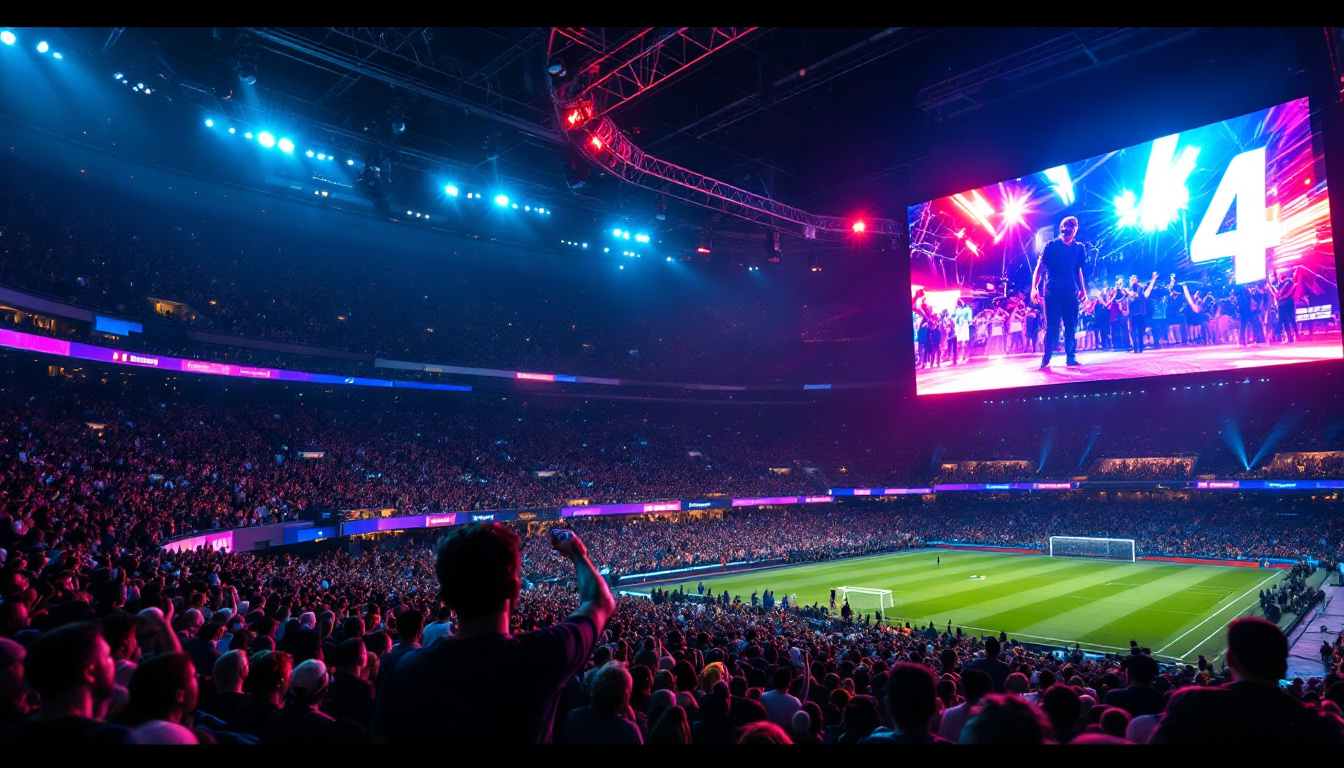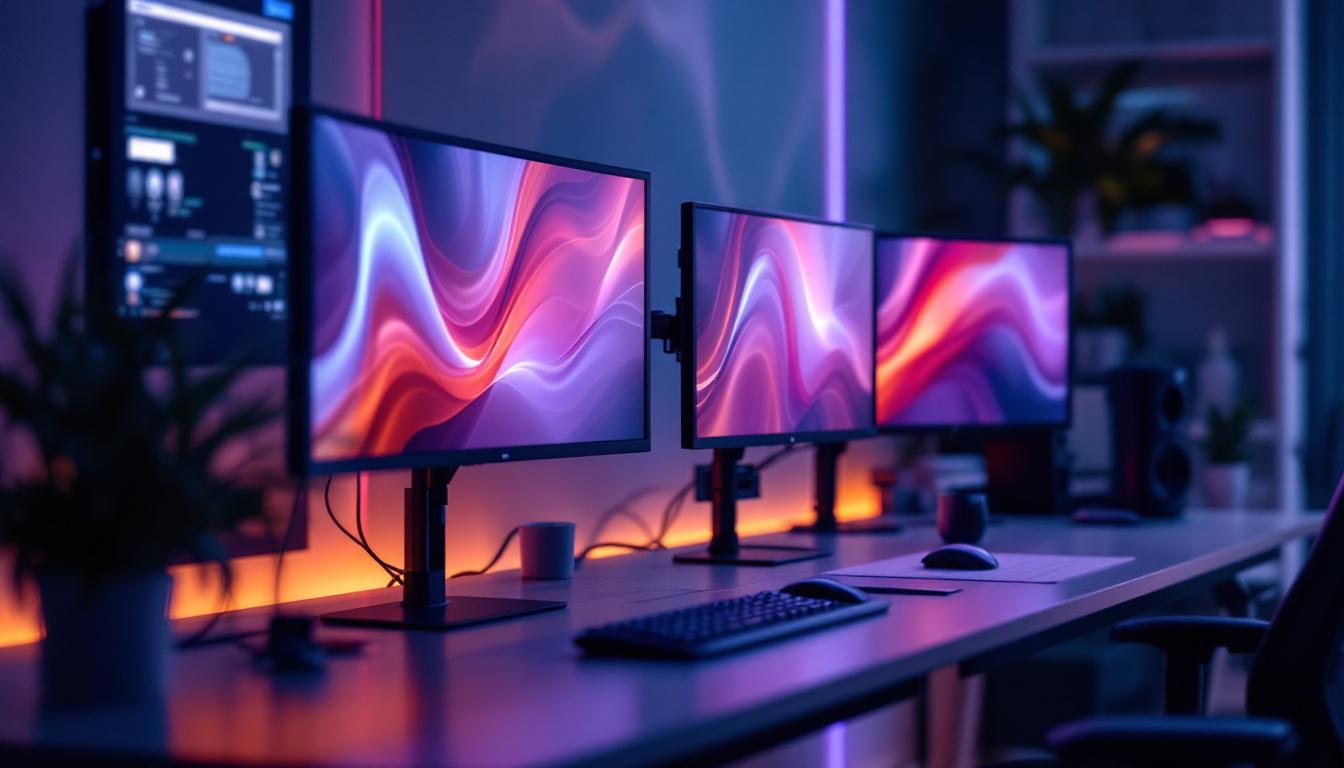
In today’s fast-paced digital world, LED displays have become an essential component of modern communication, advertising, and entertainment. From massive outdoor billboards to indoor video walls, LED technology offers vibrant visuals, exceptional brightness, and remarkable flexibility. This article delves into the fundamentals of LED displays, exploring how they work, their advantages, types, and the future trends shaping this dynamic industry.
Understanding the Basics of LED Displays
What is an LED Display?
LED stands for Light Emitting Diode, a semiconductor device that emits light when an electric current passes through it. An LED display is a flat panel that uses an array of these tiny LEDs as pixels to create images, videos, or text. Unlike traditional LCD or plasma screens, LED displays generate their own light, which contributes to their superior brightness and contrast levels.
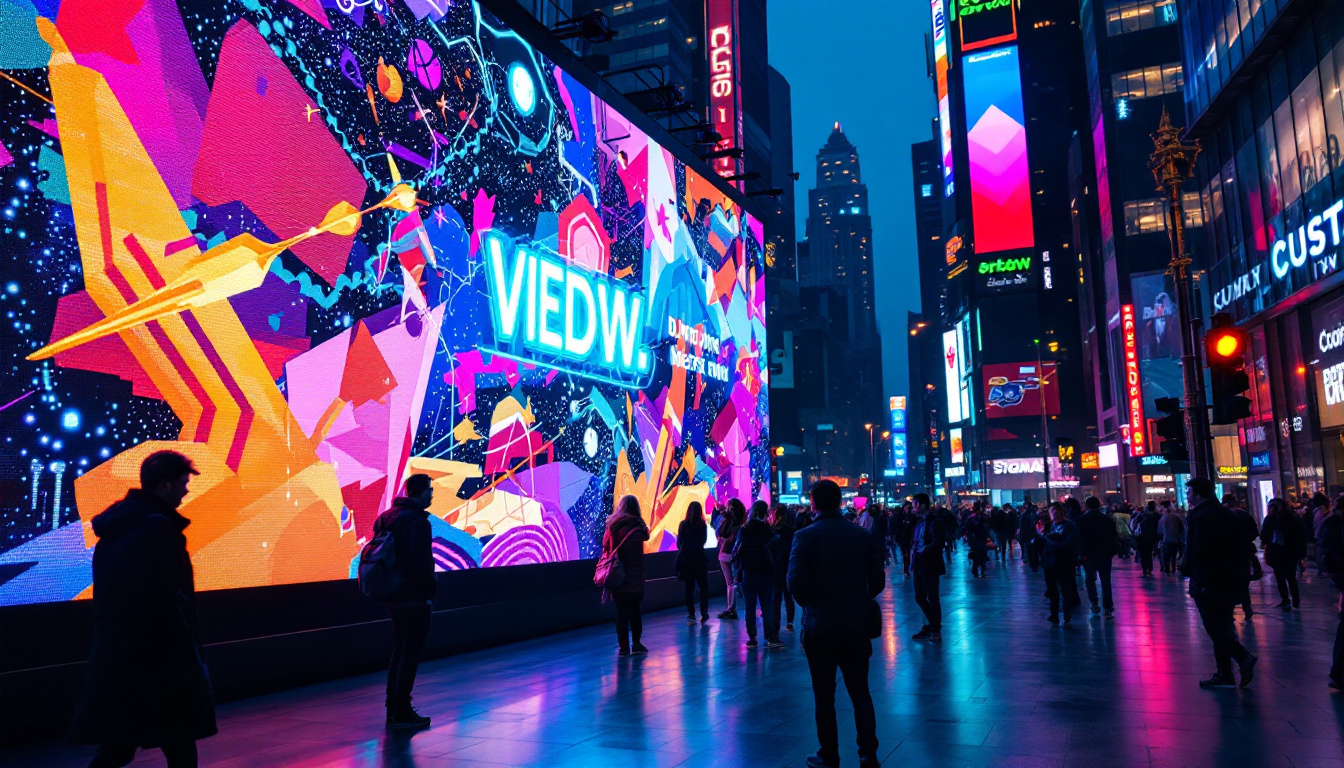
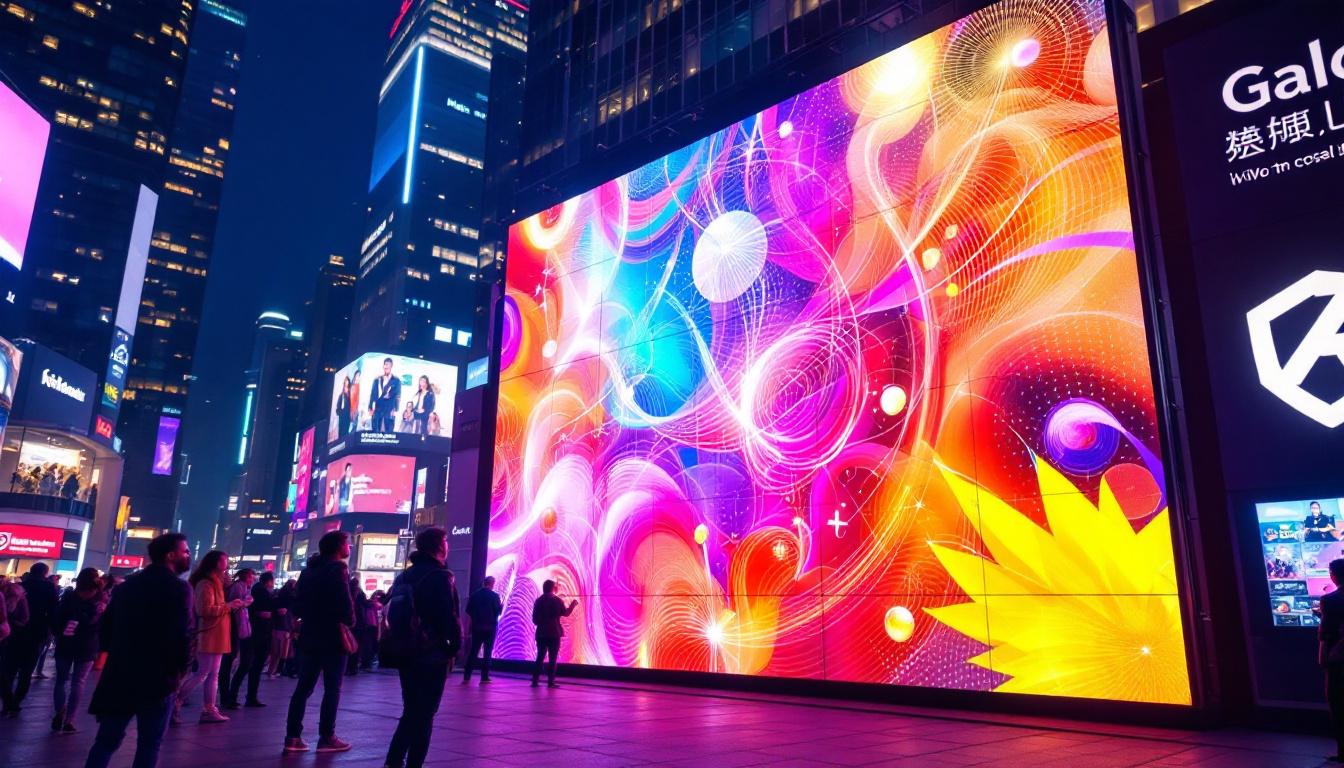
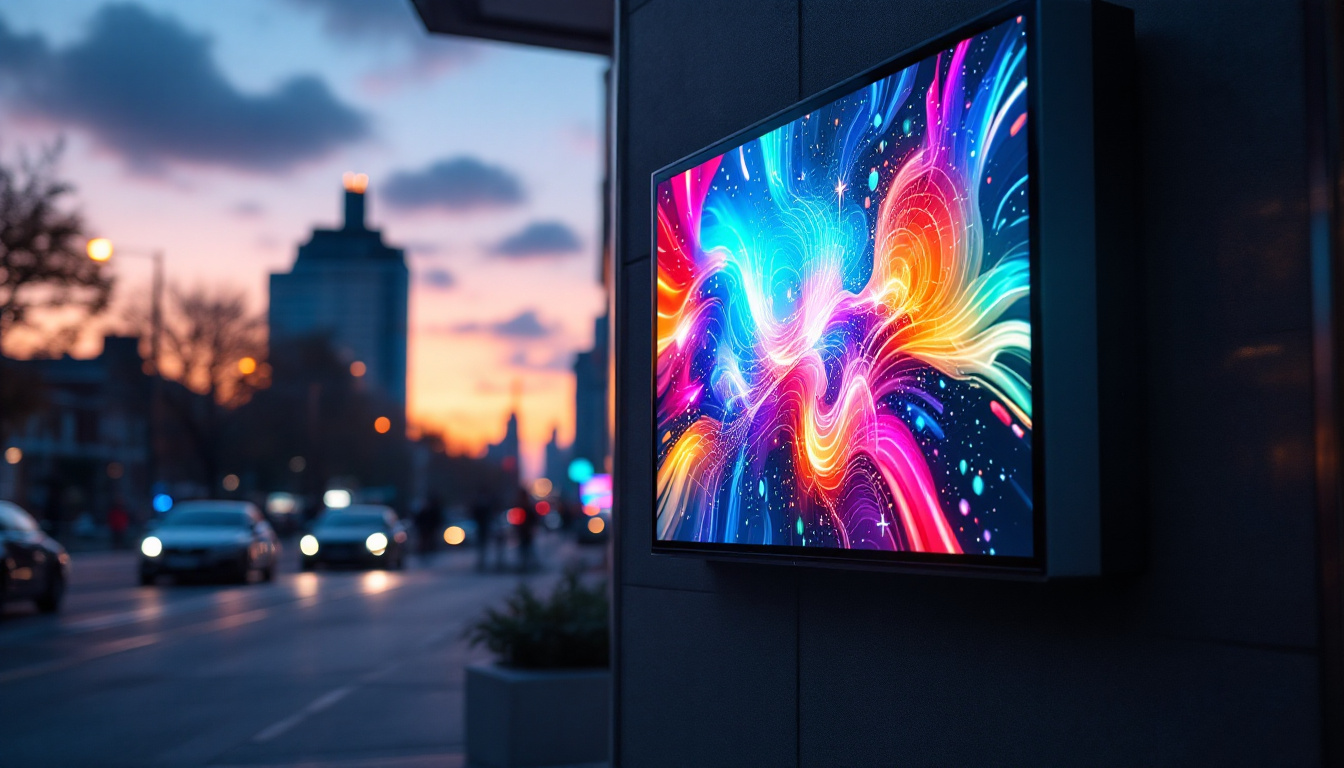
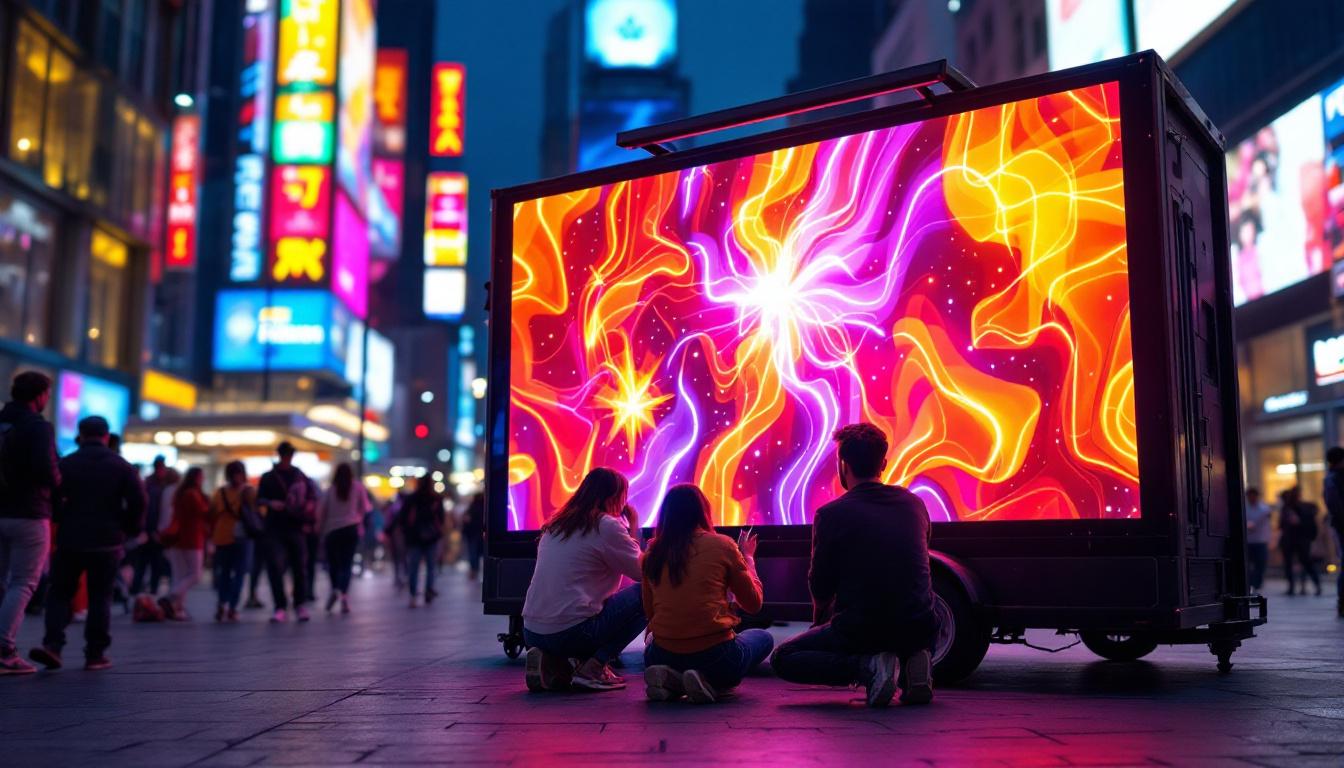
These displays are widely used in various applications, including outdoor advertising, sports arenas, retail environments, transportation hubs, and corporate settings. Their ability to produce vivid colors and withstand harsh environmental conditions makes them a preferred choice for both indoor and outdoor installations. In addition to their durability, LED displays are also energy-efficient, consuming significantly less power than older display technologies, which is an important consideration for businesses looking to reduce operational costs and environmental impact.
How Do LED Displays Work?
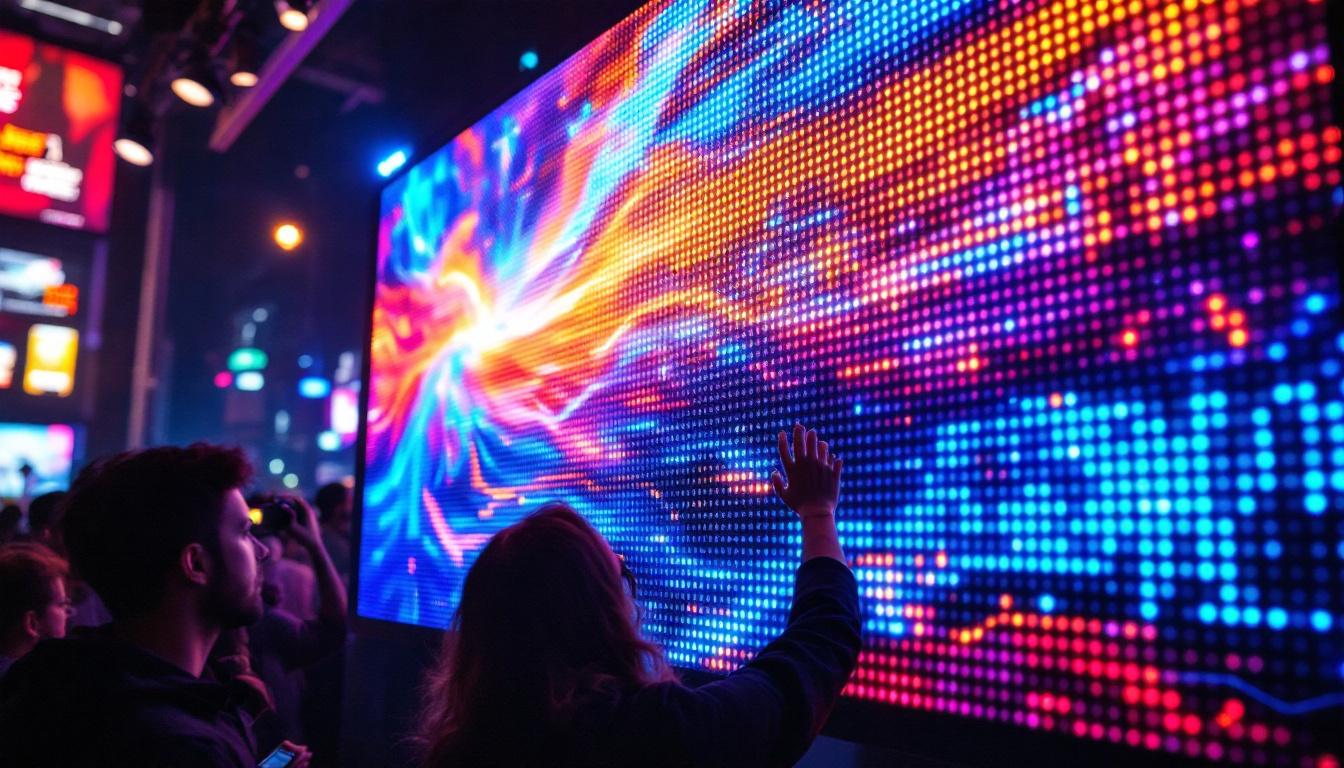
At the core of an LED display are thousands to millions of individual LEDs arranged in a grid. Each LED acts as a pixel or part of a pixel that can be controlled independently to emit different colors and intensities of light. The most common configuration is the RGB (Red, Green, Blue) LED, where three tiny LEDs combine to produce a wide spectrum of colors through varying brightness levels.
The display controller sends signals to these LEDs, instructing them when and how brightly to light up. By rapidly adjusting the brightness of each LED, the display can render images and videos with smooth transitions and high resolution. The pixel pitch, which is the distance between the centers of two adjacent LEDs, determines the display’s resolution and viewing distance suitability. Smaller pixel pitches allow for higher resolutions, making them ideal for close viewing applications such as in retail displays or control rooms, where clarity and detail are paramount. Furthermore, advancements in technology have led to the development of flexible LED displays, which can be curved or shaped to fit unique spaces, expanding the creative possibilities for designers and advertisers alike.
Key Advantages of LED Displays
Exceptional Brightness and Visibility
One of the standout features of LED displays is their brightness. They can achieve luminance levels exceeding 5,000 nits, making them easily visible even in direct sunlight. This makes LED screens ideal for outdoor advertising and public information displays where visibility at all times of day is critical.
Compared to LCDs, which rely on backlighting, LEDs produce light directly, resulting in better contrast and deeper blacks. This direct emission also allows for wider viewing angles without color distortion, ensuring that content looks consistent from various perspectives. The ability to maintain clarity and vibrancy in bright conditions makes LED displays particularly popular in bustling urban environments, where they can capture the attention of passersby and enhance the overall aesthetic of the area.
Furthermore, LED technology has evolved to include features such as adaptive brightness control, which automatically adjusts the screen’s luminance based on ambient light conditions. This not only enhances visibility but also contributes to energy savings, as the display can reduce its power consumption during low-light situations. Such advancements ensure that LED displays remain at the forefront of visual technology, catering to the needs of both advertisers and viewers alike.
Energy Efficiency and Longevity
LED technology is highly energy-efficient. LEDs consume significantly less power than traditional lighting and display technologies, which translates to lower operational costs, especially for large-scale installations. Modern LED displays can operate continuously for tens of thousands of hours—often upwards of 100,000 hours—before experiencing significant brightness degradation.
Moreover, LEDs are solid-state devices, meaning they are more durable and resistant to shock and vibration compared to other display types. This robustness reduces maintenance needs and extends the lifespan of the display, making them a cost-effective investment over time. In addition to their longevity, LED displays generate less heat than their counterparts, which can lead to reduced cooling costs in environments where multiple screens are in operation. This combination of energy efficiency and thermal management makes LED displays an environmentally friendly choice for businesses looking to minimize their carbon footprint.
Flexibility and Customization
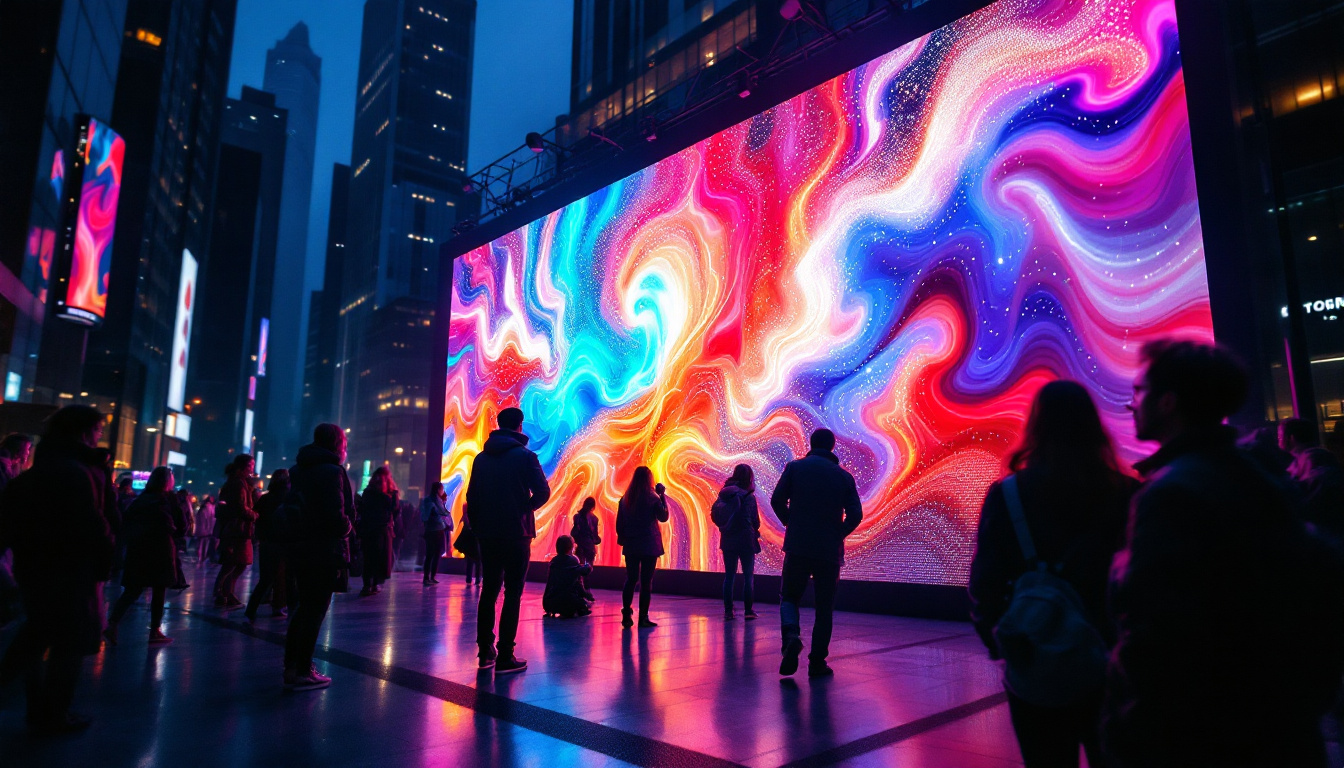
LED displays come in a variety of shapes and sizes, from small indoor panels to massive outdoor video walls. Their modular design allows for seamless scaling and creative configurations, such as curved or irregularly shaped screens. This flexibility enables businesses and event organizers to tailor displays to specific environments and branding needs.
Additionally, LED displays support dynamic content updates, allowing for real-time information sharing, interactive advertising, and engaging visual storytelling. This adaptability is crucial in industries like retail, transportation, and entertainment, where messaging needs to be timely and impactful. For instance, in retail spaces, LED displays can showcase promotions and product information that change throughout the day, attracting customers’ attention and driving sales. Event organizers can utilize these displays to create immersive experiences, integrating live feeds, social media interactions, and multimedia presentations that captivate audiences and enhance engagement.
The integration of advanced technologies such as augmented reality (AR) and virtual reality (VR) with LED displays further expands their potential applications. Businesses can create interactive environments that allow users to engage with content in innovative ways, transforming the traditional viewing experience into something more participatory and memorable. This level of customization not only enhances brand visibility but also fosters a deeper connection between the audience and the displayed content, making LED displays an invaluable tool in modern communication strategies.
Types of LED Displays and Their Applications
Indoor LED Displays
Indoor LED displays are designed for environments with controlled lighting conditions. They typically have a smaller pixel pitch—ranging from 0.9mm to 4mm—which means the LEDs are closer together, resulting in higher resolution and sharper images at close viewing distances.
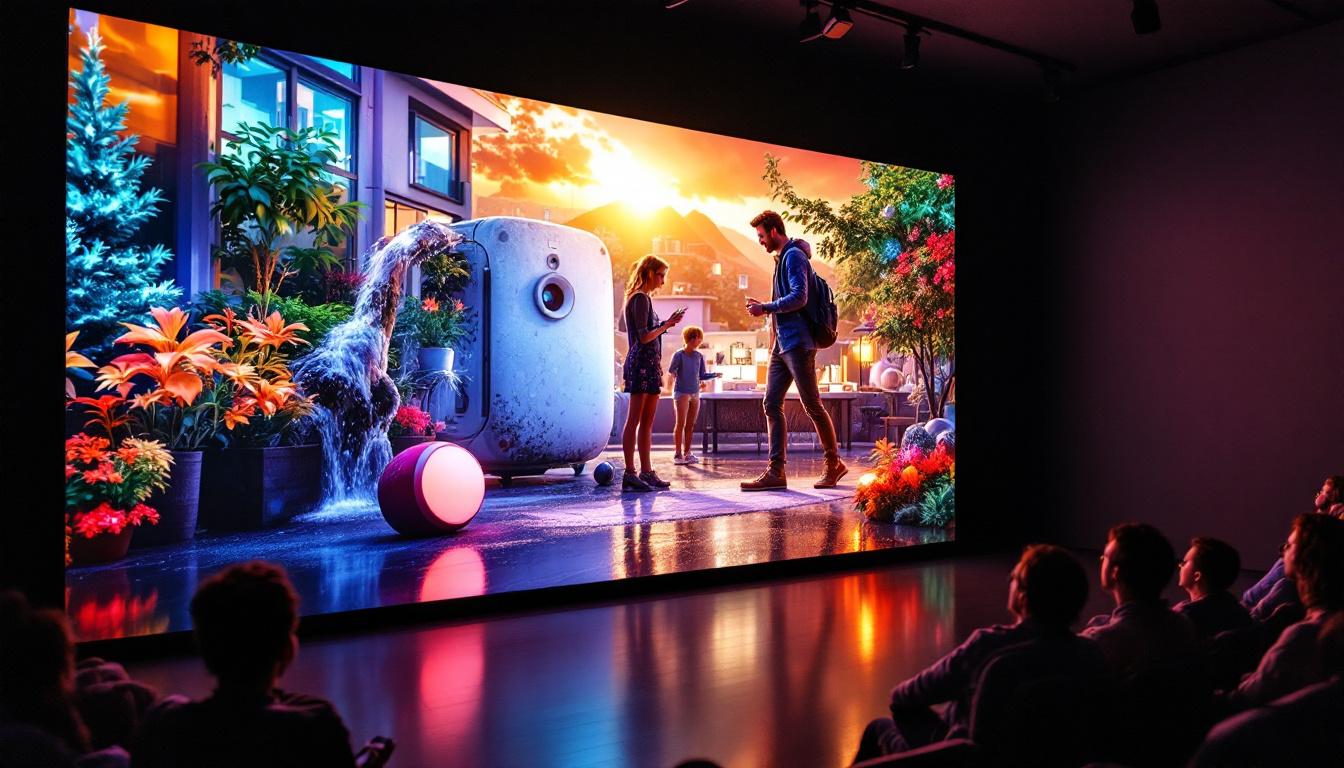
These displays are popular in corporate lobbies, conference rooms, retail stores, museums, and broadcast studios. Their high resolution and color accuracy make them ideal for presentations, digital signage, and immersive visual experiences.
Outdoor LED Displays
Outdoor LED displays are built to withstand weather elements such as rain, wind, and extreme temperatures. They feature larger pixel pitches, usually between 4mm and 20mm, because viewers tend to see these screens from a greater distance. The larger pitch allows for brighter LEDs and better durability.
Common applications include billboards, stadium screens, transportation signage, and public information boards. These displays often incorporate weatherproof enclosures and high brightness LEDs to ensure consistent performance in all conditions.
Transparent and Flexible LED Displays
Recent innovations have introduced transparent LED displays, which allow light to pass through the screen. These are typically used on glass surfaces in retail windows or architectural installations, blending digital content with the surrounding environment without obstructing views.
Flexible LED displays, on the other hand, can bend and curve, enabling creative designs on non-flat surfaces. These are gaining traction in experiential marketing, stage design, and automotive applications, where unique visual effects are desired.
Choosing the Right LED Display: Factors to Consider
Pixel Pitch and Resolution
The pixel pitch is arguably the most critical factor in selecting an LED display. Smaller pixel pitches yield higher resolution and sharper images, which are essential for close-up viewing environments. Conversely, larger pixel pitches are suitable for long-distance viewing where individual pixels are not discernible.
For example, an indoor retail display might use a 1.5mm pitch for crisp visuals, while a highway billboard could use a 10mm pitch, balancing visibility and cost-effectiveness.
Brightness and Viewing Environment
Understanding the ambient lighting conditions is crucial. Outdoor displays require high brightness levels—often above 5,000 nits—to remain visible in sunlight, whereas indoor displays can operate effectively at lower brightness levels, typically between 800 and 1,500 nits.
Additionally, anti-glare coatings and brightness sensors that adjust output based on ambient light can enhance viewing comfort and energy efficiency.
Durability and Maintenance
For outdoor or high-traffic installations, durability is paramount. Look for displays with IP65 or higher ratings for water and dust resistance. Maintenance accessibility is also important; modular designs that allow for easy replacement of individual panels or LEDs reduce downtime and maintenance costs.
The Future of LED Display Technology
Mini-LED and Micro-LED Innovations
Emerging technologies like Mini-LED and Micro-LED are pushing the boundaries of LED display performance. Mini-LEDs use smaller diodes than traditional LEDs, allowing for finer pixel pitches and improved contrast ratios. Micro-LEDs go even further, with microscopic LEDs that offer exceptional brightness, color accuracy, and energy efficiency.
These advancements promise to revolutionize displays in consumer electronics, automotive dashboards, and large-scale digital signage by delivering unparalleled image quality and thinner, lighter panels.
Integration with Smart Technologies
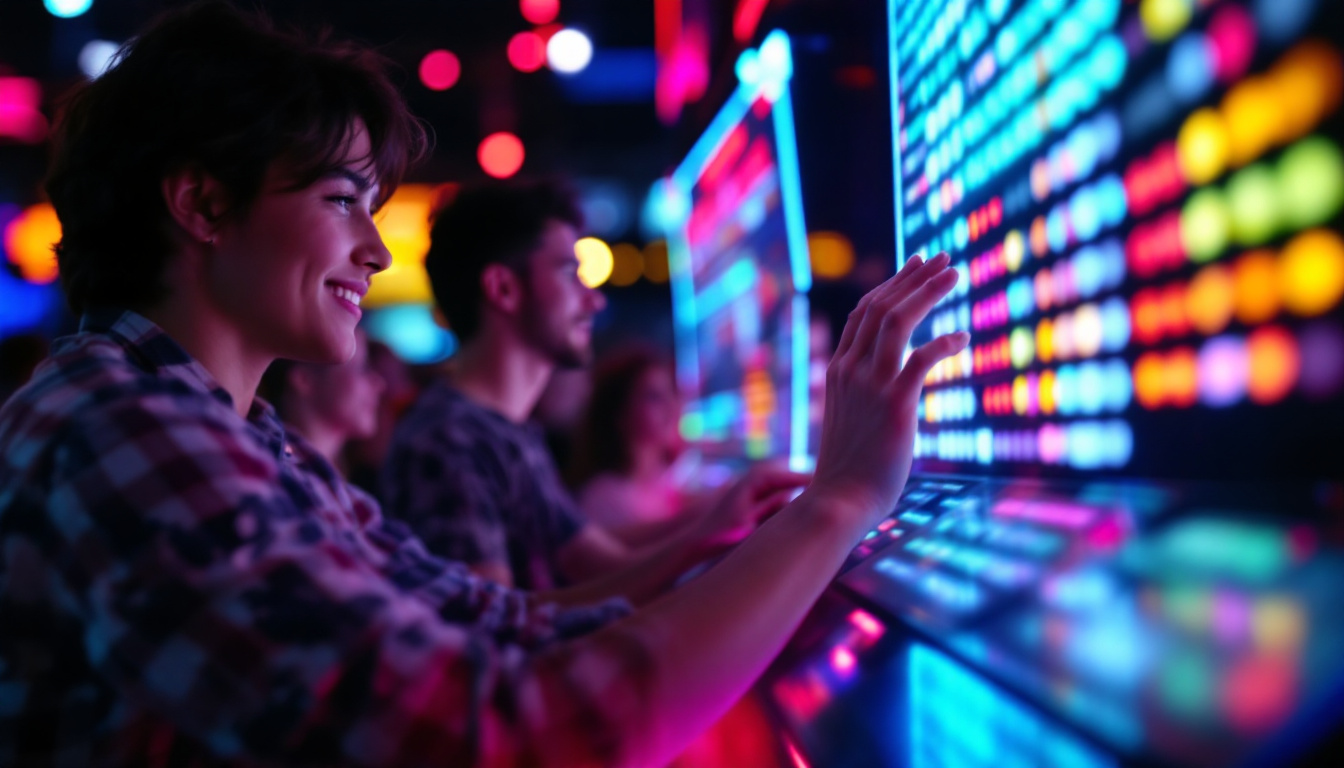
LED displays are increasingly integrated with smart technologies such as IoT sensors, AI-driven content management, and interactive touch capabilities. This integration enables real-time data-driven content, personalized advertising, and enhanced user engagement.
For example, a smart LED billboard can adjust its messaging based on weather conditions, time of day, or audience demographics, maximizing advertising impact and operational efficiency.
Sustainability and Environmental Impact
As sustainability becomes a priority, LED display manufacturers are focusing on eco-friendly materials, energy-saving designs, and recyclability. The long lifespan and low power consumption of LEDs already contribute to reduced environmental impact compared to older display technologies.
Future developments will likely emphasize circular economy principles, ensuring that LED displays are not only high-performing but also environmentally responsible throughout their lifecycle.
Conclusion
LED displays represent a transformative technology that continues to evolve, offering unparalleled brightness, flexibility, and energy efficiency. Understanding the technical aspects, advantages, and application-specific considerations is essential for businesses and organizations looking to leverage LED displays effectively.
Whether for advertising, entertainment, or information dissemination, LED displays provide a powerful medium to captivate audiences and communicate messages with clarity and impact. As innovations like Mini-LED, Micro-LED, and smart integration advance, the future of LED displays promises even more exciting possibilities.
Discover LumenMatrix’s Advanced LED Display Solutions
Ready to elevate your visual communication with the latest in LED technology? LumenMatrix is at the forefront of innovation, offering a comprehensive range of LED display solutions tailored to your unique needs. From vibrant Indoor LED Wall Displays to dynamic Outdoor LED Wall Displays, and from sleek LED Poster Displays to immersive LED Sports and Floor Displays, our products are designed to captivate and engage. Experience the future of digital signage with our Custom, All-in-One, and Transparent LED Displays. Check out LumenMatrix LED Display Solutions today and transform your space into a visual spectacle.