In the world of digital displays, precision is paramount. Whether it’s a massive outdoor billboard or a compact indoor screen, understanding the measurement units that define LED display resolution and pixel pitch is essential. This article delves into the conversion between millimeters (mm) and thousands of an inch (mils), a crucial aspect when discussing LED displays. By exploring the technicalities behind LED technology, the significance of pixel pitch, and how these measurements impact display quality, readers will gain a comprehensive understanding of what makes LED displays visually stunning and technically precise.
Understanding LED Display Basics
What is an LED Display?
LED, or Light Emitting Diode, displays are digital screens that use tiny light-emitting diodes as pixels to create images. These displays are widely used in advertising, sports arenas, public information boards, and even in consumer electronics. Unlike LCDs or OLEDs, LED displays are known for their brightness, durability, and energy efficiency, making them ideal for both indoor and outdoor applications. The versatility of LED technology allows for a variety of configurations, including flexible displays that can be shaped to fit unique spaces, and transparent screens that can blend seamlessly into their surroundings.
The fundamental building block of an LED display is the pixel, which consists of one or more LEDs. The arrangement and density of these pixels determine the resolution and clarity of the displayed image. As technology advances, LED displays have become capable of rendering high-definition content with vivid colors and excellent contrast ratios. This has opened up new possibilities in creative advertising, where dynamic content can be showcased in real-time, engaging viewers in ways that static displays simply cannot. Furthermore, advancements in color calibration and brightness control have allowed for consistent performance across varying lighting conditions, making LED displays a preferred choice for both day and night use.
Why Measurement Units Matter in LED Displays
When specifying LED displays, manufacturers and engineers often refer to pixel pitch, which is the distance from the center of one pixel to the center of the adjacent pixel. This measurement is critical because it directly influences the display’s resolution and viewing distance. Pixel pitch is typically expressed in millimeters (mm) internationally, but in some regions, especially the United States, it is also common to use thousands of an inch (mils). A smaller pixel pitch indicates a higher pixel density, which allows for closer viewing distances without sacrificing image quality, making it essential for applications such as indoor venues where viewers are in close proximity to the screen.
Understanding how to convert between these units is essential for professionals working in display manufacturing, installation, and design. It ensures that specifications are accurately communicated and that the final product meets the desired visual performance standards. Additionally, factors such as refresh rate and color depth are also crucial in determining the overall quality of the display. A high refresh rate is particularly important for dynamic content, as it reduces motion blur and ensures smooth transitions, while greater color depth allows for a wider range of colors to be displayed, enhancing the overall visual experience. As the demand for high-quality visual displays continues to grow, professionals must stay informed about these specifications to deliver optimal results in their projects.
Pixel Pitch: The Heart of LED Display Resolution
Defining Pixel Pitch
Pixel pitch refers to the physical distance between the centers of two adjacent pixels on an LED display. It is a key factor that determines the display’s resolution and image sharpness. A smaller pixel pitch means pixels are packed more tightly together, resulting in higher resolution and better image detail, especially at close viewing distances.
For example, a pixel pitch of 1.5 mm means that the center of one pixel is 1.5 millimeters away from the center of the next. This tight spacing allows for crisp images suitable for indoor environments where viewers are close to the screen.
Pixel Pitch in Millimeters vs. Thousands of an Inch
While millimeters are the standard metric unit globally, thousands of an inch (mils) are often used in the United States and other regions that rely on the imperial system. One mil equals 0.001 inch. To convert millimeters to mils, the following formula is used:
mils = millimeters × 39.3701
Conversely, to convert mils to millimeters:
millimeters = mils ÷ 39.3701
For instance, a pixel pitch of 2 mm converts to approximately 78.74 mils (2 × 39.3701). Understanding this conversion is crucial when comparing specifications from different manufacturers or when working on projects that require precise measurements.
Why Pixel Pitch Matters for Viewing Distance
The optimal viewing distance for an LED display is closely related to its pixel pitch. A general rule of thumb is that the minimum viewing distance (in meters) should be roughly 1 to 3 times the pixel pitch (in millimeters). This ensures that the human eye perceives a smooth, high-quality image without noticing individual pixels.
For example, a display with a 4 mm pixel pitch is best viewed from 4 to 12 meters away. If viewed closer, the image may appear pixelated. Conversely, a display with a 1.2 mm pixel pitch can be viewed comfortably from less than a meter, making it ideal for indoor use where viewers are close to the screen.
Converting Millimeters to Thousands of an Inch in LED Display Context
Practical Conversion Examples
To illustrate the conversion between millimeters and thousands of an inch, consider common pixel pitches used in LED displays:
- 1.0 mm pixel pitch: 1.0 mm × 39.3701 = 39.37 mils
- 1.5 mm pixel pitch: 1.5 mm × 39.3701 = 59.06 mils
- 2.5 mm pixel pitch: 2.5 mm × 39.3701 = 98.43 mils
- 4.0 mm pixel pitch: 4.0 mm × 39.3701 = 157.48 mils
These conversions aid in comparing specifications across different measurement systems and help engineers and designers make informed decisions based on the required resolution and viewing conditions.
Why Some Manufacturers Use Mils Instead of Millimeters
Manufacturers in the United States and some other countries often use mils because the imperial system is more familiar to their engineering and production teams. Additionally, some legacy equipment and design tools are calibrated in inches and mils, making it practical to maintain consistency.
However, the global LED display market predominantly uses millimeters, especially as international collaboration and supply chains expand. Being fluent in both units and their conversions ensures seamless communication and reduces errors in product specification and installation.
Impact of Pixel Pitch on LED Display Performance
Resolution and Image Quality
Pixel pitch directly affects the resolution of an LED display. A smaller pixel pitch means more pixels per square meter, resulting in higher resolution and finer image detail. This is especially important for applications such as control rooms, retail displays, and indoor events where viewers are close to the screen.
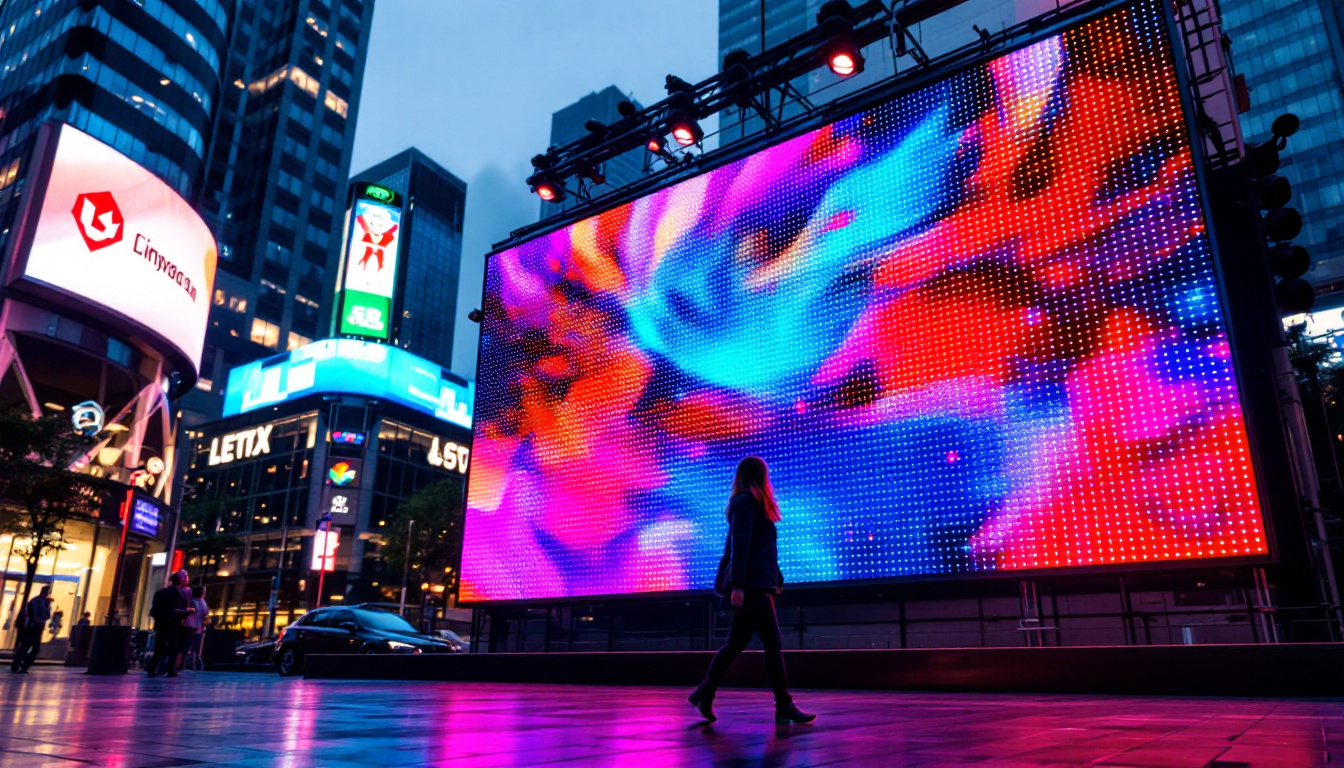
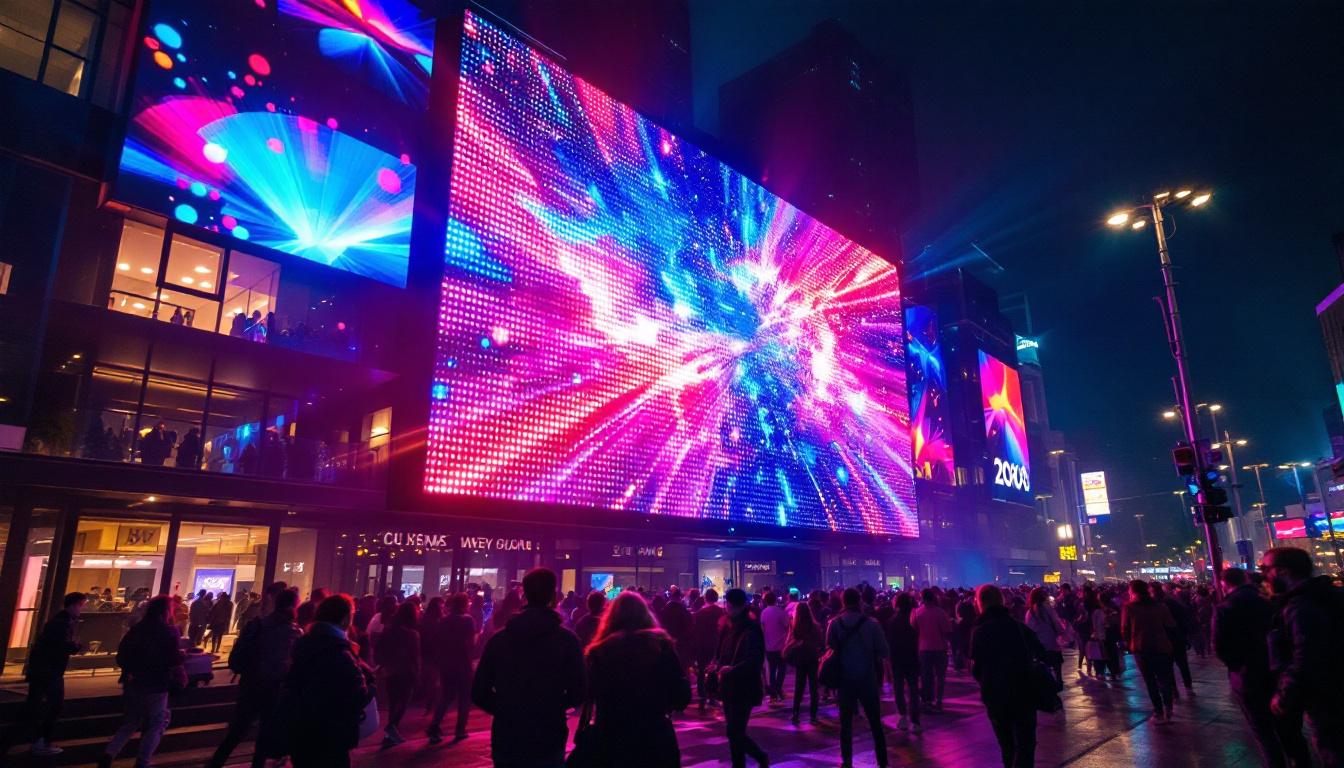
Conversely, larger pixel pitches are suitable for outdoor billboards or stadium screens where viewers are farther away. These displays benefit from higher brightness and durability rather than ultra-fine resolution.
Brightness and Power Consumption
Displays with larger pixel pitches generally consume less power per unit area because they have fewer LEDs per square meter. However, they often require higher brightness levels to be visible in outdoor environments, which can increase power consumption.
Smaller pixel pitch displays, with their dense LED arrangements, can achieve excellent brightness and color uniformity but may require more sophisticated thermal management to prevent overheating and maintain longevity.
Cost Considerations
The cost of an LED display is influenced by pixel pitch. Smaller pixel pitch displays are more expensive due to the higher density of LEDs and the complexity of manufacturing. They also require more precise installation and calibration.
For projects with budget constraints or where viewing distance is significant, opting for a larger pixel pitch can provide a cost-effective solution without compromising viewer experience.
Choosing the Right LED Display: Factors Beyond Pixel Pitch
Application and Environment
When selecting an LED display, consider the environment and intended use. Outdoor displays need to withstand weather conditions and offer high brightness to combat sunlight, while indoor displays prioritize high resolution and color accuracy.
Pixel pitch is just one factor; other specifications such as refresh rate, color gamut, contrast ratio, and viewing angle also play vital roles in overall performance.
Installation and Maintenance
The physical size of LED modules, ease of installation, and maintenance accessibility are practical considerations. Smaller pixel pitch displays often have smaller modules, which can be more delicate and require skilled technicians for installation and servicing.
Understanding measurement units and pixel pitch helps in planning the logistics of installation and ensuring compatibility with existing infrastructure.
Future-Proofing Your Investment
Technology in LED displays evolves rapidly. Investing in a display with a pixel pitch that meets current needs while allowing for future upgrades can save costs in the long run. Being familiar with measurement conversions enables buyers to compare emerging products accurately and make informed decisions.
Conclusion: Bridging Metric and Imperial in LED Display Technology
LED displays are a cornerstone of modern digital communication, and understanding their technical specifications is essential for anyone involved in their design, manufacture, or use. Pixel pitch, expressed in millimeters or thousands of an inch, is a fundamental measurement that influences resolution, viewing distance, and overall display quality.
By mastering the conversion between millimeters and mils, professionals can navigate international specifications with confidence, ensuring that LED displays meet the visual and functional demands of diverse applications. Whether designing a high-resolution indoor screen or a large-scale outdoor billboard, appreciating the nuances of these measurement units empowers better decision-making and ultimately leads to more effective and engaging digital displays.
Discover Precision with LumenMatrix LED Displays
Ready to experience the pinnacle of LED display technology? LumenMatrix is at the forefront of innovation, offering a wide array of LED display solutions that bring your content to life. From vibrant Indoor LED Walls to dynamic Outdoor LED Displays, and from mobile Vehicle LED Displays to interactive Floor LED Displays, our products are designed to captivate and engage. Embrace the future of visual communication with our Custom, All-in-One, and Transparent LED Displays. Elevate your brand’s visibility and create unforgettable visual experiences. Check out LumenMatrix LED Display Solutions today and transform the way you share your message.