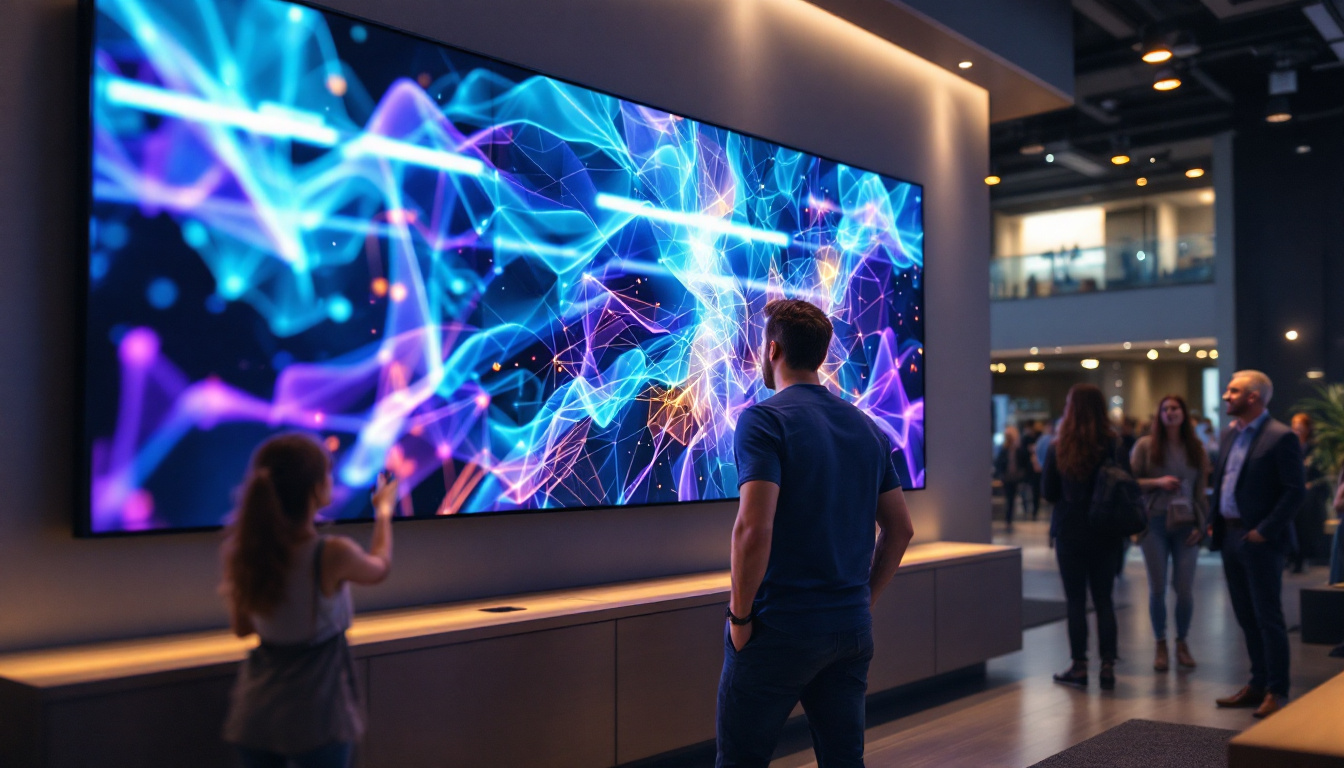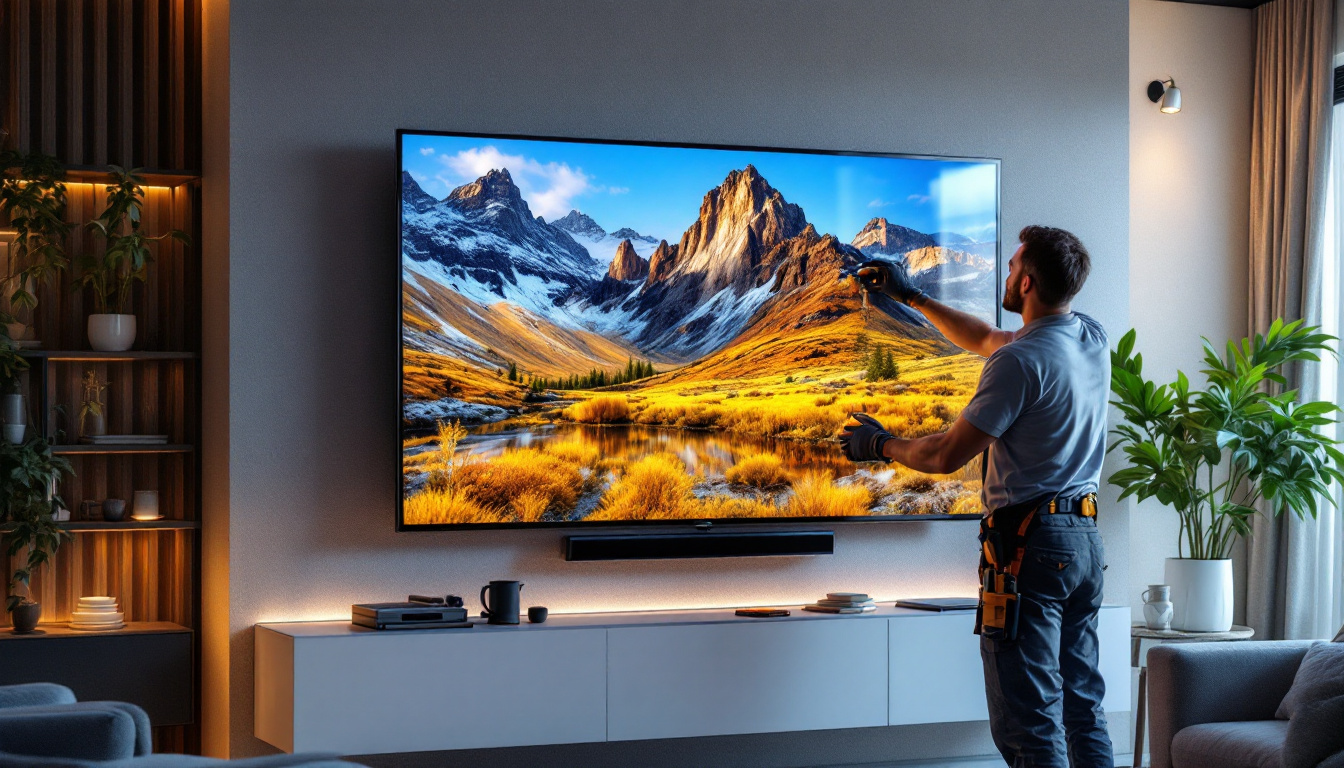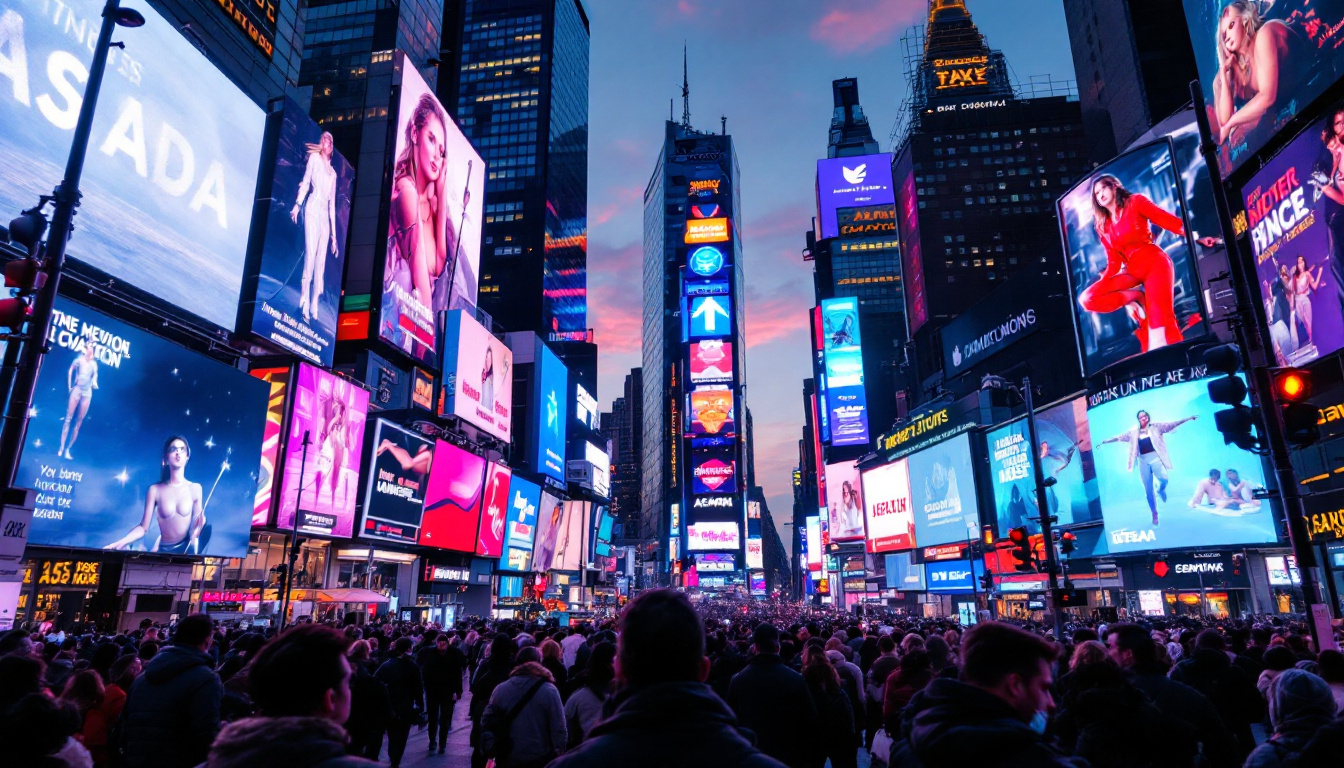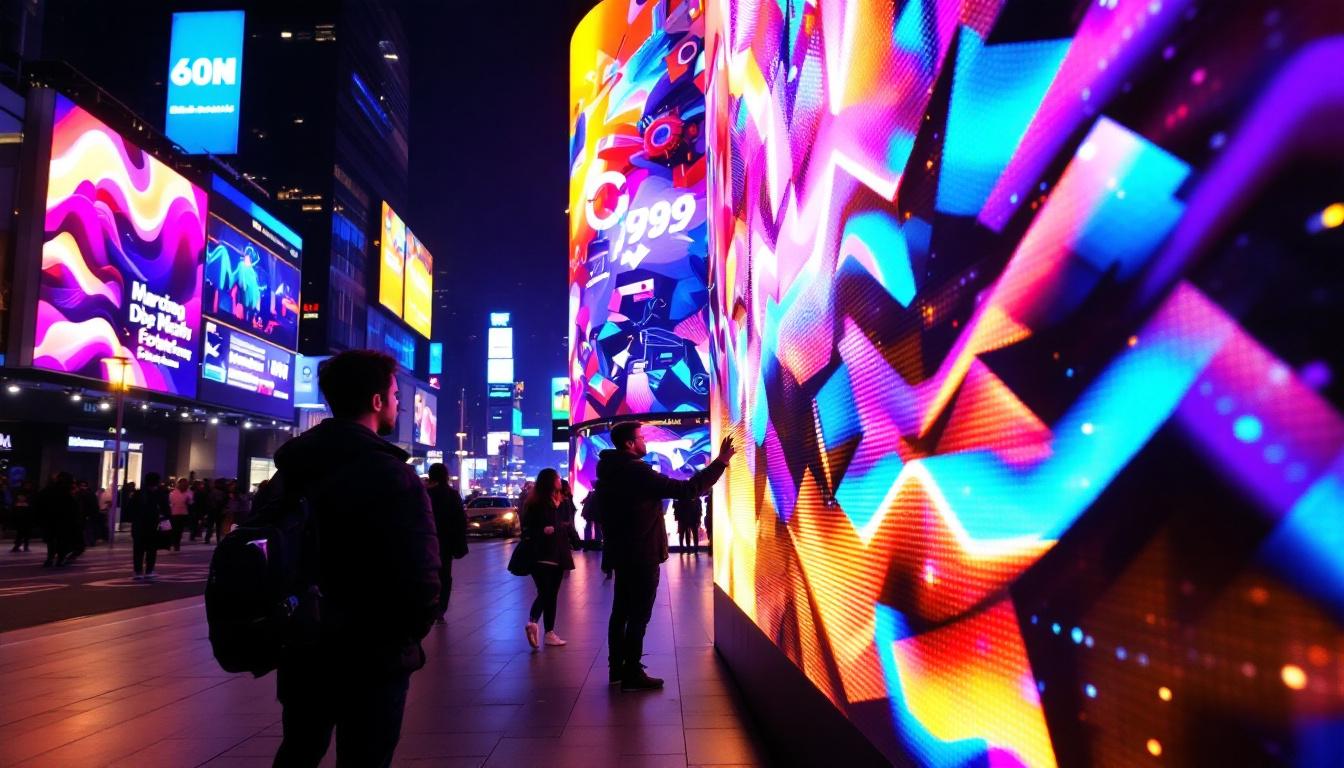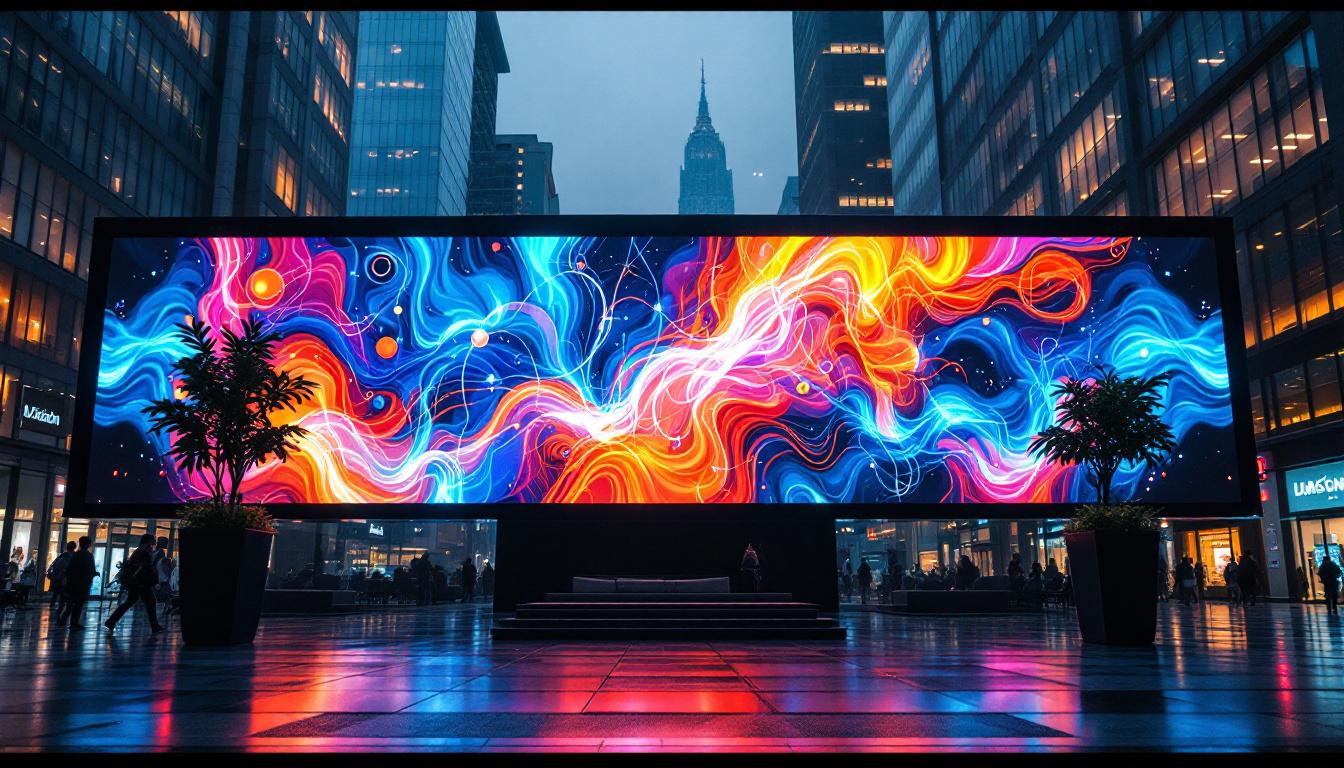
In today’s fast-paced digital world, LED displays have become an essential medium for communication, advertising, and entertainment. From towering billboards in Times Square to the vibrant screens on smartphones and TVs, LED technology is everywhere. This article explores the fundamentals of LED displays, their types, applications, and the technology driving their evolution. Whether you are a business owner considering digital signage or a tech enthusiast curious about display technology, understanding LED displays is crucial for making informed decisions.
What is an LED Display?
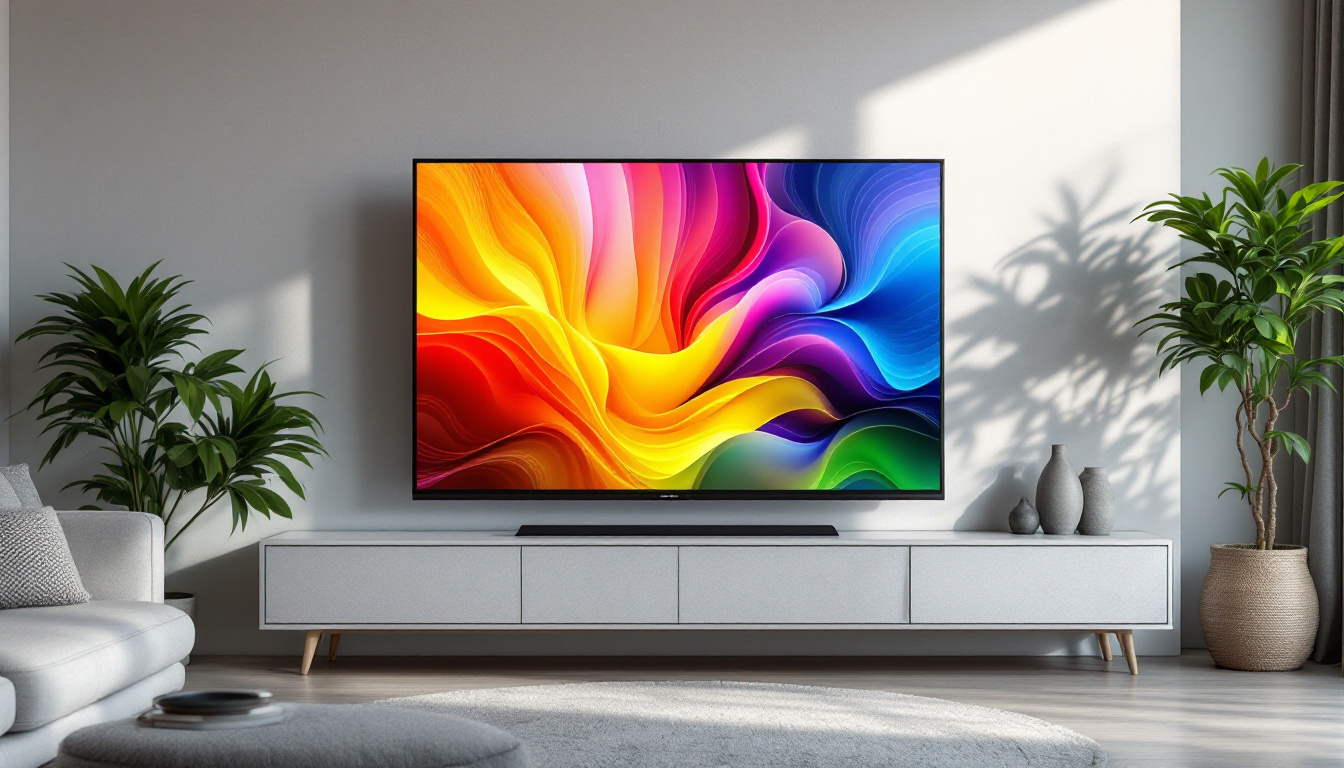
LED stands for Light Emitting Diode, a semiconductor device that emits light when an electric current passes through it. An LED display is a flat panel display that uses an array of these tiny LEDs as pixels to create images, videos, or text. Unlike traditional LCD or plasma screens, LED displays offer superior brightness, energy efficiency, and durability.
The core advantage of LED displays lies in their ability to produce vivid colors and high contrast ratios. This is because each LED emits its own light, allowing for deeper blacks and more vibrant colors. Additionally, LED displays can be manufactured in various sizes and shapes, making them versatile for multiple applications. From large outdoor billboards to small screens in handheld devices, the adaptability of LED technology is one of its most significant strengths. Furthermore, the lightweight nature of LED panels facilitates easier installation and transportation, making them a preferred choice for events and exhibitions.
How LED Displays Work
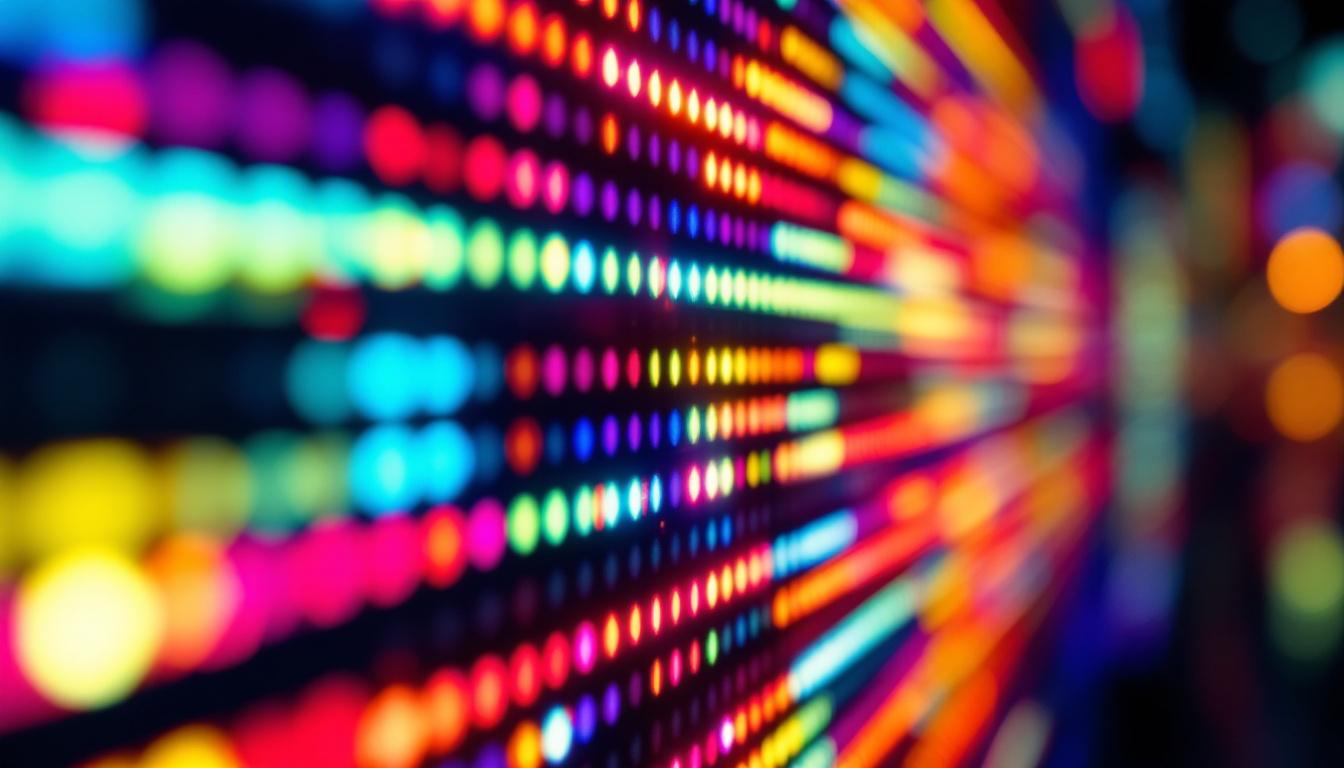
At a basic level, an LED display consists of thousands to millions of individual LEDs arranged in a grid. Each LED acts as a pixel that can be controlled to emit different colors and intensities. By adjusting the brightness of red, green, and blue LEDs, the display can produce a full spectrum of colors.
The control system behind an LED display processes input signals from video sources and translates them into electrical signals that drive each LED. Modern LED displays use sophisticated drivers and processors to ensure smooth image rendering and color accuracy. These systems often incorporate advanced technologies such as dynamic range adjustment and color calibration to enhance the viewing experience further. Additionally, many LED displays are now equipped with smart features, allowing for real-time adjustments based on ambient light conditions, ensuring optimal visibility in various environments. This adaptability not only improves user experience but also extends the lifespan of the display by preventing overexertion of the LEDs.
Types of LED Displays
LED displays come in various types, each optimized for specific use cases. Understanding these types helps in selecting the right display for your needs.
1. Indoor LED Displays
Indoor LED displays are designed for environments such as shopping malls, airports, conference rooms, and retail stores. They typically have a higher pixel density with smaller pixel pitches (distance between LEDs), which allows for sharper images at close viewing distances.
These displays excel in delivering bright, clear images under controlled lighting conditions. Their brightness usually ranges between 800 to 1500 nits, sufficient for indoor visibility without causing glare.
2. Outdoor LED Displays
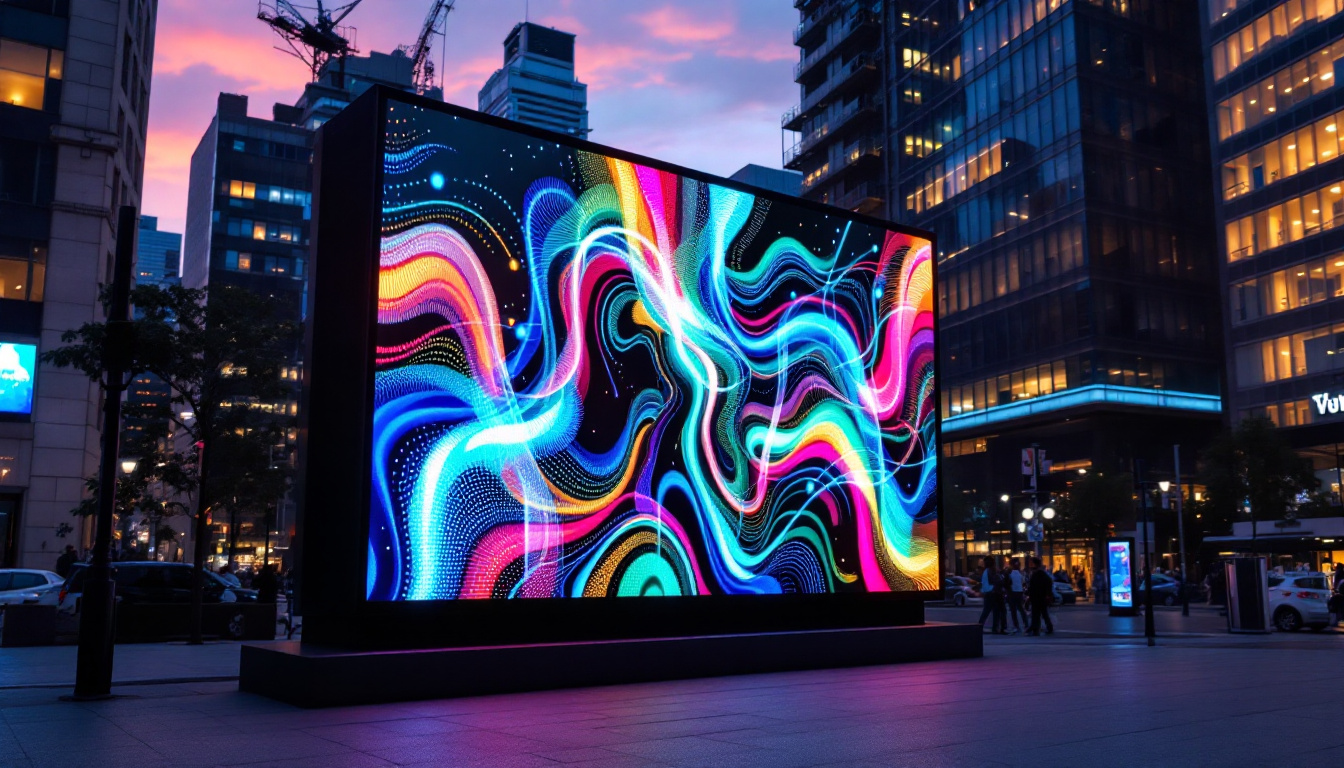
Outdoor LED displays are built to withstand harsh environmental conditions including rain, dust, and extreme temperatures. They feature higher brightness levels, often exceeding 5,000 nits, to remain visible even in direct sunlight.
Due to their exposure to the elements, outdoor displays use weatherproof enclosures and robust materials. They are commonly used for digital billboards, stadium screens, and public information displays.
3. Transparent LED Displays
Transparent LED displays are an innovative type of screen that allows light to pass through them. They are often integrated into glass windows or showcases, enabling dynamic content display without obstructing the view behind the screen.
This technology is gaining traction in retail and architectural applications, providing a futuristic way to engage customers while maintaining transparency.
4. Flexible LED Displays
Flexible LED displays use bendable substrates that allow the screen to curve or wrap around surfaces. This flexibility opens up creative possibilities in design, including curved walls, wearable tech, and dynamic signage.
Though still evolving, flexible LED displays are becoming more affordable and reliable, making them a promising option for innovative display solutions.
Key Specifications and Features
When evaluating LED displays, several technical specifications and features determine their performance and suitability for different applications.
Pixel Pitch
Pixel pitch refers to the distance between the centers of two adjacent LEDs, measured in millimeters. It directly affects the resolution and clarity of the display. Smaller pixel pitches result in higher resolution and finer image detail, ideal for close-range viewing.
For example, a pixel pitch of 1.5mm is common in indoor LED displays used for presentations or retail, while outdoor billboards might have pixel pitches ranging from 10mm to 20mm due to the longer viewing distances.
Brightness
Brightness, measured in nits (candelas per square meter), is critical for visibility. Outdoor displays require high brightness to overcome sunlight, while indoor displays need moderate brightness to avoid eye strain.
Modern LED displays can adjust brightness dynamically based on ambient light sensors, optimizing visibility and energy consumption.
Refresh Rate
The refresh rate, measured in Hertz (Hz), indicates how many times per second the image on the screen is updated. Higher refresh rates reduce flicker and improve the smoothness of video playback, especially important for live broadcasts and gaming.
Typical LED displays have refresh rates of 1920Hz or higher, ensuring flicker-free viewing even on high-speed cameras.
Color Accuracy and Depth
Color accuracy is essential for applications like advertising and broadcasting where brand colors must be faithfully reproduced. LED displays use advanced calibration techniques and color management systems to maintain consistent color output.
Color depth refers to the number of colors the display can produce, often expressed in bits. Most modern LED displays support 16.7 million colors (24-bit color), providing rich and vivid images.
Applications of LED Displays
LED displays have transformed numerous industries by providing dynamic, eye-catching visual communication tools.
Advertising and Digital Signage
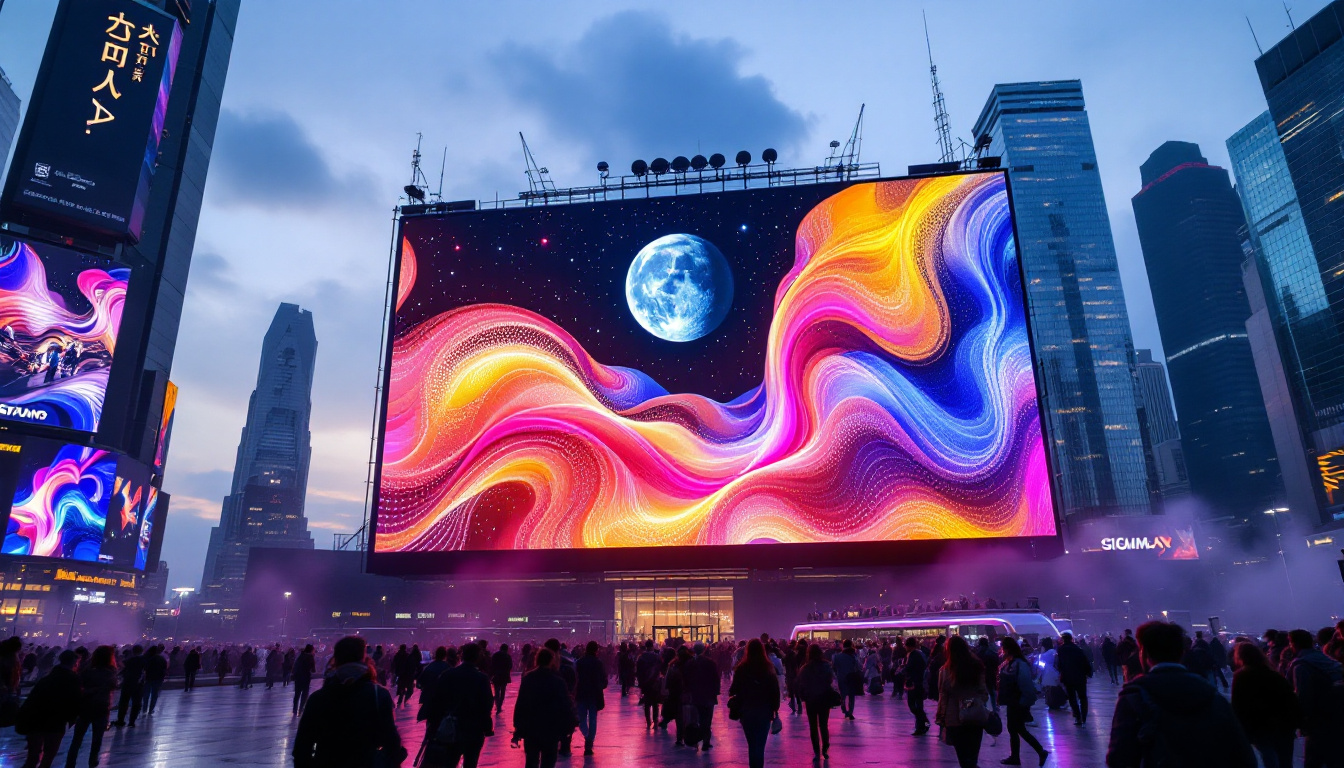
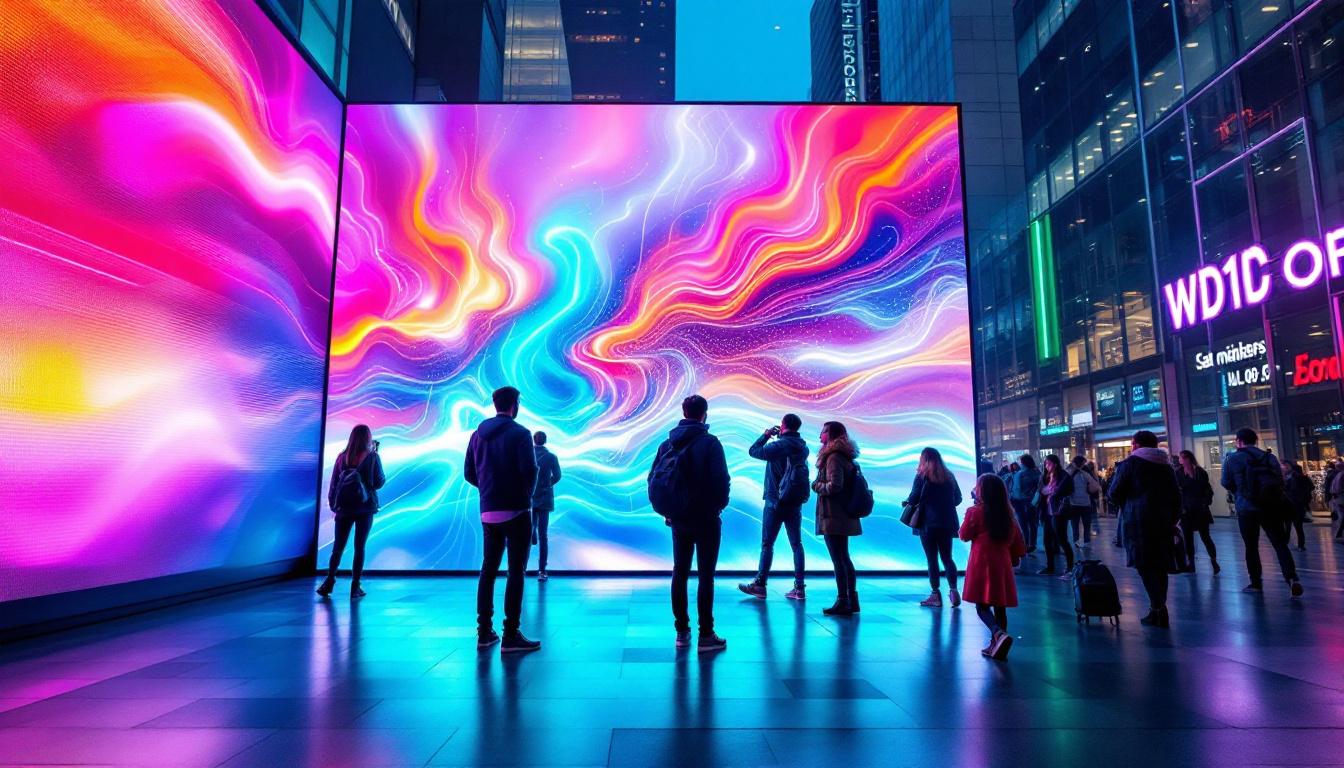
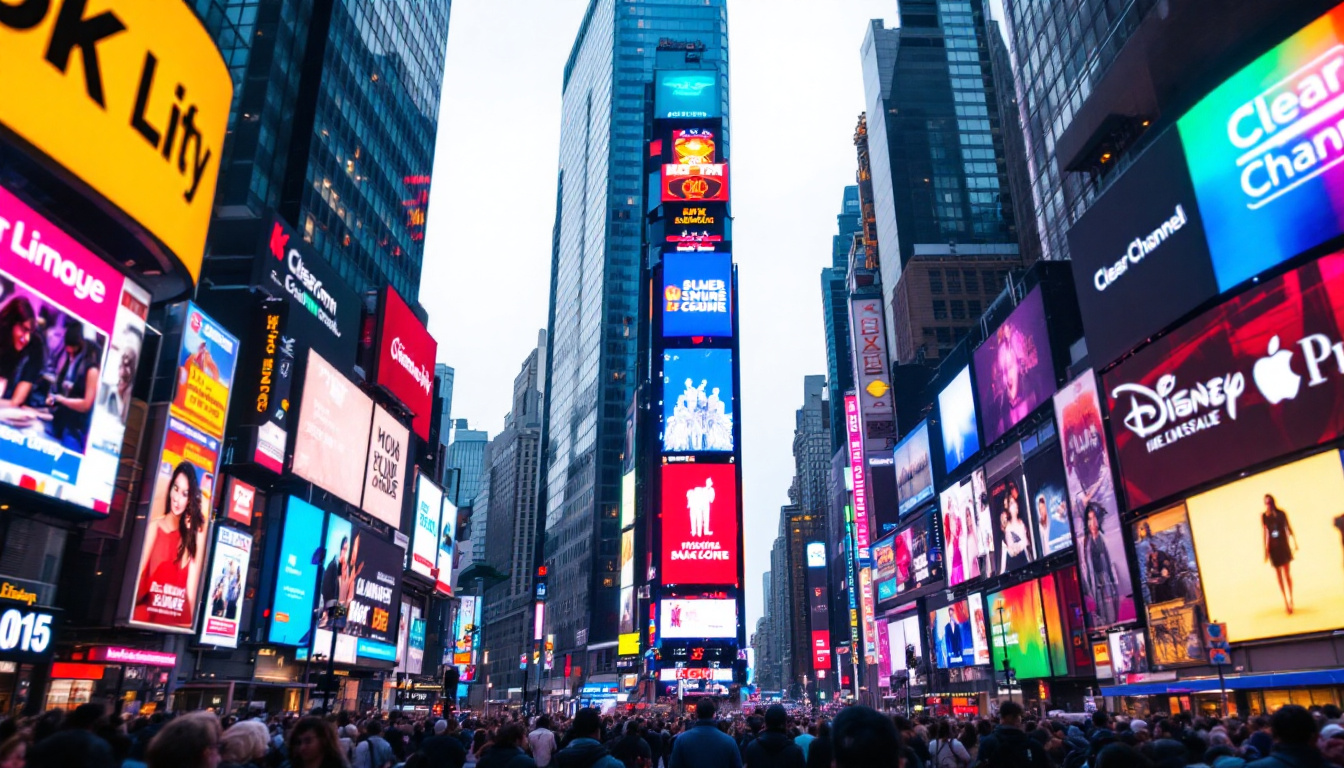
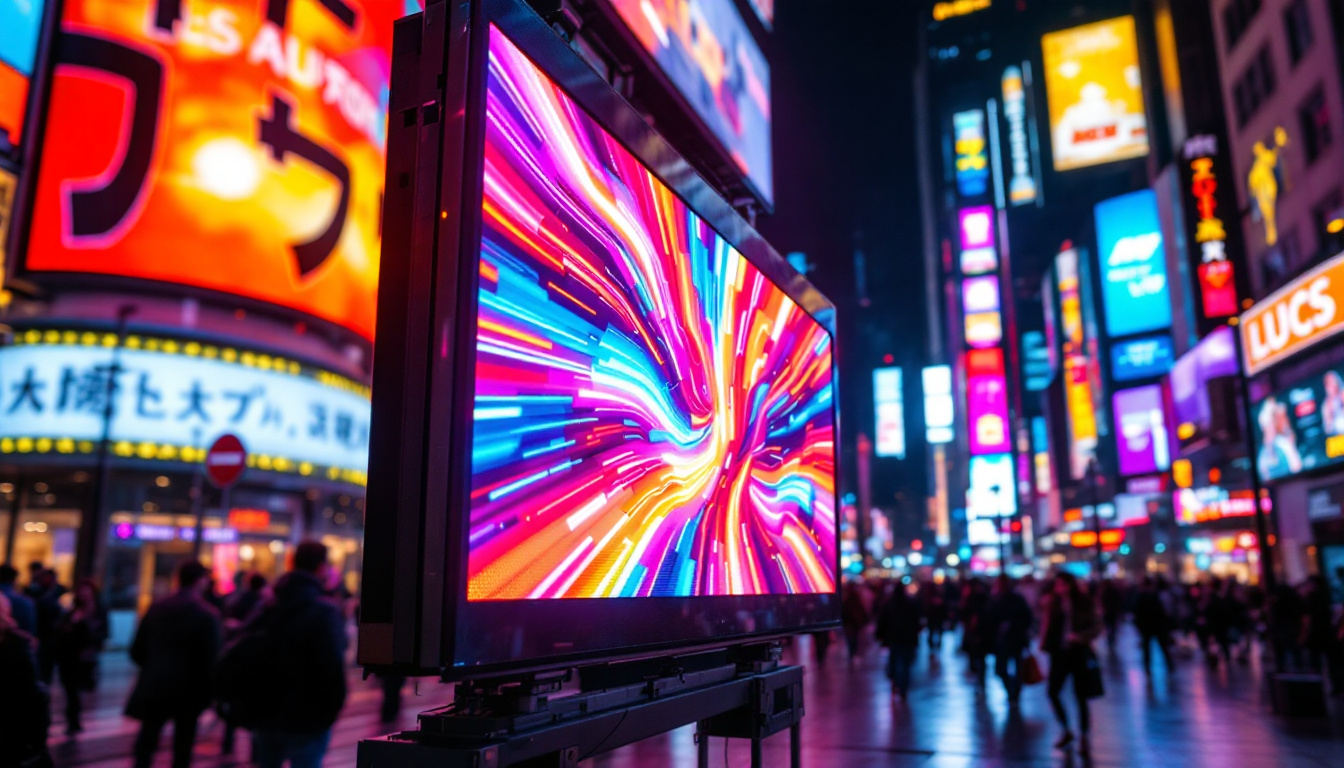
One of the most widespread uses of LED displays is in advertising. Digital billboards and signage attract attention with bright, animated content that can be updated remotely and in real time.
According to a 2023 report by Grand View Research, the global digital signage market is expected to reach $32.84 billion by 2028, driven largely by advancements in LED technology and increasing demand for personalized advertising.
Sports and Entertainment
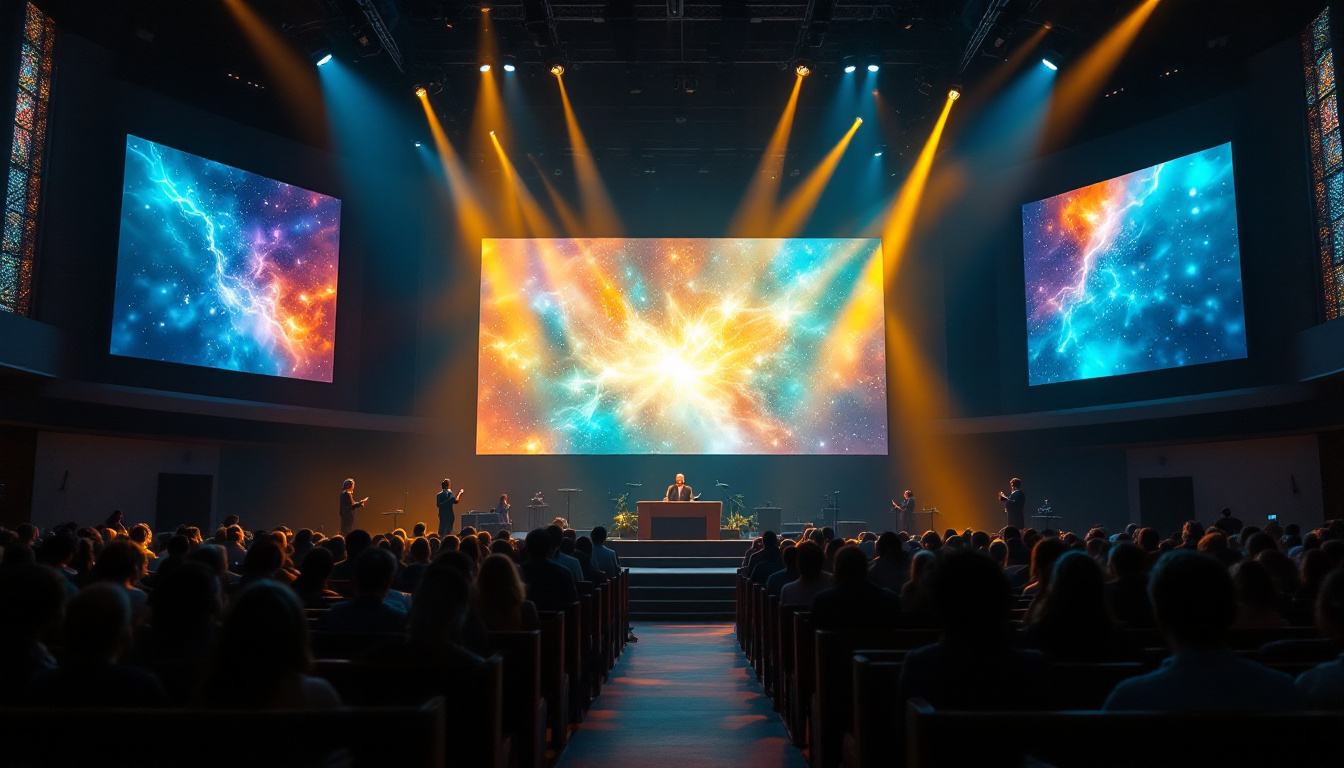
Stadiums and arenas use massive LED screens to enhance the spectator experience with live replays, scores, and interactive content. Concerts and events also employ LED walls for immersive visual effects.
The ability to create large, seamless displays makes LEDs ideal for these high-impact environments.
Retail and Hospitality
Retailers use LED displays to showcase promotions, product information, and interactive content that engages customers. Hotels and restaurants utilize LED screens for menus, event information, and ambiance enhancement.
Transparent and flexible LED displays are particularly popular in this sector for their aesthetic appeal and versatility.
Transportation and Public Information
LED displays are integral to transportation hubs such as airports, train stations, and bus terminals. They provide real-time updates, directions, and safety information, improving passenger experience and operational efficiency.
Smart city initiatives also incorporate LED displays for public announcements and emergency alerts.
Advantages of LED Displays Over Other Technologies
LED displays offer several benefits compared to traditional display technologies such as LCD, plasma, or projection systems.
Energy Efficiency
LEDs consume significantly less power than other light sources, reducing operational costs and environmental impact. This efficiency is particularly important for large-scale installations that run continuously.
Longevity and Durability
LED displays have longer lifespans, often exceeding 100,000 hours of operation. They are also more resistant to shock, vibration, and temperature variations, making them suitable for demanding environments.
Superior Image Quality
With higher contrast ratios, better color saturation, and wider viewing angles, LED displays deliver superior image quality. Their ability to maintain brightness and clarity over time also sets them apart.
Scalability and Customization
LED modules can be combined to create displays of virtually any size and shape. This modularity allows for tailored solutions that fit unique architectural or branding requirements.
Challenges and Considerations
Despite their many advantages, LED displays come with certain challenges that must be addressed.
Initial Cost
The upfront investment for high-quality LED displays can be substantial, especially for large or specialized installations. However, the total cost of ownership often balances out due to energy savings and reduced maintenance.
Maintenance and Calibration
Maintaining uniform brightness and color across large LED screens requires regular calibration and occasional module replacement. Skilled technicians and proper maintenance protocols are essential to preserve display quality.
Environmental Impact
While energy-efficient, LED displays contain electronic components that require responsible disposal and recycling to minimize environmental harm.
The Future of LED Display Technology
LED display technology continues to evolve rapidly, driven by innovations in materials, manufacturing, and software.
MicroLED and MiniLED
Emerging technologies like MicroLED and MiniLED offer even higher resolution, brightness, and energy efficiency by using smaller LED chips. These advancements promise to revolutionize displays in smartphones, TVs, and augmented reality devices.
Integration with AI and IoT
Smart LED displays integrated with artificial intelligence and Internet of Things (IoT) technologies enable dynamic content adaptation based on audience behavior, weather, or time of day, enhancing engagement and effectiveness.
Sustainability Initiatives
Manufacturers are focusing on eco-friendly materials and energy-saving designs to reduce the environmental footprint of LED displays, aligning with global sustainability goals.
Conclusion
LED displays have transformed the way information and entertainment are delivered across industries. Their versatility, superior image quality, and energy efficiency make them an indispensable tool in modern communication. As technology advances, LED displays will become even more immersive, intelligent, and sustainable, opening new possibilities for businesses and consumers alike.
Understanding the fundamentals, types, and specifications of LED displays is essential for making informed choices, whether investing in digital signage, enhancing a retail environment, or exploring cutting-edge display solutions. With LED technology continuing to innovate, the future of visual communication looks brighter than ever.
Discover LumenMatrix LED Display Solutions
Ready to elevate your visual communication with the latest in LED technology? LumenMatrix offers a comprehensive range of LED display solutions tailored to your needs. From vibrant Indoor and Outdoor LED Wall Displays to innovative options like Vehicle LED Displays, LED Posters, and Transparent LED Displays, our products are designed to captivate and engage your audience. Experience the future of digital signage with our All-in-One LED Displays, LED Sports Displays, and customizable options that bring your brand to life. Embrace the power of cutting-edge LED displays and transform your space today. Check out LumenMatrix LED Display Solutions and join the visual revolution.