In today’s fast-evolving digital workspace, the integration of technology and ergonomics has become essential for productivity and comfort. One innovation that has gained significant attention is the monitor stand with an integrated LED display. This article delves into what these stands are, how LED displays function within them, and why they are becoming a staple in modern office setups.
Understanding the Monitor Stand with LED Display
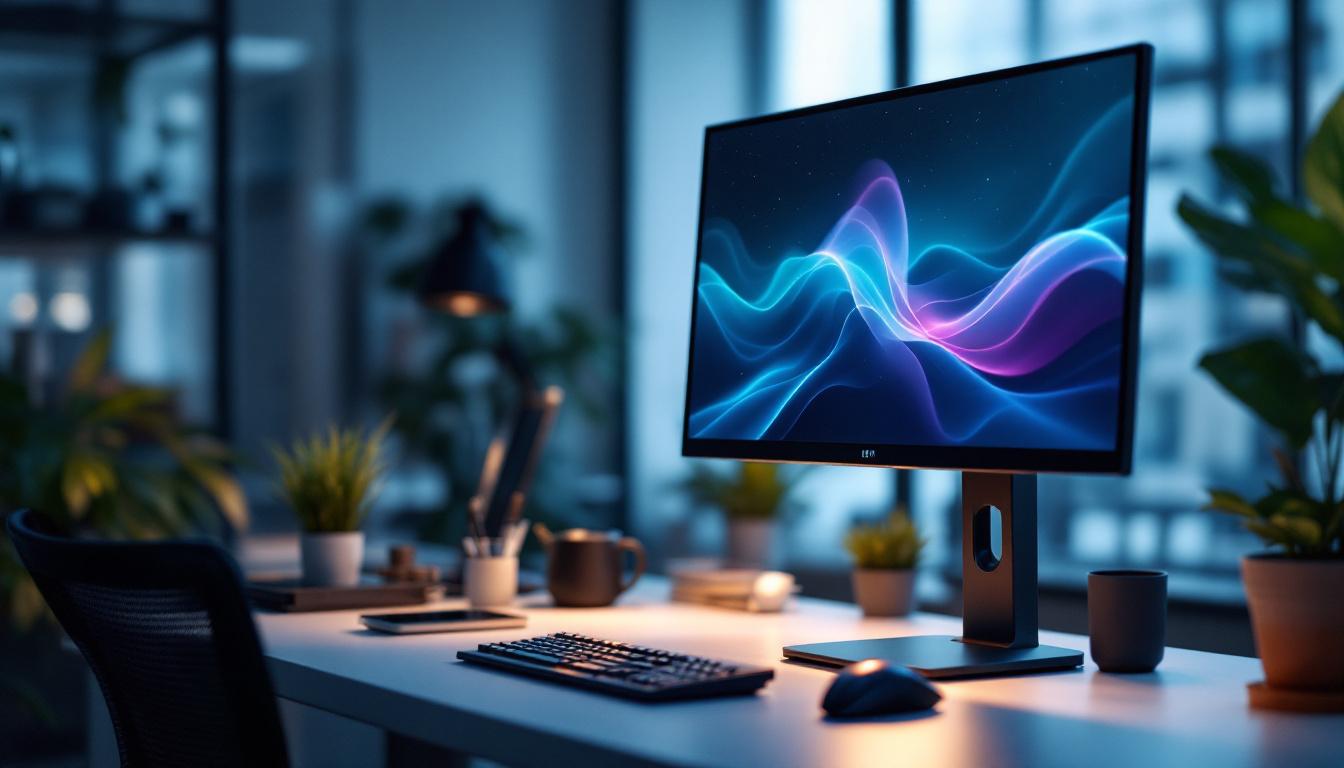
A monitor stand with an LED display is more than just a support for your computer screen. It combines the traditional function of elevating and positioning your monitor with a built-in LED panel that serves various purposes. These LED displays can show system information, notifications, ambient lighting effects, or even interactive content.
Unlike conventional monitor stands that focus solely on ergonomics, these hybrid stands offer an additional layer of functionality. They cater to professionals who seek a cleaner desk setup, reducing the need for multiple devices while enhancing the aesthetic appeal of the workspace. This integration not only streamlines the user experience but also minimizes cable clutter, allowing for a more organized and visually pleasing environment.
What Makes LED Displays Ideal for Monitor Stands?
LED, or Light Emitting Diode, technology is renowned for its energy efficiency, brightness, and longevity. These qualities make LED displays particularly suitable for integration into monitor stands. The slim profile of LED panels allows them to be seamlessly embedded without adding bulk or compromising the stand’s stability.
Moreover, LED displays provide vivid colors and sharp contrast, ensuring that any information or visuals presented are clear and easy to read. This is crucial in an office environment where quick glances at notifications or status updates can save time and reduce distractions. Additionally, many modern LED monitor stands come equipped with customizable settings, allowing users to adjust brightness levels, color schemes, and even display modes to suit their preferences or the ambient lighting conditions of their workspace.
Furthermore, the versatility of LED displays extends beyond mere notifications. Some advanced models can integrate with smart home systems, displaying relevant information such as calendar events, weather updates, or even social media alerts. This connectivity transforms the monitor stand into a multifunctional hub, keeping users informed without the need to constantly check their devices. As remote work continues to rise, these features become increasingly valuable, providing a seamless blend of productivity and convenience right at eye level.
Key Features and Benefits of LED Display Monitor Stands
Incorporating an LED display into a monitor stand transforms it into a multifunctional tool. Below are some of the standout features and benefits that these products offer.
1. Enhanced Productivity Through Real-Time Information
Many LED display monitor stands can connect to your computer or network to show real-time data such as CPU usage, temperature, calendar events, or incoming messages. This immediate access to vital information helps users stay informed without switching windows or devices, streamlining workflow and minimizing interruptions.
For example, software developers and IT professionals benefit greatly from having system performance metrics displayed prominently, enabling quick responses to potential issues. Moreover, professionals in fast-paced environments, such as trading floors or customer service centers, can leverage this feature to monitor critical updates and respond swiftly to changing conditions, enhancing overall efficiency and effectiveness.
2. Improved Ergonomics and Desk Organization
Traditional monitor stands primarily aim to raise the screen to eye level, reducing neck and back strain. LED display stands maintain this ergonomic advantage while also reducing clutter by integrating additional functionalities into one device. This consolidation means fewer gadgets, cables, and distractions on the desk.
Furthermore, some models offer adjustable height, tilt, and swivel options, ensuring personalized comfort alongside the technological enhancements. This adaptability is particularly beneficial for shared workspaces where multiple users may have different ergonomic needs. By allowing each user to customize their setup, these stands promote better posture and can contribute to long-term health benefits, reducing the risk of repetitive strain injuries that are common in office environments.
3. Ambient Lighting and Mood Enhancement
Beyond utility, LED displays can provide customizable ambient lighting. This feature is not only visually appealing but can also reduce eye strain by balancing the lighting conditions in the room. Studies have shown that appropriate ambient lighting improves focus and reduces fatigue, especially during long working hours.
Users can often adjust colors and brightness levels to suit their mood or task, creating a more pleasant and productive workspace environment. For instance, warmer tones may be preferred for creative tasks, fostering a relaxed atmosphere, while cooler tones can enhance alertness during analytical work. Additionally, some advanced models even sync their lighting effects with on-screen content, providing an immersive experience that can enhance presentations or gaming sessions, making the workspace not just functional but also a source of inspiration and creativity.
How LED Displays Work Within Monitor Stands
To appreciate the sophistication of these devices, it’s helpful to understand the underlying technology and design considerations that make LED display monitor stands function effectively.
The Technology Behind LED Displays
LED displays consist of an array of tiny light-emitting diodes that produce light when an electrical current passes through them. These diodes are arranged in a matrix to form images or text. The key advantages of LED technology include low power consumption, high brightness, and excellent color rendering.
In monitor stands, the LED panels are typically thin and flexible enough to be embedded into the stand’s frame or base. The display is controlled by a microcontroller that receives data from the connected computer or network, updating the visuals in real time. This capability allows for dynamic presentations and the ability to showcase various types of content, from static images to animated graphics, enhancing user engagement and interaction.
Moreover, the durability of LED technology contributes to the longevity of these displays. Unlike traditional screens, LED panels are less prone to damage from impacts or environmental factors, making them ideal for both home and commercial use. This resilience is particularly beneficial in high-traffic areas, where the displays may be subject to frequent use and potential wear and tear.
Connectivity and Integration
Most LED display monitor stands connect via USB, HDMI, or wireless protocols such as Bluetooth or Wi-Fi. This connectivity allows the stand to interface with various software platforms to pull information like notifications, system stats, or calendar updates.
Advanced models support integration with smart home or office systems, enabling voice commands or automation. For instance, the LED display can change color based on the time of day or alert the user to upcoming meetings through visual cues. This level of integration not only enhances functionality but also streamlines workflows, allowing users to stay organized and informed without the need for constant manual updates.
Additionally, many LED display monitor stands come equipped with customizable features that allow users to personalize their experience. This includes adjustable brightness settings, color themes, and even the ability to display custom graphics or logos, making them not just functional tools but also a means of personal expression or branding. As technology continues to evolve, the potential for these displays to incorporate augmented reality elements or interactive features is becoming increasingly feasible, promising even more innovative uses in the future.
Choosing the Right LED Display Monitor Stand
With a growing number of options on the market, selecting the ideal LED display monitor stand requires careful consideration of several factors to ensure it meets your needs.
Display Size and Resolution
The size of the LED display affects how much information can be shown and how easily it can be read from a distance. Smaller displays are suitable for simple notifications or status indicators, while larger panels can handle more complex visuals like graphs or detailed messages.
Resolution is equally important for clarity. High-resolution displays ensure text and images are sharp, reducing eye strain and improving usability.
Compatibility and Software Support
Ensure that the monitor stand is compatible with your operating system and preferred software tools. Some stands come with proprietary software that allows customization of the display content, while others support third-party applications.
Check for firmware updates and ongoing developer support, which can enhance functionality and security over time.
Ergonomics and Build Quality
Since the primary function of a monitor stand is ergonomic support, prioritize models that offer adjustable height, tilt, and swivel. The build quality should be robust to support the weight of your monitor securely.
Materials like aluminum or reinforced plastic provide durability without excessive weight, contributing to a stable and long-lasting setup.
The Future of LED Display Monitor Stands
As workplaces continue to embrace digital transformation, the role of multifunctional devices like LED display monitor stands is expected to grow. Innovations in LED technology, such as micro-LED and flexible displays, promise even more seamless integration and enhanced capabilities.
Artificial intelligence and machine learning could further personalize the information displayed, adapting dynamically to user behavior and preferences. Imagine a monitor stand that not only shows your calendar but also suggests optimal break times or adjusts lighting based on your stress levels.
Moreover, sustainability is becoming a key focus. Future designs may incorporate eco-friendly materials and energy-saving features, aligning with global efforts to reduce environmental impact.
Conclusion
Monitor stands with integrated LED displays represent a significant advancement in workspace technology, merging ergonomics with digital convenience. By providing real-time information, enhancing desk organization, and improving ambient lighting, these stands cater to the needs of modern professionals seeking efficiency and comfort.
When choosing a monitor stand with an LED display, consider factors such as display size, connectivity, software compatibility, and ergonomic features to find a product that complements your workflow and workspace aesthetics.
As technology advances, these innovative stands will likely become a standard component of the digital office, helping users stay informed, comfortable, and productive throughout their workday.
Discover the Future of Workspace Technology with LumenMatrix
Embrace the cutting-edge of ergonomic and digital convenience with LumenMatrix’s innovative LED display solutions. Whether you’re looking to enhance your professional workspace or create a dynamic visual environment, our extensive range of Indoor and Outdoor LED Wall Displays, Vehicle LED Displays, LED Poster Displays, and more, are designed to captivate and communicate with unparalleled clarity. Elevate your workspace and engage your audience by exploring the transformative potential of LumenMatrix LED Display Solutions. Check out LumenMatrix LED Display Solutions today and step into the future of visual communication.