In today’s fast-paced business environment, effective communication and collaboration are more critical than ever. The rise of hybrid work models and global teams has driven demand for advanced display technologies that facilitate seamless interaction. Among these technologies, LED displays have emerged as a leading solution in the collaboration display market. This article explores the LED display market in the context of collaboration, explaining what LED displays are, their advantages, market trends, and why they are becoming indispensable tools for modern workplaces.
Understanding LED Displays in Collaboration Environments
What Are LED Displays?
LED, or Light Emitting Diode, displays are a type of digital screen technology that uses an array of light-emitting diodes to produce images. Unlike traditional LCD or projection screens, LED displays emit their own light, which results in brighter images, higher contrast ratios, and better visibility in various lighting conditions. This makes them ideal for use in collaborative settings such as conference rooms, auditoriums, and open office spaces.
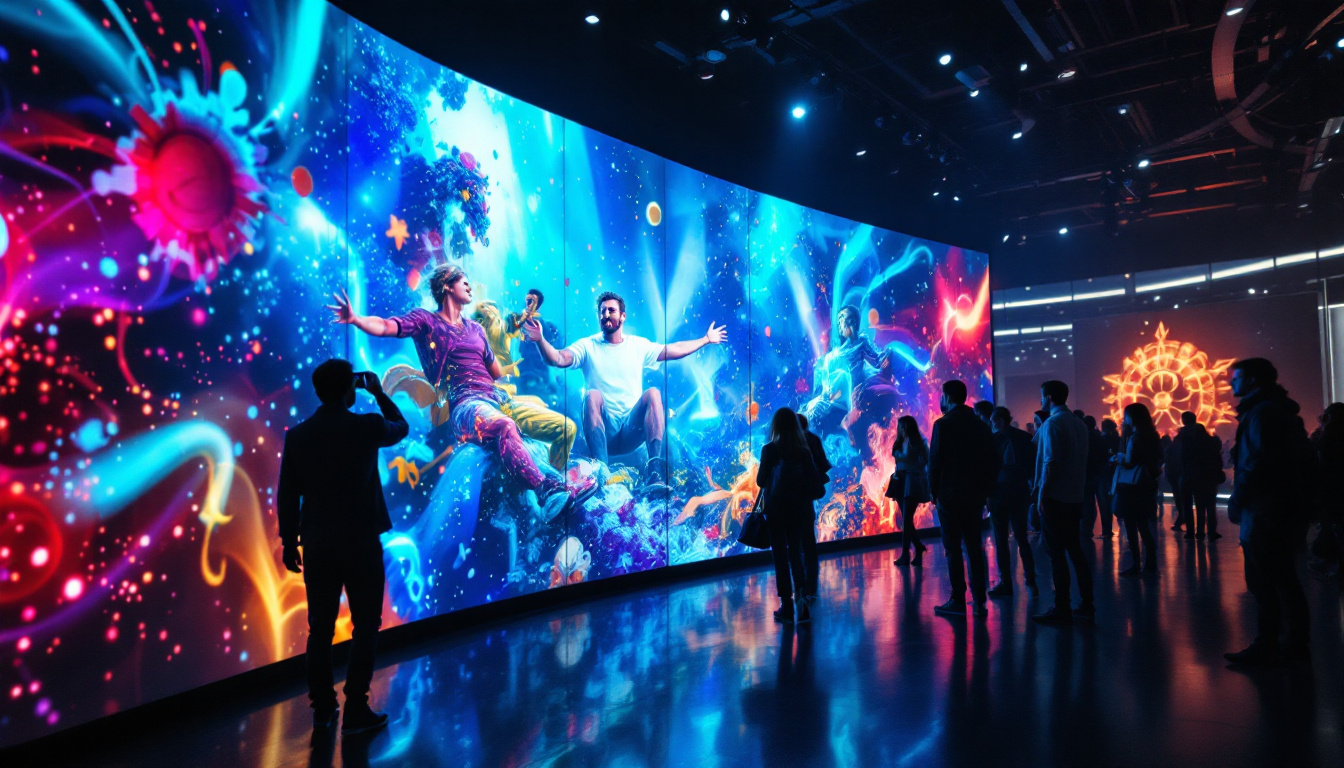
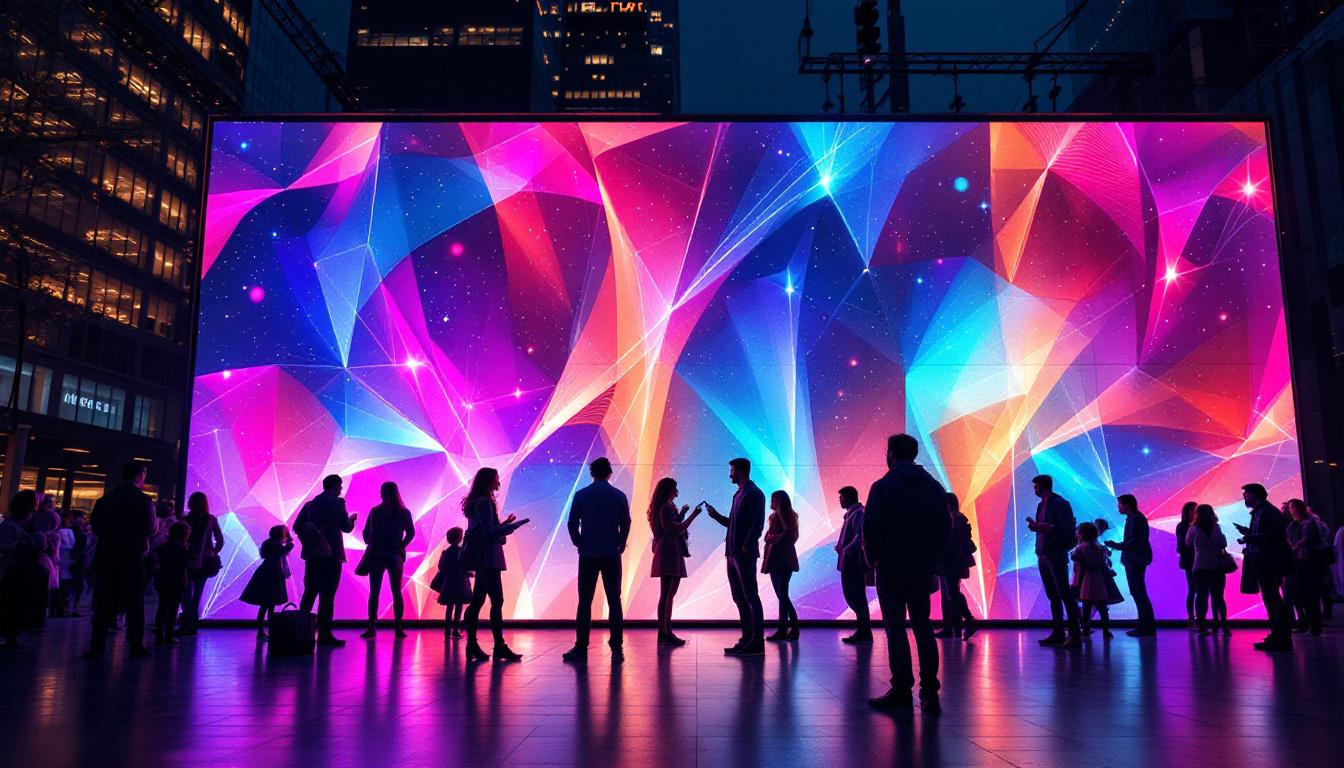
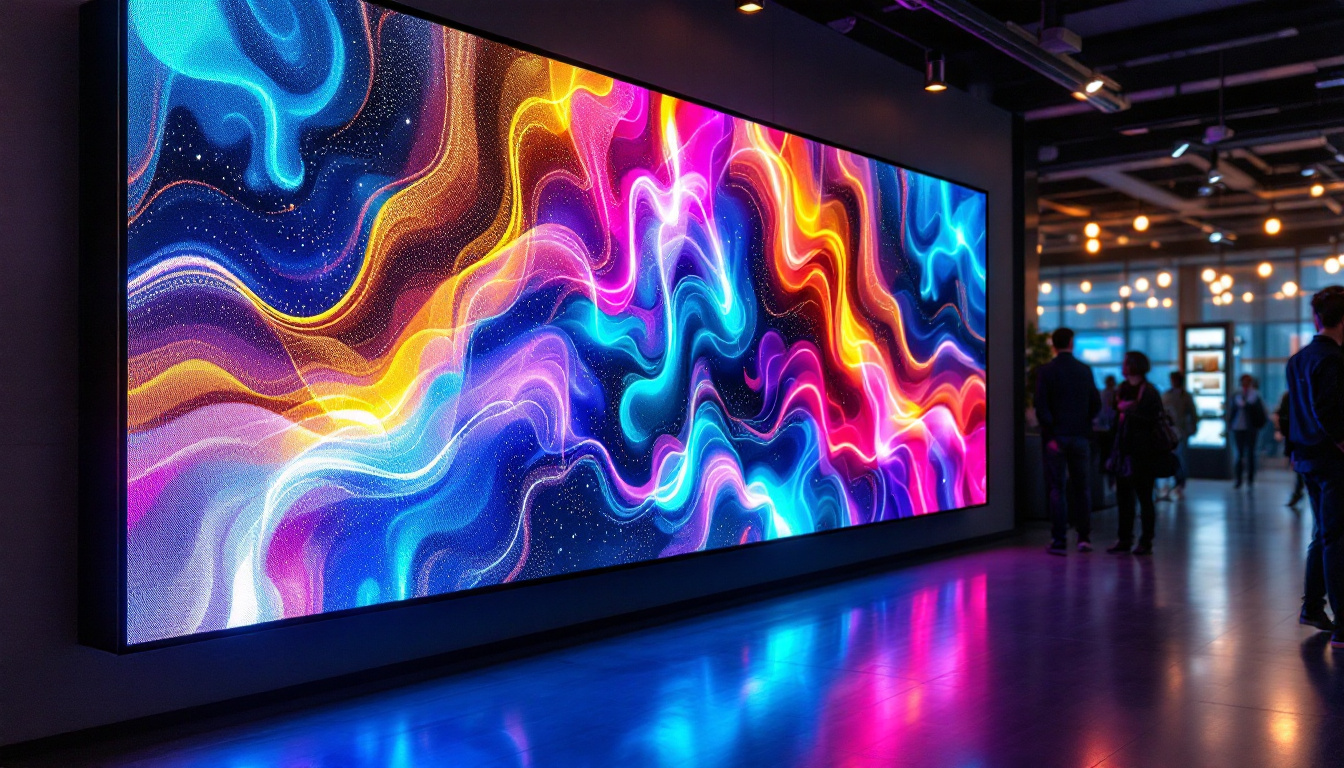
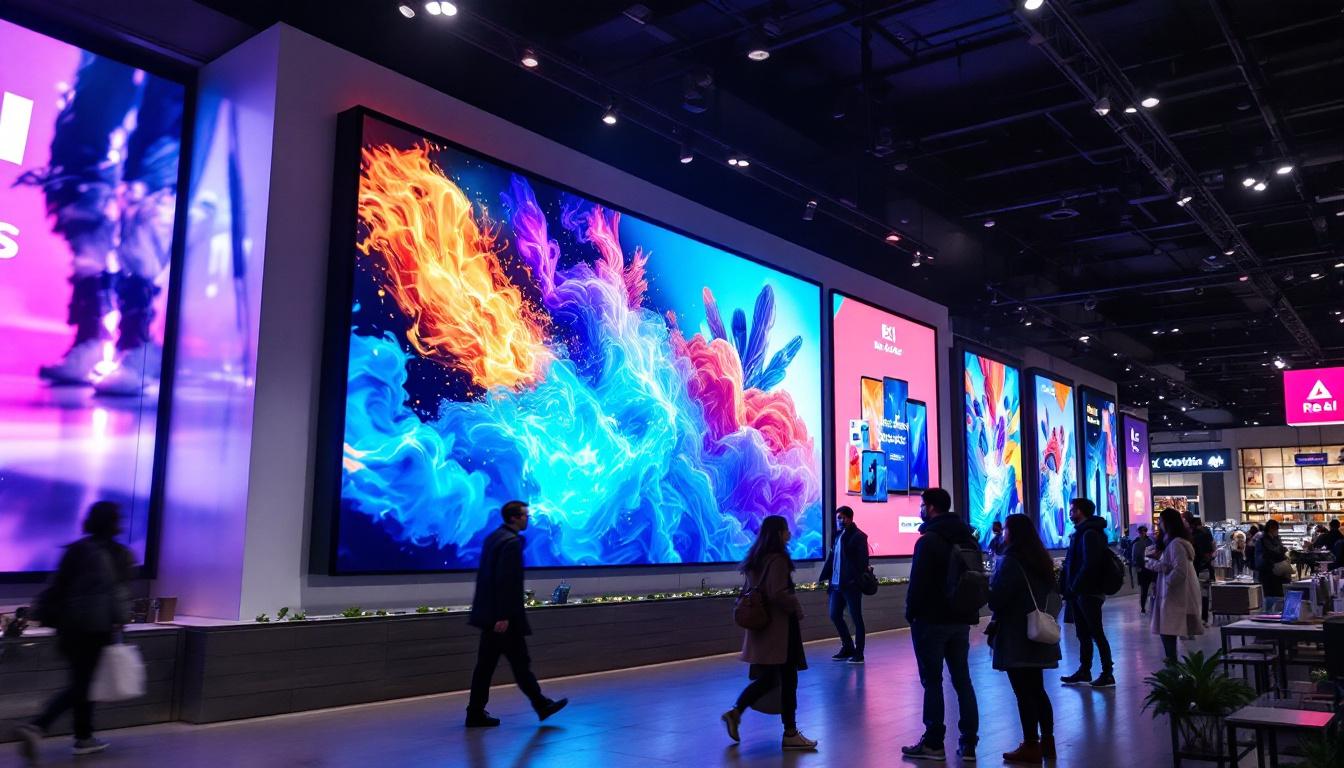
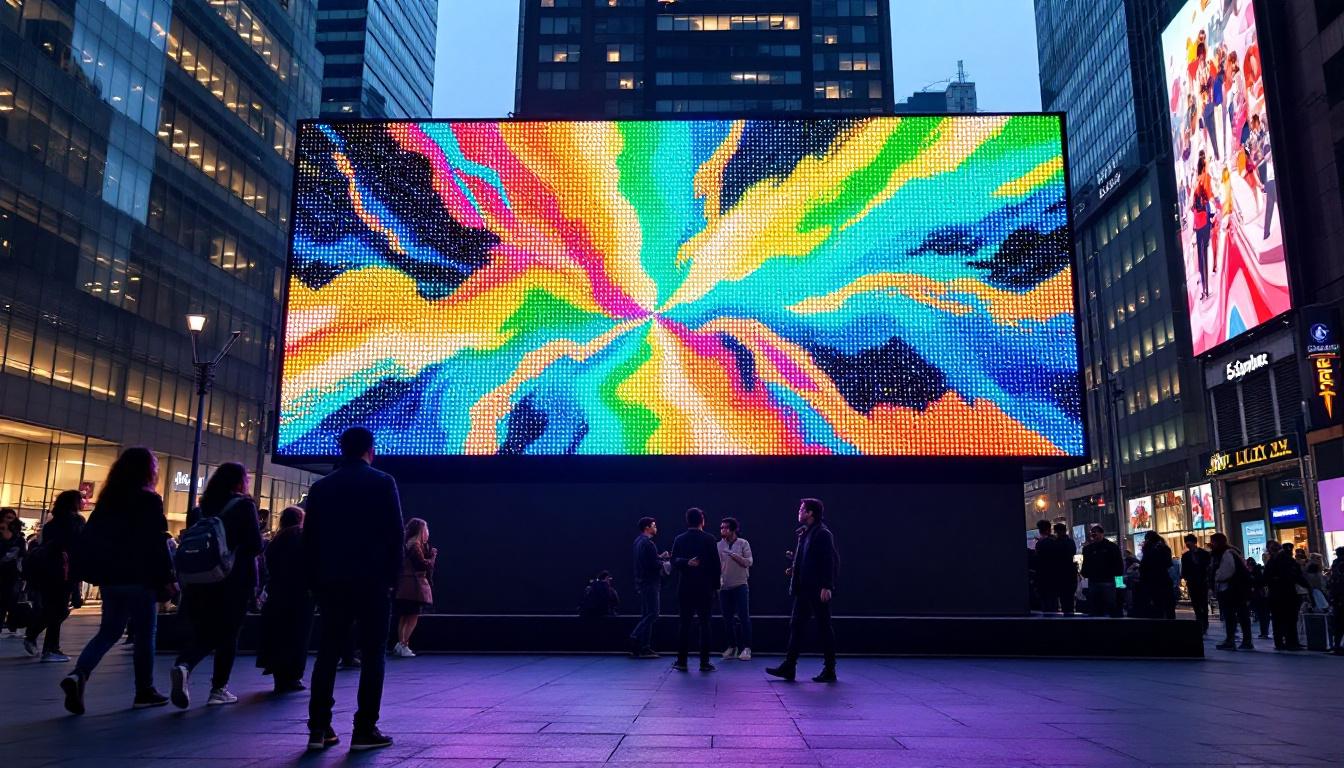
LED displays come in various formats, including direct-view LED walls, LED video panels, and microLED displays. Direct-view LED walls are particularly popular in collaboration spaces due to their scalability, allowing organizations to create large, seamless screens that can be customized to fit any room size or configuration. These displays can be arranged in various shapes and sizes, enabling creative setups that enhance the aesthetic appeal of the environment while also improving functionality. Furthermore, advancements in LED technology have led to thinner and lighter designs, making installation and maintenance easier than ever.
Why LED Displays Are Suited for Collaboration
Collaboration environments require displays that can support multiple users, display high-resolution content, and integrate with various communication platforms. LED displays excel in these areas due to their superior image quality and flexibility. They offer wide viewing angles, ensuring that everyone in the room can see the content clearly without distortion or color shifts. This is particularly important in larger rooms where participants may be seated at varying distances from the screen, as it ensures that everyone has an equal opportunity to engage with the material being presented.
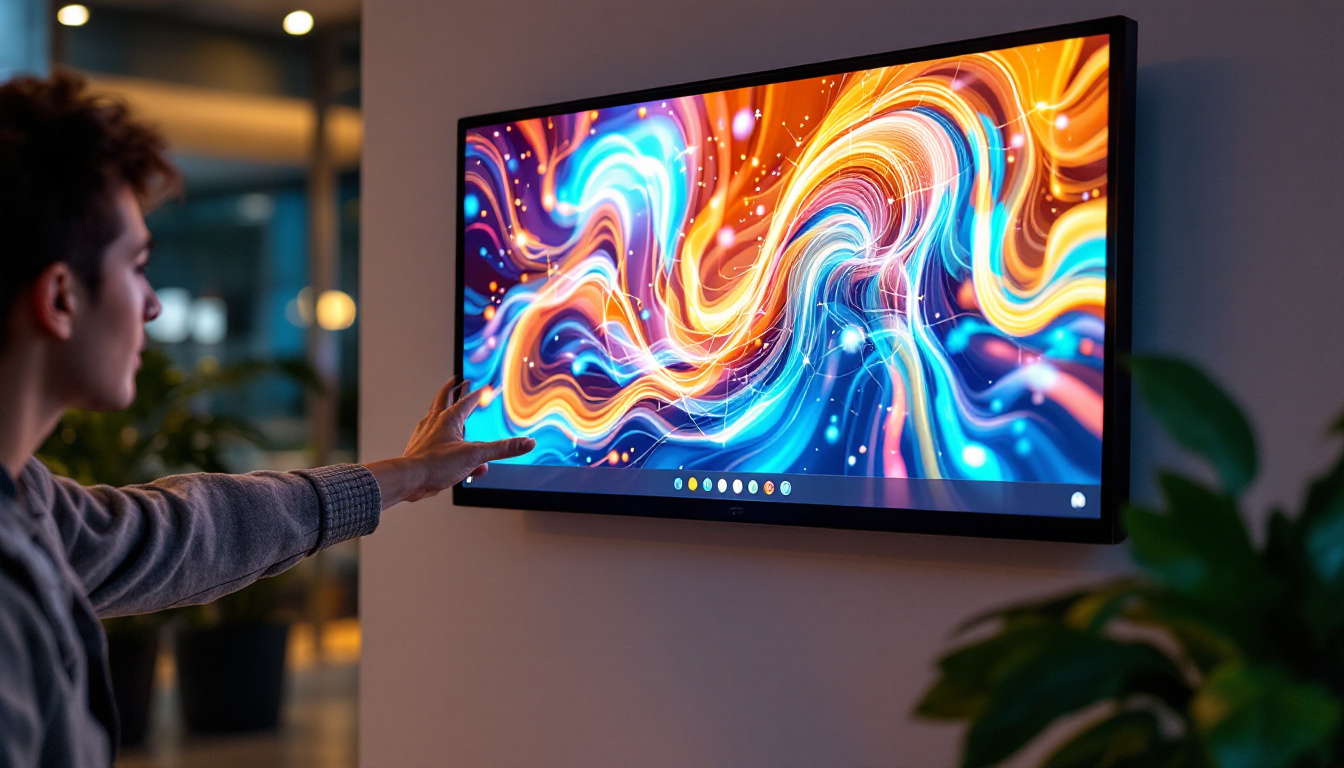
Additionally, LED displays support interactive features when paired with touch technology or integrated with collaboration software, enabling teams to engage dynamically with content. This interactivity fosters creativity and productivity, making LED displays a valuable asset for meetings, brainstorming sessions, and presentations. The ability to annotate directly on the screen or to manipulate content in real-time encourages collaboration among team members, allowing for a more immersive and engaging experience. Moreover, many LED displays come equipped with built-in connectivity options, such as wireless screen sharing and video conferencing capabilities, which streamline the process of connecting devices and sharing information, further enhancing collaborative efforts.
Key Advantages of LED Displays Over Other Technologies
Brightness and Visibility
One of the most significant advantages of LED displays is their brightness. LED panels can achieve brightness levels far exceeding those of LCD or projection-based systems, often reaching over 1,000 nits. This high brightness ensures that content remains visible even in well-lit rooms or spaces with large windows, where glare and ambient light can hinder visibility on other types of screens.
For collaboration spaces, this means presentations and shared content can be viewed clearly without requiring dimmed lighting, preserving a natural and comfortable environment for participants.
Durability and Longevity
LED displays are known for their durability and long operational life. Unlike projector bulbs that degrade over time or LCD panels susceptible to burn-in, LED modules typically have a lifespan exceeding 100,000 hours. This translates to lower maintenance costs and less downtime, which is crucial for businesses relying on their collaboration tools daily.
Scalability and Customization
LED technology allows for modular construction, meaning displays can be built to virtually any size or shape. This scalability is particularly beneficial for organizations with unique collaboration spaces or those seeking to create immersive environments. Whether it’s a small meeting room or a large auditorium, LED displays can be tailored to fit the specific needs of the space.
Moreover, the bezel-less design of LED panels ensures a seamless viewing experience, enhancing the aesthetic appeal and reducing distractions caused by screen borders.
Energy Efficiency
Compared to other display technologies, LEDs are more energy-efficient, consuming less power while delivering brighter images. This energy efficiency aligns with corporate sustainability goals and reduces operational costs over time, making LED displays an environmentally and economically sound choice for businesses.
Current Trends Driving the Collaboration Display Market
Growth of Hybrid Work Models
The shift to hybrid work models accelerated by the COVID-19 pandemic has had a profound impact on the collaboration display market. Organizations are investing in technology that supports both in-person and remote collaboration. LED displays, especially those integrated with video conferencing tools, enable hybrid teams to communicate effectively by providing large, high-quality screens that replicate the experience of face-to-face meetings.
According to a recent market report by MarketsandMarkets, the global collaboration display market is projected to grow at a compound annual growth rate (CAGR) of over 12% from 2023 to 2028. This growth is largely driven by the increasing adoption of advanced display technologies like LED to support remote and hybrid work environments.
Integration with Smart Technologies
Modern LED displays are increasingly being integrated with smart technologies such as AI-powered collaboration software, wireless casting, and IoT connectivity. These integrations enhance user experience by enabling features like automatic content adjustment, voice control, and seamless device pairing.
For example, some LED collaboration displays come equipped with built-in cameras, microphones, and speakers, transforming them into all-in-one communication hubs. This reduces the need for additional peripherals and simplifies meeting room setups.
Rise of MicroLED and Fine-Pitch LED Displays
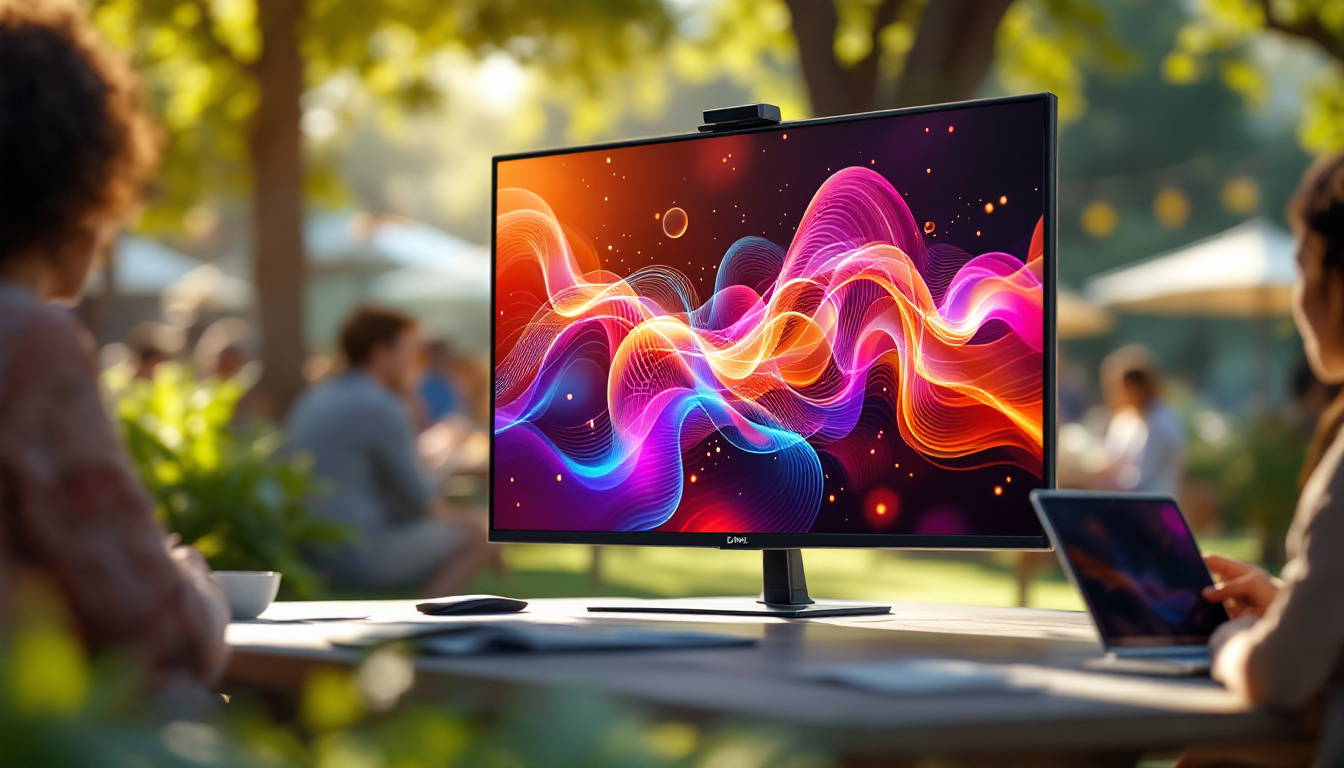
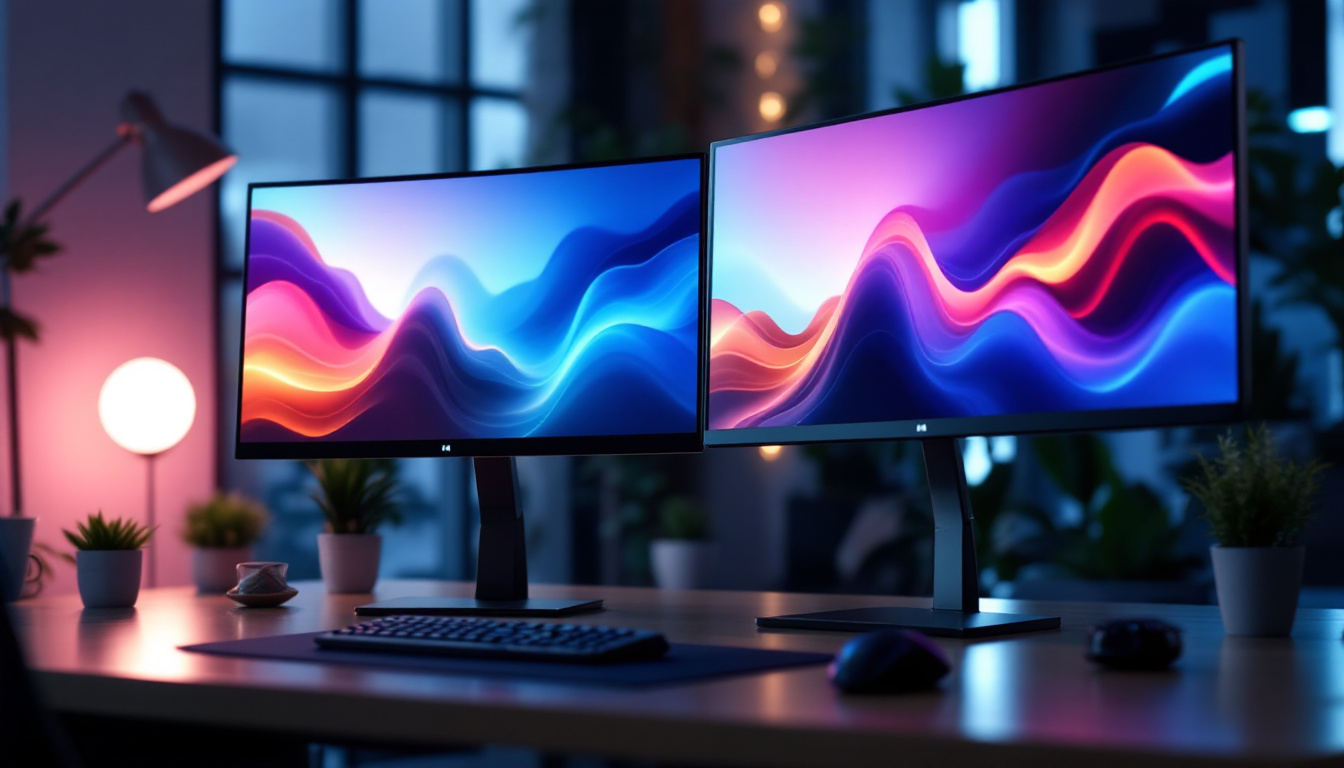
Technological advancements in LED manufacturing have led to the development of microLED and fine-pitch LED displays, which offer even higher resolution and pixel density. These displays provide stunning image clarity and are ideal for close-up viewing, making them suitable for smaller collaboration spaces and desktop applications.
As these technologies become more affordable, they are expected to gain traction in the collaboration display market, offering businesses more options to create engaging and immersive environments.
Applications of LED Displays in Collaboration Settings
Corporate Meeting Rooms and Conference Centers
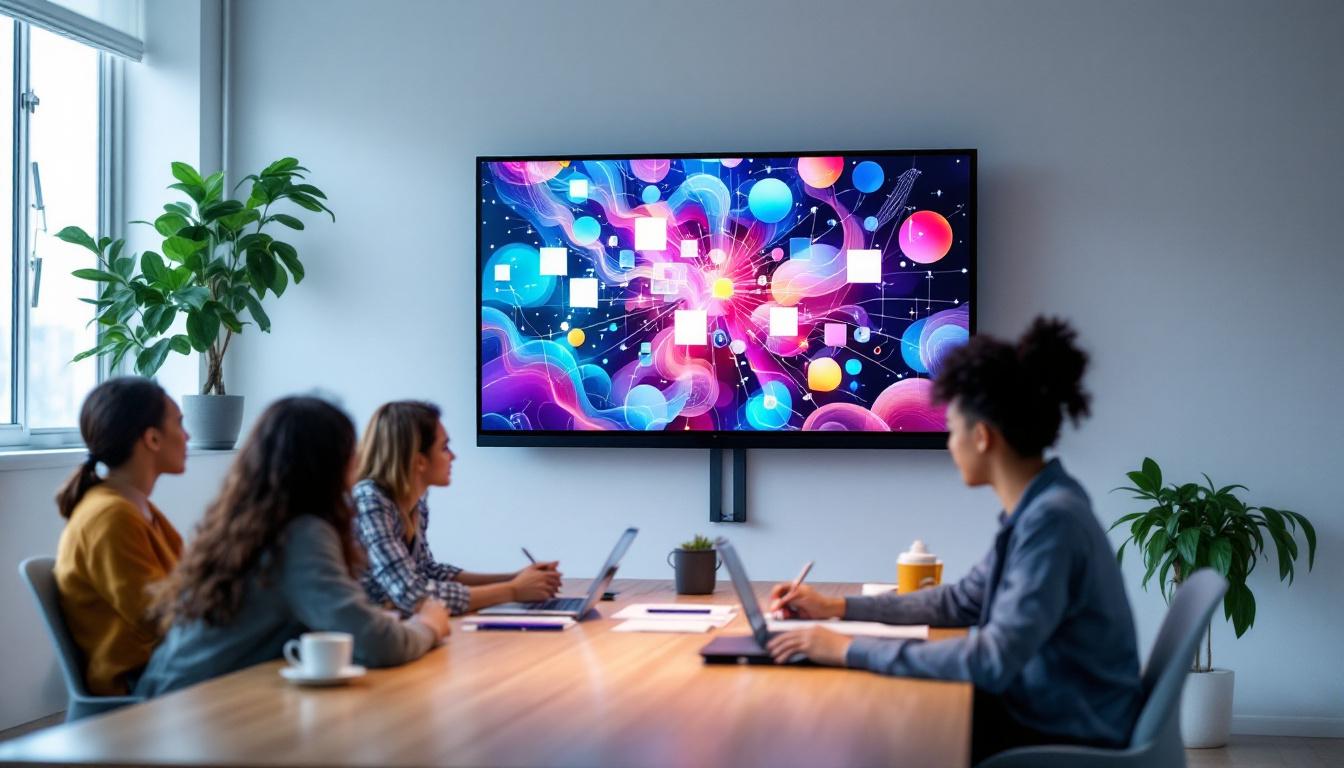
In corporate environments, LED displays are commonly used in meeting rooms and conference centers to facilitate presentations, video conferencing, and interactive sessions. Their ability to display crisp visuals and support multiple input sources makes them ideal for sharing complex data, charts, and multimedia content during meetings.
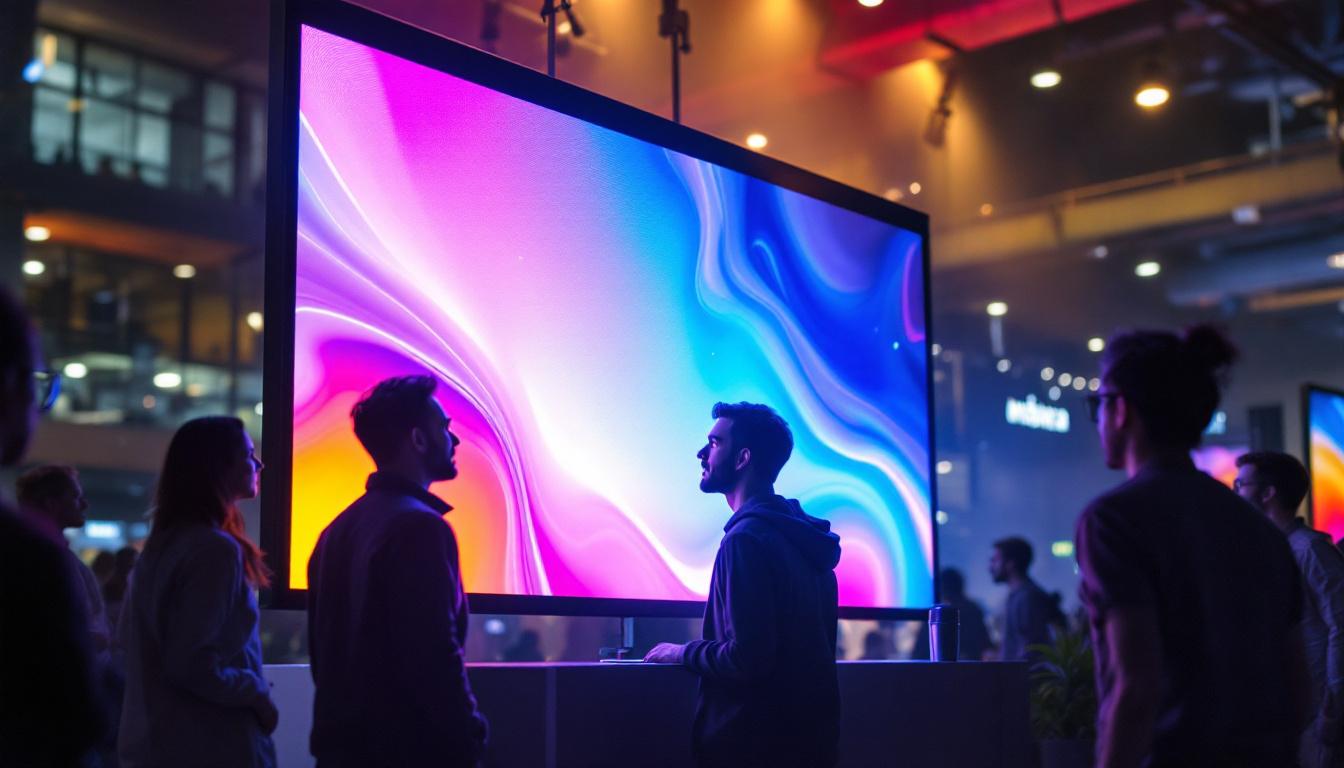
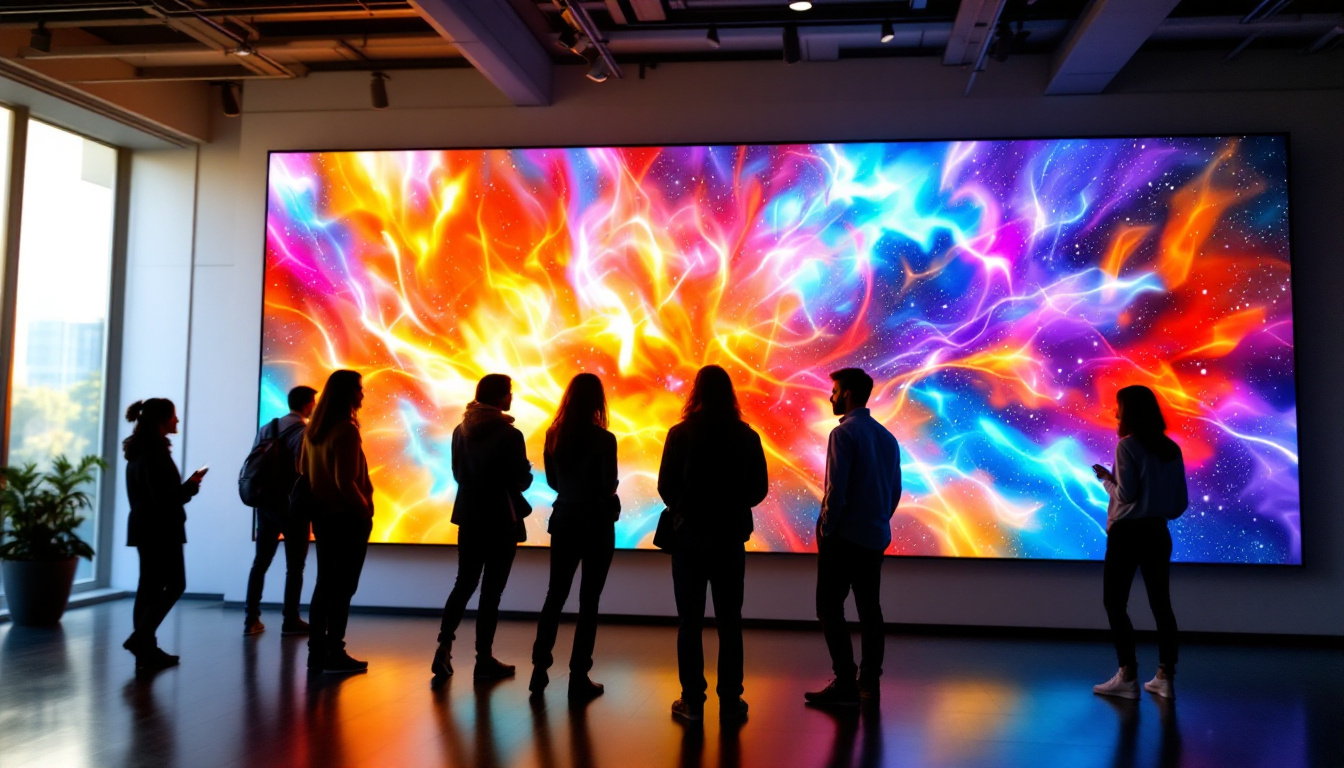
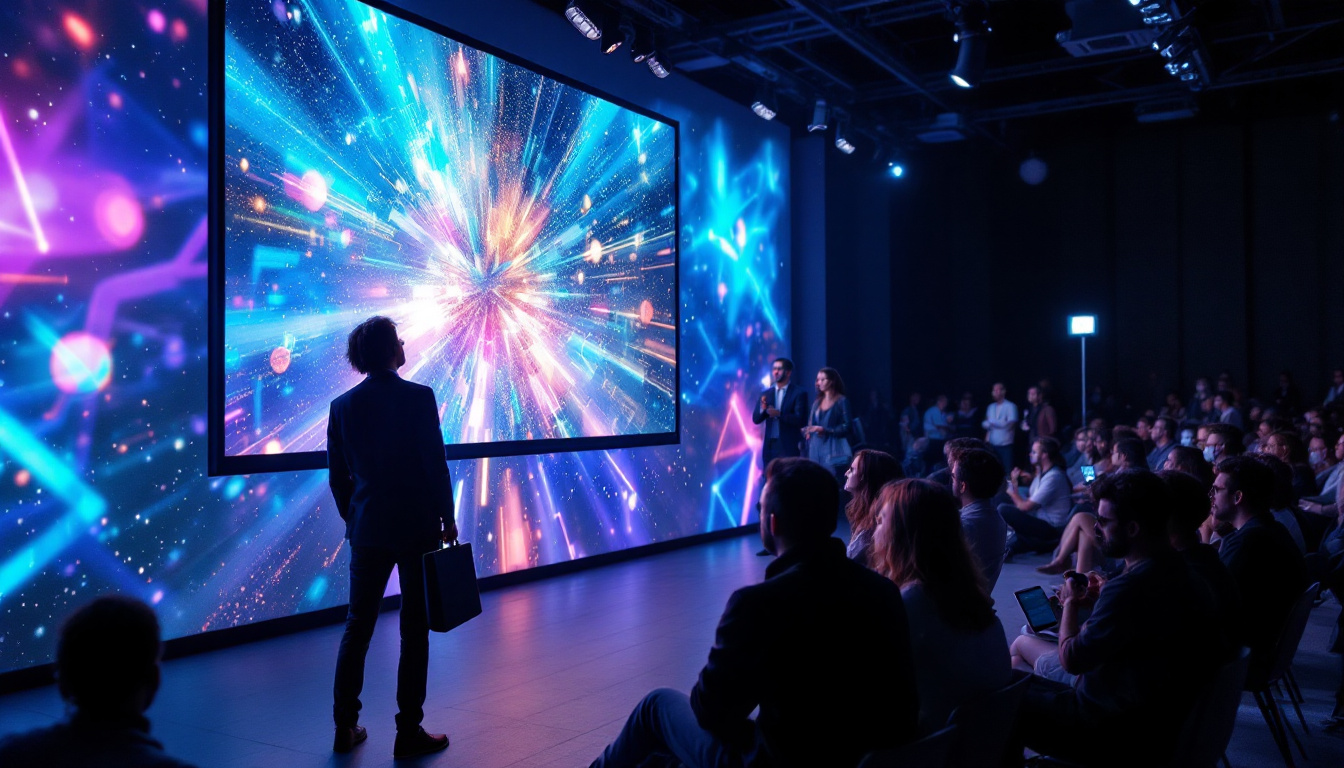
Large LED video walls can also be employed in auditoriums or training rooms to ensure that every participant has a clear view, enhancing engagement and information retention.
Education and Training Facilities
Educational institutions are increasingly adopting LED displays to create interactive learning environments. LED walls can display high-resolution educational content, support collaborative projects, and enable remote participation through video conferencing. These displays help bridge the gap between in-person and virtual learners, fostering a more inclusive and dynamic learning experience.
Control Rooms and Command Centers
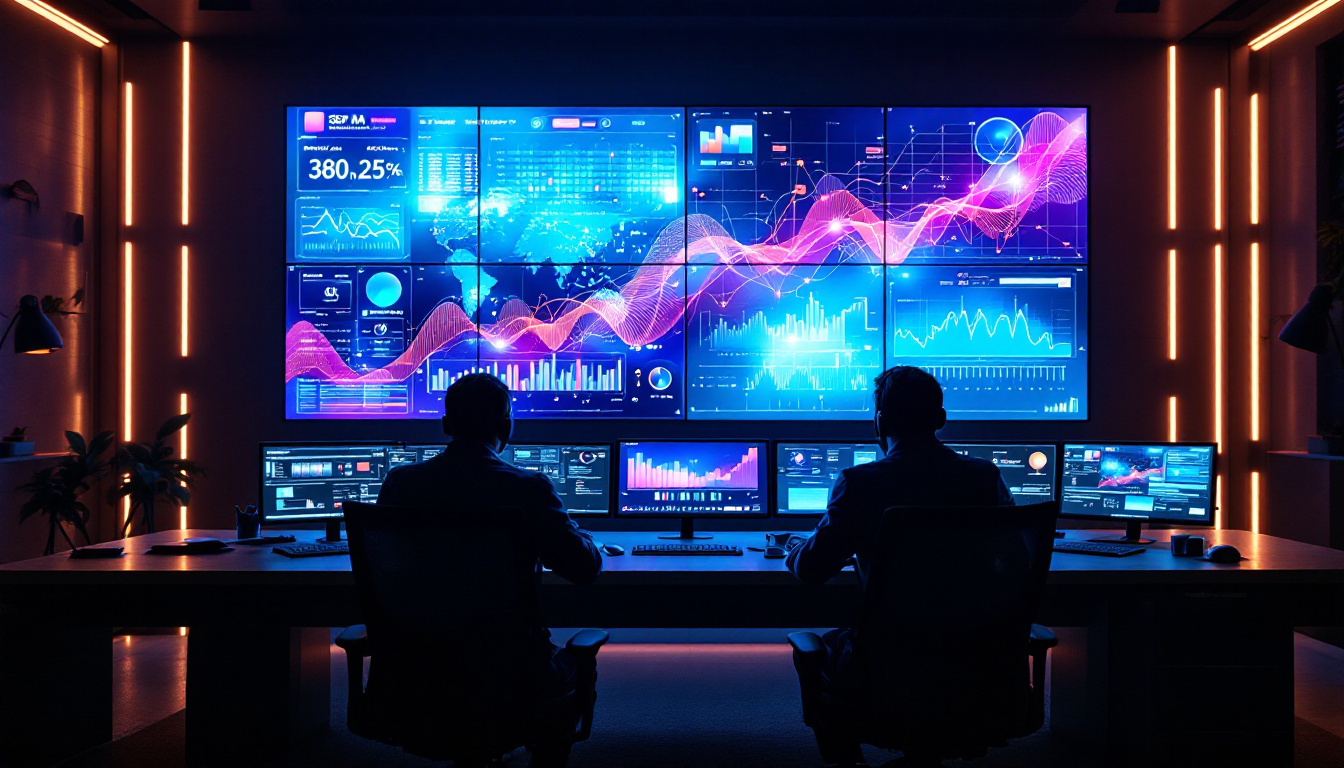
Control rooms for industries such as transportation, utilities, and public safety rely heavily on LED displays for real-time monitoring and decision-making. The high brightness and reliability of LED technology ensure that critical information is visible at all times, even in challenging lighting conditions.
Collaboration among team members is enhanced by the ability to display multiple data streams simultaneously on large LED video walls, improving situational awareness and response times.
Challenges and Considerations When Choosing LED Displays
Initial Investment and Cost
While LED displays offer numerous benefits, the initial investment can be significant, especially for large-scale installations. Businesses must weigh the upfront costs against long-term advantages such as lower maintenance, energy savings, and improved collaboration outcomes.
It is also important to consider the total cost of ownership, including installation, calibration, and potential software integration expenses.
Installation and Space Requirements
LED displays require careful planning for installation, particularly when creating large video walls. Factors such as room size, viewing distance, and ambient lighting must be taken into account to optimize the display’s effectiveness.
Additionally, some LED displays may require specialized mounting solutions and professional installation to ensure safety and performance.
Content Management and Compatibility
Effective use of LED collaboration displays depends on seamless content management and compatibility with existing communication platforms. Organizations should ensure that the chosen LED display supports integration with popular video conferencing tools, presentation software, and wireless sharing technologies.
Choosing displays with user-friendly interfaces and robust software ecosystems can reduce training time and improve user adoption.
The Future of LED Displays in Collaboration
Advancements in Display Technology
The LED display market continues to evolve rapidly. Emerging technologies such as transparent LED displays, flexible LED panels, and higher-resolution microLEDs promise to redefine collaboration spaces by offering new ways to present and interact with information.
These innovations will enable more immersive and adaptable environments, supporting diverse collaboration styles and enhancing creativity.
Increased Focus on Sustainability
As sustainability becomes a priority for businesses worldwide, LED display manufacturers are focusing on eco-friendly designs that reduce energy consumption and use recyclable materials. The combination of energy efficiency and longer product lifecycles makes LED displays a sustainable choice for organizations committed to reducing their environmental footprint.
Enhanced Interactivity and AI Integration
Future collaboration displays will likely incorporate more advanced AI capabilities, such as real-time language translation, gesture recognition, and intelligent content recommendations. These features will make collaboration more intuitive and accessible, breaking down barriers related to language, location, and technical expertise.
Conclusion
The collaboration display market is undergoing significant transformation, driven by the need for more effective communication tools in hybrid and remote work environments. LED displays stand out as a powerful solution due to their superior image quality, scalability, energy efficiency, and integration capabilities.
As technology advances and organizations prioritize collaboration, LED displays will continue to play a central role in shaping the future of workspaces. Businesses looking to invest in collaboration technology should consider LED displays not only for their current benefits but also for their potential to evolve alongside emerging trends and innovations.
Discover LumenMatrix LED Display Solutions
Ready to elevate your collaborative workspaces with cutting-edge LED display technology? LumenMatrix offers a comprehensive range of LED display solutions tailored to meet the dynamic needs of modern communication and engagement. From immersive Indoor LED Wall Displays to versatile All-in-One LED Displays and beyond, our products are designed to transform your visual experiences and enhance interaction. Embrace the future of collaboration with LumenMatrix and make a lasting impression. Check out LumenMatrix LED Display Solutions today and see the difference for yourself.