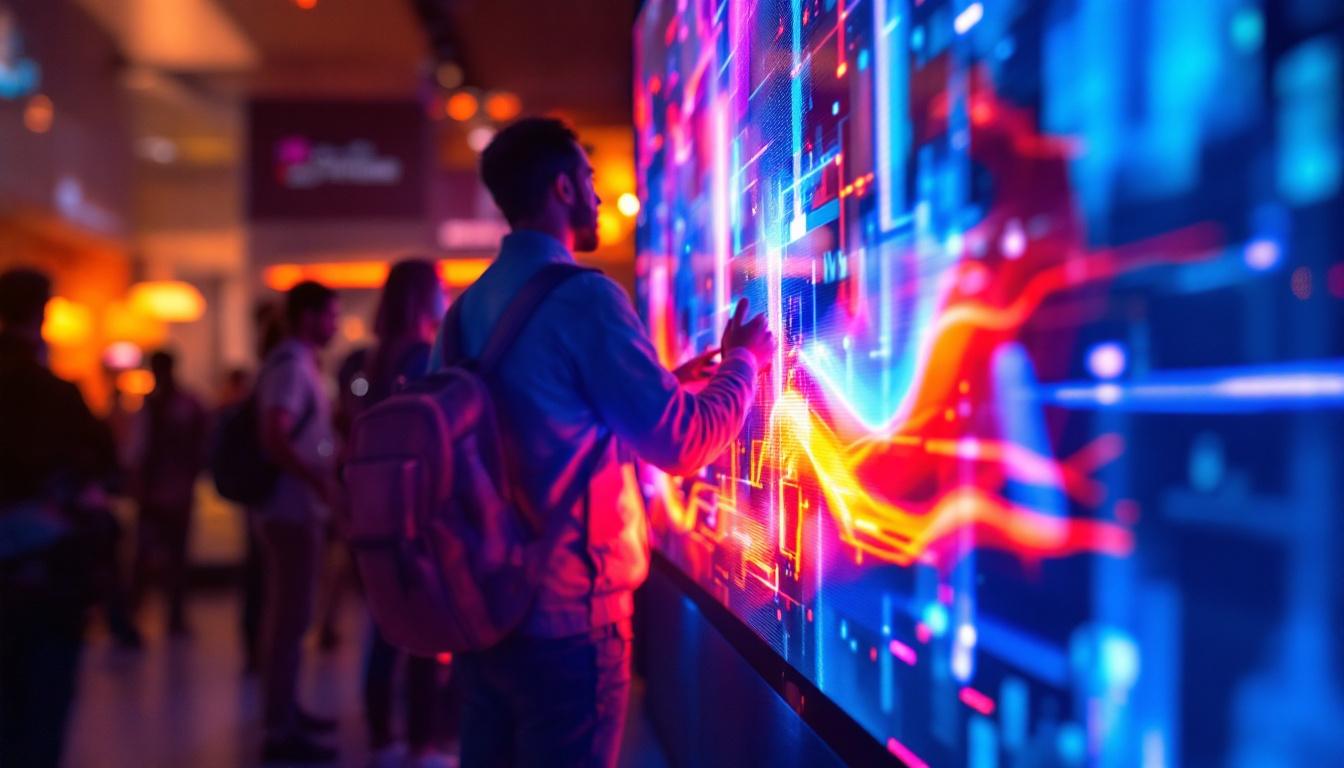
In today’s world, LED technology has revolutionized the way we illuminate spaces and communicate visually. Among the many applications of LED lights, 20-foot LED displays have become a popular choice for both commercial and personal use. Whether it’s for advertising, events, or architectural enhancement, understanding the features and benefits of a 20 ft LED display is essential for making informed decisions. This article delves into the technical aspects, advantages, and practical applications of LED lights measuring 20 feet, providing a comprehensive guide for anyone interested in this dynamic technology.
Understanding LED Display Technology
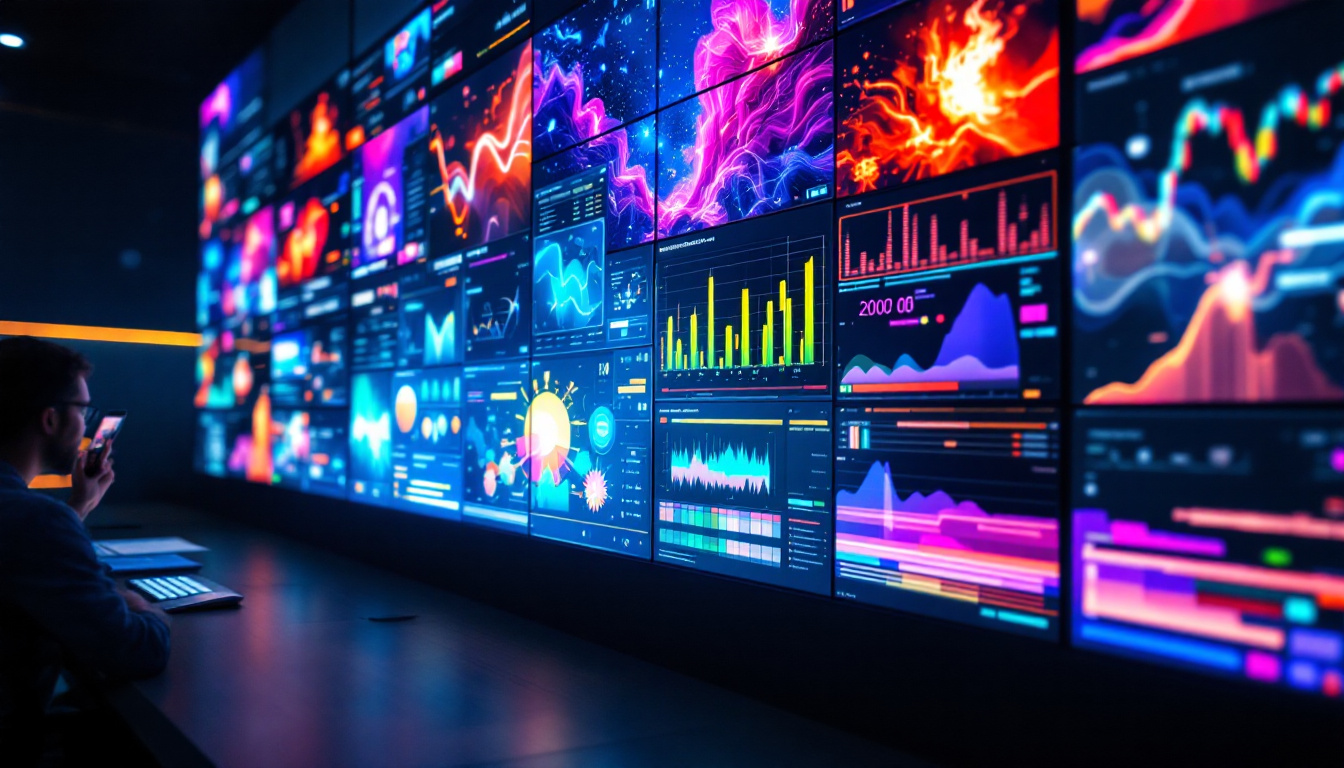
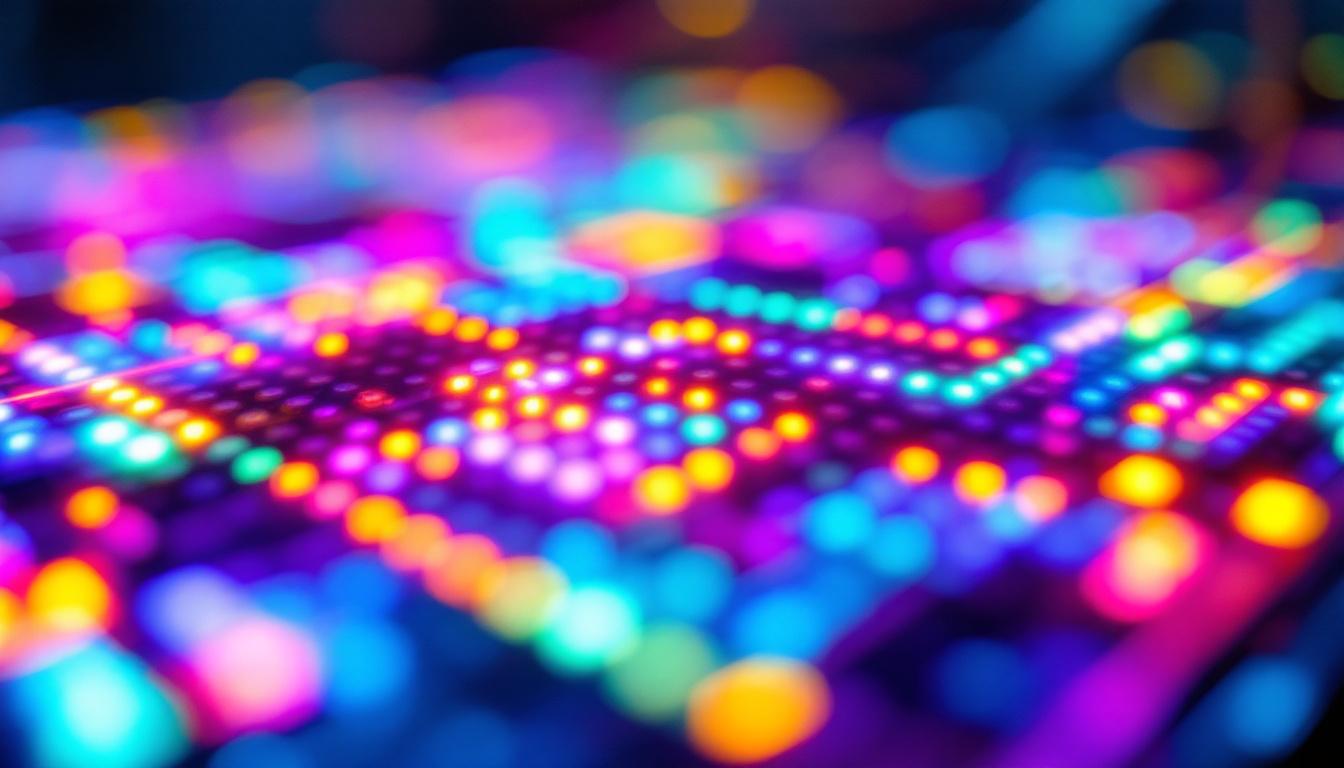
LED stands for Light Emitting Diode, a semiconductor device that emits light when an electric current passes through it. Unlike traditional lighting technologies such as incandescent or fluorescent bulbs, LEDs are highly energy-efficient, durable, and capable of producing vibrant colors. LED displays are essentially panels made up of numerous tiny LEDs arranged in a grid, which together form images, videos, or text. This technology has revolutionized the way information is conveyed visually, providing a dynamic medium that can be updated in real-time to engage audiences effectively.
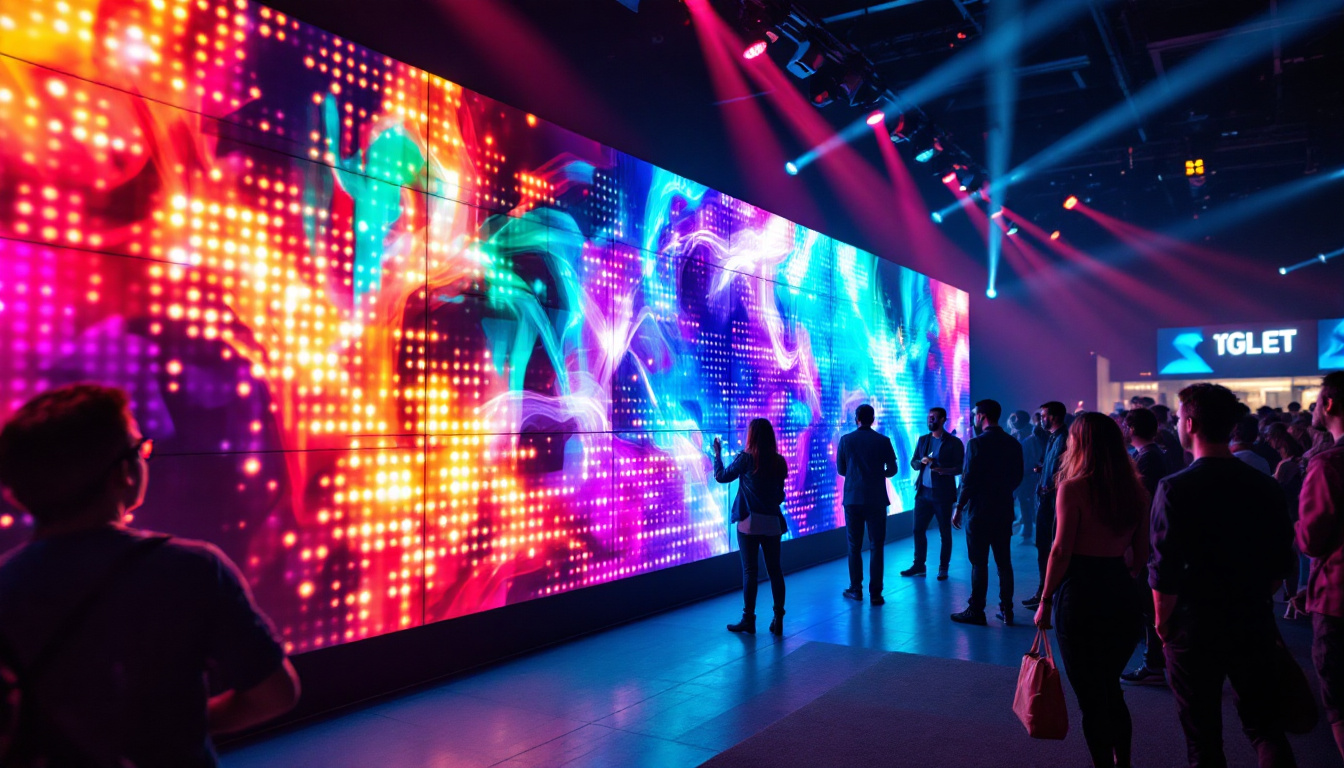
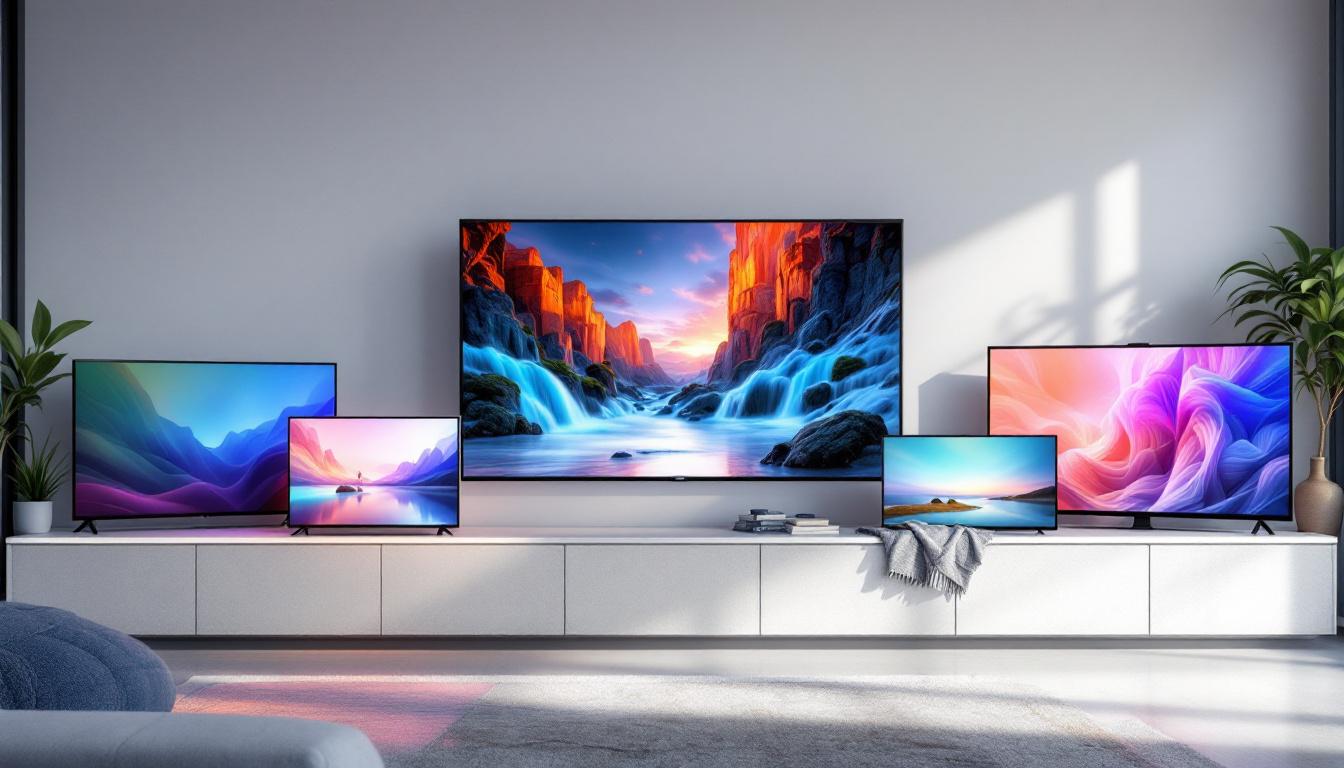
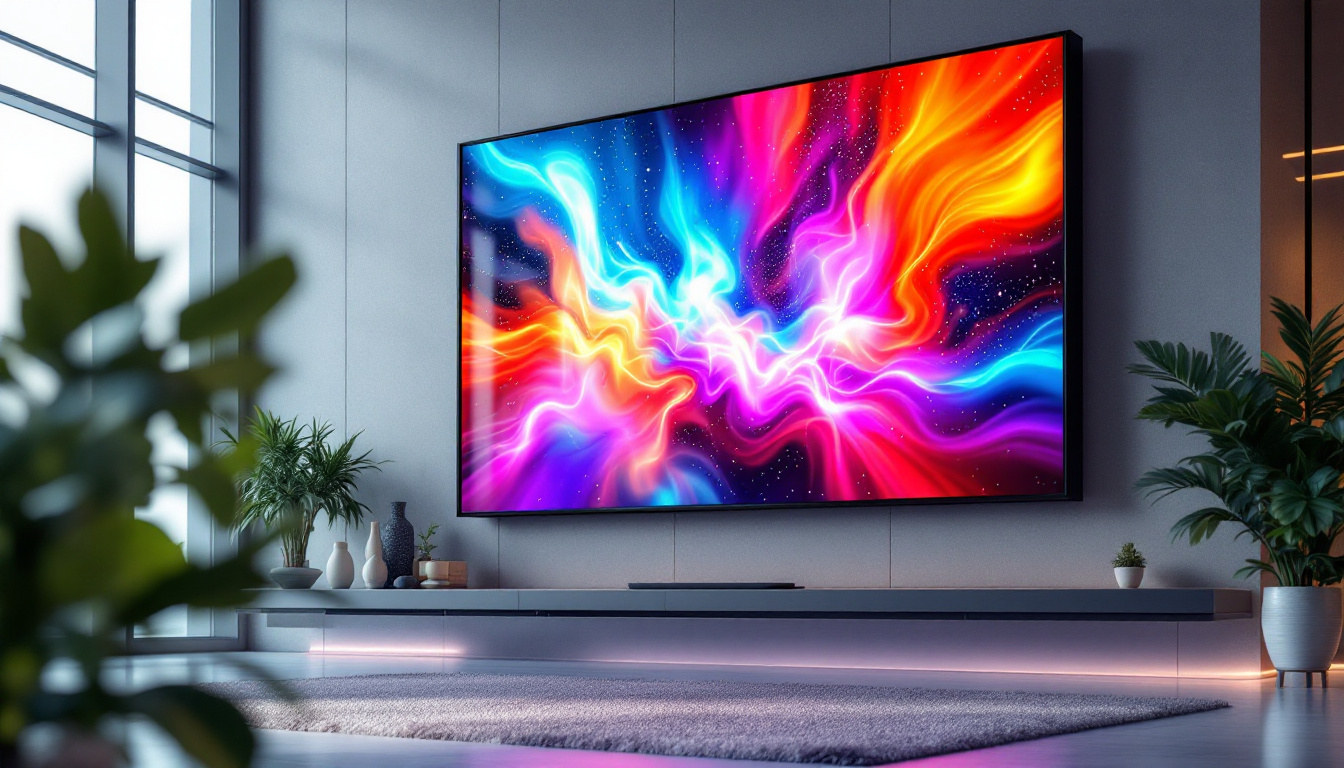
The 20 ft LED display refers to the physical size of the screen, typically measured diagonally or by width. A 20-foot-wide LED display is large enough to capture attention from a distance, making it ideal for outdoor advertising, stadium screens, and large-scale event backdrops. These displays can vary in resolution, brightness, and pixel pitch, all of which influence the quality and clarity of the images shown. The versatility of these displays allows them to be used in a variety of settings, from concerts and festivals to corporate events and retail environments, where they can enhance the overall experience and convey messages in a visually striking manner.
Key Components of a 20 Ft LED Display
Several critical components make up a 20-foot LED display:
- LED Modules: These are the building blocks of the display, containing clusters of LEDs that produce light and color. Each module can be individually controlled, allowing for intricate designs and animations that captivate viewers.
- Pixel Pitch: This is the distance between the centers of two adjacent pixels. Smaller pixel pitches mean higher resolution and sharper images, but they also increase cost. The choice of pixel pitch is crucial depending on the viewing distance; for instance, a smaller pitch is advantageous for close-up viewing, while a larger pitch may suffice for distant observation.
- Power Supply: Ensures consistent and reliable power to the LEDs, crucial for maintaining brightness and performance. High-quality power supplies can also help in reducing energy consumption, contributing to the overall efficiency of the display.
- Control System: Manages the content displayed, allowing for dynamic changes and synchronization with other media. Advanced control systems enable seamless integration with various content sources, including live feeds, pre-recorded videos, and interactive applications.
- Cabinet Structure: The frame that houses the LED modules, designed for durability and ease of installation. A robust cabinet structure is essential for outdoor displays, as it protects the sensitive electronic components from environmental factors such as rain, wind, and dust.
In addition to these components, the installation and maintenance of a 20 ft LED display require careful planning and expertise. Proper installation ensures that the display is securely mounted and aligned for optimal viewing angles, while regular maintenance checks are necessary to keep the display functioning at peak performance. This includes cleaning the surface to remove dust and debris, checking connections, and replacing any faulty modules. Furthermore, advancements in technology have led to the development of smarter LED displays that can adjust brightness based on ambient light conditions, ensuring visibility at all times and enhancing energy efficiency.
Advantages of Using a 20 Ft LED Display
Choosing a 20-foot LED display offers numerous benefits over traditional signage and other digital display options. These advantages contribute to their growing popularity across industries.
High Visibility and Impact
A 20 ft LED display commands attention due to its sheer size and brightness. With the ability to display vivid colors and dynamic content, these displays are perfect for catching the eye of passersby, even from considerable distances. This makes them invaluable for outdoor advertising, where visibility can directly translate to increased customer engagement.
Energy Efficiency and Longevity
LED technology is renowned for its energy efficiency. Compared to conventional lighting, LEDs consume significantly less power, reducing operational costs. Furthermore, LEDs have a longer lifespan, often exceeding 50,000 hours, which means less frequent replacements and maintenance. This durability is especially beneficial for large-scale displays that operate for extended periods.
Flexibility in Content and Design
Unlike static billboards, LED displays allow for dynamic and customizable content. Advertisers and event organizers can easily update messages, display videos, or even live streams. The flexibility extends to design as well, with options for curved screens, various aspect ratios, and integration with other digital systems.
Weather Resistance and Durability
Outdoor 20 ft LED displays are built to withstand harsh environmental conditions, including rain, wind, and extreme temperatures. High-quality displays come with IP65 or higher ratings, ensuring protection against dust and water ingress. This robustness makes them reliable for long-term outdoor use without significant degradation in performance.
Applications of 20 Ft LED Displays
The versatility of 20-foot LED displays allows them to be used in a wide range of contexts, from commercial advertising to entertainment and public information.
Outdoor Advertising and Billboards
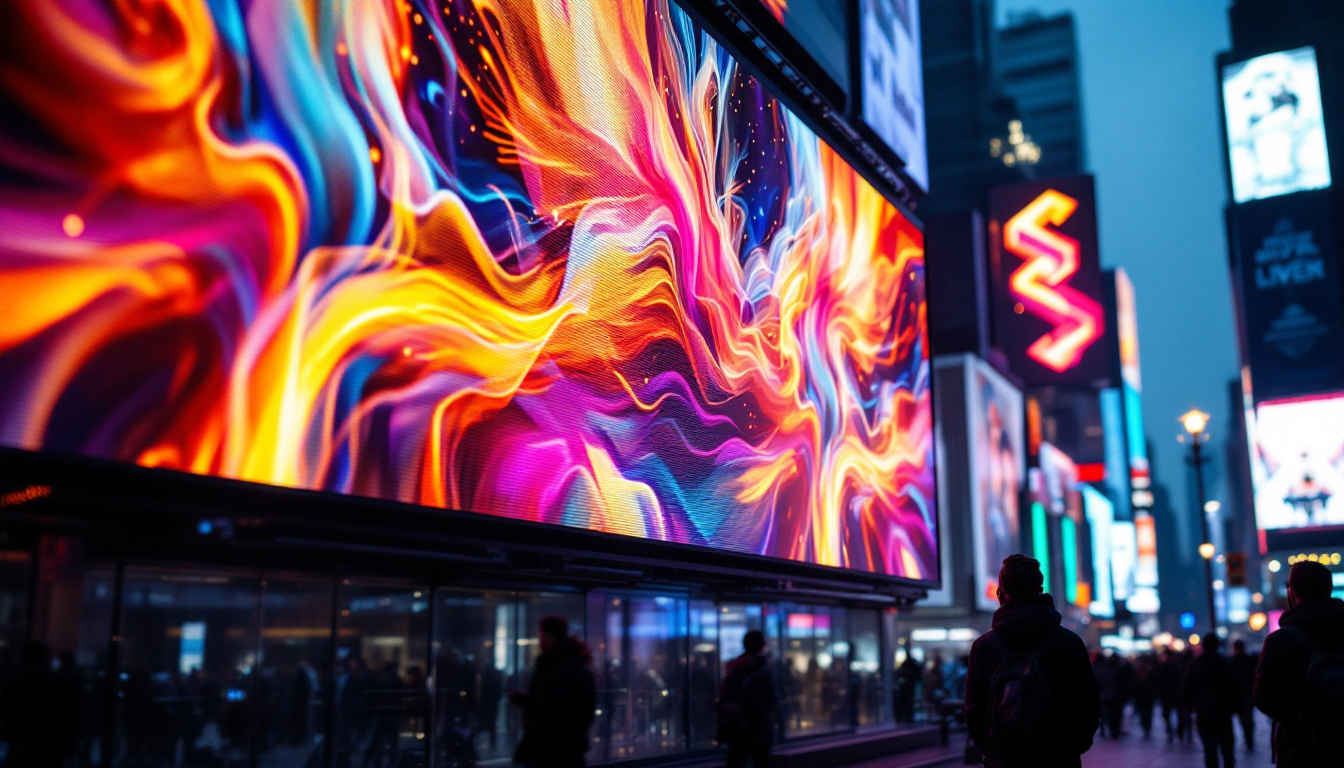
One of the most common uses of 20 ft LED displays is in outdoor advertising. Their large size and brightness make them ideal for billboards located along highways, urban centers, and shopping districts. Brands can leverage these displays to showcase high-impact visuals and timely promotions, adapting content based on time of day or audience demographics.
Sports Arenas and Event Venues
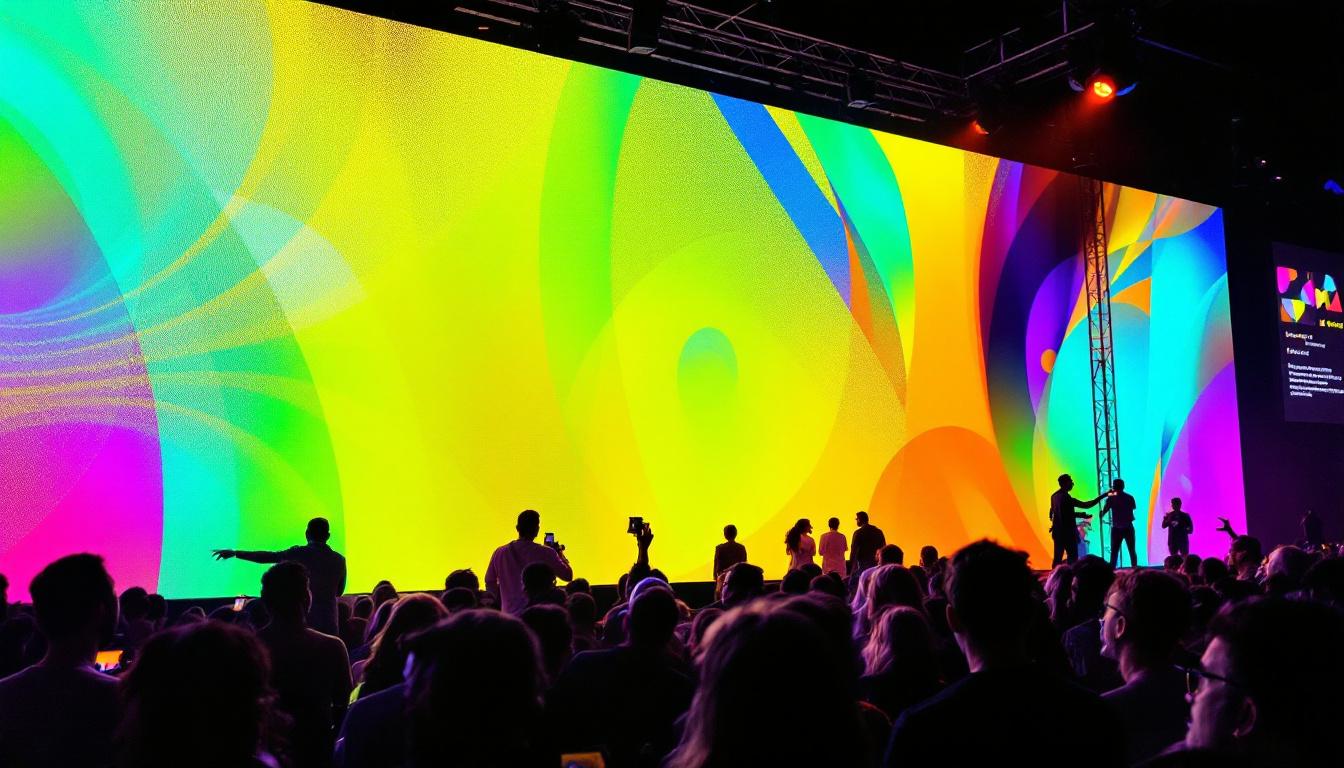
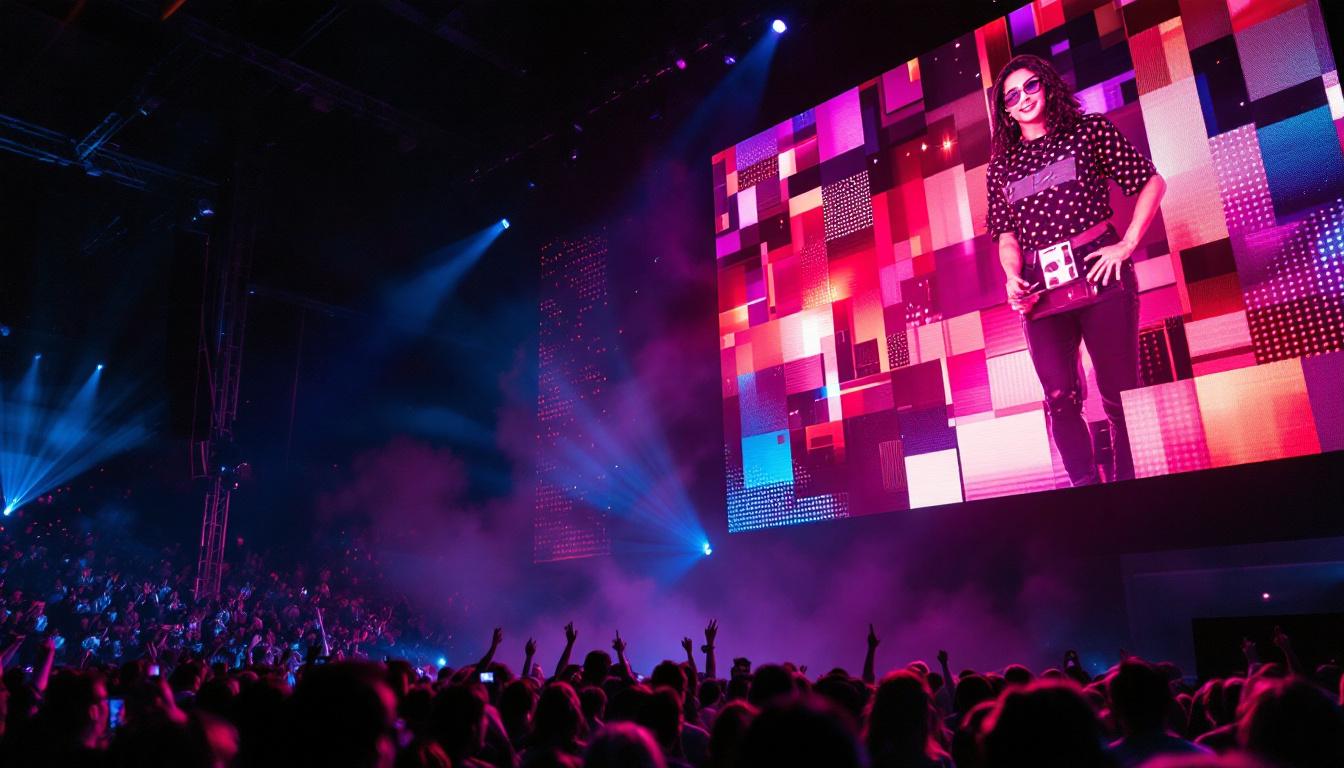
Sports stadiums and concert venues frequently utilize large LED screens to enhance the spectator experience. A 20-foot LED display can serve as a scoreboard, replay screen, or promotional board. The ability to display real-time information and engage audiences with dynamic content is invaluable in these settings.
Retail and Shopping Malls
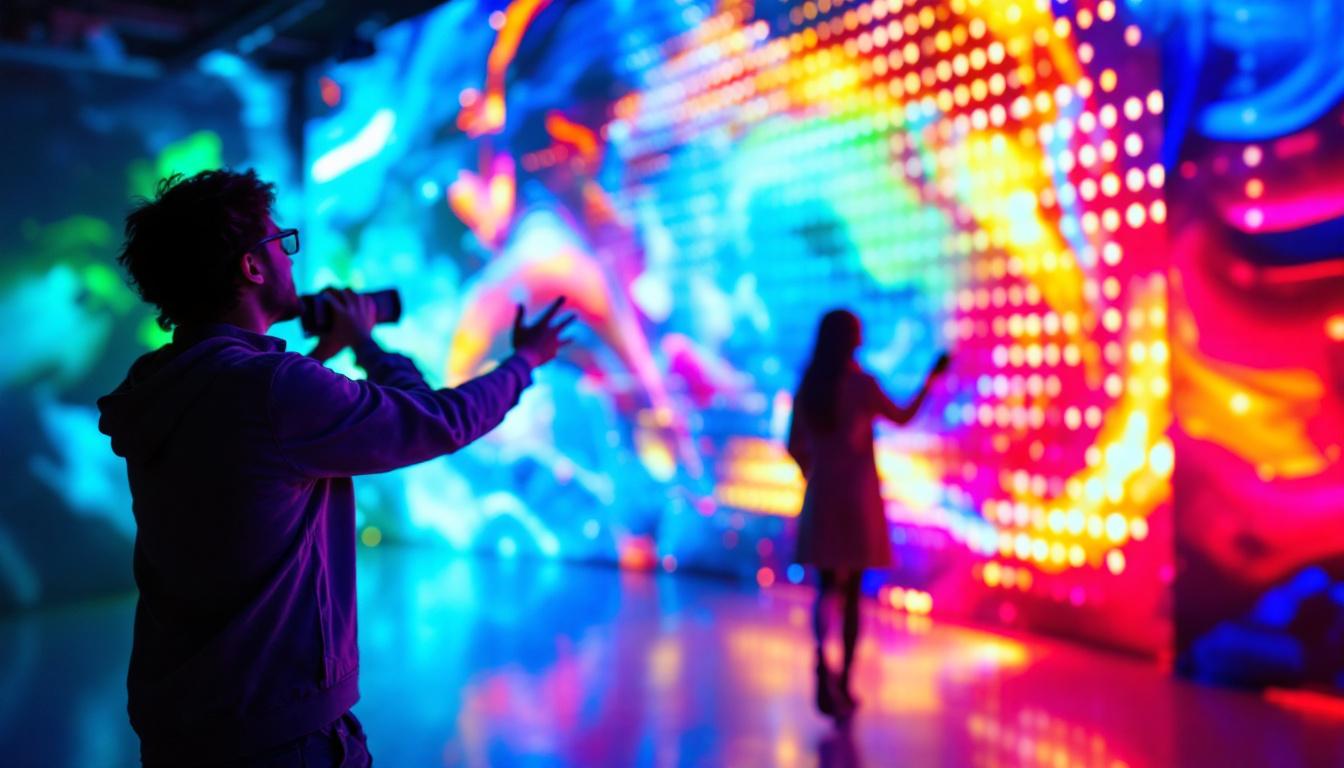
Retailers use LED displays to attract customers and promote products inside malls or store fronts. A 20 ft LED screen can be positioned strategically to increase foot traffic and create immersive brand experiences. Interactive content and eye-catching animations help retailers stand out in competitive environments.
Public Information and Transportation Hubs
Airports, train stations, and bus terminals use LED displays for announcements, schedules, and emergency alerts. The clarity and brightness of a 20 ft LED display ensure that vital information is communicated effectively to large crowds, improving overall passenger experience and safety.
Choosing the Right 20 Ft LED Display for Your Needs
Selecting the appropriate LED display requires consideration of several factors to ensure it meets specific requirements and delivers the best return on investment.
Resolution and Pixel Pitch
The resolution of the display determines the sharpness and detail of the images. For a 20 ft display, pixel pitch plays a crucial role; smaller pitches (e.g., 4mm to 10mm) provide finer detail but come with higher costs. For viewing distances over 50 feet, a larger pixel pitch may suffice, balancing quality and budget.
Brightness and Viewing Angle
Brightness is measured in nits, and outdoor displays typically require 5,000 to 7,000 nits to remain visible under direct sunlight. Additionally, a wide viewing angle ensures that the content is clear from various positions, which is essential for public spaces where viewers approach from different directions.
Installation and Maintenance
Consider the installation environment and accessibility for maintenance. Modular designs facilitate easier repairs and upgrades. Weatherproofing and ventilation are critical for outdoor installations to prevent overheating and damage.
Content Management System (CMS)
A robust CMS allows users to schedule, update, and monitor content remotely. This feature is particularly important for businesses that require frequent content changes or operate multiple displays across locations.
Cost Considerations and ROI
Investing in a 20 ft LED display involves upfront costs, but understanding the long-term benefits and potential returns can justify the expense.
Initial Investment
The cost of a 20-foot LED display varies widely based on resolution, brightness, and additional features. Prices can range from $15,000 to over $100,000, depending on quality and customization. Installation and infrastructure costs should also be factored in.
Operational Savings
Thanks to low energy consumption and minimal maintenance requirements, LED displays offer significant operational savings compared to traditional signage. These savings can offset the initial investment over time.
Advertising Revenue and Brand Impact
For businesses using LED displays for advertising, the ability to attract more customers and increase sales can result in substantial revenue gains. Additionally, the enhanced brand visibility and modern image contribute to long-term business growth.
Future Trends in LED Display Technology
As LED technology continues to evolve, several trends are shaping the future of large-scale displays.
MicroLED and MiniLED Innovations
Emerging technologies like MicroLED and MiniLED promise even higher resolution and better energy efficiency. These advancements will enable more detailed and vibrant displays at larger sizes, including 20 ft and beyond.
Integration with IoT and Smart Systems
LED displays are increasingly being integrated with Internet of Things (IoT) devices and smart control systems. This integration allows for real-time data-driven content, interactive experiences, and improved operational efficiency.
Flexible and Transparent LED Displays
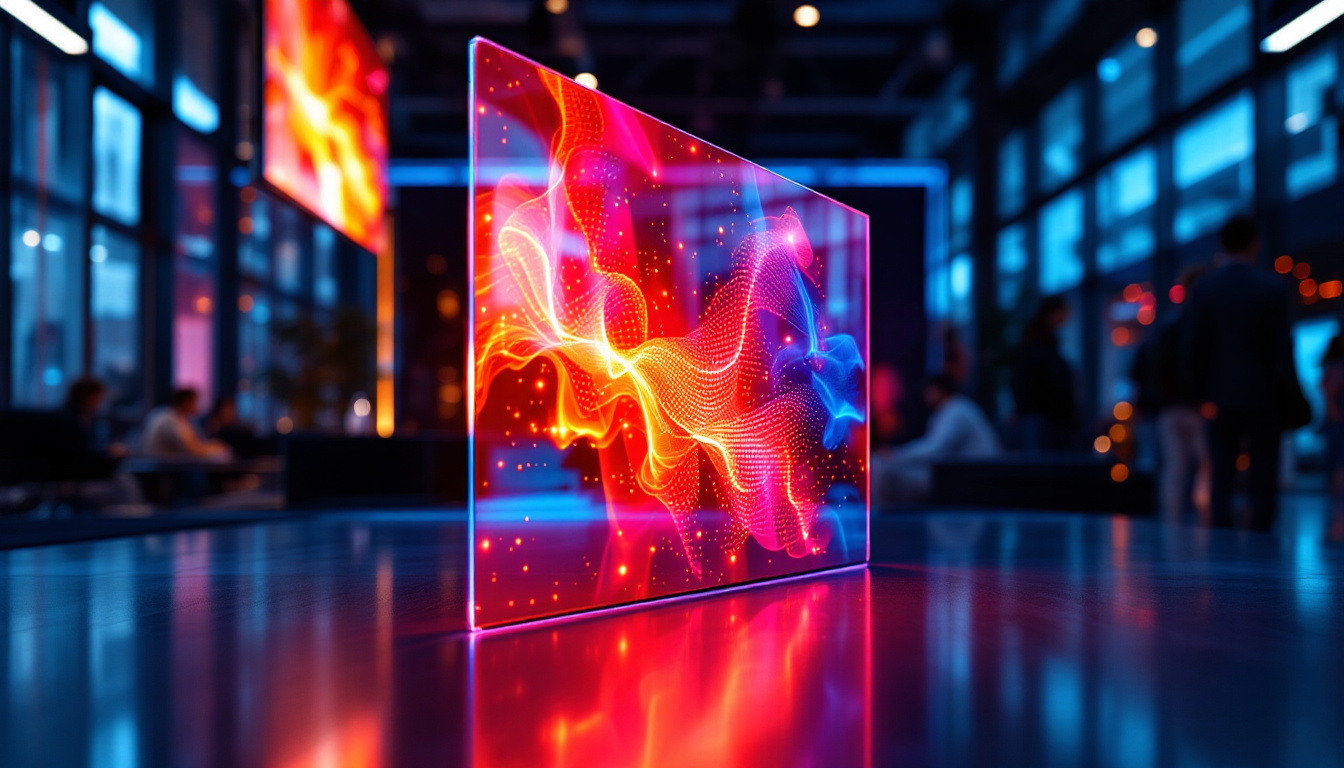
Innovations in flexible and transparent LED panels allow for creative architectural applications. These displays can be curved, wrapped around structures, or embedded in glass surfaces, expanding the possibilities for 20 ft LED installations.
Conclusion
A 20 ft LED display offers a powerful and versatile solution for a variety of applications, from advertising and entertainment to public information. Understanding the technical specifications, benefits, and practical considerations is key to maximizing the value of this technology. As LED technology advances, these large-scale displays will continue to play a crucial role in visual communication, delivering impactful messages with energy efficiency and durability.
Whether upgrading an existing signage system or investing in a new digital display, the 20-foot LED display stands out as a compelling choice for businesses and organizations seeking to captivate audiences and enhance their visual presence.
Discover LumenMatrix’s Innovative LED Display Solutions
Ready to elevate your visual presence and captivate your audience with unparalleled clarity and impact? Explore LumenMatrix’s comprehensive range of LED display solutions, where innovation meets functionality. From vibrant Indoor LED Walls to dynamic Outdoor Displays, and from sleek LED Posters to immersive Sports and Floor Displays, LumenMatrix offers custom and all-in-one solutions tailored to your unique needs. Experience the future of visual communication with our cutting-edge LED Transparent Displays. Check out LumenMatrix LED Display Solutions today and transform your space into a beacon of engagement.